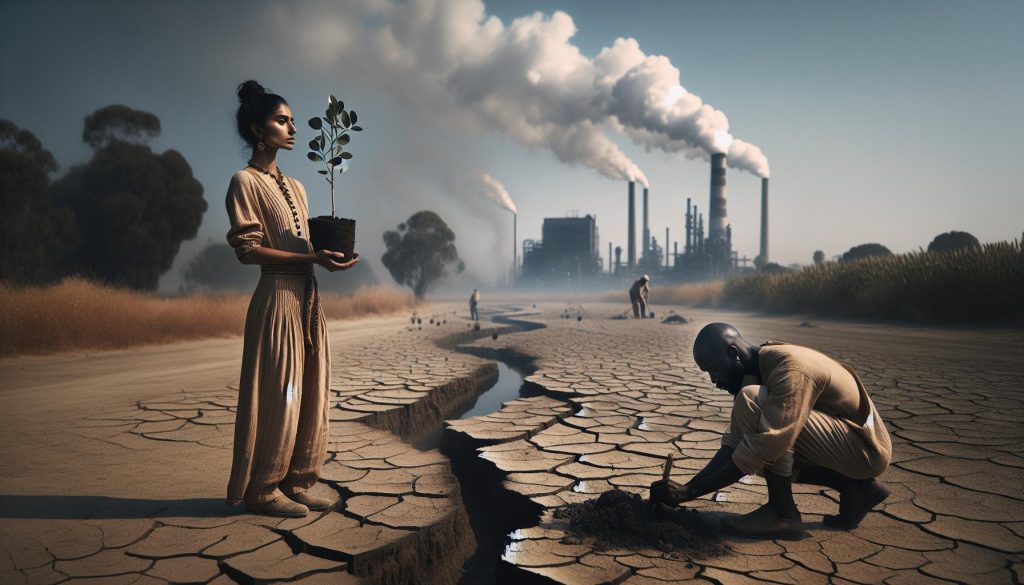
As our planet faces unprecedented changes, understanding the distinction between climate change and global warming becomes crucial. While these terms are often used interchangeably, they represent different aspects of a complex issue that affects every one of us. Climate change refers to broad shifts in weather patterns, including extreme weather events and evolving ecosystems, while global warming specifically addresses the rise in Earth’s average temperature due to human activities. This difference is key to grasping the urgency of the situation and inspiring informed action.
Many of us feel the impact of these changes in our daily lives-rising sea levels threaten coastal communities, and shifting weather patterns affect agriculture and water supplies. By understanding these terms and their implications, we can better advocate for solutions that address the root causes of our environmental challenges. Join us as we explore these concepts further, unraveling their intricacies to empower you with the knowledge needed to navigate this critical issue and contribute to meaningful change.
Understanding the Basics of Climate Change and Global Warming
Understanding the nuances of climate change and global warming is essential for comprehending the current environmental crisis we face. While often used interchangeably, these terms have distinct meanings, both crucial for effective communication and action. Global warming specifically refers to the long-term increase in Earth’s average surface temperature due to human activities, predominantly the emission of greenhouse gases (GHGs). In contrast, climate change encompasses a broader range of alterations, including shifts in precipitation patterns, rising sea levels, and increased frequency of extreme weather events, which may be influenced by natural factors as well.
The Intergovernmental Panel on Climate Change (IPCC) highlights that human activities, such as burning fossil fuels, deforestation, and industrial processes, are significant drivers of global warming, resulting in higher concentrations of GHGs in the atmosphere. This warming is not just a statistical change-it translates into real-world impacts. For example, scientists forecast that climate change could lead to more frequent and severe weather events, ultimately affecting agriculture, health, and biodiversity globally. The far-reaching consequences of global warming, like rising sea levels and disruptions to ecosystems, underscore the urgent need for comprehensive strategies to mitigate these effects.
Recognizing these differences adds clarity to discussions around environmental policy and personal responsibility. For instance, initiatives designed to combat global warming-such as transitioning to renewable energy sources and enhancing energy efficiency-are vital in mitigating climate change’s broader impacts. Understanding the specific terminology empowers individuals and communities to engage more effectively in environmental advocacy, fostering a proactive approach to safeguarding our planet for future generations.
Differences in Definitions: Climate Change vs. Global Warming
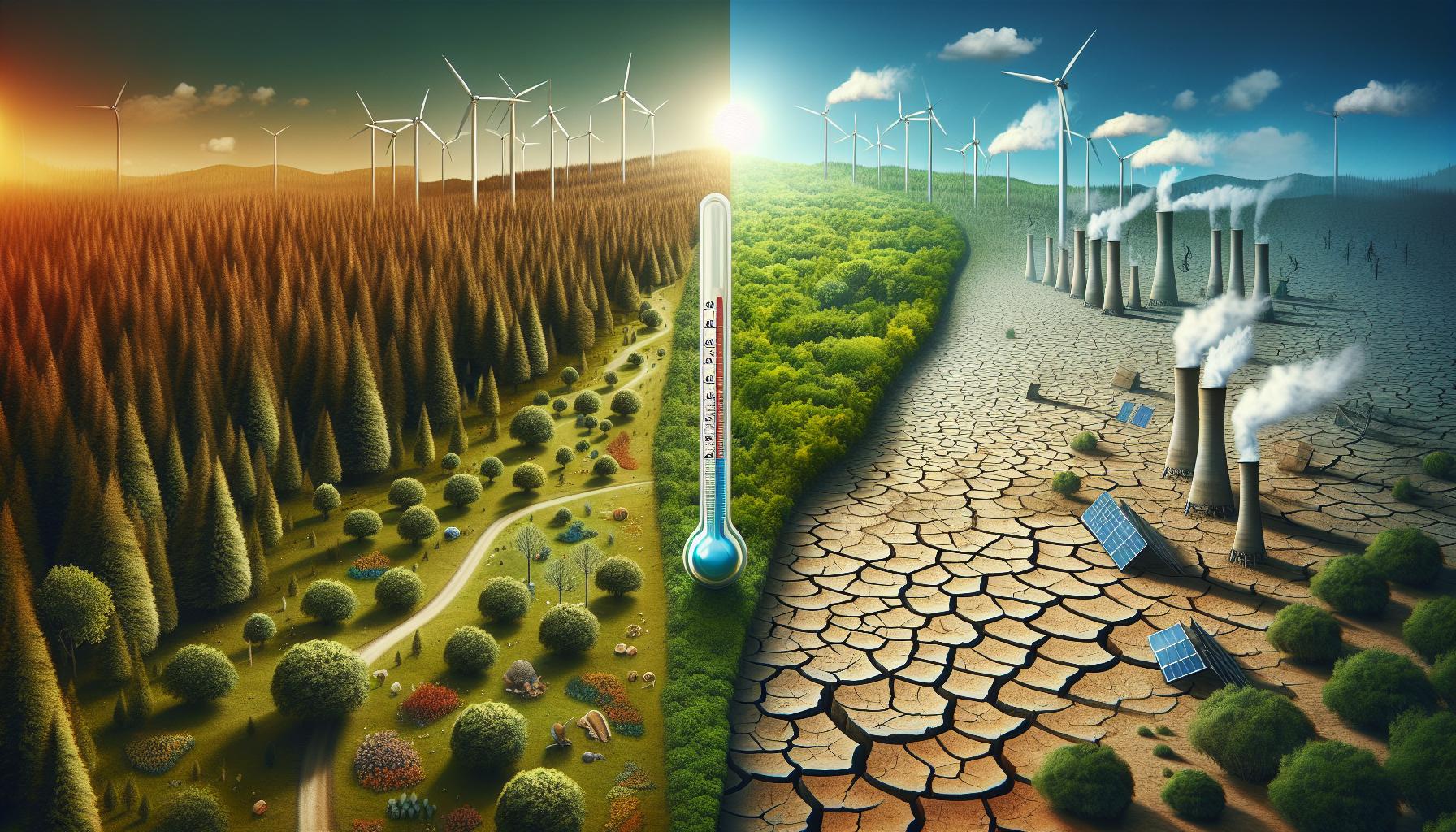
Understanding the distinctions between climate change and global warming is crucial in today’s environmental discourse. While many use these terms interchangeably, they refer to different phenomena with unique implications. Global warming is specifically defined as the long-term increase in Earth’s average surface temperature, primarily driven by human activities such as the burning of fossil fuels and deforestation. This process significantly contributes to the buildup of greenhouse gases (GHGs) in the atmosphere and is a key factor in altering the planet’s climate.
On the other hand, climate change encompasses a broader range of changes beyond temperature increases. It includes shifts in weather patterns, varying precipitation levels, rising sea levels, and increased frequency of extreme weather events. Some of these alterations can also be influenced by natural factors, such as volcanic eruptions or solar radiation changes, which makes the conversation about climate change even more complex. This distinction is vital because it helps frame the conversation around mitigating impacts and developing effective environmental policies that address both the symptoms of global warming and the broader dynamics of climate change.
Moreover, recognizing these definitions affects how we discuss responsibility and action. For instance, initiatives to combat global warming might focus on reducing carbon emissions and developing renewable energy, while strategies to tackle climate change could broaden into sustainable land use practices and adaptation measures to manage the effects of disruptive weather patterns. By understanding these terms, individuals and policymakers can effectively engage in discussions and take actionable steps toward a sustainable future, ensuring both immediate and long-term environmental resilience.
Causes of Climate Change: Human Activity and Natural Factors
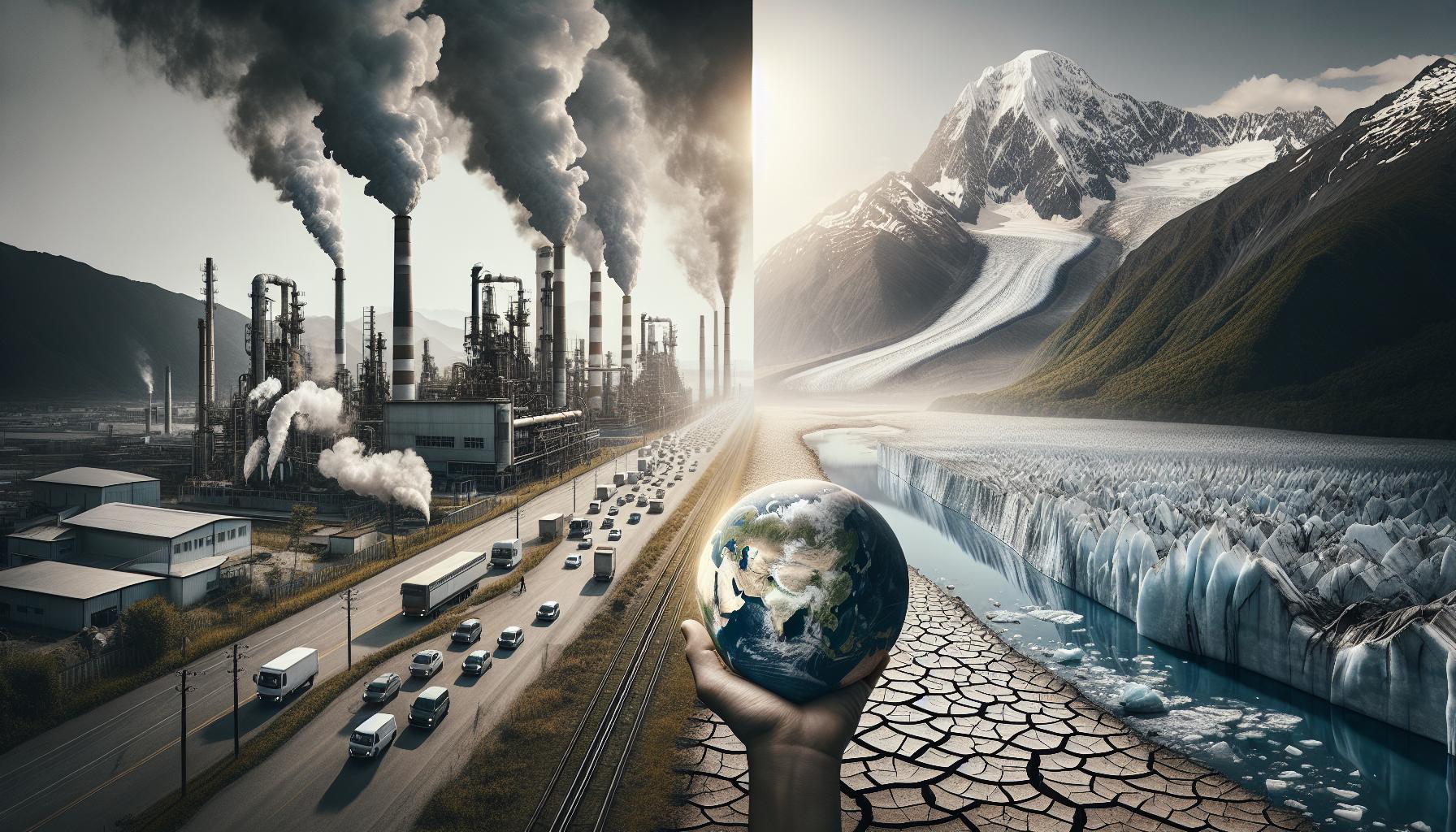
The intricate web of climate change is woven together by both human activities and natural factors, creating a complex tapestry of challenges that our planet faces today. Human activities, primarily the burning of fossil fuels for energy, significantly enhance the greenhouse effect by releasing carbon dioxide (CO2) and other greenhouse gases (GHGs) into the atmosphere. In fact, since the pre-industrial era, atmospheric CO2 levels have increased by over 40%, directly correlating with the rise in global temperatures. Deforestation also plays a crucial role; as trees are removed, not only is CO2 absorption diminished, but the carbon stored in trees is released back into the atmosphere, further exacerbating the warming trend.
Natural factors, while less influential in today’s context compared to human actions, still contribute to climate variability. Events such as volcanic eruptions can release substantial amounts of ash and gases into the atmosphere, leading to temporary cooling effects. Solar radiation variations also impact climate patterns over longer periods. Historically, these natural influences have caused fluctuations in climate over millennia. However, the rapid pace of recent temperature changes can primarily be attributed to anthropogenic, or human-made, causes. Understanding this distinction is fundamental; while natural factors are important, it is the rate and scale of human-induced changes that pose the most immediate threats to ecosystems and weather stability.
To tackle climate change effectively, a multi-faceted approach is essential. Individuals can take meaningful actions, such as reducing energy consumption, opting for renewable energy sources, and supporting sustainable practices in their communities. At a broader level, policymakers must prioritize carbon reduction strategies and promote legislation that incentivizes businesses to adopt greener technologies. A collaborative effort that encompasses personal responsibility and systemic change can significantly mitigate the adverse effects of climate change, providing a healthier, more sustainable environment for future generations. Working towards this goal is imperative-not just for our survival but for the preservation of the diverse ecosystems that share our planet.
The Impact of Global Warming on Weather Patterns
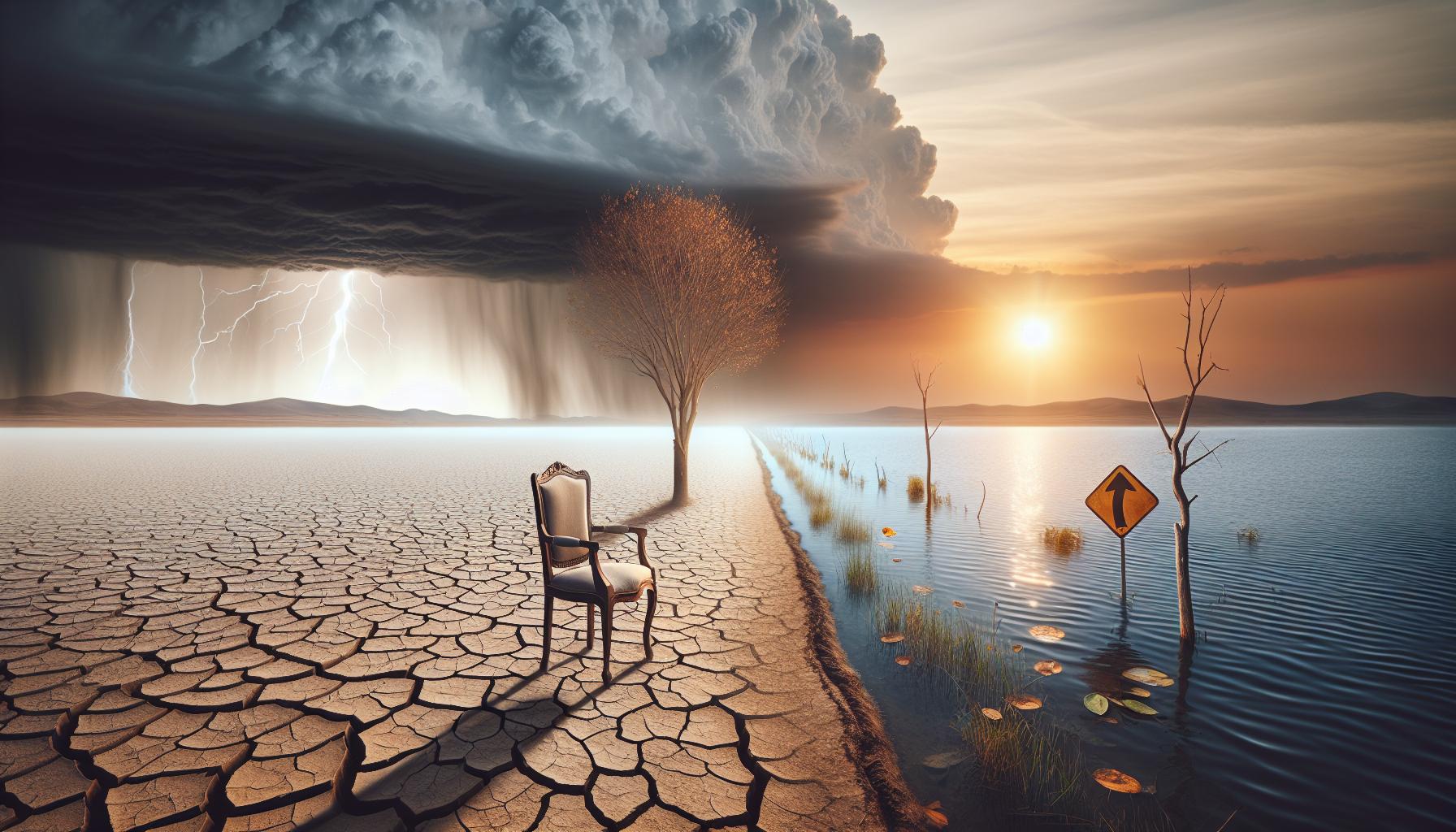
The effects of global warming on weather patterns manifest in increasingly unpredictable and extreme weather events, impacting communities and ecosystems across the globe. According to the Intergovernmental Panel on Climate Change (IPCC), the rising temperatures lead to significant alterations in precipitation patterns, resulting in both increased droughts and flooding in different regions. This dual threat underscores the complexity of climate change, as some areas may become parched while others face deluge, stressing the importance of adaptive strategies.
One of the most notable impacts is the intensified frequency of heat waves. With average global temperatures climbing, regions unaccustomed to extreme heat are seeing days of sweltering temperatures that can be dangerous or even fatal to vulnerable populations. For example, cities like Phoenix and Los Angeles in the U.S. are facing record highs, prompting health advisories and challenges in water resource management. On the other end of the spectrum, warming oceans contribute to more powerful and unpredictable hurricanes and typhoons, significantly increasing the impact of these storms on coastal communities. Recent hurricanes, such as Hurricane Harvey in 2017, demonstrated how warmer waters lead to increased rainfall, causing catastrophic flooding.
The influence of global warming also extends to longer-term shifts, such as changes in seasonal weather patterns that can affect agricultural cycles. Farmers face uncertainty as traditional planting and harvesting times become mismatched with the new climate realities. For instance, a warming climate has been shown to extend growing seasons in some regions, while in others, it disrupts crop yields due to altered rainfall patterns or increased pests. These discrepancies showcase the need for agricultural innovation and adaptive practices that address shifting weather conditions.
Adapting to these changes requires a concerted effort from individuals, communities, and governments. Actions can include implementing more resilient infrastructure, such as improved drainage systems to handle increased rainfall, and developing sustainable water management practices to combat drought. By prioritizing such adaptive measures, humanity can take proactive steps to mitigate the adverse effects of global warming on weather patterns, paving the way for a more sustainable future.
Common Misconceptions About Climate Change
Misunderstandings about climate change are widespread, often leading to confusion about its significance and the actions needed to address it. One common misconception is that climate change refers solely to recent or future changes in temperature, ignoring its broader implications. In reality, climate change encompasses a wide range of phenomena caused by both human activities and natural processes, leading to alterations in weather patterns, rising sea levels, and ecosystem disruptions.
Another prevalent myth is that climate change is a problem for the distant future, rather than an urgent issue impacting us now. Evidence shows that rising global temperatures have already resulted in severe weather events, such as hurricanes, droughts, and heatwaves, which are drastically affecting communities worldwide. For example, the increasing intensity of storms like Hurricane Harvey serves as a stark reminder that climate change is already wreaking havoc on infrastructure and livelihoods, particularly in vulnerable populations.
Furthermore, many people believe that individual actions have little impact on climate change. However, collective efforts-like reducing energy consumption, supporting renewable energy, and advocating for sustainable practices-can lead to significant changes. Initiatives such as community recycling programs, local clean-up days, and the promotion of public transportation can inspire broader action and demonstrate how local choices connect to global issues.
In understanding these misconceptions, it becomes clear that addressing climate change requires informed discourse, active participation, and a willingness to adapt to new information. By fostering a proactive approach and encouraging open dialogue, we can work towards solutions that benefit both our environment and society as a whole.
How Climate Change Affects Ecosystems and Biodiversity
The intricate relationship between climate change and biodiversity highlights how critically interconnected our ecosystems are. As temperatures rise and weather patterns shift, the delicate balance that maintains biodiversity is disrupted, leading to significant consequences for natural habitats and the species that inhabit them. For instance, a warming climate is causing many animals and plants to migrate towards cooler areas or higher elevations, radically transforming the landscapes we know today.
Impacts on Ecosystems
The cascading effects of climate change on ecosystems manifest in various ways:
- Altered Habitats: Ecosystems adapt to a stable climate; however, rapid changes prevent many species from adjusting quickly enough to their new climates. For example, coral reefs, which are highly sensitive to temperature changes, suffer from bleaching when waters become too warm, threatening marine biodiversity and the livelihoods of communities that depend on fisheries and tourism.
- Species Extinction: According to the Intergovernmental Panel on Climate Change (IPCC), about one million species are at risk of extinction due to climate change. This statistic underscores the urgency of the crisis. As temperatures climb, certain species may face extinction if they can’t relocate or adapt fast enough.
The Role of Biodiversity in Climate Mitigation
Conversely, protecting and restoring biodiversity plays a crucial role in mitigating climate change itself. Healthy ecosystems, such as forests and wetlands, serve as natural carbon sinks, absorbing carbon dioxide from the atmosphere. Indeed, forests alone account for approximately 30% of the Earth’s carbon dioxide absorption.
Implementing strategies like reforestation and sustainable land management not only fosters biodiversity but also enhances ecosystem resilience, thereby improving our world’s overall health. Here are some practical steps that can be taken:
- Promote Native Species: Planting native flora helps maintain local ecosystems and supports the wildlife that depends on them.
- Support Conservation Efforts: Engage with organizations working to protect endangered species and habitats. This support can come in the form of volunteer work, financial donations, or simply advocating for their initiatives.
- Educate and Advocate: Raising public awareness about the importance of biodiversity can inspire community action, leading to more robust conservation policies at local and national levels.
Conclusion
By understanding and addressing the impacts of climate change on ecosystems and biodiversity, we can take informed actions that not only mitigate climate change but also preserve the rich biological tapestry of our planet. This holistic approach ensures that we work not just for our own future but for the health of the Earth itself. Each individual’s actions, when aggregated, can drive significant positive change in our global climate system, reaffirming our ability to chart a sustainable path forward.
The Role of Greenhouse Gases in Climate Change
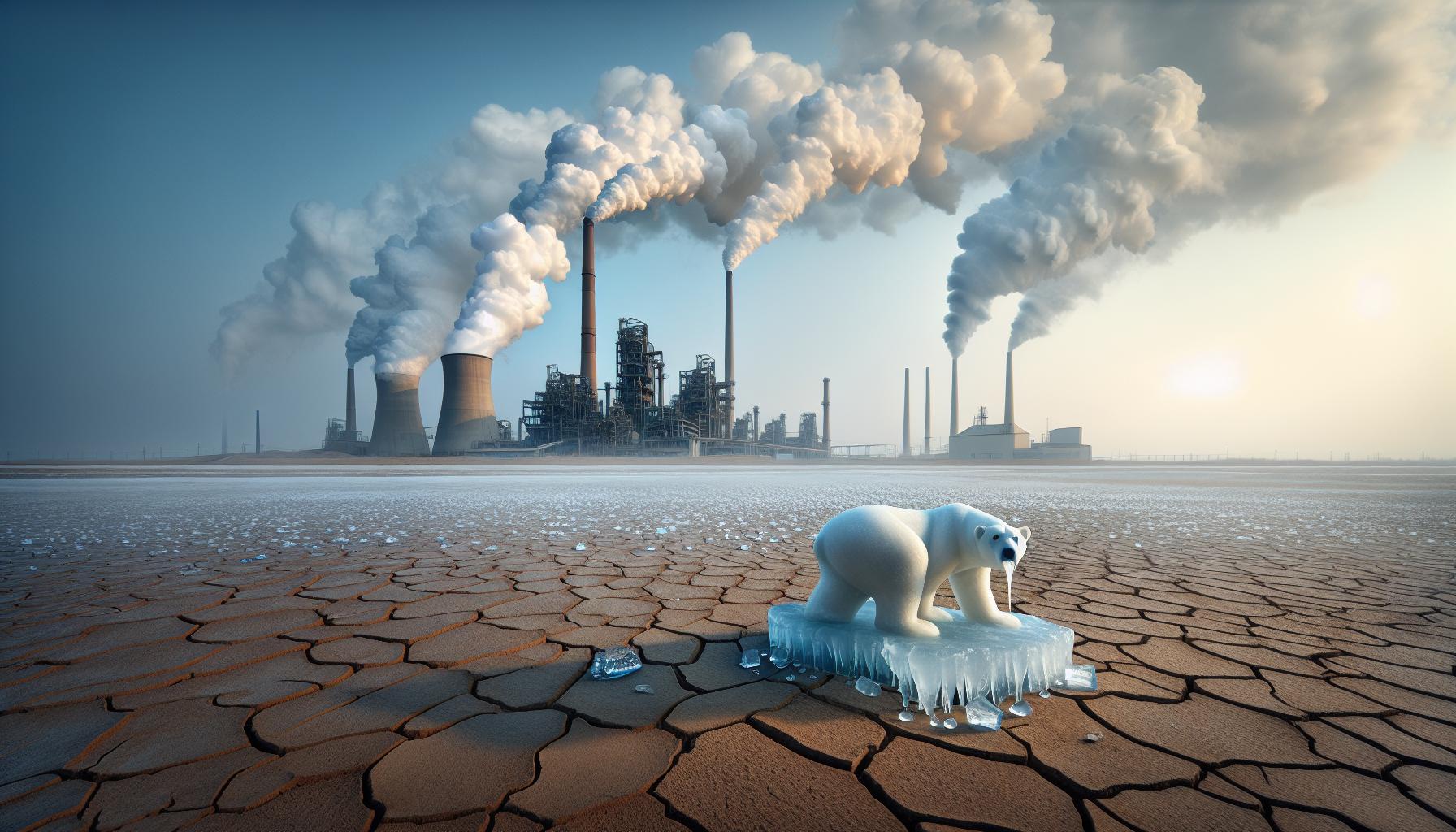
The intricate balance of our planet’s climate system is significantly influenced by greenhouse gases (GHGs), which serve as both a component of natural processes and a byproduct of human activity. Common GHGs like carbon dioxide (CO2), methane (CH4), and nitrous oxide (N2O) contribute to the greenhouse effect-a phenomenon that warms the Earth by trapping heat in the atmosphere. While greenhouse gases are essential for maintaining temperatures conducive to life, their excessive accumulation due to human actions has intensified global warming and led to dramatic shifts in climate patterns.
Carbon dioxide is the most prevalent GHG, accounting for about 64% of the warming influence caused by human activities. Its primary sources include the burning of fossil fuels for energy and deforestation. In fact, fossil fuels-coal, oil, and natural gas-make up around 68% of global greenhouse gas emissions today, emphasizing the urgent need for cleaner energy sources[[2]](https://www.un.org/en/climatechange/science/causes-effects-climate-change). Methane, though less abundant, is significantly more effective at trapping heat, with a warming potential over twenty times that of CO2 in the short term. Key sources of methane emissions stem from agriculture, particularly livestock digestion, and leaks from natural gas systems[[3]](https://www.climate.gov/news-features/understanding-climate/climate-change-annual-greenhouse-gas-index).
Mitigating the effects of greenhouse gases involves comprehensive strategies targeting both reduction of emissions and enhancement of carbon sequestration. For instance, restoring forests and wetlands can significantly fortify natural carbon sinks, absorbing CO2 from the atmosphere and thereby lessening the overall concentration of these gases. As forests account for approximately 30% of the Earth’s absorption of CO2, promoting reforestation and afforestation projects can have a profound impact on climate change mitigation[[1]](https://www.sciencedirect.com/science/article/pii/S004896972403506X).
To take actionable steps, individuals can reduce their carbon footprint by incorporating sustainable practices into their daily lives. Simple measures such as using public transport, minimizing waste, conserving energy at home, and supporting legislation aimed at reducing greenhouse gas emissions can collectively drive significant change. Additionally, engaging in community efforts, like local tree planting initiatives or wildlife conservation projects, fosters a sense of collective responsibility and contributes to the broader fight against climate change. By understanding the crucial role greenhouse gases play, we empower ourselves to make informed decisions that support a healthier planet.
Climate Change: Global vs. Local Perspectives
As climate change continues to evolve, its impacts are felt differently across the globe, revealing a complex tapestry of local experiences influenced by global trends. The paradox of climate change lies in its universal origin-human activity and natural processes-but the consequences are distinctly localized, affecting regions in unique ways. For instance, while coastal areas may grapple with rising sea levels, inland communities could be facing severe droughts or altered rainfall patterns. Understanding these disparities is crucial for crafting effective policies and local resolutions.
Global Perspectives on Climate Change
At a global level, climate change is perceived as a pressing challenge that transcends borders. International agencies like the United Nations Framework Convention on Climate Change (UNFCCC) are creating frameworks for climate action, urging all nations to commit to reducing greenhouse gas emissions through agreements like the Paris Accord. These global efforts focus on defining ambitious targets to limit temperature rises and promote sustainable development, acknowledging that failure to act collectively will exacerbate the climate crisis, impacting food security, health, and water supplies worldwide.
Local Perspectives on Climate Vulnerability
Conversely, local perspectives reveal the diverse vulnerabilities autonomous communities face due to climate change. For example, in South Asia, farmers struggling with unpredictable monsoons may experience crop failures, driving rural poverty further. In contrast, Arctic communities are witnessing the melting of ice that threatens traditional lifestyles and wildlife habitats. Each locality has specific needs, necessitating tailored strategies that incorporate local knowledge and resilience resources. Engaging local voices in climate discussions fosters solutions that resonate with those most affected and can enhance community readiness and response strategies.
A practical step is for individuals and local governments to conduct community assessments using tools like participatory climate mapping. This involves gathering data from residents about local climate impacts and vulnerabilities, resulting in actionable insights that aid in crafting localized adaptation strategies. Such grassroots engagement not only raises awareness of climate effects but also inspires collaboration among residents toward sustainable practices that benefit both the environment and the economy.
By embracing both global initiatives and local realities, we can develop more nuanced approaches to tackle climate change that respect cultural contexts and build resilience. Taking informed actions at local levels-such as advocating for policies that support renewable energy adoption or protecting local ecosystems-empowers communities to play active roles in influencing the broader climate narrative while mitigating the immediate consequences they face. Together, these efforts contribute to a more sustainable and equitable future in the face of climate change.
What Science Says: Research and Studies on Climate Change
Research shows that climate change and global warming, while often used interchangeably, encompass different aspects of environmental shifts. According to the Intergovernmental Panel on Climate Change (IPCC), global warming specifically refers to the increase in Earth’s average surface temperature due to human emissions of greenhouse gases. In contrast, climate change includes global warming along with the broader range of changes affecting the climate. This includes shifts in precipitation patterns, more severe weather events, and the impact on ecosystems and biodiversity.
The findings from the latest scientific reports highlight that the Earth’s average surface temperature has risen approximately 2 degrees Fahrenheit (1 degree Celsius) since the late 19th century. Such a seemingly small increase represents a significant rise in heat that disrupts various natural systems. For example, the warming oceans lead to stronger storms and altered marine life distributions, affecting food security and local economies.
Real-world studies reveal the tangible effects of these changes. Coastal regions are experiencing increased flooding and erosion due to rising sea levels, while other areas face droughts, threatening agriculture and freshwater supplies. Notably, research indicates that the Arctic is warming nearly twice as fast as the global average, resulting in dramatic impacts such as permafrost thawing, which in turn releases more greenhouse gases into the atmosphere, creating a feedback loop that exacerbates climate change.
In light of these findings, scientists emphasize the importance of reducing greenhouse gas emissions to mitigate further warming. Innovations in renewable energy, improved energy efficiency, and sustainable land management practices are crucial strategies that can help combat these challenges. Community-level actions, such as implementing local assessments of climate vulnerabilities and engaging stakeholders in sustainable practices, have proven effective in fostering resilience against the impacts of climate change.
As we continue to advance our understanding of these complex issues, it becomes clear that addressing climate change requires both local engagement and global cooperation. By integrating scientific research with community action, we can pave the way towards a more sustainable and adaptable future.
Real-World Examples of Global Warming Consequences
The consequences of global warming manifest vividly in various aspects of our planet, from shifting weather patterns to devastating natural disasters. For instance, rising sea levels due to melting ice sheets and glaciers threaten coastal cities worldwide. Areas like Miami and New Orleans are increasingly vulnerable, facing regular flooding that disrupts daily life and threatens infrastructure. As a result, city planners are investing in innovative flood defenses and better drainage systems to protect against water incursion, demonstrating how communities are responding to these changes.
Extreme weather events, such as hurricanes and wildfires, have also intensified. The 2020 hurricane season was one of the most active on record, with storms forming at unprecedented rates and escalating in strength. Alongside this, the trend of longer and more severe wildfire seasons in regions like California and Australia presents a dual threat: destruction of property and the loss of biodiversity. Local governments and organizations are focusing on developing better management practices for forested areas to reduce the risk of catastrophic fires, showcasing proactive measures to adapt to these increasingly severe conditions.
Moreover, sensitive ecosystems are undergoing a transformation as temperatures warm. Coral reefs, for example, are experiencing widespread bleaching as sea temperatures rise, disrupting marine biodiversity and threatening the livelihoods of communities dependent on fishing and tourism. Conservation efforts are gaining momentum, with initiatives aimed at protecting marine reserves and promoting sustainable fishing practices to help restore and preserve these vital ecosystems.
Finally, the health implications of global warming are profound. The World Health Organization warns that climate change could lead to approx 14.5 million additional deaths by 2050, exacerbating existing health crises and inequalities. Communities can take action by implementing local health initiatives aimed at reducing emissions and enhancing public health resilience, aligning health goals with climate action to protect their citizens.
This multi-faceted approach to understanding real-world consequences ensures that while the challenges are significant, there are paths forward through community resilience, innovation, and sustainable practices that foster a more adaptive future. By illustrating how individuals and communities are tackling these issues head-on, it becomes evident that informed action can mitigate the more dire projections of global warming and its associated impacts.
Policies and Solutions to Combat Climate Change
As the urgency to address climate change intensifies, a multifaceted approach rooted in sound policies and innovative solutions becomes essential. Governments, organizations, and individuals play pivotal roles in implementing strategies that not only mitigate the impacts of climate change but also promote sustainable practices. Among the most effective measures are renewable energy initiatives, conservation policies, and community engagement efforts.
Renewable Energy Initiatives
Transitioning to renewable energy sources is crucial for reducing greenhouse gas emissions. For instance, the deployment of solar and wind energy systems can significantly cut reliance on fossil fuels. Countries around the globe are investing in renewable infrastructure; for example, the U.S. has seen a surge in solar panel installations due to tax incentives and state-level renewable energy mandates. A specific case is California’s ambitious goal to achieve 100% clean energy by 2045, showcasing how aggressive policy frameworks can lead to substantial progress toward sustainability.
Conservation Policies
In addition to renewable energy initiatives, conservation policies that protect public lands play a vital role in combatting climate change. Effective management of forests, wetlands, and other ecosystems can enhance carbon sequestration, which helps to mitigate the effects of climate change. The Wilderness Society emphasizes that nearly a quarter of U.S. greenhouse gas emissions come from public lands and waters, indicating that addressing emissions from these areas is critical. Programs that encourage responsible land use and habitat restoration not only combat climate change but also preserve biodiversity, ultimately benefiting local communities and economies.
Community Engagement and Education
Community engagement is a powerful tool in the fight against climate change. Individuals can contribute through small lifestyle adjustments that collectively yield significant results. From adopting energy-efficient appliances to incorporating more plant-based foods into their diets, these changes collectively reduce individual carbon footprints. Moreover, educational campaigns that empower communities to advocate for and participate in climate solutions foster a sense of shared responsibility and facilitate broader societal change. This grassroots approach has led to successful local initiatives across various regions, proving that informed action at the individual level can drive substantial progress.
In sum, the blend of comprehensive policies, renewable energy investments, effective conservation strategies, and robust community engagement creates a dynamic framework for addressing climate change. By working collectively to implement these solutions, society can build a more resilient future that not only mitigates the impacts of global warming but also enhances environmental sustainability and improves quality of life.
Taking Action: How Individuals Can Make a Difference
Amidst growing concerns over climate change and global warming, individuals hold significant power to drive positive change through everyday actions. Each person’s choices, whether as consumers, voters, or community members, can contribute to a collective effort that addresses these critical issues. For instance, embracing energy efficiency not only helps in reducing greenhouse gas emissions but also lowers utility bills. Simple steps, like using energy-efficient appliances or switching to LED lighting, can result in notable energy savings and drive down overall carbon footprints.
Make Sustainable Choices
Adopting a more sustainable lifestyle can take many forms, and each choice matters. Consider the following actions:
- Reduce Meat Consumption: A shift towards a more plant-based diet can significantly lower your personal carbon emissions, as livestock farming is a major contributor to greenhouse gases.
- Use Public Transport: Opting for bikes, carpooling, or public transportation helps decrease reliance on fossil fuels and reduces traffic emissions.
- Support Local Products: Purchasing goods produced locally not only reduces transportation emissions but also boosts the local economy and promotes sustainable farming practices.
Engage in Community Initiatives
Community actions amplify individual efforts, creating a ripple effect. Joining or initiating local environmental groups can enhance awareness and foster collaborative projects. For example, participating in tree-planting events or community clean-up days not only contributes to environmental restoration but also builds a sense of unity and purpose. Schools and local organizations often seek volunteers for sustainability projects, providing an excellent platform for making impactful contributions.
Furthermore, advocating for policies that address climate change at the local level empowers individuals to make systemic changes. Voting for candidates with strong environmental platforms and attending town hall meetings can influence decision-makers to prioritize sustainable practices and climate-focused initiatives.
Educate Yourself and Others
Information is a powerful tool in the fight against climate change. By staying informed about the science behind climate change and global warming, individuals can engage in informed discussions and challenge misconceptions. Share articles from credible sources, participate in community forums, and leverage social media to spread awareness about the urgent need for climate action.
Engaging in conversations about climate science not only informs others but also fosters a culture of awareness and responsibility. People are more likely to take action when they understand the relevance of their choices and see real-world examples of how collective efforts can lead to significant change.
Ultimately, the path to combating climate change is paved with individual actions that contribute to a larger movement. By making conscious choices and encouraging others to do the same, individuals can help foster a sustainable future and mitigate the impacts of global warming. Together, the meaningful habits and initiatives led by individuals can catalyze the broader systemic changes necessary to address the challenges posed by climate change.
Faq
Q: How do climate change and global warming differ in their impacts?
A: Climate change encompasses a broader range of environmental shifts, including alterations in precipitation patterns, sea levels, and biodiversity. Global warming specifically refers to the increase in Earth’s average temperature due to greenhouse gas emissions. Understanding these differences is crucial for developing targeted climate action strategies.
Q: Why is it important to distinguish between climate change and global warming?
A: Distinguishing between climate change and global warming helps clarify discussions about environmental issues. While global warming focuses on temperature increases, climate change includes all changes in climate patterns, which can lead to more effective policies and public awareness about the comprehensive effects on ecosystems and human societies.
Q: Can natural phenomena contribute to climate change without global warming?
A: Yes, natural phenomena such as volcanic eruptions and solar activity can influence climate change without directly causing global warming. These factors can temporarily cool or warm the planet, affecting weather patterns and biodiversity without the greenhouse gas influence central to global warming.
Q: How does public perception differ between climate change and global warming?
A: Public perception often sees climate change as a broader, more complex issue, while global warming is frequently understood as a singular phenomenon focusing on rising temperatures. This difference can affect how individuals and policymakers respond to each, impacting engagement in environmental measures.
Q: What roles do greenhouse gases play in climate change and global warming?
A: Greenhouse gases are a primary driver of global warming by trapping heat in the atmosphere. However, they also contribute to climate change by altering weather patterns and oceanic conditions, leading to more extreme weather events and ecological shifts. Addressing greenhouse gas emissions is critical in tackling both issues.
Q: How do individual actions contribute to solving climate change and global warming?
A: Individual actions, such as reducing energy consumption, using public transport, and supporting sustainable practices, can significantly mitigate both climate change and global warming. Engaging in community initiatives and promoting awareness can amplify these efforts, fostering a culture of environmental responsibility.
Q: What are common misconceptions about climate change and global warming?
A: Common misconceptions include the idea that climate change and global warming are the same, or that they are solely caused by human activity. Understanding the nuances is vital, as both natural and anthropogenic factors contribute to these complex environmental issues.
Q: When did the terms ‘climate change’ and ‘global warming’ become widely used?
A: The term ‘global warming’ gained prominence in the late 20th century, especially after the 1988 establishment of the Intergovernmental Panel on Climate Change (IPCC). ‘Climate change’ became more widely used as a catch-all term to address a broader spectrum of environmental changes related to human activities.
Closing Remarks
Understanding the distinction between climate change and global warming is vital for grasping the broader environmental challenges we face. Both terms encapsulate critical aspects of our planet’s health, but recognizing their differences empowers you to take informed action. If you’re looking to dive deeper into climate science, check out our articles on “The Impacts of Climate Change” and “Steps You Can Take to Reduce Your Carbon Footprint.”
Now is the time to get involved-whether it’s signing our newsletter for the latest updates, exploring practical resources for sustainable living, or sharing your thoughts in the comments below. Every action counts toward fostering a healthier planet. As you continue to seek knowledge, remember that informed choices can lead to meaningful change. Join us in spreading awareness and be part of the solution today!
Get our latest guides, news, and insights highlighted in your Google Search & AI Overviews.