Climate change is no longer a distant concern but a pressing reality that affects us all. Understanding the evolution of how global warming transitioned to climate change in media provides critical insight into our communication about the environment. Historically, “global warming” focused on rising temperatures, while “climate change” encompasses broader ecological shifts, making it more relatable to diverse audiences. This shift is crucial for grasping the urgency of the climate crisis and recognizing our role in combating it. As public perception evolves, so does the need for actionable knowledge; many are searching for effective steps they can take to mitigate their impact. By diving into this topic, you’ll uncover not only the media’s role in this transition but also how it shapes our understanding of sustainable practices. Join us in exploring this journey and discover how language influences action in the face of climate challenges.
The Evolution of Global Warming Terminology
The terminology surrounding climate issues has undergone significant evolution over the decades, reflecting changes in scientific understanding, public perception, and media portrayal. Initially, “global warming” was used predominantly to describe the increase in Earth’s average surface temperature due to rising greenhouse gas emissions. However, as the complexity of climate phenomena became clearer, the term “climate change” began to gain traction. This shift acknowledges not only rising temperatures but also a broader range of climate impacts, including extreme weather events, sea-level rise, and shifts in ecosystems.
One pivotal moment occurred in the late 1980s when the Intergovernmental Panel on Climate Change (IPCC) was established. The adoption of “climate change” in its reports marked a crucial turning point, emphasizing a more comprehensive view of the issues at stake. The media played an influential role in propagating this change. As journalists began to report on various climate-related phenomena-beyond just temperature increases-they contributed to a wider understanding of climate issues. This expansion in vocabulary helped facilitate discussions on adaptation, mitigation strategies, and the social implications of climate disruptions.
The evolution of these terms also parallels shifts in political discourse and environmental movements. For instance, the emergence of grassroots campaigns focused on sustainability and ecological justice underscored the interconnectedness of environmental issues with social and economic factors. This broadening perspective was reflected in media language that increasingly framed climate narratives in terms of crisis and urgency, fostering a sense of collective responsibility and action against a backdrop of global threats.
Understanding the historical context of these terms enables a deeper appreciation of the nuances in climate discussions today. As we move forward, the language surrounding climate action will continue to evolve, shaping how society understands and responds to one of the most pressing challenges of our time.
The Role of Media in Climate Change Narratives

To understand the impact of media on climate narratives, it’s essential to recognize that language shapes perception. In the past few decades, as concerns over environmental issues have grown, the terminology used in media has evolved significantly. Initially, “global warming” dominated discussions on climate, primarily focusing on temperature increases. However, as the media started to cover a broader array of climate-related phenomena-such as natural disasters, habitat loss, and socio-economic impacts-the more expansive term “climate change” began to take precedence. This shift not only reflects a change in scientific understanding but also indicates how media can drive public consciousness and policy conversation.
The Power of Media Framing
Media framing has profound implications for how audiences interpret climate issues. When media outlets prioritize certain aspects-like climate disasters or policy debates-over others, they shape the narrative by directing public and political focus. For example, extensive reporting on severe weather events linked to climate change reinforces the urgency of action, while discussions centered on polar bears or distant glaciers may fail to resonate with audiences who are more impacted by local climate effects. By providing relatable stories and emphasizing the immediate relevance of climate issues, media can foster a sense of responsibility and motivate collective action.
Case Studies of Effective Media Engagement
Real-world examples underscore the media’s role in shifting climate discourse. The coverage of events like Hurricane Sandy or the California wildfires not only brought attention to the immediate devastation but also framed these incidents as consequences of climate change. This narrative shift has encouraged public mobilization and increased advocacy for policy reforms at local and national levels. Moreover, successful media campaigns, such as those by organizations like the Sunrise Movement, have utilized social media to create a sense of community and urgency among younger audiences, facilitating discussions about sustainability and climate equity.
In approaching climate change narratives, media professionals can adopt practical strategies to enhance public engagement:
- Storytelling: Use personal stories from individuals and communities affected by climate change to humanize the broader issue.
- Localize the Impact: Highlight how climate change specifically impacts local communities to foster a sense of urgency and relevance.
- Empower Audiences: Provide clear steps individuals can take-like reducing carbon footprints or participating in local climate initiatives-to inspire actionable change.
- Utilize Diverse Platforms: Leverage various media formats, including social media, podcasts, and video documentaries, to reach diverse audiences effectively.
By recognizing and adapting their strategies, media can play a pivotal role in shaping an informed public discourse around climate change, cultivating a proactive stance toward one of the most pressing challenges of our time.
Key Events Shifting the Discourse from Warming to Change
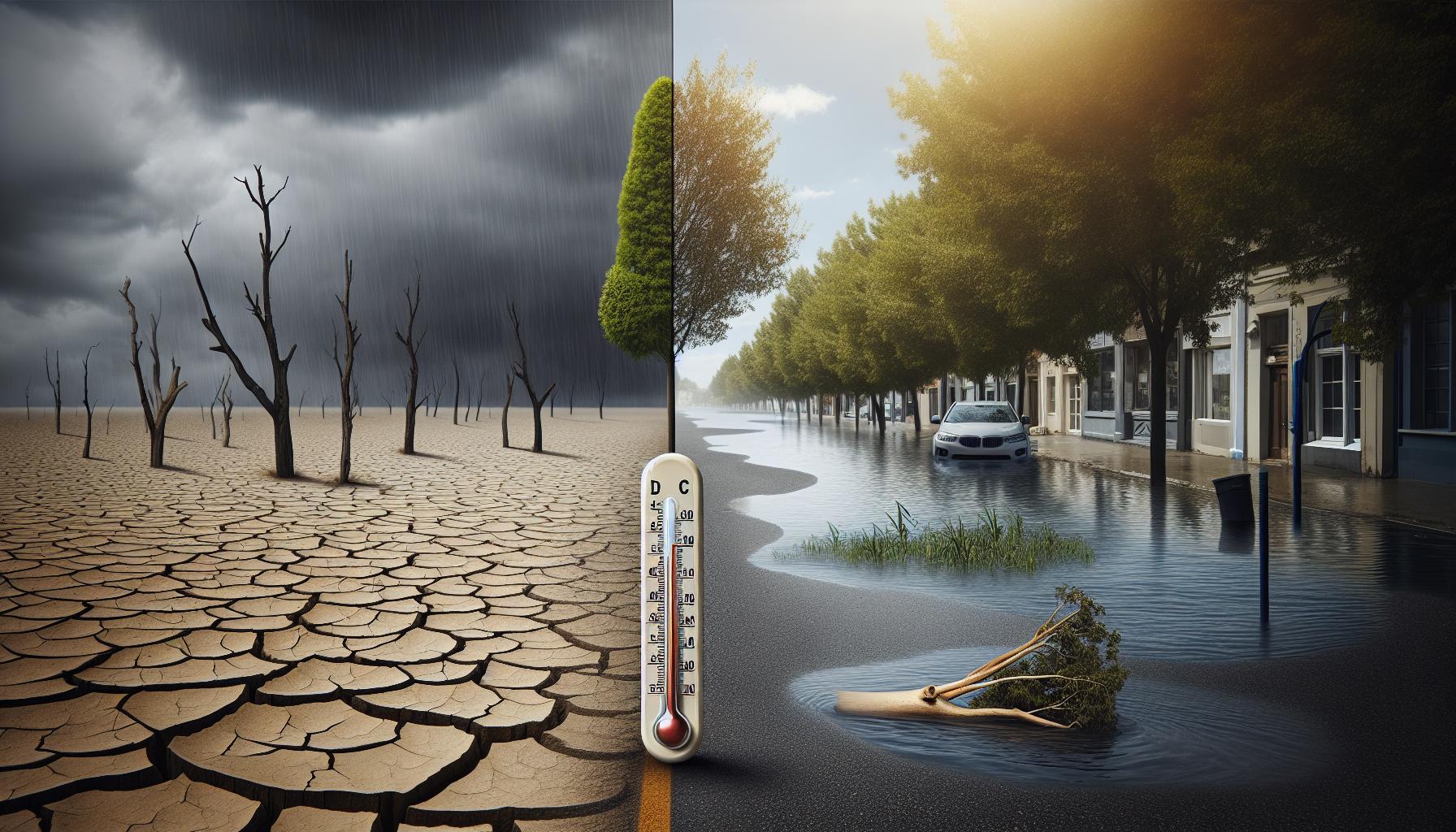
As the dialogue surrounding climate crises evolved, certain events significantly influenced the shift from using “global warming” to “climate change” in media narratives. One key turning point was the catastrophic impact of Hurricane Katrina in 2005. This disaster not only wreaked havoc on New Orleans but also served as a stark reminder of the far-reaching implications of climate phenomena, prompting media to connect extreme weather events to broader climate trends. The extensive coverage of the hurricane’s aftermath highlighted not just rising temperatures but also the interconnectedness of climate issues, leading to a broader understanding that encompassed ecological, social, and economic dimensions.
Another significant event was the 2007 release of the Intergovernmental Panel on Climate Change (IPCC) Fourth Assessment Report, which provided conclusive evidence linking human activity to climate change. This report galvanized public and media attention, emphasizing the urgency for a broader discussion beyond mere temperature increases. The media landscape began to reflect this shift by featuring stories that illustrated the consequences of climate change on local communities, such as droughts disrupting agriculture or rising sea levels threatening coastal cities. These narratives helped shift the discourse and encouraged a more inclusive dialogue about adaptation and mitigation strategies.
Moreover, the emergence of youth-led climate movements, particularly during the 2018 global climate strikes led by figures like Greta Thunberg, played a crucial role in changing media language. Activists articulated climate change as an existential crisis, framing it as a social justice issue that demanded immediate action. The vigor and passion behind these movements compelled traditional media to adopt the language of climate change, emphasizing urgency, equity, and systemic change. This grassroots advocacy effectively underscored the moral imperative to address climate change, moving the conversation away from passive acknowledgment of warming to active engagement in climate solutions.
Each of these events catalyzed a paradigm shift in how climate issues were reported, promoting a narrative that recognizes the complexities and multiple dimensions of climate change. This evolution is not merely a linguistic shift but signifies a deeper understanding of the challenges we face, emphasizing the need for collective action and resilience as we navigate an increasingly unstable climate future. By integrating stories of real people, community impacts, and equity considerations into climate narratives, media can help foster a more informed and engaged public ready to tackle climate challenges.
Public Perception: How Media Shapes Environmental Awareness

In a world increasingly inundated with information, media plays a pivotal role in shaping public perception regarding environmental issues. The transition from referring to “global warming” to “climate change” illustrates how language influences awareness and urgency. This semantic shift reflects a broader understanding of the interconnected and multi-dimensional nature of climate challenges, connecting environmental phenomena with social justice, economic stability, and human health.
Media outlets often serve as the primary source of information for the public, thereby framing how individuals understand and engage with climate topics. As stories about extreme weather events like hurricanes and wildfires dominate headlines, the portrayal of these occurrences can either heighten concern or breed apathy. For example, sensationalized coverage might provoke immediate outrage and calls to action, while more subdued reporting can desensitize audiences, making climate issues seem distant or inevitable. Such variations in coverage underscore the media’s responsibility to present climate change as both a pressing and relatable issue, bridging the gap between scientific data and everyday lived experiences.
By focusing on personal narratives and local impacts, media can enhance environmental awareness and catalyze community engagement. Highlighting real-world consequences, such as farmers facing droughts or coastal towns grappling with rising sea levels, can make climate change more tangible. Audiences are more likely to connect with stories that depict their own communities and lives, fostering a sense of urgency and motivating collective action. Additionally, as youth-led climate movements gain traction, mainstream media increasingly highlights these perspectives, portraying climate change not just as an environmental issue but as a critical social justice concern.
To further bridge the knowledge gap, media can adopt practical strategies to inform and empower citizens. Providing actionable steps-such as reducing carbon footprints, advocating for renewable energy, or participating in local sustainability initiatives-can motivate individuals to translate awareness into action. By consistently prioritizing transparency, clarity, and community-focused coverage, media can play a transformative role in shaping a well-informed and proactive public ready to tackle the climate crisis head-on.
Comparative Analysis: Global Warming vs. Climate Change in Headlines
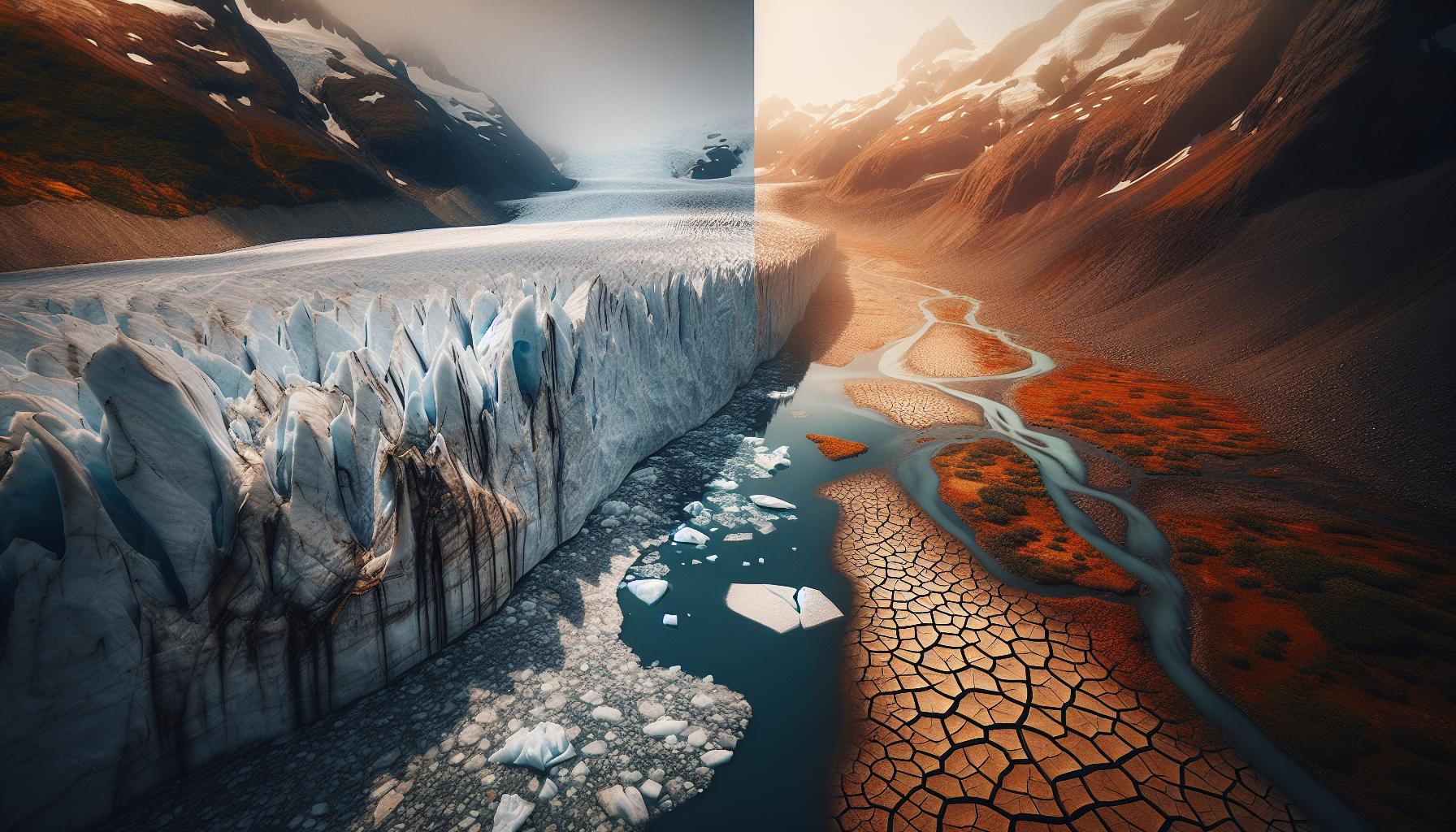
The evolution in terminology from “global warming” to “climate change” marks a significant shift in how media addresses the nuances of our planet’s changing environment. Initially, “global warming” painted a straightforward picture of rising temperatures attributed to human activities, primarily fossil fuel consumption. However, as awareness of the far-reaching impacts of climate phenomena broadened, the term “climate change” emerged to encompass a wider array of environmental issues, including extreme weather events, ecological disruption, and socio-economic challenges.
This shift in language can be observed in media headlines over the last few decades. Early articles often focused solely on temperature increases and their direct consequences, such as melting glaciers and rising sea levels. In contrast, more contemporary coverage frequently incorporates the term “climate change,” reflecting a deeper understanding of the complex interactions between natural and human systems. By acknowledging factors such as biodiversity loss and social justice implications, headlines now resonate more strongly with readers, prompting a wider recognition that climate issues are not merely scientific but deeply intertwined with human well-being.
The usage of these terms also plays a role in influencing public engagement. Headlines that invoke “climate change” often encourage readers to think critically about the broader implications of environmental policies and personal actions. For example, phrases like “fighting climate change” suggest a collective action narrative, inviting public dialogue and grassroots mobilization. In contrast, “global warming” may inadvertently limit the discussion to a narrower focus, potentially alienating those who view climate change as a distant or abstract concern.
As media evolves, it is crucial to more than just replace one term with another; it involves re-framing the conversation. By emphasizing the interconnected themes of climate justice, economic resilience, and community adaptation, media can motivate readers to actively participate in solutions. For instance, articles highlighting community-led sustainability projects or youth activism provide not only awareness but also actionable steps for readers. This approach enables the media to empower individuals, transforming passive observation of climate issues into informed action, and fostering a heightened sense of responsibility toward our environment and future generations.
Impact of Scientific Research on Media Language
Scientific research plays a pivotal role in shaping the language and framing of climate-related issues in the media. As researchers uncover complex interactions within Earth’s systems, the terminology evolves, reflecting deeper insights into the challenges posed by climate change. For instance, studies documenting the broader impacts of climate variability-ranging from biodiversity loss to socio-economic disparities-have led media outlets to adopt more inclusive language that resonates with a wider audience.
The shift from “global warming” to “climate change” exemplifies this evolution. While “global warming” primarily highlighted temperature increases, the growing body of research illustrated how these changes also trigger extreme weather events, disrupt ecosystems, and exacerbate inequality. Consequently, the media began to utilize the term “climate change,” acknowledging its broader implications and engaging diverse perspectives on related issues such as disaster preparedness, food security, and health impacts.
As the latest scientific findings are disseminated, the media’s responsibility is to translate this information into accessible narratives. For example, when scientists publish reports on the links between climate change and health-such as increases in respiratory ailments due to poor air quality-media coverage can make these findings relatable by focusing on personal stories. This approach fosters greater public engagement and awareness, encouraging individuals to grasp how climate change directly affects their communities.
Furthermore, scientific research informs public policy and activism by providing evidence-based recommendations for action. Media stories that highlight successful community-led initiatives, supported by research, can inspire similar efforts elsewhere. By translating complex scientific concepts into actionable steps, the media can empower readers, inviting them to contribute to solutions, whether through sustainable practices at home or advocacy for systemic change. Thus, the interplay between scientific research and media language not only enriches the public discourse around climate issues but also galvanizes collective action for a more sustainable future.
Influence of Political Movements on Climate Terminology
Political movements have significantly shaped the terminology surrounding climate discourse, particularly in the transition from “global warming” to “climate change.” This evolution reflects broader ideological battles and the strategic use of language to influence public perception and policy. Notably, environmental advocacy groups, scientists, and even popular movements have harnessed language to emphasize the breadth of climate issues, framing them in a way that resonates with a diverse audience.
Activists often argue that “climate change” encompasses a wider array of problems than “global warming,” which was more narrowly focused on rising temperatures. By adopting terms like “climate crisis” or “climate emergency,” they aim to provoke urgency and action. For example, movements such as Extinction Rebellion or Fridays for Future have successfully mobilized global support by framing climate issues as immediate crises requiring political and social changes. This approach not only elevates public concern but also appeals to emotional responses, making the issues more relatable and pressing for everyday individuals.
The influence of political figures further complicates climate terminology. When politicians embrace the term “climate change,” it signals a willingness to engage with the scientific consensus and advocate for policy measures. Conversely, the use of dismissive or overly simplistic language can undermine scientific findings and create a false equivalence with climate denial. Examples abound where political rhetoric directly impacts media coverage, with leaders who prioritize environmental responsibility often receiving more favorable media narratives compared to those resistant to acknowledging climate science.
To navigate this evolving landscape, it is crucial for the public, educators, and communicators to advocate for precise language in climate discussions. Utilizing consistent and scientifically grounded terminology can promote better understanding and awareness of the issues at stake. Educational campaigns that clarify the nuances between terms can empower people to engage more meaningfully in discussions about climate policies and practices. This shift in language not only aids comprehension but can also foster a collective responsibility toward addressing climate challenges through informed activism and civic engagement.
The Power of Language: Framing Climate Issues in Media
In an era where phrases like “climate crisis” and “global warming” flood our media landscapes, understanding how language shapes our perception of climate issues is crucial. The way climate phenomena are framed in the media can significantly influence public understanding and response. For instance, using terms like “climate emergency” creates a sense of urgency that can motivate individuals to take meaningful action, while milder language may lead to complacency.
The transition from “global warming” to “climate change” wasn’t just a semantic shift; it represented a broader understanding of the issue. Media outlets that adopted the term “climate change” acknowledged more than just rising temperatures. This inclusive term encompasses the diverse impacts of shifting weather patterns, such as severe storms, droughts, and ecological disruption. By embracing a more holistic view, media can connect different environmental phenomena and illustrate how they interrelate, such as how deforestation contributes to biodiversity loss and alters carbon cycles.
Furthermore, the power of language extends beyond mere terminology-it can affect policy discussions and public engagement. When researchers and activists emphasize scientific language that clearly articulates the stakes, such as the economic and health implications of climate inaction, they empower readers to grasp the urgency of these matters. For example, accessible narratives that relate personal experiences to scientific findings can enhance public awareness and catalyze community action.
To ensure that climate discussions remain impactful, it is essential for media producers to focus on precise, action-oriented language. Journalists can enhance their reports by:
- Using clear and consistent terminology that reflects scientific consensus.
- Highlighting local impacts of climate change to foster personal connections.
- Encouraging participatory frameworks that invite readers to engage in solutions.
By shaping language thoughtfully, media can play a pivotal role in framing climate issues, inspiring proactive responses, and ultimately guiding society toward a more sustainable future.
Case Studies: Media Coverage of Climate Events Over Time
The transformation of the media’s coverage of climate events reveals much about society’s evolving understanding of climate issues. One pivotal example involves the reporting surrounding Hurricane Katrina in 2005. Initially framed through a lens of natural disaster, as impacts became increasingly linked to climate change, the media began to incorporate discussions about the role of warming waters and climate resilience. This shift not only altered public perception of individual events but also elevated the discourse to encompass a broader understanding of climate-related risks, emphasizing how human actions exacerbate natural disasters.
Another remarkable case is the wildfires in Australia during the summer of 2019-2020. The media coverage started by highlighting the immediate effects of the fires-loss of property and wildlife devastation. However, as the crisis unfolded, reports increasingly began addressing the long-term implications of climate change, linking these fires to rising temperatures and prolonged droughts. Headlines evolved from merely reporting on the flames to emphasizing the urgency of addressing climate change to prevent future occurrences. This pattern illustrates how specific events can catalyze deeper conversations about systemic issues, paving the way for policy discussions and community engagement.
In recent years, coverage of the 2021 IPCC report marked another significant moment. Media outlets across the globe amplified the report’s stark warnings about climate change, noting the urgency for immediate action. The framing of the report as a wake-up call reflects an important shift in narrative-from treating climate issues as distant problems to acknowledging them as critical and immediate concerns affecting daily lives. Newspapers, online platforms, and social media played a crucial role in disseminating this information, ensuring that the report reached a vast audience and spurred international and local advocacy.
Overall, these case studies highlight the critical role media plays in shaping perceptions and narratives around climate change. As coverage evolves, so too does the public’s understanding and engagement with climate issues, emphasizing the importance of responsible and comprehensive media reporting to foster an informed and active citizenry. This interplay not only highlights the significance of language but also serves as a call to action for media practitioners to continue refining their messaging strategies to inspire positive environmental action.
Experts Weigh In: Journalists and Climate Scientists Discuss Terminology
The transition from the term “global warming” to “climate change” in media discourse reflects not just a shift in vocabulary but also a profound evolution in how journalists and scientists communicate the complexities of environmental issues. As climate change continues to manifest in diverse and impactful ways, experts across the fields of journalism and climate science are increasingly recognizing the importance of nuanced terminology that accurately captures the breadth of climate-related phenomena.
Understanding the Shift
When discussing this evolution, many journalists emphasize the need to frame climate issues in a way that resonates with various audiences. Climate scientist Dr. Michael Mann notes that while “global warming” refers specifically to the increase in Earth’s average temperature, “climate change” encompasses a wider range of climatic shifts, including extreme weather events and biodiversity loss. This distinction is crucial as it allows for a more comprehensive understanding of the myriad impacts of climate change on both natural ecosystems and human societies.
Practical Insights for Media Reporting
Experts suggest that journalists should aim to:
- Use precise language that reflects the science behind climate phenomena.
- Avoid sensationalism that may lead to public disillusionment or apathy.
- Highlight local consequences of global trends to foster community engagement.
The challenge, however, lies in breaking down complex scientific data into digestible stories for the public. This is where collaboration between journalists and scientists plays a vital role. By partnering on projects, they can share insights that help clarify intricate concepts while ensuring that the narrative remains accessible.
Case Examples in Media
Consider how coverage of the increasing frequency and severity of wildfires has evolved over the years. Outlets have transitioned from merely reporting on the destruction to linking these incidents directly to changing climate conditions, thereby fostering a richer, more informed dialogue around prevention and adaptation strategies. This narrative shift has spurred action within communities, prompting policy initiatives aimed at mitigating future disasters.
In the words of journalist and climate reporter Naomi Klein, “We need to connect the dots between what we are seeing, the science, and the urgency of community-level activism.” This highlights the imperative for media to not only inform but also inspire action among the populace. By portraying climate change as an immediate and relatable issue rather than an abstract, distant threat, the media can significantly influence public perception and behavioral shifts.
Through these collaborative efforts, journalists and climate scientists can refine their approach to terminology. As they navigate the fine line between alarmism and necessary urgency, their focus remains on fostering an informed, engaged citizenry equipped to tackle the challenges of climate change head-on.
Future Trends: Climate Change Language in Digital Media
The digital era has fundamentally transformed how climate change is discussed and understood, with language emerging as a powerful tool in shaping public perception and driving action. As social media platforms proliferate, the discourse surrounding climate issues has shifted, emphasizing the importance of succinct, impactful messaging. For instance, campaigns like #FridaysForFuture and #ClimateStrike have popularized the language of urgency and activism, instantly connecting global movements with individual narratives. This evolution reflects a growing recognition that effective communication can motivate community engagement and grassroots action.
Emerging multimedia formats such as podcasts, web documentaries, and infographic-driven articles provide fresh opportunities to convey complex climate topics in accessible ways. With audiences increasingly favoring bite-sized content, journalists and communicators are adapting their terminology to meet these preferences. This shift allows for a more inclusive discourse that resonates with diverse audiences, from Gen Z activists to seasoned policymakers. The challenge, however, remains to strike a balance between simplicity and accuracy, ensuring that crucial scientific context does not get lost in translation.
Practical Strategies for Content Creators
To effectively navigate the landscape of digital media regarding climate change, content creators can implement several strategies:
- Utilize Visual Storytelling: Infographics and short videos can distill complex data into visually engaging formats that enhance understanding and retention.
- Engage with Interactive Content: Quizzes and polls can foster participation, inviting audiences to reflect on their personal impact and share insights within their networks.
- Highlight Personal Narratives: Featuring stories from individuals affected by climate change can humanize the statistics, helping to create emotional connections that drive action.
As language continuously evolves in the digital age, understanding the nuances and implications of the terminology used can empower audiences. By promoting clear, relatable, and science-backed language, content creators play a pivotal role in transforming climate conversations from abstract concepts into actionable dialogues. In this way, the future of climate change language in digital media holds the potential to engage and mobilize individuals toward fostering a sustainable future.
In conclusion, the intersection of language, media, and climate discourse is a dynamic field, continually shaped by technological advancements and societal awareness. As digital platforms become the focal point of information dissemination, the thoughtful application of language can inspire informed action and galvanize collective efforts to combat climate change.
Faq
Q: When did the term “climate change” first appear in media discussions?
A: The term “climate change” began to gain traction in the media in the late 1980s, particularly following the publication of the 1988 IPCC report. This shift emphasized a broader understanding of climatic changes beyond just global warming, framing it as a multifaceted issue.
Q: How has the media’s portrayal of global warming evolved into climate change?
A: The media’s portrayal evolved as scientific understanding improved. Early reports focused heavily on rising temperatures, but as the impacts of climate variability became evident-affecting weather patterns, natural disasters, and ecosystems-coverage shifted to “climate change” to encompass these broader consequences.
Q: What key events influenced the shift from “global warming” to “climate change” in media?
A: Major reports, like the 2007 IPCC Assessment and prominent climate-related disasters, played a crucial role. These events highlighted that climate issues extend beyond temperature increases, leading to a broader dialogue on sustainability and impacts on human activities.
Q: Why did “climate change” become a preferred term over “global warming” in reports?
A: “Climate change” is a more comprehensive term that reflects a range of environmental changes, including extreme weather patterns and sea-level rise, beyond just rising temperatures. Its usage helps to convey the urgency and complexity of the issue to the public more effectively.
Q: How does media language impact public perception of climate issues?
A: Media language significantly shapes public understanding. By framing the narrative around “climate change,” media outlets can influence how audiences perceive the urgency and relevance of climate issues, potentially mobilizing public concern and action towards environmental protection.
Q: What role do scientists play in the shifting terminology used in the media?
A: Scientists contribute data and clarity on climate issues, which informs media reporting. As scientific consensus evolves, particularly regarding impacts and solutions to climate change, the media adapts its language to reflect this, enhancing public comprehension.
Q: How can understanding climate terminology help in tackling climate change?
A: Understanding the distinction between “global warming” and “climate change” allows individuals and organizations to more effectively communicate about environmental issues. This clarity can foster informed discourse, encourage responsible action, and influence policy changes for better climate outcomes.
Q: What are some common misconceptions about the transition from global warming to climate change in media?
A: A common misconception is that “climate change” negates the reality of global warming; however, it encompasses it. Many still equate the two terms, overlooking that climate change addresses broader environmental shifts and impacts, which are critical for understanding and addressing the climate crisis.
For further insights on this topic, consider checking sections on the “Role of Media in Climate Change Narratives” and “Public Perception: How Media Shapes Environmental Awareness” from our article.
In Summary
Understanding how the terminology surrounding climate issues has evolved is essential for grasping the underlying changes in public perception and policy response. As we’ve seen, the shift from “global warming” to “climate change” in media reflects not only a broader scientific understanding but also the urgency of addressing diverse environmental challenges. Join the conversation: Share your thoughts in the comments and let us know how this terminology impacts your perspective on environmental issues.
For more insights, check out our articles on the history of climate activism and practical steps you can take to reduce your carbon footprint. Don’t forget to subscribe to our newsletter for the latest updates and expert insights delivered straight to your inbox! By staying engaged, you’re not just a passive observer; you’re part of a vital movement toward a sustainable future. Together, let’s make informed decisions that matter!
Get our latest guides, news, and insights highlighted in your Google Search & AI Overviews.