![Does Climate Change Affect Wildfires? [Fire Season Data]](https://www.impact-investing.eu/wp-content/uploads/2025/10/4534-does-climate-change-affect-wildfires-fire-season-data-1024x585.jpg)
As wildfires continue to ravage landscapes across the globe, the question of whether climate change exacerbates these destructive events has become increasingly urgent. Recent studies indicate that rising temperatures, prolonged droughts, and erratic weather patterns linked to climate change are significantly altering fire season characteristics, leading to longer and more intense wildfire occurrences. For communities, this means greater risks to safety, property, and the environment. Understanding the connection between climate change and wildfires is crucial not only for policymakers but also for individuals seeking to prepare and respond to these escalating threats. In this exploration, we will delve into the data that illustrates this relationship and provide actionable insights on how we can collectively address this pressing challenge. Your awareness and informed actions can contribute to a more resilient future, making this conversation vital not just for affected regions but for us all.
Understanding the Link Between Climate Change and Wildfires
The connection between climate change and wildfires is a growing concern, particularly as the frequency and intensity of these catastrophic events rise globally. Statistics show that the last few decades have seen a significant increase in the number of wildfires, and this trend has been exacerbated by changing climate conditions. For instance, a hotter atmosphere increases evaporation and leads to drier soils and vegetation, creating a tinderbox environment where even a single spark can ignite devastating flames. According to the World Meteorological Organization, global temperatures are expected to remain at or near record levels, further intensifying the risks associated with wildfires and leading to increased economic and social impacts [[2]](https://wmo.int/publication-series/wmo-global-annual-decadal-climate-update-2025-2029).
Climate change influences wildfire behavior in several ways, primarily through rising temperatures and altered precipitation patterns. Higher temperatures can accelerate the drying of vegetation, effectively extending fire seasons and raising the likelihood of fires igniting and spreading. Drought conditions not only shorten the window for natural recovery of ecosystems but also create an environment where wildfires can flourish. As the severity and frequency of drought episodes increase, the potential for large, uncontrollable fires grows in tandem. Additionally, forest management practices-or the lack thereof-can significantly affect fire risks. Properly managed forests with controlled burns can reduce fuel accumulation, thereby lowering the risk of catastrophic wildfires.
Communities can prepare for the increasing wildfire risk by implementing various strategies. For instance, homeowners can create defensible spaces around their properties through vegetation management, while local governments can strengthen emergency response systems. It is vital for communities to come together, share resources, and educate one another on the implications of climate change on wildfire behavior, ensuring that they are equipped to handle these increasingly frequent and intense events effectively. Addressing this challenge requires a collective approach where individual actions contribute to broader community resilience, all while acknowledging the shared responsibility we have toward mitigating climate change’s impact on our environment.
Historical Context: Wildfire Trends Over the Decades
Wildfires have shaped landscapes and communities for centuries, but their frequency and intensity have significantly changed in recent decades. Research shows that the past several decades have witnessed a troubling trend: the number of wildfires reported globally has increased substantially, particularly in regions already vulnerable to extreme weather. The National Interagency Fire Center (NIFC) reports that in the United States, the average annual number of wildfires has doubled since the 1980s, from roughly 38,000 fires per year to approximately 74,000 in recent years. These statistics highlight an urgent need for awareness and preparedness across affected regions.
One key factor driving this trend is the increase in average temperatures, which have risen nearly 2 degrees Fahrenheit (1.1 degrees Celsius) since the late 19th century. This warming has created drier conditions that exacerbate wildfire risks. For example, the U.S. Forest Service has found that areas affected by drought are five times more likely to experience high-severity wildfires. Over the last decade alone, parts of California have experienced some of the largest and most destructive wildfires in state history, with the state’s wildfire season extending by an average of 75 days due to climate change.
In addition to natural factors, human activities play a pivotal role in wildfire trends. Urban expansion into wildfire-prone areas, commonly known as the wildland-urban interface, has increased the likelihood of wildfires impacting communities. Moreover, land management practices that prioritize land clearing and the suppression of smaller fires have led to the accumulation of dry vegetation, creating a buildup of fuels that can lead to more intense fires. Communities must understand this history to inform effective prevention and mitigation strategies, as well as to drive policy changes aimed at better forest management practices.
Moving forward, communities can take proactive measures to reduce wildfire risks. This includes implementing controlled burns to manage fuel loads and utilizing technology, such as satellite imagery, for early detection of fire risks. By understanding the historical context of wildfires and their connection to climate change, communities can foster resilience and adopt strategies that encourage responsible stewardship of the land, ultimately protecting both lives and ecosystems.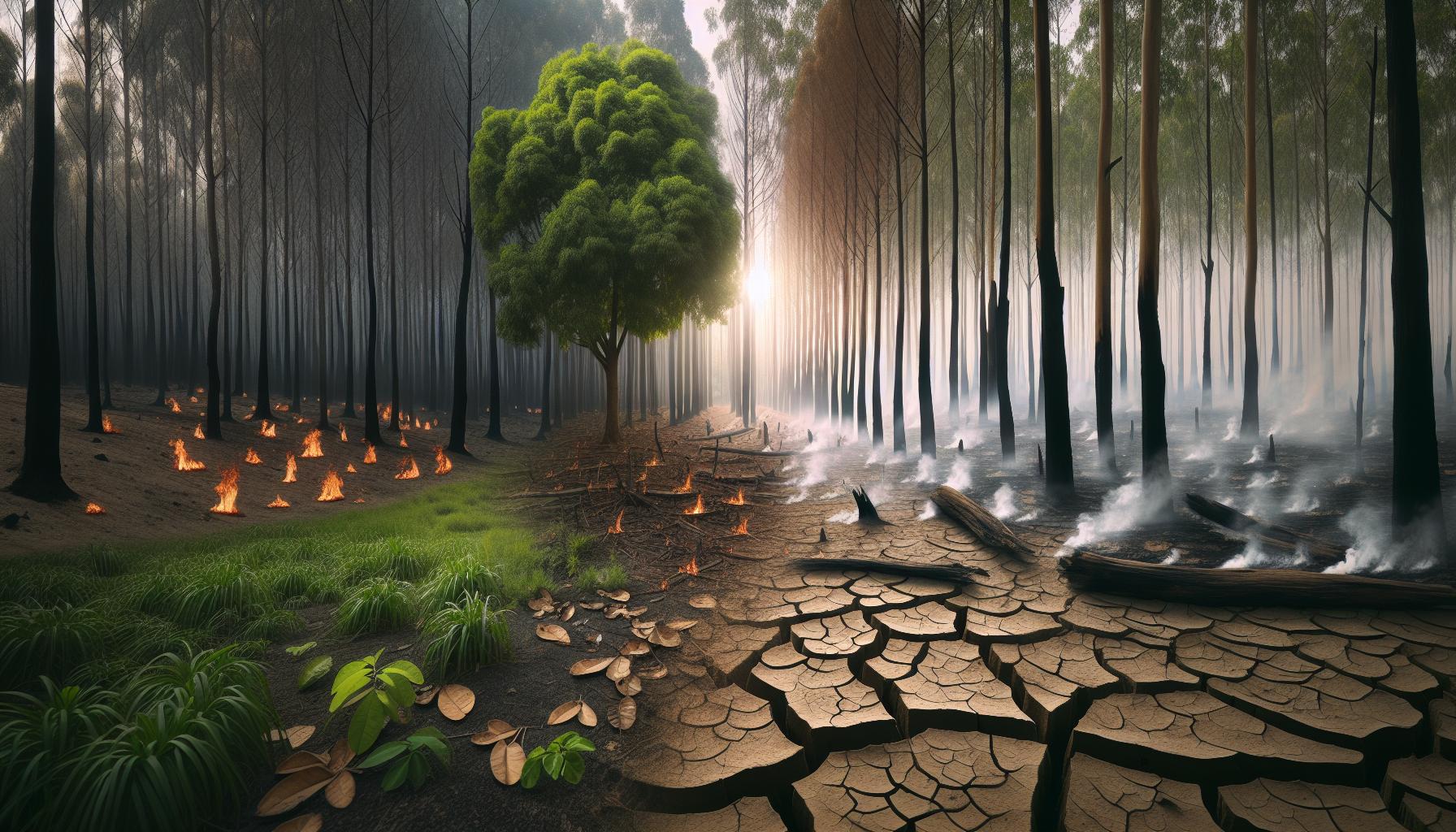
How Rising Temperatures Influence Fire Behavior
Rising temperatures are not just a subtle signal of climate change; they are a powerful force reshaping fire behavior across the globe. In fact, research shows that for every 1.8°F (1°C) increase in temperature, the likelihood of extreme fire conditions increases substantially. This relationship is evident in many regions, particularly those already experiencing extended periods of heat and dryness. As these temperatures climb, they not only create favorable conditions for fires to ignite but also enhance their intensity and spread, resulting in more devastating wildfires.
Strong heat influences fire behavior in several critical ways. Higher temperatures lead to increased evaporation rates, drying out vegetation and creating abundant fuels that easily catch fire. When combined with long-lasting drought conditions, the moisture content in plants decreases, making even green foliage highly flammable. For instance, areas affected by prolonged heat have displayed a significant uptick in high-severity fires; studies in the U.S. suggest that regions experiencing extreme heat are approximately 3.5 times more likely to have fires that burn at higher intensities compared to cooler areas.
Furthermore, the interplay between temperature and weather patterns, such as wind and humidity, dramatically impacts fire spread. Hotter air can carry more moisture on its own while also increasing the frequency and intensity of heatwaves, leading to a more volatile fire environment. For example, California’s wildfire season has lengthened considerably, with reports indicating that it now begins earlier in the year and ends later, offering a protracted window for wildfires to ignite and wreak havoc. The rapid melting of snowpack due to warmer springs further exacerbates these conditions, as it contributes to an earlier onset of dry vegetation that serves as fuel.
To mitigate these risks as communities face these escalating threats, adopting practices such as enhancing forest management and implementing strict land use policies can play a vital role. Controlled burns, for instance, can help clear out dry underbrush that fuels wildfires, while strategic tree thinning can reduce the density of combustible materials. Educating homeowners about creating defensible spaces around properties and advocating for stricter regulations on burning practices can also prove essential in managing wildfire risks amidst a warming climate. Informed community engagement is key; by understanding , residents can enact change and better protect their homes and ecosystems from the ravages of climate-related wildfires.
Impact of Drought Conditions on Wildfire Frequency
As drought conditions become increasingly common due to climate change, their impact on wildfire frequency escalates alarmingly. Drought not only depletes soil moisture but also severely stresses vegetation, making it more susceptible to ignition. Consider this: when landscapes receive less water, either from direct precipitation or reduced snowmelt, the moisture content in plants drops. Dried-out vegetation serves as an easy fuel source for wildfires, leading to more frequent and intense fires in affected areas.
Understanding the Drought-Wildfire Connection
During periods of severe drought, studies have shown that the likelihood of wildfires increases significantly. For instance, data indicates that California’s fire seasons have grown longer and more destructive, coinciding with cycles of drought exacerbated by climate change. In fact, droughts have been recorded to increase the number of large wildfires in California by nearly 50% compared to years with normal precipitation levels. The resulting higher temperatures and lower humidity create a volatile environment where wildfires can ignite and spread rapidly.
Real-World Implications and Community Impact
The interplay between drought and wildfires not only threatens ecosystems but also heavily impacts communities. For instance, regions like the southwestern United States have seen devastating fires that engulf homes and disrupt lives. Residents are often unprepared for the sheer scale of destruction that wildfires can unleash, which has led to increased insurance costs, economic loss, and displacement. Communities can take actionable steps to mitigate these risks by engaging in proactive planning and preparing homes defensively, such as using fire-resistant materials and creating defensible spaces around properties.
While the challenge posed by drought-induced wildfires is significant, it’s essential for communities to remain hopeful and engage in preventive strategies. This includes investing in water conservation measures, promoting policies that address climate change, and supporting local initiatives focused on forest management and controlled burns. By fostering a collective commitment to sustainability and preparedness, communities can better equip themselves to face the realities of an increasingly fire-prone world.
The Role of Forest Management in Fire Risk
Effective forest management is a crucial element in reducing fire risk, especially as climate change increases the frequency and intensity of wildfires. Healthy forest ecosystems can help mitigate wildfire severity by maintaining biodiversity, enhancing soil moisture, and reducing fuel loads-conditions exacerbated by climate change. For example, strategic thinning of overcrowded forests can decrease the competition for resources among trees, allowing healthier specimens to thrive while simultaneously reducing the amount of dry underbrush that can ignite easily.
Moreover, prescribed burns-a forest management technique where controlled fires are set under specific conditions-are an invaluable tool in managing fire risks. These burns help clear out flammable debris and undergrowth, creating “firebreaks” that can slow or halt the spread of wildfires. In many cases, they also promote the growth of fire-adapted species that can withstand periodic fires, thus maintaining ecological balance. This practice, supported by studies from various regions demonstrated by organizations like the U.S. Geological Survey, not only enhances forest health but also serves as an important proactive measure against catastrophic wildfires.
The Benefits of Proactive Forest Management
- Reduced Fuel Loads: Thinning trees and removing excess brush minimizes the amount of fuel available for wildfires.
- Improved Water Retention: Healthier forests are better at retaining soil moisture, providing a buffer against drought conditions that exacerbate fire risks.
- Biodiversity Promotion: Diverse ecosystems are typically more resilient to threats including pests, diseases, and wildfires.
Communities, policy makers, and environmental organizations must work collaboratively to implement effective forest management strategies that adapt to changing climate conditions. This can include community awareness programs to educate residents on local forestry practices, involvement in local fire-safe councils, and support for legislation that funds and promotes sustainable forest management practices. With well-managed forests, we can bolster community resilience and significantly mitigate the risks posed by wildfires, fostering a healthier environment for all.
In preparing for the future, it becomes increasingly essential to invest in these sustainable practices. By fostering a culture of responsible forest management, regions at risk can protect not only their landscapes but also the communities that rely on them. Through these strategies, we can create a buffer against the devastating impacts of climate change on wildfire behavior and frequency.
Long-Term Effects of Climate Change on Fire Seasons
The increasing intensity and frequency of wildfires around the globe can be traced back to the long-term effects of climate change, a phenomenon reshaping fire seasons in alarming ways. Scientists predict that wildfires will occur earlier in the year and last longer due to rising temperatures, which influence not only the weather patterns but also the ecological conditions conducive to fire. For instance, research shows that the average length of the fire season has increased by several weeks in many regions, driven primarily by warmer average temperatures and earlier spring times.
One of the key drivers behind these changes is the alteration in precipitation patterns as the climate continues to warm. Areas that traditionally received consistent rainfall might now experience prolonged dry spells, which create ideal conditions for wildfires. Drier landscapes are often unable to retain moisture, leading to an accumulation of dead vegetation and underbrush-known as fuel-that can ignite more easily during fire seasons. This comparative increase in flammable materials means that when a fire does occur, it spreads more rapidly and intensely than in the past.
Moreover, longer fire seasons take a toll on communities and ecosystems. Prolonged exposure to wildfire smoke can severely impact air quality and public health, leading to increased respiratory issues among populations even far from the fire’s epicenter. Ecosystems themselves struggle to adapt; species that require specific fire regimes for regeneration may find themselves at risk as the natural cycles they depend upon are disrupted. The combination of these factors reflects the need for comprehensive strategies to manage and mitigate wildfire risks effectively.
To address these challenges proactively, communities must embrace a multifaceted approach. This could include investing in research to develop fire-resistant crops or vegetation, implementing stricter land use policies to minimize human encroachment into high-risk areas, and enhancing local firefighting resources. Furthermore, fostering community engagement and education about fire preparedness can empower residents to take steps that safeguard not only their homes but also the ecosystems surrounding them. By acknowledging the long-term implications of climate change on fire seasons and acting decisively, we can enhance resilience against future wildfires.
Wildfire Season Data: Patterns and Predictions
The stark reality of wildfire patterns reveals a dramatic shift in how and when these fires occur, underlined by the growing influence of climate change. Recent studies indicate that the wildfire season in many regions is expanding, not just in duration but also in intensity. For example, some areas have witnessed an increase in fire activity by as much as 50% over the past few decades. This trend is primarily driven by a combination of rising temperatures and changing precipitation patterns, which create optimal conditions for fire spread and development.
Patterns of Wildfire Frequency
The correlation between climate change and wildfire frequency is clear. Data shows that warmer winters and earlier springs result in longer fire seasons. For instance, Northern California’s wildfire season now stretches nearly five months longer than it did two decades ago. Furthermore, regions that were once considered safe from significant wildfire risks are now facing unprecedented threats. As temperatures rise, areas like the Northeast U.S. are experiencing increased fire risk, demonstrating that no place is immune to this growing problem.
Predictive Insights for Future Seasons
Looking forward, predictive models suggest that the expansion of wildfire seasons might continue to accelerate. A recent analysis from the National Interagency Fire Center projects that as climate conditions worsen, we could see an increase in the frequency and severity of wildfires across most U.S. states by 2050. This includes a potential doubling of extreme wildfire events, defined by fast-moving fires that are difficult to control.
To lighten the impact of these trends, communities can take proactive measures, such as enhancing firefighting resources and improving land-use planning. Local governments might consider creating buffer zones around high-risk areas, while homeowners can engage in fire-safe landscaping practices that involve the use of fire-resistant plants. Engaging in community supply initiatives for firefighting resources could also prove effective, ensuring that preparations are in place long before a fire starts.
Understanding the changing dynamics of wildfire patterns allows communities to adapt and better protect their environments, properties, and lives. By leveraging historical data alongside predictive insights, stakeholders can create informed strategies that address both current and future wildfire risks.
Human Activity: A Catalyst for Increased Fires
In recent years, it has become increasingly clear that human activity plays a pivotal role in the rise of wildfire incidents. While climate change sets the stage with its alterations to temperature and precipitation patterns, it is human-driven factors that ignite and exacerbate these fiery disasters. Approximately 85% of wildfires in the United States are caused by human actions, whether through careless use of fire, debris burning, or equipment malfunctions. This reality underscores the importance of understanding our role and taking proactive measures to mitigate the risks.
The intersection of land management practices and urban development amplifies wildfire susceptibility. Expanding populations into wildland-urban interfaces-areas where residential communities meet undeveloped forested land-often leads to a higher likelihood of accidental fires. Furthermore, ineffective forest management, such as suppressing all wildfires, can result in an excess of dead trees and underbrush, creating a perfect storm for infernos. Healthy forests depend on fire cycles to clear out old growth and promote new life; when these cycles are interrupted, the fuel load builds, increasing the intensity and danger of future wildfires.
Strategies for Change
Addressing this issue requires a combination of community awareness, better land management practices, and responsible human behavior. Here are a few actionable steps:
- Education and Awareness: Communities should invest in educational programs about fire safety and the importance of responsible practices, such as completely extinguishing campfires and properly discarding smoking materials.
- Forest Management: Implementing controlled burns and other forest management strategies can help maintain healthier ecosystems that are more resilient to wildfires.
- Building Codes and Planning: Local governments should enforce building codes that require fire-resistant materials and establish zoning laws that prevent construction in high-risk areas.
- Community Engagement: Encourage local volunteers to participate in fire prevention initiatives, such as creating defensible spaces around properties and participating in cleanup efforts.
The impacts of human activity on wildfire frequency and intensity are profound. By recognizing our potential to either contribute to or mitigate the risk of wildfires, we can make informed choices that protect our communities and environments. Individual actions, when combined with thoughtful policies and practices, can create a more resilient landscape capable of withstanding the increasing threat of wildfires brought on by climate change.
Case Studies: Major Wildfires and Climate Change
The catastrophic wildfires that have swept through regions worldwide serve as stark reminders of the urgent need to address climate change. One of the most impactful examples is the 2020 California wildfires, where an unprecedented dry season, marked by heatwaves and lower humidity, created the perfect conditions for wildfires. This season witnessed over 4 million acres burned, fueled by a combination of prolonged drought and opportunities for human ignition, illustrating how climate-induced conditions transform fire behavior and intensity.
Similarly, the Australian bushfires of 2019-2020, known as the “Black Summer,” set a new standard for fire devastation, burning an estimated 18.6 million hectares. The extreme temperatures that summer, exacerbated by climate change, contributed to a fire season that began earlier and lasted longer than usual. A study from the Australian National University indicated increased frequency of extreme fire weather days linked to climate change, highlighting how rising temperatures not only extend fire seasons but also intensify fire activities.
Lessons Learned and Actions Taken
These case studies not only underline the links between climate change and wildfire incidents but also point to actionable strategies for mitigation. For instance, in California, innovative approaches in community preparation and engagement, such as developing defensible spaces and improving building codes, have shown promise in wildfire resilience. Utilizing controlled burns is another effective method, successfully employed in Australian forests to clear underbrush and reduce fuel loads for future fires.
Moreover, understanding and implementing sustainable forest management practices is crucial. Programs aiming to restore natural fire regimes through selective logging and periodic burning can help create ecosystems that are better equipped to handle potential fire threats. As communities adapt to the reality of longer and more severe wildfire seasons due to climate change, proactive measures in fire management and community engagement will be essential to safeguarding both lives and the environment.
Recognizing the interconnectedness of climate dynamics, weather patterns, and human activity is vital in preparing and evolving strategies to address the challenges posed by wildfires in an ever-changing world.
Mitigation Strategies: Reducing Wildfire Risk
As wildfires become increasingly common due to climate change, adopting effective mitigation strategies is crucial not only for preserving ecosystems but also for protecting communities and economies. With recorded temperatures near historic highs, as projected by the World Meteorological Organization, these strategies must be both innovative and actionable to tackle the growing risks of wildfires effectively.
One effective approach to reducing wildfire risk is the implementation of defensible spaces around properties, which involves creating buffer zones by clearing flammable vegetation and other debris within a certain distance from structures. Communities can engage in local programs to promote landscape management techniques that prioritize fire-resistant plants and structures. These steps, combined with community education campaigns on fire safety, can significantly reduce fire ignition and spread. For example, studies show that neighborhoods with proactive fire prevention measures, such as community clean-up days, report lower instances of property loss during wildfire seasons.
Moreover, sustainable forest management practices play a pivotal role in controlling wildfire risks. Techniques such as selective logging, which removes only certain trees to reduce fuel loads, and controlled burns conducted during low-risk periods, can help restore natural fire regimes in forested areas. In Australian ecosystems, for instance, controlled burns are a crucial tool to manage underbrush, thus minimizing the potential for catastrophic wildfires. These practices not only enhance the resilience of forests to fires but also promote biodiversity and ecological health.
Lastly, integrating technology and data analytics into wildfire management can yield significant benefits. Utilizing satellite imagery and predictive modeling can help identify high-risk areas and enable early warning systems to alert communities about imminent threats. Local governments can leverage this data to develop tailored response strategies and mobilize resources more efficiently. A successful example is California’s use of artificial intelligence to predict wildfire behavior and spread, which has enhanced decision-making processes for evacuation and resource allocation.
By embracing a multifaceted approach that combines community engagement, sustainable practices, and advanced technology, societies can significantly mitigate the risks associated with wildfires in the face of continuously rising global temperatures.
Community Preparedness: What You Can Do
In a world increasingly shaped by climate change, preparing for the heightened risk of wildfires is not just a community responsibility but a personal one as well. While the environment’s unpredictability can feel daunting, there are proactive measures individuals and families can take to significantly mitigate the impact of wildfires on their homes and communities. For instance, establishing a simple action plan can enhance safety and readiness when wildfire threats rise.
Creating a Fire-Resistant Home
One of the most effective ways to protect your property is by creating defensible space around your home. This means clearing away dead vegetation, dry leaves, and other combustible materials within a specified distance from your structure. You can further enhance fire resistance by selecting fire-resistant building materials when renovating or constructing your home. For example, using metal roofing and stucco siding can help slow the spread of flames compared to wooden shingles. Local resources often provide guidelines on landscaping with fire-resistant plants, which not only beautify your property but also reduce fire risk.
Community Engagement and Education
Participating in local fire safety initiatives can greatly enhance community preparedness. Organizing or joining community workshops about wildfire safety can empower residents with knowledge about risk mitigation strategies. Engaging in neighborhood clean-up days to remove flammable debris not only fosters community spirit but also directly reduces fire hazards. Such collective efforts have proven effective; neighborhoods in California that frequently host community-driven fire safety events report significantly reduced property losses during wildfire seasons.
Utilizing Technology and Resources
Leverage technology to stay informed about fire risks. Many apps and online platforms provide real-time alerts about nearby fires and air quality concerns. Additionally, understanding local evacuation routes and having a family emergency plan can make a crucial difference if a wildfire threatens. Prepare an emergency kit that includes essentials like water, non-perishable food, first aid supplies, and important documents. By adopting these strategies, individuals can not only protect their homes but also contribute to the resilience of their communities amidst the growing challenges posed by climate change.
Taking these steps equips you with both knowledge and practical solutions, turning the uncertainty of wildfires into opportunities for action and community collaboration. The combined efforts of individual preparedness and community engagement can dramatically reshape our collective response to this urgent issue.
Future Outlook: Climate Change and Wildfire Projections
Climate change is reshaping our world in profound ways, especially when it comes to the dynamics of wildfires. As temperatures continue to rise, projections indicate that the frequency and intensity of wildfires will increase dramatically in many regions. A study from Climate Central shows that regions such as the Western United States could experience up to a 40% increase in the number of days conducive to wildfire activity if current trends continue, posing significant risks to ecosystems, human safety, and property.
The warming climate directly influences fire behavior by extending fire seasons and creating more favorable conditions for ignitions. For instance, the combination of increased heat and prolonged drought enhances vegetation desiccation, making forests and grasslands more susceptible to ignition. In the long-term, areas previously considered safe from wildfires are likely to face elevated risks. As such, communities must prepare not just for more wildfires, but for wildfires of greater severity, which can overwhelm existing emergency response systems.
To effectively mitigate these looming threats, investing in advanced fire management systems and adopting innovative agricultural practices can be beneficial. For instance, controlled burns and enhanced forest management techniques can help reduce the fuel available for wildfires, thus lowering their potential severity. Moreover, enhancing community engagement through educational programs about fire-resilient landscaping and evacuation preparedness can empower residents to take proactive steps.
As we look to the future, understanding the patterns and predictions related to climate change and wildfires is essential for developing robust strategies that protect both lives and landscapes. With informed planning and community cooperation, we can become more resilient and reduce the catastrophic impacts of these increasingly frequent environmental challenges. By embracing sustainable practices and proactive education, individuals and communities can play a vital role in shaping a more fire-resilient future.
Frequently asked questions
Q: How does climate change increase wildfire risks?
A: Climate change intensifies conditions conducive to wildfires, such as prolonged heat and drought. These elements lead to drier vegetation, making it easier for fires to start and spread [1].
Q: What role do greenhouse gas emissions play in wildfires?
A: Greenhouse gas emissions contribute to climate change, which increases the frequency and intensity of wildfires. Reducing these emissions is vital not only to mitigate wildfires but also to combat other extreme weather events [1].
Q: Are there specific regions more affected by climate change and wildfires?
A: Yes, regions like the western United States are particularly affected due to increasing fire weather driven by climate change. Studies indicate significant correlations between rising temperatures and wildfire occurrences in these areas [3].
Q: How can forest management help in reducing wildfire risks?
A: Effective forest management, such as controlled burns and thinning overgrown areas, can decrease the fuel available for wildfires. This proactive approach is essential for mitigating risks associated with climate change-induced fire behavior [1].
Q: What can communities do to prepare for increased wildfire threats?
A: Communities can enhance their preparedness by creating defensible space around properties, investing in fire-resistant landscaping, and establishing local fire prevention programs. Education on emergency protocols is also crucial [1].
Q: How often are wildfires expected to occur in the future due to climate change?
A: As climate change continues to drive hotter and dryer conditions, wildfires are expected to become more frequent and severe. Projections indicate that fire seasons will lengthen and wildfire intensity will increase, requiring urgent action [3].
Q: What measures are effective in mitigating climate change’s impact on wildfires?
A: Key measures include reducing carbon emissions, improving forest management practices, and increasing public awareness about climate change impacts. Implementing these strategies can help communities better adapt to wildfire risks [1].
Q: Why is the relationship between air pollution and wildfires important?
A: Wildfires release significant air pollutants, worsening air quality and leading to health problems. Climate change exacerbates both air pollution and wildfire risks, creating a vicious cycle that necessitates immediate attention from policymakers [2].
In Conclusion
As we’ve seen, climate change is a significant driver in the increasing frequency and intensity of wildfires, releasing billions of tonnes of CO₂ and drastically altering our landscapes. Understanding this relationship empowers us to take action-whether it’s advocating for better environmental policies or simply staying informed about fire season data.
Want to dive deeper? Check out our comprehensive guide on the impact of climate change on ecosystems or learn about effective wildfire prevention strategies. Join our newsletter for the latest insights and resources that can help you navigate these pressing issues.
Your engagement is crucial! Share your thoughts or experiences with wildfires in the comments below and help spread awareness. Together, we can make a difference and equip ourselves against the challenges posed by climate change.
Get our latest guides, news, and insights highlighted in your Google Search & AI Overviews.