
In a world where innovation often comes from the grassroots, understanding the differences between crowdfunding and crowdsourcing is crucial for anyone looking to bring an idea to life. Crowdfunding allows individuals or projects to raise funds through small contributions from a large number of people, while crowdsourcing taps into collective intelligence to solve problems or generate ideas. Both methods harness the power of community and technology, enabling entrepreneurs and organizations to thrive without traditional funding barriers. As you explore this article, you’ll discover not only the essential distinctions between these two strategies but also how they can empower your own initiatives, whether you’re trying to launch a startup, fund a creative project, or gather valuable insights. By delving deeper, you’ll learn how leveraging these approaches can lead to greater engagement and success, making them invaluable tools in today’s dynamic landscape.
What Is Crowdfunding? A Comprehensive Overview
Crowdfunding has emerged as a dynamic and transformative financial mechanism that empowers individuals, startups, and organizations to raise funds from a larger audience, typically via the internet. At its core, crowdfunding significantly alters the traditional fundraising paradigm, eliminating the need for intermediaries such as banks or venture capitalists. Instead, it harnesses the collective financial power of a community through platforms designed for this purpose, enabling campaign creators to present their projects, ideas, or needs directly to potential supporters.
A compelling feature of crowdfunding is its versatility; projects can range from artistic endeavors and charitable causes to innovative product launches or community projects. Platforms like GoFundMe have made it easier than ever to connect with potential donors, allowing users to share their stories across social media to garner support. This approach not only increases visibility but also fosters a sense of community and shared purpose among contributors who feel they are playing a part in bringing a vision to life [[1]]. Fundraisers often include personal anecdotes and engaging narratives that resonate with potential backers, enhancing the emotional appeal and driving donations.
Furthermore, successful crowdfunding campaigns often rely on strong marketing strategies and careful planning. It is crucial to clearly communicate the purpose of the campaign, outline the financial goals, and provide regular updates to backers. This transparency not only builds trust but also encourages ongoing engagement, which can lead to increased funding as supporters share the campaign within their networks. By leveraging these strategies, individuals and organizations can foster deeper connections with their supporters, further enhancing the crowdfunding experience.
In summary, crowdfunding presents a powerful avenue for raising capital, redefining how projects are funded in today’s interconnected world. By tapping into the collective interests and resources of a community, individuals can bring their ideas to fruition while also encouraging active participation and support from their audience.
Understanding Crowdsourcing: Definition and Applications
Crowdsourcing harnesses the power of collective intelligence, inviting contributions from a diverse group of individuals to solve problems, generate ideas, or produce content. This collaborative model goes beyond traditional outsourcing by mobilizing a larger pool of contributors, often through digital platforms. For instance, platforms like Wikipedia and crowdfunding sites encourage users to share knowledge or funds, showcasing how communities can come together to enhance projects and initiatives. This approach not only democratizes access to resources but also fosters a sense of ownership among participants, as everyone involved can feel the impact of their contributions.
The applications of crowdsourcing are vast and varied. In the business realm, companies like LEGO leverage crowdsourcing to tap into their customer base for new product ideas and improvements, effectively turning loyal fans into co-creators. Similarly, governments and NGOs have begun using crowdsourcing to engage citizens in urban planning, policy-making, and disaster response, tapping into local knowledge and experiences to develop more effective solutions. Such initiatives promote transparency and encourage civic engagement, reinforcing the idea that collective effort can lead to beneficial societal outcomes.
However, while crowdsourcing offers numerous benefits, such as cost savings and innovative solutions, challenges exist. Organizations must effectively manage contributor engagement and ensure that the contributions align with their goals. Communication is key; establishing clear guidelines and maintaining an open dialogue with participants can lead to a more fruitful collaboration. Additionally, it’s essential to recognize contributors’ efforts, often through acknowledgment or rewards, as this can motivate sustained participation and enhance community bonds.
In summary, crowdsourcing represents a powerful strategy that taps into the collective capabilities of a group. By aligning shared interests and fostering collaboration, organizations can access a wealth of ideas and solutions that may not emerge from traditional approaches. As technology continues to evolve, the potential for crowdsourcing to tackle global challenges will only expand, redefining how we approach problem-solving and innovation in various sectors.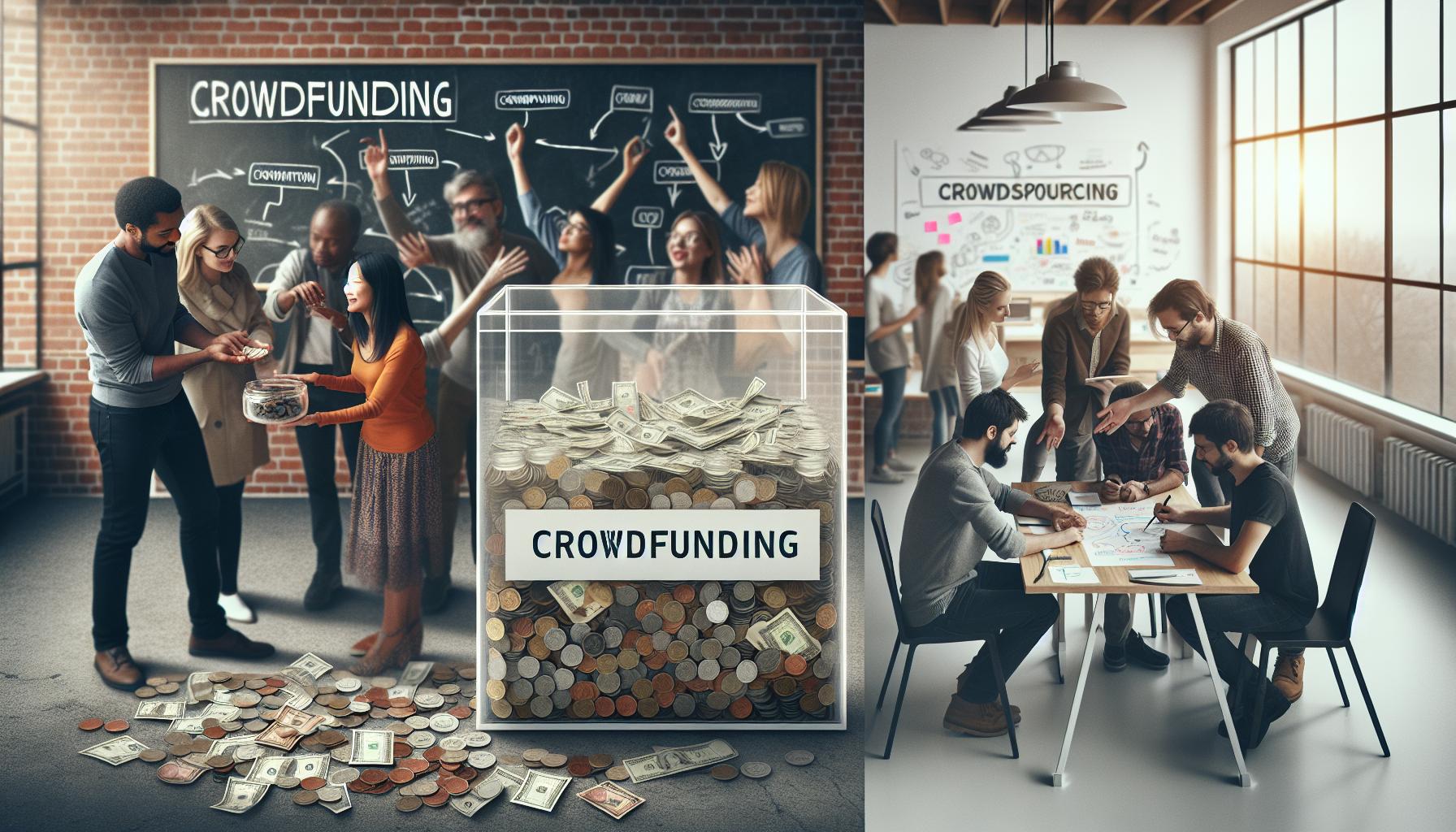
Key Differences Between Crowdfunding and Crowdsourcing
Understanding the distinctions between crowdfunding and crowdsourcing can illuminate the unique strengths each approach offers for generating ideas, resources, and funding. Crowdfunding is fundamentally about raising money from a multitude of contributors, often through online platforms like Kickstarter or Indiegogo. It typically focuses on individual projects, such as launching a product or funding a creative endeavor, where backers receive rewards or equity in exchange for their financial support. This model thrives on emotional engagement and the appeal of becoming part of a creative journey, demonstrating a tangible investment in a vision or cause.
In contrast, crowdsourcing taps into a diverse array of collective wisdom and skills to gather ideas, solve problems, or produce content. This method stretches across various sectors and is not limited to financial contributions. For example, businesses often leverage crowdsourcing to gather feedback and input on new products, engage customers in product development, or even reach decisions on marketing strategies. Platforms like LEGO Ideas and Wikipedia illustrate how engaging a broad audience can enhance creativity and provide valuable insights that a single entity might overlook.
While both methods utilize the power of the crowd, their goals and engagement strategies vary significantly. Crowdfunding tends to have a clear financial goal and deadline, creating a time-sensitive environment that motivates quick action among potential backers. Conversely, crowdsourcing is generally an ongoing process that invites continuous contributions and collaboration, making it inherently more flexible. The measurement of success also differs: crowdfunding success is primarily quantified by the funds raised and the completion of a project, whereas crowdsourcing success is often assessed through the quality and volume of ideas generated or problems solved.
Ultimately, understanding these differences enables individuals and organizations to choose the strategy best suited to their needs and objectives, maximizing their potential for innovation and community engagement. By selecting the appropriate method, they can harness the unique advantages of both crowdfunding and crowdsourcing, tailoring their approach to fit their specific project goals and audience engagement strategies.
Types of Crowdfunding: Exploring Popular Models
In recent years, crowdfunding has emerged as a revolutionary funding mechanism that empowers individuals and organizations to finance projects, creative endeavors, and social causes through the collective contributions of a large number of people. This approach is not only accessible but also taps into the passions and interests of a broad community, creating a dynamic environment for funding. Understanding the various types of crowdfunding models can help potential fundraisers choose the best strategy to achieve their goals.
Donation-Based Crowdfunding
This model is perhaps the simplest and most altruistic form of crowdfunding. Individuals donate funds to support causes without expecting any financial return. Platforms like GoFundMe and JustGiving facilitate donation-based campaigns aimed at personal causes, charitable projects, and community initiatives. The emotional appeal of these campaigns often drives contributions, as backers are motivated by a sense of empathy and the desire to make a difference in someone’s life. A notable example is the campaign for the treatment of a critically ill child, which raised significant funds through heartwarming personal stories shared across social media.
Reward-Based Crowdfunding
Reward-based crowdfunding allows creators to offer tangible rewards or incentives to backers in exchange for financial support. This model is particularly popular among entrepreneurs and artists seeking funding for product development or creative projects. Platforms like Kickstarter and Indiegogo exemplify this model, where backers receive exclusive merchandise, early access to the product, or other unique experiences as a thank-you for their contribution. A famous case is the Pebble smartwatch project, which raised over $10 million on Kickstarter, offering early adopters a chance to secure the innovative device before its public launch.
Equity-Based Crowdfunding
For those looking to raise funds while offering investors a stake in their company, equity-based crowdfunding is an appealing option. This model allows businesses to solicit investment from the public in exchange for equity shares in the company. Platforms like SeedInvest and Crowdcube provide a space for startups to showcase their business models and attract potential investors. The equity-based model invites a diverse group of investors to participate in a company’s growth journey. A successful example is BrewDog, a Scottish craft beer company that raised millions by selling equity to its loyal customer base, building a community of brand ambassadors in the process.
Debt-Based Crowdfunding (Peer-to-Peer Lending)
Also known as peer-to-peer lending, this model involves individuals or businesses borrowing money from a pool of investors through an online platform, with the promise to repay the principal amount along with interest. Platforms like LendingClub and Prosper facilitate these transactions, connecting lenders with borrowers while cutting out traditional financial institutions. This approach offers borrowers more favorable terms and enables investors to earn interest, creating a win-win situation. Real-world applications can vary from small businesses seeking operational funds to individuals looking to consolidate debt.
By understanding these prevalent crowdfunding types, individuals and organizations can navigate their funding journeys more effectively. Each model serves different needs and appeals to various motivations, empowering creators and changemakers to turn their ideas into reality with the support of their communities.
Types of Crowdsourcing: Diverse Approaches Uncovered
Crowdsourcing has become a pivotal tool for generating innovative ideas, gathering feedback, and solving complex problems through the collective intelligence of a diverse group. By harnessing the creativity and expertise of many, organizations can unlock valuable insights that are often not possible through traditional methods. This multifaceted approach can take many forms, each uniquely suitable for different scenarios and objectives.
Idea Crowdsourcing
One prevalent approach is idea crowdsourcing, where organizations solicit new ideas, products, or services from the public. This method not only fosters innovation but also engages consumers, making them feel invested in the brand’s direction. A notable example is LEGO’s use of crowdsourcing through its LEGO Ideas platform, where fans can submit their designs for potential production. This strategy not only generates fresh ideas but also builds a community of loyal customers who feel a connection to the brand’s creative process.
Crowdsourced Problem Solving
Another effective approach is crowdsourced problem solving. This method allows organizations to post specific challenges and invite the public to propose solutions. For instance, platforms like Innocentive connect companies with developers, scientists, and diverse thinkers who can provide innovative solutions to problems faced by the organization. This approach not only accelerates the problem-solving process but also broadens the pool of potential solutions, often leading to breakthroughs that traditional methods might overlook.
Crowdsourcing Feedback and Testing
Additionally, crowdsourcing can be utilized for feedback and testing new ideas. Organizations can leverage the insights and opinions of users to refine products before they hit the market. For example, tech companies frequently use beta testing with large groups of users to gather feedback on software or applications. This iterative process helps ensure that the final product meets user expectations and improves customer satisfaction while also reducing the risk of product failure.
Empowering Through Collaboration
The dynamic and inclusive nature of crowdsourcing not only leads to better outcomes but also democratizes the innovation process, making it accessible to anyone with an idea or a solution. By effectively employing these diverse approaches, organizations can significantly enhance their ability to adapt and thrive in rapidly changing environments, showcasing how collaboration can lead to impactful solutions across various sectors. As businesses and communities continue to navigate global challenges, embracing crowdsourcing can result in more sustainable and innovative practices that align with societal needs.
Benefits of Crowdfunding for Entrepreneurs and Creators
Crowdfunding has emerged as a revolutionary financial tool for entrepreneurs and creators, enabling them to turn innovative ideas into tangible products without traditional barriers. By leveraging the power of the crowd, individuals can secure funding directly from their target audience, creating a community of supporters who are invested in the project’s success. This method not only helps with financial backing but also serves as a litmus test for the viability of new ideas in the marketplace.
One of the key advantages of crowdfunding is accessibility. Unlike conventional funding routes like bank loans or venture capital, which can be daunting for early-stage creators, crowdfunding platforms allow anyone with a compelling concept to present their project. This democratization of funding has led to incredible success stories, such as the Pebble smartwatch, which garnered over $10 million in just a few weeks on Kickstarter. This example underscores how crowdfunding can validate market demand before investing heavily into production.
Moreover, crowdfunding is not just about raising money; it also provides valuable market insights. By engaging directly with potential customers during the campaign, entrepreneurs can gather feedback, refine their offerings, and build a loyal customer base even before the product launch. Positive engagement can create a buzz that translates into pre-sales, increasing visibility and credibility in a crowded marketplace.
Connecting with Communities
Crowdfunding cultivates a unique sense of community between creators and backers. By sharing progress updates, soliciting feedback, and involving supporters in decision-making, entrepreneurs can foster relationships that extend beyond mere financial transactions. This emotional connection can lead to long-term brand loyalty, as supporters often feel a sense of ownership and pride in the creation process.
A Balanced Approach to Risk
Importantly, crowdfunding can mitigate risks associated with new ventures. Entrepreneurs can use the funds raised to cover initial production costs upfront, reducing the financial burden if a product fails to resonate with consumers. This can empower creators to take risks on creative ideas that might otherwise be stifled by traditional funding avenues.
In conclusion, crowdfunding not only equips entrepreneurs and creators with essential resources to launch their projects but also provides an environment for collaboration, feedback, and community building. As this model continues to evolve, embracing the principles of transparency and engagement will be crucial for those looking to harness the transformative potential of the crowd.
Advantages of Crowdsourcing for Businesses and Communities
Crowdsourcing has emerged as a powerful tool for businesses and communities seeking to harness collective intelligence and leverage diverse skills for innovative solutions. By tapping into a vast pool of contributors, organizations can access creative ideas and practical insights, leading to results that no single individual could achieve alone. This collaborative approach not only enhances problem-solving but also fosters a sense of community ownership, thereby empowering contributors to play an active role in shaping outcomes.
One of the standout advantages of crowdsourcing is the ability to gather diverse perspectives. When businesses engage with a wide-ranging audience, they gain insights that can reveal gaps in their understanding and identify unmet needs. For instance, a company developing a new software application might post a challenge online, inviting users to suggest features or improvements. By incorporating feedback from potential customers during the development phase, the company not only refines its product but also builds a loyal customer base who feel valued and invested in its success. This level of engagement can be especially beneficial in sectors such as technology and healthcare, where evolving user needs can significantly shape outcomes.
Cost-Effectiveness is another critical benefit. By utilizing crowdsourcing strategies, businesses can reduce the costs associated with research and development. Instead of relying on expensive market research firms, organizations can gather data through open calls for ideas or solutions. This can be seen in various contests hosted by companies where participants submit their innovations for a chance to win a monetary prize, effectively converting innovation costs into incentives for creativity. Not only does this lower the financial burden, but it also accelerates the development timeline, allowing businesses to stay competitive in rapidly changing markets.
Beyond businesses, crowdsourcing also significantly benefits communities by driving social change and addressing localized challenges. For example, participatory budgeting initiatives, where community members vote on how to allocate public funds, exemplify how crowdsourcing can empower citizens. This engagement fosters transparency and trust in public processes, while simultaneously making resource distribution more reflective of the community’s actual needs. Such initiatives encourage civic participation and ensure that decisions are not made in isolation by a select few but are instead representative of the collective voice.
In summary, by embracing crowdsourcing, businesses and communities gain not only innovative ideas but also build a stronger, engaged public. This collaborative mindset transforms challenges into opportunities, paving the way for sustainable growth and social resilience.
Successful Crowdfunding Campaigns: Key Strategies to Consider
Launching a successful crowdfunding campaign can be a game-changer for entrepreneurs, creatives, and social causes alike. Understanding key strategies can significantly enhance your chances of attracting backers and reaching your funding goals. A well-executed campaign not only raises funds but also builds a community around your project. Here are essential strategies to consider when crafting your crowdfunding campaign.
Craft a Compelling Narrative
The heart of any successful crowdfunding initiative is a strong narrative. Potential backers want to connect with your project emotionally. Share your story-what inspired you to create this project? What challenges have you faced? By making your narrative relatable, you can engage potential contributors more deeply. For instance, a campaign that includes personal testimonials or a day-in-the-life video can draw in supporters who resonate with your mission.
Set Realistic Goals and Rewards
Establish clear, achievable funding goals that align with your project’s needs. A common pitfall is setting goals too high, which can deter backers if they feel your target is unrealistic. Also, consider the rewards you’ll offer. They should be enticing yet feasible. For example, if you’re raising funds for a new product, offer early-bird pricing or exclusive access to features for backers at different levels. This tiered reward system not only encourages larger contributions but also fosters a sense of exclusivity.
Leverage Social Media and Networks
Utilize your existing networks and the power of social media to spread the word about your campaign. The more people who know about your project, the greater the potential for funding. Create engaging content that’s shareable-think videos, infographics, and Kickstarter-style updates. Utilize platforms like Facebook, Twitter, and Instagram to keep your audience engaged throughout your campaign, sharing milestones and updates. Engaging storytelling, combined with compelling visuals, can increase shares and reach.
Engage with Your Backers
Communication is key during your campaign. Keep your supporters in the loop with regular updates on funding progress, project developments, and any challenges you face. Transparency builds trust and encourages backers to spread the word about your project. Additionally, responding thoughtfully to inquiries or comments can enhance community engagement. Consider hosting Q&A sessions or live updates to keep conversations flowing and maintain enthusiasm.
By utilizing these strategies, you can not only enhance the effectiveness of your crowdfunding campaign but also establish a supportive community around your project. Remember, crowdfunding is as much about building relationships as it is about raising money. With the right approach, you can create a loyal backer base that champions your vision long after your campaign concludes.
Effective Crowdsourcing Examples: Learning from the Best
Crowdsourcing has become a revolutionary approach that empowers communities and organizations to harness the skills, ideas, and contributions of individuals, often through technology. One remarkable example is the Wikipedia platform, which operates entirely through user-generated content. Hundreds of thousands of volunteers contribute their knowledge, ensuring that this vast repository of information remains accessible and current. The collaborative nature of Wikipedia exemplifies how crowdsourcing can leverage diverse inputs to enrich a common goal, demonstrating that the collective wisdom of many can produce high-quality outcomes.
Another compelling case is that of LEGO Ideas, where fans of the popular toy brand can submit their designs for potential production. This platform not only engages the community but also allows LEGO to tap into the creativity of its customer base. Successful designs, if they garner enough support, may be turned into actual LEGO sets, rewarding the designers with royalties. This initiative illustrates a dual benefit: fans are empowered to share their creativity while LEGO gains insight into what their customers want, forming a symbiotic relationship between the brand and its community.
Software development has also significantly benefited from crowdsourcing, with platforms like GitHub at the forefront. Here, developers from all around the world collaborate on coding projects, sharing knowledge, fixing bugs, and innovating together. This open-source model allows for rapid development and diversity of ideas, accelerating technological advancements in ways that traditional development environments often cannot match. By inviting contributions from global talent, companies can improve their software while fostering a sense of ownership and engagement among contributors.
In the realm of social causes, platforms like Change.org showcase another effective crowdsourcing example. Here, individuals start petitions to rally support for various issues, ranging from environmental protection to social justice. The ability to amplify one’s voice through the signatures and shares of others mobilizes communities around urgent causes, demonstrating how collective action can lead to significant social impact. These examples underscore the potential of crowdsourcing to drive engagement, innovation, and change, proving that the power of the many can surpass traditional methods of problem-solving and creativity.
Legal Considerations for Crowdfunding and Crowdsourcing
Navigating the legal landscape of crowdfunding and crowdsourcing is crucial for both creators and contributors. With the rise of these collaborative models, staying compliant with regulations fosters trust and ensures a smoother process. The legal considerations for crowdfunding primarily revolve around securities laws, consumer protection laws, and intellectual property rights. For instance, when a startup raises funds through crowdfunding, it must adhere to specific regulations that govern the issuance of equity or tokens, as violating these can lead to hefty fines or even the collapse of the project.
Securities Laws
In many countries, crowdfunding is regulated under securities laws, which dictate how and when corporations can raise capital. Depending on the type of crowdfunding-equity, debt, or reward-based-the rules can vary significantly. For example, in the United States, the Jumpstart Our Business Startups (JOBS) Act provides guidelines for equity crowdfunding, allowing individuals to invest in startups while ensuring that companies meet certain disclosure and financial reporting requirements. Creators must familiarize themselves with these laws to avoid legal pitfalls, particularly regarding how investments are solicited and the information shared with potential investors.
Consumer Protection and Transparency
Consumer protection laws also play a significant role in crowdfunding. Platforms and project owners must ensure that they provide transparent information about the project, including risks, potential uses of funds, and the estimated timeline for delivering rewards (if applicable). Failure to provide accurate and complete information can lead to accusations of fraud and damage to reputation, which can affect future campaigns. For crowdfunding contributors, understanding their rights regarding refunds or product delivery is essential, as these rights can differ significantly between platforms.
Intellectual Property Rights
On the crowdsourcing side, protecting intellectual property (IP) becomes a central concern, especially when ideas and designs are solicited from the public. Organizations must establish clear guidelines about how contributions will be used and whether contributors retain any rights over their submissions. Additionally, it is prudent for businesses to implement Non-Disclosure Agreements (NDAs) when collaborating with contributors to prevent the unauthorized use of proprietary ideas.
In conclusion, maintaining compliance with relevant legal frameworks is vital in both crowdfunding and crowdsourcing. By understanding and addressing these key legal aspects-securities regulations, consumer protections, and IP rights-creators can foster trust and create a more robust fundraising environment. This proactive approach not only protects project owners but also empowers contributors to engage more confidently in supporting innovative ideas and initiatives.
Common Challenges in Crowdfunding and How to Overcome Them
Navigating the realm of crowdfunding can be as challenging as it is rewarding. Many creators and entrepreneurs dive headfirst into launching their campaigns, often underestimating the complexities that lie ahead. One prominent issue is the lack of adequate preparation, which can lead to campaigns falling flat. For instance, a study found that around 70% of crowdfunding campaigns fail to meet their funding goals, often due to poor marketing strategies or unclear goals. Understanding these common pitfalls and implementing strategic measures can significantly enhance a campaign’s success rate.
Engagement and Community Building
One of the most significant challenges in crowdfunding is engaging with potential backers effectively. Without a dedicated community or an established audience, it becomes difficult to generate momentum. To combat this, it’s essential to foster a sense of community before launching a campaign. Building an email list, creating a social media presence, and engaging with audiences through blogs or forums can lay a solid groundwork. For example, project leaders who share their journey transparently often find greater support from potential backers. Hosting regular updates, behind-the-scenes content, and Q&A sessions can help maintain interest and build trust.
Setting Realistic Goals
Another common hurdle is setting funding goals that do not align with market realities. Campaigners sometimes overestimate the enthusiasm for their project or underestimate the costs involved. Establishing a realistic funding goal requires thorough market research, detailed budgeting, and clear communication of the project’s value. A practical approach might involve breaking down costs into clear line items and using historical data from similar campaigns to validate funding needs. This transparency not only boosts credibility but also allows backers to understand precisely how their contributions will be utilized.
Marketing and Promotion Strategy
Lack of a sound marketing strategy is often a contributor to unsuccessful crowdfunding campaigns. Many individuals focus solely on their crowdfunding platform pitch, neglecting broader marketing tactics. To overcome this, creators should develop a multi-channel marketing strategy that leverages social media, digital advertising, and influencer partnerships. This strategy should include pre-launch buzz to create anticipation and post-launch momentum to sustain traction. For example, offering early bird rewards can incentivize initial backers, creating social proof that encourages others to contribute.
Responding to Feedback and Adjustments
Lastly, the ability to adapt and respond to feedback is critical. Successful campaigns often engage with backers, responding to inquiries and addressing concerns promptly. Setting up channels for feedback during the campaign can provide invaluable insights and foster a sense of involvement among supporters. Platforms like Kickstarter offer comment features that allow direct interaction, and utilizing these can make backers feel valued and heard. Adjusting campaign elements based on user feedback-such as altering reward structures or shifting marketing tactics-can lead to improved outcomes.
By understanding these challenges and implementing proactive strategies, campaign creators can pave the way for successful crowdfunding experiences, ultimately bringing their projects to life while engaging with a supportive community.
Future Trends in Crowdfunding and Crowdsourcing: What to Expect
As the landscape of funding and collaboration continues to evolve, both crowdfunding and crowdsourcing are at the forefront of this transformation. One noteworthy trend is the rise of impact investing within crowdfunding platforms, where backers increasingly seek to fund socially responsible and sustainable projects. This shift reflects a growing desire among individuals to allocate their resources not just for financial returns but also for positive environmental and social outcomes. For example, platforms like Kickstarter and Indiegogo have begun integrating these principles into their campaigns, allowing project creators to highlight their sustainability practices and social missions, ultimately appealing to a more conscientious audience.
Technological Advances Shaping the Future
The acceleration of technology, particularly in areas such as blockchain, is set to revolutionize crowdfunding and crowdsourcing. Blockchain can enhance transparency and security by facilitating trust among participants, enabling creators to share their project development process and fund allocation openly. Moreover, decentralized finance (DeFi) is emerging as a potential avenue for crowdfunding, allowing peer-to-peer funding models that reduce the dependency on traditional financial institutions. This paradigm shift can democratize finance, making it accessible to more creators worldwide while reducing transaction fees and improving efficiency.
Community-Centric Approaches
Another significant trend is the growing emphasis on building stronger communities around crowdfunding initiatives. Successful campaigns in the future will likely hinge on the ability to engage backers not just as funders but as active participants in the project. Creators are encouraged to adopt community-centric approaches, fostering sustainable relationships through regular communication, exclusive updates, and by soliciting feedback to refine their projects. This shift not only enhances loyalty but also creates a sense of ownership among contributors, which can lead to more robust funding outcomes.
Diversity in Funding Models
The diversification of funding models is another trend to watch. While traditional donation-based crowdfunding remains popular, platforms are increasingly offering hybrid models that combine donations, equity, and rewards. This flexibility allows entrepreneurs to tailor their campaigns to suit the needs and expectations of different types of backers. By presenting multiple participation options, creators can appeal to a wider audience, maximizing their funding potential while providing backers with choices that align with their investment preferences.
In summary, the future of crowdfunding and crowdsourcing is bright, with trends indicating a move towards more responsible, transparent, and community-focused practices. As these industries continue to grow, they offer unique opportunities for creators and participants alike to innovate and collaborate in ways that not only drive financial success but also foster societal progress.
Frequently Asked Questions
Q: What are the main benefits of crowdfunding compared to crowdsourcing?
A: The main benefits of crowdfunding include obtaining financial support directly from backers for a specific project, while crowdsourcing leverages collective intelligence and resources from a group to solve problems or generate ideas. This makes crowdfunding ideal for entrepreneurs seeking funds, whereas crowdsourcing is beneficial for community-driven initiatives.
Q: How can I utilize crowdsourcing effectively in my project?
A: To utilize crowdsourcing effectively, define clear goals for your project, engage with your community for input, and use platforms that facilitate collaboration. Strategies may include running contests or surveys to gather diverse ideas, enhancing creativity and broadening perspectives, as noted in sections discussing crowdsourcing applications.
Q: When should I choose crowdfunding over crowdsourcing?
A: Choose crowdfunding when you need specific financial backing for a project or product launch. In contrast, opt for crowdsourcing when seeking innovative solutions or ideas from a wider audience. Understanding these scenarios can help you align strategies with your project objectives.
Q: What types of projects are best suited for crowdfunding?
A: Best suited projects for crowdfunding include creative endeavors like films or albums, innovative products seeking market validation, and social causes needing direct support. Projects with compelling stories typically attract more backers. Dive deeper into the types of crowdfunding in relevant sections of the article.
Q: Can crowdsourcing be used to improve crowdfunding campaigns?
A: Yes, crowdsourcing can enhance crowdfunding campaigns by gathering feedback on ideas, refining campaign messages, or building a stronger community around a project. Utilizing input from potential supporters ensures the campaign resonates well with the audience, increasing the likelihood of success.
Q: What are common misconceptions about crowdfunding?
A: Common misconceptions about crowdfunding include the belief that it guarantees funding or that anyone can succeed without a clear strategy. In reality, success requires a well-planned approach, including market research and effective communication with potential backers.
Q: How do I choose the right crowdfunding platform for my project?
A: To choose the right crowdfunding platform, consider factors like your project’s type, target audience, and fee structures. Research platforms that align with your specific needs, as some cater to creative projects while others may focus on tech innovations or charitable causes.
Q: Why is understanding the differences between crowdfunding and crowdsourcing important?
A: Understanding the differences is crucial for effectively addressing funding needs or problem-solving strategies. Misunderstanding these concepts may lead to ineffective project planning. Knowing when to employ each approach can greatly enhance your project’s success potential.
In Retrospect
Understanding the vital differences between crowdfunding and crowdsourcing can significantly enhance your fundraising strategies and project execution. Armed with this knowledge, you’re now better equipped to leverage these powerful tools for your next endeavor. Don’t miss out on the opportunity to dive deeper into related topics! Explore our guides on how to choose the right crowdfunding platform or discover effective fundraising ideas that resonate with your community. If you’re looking to start your own fundraising journey, tools like GoFundMe can simplify the process, ensuring you reach a wider audience.
Act now! Share your thoughts in the comments below or subscribe to our newsletter for the latest insights and tips. Remember, whether you’re raising funds or seeking collective input, every step you take can lead you closer to achieving your goals. For more resources tailored to your needs, don’t hesitate to explore our content that breaks down how crowdfunding can drive social impact and foster community engagement. Let’s continue this journey together!