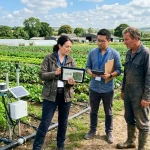
As the world grapples with increasingly severe climate challenges, the fate of COP28’s Climate Fund holds critical significance. Set against the backdrop of rising temperatures and extreme weather events, this fund aims to provide financial resources to combat climate change in the most affected regions. But will it become a reality? Understanding this complex issue is essential, as it not only affects international cooperation but also determines how accessible climate resilience can be for vulnerable communities. The success or failure of this initiative will resonate globally, shaping investments in sustainable development and influencing the livelihoods of millions. Join us as we delve into the key aspects of COP28’s Climate Fund and explore what we can expect in the coming months. Your awareness and engagement are pivotal as we navigate this crucial conversation about our planet’s future.
The Role of COP28 in Climate Financing
The 28th Conference of the Parties (COP28) represents a pivotal moment in global climate action and financing. As countries grapple with the escalating impacts of climate change, the role of COP28 is not just about negotiating terms but also about creating a robust financial framework to support vulnerable nations in their adaptation and mitigation efforts. With the potential establishment of a dedicated climate fund, COP28 could bridge the gap between commitment and action, transforming pledges into tangible resources that empower nations to combat climate issues effectively.
One of the fundamental aspects of COP28’s climate financing initiative is its goal to enhance access to funding for developing nations, which often face the brunt of climate-related impacts despite contributing the least to global greenhouse gas emissions. The proposed climate fund aims to streamline financial flows, making it easier for countries to obtain necessary investments in green technologies, infrastructure, and community resilience programs. This streamlined approach can significantly increase the flow of funds to those who need it most, fostering not only environmental sustainability but also economic stability in the long term.
Moreover, the expected outcomes of COP28 are anticipated to inspire collaborative efforts among diverse stakeholders, including governments, private sector players, and non-governmental organizations (NGOs). By facilitating public-private partnerships, the climate fund can leverage private capital into climate initiatives, multiplying the impact of public funding initiatives. For instance, innovative financing mechanisms such as green bonds or blended finance frameworks could be employed to draw in and sustain investment, making climate financing not just a moral obligation but also a viable economic opportunity.
The success of COP28’s climate fund hinges on overcoming significant challenges, including bureaucratic complexities, ensuring equitable access for all nations, and building trust among stakeholders to work collaboratively. The real measure of success will lie in its ability to address these hurdles while maintaining transparency and accountability in fund distribution. As citizens and stakeholders closely watch the developments from COP28, they can play an active role by advocating for accountable practices and supporting policies that prioritize climate financing. Ultimately, the outcomes from COP28 could very well determine the trajectory of international climate action for the coming decades, establishing a critical backbone for global environmental governance.
Understanding the COP28 Climate Fund Framework
is fundamental for grasping how this initiative aims to address global climate challenges. At its core, the proposed climate fund is designed to provide financial support to developing countries significantly impacted by climate change, despite their minimal contribution to global greenhouse gas emissions. It seeks to transform promises into actionable funding by streamlining access to resources necessary for adaptation and mitigation. This means less bureaucratic red tape and more direct funds for projects that enhance community resilience, promote sustainable energy, and improve infrastructure.
The climate fund intends to operate on principles of equity and transparency, ensuring that vulnerable nations receive the backing they need. To facilitate this, COP28 discussions have emphasized establishing clear eligibility criteria and simplified application processes for funding. Countries could be empowered to allocate funds towards initiatives such as renewable energy projects, sustainable agriculture, and disaster resilience programs. For example, nations might invest in solar energy systems that can both reduce dependence on fossil fuels and provide reliable energy to communities at risk of climate-induced disruptions.
Public-private partnerships will also play a critical role in this framework. By inviting investment from the private sector, COP28’s climate fund can utilize mechanisms like blended finance, where public funds are used to attract private capital. This could manifest in innovative financing tools like green bonds or outcomes-based financing, where investors provide upfront capital for projects that achieve specific climate objectives, getting repaid through the savings or revenue those initiatives generate.
Ultimately, the effectiveness of the climate fund will depend on the collective commitment of nations to prioritize climate action and the ability to navigate the operational complexities that come with funding distribution. Some nations have already begun to showcase successful models by securing financing for climate projects through similar frameworks, inspiring optimism that with the right structures in place, COP28’s climate fund can become a reality, enabling meaningful progress in the fight against climate change.
Key Players Involved in COP28’s Climate Fund
Engaging effectively in COP28’s climate fund initiative will require the collaboration of diverse key players, each bringing their unique resources, expertise, and perspectives to the table. Central to these efforts are the governments of both developed and developing nations, whose participation is crucial for setting the strategic direction and operational rules of the fund. Developed countries, often seen as the primary financiers, have a responsibility to contribute significantly, fulfilling their long-standing pledge to support developing nations most affected by climate change.
International organizations and financial institutions also play a pivotal role in this framework. Entities such as the United Nations Development Programme (UNDP), the World Bank, and regional development banks are instrumental in channeling funds, offering technical expertise, and ensuring that investments align with broader sustainability goals. They help create a nurturing environment for projects designed to combat climate change, ensuring that funds are used effectively and reach the communities that need them most.
In addition to public sector players, the involvement of private sector entities is essential for leveraging additional resources. Corporations, investors, and philanthropic foundations can provide crucial capital and innovation, which are often necessary to scale climate projects. Public-private partnerships are expected to flourish under COP28’s framework, utilizing blended finance models that enhance the effectiveness of funding through shared risks and returns. For example, private companies might engage in renewable energy projects that not only contribute to sustainability goals but also offer profitability, demonstrating that climate efforts can be economically viable.
Furthermore, grassroots organizations and local communities must be pivotal in shaping the agenda and priorities of the climate fund. Their insights on challenges and needs will inform funding allocations and ensure that projects are not only viable on paper but also beneficial on the ground. By empowering these local voices, COP28 can foster a truly inclusive funding approach, ensuring that the climate fund reflects the priorities and aspirations of those most directly impacted by climate change.
In summary, the successful implementation of COP28’s climate fund hinges on a collaborative effort among governments, international organizations, private sectors, and local communities. Each player must recognize their responsibilities and opportunities within this initiative, fostering a model that is equitable, transparent, and effective in combating climate change while promoting sustainable development.
Potential Impact of the Climate Fund on Global Policies
The establishment of a robust climate fund at COP28 has the potential to shape global policies in profound ways, influencing not just funding allocations but also driving systemic changes in how nations approach climate action. As nations recognize the urgent need to address climate change, a well-structured fund can serve as a catalyst for adopting progressive environmental policies that prioritize sustainability and resilience.
One critical area where the climate fund could make a significant impact is in the enhancement of climate resilience for vulnerable communities, particularly in developing nations. By prioritizing investments in renewable energy, sustainable agriculture, and disaster preparedness, the fund can not only mitigate the immediate impacts of climate change but also foster long-term economic stability. For instance, programs that support the transition to solar energy could reduce dependence on fossil fuels while creating jobs and enhancing energy security. Such initiatives can encourage governments to adopt more ambitious climate goals aligned with the Paris Agreement, thereby influencing national legislation toward more sustainable practices.
Moreover, the fund can act as a tool for setting international standards by demonstrating successful interventions that can be scaled globally. By backing pilot projects that showcase innovative approaches to issues like carbon capture, nature-based solutions, and sustainable urban development, COP28 can create a blueprint other countries may wish to replicate. These standards can enhance accountability and encourage nations to adhere to stricter environmental regulations, thereby shaping global norms around what constitutes responsible climate action.
Another pivotal impact of the climate fund on global policies is its ability to leverage private sector investment. With a framework that supports public-private partnerships, the fund can attract significant private finance directed towards sustainable projects. Corporations are increasingly aware that aligning their investments with climate goals not only mitigates risks associated with regulatory changes but also enhances their brand value among environmentally conscious consumers. Especially in sectors like renewable energy or sustainable agriculture, where initial capital costs can be high, the climate fund can provide the necessary incentive for private players to invest, transforming how capital flows towards green initiatives globally.
In summary, as COP28’s climate fund seeks to address the immediate and long-term challenges posed by climate change, its influence on global policies can be both transformative and expansive. By prioritizing resilience, establishing effective standards, and facilitating private sector engagement, the fund will not only address funding needs but also encourage a holistic approach to environmental stewardship across borders. This multifaceted impact underscores the urgency of establishing a successful climate fund to foster an equitable and sustainable future for all.
Challenges Facing the Implementation of the Climate Fund
With the ambitious goals set for COP28’s climate fund, the path to successful implementation is riddled with obstacles that need careful navigation. One significant challenge is ensuring the adequacy and accessibility of funding. While the UAE has pledged a substantial $30 billion to kickstart this initiative, critics argue that this amount is insufficient to meet the needs of vulnerable communities requiring immediate support for climate resilience. Many developing nations are wrestling with overwhelming climate impacts, and without a clear strategy for how funds will be allocated and accessed, these nations may find themselves sidelined in the very initiatives meant to assist them.
Another pressing concern involves the governance structure of the fund. Establishing a transparent and accountable framework is crucial for building trust among stakeholders, particularly in regions where corruption can diminish the effectiveness of financial aid. If countries and organizations believe that the fund lacks oversight, they may be hesitant to contribute or participate, undermining the overall objectives. A robust and inclusive governance model that involves representation from affected communities, civil society, and private sector partners is essential for ensuring that funds are used effectively and equitably.
Furthermore, the integration of private sector investments poses another layer of complexity. While public-private partnerships are heralded as potent tools for mobilizing additional resources, they can also lead to conflicting interests. Corporations often prioritize profitability, which may not align with the fund’s overarching goals of environmental sustainability and climate justice. It is vital for COP28 to create clear guidelines that encourage ethical investment practices and ensure that private funding supports climate mitigation rather than creating further disparities.
Lastly, the operational challenges, including bureaucratic delays and inefficient disbursement processes, can stymie timely responses to climate crises. Historical precedents show that slow mobilization of resources can cripple the effectiveness of climate assistance. To tackle this, streamlined processes and technology-driven solutions, such as blockchain for tracking funds, could enhance the speed and accuracy of fund allocation.
In summary, while COP28’s climate fund holds significant promise for addressing global climate challenges, its successful implementation will require overcoming these critical hurdles through strategic planning, transparent governance, and effective stakeholder engagement. By addressing these challenges head-on, the fund can be a powerful agent for change, paving the way for a more resilient and equitable future.
Success Stories of Climate Funds in Action
Investing in climate action can yield remarkable success stories that not only illustrate the potential impact of climate funds but also inspire further efforts in sustainability. For instance, the Green Climate Fund (GCF) has financed various projects worldwide, leading to both environmental restoration and economic growth. One notable case is in Ethiopia, where a project aimed at improving agricultural resilience has enabled thousands of farmers to adopt climate-smart practices, increasing crop yields by up to 30% while securing water resources. This initiative not only supports food security but also enhances rural livelihoods, showcasing how targeted funding can drive multifaceted benefits.
Innovative Projects Empowering Communities
Another success story comes from the Caribbean, where the GCF’s funding has helped nations like Jamaica develop early warning systems for extreme weather events. By investing in technology that predicts and communicates threats related to hurricanes and floods, local communities are better prepared, potentially saving lives and reducing infrastructure damage. Such proactive measures underscore the importance of climate funds in building resilience against climate change, ultimately reducing the economic burden of disaster recovery.
Leveraging Local Knowledge for Effective Action
These successes are exemplified further through the use of local knowledge in adaptation strategies. In Bangladesh, community-driven initiatives financed by climate funds have fortified coastal areas by restoring mangroves. This not only combats erosion but also enhances biodiversity and provides critical habitat for fish stocks, which are vital for local fishermen. These projects demonstrate how integrating community input can lead to sustainable outcomes that not only address immediate environmental concerns but also foster social cohesion and economic viability.
Keys to Future Success
The implications of these stories extend beyond mere funding; they serve as blueprints for future climate action. To replicate such successful outcomes, stakeholders must emphasize collaboration among governments, NGOs, and the private sector. Utilizing robust monitoring frameworks can ensure transparency and efficiency, while adaptive management allows for real-time adjustments based on community feedback. As more nations look forward to the potential of the COP28 climate fund, learning from these successes will be essential in crafting initiatives that are not only impactful but also inclusive and sustainable for the long term.
What Stakeholders Can Expect from COP28 Outcomes
As COP28 approaches, stakeholders around the globe are closely watching the developments surrounding the proposed climate fund, eager to understand its potential impact. The ambitions of this fund are not just about financial resources but also about fostering genuine collaboration and innovative solutions to climate challenges. For those involved-governments, NGOs, businesses, and communities-this could mark a significant turning point in climate financing.
One key expectation from the COP28 outcomes is the establishment of a clear framework that defines how the climate fund will operate, including eligibility criteria for projects, funding allocation processes, and accountability measures. Stakeholders can anticipate guidance that prioritizes transparency and inclusivity, ensuring that funds are accessible to vulnerable communities most affected by climate change. For example, similar initiatives in previous COP meetings have highlighted the importance of direct access for local organizations, which enhances project relevance and effectiveness.
Furthermore, this fund is expected to catalyze increased investment in green technologies and sustainable practices. Stakeholders, particularly from the private sector, can expect new opportunities for partnerships and investments as the climate fund incentivizes climate-resilient projects worldwide. For example, businesses might invest in renewable energy projects or sustainable agriculture practices encouraged by the funding guidelines. Adopting clean technologies not only contributes to environmental sustainability but can also lead to cost savings and business growth, aligning profitability with social responsibility.
Another crucial outcome stakeholders should anticipate is the reinforcement of global climate commitments. The COP28 climate fund is poised to serve as a platform for dialogue, updating international climate goals in light of new scientific data and climate realities. This dynamic could encourage nations to enhance their commitments and collaborate on cross-border projects, ultimately reshaping global policies on climate action. As countries report on their progress and share their strategies, the collective knowledge gained can empower stakeholders to innovate and scale successful initiatives more rapidly.
In terms of challenges, stakeholders should prepare for discussions around equity in resource distribution and ensuring that funding reaches the most affected populations. As mechanism design unfolds, it will be crucial to advocate for gender-responsive funding and considerations for indigenous rights, ensuring broad representation in decision-making processes.
Ultimately, COP28’s climate fund is seen not just as a financial mechanism but as a beacon of hope and unity in addressing climate change. By aligning financial decisions with environmental and social impacts, all stakeholders have the opportunity to contribute to a sustainable future. Engaging with this process, staying informed, and advocating for equitable practices will empower communities and forge pathways toward effective climate action on a global scale.
How Public and Private Sectors Can Collaborate
Collaboration between the public and private sectors is vital for the success of COP28’s climate fund and the broader goals of climate action. With the urgent need to address climate change, leveraging the unique strengths of both sectors can lead to accelerated innovation, mobilization of resources, and effective implementation of initiatives.
The public sector can create a conducive policy environment by offering incentives such as tax breaks, grants, and subsidies to support private investment in climate-resilient projects. For instance, governments can establish public-private partnerships (PPPs) to develop renewable energy infrastructure, which not only reduces carbon emissions but also generates job opportunities. By delegating certain responsibilities to private entities-like project financing and management-governments can focus on regulatory frameworks that assure social equity and environmental integrity.
Conversely, the private sector brings agility, funding capabilities, and expertise to the table. Corporations can leverage their technologies and innovation to develop solutions that address climate challenges. A notable example is how companies like Google and Microsoft have invested heavily in renewable energy to power their operations, setting a benchmark for sustainability in business practices. Moreover, private firms can engage with local communities to understand their needs and design projects that deliver both environmental and social benefits.
Concrete Steps for Collaboration
To cultivate effective collaboration between these sectors, several actionable strategies can be employed:
- Establish Clear Communication Channels: Regular forums and workshops should be organized to facilitate dialogue between stakeholders, ensuring that both public agencies and private companies can share insights and align their goals.
- Create Flexible Funding Mechanisms: Innovative financial instruments, such as green bonds or blended finance options, can help attract diverse investments by mitigating risks associated with climate projects.
- Focus on Transparency and Accountability: Joint initiatives should commit to high standards of monitoring and evaluation to ensure that projects achieve intended outcomes and funds are used responsibly.
- Educate Stakeholders: Training programs can help both public servants and private sector employees understand climate finance, enabling them to make informed decisions that enhance project effectiveness.
As both sectors work hand-in-hand, they can foster a culture where sustainable practices are not just goals but integral parts of business operations and government policies. This integration is crucial for ensuring that climate financing efforts translate into real-world impacts, fostering a resilient future for communities globally.
Future Trends in Climate Financing Post-COP28
As the world gears up for the transformative conversations at COP28, the trajectory of climate financing is expected to evolve significantly. With increasing urgency for actionable climate solutions, countries and organizations are recognizing that traditional funding mechanisms may not be sufficient to meet the global climate agenda. In this landscape, innovative financing models and strategic collaboration between diverse stakeholders will play a pivotal role in shaping the future of climate financing.
One prominent trend is the surge in blended finance, which combines public funds with private investments to maximize resources for climate projects. This approach not only mitigates risks for private investors but also enhances the scale and impact of funding available for sustainable initiatives. According to a recent report, blended finance could mobilize over $50 billion annually for climate-related investments, an attractive figure for both governments seeking progress on their climate commitments and private entities looking for viable investment opportunities.
Moreover, the rise of carbon markets presents a new avenue for funding climate actions. With the implementation of more robust global carbon pricing mechanisms, countries can generate revenue from carbon credits while further incentivizing emission reductions. For example, the European Union’s Emissions Trading System has already generated billions in revenues that can be reinvested into green technologies. As more nations participate in similar initiatives, the potential for climate financing through carbon markets will expand significantly.
Another critical trend is the increasing emphasis on sustainable investment criteria among institutional investors. Pension funds and asset managers are progressively integrating environmental, social, and governance (ESG) factors into their investment strategies. This shift reflects a growing consensus that climate risk is investment risk. Notably, recent data shows that portfolios aligned with ESG criteria often outperform traditional investments, compelling financial institutions to allocate more funds towards sustainable enterprises.
In addition to these financial innovations, there will also be a heightened focus on transparency and accountability within climate financing. As stakeholders demand clearer metrics and reporting on the efficacy of funding initiatives, organizations will need to demonstrate their impacts comprehensively. This shift may involve using advanced technology, such as blockchain, to track fund allocation and project outcomes, thereby building trust among investors and beneficiaries alike.
By fostering an environment of collaborative innovation and accountability, the climate financing landscape post-COP28 may indeed pave the way for transformative actions that not only address climate change but also promote social equity and economic growth globally. The potential for diverse funding strategies, rooted in partnership and transparency, offers a promising path forward in the collective effort to combat climate change.
Expert Opinions on the Viability of the Climate Fund
The establishment of the climate fund during COP28 has garnered significant attention and optimism among experts and stakeholders alike. Many see this initiative as a pivotal step toward addressing the urgent challenges posed by climate change, especially for vulnerable communities that bear the brunt of its impacts. Experts believe that the fund has the potential to mobilize substantial resources and foster innovative solutions, but its success will hinge on effective implementation and sustained commitment.
Insights into the Fund’s Potential
One of the most compelling arguments for the fund’s viability comes from the concept of *blended finance*. By combining public and private investments, the fund can optimize resource allocation and reduce the risks associated with climate projects. For example, experts project that blended finance could potentially unlock over $50 billion annually, providing a robust financial backbone for transformative climate initiatives. This approach not only helps leverage additional funding but also incentivizes private players to engage meaningfully in climate solutions, knowing they are supported by foundational public investment.
Challenges and Considerations
However, experts caution that a number of challenges remain. One significant barrier is ensuring transparency and accountability in fund allocation. Stakeholders urge that clear metrics and reporting systems must be established to track the impacts of investments made through the climate fund. This need for transparency is underscored by the varying levels of trust among different nations and organizations, some of which may be hesitant to invest without assurances of responsible fund management.
The Role of Stakeholder Engagement
Moreover, the success of the climate fund will heavily depend on engaging a diverse range of stakeholders, including governments, private sector companies, non-profit organizations, and local communities. Collaborative efforts can lead to a more comprehensive understanding of grassroots needs and priorities, ensuring that the fund’s initiatives are not only effective but also equitable. Experts emphasize that creating platforms for dialogue among these stakeholders can galvanize collective action and enhance the fund’s effectiveness in tackling climate-related challenges.
In summary, while optimism surrounds the climate fund launched at COP28, its true potential will be realized only through dedicated efforts toward transparency, collaboration, and innovative financing models. As history shows, funds like these can catalyze significant positive change, provided they are managed thoughtfully and inclusively.
Comparative Analysis: COP28 Fund vs. Previous Initiatives
Given the pressing need for climate action, the establishment of the COP28 Climate Fund represents an ambitious effort to address funding gaps that have hampered previous initiatives. What sets this fund apart from its predecessors is not just the scale of financial commitments, but also the innovative financing mechanisms and strategic collaborations it aims to foster. The $30 billion pledge from the United Arab Emirates towards the COP28 fund signifies its role as a major player in climate finance, emphasizing the potential for mobilizing similar investments from both the public and private sectors-an essential component for true impact [[1](https://www.reuters.com/business/environment/who-is-pledging-climate-finance-cop28-how-much-2023-12-06/)].
Building on Lessons Learned from Previous Initiatives
Historically, programs like the Green Climate Fund (GCF) and various adaptation funds have faced challenges related to fund disbursement, stakeholder engagement, and accountability. The GCF, for instance, encountered delays in getting funds to on-the-ground projects, often due to cumbersome application processes and bureaucratic hurdles. In response, the COP28 Climate Fund promises to streamline these processes, leveraging technology to enhance transparency and expedite funding to urgent projects. By adopting lessons learned from these past experiences, the COP28 fund aspires to be more agile and responsive to the unique needs of each project.
Comparative Financial Frameworks
A critical difference in the COP28 fund’s design lies in its approach to blended finance, which is intended to attract private sector investments more effectively than prior initiatives. This model works by combining donor funds with private investments, thereby minimizing risks and promising more robust financial commitments. For example, blended finance strategies could potentially unlock over $50 billion annually in climate-related investments, creating a ripple effect that engages diverse stakeholders [[2](https://blogs.worldbank.org/en/ppps/laser-focused-bridging-climate-finance-gap-cop28)]. In contrast, earlier initiatives often relied predominantly on public funding, which limited the overall financial potential and slowed the pace of project implementation.
Stakeholder Engagement and Inclusivity
Moreover, the COP28 Climate Fund aims to include a wider range of stakeholders from the outset, promoting a more inclusive dialogue that encompasses not just governments but also local communities, NGOs, and the private sector. This participatory approach seeks to identify grassroots needs directly, ensuring that the fund’s initiatives are tailored to create genuine local impact. Many previous funds have been criticized for top-down decision-making processes that did not adequately reflect the priorities of affected communities. The emphasis on collaborative engagement in COP28 marks a crucial evolution in climate funding strategies, reinforcing collective action as a pathway to more effective outcomes.
In summary, while the success of the COP28 Climate Fund is not guaranteed, its innovative features and commitment to lessons learned from previous climate financing efforts position it favorably as a transformative force in the global climate finance landscape.
What Citizens Can Do to Support Climate Funding Efforts
The urgency of climate change calls for collective action, and citizens play a crucial role in supporting climate funding efforts. By becoming informed advocates, engaging in community initiatives, and making responsible choices in everyday life, individuals can significantly contribute to the goals set forth by the COP28 Climate Fund. A startling statistic highlights this need: the global cost of climate inaction could reach as much as $23 trillion by 2050, underscoring the importance of equitable climate financing for sustainable development.
One of the most impactful actions citizens can take is to educate themselves and their communities about the importance of climate funding. This can be achieved by participating in local workshops, attending town hall meetings, or simply engaging in discussions about climate policies and funding initiatives. Knowledge equips citizens to advocate effectively for transparent financial practices and ensures that funding is directed towards projects that genuinely benefit the community.
Moreover, citizens can support relevant policies by contacting their representatives to express support for climate initiatives. Writing letters, signing petitions, and using social media to amplify messages can influence public policymakers to prioritize climate funding. A recent success story involves a grassroots movement that successfully lobbied for increased funding for renewable energy projects in their region, showing that collective voices can lead to meaningful change.
Financially supporting organizations that align with climate funding goals is another impactful step. Citizens can look for non-profits or community organizations focused on climate action, where donations can help mobilize resources and implement projects. By investing in these entities, individuals contribute to a larger ecosystem working towards climate resilience.
In summary, citizens have a pivotal role in supporting climate funding efforts. By becoming informed advocates, engaging in local initiatives, and financially supporting relevant organizations, individuals can amplify the impact of climate financing efforts initiated at summits like COP28. Through these actions, every person can contribute to the global fight for a sustainable future, turning potential into reality.
Q&A
Q: What is the COP28 Climate Fund aimed at achieving?
A: The COP28 Climate Fund is designed to provide financial resources to support climate initiatives globally. Its primary objective is to enhance climate adaptation and mitigation efforts, especially in developing countries, while fostering collaboration between public and private sectors.
Q: How will the COP28 Climate Fund be financed?
A: The COP28 Climate Fund will likely be financed through a combination of governmental contributions, private investments, and international organizations. This diverse funding model aims to ensure the fund’s sustainability and effectiveness in addressing climate challenges.
Q: What are the potential risks associated with the COP28 Climate Fund?
A: Potential risks include misallocation of funds, lack of transparency, and political instability in recipient countries. Effective governance and oversight mechanisms will be crucial to mitigate these risks and ensure the fund meets its intended goals.
Q: When will the COP28 Climate Fund start distributing funds?
A: The timeline for the distribution of funds from the COP28 Climate Fund will depend on the completion of its operational framework and the establishment of governance structures. Stakeholders expect initial disbursements to occur within a year after COP28 concludes.
Q: Who will oversee the implementation of the COP28 Climate Fund?
A: Oversight of the COP28 Climate Fund is expected to involve various stakeholders, including governmental bodies, NGOs, and international organizations. Establishing a multi-stakeholder governance framework can enhance accountability and ensure effective fund utilization.
Q: How can citizens engage with the COP28 Climate Fund?
A: Citizens can engage with the COP28 Climate Fund by participating in advocacy efforts, supporting local climate initiatives, and holding their governments accountable for their commitments. Awareness and grassroots actions are vital to influence the fund’s impact on the community level.
Q: What will happen if the COP28 Climate Fund does not gain sufficient support?
A: If the COP28 Climate Fund fails to gain adequate support, it may struggle to fulfill its objectives, potentially leading to delays in climate initiatives. Increased advocacy for commitment from leaders and businesses will be essential to ensure the fund’s long-term viability and success.
Q: How does the COP28 Climate Fund compare to previous climate financing initiatives?
A: The COP28 Climate Fund aims to build on lessons learned from previous funding initiatives by emphasizing transparency, stakeholder engagement, and strategic collaboration. Its success will depend on effective implementation and responsiveness to the evolving climate crisis.
Future Outlook
As we reflect on the potential of the COP28 Climate Fund, it’s clear that this initiative could redefine our global response to climate change. By prioritizing sustainable investments and fostering collaboration, we can turn aspirations into actionable outcomes. Don’t let uncertainty hold you back-engage now to influence how this fund can drive real change.
Explore our related content on climate finance trends and global sustainability initiatives to equip yourself with more knowledge. If you found this discussion enlightening, consider signing up for our newsletter for updates on the latest developments and insights that matter. Your voice is crucial in shaping the future of climate funding-share your thoughts in the comments below and connect with others who share your passion. Together, we can turn conversations into impactful actions for our planet.
Get our latest guides, news, and insights highlighted in your Google Search & AI Overviews.