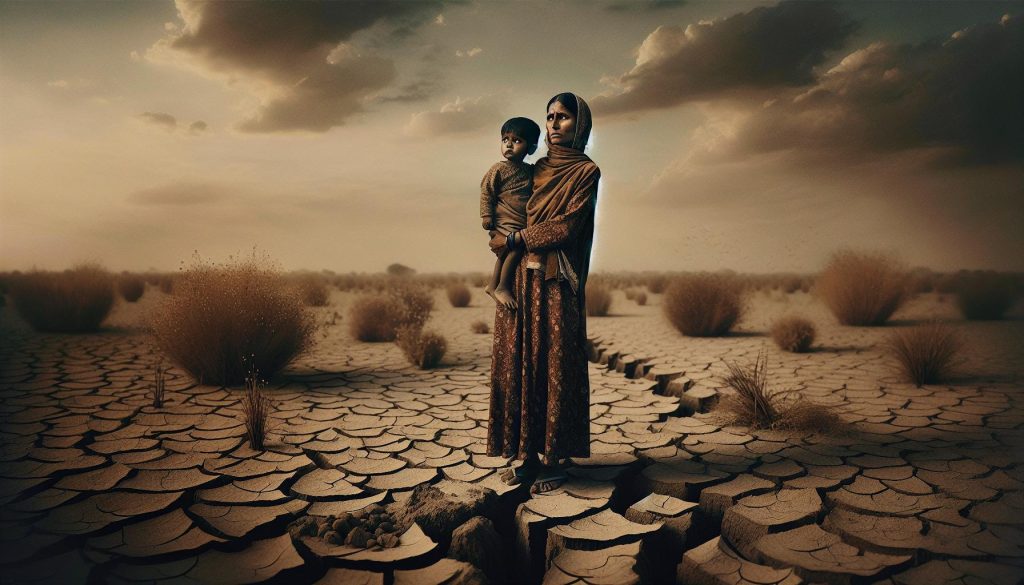
As climate change intensifies, droughts are becoming more frequent and severe, posing significant threats to both ecosystems and human livelihoods. Did you know that in regions already struggling with food security, like the Greater Horn of Africa, changes in climate patterns are exacerbating drought conditions, leading to dire consequences for communities reliant on agriculture? Understanding how climate change drives drought is crucial as it affects water availability, disrupts food systems, and impacts health outcomes. By grasping the underlying mechanisms of this phenomenon, readers can better appreciate the interconnectedness of environmental shifts and daily life, fostering a sense of urgency to engage in solutions that promote sustainability and resilience. Join us as we explore the causes of droughts linked to climate change and discover actionable insights that empower individuals and communities to combat this growing challenge.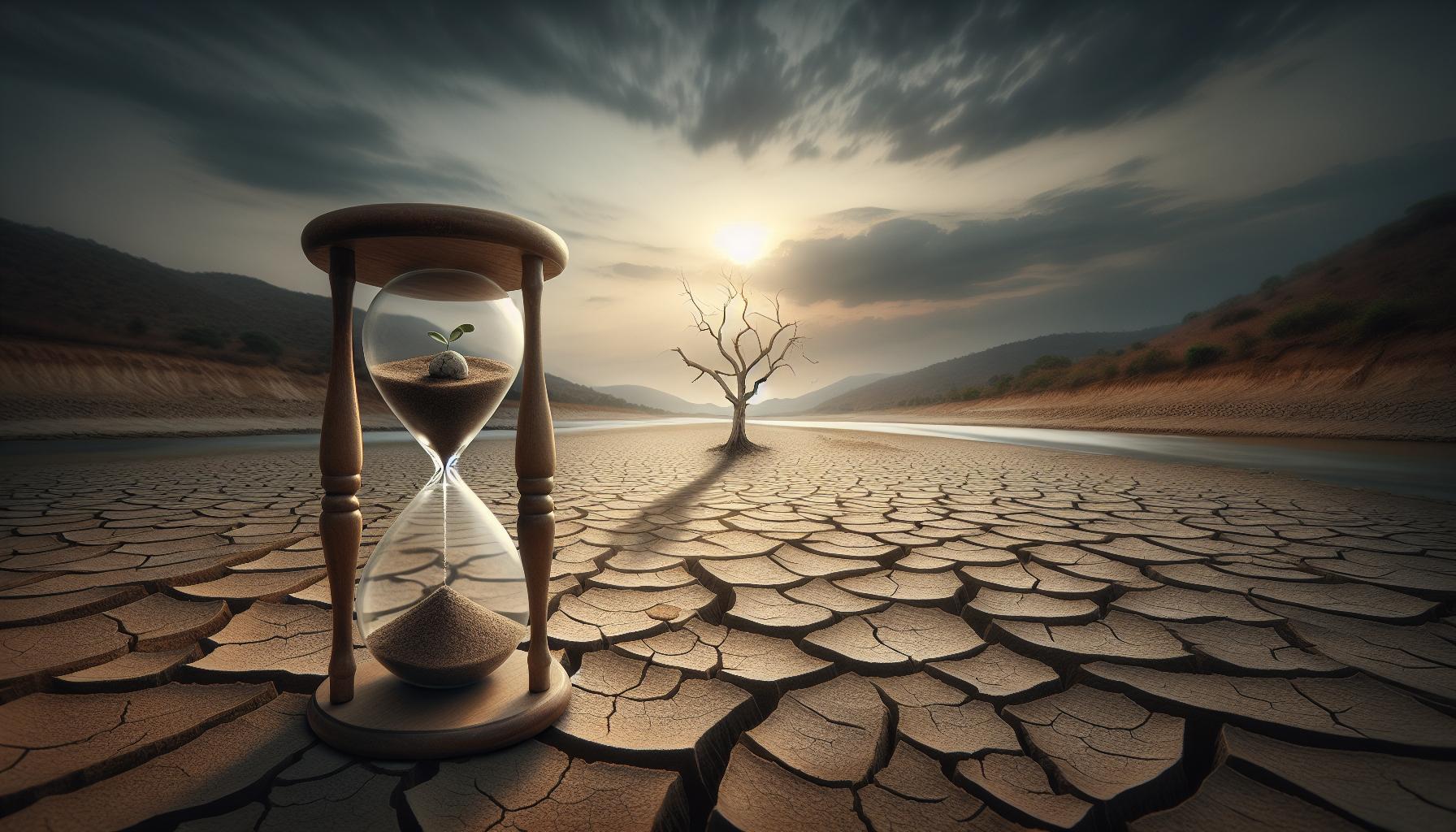
Understanding the Connection Between Climate Change and Droughts
The alarming increase in the frequency and intensity of droughts worldwide can largely be attributed to the impacts of climate change. As global temperatures rise due to greenhouse gas emissions, the hydrological cycle is disrupted, leading to altered precipitation patterns and extended dry spells. This connection is not merely speculative; scientific evidence shows that warmer air holds more moisture, which can lead to both heavier rain events and longer periods of drought. Regions already susceptible to dry conditions, particularly in the U.S. Southwest and similar areas globally, are experiencing these phenomena more severely, often leading to strained water resources and heightened competition for these vital supplies1.
Despite the natural variability in climate, the overarching trend illustrates a clear link between climate change and drought severity. Droughts that once were infrequent are becoming more common, prolonged, and intense due to the enhanced greenhouse effect, which raises the baseline temperatures and subsequently influences local weather patterns. For instance, the U.S. Geological Survey highlights how climate change is not just increasing drought occurrence but also lengthening drought duration and exacerbating their effects on ecosystems and human livelihoods2.
In understanding this connection, it’s crucial to also recognize the human role in climate change. Activities such as deforestation, urbanization, and industrial pollution contribute to the greenhouse gas emissions that drive climate change. This creates a feedback loop; as droughts worsen, the impacts compound, leading to more emissions due to increased use of fossil fuels for water extraction and transportation, further perpetuating the cycle. Notably, practical strategies for managing water use more efficiently and investing in sustainable practices can help mitigate these effects and foster resilience among affected communities3.
Understanding these interconnected dynamics not only underscores the urgency for robust climate action but also empowers communities and policymakers to adopt smarter, more sustainable approaches to resource management and climate adaptation. By acknowledging the direct relationship between climate change and drought, we can begin to tackle the roots of the problem effectively and collectively.
The Science Behind Droughts: Causes and Effects
Droughts are creeping into our climate narrative like an unwelcome guest, often masking their severity until the damage is done. Recent studies reveal that over the past few decades, many regions have seen an alarming escalation in the frequency and intensity of droughts. This phenomenon isn’t merely an outcome of natural variability-rather, it is intricately linked to human-induced climate change. As global temperatures rise, the hydrological cycle undergoes significant alterations, which ultimately leads to extended periods of dryness. Understanding these dynamics can empower communities to take proactive measures against the adverse effects of drought.
The primary catalyst behind increased drought frequency is the buildup of greenhouse gases in our atmosphere. When these gases trap heat, they warm the air, allowing it to hold more moisture. While this might sound beneficial, it actually complicates weather patterns. The changes result in irregular precipitation, meaning some areas experience heavier rainfall that leads to flooding, while others endure prolonged dry spells devoid of moisture. For instance, the U.S. Southwest has long been known for its arid climate, yet recent years have brought about record-breaking drought conditions exacerbated by hotter temperatures and shifting weather patterns.
Recognizing the cyclical relationship between climate change and droughts reveals the importance of addressing human activities that contribute to these challenges. Deforestation, unsustainable water use, and urban development are substantial contributors to increasing emissions. In this regard, community-driven initiatives focusing on sustainable agriculture, reforestation, and efficient water management can make a significant impact. Practical steps such as rainwater harvesting, crop rotation, and the implementation of drought-resistant plant species can bolster resilience and help environments weather these harsh conditions.
In a world where climate unpredictability is increasingly becoming the norm, it is vital for policymakers and communities to adapt and strategize effectively. Leveraging both local knowledge and scientific insights can guide us in developing innovative responses to the realities of drought in a warming world. By fostering awareness and creating actionable solutions tailored to specific regional needs, we can work collectively to mitigate the impacts of drought-ensuring a more sustainable future for generations to come.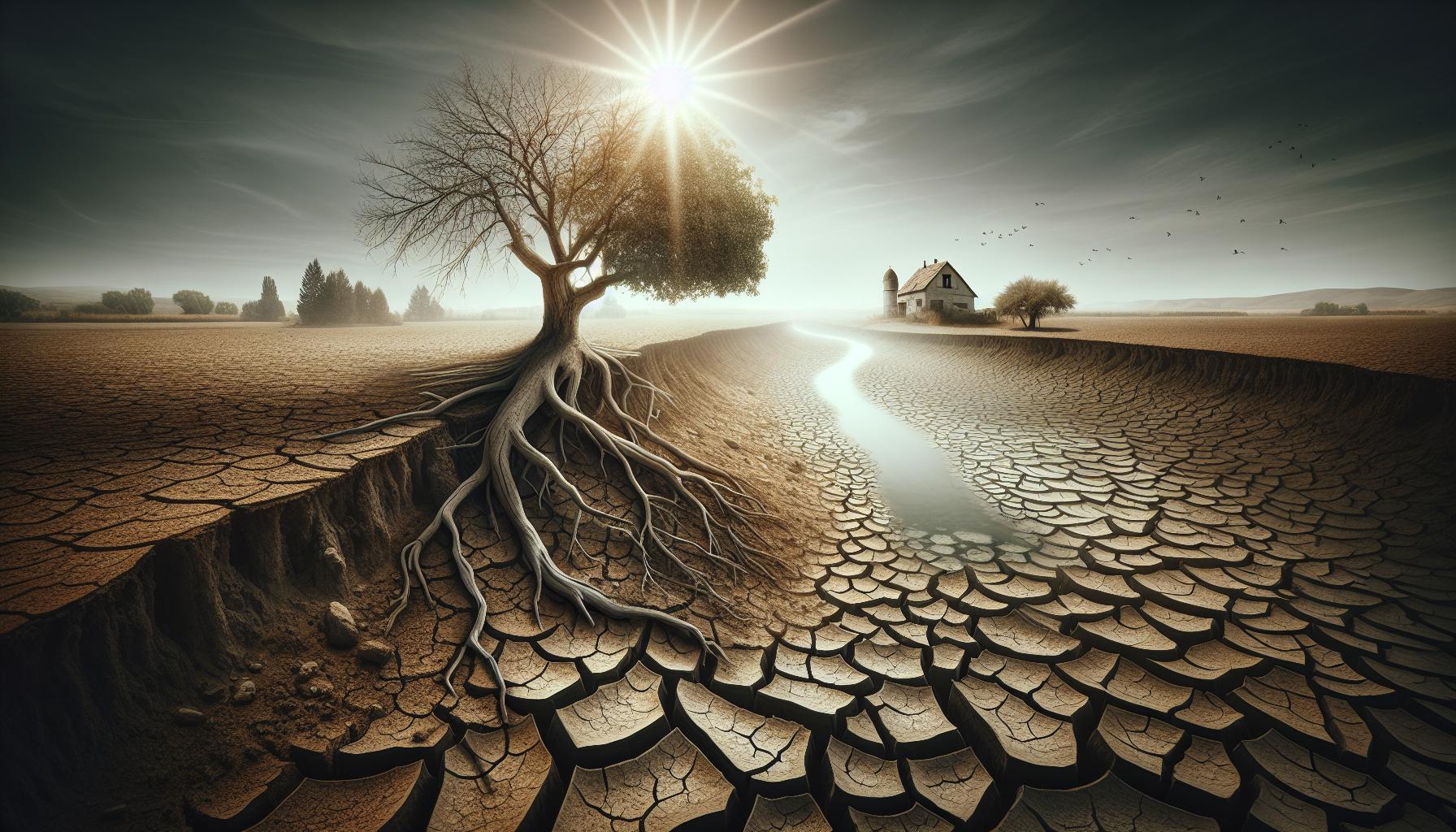
How Climate Change Intensifies Drought Conditions
As average temperatures rise due to climate change, the implications for drought conditions become increasingly severe. One crucial aspect is the alteration of the hydrological cycle; warmer air can hold more moisture, which sounds advantageous at first glance. However, this increased capacity to retain water leads to an inefficient distribution of precipitation, triggering irregular weather patterns. Consequently, some regions experience intense rainfall and flooding, while others are left parched, suffering from prolonged dry spells. This pattern is particularly pronounced in areas already prone to aridity, like the U.S. Southwest, which has recently dealt with unprecedented drought conditions intensified by rising temperatures and changing climatic dynamics.
The Mechanics of Drought Intensification
Several factors contribute to the intensification of drought conditions in a warming climate. For example, the increased evaporation rates caused by elevated temperatures deplete moisture from soils and bodies of water more quickly than in previous decades. This enhanced evaporation not only contributes to drier conditions but also disrupts agricultural practices, as crops require consistent moisture levels to thrive. Studies indicate that higher temperatures could lead to a reduction in soil moisture in many regions, exacerbating drought conditions and reducing agricultural yields.
Another critical element is the feedback loop created by human activities. As urban areas expand and natural landscapes are altered through deforestation or agriculture, the local climate experiences further disruption. Urban heat islands, which trap heat in city environments, can exacerbate regional temperatures, leading to even greater evaporation and drying of nearby agricultural land. Implementing sustainable land-use practices and protecting natural ecosystems can help mitigate these adverse effects, allowing for a more balanced local climate that better supports natural water cycles.
Adapting to Increasing Drought Risks
To effectively respond to the exacerbation of drought due to climate change, proactive measures can be implemented. Communities can invest in sustainable agricultural practices, such as:
- Drought-resistant crops: Selecting plant varieties that thrive in dry conditions can significantly reduce water dependency.
- Soil management techniques: Practices like conservation tillage and cover cropping can improve soil health, store moisture, and enhance overall resilience against drought.
- Water conservation methods: Employing rainwater harvesting systems and efficient irrigation techniques helps maximize water use and reduces waste.
By taking these steps, communities can better navigate the realities of a changing climate and its impact on drought. Establishing community-driven initiatives focused on education, sustainable land management, and infrastructure development will not only boost resilience but also foster long-term adaptations to mitigate drought-related challenges. These strategies ensure that while climate change presents significant trials, we can harness local knowledge and innovations to forge paths toward a more secure and sustainable future.
Regional Variations: Where Droughts Are Most Affected
Regions across the globe experience droughts with varying intensity, determined by unique climatic conditions and local adaptations to climate change. Notably, the Southwestern United States grapples with persistent drought due to rising temperatures, which increase evaporation rates and cause soil moisture depletion. In places like California, where agriculture is a significant economic driver, the reliance on consistent water supplies makes these drought conditions particularly devastating, highlighting the urgent need for adapted agricultural methods.
Global Hotspots for Drought
In addition to the U.S. Southwest, several other regions are significantly affected by climate-induced droughts. The Sahel region in Africa, characterized by its semi-arid climate, faces challenges as rainfall patterns become increasingly erratic. This unpredictability threatens food security, as many communities depend on rain-fed agriculture. Efforts to introduce drought-resistant crop varieties and improved soil management practices are essential for enhancing resilience in these vulnerable areas.
Australia stands out as another region heavily impacted by drought. The ongoing intensification of such events, partially driven by climate change, affects agriculture, water availability, and the overall economy. Australian farmers are innovating with techniques like early sowing and alternative cropping systems to adapt to these shifting climatic conditions. Investing in technology for better water management and drought prediction is crucial for farming communities striving to maintain productivity under climatic stress.
Localized Impacts and Community Responses
Drought doesn’t spare regions, with even wetter areas experiencing shifts that lead to unexpected dry spells. For instance, the Mediterranean basin is witnessing prolonged droughts despite its traditionally wetter winters. This shift has prompted local governments to implement stricter water conservation measures and promote public awareness campaigns about the importance of water efficiency.
Communities around the world are actively developing strategies to tackle the changing landscape of drought. Some are turning to traditional knowledge and practices. Methods such as rainwater harvesting are being revitalized to enhance water availability. Furthermore, global initiatives aimed at sharing resources and knowledge across affected regions provide a platform for collaboration and innovation in drought resilience strategies.
In conclusion, while the challenges posed by climate change-driven droughts are significant, regions experiencing these issues are not without hope. By adopting sustainable practices, embracing innovative technologies, and fostering community engagement, affected areas can build a more resilient future in the face of these climate pressures.
The Role of Human Activity in Climate Change-Driven Droughts
Human activity plays a crucial role in shaping climate patterns, leading to increased drought frequency and severity across the globe. A staggering fact: according to the Intergovernmental Panel on Climate Change (IPCC), human-induced emissions are responsible for approximately 1.1°C of global warming, which directly influences the occurrence of extreme weather events, including droughts. As industrialization, deforestation, and agricultural expansion continue unchecked, they alter the natural water cycle, exacerbating the conditions that foster drought.
One significant contributor to this phenomenon is the release of greenhouse gases from fossil fuel combustion. These gases, primarily carbon dioxide (CO2) and methane (CH4), trap heat in the atmosphere, leading to global temperature rise. Higher temperatures increase evaporation rates from soils and water bodies, reducing available moisture and intensifying drought conditions. For example, the prolonged droughts in California have been linked to elevated temperatures caused by climate change, which in turn exacerbate water scarcity for a region heavily reliant on agricultural production. Efforts to mitigate these changes are essential. Simple strategies include transitioning to renewable energy sources, adopting energy-efficient practices, and reducing water waste in agricultural and urban settings.
Additionally, land use changes-such as extensive agriculture and urbanization-disrupt local climates and rainfall patterns. When forests are cleared for agricultural or urban development, not only is the carbon reservoir lost, but the area also experiences reduced transpiration, which is vital for maintaining local humidity and precipitation levels. For instance: deforestation in the Amazon has not only contributed to global warming but has also led to decreased rainfall in the region, making droughts more frequent and intense. To combat this, communities can adopt agroforestry practices that integrate tree planting with crops, thereby restoring ecosystems while maintaining productivity.
Community-level initiatives can also play a significant role in addressing the impact of human activity on drought. Localized water management strategies, such as rainwater harvesting and wastewater recycling, are practical measures that reduce dependency on dwindling water supplies. Furthermore, engaging in sustainable land management practices can enhance soil health and moisture retention, further mitigating dry conditions. By prioritizing education and awareness, communities can empower individuals to adopt eco-friendly habits that contribute to a collective effort in combating climate change-induced droughts.
Through concerted efforts at both the individual and community levels, we can address the human-driven factors contributing to drought. By changing our approach to energy consumption, land use, and water management, we create a more sustainable balance that can withstand the challenges posed by climate change.
Historical Trends: Droughts Over the Decades
In the past century, droughts have evolved significantly, shaping the landscapes, economies, and lives of millions around the globe. The United States, for example, has witnessed a marked increase in the frequency and severity of drought conditions, particularly since the late 20th century. Analysis from various climatological studies indicates that, while historical records show periods of drought, the intensity and duration of recent episodes highlight a disturbing trend likely influenced by climate change. The U.S. Southwest and parts of the Midwest and Great Plains have faced some of the most severe droughts, altering agricultural practices and threatening water supplies for urban areas.
One striking instance is the prolonged drought that impacted California from 2012 to 2016, recognized as one of the most severe in the state’s history. During this period, the state’s agricultural output suffered greatly, leading to an estimated loss of over $3 billion and the laying off of thousands of farmworkers. As temperatures rose-averaging over 2°F above historical norms-evaporation increased, depleting reservoirs and groundwater at alarming rates. Such economic repercussions are not isolated to California; global trends indicate that regions dependent on agriculture for their sustenance and economy are increasingly vulnerable.
Historically, droughts have occurred in cycles, but the notion of these cycles is evolving as studies suggest a link between rising average temperatures, changes in precipitation patterns, and human-induced climate change. The U.S. Geological Survey notes that climate change may be extending drought seasons and intensifying dry periods, meaning that communities must adapt swiftly to this changing reality. Localized droughts, such as those in the Central Valley, can now last for years, forcing farmers to rethink traditional irrigation methods and invest in more sustainable water management practices.
To counter these escalating challenges, communities are adopting innovative approaches. Initiatives such as improved drought forecasting, enhanced soil moisture monitoring, and investments in water-efficient technology are becoming more common. Additionally, examining historical trends can provide invaluable insights for developing robust drought-readiness plans. By reflecting on past droughts and their impacts, stakeholders-including governments, farmers, and conservationists-can craft strategies to enhance resilience and sustainably manage water resources, ultimately bridging the gap between historical data and future preparedness.
Predicting Future Drought Patterns and Risks
As climate change accelerates, understanding future drought patterns becomes increasingly crucial for communities worldwide. Recent research highlights a significant correlation between rising global temperatures and the intensification of drought conditions. For instance, scientists have noted that every degree of warming can lead to a 2% decrease in precipitation, subsequently heightening water scarcity issues. This stark reality urges sectors from agriculture to urban planning to adapt swiftly and effectively.
Modeling Future Scenarios
Advanced climate models provide important insights into potential drought scenarios under various emissions pathways. By simulating how increased greenhouse gas emissions affect atmospheric conditions, researchers are able to project how likely droughts could emerge in different regions. Utilizing these predictive models, policymakers can develop targeted strategies for water resource management, conservation practices, and agricultural adaptation.
To effectively prepare for these emerging challenges, it’s essential for local governments and communities to employ a variety of strategies, including:
- Investing in Drought Resilience: Infrastructure improvements such as reservoirs, water recycling systems, and rainwater harvesting can mitigate the impact of prolonged dry periods.
- Implementing Water Conservation Education: Engaging communities in water-saving practices through educational campaigns can significantly reduce overall water demand.
- Monitoring Climate Trends: Continuous assessment of local climate data helps in refining predictive models and initiating timely interventions.
Real-World Examples of Adaptation
Some regions have already begun to implement innovative solutions to mitigate drought risks. For instance, in Australia, researchers are examining soil moisture levels using advanced satellite technology to better predict localized drought conditions. This data allows farmers to adjust irrigation schedules proactively, potentially saving vast amounts of water. Similarly, the City of Los Angeles has begun applying smart water meters to help residents monitor their water usage and adopt conservation methods accordingly.
As future drought patterns remain uncertain, taking proactive steps to understand and adapt to these risks is vital. The investment in modern technology, community education, and infrastructure can significantly help regions facing the realities of climate change. In doing so, organizations and individuals can contribute to crafting a more resilient future, ensuring that both the environment and the economy can withstand the impacts of increasingly frequent and severe droughts.
Impact of Droughts on Agriculture and Food Security
Droughts, increasingly intensified by climate change, pose a significant threat to agriculture and food security globally. The impact is not merely a matter of reduced crop yields but encompasses a broader spectrum affecting livelihoods, nutritional health, and economic stability. For example, the U.S. Southwest has already experienced prolonged dry spells that resulted in substantial losses for farmers, forcing many to abandon traditional crops or invest heavily in water conservation techniques.
The Direct Effects on Agriculture
One of the most immediate consequences of drought on agriculture is the reduction in crop productivity. According to the World Bank, regions experiencing heightened drought conditions see significant decreases in key crops, which can fall by as much as 50%. This not only affects food supply but also escalates market prices, leading to further food insecurity. Farmers in drought-stricken areas may resort to purchasing more expensive water for irrigation or invest in drought-resistant crop varieties, which can be both a cost burden and a risk if these crops do not perform as expected.
Food Security Challenges
Food security is intricately linked to agricultural health. As droughts persist, they undermine the stability of food systems, potentially resulting in increased hunger and malnutrition, particularly in vulnerable populations. According to the Center for Climate and Energy Solutions, persistent drought can lead to regional crises, where food production is insufficient to meet local consumption needs. In regions such as sub-Saharan Africa, this crisis is further exacerbated by socio-economic factors, including poverty and limited access to technology for effective farming practices.
Strategies for Mitigation and Adaptation
To combat these challenges, various strategies have been implemented. For instance, programs encouraging the adoption of resilient agricultural practices are vital. These may include crop rotation, intercropping, and sustainable water management techniques such as drip irrigation to ensure efficient use of limited water resources. Moreover, governments and organizations can foster education and awareness among farmers regarding climate-resilient practices, enabling them to better adapt to the changing climate conditions.
Communities can also benefit from initiatives aimed at improving market access for smallholder farmers, offering them a better safety net during drought-induced hardships. With support, farmers can diversify their income sources and engage in cooperative farming practices, which can help mitigate the risks associated with droughts.
In conclusion, while climate change-induced droughts pose severe risks to agriculture and food security, proactive approaches and adaptive strategies provide hope. By investing in resilient practices and supporting affected communities, society can work toward sustainable solutions that ensure food security and mitigate the harsh impacts of climate change on agriculture.
Economic Consequences of Droughts Linked to Climate Change
Droughts, exacerbated by climate change, create significant economic ripple effects that reach far beyond the immediate impacts on agriculture. In regions where prolonged dry spells are common, we see escalating costs that affect everything from household budgets to national economies. For example, NOAA’s research indicates that drought can lead to direct losses in agricultural revenue that range from $6 billion to over $20 billion annually in the United States alone, depending on the severity and duration of the drought.
The agriculture sector is often the first hit by drought-related economic downturns, as reduced crop yields lead to lower income for farmers and higher prices for consumers. This not only strains farmers’ finances but also affects broader food supply chains. The cost of staples like maize and wheat can skyrocket under drought conditions, creating inflation that frustrates families and forces lower-income households to make tough choices about their food expenditures. In some cases, rising food prices can lead to civil unrest, as seen in multiple countries within the Middle East and North Africa where food insecurity sparked political tension and protests.
Broader Economic Impacts
The economic consequences of drought extend beyond agriculture into entire communities and national economies. Industries reliant on water, such as beverage production and energy generation, face production slowdowns or costly adaptations. Furthermore, local economies that depend heavily on agriculture for employment may see significant job losses as farmers cut back on operations or even go out of business entirely. This can destabilize local economies, leading to urban migration as displaced farmers seek opportunities elsewhere, which in turn places additional strain on urban infrastructure and services.
Strategies for Mitigation
To mitigate these significant economic impacts, proactive strategies are essential. Governments and NGOs can invest in sustainable water management systems, such as rainwater harvesting and water recycling programs, which can enhance resilience to drought. Furthermore, economic diversification in vulnerable regions is crucial. By encouraging alternative livelihood programs, communities can lessen their dependence on agriculture, promoting stability even in periods of scarce water.
Educational programs can also play a vital role, equipping farmers with the knowledge to implement water-efficient practices and drought-resistant crops. Considering the long-term economic implications, a multifaceted approach that includes investment in infrastructure, community education, and support for alternative livelihoods can build resilience against the economic challenges posed by climate change-induced droughts.
In conclusion, understanding and addressing the comprehensive is vital as we seek to build more resilient communities. By fostering innovative solutions and fostering adaptive strategies within affected economies, society can work collaboratively towards sustainable futures that can withstand the increasing frequency and intensity of drought conditions.
Community Adaptation: Strategies for Drought Resilience
Many communities are already facing the stark realities of drought exacerbated by climate change. With the increase in frequency and intensity of these weather extremes, adaptation strategies are crucial for resilience. Effective community adaptation involves a blend of innovative practices, local participation, and proactive planning to mitigate the adverse effects of drought. By leveraging local knowledge and incorporating scientific advancements, communities can better prepare for and respond to the challenges posed by dwindling water resources.
One of the primary strategies is the implementation of sustainable water management systems. This includes practices such as rainwater harvesting and the establishment of efficient irrigation techniques to maximize water use. For example, in regions like California, farmers are increasingly adopting drip irrigation systems that can reduce water consumption by up to 60% compared to traditional methods. Communities can also invest in gray water recycling systems, which repurpose water from baths, sinks, and laundry for landscape irrigation, thus conserving fresh water for essential uses.
Educational initiatives are equally vital in building community resilience. By training local farmers on drought-resistant crop varieties and efficient farming practices, communities can enhance their food security despite changing climatic conditions. For instance, the introduction of drought-resistant sorghum in parts of Africa has significantly improved yields in arid regions, empowering farmers to maintain their livelihoods even when rainfall is scarce.
Creating a Culture of Adaptation
Fostering a culture of adaptation can be achieved through community engagement and participatory planning. Involving local residents in the decision-making process ensures that strategies align with the specific needs and experiences of the community. For example, town hall meetings can serve as platforms for discussing drought risks and collaboratively developing response plans. This communal approach not only builds resilience but also strengthens social ties that can be crucial in times of crisis.
Investing in economic diversification is another effective strategy. By encouraging alternative livelihoods, communities can reduce their dependence on agriculture, which is often hit hardest by drought. Implementing programs that promote entrepreneurship in sectors like renewable energy or water conservation technologies can provide new job opportunities while contributing to sustainable development.
In conclusion, the path toward drought resilience is defined by a mix of technological solutions, community engagement, and educational outreach. By embracing sustainable practices and fostering local adaptability, communities can not only survive the challenges imposed by climate change but also thrive amid them, creating healthier, more resilient environments for future generations.
Innovative Solutions for Managing Drought-Related Challenges
Droughts are becoming increasingly severe and frequent as climate change alters weather patterns across the globe. To combat these challenges, communities are exploring innovative solutions that not only address the immediate effects of droughts but also help build long-term resilience. Among the most effective strategies are the integration of technology and traditional practices, a focus on sustainable agricultural systems, and the establishment of collaborative frameworks among different stakeholders.
One cutting-edge approach is the application of digital tools and data analytics to optimize water usage. For example, smart irrigation systems equipped with soil moisture sensors can determine the exact water needs of crops and supply water precisely when needed. Such systems have demonstrated water savings of up to 50%, effectively reducing the stress on local water resources while maintaining agricultural productivity. Additionally, satellite imagery and remote sensing technology can enhance decision-making by providing real-time monitoring of drought conditions and water availability, enabling proactive responses.
Moreover, communities are increasingly adopting agroecological methods that prioritize biodiversity and soil health. Techniques such as crop rotation, cover cropping, and organic soil amendments can improve soil moisture retention and reduce the need for irrigation. These practices not only enhance resilience to drought but also mitigate the impacts of climate change on food security. For instance, in Ethiopia, farmers implementing these methods reported improved yields and reduced dependence on external water sources, showcasing a viable path for food production in arid conditions.
A collaborative multisectoral approach is also essential. By fostering partnerships between government agencies, NGOs, and local communities, stakeholders can create comprehensive drought management plans that encompass water conservation, agricultural innovation, and community outreach. Education plays a vital role in this process; workshops and training programs can empower farmers with knowledge about sustainable practices and drought-resilient crops, leading to enhanced community resilience overall.
In conclusion, as we confront the realities of climate change-induced droughts, the integration of technology, sustainable farming practices, and collaborative efforts offers a multifaceted pathway to managing these challenges. By adopting innovative solutions, communities can not only mitigate the impacts of drought but also work towards a sustainable and secure future.
Q&A
Q: How does climate change directly contribute to drought conditions?
A: Climate change contributes to drought by increasing average temperatures and altering precipitation patterns. Warmer conditions lead to intensified evaporation, reducing soil moisture and water availability. This can prolong dry spells, making droughts more frequent and severe, particularly in vulnerable regions [1].
Q: What regions are most impacted by climate change-induced droughts?
A: Regions most affected by climate change-induced droughts include southern Europe, the Middle East, and parts of Africa and the southwestern United States. These areas are experiencing heightened risks due to extreme temperature increases and unpredictable rainfall patterns, which exacerbate water scarcity [2].
Q: Why are developing countries more susceptible to droughts caused by climate change?
A: Developing countries are often more susceptible to climate change-induced droughts because they lack the resources and infrastructure to adapt effectively. Despite contributing less to climate change, these nations face severe impacts due to their reliance on agriculture and limited access to alternative water sources [2].
Q: What can be done to mitigate drought risks related to climate change?
A: To mitigate drought risks, communities can adopt water conservation practices, implement climate-resilient agricultural techniques, and invest in efficient irrigation systems. Governments can also enhance water management policies and support research on drought-resistant crops [3].
Q: How does rising global temperature influence the frequency of droughts?
A: Rising global temperatures increase the evaporation rate from soils and water bodies, which diminishes available moisture. This results in longer drought periods, as heatwaves can further dry out regions, making them more prone to drought [1].
Q: What role does human activity play in climate-driven droughts?
A: Human activities, primarily fossil fuel burning and deforestation, significantly contribute to greenhouse gas emissions, driving climate change. This alteration in climate conditions intensifies and expands the reach of droughts, particularly in already vulnerable ecological zones [2].
Q: How are agricultural yields affected by climate change-induced droughts?
A: Climate change-induced droughts lead to decreased soil moisture, severely impacting crop growth. Farmers face reduced yields as crops struggle to survive in dry conditions, leading to food insecurity and increased market prices for basic commodities [3].
Q: Can we predict future drought patterns linked to climate change?
A: Yes, scientists are developing models using climate data to predict future drought patterns. These models consider variables like temperature projections and rainfall trends to assess drought risks and help communities prepare for potential impacts [1].
Feel free to explore further for more detailed strategies and insights on drought resilience!
In Summary
Understanding how climate change exacerbates droughts is crucial in taking action against this growing crisis. With rising temperatures leading to increased evaporation and shifting weather patterns, it’s imperative we stay informed and proactive. Explore our resources on sustainable agricultural practices and climate resilience to empower yourself and your community.
Don’t let this knowledge sit idle-join the conversation! Share your thoughts in the comments below, and consider subscribing to our newsletter for the latest updates and tips on combatting climate change. Together, we can address the pressing issue of droughts and create a more sustainable future for all. For more insights, check out our articles on climate impacts and adaptive strategies to keep the dialogue going. Act now, because every small step contributes to the bigger picture.