
How Does Ai Negatively Contribute To Climate Change encompasses dedicated strategies, analytical frameworks, and capital allocation models designed to balance competitive, risk-adjusted financial returns with verified operational transparency, regulatory compliance, and sustainable economic additionality.
As we rush toward a more technologically advanced future, the role of artificial intelligence (AI) in tackling climate change is often celebrated. However, it’s crucial to examine the potential negative impacts of AI on the environment. From increased energy consumption of vast data centers to the carbon footprint of producing AI hardware, these challenges complicate the narrative around AI as a climate solution. Understanding these issues is essential for anyone invested in sustainability and responsible technological innovation. By critically engaging with how AI can inadvertently contribute to climate change, we can empower ourselves to demand more informed, ethical practices that prioritize the health of our planet. Join us as we explore the intricate relationship between AI and climate change, uncovering the complexities that must be addressed if we are to harness technology for a sustainable future.
The Environmental Impact of AI Development
In a world increasingly driven by technology, is an urgent concern that can’t be overlooked. The rapid advancement of artificial intelligence, while promising breakthroughs in efficiency and productivity, simultaneously incurs a hefty environmental toll. For instance, training a single AI model can emit as much carbon as five cars over their lifetimes. This stark reality raises questions about the sustainability of our technological pursuits as they come with an ecological footprint that can exacerbate climate change.
AI systems require vast amounts of computational power, drawing significant energy from data centers, which are notorious for their high electricity consumption-often sourced from fossil fuels. These facilities are not only energy-intensive but also contribute to greenhouse gas emissions, significantly impacting climate change. As organizations increasingly rely on machine learning and deep learning, the demand for energy-efficient models becomes paramount. The need for sustainable AI isn’t just about reducing energy use; it’s also about innovating better, more efficient algorithms that can deliver results without excessive resource consumption.
Moreover, the implications of AI extend beyond energy use. It also influences how industries manage resources and waste. For example, AI can optimize supply chains to reduce waste, but the very systems that enable this optimization often contribute to increased electronic waste. As AI continues to proliferate across sectors-ranging from healthcare to finance-the challenge lies in ensuring that these technologies are not just ‘smart’ but also environmentally wise. Balancing these demands requires a multifaceted approach that emphasizes ethics in AI development, championing solutions that prioritize sustainability while continuing to drive innovation.
Efforts to mitigate the environmental impact of AI must be a collaborative endeavor. Industry leaders, researchers, and policymakers need to come together to establish guidelines and standards aimed at minimizing AI’s ecological footprint. This can involve investing in greener data centers, enhancing energy efficiency of algorithms, and promoting practices that integrate environmental considerations into every stage of AI development. By prioritizing sustainability, we can harness the potential of AI to address global challenges rather than contribute to them.
How AI Energy Consumption Contributes to Climate Change
The energy consumption associated with artificial intelligence (AI) is a pressing concern that not only highlights the technological potential of machine learning but also casts a long shadow on our environmental efforts. In a world increasingly dependent on AI, training sophisticated models can result in staggering energy demands-often equivalent to the carbon emissions of five cars over their lifetimes. This fact underscores the urgent need for greater awareness and action regarding the climate implications of our digital advancements.
AI systems rely heavily on substantial computational power, leading to vast electricity usage, primarily sourced from energy-intensive data centers. These centers, responsible for hosting and processing data, are significant contributors to global greenhouse gas emissions. For instance, it is estimated that data centers consume about 2% of the world’s total electricity supply, a number that has been steadily increasing as the demand for AI and machine learning technologies rises. The challenge is compounded by the fact that much of the energy used in these centers is still derived from fossil fuels, which further exacerbates carbon emissions.
To effectively address AI’s contribution to climate change, several strategies can be implemented:
- Energy Efficiency in Algorithms: Developing more energy-efficient algorithms can substantially lower energy consumption during model training and deployment. This involves innovations in software that maximize computing power while minimizing energy costs.
- Greener Data Centers: Transitioning to renewable energy sources and optimizing the energy usage of data centers can help lessen their carbon footprints. This includes investments in solar or wind power, as well as improving equipment efficiency, such as adopting advanced cooling technologies.
- Lifecycle Assessments: Conducting thorough evaluations of the environmental impacts of AI systems throughout their lifecycle-from development through deployment to retirement-can provide clearer insights into areas where efficiency could be improved.
By harnessing innovations in energy efficiency and promoting responsible practices within the AI industry, it is possible to mitigate the negative environmental impacts tied to AI energy consumption. The convergence of technology and sustainability is not just essential for compliance with environmental regulations but is crucial for fostering lasting change in our global approach to climate challenges.
The Role of Data Centers in Greenhouse Gas Emissions
The rapid proliferation of artificial intelligence technologies hinges significantly on data centers, which serve as the backbone for processing and storing the vast amounts of data required to train AI models. Yet, this reliance comes at a cost to the environment. These facilities are notable energy guzzlers, consuming around 2% of the global electricity supply, a figure that continues to rise in tandem with the growing demand for cloud services and machine learning applications. Such consumption equates to considerable greenhouse gas emissions, primarily due to a persistent dependence on fossil fuels for energy. For instance, a single data center can emit as much carbon as thousands of cars, exacerbating the climate crisis.
To fully understand their impact, one must consider the lifecycle of data centers. The construction and maintenance of these facilities not only require substantial energy but also raw materials, resulting in a compounded environmental footprint. Advanced cooling systems, often necessary to manage heat from high-performance computing, also demand additional energy, further increasing emission levels. Investing in more efficient hardware and software solutions can mitigate some of these impacts, yet the transition to sustainable practices remains slow.
Organizations can take proactive steps to reduce the environmental toll of data centers. Implementing energy-efficient algorithms and hardware can lead to significant reductions in energy use, while retrofitting existing facilities to incorporate renewable energy sources-such as solar or wind-can drastically lower carbon footprints. Moreover, conducting regular lifecycle assessments can help identify energy waste hotspots and optimize resource allocation, promoting a more sustainable operational model.
Ultimately, addressing is pivotal in reshaping the narrative around AI’s environmental footprint. As more companies adopt AI technologies, the responsibility lies with them to ensure that their operational strategies embrace sustainability-not just as a compliance issue, but as a core principle guiding their technological innovation and energy consumption choices. By pushing for greener practices, both tech companies and users can foster a more environmentally conscious digital future.
AI’s Influence on Carbon Footprint Across Industries
The rapid integration of artificial intelligence across various industries is reshaping business operations, enhancing efficiency, and driving innovation. However, this progress comes with significant environmental costs that contribute to the carbon footprint. A recent study suggests that training a single AI model can emit as much carbon as the lifetime emissions of five cars. This startling statistic underscores the urgent need to balance technological advancement with environmental responsibilities.
In industries such as finance, retail, and healthcare, the adoption of AI is often heralded for its potential to streamline processes and boost productivity. Yet, the energy consumption associated with running complex algorithms, particularly in data-intensive fields, is far from trivial. For example, AI-powered services in financial trading require massive amounts of computational power to analyze real-time data and execute trades within milliseconds. The data centers housing this infrastructure consume enormous energy, primarily derived from non-renewable sources, further exacerbating greenhouse gas emissions.
Sector-Specific Impacts
Different sectors exhibit varying degrees of AI’s influence on carbon emissions:
- Transportation: Automated systems in logistics and ride-sharing services are designed to optimize routes and reduce fuel consumption. Nevertheless, the underlying technology often relies on extensive data processing, leading to increased energy consumption that sometimes negates these benefits.
- Manufacturing: While AI enhances predictive maintenance and production efficiency, the energy required to train AI models can lead to increased emissions unless companies invest in renewable sources or energy-efficient technologies.
- Healthcare: AI applications that analyze patient data for better diagnostics present a double-edged sword. Though they improve health outcomes, the computational demands can result in significant carbon footprints unless managed carefully.
Real-World Solutions
Addressing this challenge requires a multi-faceted approach:
- Adoption of Energy-Efficient Technologies: Companies can invest in hardware designed for energy efficiency, reducing the overall power consumption of their AI systems.
- Utilization of Renewable Energy: Shifting data center operations to run on renewable energy sources-like wind or solar-can significantly reduce the associated carbon emissions of AI activities.
- Lifecycle Assessments: Regularly evaluating the energy use and emissions related to AI systems helps organizations identify opportunities for improvement and adopt more sustainable practices.
As industries climb the AI adoption ladder, they must remain vigilant about their environmental impact. By prioritizing sustainability in conjunction with technological progression, businesses can create a future where AI contributes positively to both innovation and the planet.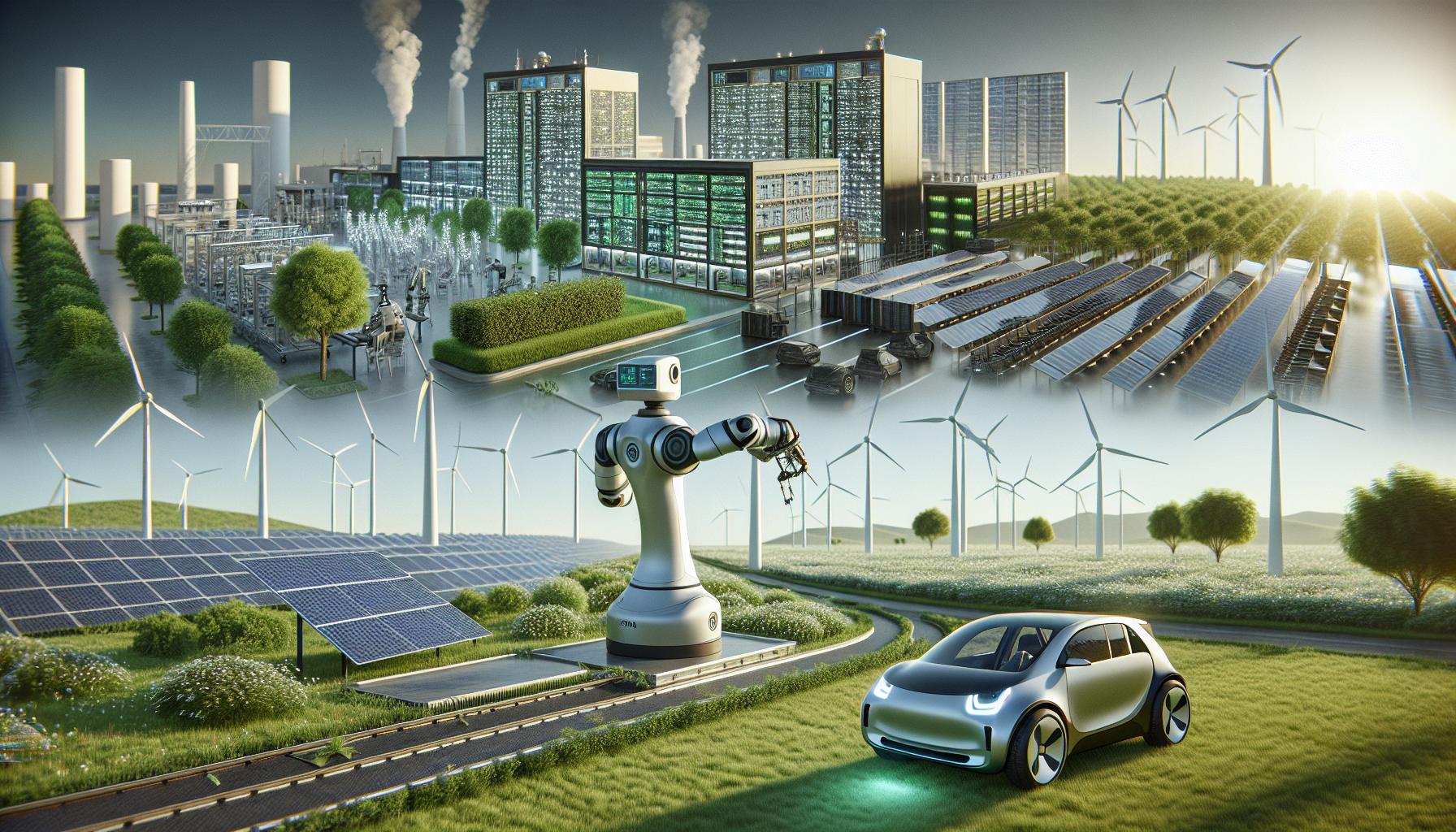
Ethical Dilemmas: Balancing AI Growth and Sustainability
The rapid ascent of artificial intelligence within our economy and society poses an essential ethical quandary: how do we foster the growth of this transformative technology without compromising our commitment to sustainability? As AI systems become integral to operations across various sectors, it’s crucial to understand the environmental costs associated with their development and deployment. According to research, the energy consumed in training AI models can rival the emissions produced by entire industries, raising pressing questions about the long-term sustainability of this technological evolution.
Navigating this delicate balance requires organizations to embrace a dual focus on innovation and environmental stewardship. For instance, many companies utilize techniques such as model compression and distillation, which streamline neural networks for improved efficiency without sacrificing performance. Such strategies not only reduce the computational burden but also lessen the overall energy consumption, bringing sustainability directly into the design phase of AI systems. The integration of ethical considerations into AI development is not just a matter of corporate responsibility; it can also represent a competitive advantage in a market increasingly attentive to environmental impact.
While pursuing AI advancements, corporate leaders must engage in transparent dialogues about the carbon footprint associated with these technologies. Recognizing that data centers are significant energy consumers, organizations can invest in renewable energy sources to power their operations. Additionally, setting organizational goals for reducing emissions related to AI projects can motivate teams to prioritize eco-friendly practices, from the initial stages of data collection to model deployment.
Moreover, collaboration across industries can amplify the impact of sustainable AI practices. By sharing best practices and embarking on joint initiatives focused on energy efficiency, companies can leverage collective knowledge to drive systemic change. For instance, the establishment of partnerships aimed at advancing green AI technology can foster an environment where sustainability becomes a shared goal, rather than an afterthought. Through responsible stewardship of AI development, we can realize the potential of these technologies while safeguarding the planet for future generations.
The Impact of AI-Driven Technologies on Natural Resources
The burgeoning influence of AI-driven technologies has great potential to impact our natural resources significantly, often in ways that exacerbate environmental challenges. For instance, the data-centric nature of AI requires vast amounts of energy, which, when sourced from fossil fuels, contributes to greenhouse gases and climate change. It’s estimated that the computing power required for AI training can rival the emissions of entire countries, making it imperative to examine how this consumption dovetails with our natural resources.
AI’s reliance on natural resources is multifaceted. Mining for raw materials such as cobalt, lithium, and rare earth elements, essential for the production of hardware supporting AI systems, poses severe environmental challenges. The processes involved in mining can lead to deforestation, soil degradation, and water contamination, thus diminishing local ecosystems. As demand for AI technology escalates, so too does the extraction of these finite resources, creating a cycle of depletion that threatens biodiversity and water supplies.
To mitigate these issues, companies can adopt practices that promote circular economies. This involves creating strategies for recycling and reusing materials, thereby reducing the need for new resource extraction. Using sustainable materials in production can lessen the environmental footprint of both AI hardware and its supporting infrastructure. Furthermore, organizations can prioritize energy-efficient designs and renewable energy sources to power their AI systems, which diminishes the climatic impact associated with resource extraction and consumption.
Collaboration among technology companies, policymakers, and environmental organizations is crucial to develop frameworks that prioritize sustainability alongside technological advancement. By engaging in initiatives that not only focus on innovation but also protect natural resources, the industry can transform its approach toward AI. For example, initiatives might include developing guidelines for environmentally responsible sourcing of materials, investing in alternative materials that reduce harmful extraction practices, and promoting AI applications that can enhance environmental monitoring and management.
In summary, as AI continues to evolve and integrate into various sectors, it is essential to recognize and address its impact on natural resources. Through conscious efforts to improve sustainability in both production and operation, we can cultivate a technological landscape that respects ecological boundaries while driving innovation.
Assessing the Waste Generated by AI Systems
The rapid integration of artificial intelligence into everyday life brings with it a hidden cost: significant waste generation. As organizations increasingly rely on AI systems to enhance operations and decision-making, the environmental impact of that dependence often takes a backseat in discussions about sustainability. It’s essential to consider the life cycle of AI technologies, especially the waste produced when these systems become obsolete, inadequate, or simply discarded.
AI systems primarily contribute to electronic waste (e-waste), which is one of the fastest-growing waste streams globally. This includes not just the physical hardware required for AI computations-servers, network devices, and storage systems-but also the substantial data produced during AI training and operations. According to reports, e-waste is projected to reach 74 million metric tons globally by 2030, a staggering number fueled by the relentless upgrade cycles typical in tech industries. More than just discarded gadgets, this waste often contains hazardous materials like lead, mercury, and cadmium, which can leach into soil and water, causing severe environmental harm.
To combat this challenge, companies must adopt circular economy principles that prioritize the responsible design and end-of-life recycling of IT assets. Here are some practical steps businesses can take to reduce the waste generated by AI systems:
- Invest in Durable Hardware: Select high-quality, long-lasting equipment that requires less frequent replacement.
- Implement Robust Recycling Programs: Ensure old hardware is recycled properly using certified e-waste recycling services that extract valuable materials and minimize harmful outputs.
- Enhance Software Efficiency: Optimize AI algorithms to reduce the computational load, which can lessen the need for powerful hardware and cut energy consumption.
- Utilize Virtualization: Leverage virtualization technologies to maximize hardware utilization, thereby reducing the overall need for physical machines.
By taking responsibility for waste management, organizations can not only comply with regulatory standards but also promote a greener tech ecosystem. Initiatives that focus on reusing components and recycling can lead to a significant reduction in the carbon footprint associated with hardware production and disposal. In an era where technological advancement is inevitable, it is essential to recognize that efficiency doesn’t only pertain to AI’s processing capacity but also encompasses the sustainability of the resources used throughout its life cycle.
AI and the Acceleration of Electronic Waste
The rapid adoption of artificial intelligence (AI) technologies brings with it an unintended consequence: the acceleration of electronic waste (e-waste). As businesses and consumers alike invest in advanced AI solutions, the demand for high-performance computing power has skyrocketed, leading to a significant increase in the production of electronic devices. These devices, ranging from powerful servers to complex network systems, have a finite lifespan and are typically discarded more frequently as companies seek the latest advancements in AI capabilities. It’s estimated that e-waste will reach a staggering 74 million metric tons globally by 2030, underscoring the urgent need for strategies to mitigate this growing problem.
Much of this e-waste is not just residual equipment but is often laden with hazardous materials, including lead, mercury, and cadmium. These substances can leach into soil and waterways, posing serious environmental risks and affecting human health. The discarded hardware resulting from AI advancements is only a fraction of the total waste generated; the data centers that support AI operations also consume enormous resources and generate waste in the form of outdated technologies and infrastructure. When obsolete laptops or servers are discarded, their components often end up in landfills, where they contribute to pollution and resource depletion.
To address the e-waste crisis linked to AI, organizations can implement several sustainable practices. Firstly, investing in durable hardware can significantly lower replacement frequency, helping companies sidestep upgrade cycles. Promoting circular economy principles is also vital; this means designing technology for longevity and ensuring responsible end-of-life recycling. Companies can set up robust recycling programs that work with certified e-waste recyclers specialized in handling hazardous materials safely. Additionally, enhancing the efficiency of AI algorithms can minimize the computational burden, reducing the need for extensive hardware resources.
Moreover, leveraging virtualization technologies can maximize existing hardware utility, thus cutting down on the requirement for new machines. For instance, cloud computing platforms that offer virtualized resources allow multiple users to share the same physical server, significantly reducing the overall energy consumption and electronic waste associated with individual machine ownership. By embracing these strategies, organizations not only comply with environmental regulations but also contribute to a greener technology landscape, ultimately aligning AI advancements with sustainable practices that reflect a growing commitment to the planet.
Unintended Consequences: AI Models and Environmental Degradation
The emergence of artificial intelligence (AI) has revolutionized many sectors, but it also presents unforeseen environmental challenges that are becoming increasingly pressing. AI models, particularly those that utilize machine learning and deep learning, require vast amounts of computational power. This computational demand translates into significant energy consumption, primarily driven by intensive data processing and complex model training processes. For instance, training a single AI model can emit as much CO2 as five cars in their lifetimes, highlighting how the quest for higher accuracy can have grave implications for our planet.
The core issue lies in the dependency on data centers, which are the backbone of AI operations. These facilities are notorious for their massive energy usage, often relying on fossil fuels that contribute to greenhouse gas emissions. Even with advancements in energy efficiency, the overall footprint continues to expand as AI adoption grows. The International Energy Agency (IEA) estimates that data centers account for around 1% of global electricity demand, a figure that could escalate without proactive measures.
In addition to greenhouse gas emissions, the lifecycle of AI models also leads to environmental degradation through the resource-intensive nature of hardware manufacturing and disposal. The production of semiconductor chips and other components is not only energy-intensive but often involves toxic materials. Once AI systems reach their end of life, the disposal of hardware contributes to existing waste issues, as many electronic components are not recyclable and can release harmful substances into the environment.
To mitigate these unintended consequences, organizations and researchers need to adopt a multi-faceted approach that recognizes the environmental impact of AI. Implementing more efficient algorithms that require less computational power, investing in renewable energy sources for data centers, and advocating for responsible recycling programs can all contribute to reducing the ecological footprint of AI technologies. The challenge lies not just in innovation and deployment but also in ensuring that these advancements are sustainable and forward-thinking, promoting a healthier planet for future generations.
Reevaluating Smart Technologies: Are They Really Smart for the Planet?
The rapid advancement of artificial intelligence (AI) technologies prompts a pressing evaluation of their true impact on our planet. While marketed as “smart solutions” that promise efficiency and improvement across various fields-from healthcare to logistics-the reality often falls short when we consider their environmental footprint. For example, extensive machine learning models can require substantial electrical power, often generated from non-renewable sources, fueling climate change rather than mitigating it. This paradox raises an essential question: are these smart technologies genuinely beneficial for the Earth, or do they come with hidden costs?
To understand the environmental ramifications, we must first look at the lifecycle and resource consumption associated with AI technologies. The intense computational needs of AI, especially with deep learning algorithms, lead to a significant energy demand, often sourced from fossil fuels. As data centers-the nerve centers of AI processing-continue to proliferate, their energy consumption is predicted to grow, potentially reaching 3-5% of global electricity usage. This statistic hints at a broader pattern where the very innovations designed to optimize processes and save resources may inadvertently exacerbate energy crises.
Moreover, the production of hardware necessary for AI systems carries its own considerable environmental burden. The manufacture of semiconductors, necessary for AI processing, involves processes that are not only energy-intensive but also generate substantial waste and pollution. Many electronic components used in AI systems are difficult to recycle, contributing to the growing electronic waste epidemic. This waste often ends up in landfills, leaching hazardous substances into soil and groundwater, further threatening ecosystems and human health.
To ensure that AI technologies fulfill their promise without compromising environmental integrity, stakeholders must actively engage in assessing and altering practices. Organizations can adopt greener computational methods, opting for algorithms that are not only efficient but also environmentally friendly. Transitioning data centers to renewable energy sources like solar or wind can vastly diminish their carbon footprints. Ultimately, rethinking AI from a sustainability lens is imperative; it involves a commitment to harnessing these technologies in ways that truly benefit our planet, ensuring that our pursuit of progress does not come at the expense of our environment.
Solutions: Reducing AI’s Negative Environmental Impact
The environmental challenges posed by artificial intelligence are daunting, yet there are actionable solutions that organizations and individuals can implement to mitigate these impacts. By adopting sustainable practices in AI development and deployment, stakeholders can harness the benefits of AI while safeguarding our planet for future generations.
One of the most immediate steps involves transitioning energy sources. Data centers, which are the backbone of AI applications, consume vast amounts of electricity-much of which still comes from fossil fuels. A significant solution lies in migrating these facilities to renewable energy sources such as solar or wind power. This shift not only reduces greenhouse gas emissions but can also lead to long-term cost savings as renewable technologies become more affordable and widespread. For instance, Google has committed to operating its data centers on 100% renewable energy, setting a benchmark for the industry.
Another approach is enhancing algorithmic efficiency. By developing algorithms that require less computational power, organizations can significantly lower energy consumption. Techniques such as pruning, quantization, or knowledge distillation help create lighter models that maintain performance without the excessive resource needs of traditional models. This efficiency plays a critical role in both reducing energy use and enabling AI applications to be deployed in low-power environments, such as mobile devices or remote sensors.
Education and awareness also drive change. Stakeholders-from AI developers and researchers to business leaders-must understand the environmental costs associated with their technologies. Creating a framework for sustainable AI that includes lifecycle assessments can help identify areas of improvement. Engaging in partnerships with environmental organizations to promote best practices and innovation in green AI ethics can set new industry standards. For example, the Partnership on AI brings together various stakeholders to address the responsible use of AI and its societal impact, including climate change.
Lastly, implementing circular economy principles can combat electronic waste generated from lifespan-limited AI systems. Encouraging reuse and recycling of hardware components, along with designing systems that are easier to upgrade rather than replace, can substantially reduce waste. Collaborations with companies that specialize in electronic recycling can further mitigate the environmental impact of discarded technology. By considering the entire lifecycle of AI systems, from development to disposal, stakeholders can promote a healthier relationship between technology and the environment.
By embracing these solutions, we can transform the narrative surrounding AI from one of potential harm to one of transformative, sustainable development.
Future Trends: Navigating AI and Climate Change Challenges
As artificial intelligence continues to evolve, the dual challenge of leveraging its capabilities while minimizing its environmental footprint is becoming increasingly urgent. With projections indicating that data centers will account for up to 8% of global electricity consumption by 2030, there’s a pressing need to explore sustainable pathways for AI development and deployment. Simply put, embracing environmentally responsible AI practices can help mitigate its potentially detrimental effects on climate change.
Emphasis on Green AI Innovations
One promising trend is the rise of Green AI, a movement advocating for the development of AI systems that prioritize environmental sustainability. Organizations can invest in research and development of algorithms designed to optimize energy efficiency. For instance, researchers are exploring adaptive algorithms that automatically adjust their resource consumption based on available energy levels, promoting a more dynamic use of power sources. This innovation not only conserves energy but also aligns with the growing focus on renewable resources. Moreover, companies are increasingly adopting practices such as carbon auditing and sustainability assessments to better understand their environmental impact, making data-driven adjustments to their processes.
Collaboration for Sustainable Solutions
Collaboration between tech firms, research institutes, and environmental organizations is another key factor shaping the future of AI amid climate challenges. Initiatives such as the Partnership on AI are fostering discussions on ethical practices, sharing knowledge on eco-friendly technologies, and setting industry standards. Such collaborations can lead to innovative solutions for reducing e-waste and improving lifecycle management of AI technologies. For example, some companies are piloting programs to recycle hardware used in AI systems, effectively addressing electronic waste issues before they escalate.
Policy Advocacy and Regulation
Regulatory frameworks are also expected to play a crucial role in guiding AI development towards sustainability. Policymakers can implement regulations that incentivize the use of green technologies or require businesses to account for their carbon footprints. Public demand for accountability is prompting corporations to not only optimize efficiency but also commit to comprehensive sustainability goals. As consumers become more conscious of environmental issues, businesses that prioritize sustainable AI initiatives are likely to gain a competitive edge.
By embracing these trends-focusing on innovation, collaboration, and regulation-stakeholders can not only navigate the challenges that AI poses to climate stability but also foster a future where technology and environmental stewardship coexist harmoniously. As the AI landscape evolves, the emphasis on sustainable practices will not only enhance corporate responsibility but also contribute positively to the global fight against climate change.
Faq
Q: How does AI contribute to greenhouse gas emissions?
A: AI contributes to greenhouse gas emissions primarily through its substantial energy consumption, particularly in data centers that require vast amounts of electricity. This energy is often derived from fossil fuels, leading to increased carbon emissions. Understanding this link is vital for approaching sustainable AI practices.
Q: What are the indirect environmental impacts of AI technologies?
A: Indirectly, AI technologies can exacerbate environmental issues by optimizing processes that increase resource extraction and consumption. For instance, enhanced mining operations driven by AI can lead to ecological degradation and biodiversity loss, underscoring the need for responsible AI deployment strategies.
Q: How does AI’s demand for rare materials affect the environment?
A: The production of AI hardware necessitates rare earth materials, which can lead to extensive mining activities. These operations often result in habitat destruction, soil erosion, and water pollution, highlighting the environmental costs associated with the tech industry’s growth and the need for sustainable sourcing practices.
Q: Why is AI development linked to electronic waste?
A: The rapid pace of AI advancements can lead to frequent hardware upgrades, contributing to significant electronic waste (e-waste). E-waste poses serious disposal challenges and environmental hazards due to hazardous materials in old electronics, necessitating a focus on recycling and responsible consumption within the tech sector.
Q: How can AI models lead to environmental degradation?
A: Some AI models can inadvertently prioritize efficiency over sustainability, resulting in practices that degrade the environment. For instance, optimizing supply chains without considering ecological impacts can lead to overexploitation of natural resources, demonstrating the need for a balance between innovation and environmental stewardship.
Q: What role does AI play in the overconsumption of natural resources?
A: AI often enhances productivity in industries like agriculture and manufacturing, which can lead to overconsumption of natural resources. If not managed carefully, this can strain ecosystems, leading to soil depletion and water scarcity, emphasizing the importance of integrating sustainability into AI applications.
Q: How does AI’s energy usage compare to traditional computing methods?
A: AI typically requires more energy than traditional computing due to the complexity and volume of data processed. This increased demand can strain energy resources and contribute to higher emissions, making it essential for developers to adopt energy-efficient practices in AI model training and deployment.
Q: Can AI mitigate its own negative environmental impacts?
A: Yes, AI can potentially mitigate its negative impacts by optimizing energy efficiency and resource usage in various applications. Employing AI in smart grid management or energy-efficient logistics can help reduce overall consumption, demonstrating that responsible deployment can align with sustainability goals.
In Summary
As we’ve explored, while AI holds remarkable potential for climate action, it’s crucial to remain mindful of its negative impacts on our environment. Understanding these detriments not only helps mitigate risks but also empowers you to advocate for responsible AI practices that prioritize sustainability. Now is the time to take action-consider exploring our insights on how AI can drive sustainable solutions or join us in the discussion at the Climate Change AI Summer School 2024.
Your thoughts matter! Share your experiences and insights in the comments below, and don’t forget to sign up for our newsletter for the latest updates on innovative practices and resources. Together, through informed choices and collaborative efforts, we can navigate the intersection of AI and climate change responsibly. Dive deeper into this critical topic and equip yourself with the knowledge to effect change!
Strategic Insights & Operational Framework (How Does Ai Negatively Contribute To Climate Change)
Capital deployment directed toward how does ai negatively contribute to climate change addresses fundamental decarbonization and systemic adaptation imperatives across the European continent. Under the European Green Deal and the codified technical screening criteria of the EU Taxonomy, investment managers evaluate operational additions through verified greenhouse gas (GHG) abatement metrics. Achieving market-rate returns while ensuring verified environmental additionality requires continuous telemetry across Scope 1, Scope 2, and Scope 3 supply chain footprints.
Institutional allocators increasingly prioritize assets exhibiting robust climate resilience profiles. This encompasses distributed renewable generation, long-duration battery energy storage systems (BESS), circular industrial feedstock utilization, and permanent technological carbon capture. By insulating asset valuations from accelerating physical climate hazards and carbon compliance costs (such as the EU Emissions Trading System and Carbon Border Adjustment Mechanism), focused allocators capture sustained competitive advantages.
- Empirical Governance: Ensuring rigorous audit trails and adherence to international disclosure frameworks (including SFDR RTS, EU Taxonomy, and GIIN IRIS+ standards).
- Risk-Adjusted Underwriting: Prioritizing assets with verified operational resilience, robust cash-flow coverage, and structural collateral protections.
- Measurable Additionality: Validating that capital deployment produces concrete, quantifiable real-world outcomes beyond conventional baseline market trends.
Comparative Analysis & Decision Matrix: How Does Ai Negatively Contribute To Climate Change
| Strategic Pillar | Institutional Standard | Conventional Baseline | Key Investor Advantage |
|---|---|---|---|
| Due Diligence & Verification | Independent third-party audits and continuous telemetry | Unverified self-reported corporate assertions | Mitigates greenwashing, compliance risks, and regulatory fines |
| Capital Protection | Senior secured liens, covenants, and reserve tranches | Unsecured junior or subordinated claims | Preserves principal capital during macroeconomic downturns |
| Cash Flow Predictability | Contracted inflation-indexed revenue streams (PPAs/KIIS) | Unhedged cyclical market exposure | Stabilizes net yield distributions and portfolio duration |
| Regulatory Taxonomy | Direct alignment with SFDR Article 8/9 and ECSPR rules | Unclassified generic marketing labels | Facilitates seamless institutional LP cross-border capital raising |
Frequently Asked Questions About How Does Ai Negatively Contribute To Climate Change
What are the primary performance drivers for how does ai negatively contribute to climate change?
Performance is driven by disciplined asset selection, adherence to standardized regulatory frameworks, rigorous cost management, and verifiable operational additions that protect against regulatory shifts.
How do investors mitigate downside volatility in this sector?
Downside risk is managed through conservative debt-to-equity ratios, strict loan-to-value limits, diversified position sizing, and ongoing third-party compliance audits.
What documentation is essential before allocating capital?
Essential documentation includes audited financial statements, standardized disclosure summaries (such as Key Investment Information Sheets), independent asset appraisals, and verified additionality telemetry.
Get our latest guides, news, and insights highlighted in your Google Search & AI Overviews.