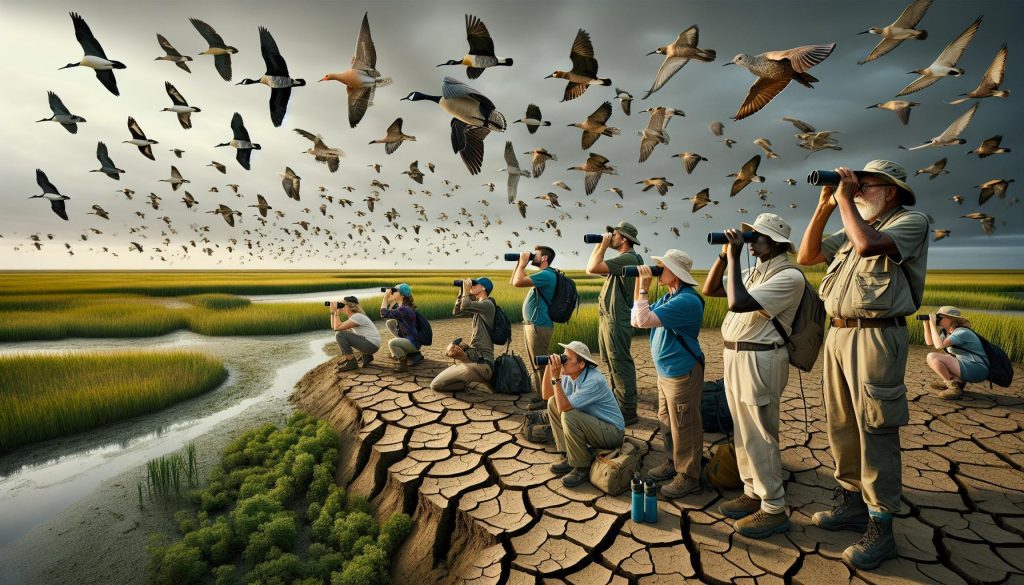
Did you know that climate change is altering the age-old patterns of bird migration? With temperatures rising and weather patterns shifting, many bird species are facing unprecedented challenges as they navigate through changing landscapes that affect their routes and timing. Understanding how climate change impacts bird migration is crucial not just for ornithologists, but for anyone who values our natural ecosystems and biodiversity. As migratory birds play essential roles in our environment, their altered behaviors can signal broader ecological shifts that may impact food security, pollination, and even the health of our forests. By delving into the intricate relationship between climate change and bird migration, we can better appreciate the urgency of this issue and explore ways to protect these magnificent creatures and their habitats. Stay with us as we unpack these complexities and highlight practical steps we can take to mitigate these impacts.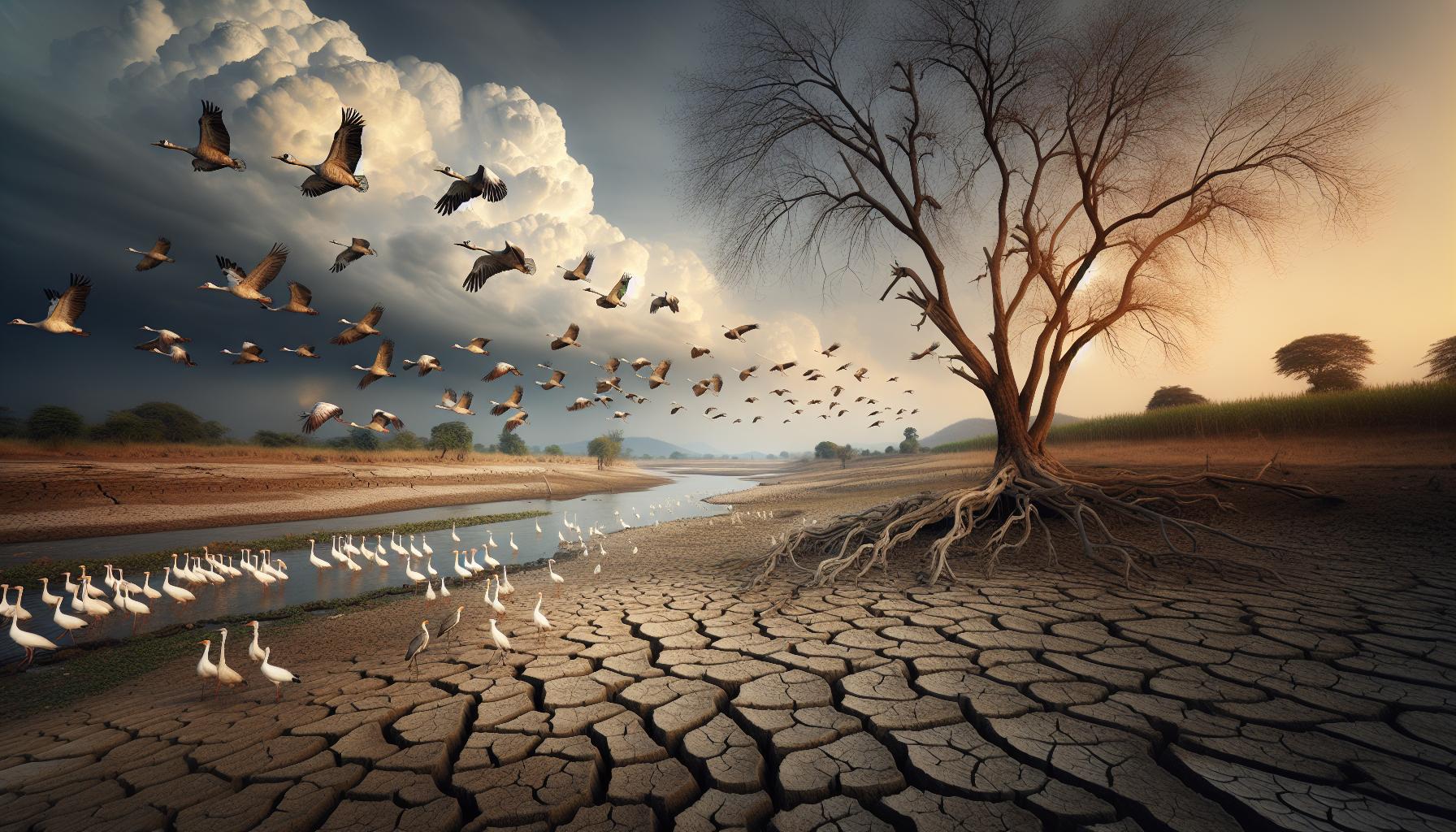
Impact of Climate Change on Bird Migration Patterns
The effect of climate change on bird migration patterns is increasingly alarming, revealing a complex interplay between shifting environmental conditions and avian life cycles. Migratory birds, known for their incredible journeys across vast distances, are not only adjusting their migration timing but also their routes, significantly influenced by rising temperatures and changing landscapes. A notable example is the godwit population, which, after decades of arriving earlier at breeding grounds, is now showing delayed migration by nearly a week compared to a decade ago. This alarming trend underscores the urgency to understand the factors governing migration timing and the potential consequences on breeding success as birds arrive too late to nest effectively [1].
As the climate warms, expectations for bird behavior shift dramatically. Species that traditionally migrate later are now doing so even later, as longer summer temperatures alter food availability and habitat conditions. For instance, findings from Alaska suggest that out of 97 species studied, 31 have exhibited changes in their migration patterns, demonstrating a direct correlation between increasing mean annual temperatures and these shifts [3]. Consequently, these alterations not only affect the birds’ immediate survival but also have cascading effects on the ecosystems they inhabit and rely upon.
To support these migratory species, understanding their changing patterns is crucial. Conservationists and researchers stress the importance of monitoring phenological data to assess the impacts of climate change accurately. By capturing these environmental changes, we can better predict future migration trends and implement effective conservation strategies. This awareness not only aids in protecting vulnerable species but also fosters a collective responsibility in promoting healthy ecosystems that sustain both birds and the interconnected life forms around them.
Key Environmental Factors Driving Migration Changes
Climate change is reshaping the natural world, and one of its most visible impacts can be observed in the migratory patterns of birds. As temperatures rise and weather patterns shift, the delicate balance that governs avian migrations is increasingly disrupted. Notably, studies have shown that environmental factors such as temperature fluctuations, changing precipitation patterns, and habitat destruction are playing pivotal roles in redefining when and how birds migrate.
Rising global temperatures are perhaps the most significant driver of these changes. As birds rely heavily on seasonal cues such as temperature and day length to time their migrations, even slight variations can lead to substantial shifts in migration timing. For instance, researchers have documented that many bird species are departing from their wintering grounds earlier in spring to take advantage of warmer weather. This trend can result in mismatches between migration schedules and the availability of essential resources, such as food and nesting sites, creating challenges for breeding success.
Another critical factor is habitat loss, which is often a direct consequence of human activity and climate change. As urban development expands and natural landscapes are altered, migratory birds find their traditional stopover points diminished or destroyed. Wetlands, forests, and grasslands that serve as vital resting and feeding areas are increasingly threatened. Consequently, this loss of habitat forces birds to adapt their migratory routes, which can lead to increased competition for remaining resources and greater exposure to predators.
Lastly, changing weather patterns, including the increased frequency and intensity of storms, further complicate migration journeys. Severe weather events can disrupt migratory routes, force birds off course, and even result in fatalities during their long journeys between breeding and wintering grounds. To mitigate these effects, conservation efforts focused on preserving essential habitats, restoring ecosystems, and promoting sustainable practices are crucial. By fostering a deeper understanding of these environmental factors and their impact on bird migration, we empower ourselves to take action in protecting these vital species and their complex migratory networks.
Bird Species Most Affected by Climate Shifts
Climate change is dramatically altering the environments in which many bird species thrive, leading to significant repercussions for their migration patterns. Among the species most affected are those that rely on timely seasonal cues, such as temperature and food availability, to navigate their long journeys between breeding and wintering grounds. Migratory birds like the western tanager are experiencing these disruptions firsthand, often arriving at their destinations either too early or too late in relation to the availability of essential resources. This mismatch can jeopardize feeding opportunities and nesting success, ultimately posing threats to their populations.
Species Under Threat
Several species are particularly vulnerable to these climate-induced changes. For instance, short-distance migrators such as the Black-capped Chickadee are facing challenges as warmer winters lead to shifts in their migration timing. In contrast, long-distance travelers like the Arctic Tern may struggle with increased storm frequency disrupting their routes. A study of 97 bird species in Alaska revealed that 31 of them showed notable changes in their migration patterns in response to rising mean annual temperatures (MAT) [1].
Adaptation Challenges
While some bird species have attempted to adapt by altering their migration schedules, research indicates that these adaptations may not be sufficient to keep pace with the rapid changes occurring in their environments. Birds such as songbirds in Eastern North America are known to be moving northward as temperatures rise; however, those in the Western U.S. might not be migrating early enough to align with the blooming of vegetation and the emergence of insects essential for their diets [2]. As these shifts continue, the interconnectedness of species within their ecosystems will become increasingly strained, emphasizing the need for concerted conservation efforts to ensure their survival.
Conclusion
Addressing the challenges faced by these vulnerable bird species requires a multifaceted approach, incorporating habitat preservation, restoration efforts, and further research into the specific impacts of climate change on local and migratory bird populations. Additionally, fostering community engagement and awareness is vital in promoting practices that protect these species amid an ever-changing climate landscape. By focusing on actionable strategies, stakeholders can support migratory birds and contribute to the health of our ecosystems.
How Temperature Variations Influence Migration Timing
Climate change is reshaping the very calendar of nature, notably influencing the migration timing of birds across the globe. As temperatures fluctuate, the delicate synchronization that birds have with seasonal signals-such as the warming of spring and the availability of food resources-becomes disrupted. For instance, warmer winters can prompt species like the Black-capped Chickadee to migrate earlier, while long-distance travelers, such as the Arctic Tern, may have their routes affected by more frequent and severe storms, delaying their migration.
One of the most critical aspects of migration timing is the relationship between temperature and food availability. When temperatures rise earlier in the spring, it can lead to an earlier emergence of insects, crucial for breeding birds. If migratory birds fail to adjust their departure times accordingly, they might arrive at their summer breeding grounds too late to capitalize on these food sources, negatively impacting their reproductive success. Data from several studies indicate that this mismatch is leading to lower populations in some areas.
To illustrate the challenges birds face, consider how certain species are responding differently. In Eastern North America, some songbirds are shifting their ranges northward as temperatures increase. However, those in the Western U.S. are not keeping pace with the seasonal changes. This discrepancy suggests that simply migrating may not be enough; birds must also adapt their behaviors and timings to align with the new realities of their environments.
In addressing these pressing changes, conservation efforts should focus on creating resilient habitats and supporting ecosystems that can buffer the effects of climate variability. Engaging local communities in conservation projects can foster awareness and proactive measures that support these migratory birds during their critical journeys. By prioritizing both the preservation of natural habitats and the restoration of affected areas, we can help mitigate some impacts of climate change and assist migratory birds in navigating their increasingly uncertain future.
Effects of Habitat Loss on Migratory Routes
The ongoing loss of habitats is profoundly altering the migratory routes of birds, with climate change compounding these effects. As urbanization, agriculture, and industrial development reduce available natural spaces, migratory birds find their traditional paths obstructed. For instance, wetland loss due to rising sea levels and agricultural encroachment limits essential stopover sites where birds rest and refuel during long migrations. Without these crucial habitats, many species face increased stress and potential population declines.
In addition to physical habitat loss, climate change also shifts the distribution of ecosystems. For example, forests might migrate northward as temperatures rise, altering the composition and availability of habitat types vital for various bird species. This ecological shift forces birds to adapt swiftly; those who cannot adjust to new conditions-be it new feeding grounds or nesting areas-risk losing out on reproductive opportunities. The greater the distance between habitat corridors and the locations birds traditionally rely on, the harder it becomes for them to complete their migrations successfully.
To combat these changes, conservationists are advocating for a holistic approach to habitat preservation. This includes creating wildlife corridors that connect fragmented habitats, allowing birds to navigate their journeys more effectively. Community engagement in habitat restoration projects can also foster local stewardship and create new sanctuaries for migratory birds. These actions not only benefit birds but can also enhance local biodiversity and ecosystem resilience, underscoring the interconnectedness of environmental health and migratory bird populations.
By understanding and addressing the , we can take tangible steps to support these avian travelers and help ensure their survival as they face the multifaceted challenges posed by climate change.
The Role of Weather Extremes in Migration Disruption
Extreme weather events, from hurricanes to droughts, are increasingly disrupting the delicate rhythms of bird migration. Birds rely heavily on specific weather patterns not only for navigation but also for the availability of food and safe resting places. As climate change intensifies weather extremes, these shifts can become catastrophic for migratory species. In fact, the impact of a single severe storm can alter migration routes for entire populations, leading to increased mortality rates and reduced reproductive success.
Hurricanes and severe storms can have immediate and devastating consequences for migratory birds. For example, the aftermath of a storm might inundate vital habitats with saltwater, rendering those areas inhospitable for nesting or feeding. On the other hand, an unusually early freeze can catch migratory birds off-guard, preventing them from securing safe wintering grounds. During such extreme weather events, many birds may face increased mortality due to starvation or exposure. Research indicates that populations of species such as the Black-throated Blue Warbler and the Red-eyed Vireo, which depend on specific temperature ranges for successful migration, are particularly susceptible to these disruptions.
To mitigate the adverse effects of weather extremes on migration patterns, it is essential for communities to engage in proactive conservation efforts. By creating habitat buffers and ensuring the preservation of crucial stopover sites, we can provide migratory birds with safe havens during their journeys. Additionally, public awareness campaigns about the importance of native vegetation can help enhance habitat resilience. Planting native trees and restoring wetlands are practical steps individuals and communities can take to provide essential resources for migratory birds facing increasingly tumultuous weather conditions.
Moreover, fostering partnerships among local governments, non-profits, and citizen science initiatives can bolster efforts to monitor and adapt to changing migration trends. Tools such as BirdCast offer real-time insights into migration patterns, empowering citizens to participate in tracking these changes and contributing to conservation. By actively engaging in these strategies, we not only support migratory birds but also contribute to the overall health of our ecosystems, underscoring the interconnectedness of all living systems.
Changing Food Availability and Its Impact on Birds
A significant challenge that migratory birds face in the wake of climate change is the alteration of food availability along their migratory routes. As temperatures rise, the ecosystems where birds find their sustenance are shifting, often leading to mismatches between the timing of migration and the availability of food resources. For example, many insects, which serve as crucial food sources for birds during migration, emerge earlier in the season due to warmer temperatures. This can create a scenario where birds arrive at their staging areas too late, missing the peak abundance of food that is necessary for refueling before continuing their journey.
The consequences of this shift are particularly pronounced for species that rely heavily on specific food sources during critical periods of their life cycle. For instance, the vibrant blooms of certain flowering plants and the hatching of insect populations often align with the migratory periods of various bird species. Changes in climate can disrupt these natural cycles, potentially leading to starvation and decreased reproductive success. In North America, the Barn Swallow, which feeds on flying insects, has experienced declines in population as its food sources have become less predictable due to climate variability.
Strategies for Supporting Food Availability
To support migratory birds amid these challenges, there are actionable steps that individuals and communities can take. Enhancing habitats by planting native vegetation can help ensure that food sources are available when birds need them. Native plants are adapted to local climate conditions and provide essential nectar and seeds that align more closely with the timing of migration. Additionally, restoring wetlands and other natural habitats can create ecosystems rich in biodiversity, supporting a variety of food sources for migratory birds.
Engaging in local conservation efforts not only supports these birds but also fosters a sense of community responsibility towards the environment. By creating public awareness about the importance of maintaining diverse habitats, individuals can contribute to initiatives that monitor and promote the health of ecosystems. Methods like citizen science projects enable people to track bird populations and report changes in their behavior, helping researchers better understand migration dynamics and the impact of climate change on food availability.
Ultimately, supporting migratory birds in a changing climate calls for collective action and a commitment to fostering resilient ecosystems that provide the necessary sustenance for these remarkable travelers. By taking proactive steps to enhance food availability and habitat quality, we can help ensure that future generations of birds continue their migrations successfully.
Adaptation Strategies: How Birds Are Coping
Many migratory birds are demonstrating astounding adaptability in the face of climate change-adjusting their behaviors, migration timing, and even habitat usage to cope with shifting environmental conditions. For instance, some species have modified their migration schedules to align better with the earlier onset of spring. Research indicates that, while many birds are arriving at their destinations earlier, this shift is often not enough to keep pace with the rapid changes in their ecosystems [1].
One of the strategies birds employ is changing their routes or stopover locations. Various studies in regions like Alaska have shown that some bird populations are opting for shorter migration distances or altering their paths in response to rising average temperatures, which can result in more favorable conditions for foraging and breeding. For example, warmer winters in southern habitats have increased food availability, prompting species to leave their wintering grounds earlier or to migrate less altogether [2].
Furthermore, adaptability is not limited to timing; some species are exhibiting behavioral changes. For example, the western tanager, a species highlighted in recent studies, is now arriving in breeding grounds at different periods, attempting to catch the peak availability of food resources. However, this adaptation poses risks; if these birds misalign their migration with food availability, it could lead to decreased survival rates and reproductive success [1].
To foster these adaptations, it is vital for conservation efforts to focus on habitat preservation and restoration. By maintaining and enhancing the quality of migratory stopover sites and breeding grounds, we can better support birds as they navigate these changes. Communities can play a role in creating environments that facilitate successful migrations, such as by planting native vegetation and protecting wetlands, which serve as crucial food sources during migration. Engaging in such initiatives not only helps birds adapt but also strengthens local ecosystems, offering an empowering path forward in the face of climate change.
The Interconnectedness of Migration and Ecosystem Health
The health of ecosystems and the intricate web of bird migration are inextricably linked. Migratory birds play vital roles in maintaining ecological balance, acting as pollinators, seed dispersers, and indicators of environmental health. When these species shift their migration patterns due to climate change, the repercussions extend beyond the birds themselves, impacting the entire ecosystem in which they thrive.
Ecosystems depend on the seasonal rhythms of migration to ensure that food webs remain intact. Many birds rely on specific habitats during migration that must align with their biological needs. For instance, when migratory birds arrive at their destinations, they contribute to the pollination of plants that may only have a narrow window for reproduction. If their arrival is misaligned with seasonal growth due to warming temperatures, plants may fail to reproduce effectively, reducing food sources not only for birds but for other animals as well.
To illustrate, consider the case of the Arctic tern, known for its remarkable round-trip migration from the Arctic to the Antarctic. Disruptions in these migratory patterns-caused by shifting weather patterns and habitat destruction-can have cascading effects. If Arctic terns arrive at their breeding grounds later than usual, they may find that the availability of fish-critical for feeding their chicks-has diminished, leading to decreased survival rates of the next generation.
Practical Steps for Ecosystem Health
To support , several actionable strategies can be implemented:
- Restore Habitats: Engage in local conservation efforts focusing on wetlands, forests, and grasslands that serve as critical stopover sites for migratory birds.
- Promote Biodiversity: Plant native species that support local bird populations and their insect prey, fostering a resilient ecosystem.
- Reduce Pollution: Advocate for reduced pesticide use and clean water practices that support the overall health of the ecosystem, benefiting migratory birds and other wildlife.
- Educate Communities: Raise awareness about the importance of migratory birds and their habitats, encouraging community involvement in conservation efforts.
Maintaining ecosystem health is not just vital for birds; it is essential for human well-being as well. Healthy ecosystems provide clean air, water, and resources necessary for survival. Therefore, by taking collective action to preserve migratory pathways and their habitats, we contribute to the resilience of both avian populations and the environments they inhabit. The future of migration is not only about the birds; it’s about safeguarding the intricate networks that sustain us all.
Human Activities That Affect Bird Migration
Human activities exert significant pressure on bird migration patterns, uniquely intertwining with the impacts of climate change. Urbanization, agricultural expansion, and deforestation are reshaping landscapes, disrupting the natural habitats that migratory birds rely on during their journeys. For instance, the construction of roads, buildings, and other infrastructure fragments essential habitats, making it challenging for birds to find rest stops and food sources during migration. Without these critical stopover sites, birds may struggle to replenish their energy reserves, potentially jeopardizing the success of their migratory routes.
Pollution and Climate Change
Another key factor is pollution, particularly from pesticides and industrial waste, which can contaminate the water bodies and land that birds depend on. Exposure to toxic chemicals can adversely affect bird health, reproduction, and migratory success. Furthermore, climate change itself exacerbates these issues by altering weather patterns and temperature, creating mismatches in the timing of bird migrations and the availability of food sources. For example, as temperatures rise, insects that birds feed on may emerge earlier than usual, leading to a critical gap in food availability just when migratory birds arrive at their breeding grounds. This discrepancy can lead to reduced nesting success and population declines.
Conservation Efforts
To combat these challenges, individuals and communities can implement several actionable strategies. Engaging in habitat restoration initiatives, such as replanting native vegetation and revitalizing wetlands, can help restore critical stopover sites for migratory birds. Additionally, supporting legislation aimed at reducing pollution, promoting sustainable agricultural practices, and conserving natural habitats will contribute to healthier ecosystems. Educating oneself and others about the importance of migratory paths and the threats posed by human activities can also mobilize community action to protect these critical habitats.
In essence, the way we manage land, water, and resources directly impacts migratory bird populations. By adopting responsible practices and advocating for policies that safeguard avian habitats, we can help ensure that migratory birds continue their journeys, maintaining ecological balance and resilience in our environments.
Future Projections for Bird Migration Trends
As climate change continues to reshape our planet, bird migration patterns are projected to undergo significant transformations. Numerous studies indicate that avian species are already adjusting their migratory routes and timings in response to shifting weather patterns and temperatures. For instance, some species are migrating earlier in the spring, aligning with the earlier blossoming of flora, while others are changing their stopover sites to seek new feeding grounds that better suit their needs in a warming climate.
One important aspect of these future trends is the differential impact on migratory bird species based on their adaptability. Species with narrow habitat requirements or specialized diets may face greater challenges. For example, the Arctic Tern, which migrates immense distances between the Northern and Southern Hemispheres, could struggle if its feeding grounds change too dramatically or too quickly for it to adapt. In contrast, more adaptable species like the American Robin are likely to modify their behaviors and range more successfully.
Implications of Habitat Changes
The changing climates can lead to alterations in key habitats, further complicating migratory trends. As wetlands dry up or coastal areas are inundated, migratory pathways may be obstructed. Conservation efforts will need to adapt to these new realities by focusing on habitat restoration and protection in areas that are projected to be stable or beneficial for migrating species. Creating more wildlife corridors and stopover habitats can facilitate migration and help birds cope with changing environments.
Future projections also highlight the necessity of international cooperation in conservation efforts. Since migratory birds traverse multiple countries, collaborative actions are essential to ensure that their natural habitats are preserved across borders. Engaging local communities in conservation initiatives can be vital, as they often possess valuable ecological knowledge and can become effective advocates for sustainable practices.
In summary, while the future of bird migration is fraught with challenges due to climate change, proactive conservation strategies, adaptive management, and international cooperation can help mitigate adverse effects. By understanding and anticipating these trends, individuals and organizations can take meaningful actions to support migratory birds and protect our fragile ecosystems.
How We Can Support Migratory Birds Amid Climate Change
Migratory birds play a vital role in our ecosystems, yet they face rising challenges due to climate change. As temperatures shift, habitats are altered, and food sources become less reliable, it’s essential for us to take actionable steps to support these feathered travelers. Engaging in conservation efforts not only helps protect migratory birds but also enhances biodiversity and ecological balance.
One practical way to support migratory birds is by creating and maintaining bird-friendly habitats. Homeowners can contribute by planting native plants that provide food and shelter, establishing birdhouses, and creating water sources. Participating in local conservation groups focused on reforestation or wetland restoration can significantly enhance the areas where migratory birds rely on during their journeys. Communities can also advocate for policies that protect critical habitats, such as migration corridors and breeding grounds.
Another compelling strategy involves reducing human-induced threats. This can include minimizing the use of pesticides, which can harm insects that migrating birds rely on for food, and implementing bird-safe building designs to reduce window strikes. Simple actions, such as turning off lights during migration periods, can also reduce disorientation and mortality among nocturnal migrants.
Education and public awareness play an equally crucial role. Organizing or participating in birdwatching clubs and educational programs fosters a greater understanding of migratory bird needs and challenges. This connection encourages communities to actively support policies and practices that promote biodiversity.
By working collectively, we can make a significant impact on the survival of migratory birds facing the unprecedented challenges presented by climate change. Every small action counts, and together, we can create a healthier environment that sustains these incredible journeys.
FAQ
Q: How does climate change impact bird migration?
A: Climate change affects bird migration through shifting temperatures and habitat availability. As temperatures rise, migratory patterns alter, with some species departing later or arriving earlier at breeding grounds, impacting their reproductive success and food access. For an in-depth look, visit our article on migration patterns.
Q: What are the main environmental factors affecting bird migration?
A: Key factors include temperature changes, food availability, and habitat loss. Birds rely on specific cues like temperature for migration timing; warmer climates can disrupt these indicators, forcing birds to adapt their migration routes, as discussed in our environmental factors section.
Q: Which bird species are most affected by climate shifts?
A: Many bird species, particularly those reliant on specific habitats or food sources, are affected. Notably, long-distance migrators like the Arctic Tern and various songbirds are showing significant changes in migration patterns due to climate variability. Explore our section on affected species for more insights.
Q: How does food availability influence bird migration?
A: Food availability directly impacts migration timing. Warmer temperatures can lead to extended growing seasons, but mismatches between bird arrivals and food peaks can disrupt their survival. Check our section on changing food availability for more information on these dynamics.
Q: What role do weather extremes play in bird migration disruption?
A: Weather extremes such as storms, floods, and droughts can severely disrupt bird migration. These extreme events can lead to habitat loss and food scarcity, forcing birds to alter their routes or timing. Learn more about this in our section on weather extremes.
Q: How can birds adapt to changing climates?
A: Birds can adapt by altering their migration routes, changing breeding times, or adjusting their diets. Conservation efforts and habitat management also play crucial roles in helping them cope with climate-induced changes. Explore our adaptation strategies section for actionable advice.
Q: When do birds typically migrate due to climate changes?
A: Migration timing is increasingly irregular due to climate change, with many species leaving earlier in spring and returning later in the fall. Observing local patterns can help predict these shifts. Our article gives detailed insights into this evolving timeline.
Q: Why is monitoring bird migration important amid climate change?
A: Monitoring bird migration is crucial for understanding ecological shifts and biodiversity impacts. It helps researchers track changes in species behavior and habitat needs, informing conservation strategies. For deeper insights, see our section on ecosystem health and migration.
Wrapping Up
As we’ve explored, climate change significantly impacts bird migration, altering their patterns and behaviors due to rising temperatures and changing environmental conditions. This means we need to act now to protect our avian friends and preserve their habitats. Want to dive deeper? Check out our articles on how warming climates are reshaping ecosystems or learn about conservation efforts that can make a difference.
Join our community by signing up for our newsletter to stay informed on the latest research and actionable ways you can help. Let’s ensure a healthy future for migratory birds and the environments they rely on. Your voice matters-share your thoughts in the comments below and connect with others passionate about wildlife conservation. Stay curious and engaged-together, we can make a difference!
Get our latest guides, news, and insights highlighted in your Google Search & AI Overviews.