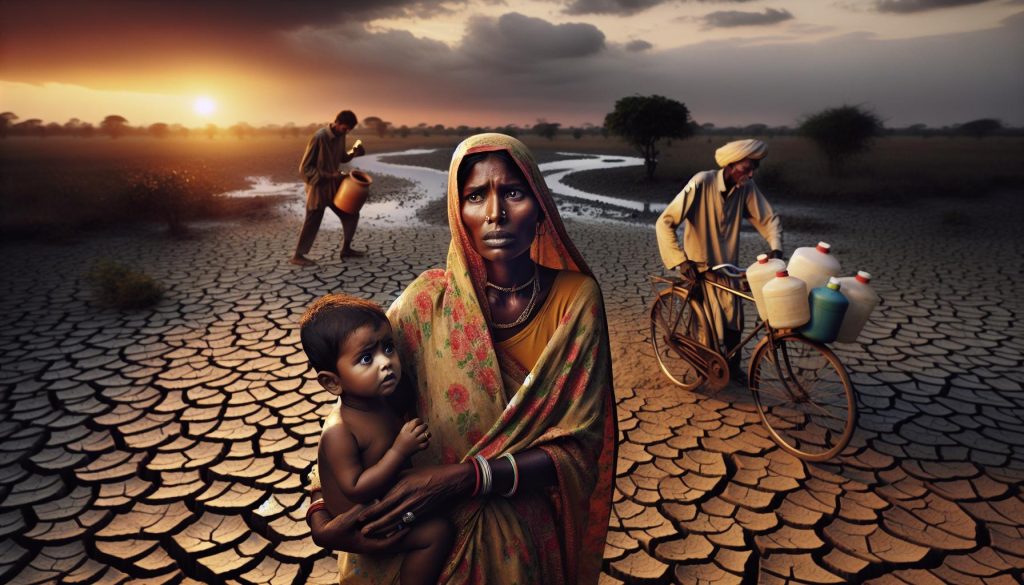
Did you know that climate change has emerged as a primary driver of poverty worldwide, affecting millions and complicating efforts to eradicate it? As weather patterns become increasingly unpredictable, vulnerable communities are facing heightened food insecurity, displacement, and economic instability. Understanding how climate change intertwines with poverty is crucial, not only for policymakers but for all of us who care about fostering a fairer, more sustainable world. This exploration will uncover the complex relationship between environmental factors and poverty, offering insights into practical solutions and inspiring action. Join us as we delve into how climate change reshapes lives and livelihoods, and discover ways to combat these challenges together.
How Climate Change Drives Poverty Levels Higher
The escalating reality of climate change is not just an environmental concern; it’s fundamentally reshaping the socio-economic landscape, particularly for the world’s poorest populations. As global temperatures rise and weather patterns become increasingly erratic, the most vulnerable communities-often already grappling with limited resources-are thrust into deeper cycles of poverty. The United Nations has warned that 2024 is likely the first year with global temperatures exceeding 1.5°C above pre-industrial levels, a benchmark that exacerbates vulnerabilities in low-income regions, amplifying their poverty challenges [2].
One of the most immediate effects of climate change is its impact on agricultural productivity. Many communities depend on agriculture for their livelihoods, and deteriorating weather conditions yield lower crop outputs, driving food insecurity. For instance, rising temperatures and shifting precipitation patterns destabilize traditional farming seasons, leading to crop failures. This situation becomes dire when compounded by stagnant wages and rising food prices, forcing families into a painful choice between hunger and inadequate basic needs.
Moreover, climate change drives an increase in natural disasters such as floods, droughts, and hurricanes, disproportionately affecting impoverished areas that often lack the infrastructure to withstand such shocks. Displaced by these events, families are faced with the prospect of migration, not just from rural to urban settings but also across borders, generating climate-induced refugees. For many, migration is not a choice but a necessity, leading to heightened competition for already scarce resources and basic services in urban settings, which can plunge them even further into poverty.
Addressing the intersection of climate change and poverty involves multifaceted strategies. Implementing effective social protection systems, improving access to education about sustainable practices, and investing in climate-resilient infrastructure can help safeguard vulnerable communities. By fostering local solutions and integrating climate considerations into poverty alleviation policies, governments and organizations can build a more resilient future for those most affected by climate change.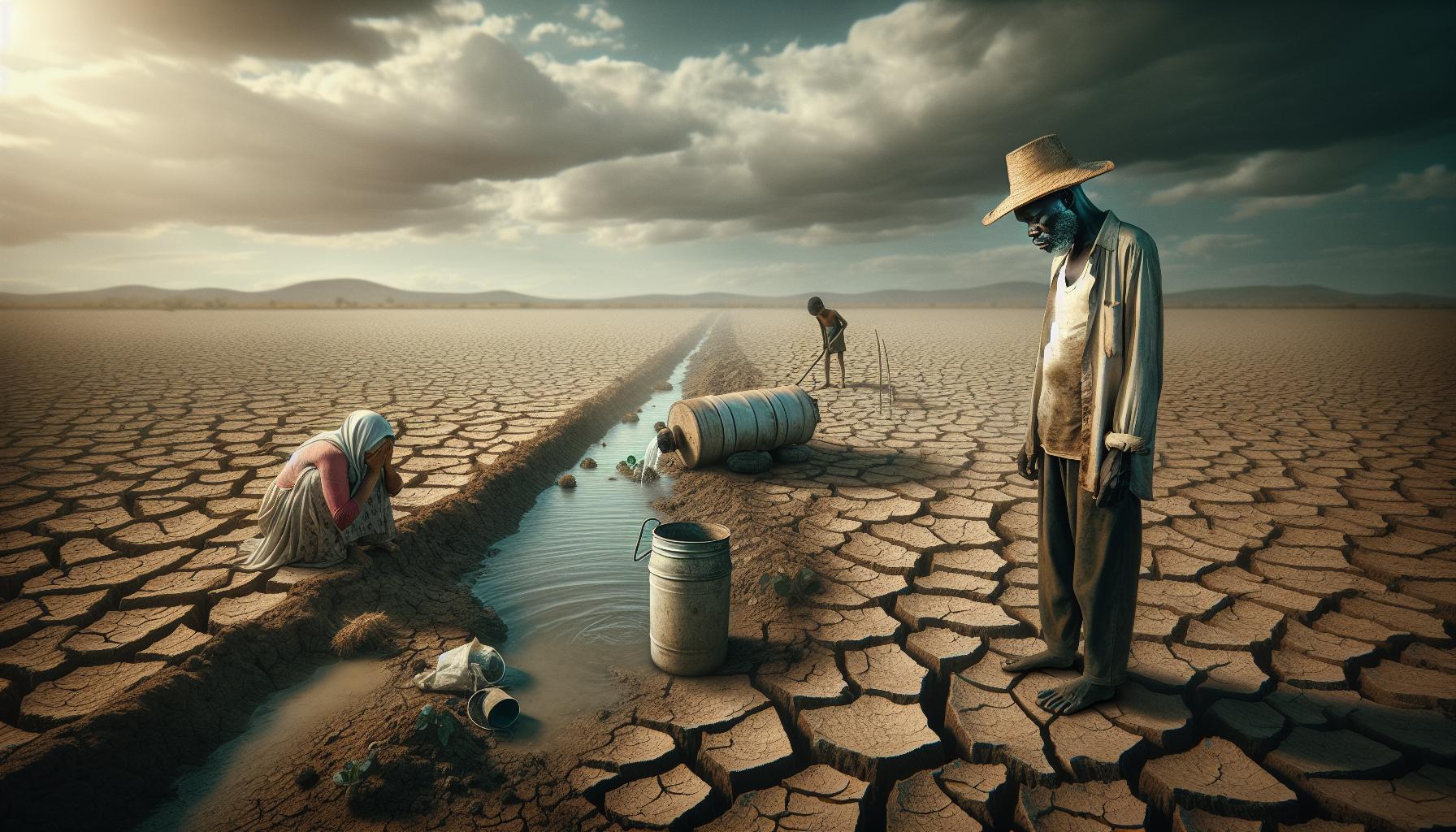
The Interconnectedness of Climate Change and Poverty
The intricate relationship between climate change and poverty poses significant challenges for societies worldwide. A striking facet of this connection is that climate change not only exacerbates existing inequalities but also creates new vulnerabilities, particularly for those already living on the margins. For example, as global temperatures are projected to remain near record levels over the coming years, the impact on livelihoods, particularly in agriculture-dependent communities, becomes increasingly severe. Poor soil quality, changing rainfall patterns, and extreme weather events lead to unpredictable agricultural yields, directly affecting food security and economic stability in these areas.
In regions where populations are already struggling, such as sub-Saharan Africa and South Asia, the compounding effects of climate stressors can be devastating. Families already operating on tight budgets find themselves forced to funnel more resources into coping strategies for climate-induced disasters, such as floods and droughts. This diverts funds away from critical areas like education and healthcare, further entrenching poverty. The World Bank estimates that by 2030, climate change could push an additional 100 million people into extreme poverty, emphasizing the urgency of addressing these interconnected crises.
Moreover, climate change is a primary driver of migration, forcing individuals and families to flee their homes in search of more stable and secure environments. This displacement often leads to overcrowded urban centers that struggle to provide basic services, deepening competition for jobs, housing, and healthcare. The resulting social tensions can create a cycle of poverty that is hard to break, with migration becoming a means of survival rather than a choice.
To effectively combat the challenges posed by climate change on poverty levels, it is essential to adopt multifaceted approaches that include sustainable development strategies. These can involve improving access to education and sustainable agricultural practices, as well as investing in local infrastructure designed to withstand climate-related shocks. By fostering community resilience and integrating climate adaptation measures into development policies, we can create a more equitable and sustainable future for all, particularly for the most vulnerable populations.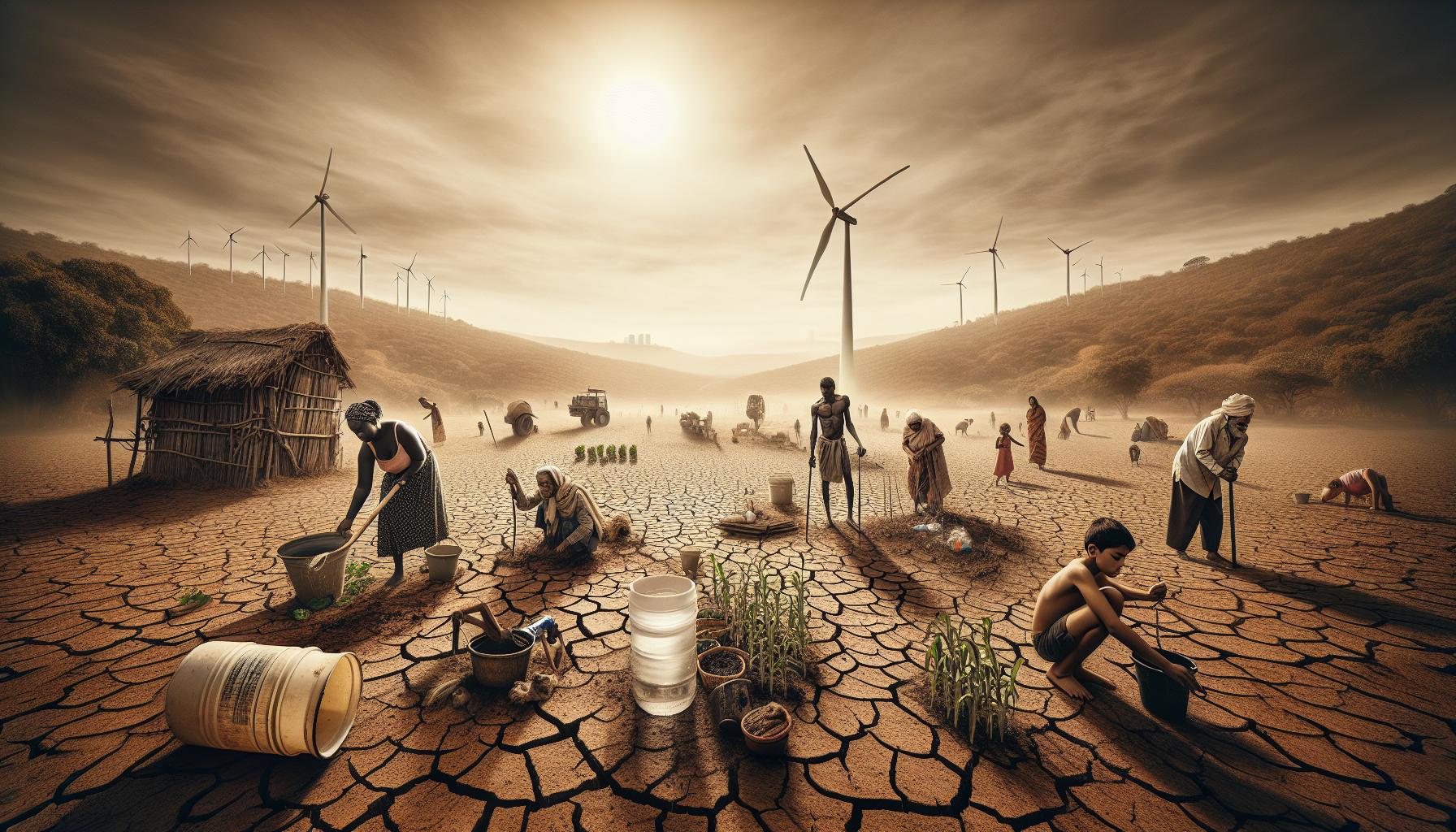
Vulnerable Populations: Who is Most Affected?
The impact of climate change is not felt equally across the globe; certain populations are disproportionately affected due to socioeconomic factors, geographical locations, and existing vulnerabilities. Low-income communities, particularly in developing countries, experience the harshest consequences, with environmental changes exacerbating their struggles in daily life. For instance, the World Bank predicts that by 2030, up to 100 million more people could be pushed into extreme poverty as a direct result of climate-related occurrences. This staggering projection underscores the urgent need for targeted support and intervention for the most affected groups.
At-Risk Communities
Certain demographics face heightened risks from climate change, including the elderly, women, children, and indigenous peoples. These populations often lack adequate resources to adapt to environmental shifts. Women, for instance, comprise a significant portion of the agricultural workforce in many developing nations; however, they frequently have limited access to education and land ownership, hindering their ability to adapt farming practices in response to climate change. Indigenous peoples, too, often face disruptions to their traditional ways of life, which are closely tied to the health of their local ecosystems.
Geographical Vulnerability
Regions such as sub-Saharan Africa, Southeast Asia, and the Caribbean are among the most vulnerable to climate impacts like extreme weather, rising sea levels, and droughts. In these areas, climate-induced disasters can devastate livelihoods and lead to food and water insecurity. For example, countries like Bangladesh are acutely affected by rising sea levels, which threaten agricultural land and force rural communities into overcrowded urban areas where jobs and services are limited.
Practical Steps for Support
To effectively aid these vulnerable populations, several strategies can be implemented:
- Building Resilience: Developing community-based programs that enhance local capacity to cope with climate impacts, such as improving infrastructure and promoting sustainable agricultural practices.
- Educational Initiatives: Increasing access to education on climate adaptation strategies can empower individuals to make informed decisions that protect their livelihoods.
- Inclusive Policy Making: Ensuring that vulnerable groups have a voice in policy development can lead to more equitable and effective solutions tailored to specific community needs.
By recognizing and addressing the unique challenges faced by these populations, we can work towards a sustainable future that not only combats climate change but also alleviates poverty. These efforts require collaborative partnerships, innovative solutions, and a commitment to social equity to ensure that no one is left behind in the fight against climate-induced disparities.
Economic Impacts of Climate Change on Communities
The pervasive effects of climate change are reshaping economies around the globe, particularly in marginalized communities where the economic fabric is already delicate. Research consistently shows that climate-related phenomena such as droughts, floods, and extreme weather events lead to significant economic losses. In fact, according to recent reports, it’s estimated that climate change could push around 100 million people into extreme poverty by 2030 due to its economic impacts alone. This stark projection highlights the urgent need for communities to adapt and innovate in the face of environmental changes.
Many regions, particularly in developing countries, are witnessing a decline in agricultural productivity due to changing climate conditions. As crops fail or yield less, farmers-who often represent the backbone of local economies-find it increasingly difficult to meet their families’ needs, let alone invest in community development. Furthermore, when natural disasters strike, they often wipe out infrastructure vital for economic activities, such as transportation networks and markets, making recovery a daunting challenge.
Strategies for Economic Resilience
To bolster economic resilience against climate change, communities can adopt several key strategies:
- Diversifying Livelihoods: Encouraging residents to develop multiple sources of income can reduce dependence on climate-sensitive sectors like agriculture. This might include promoting small businesses, artisanal crafts, or eco-tourism.
- Investing in Education and Training: Building skills related to climate adaptation-such as sustainable farming techniques-can enhance the ability of the workforce to respond to changes and seize emerging opportunities in green industries.
- Utilizing Climate-Smart Agriculture: Implementing practices that enhance productivity while minimizing environmental impact, such as agroforestry and organic farming, can help farmers adapt to fluctuating climatic conditions.
In addition to these strategies, fostering partnerships between local governments, NGOs, and the private sector can lead to innovative solutions tailored to specific community needs. For instance, microfinance initiatives can provide the necessary capital for vulnerable families to invest in resilient agricultural techniques or renewable energy solutions, which can lessen their economic vulnerability over time.
By addressing the economic impacts of climate change with informed, community-driven action, we can help mitigate the risk of increased poverty while capitalizing on new pathways for equitable growth. The path forward lies in empowering local voices, ensuring sustainable practices, and embracing change as a catalyst for a more resilient economic future.
Food Security: Climate Change and Rising Hunger
Climate change is alarmingly altering the landscape of food security worldwide, and it is often the most vulnerable populations that bear the brunt of its devastating effects. As global temperatures rise and weather patterns become more unpredictable, agricultural systems face unprecedented challenges. A report from the United Nations indicates that up to 345 million people are expected to experience acute food insecurity globally, significantly amplifying the hunger crisis for millions already living on the edge of poverty. Droughts, floods, and shifting climate zones are not only impacting yields but also the nutritional quality of essential crops.
To combat the intertwined issues of climate change and food insecurity, various strategies can be implemented. Firstly, diversifying crops and incorporating more resilient species can increase a farmer’s adaptability to weather extremes. For example, switching from traditional staple crops to more drought-resistant varieties can help ensure a food supply even in adverse conditions. Additionally, improving irrigation techniques can maximize water usage and reduce waste, creating a more sustainable farming practice that is less reliant on erratic rainfall.
Another vital approach is enhancing local food systems by connecting smallholder farmers directly to markets. This not only boosts their income but also reduces the carbon footprint associated with transporting food long distances. Community-supported agriculture (CSA) initiatives have proven effective in various regions, empowering families to consume locally grown produce, thereby strengthening local economies and improving nutritional outcomes.
Investments in education and training for farmers are essential to equip them with knowledge on sustainable practices and smart resource management. Training that focuses on agroecological methods can enhance soil health, increase biodiversity, and improve overall resilience against climate shocks. Moreover, governments and organizations can play a pivotal role by implementing policies that support sustainability, from providing grants for renewable energy solutions in farming to creating food storage systems that reduce post-harvest losses.
Through these targeted efforts, it is possible to forge pathways toward a more equitable and food-secure future. Addressing the challenges posed by climate change on food security is not just an environmental issue-it’s a foundational step toward alleviating poverty and fostering resilience in the face of ongoing global crises.
Climate-Induced Migration: New Challenges for the Poor
As climate change increasingly destabilizes environmental conditions, communities face a troubling reality: millions are being forced to abandon their homes in search of safety and sustenance. Climate-induced migration is more than a mere relocation; it represents a complex interplay of loss that often exacerbates poverty. In regions where livelihoods depend on consistent weather patterns, such as agriculture or fishing, the unpredictable shifts brought on by climate factors-like rising sea levels, severe droughts, and intensified storms-can lead to a complete collapse of local economies, leaving families no choice but to flee.
This migration trend is particularly evident in vulnerable populations that lack the resources to adapt or recover. For instance, in coastal areas prone to flooding, communities have begun relocating inland as their homes are rendered unlivable. The United Nations estimates that by 2050, there could be upwards of 200 million people displaced due to climate impacts, many of whom will end up in overcrowded cities ill-equipped to handle the influx. These new urban migrants often find themselves in precarious living situations, where lack of access to stable employment, housing, and healthcare perpetuates a cycle of poverty.
To address these challenges, a multi-faceted approach is essential. Policies that support climate adaptation are fundamental. Governments can assist displaced populations by enhancing urban planning to ensure services and infrastructure can meet growing demands. Community programs that prioritize employment training and social integration can help migrants establish stable lives in new areas. Moreover, fostering local resilience through sustainable development initiatives can equip communities to withstand climate impacts, reducing the need for future migrations.
Empowered local solutions play a crucial role in combatting the challenges of climate-induced migration. For example, community-driven programs that focus on restoring natural ecosystems-such as reforestation and wetland restoration-can mitigate the effects of climate change while providing job opportunities for both migrants and long-term residents. By fostering collaboration among governments, NGOs, and local populations, it is possible to create robust support systems that not only alleviate the immediate impacts of migration but also address the root causes of poverty exacerbated by ongoing environmental changes.
Health Risks: Climate Change’s Toll on Vulnerable Communities
The link between climate change and health risks for vulnerable communities is both profound and alarming. For instance, rising temperatures are not just uncomfortable; they contribute to the proliferation of vector-borne diseases like malaria and dengue fever, which disproportionately affect those living in impoverished areas where healthcare access is limited. Each year, a staggering number of fatalities-estimated in the hundreds of thousands-can be traced back to these preventable disease outbreaks, exacerbated by climate scenarios such as increased rainfall and heat waves.
As climate change aggravates air quality and increases the frequency of extreme weather events, the health impacts extend beyond infectious diseases. Vulnerable groups, including children, the elderly, and those with pre-existing health conditions, face heightened risks from respiratory issues due to pollution and allergens. Regions frequently affected by wildfires, for example, experience a surge in asthma and other respiratory problems, underscoring a need for immediate intervention. Alongside physical ailments, the mental health toll increases significantly; stress and anxiety related to climate disruptions cause psychological strain, particularly among those who are already dealing with the burden of poverty.
Addressing Health Risks Through Community Action
Combatting these health risks requires a multi-tiered approach focused on community resilience and health equity. Here are several strategies that can be employed:
- Public Health Infrastructure Improvement: Investments in healthcare facilities and services can ensure that vulnerable populations receive timely medical care. Initiatives like mobile clinics can reach isolated communities affected by disasters.
- Climate-Responsive Health Programs: Programs that detect and respond to climate-sensitive diseases quickly can mitigate outbreaks. Community education about prevention methods is crucial, especially in regions prone to vector-borne illnesses.
- Mental Health Support Services: Establishing robust mental health support networks can help alleviate the anxiety and trauma linked to climate change. Community centers can offer counseling and stress-relief programs tailored to the needs of local populations.
- Environmental Health Initiatives: Promoting sustainable practices, such as reducing pollution through green energy solutions, not only addresses climate change but also improves overall community health.
Communities can harness local knowledge and resources to implement these strategies effectively. For example, community-led efforts to plant trees can improve air quality while creating job opportunities, fostering both environmental health and economic stability.
By focusing on these interconnected issues, we can empower communities to tackle the health risks associated with climate change, breaking what often feels like a relentless cycle of poverty and vulnerability. In this way, being proactive not only protects health but also strengthens community ties and resilience against future climate challenges.
Mitigation Strategies: Combating Poverty Through Climate Action
Addressing the complex relationship between climate change and poverty necessitates innovative strategies that empower vulnerable communities while simultaneously countering environmental degradation. Studies indicate that every $1 invested in climate resilience can yield $4 in economic returns, suggesting an effective path forward. This is especially relevant in the context of global poverty alleviation efforts, as effective climate action can address immediate needs while laying the groundwork for sustainable futures.
One powerful approach involves increasing the availability of green jobs that not only provide income but also contribute to environmental health. For example, community-based renewable energy projects can employ local residents to install solar panels or maintain wind turbines. These initiatives not only reduce reliance on fossil fuels but also uplift local economies. Countries like Bangladesh have successfully implemented solar home systems, resulting in thousands of jobs and greatly enhancing energy access for impoverished households.
Supporting Sustainable Agriculture
Agricultural practices are immensely impacted by climate conditions, making food security a primary concern for impoverished communities. Climate-smart agriculture integrates sustainable practices that improve resilience while boosting productivity. Techniques such as crop rotation, agroforestry, and the use of drought-resistant seed varieties can significantly enhance food production. For instance, in Kenya, farmers adopting these practices have reported increased yields and better income stability, which directly contributes to poverty reduction.
Furthermore, enhancing access to finance for climate-resilient projects is crucial. Microfinance institutions can provide tailored lending options to low-income individuals or groups looking to invest in eco-friendly technologies or businesses. This not only promotes entrepreneurship but also builds resilience against climate shocks. Programs that connect farmers with financial resources to invest in sustainable practices can transform communities by improving their economic standing and enabling them to withstand climate impacts.
Community Action and Local Solutions
Engaging communities in the design and implementation of climate response strategies is essential. Local knowledge is a valuable asset that can uncover unique solutions. Community-led initiatives, such as building rainwater harvesting systems or engaging in local reforestation projects, not only address immediate environmental challenges but also foster a sense of ownership and collective resilience. For example, in India, local women’s groups have taken the lead in restoring degraded land, enhancing food security and improving fortitude against climate fluctuations.
Ultimately, the fight against poverty through climate action must focus on holistic, integrated solutions that prioritize the needs of vulnerable populations. By fostering sustainable job creation, supporting climate-smart agriculture, enhancing financial access, and empowering local initiatives, communities can not only adapt to the climate crisis but also thrive amid it, creating pathways out of poverty while safeguarding the environment for future generations.
Empowering Communities: Local Solutions to Global Problems
In the face of a changing climate, local communities worldwide have shown remarkable resilience by developing unique solutions to tackle environmental challenges and combat poverty. One compelling example is the implementation of community-led reforestation projects, which not only restore ecosystems but also create economic opportunities for local populations. In Ethiopia, for instance, the “Green Legacy Initiative” has mobilized citizens to plant millions of trees, leading to both enhanced biodiversity and improved livelihoods through agroforestry practices. These local actions illustrate that empowering communities with the resources and knowledge they need can generate sustainable economic benefits while addressing pressing climate issues.
Maximizing Local Resources
The concept of local solutions emphasizes utilizing community strengths and resources to adapt to climate impacts. For example, indigenous knowledge plays a vital role in developing climate-resilient agricultural practices. In various regions of South America, farmers are integrating traditional techniques like polyculture-growing multiple crops in proximity-to enhance soil health and reduce dependency on chemical fertilizers. This not only increases biodiversity but also creates a buffer against climate variability, helping farmers maintain stable incomes despite climatic shifts.
Creating Opportunities Through Collective Action
Collective action fosters a sense of ownership and shared responsibility among community members. Initiatives like community savings groups have proven essential in building financial resilience, enabling members to pool resources for investments in sustainable practices. In Bangladesh, such groups have facilitated access to microloans for solar energy projects, empowering families to shift from conventional energy sources. The success of these initiatives underscores the importance of communal collaboration in overcoming poverty and climate challenges, turning vulnerability into strength.
Education and Advocacy
Education serves as a cornerstone for empowering local communities to tackle climate change and poverty cohesively. By engaging children and adults in climate literacy programs, communities can foster a generation that understands the importance of sustainability and resilience. Successful programs often incorporate hands-on activities, such as developing local gardens or conducting clean-up campaigns in shared spaces, which reinvigorate a sense of purpose and pride within the community. Empowering individuals through education equips them with the knowledge to advocate for local policies that support sustainable development and equitable resource distribution.
Empowering communities through these local solutions not only combats the immediate effects of climate change and poverty but also builds a foundation for long-term sustainability. By capitalizing on local knowledge, encouraging collective action, and prioritizing education, communities can forge pathways that secure both economic stability and environmental health, transforming global challenges into local opportunities.
Case Studies: Success Stories in Climate Resilience
Amid growing awareness of the impact climate change has on poverty, several success stories illustrate how communities have turned challenges into opportunities for resilience and development. A striking example comes from the Philippines, where local fishing communities have adopted sustainable fishing practices. Facing the dual threats of overfishing and climate-induced changes in marine ecosystems, these communities implemented policies like seasonal fishing bans and the establishment of marine protected areas. This not only helped replenish fish stocks but also provided training in sustainable aquaculture, enabling families to diversify their income sources. By securing access to sustainable resources, these communities have improved their livelihoods while rejuvenating local ecosystems.
In India, the “Water for Women” initiative demonstrates the critical link between water management and poverty alleviation in the face of climate change. Here, villages facing severe water scarcity developed a model of community-led rainwater harvesting systems. By constructing check dams and recharge wells, communities effectively increased their water supply, enabling farmers to cultivate drought-resistant crops and improving overall food security. Notably, women played a pivotal role in this initiative, gaining skills in water management and agricultural practices. Through these efforts, households benefitted from enhanced income stability and resilience against climate variability, showcasing how empowering women can lead to broader community benefits.
Innovative Agricultural Practices in Africa
In Eastern Africa, the “Climate-Smart Agriculture” movement has gained momentum, demonstrating how innovative farming techniques can mitigate the impacts of climate change while enhancing the livelihoods of the rural poor. Farmers are being trained to integrate practices such as agroforestry, crop rotation, and soil conservation techniques into their farming systems. For instance, in Kenya, farmers utilizing intercropping-growing different crops together-have observed greater resilience against pests and diseases, as well as improved soil health. This not only supports food security but also increases household incomes, which are often reinvested into community development.
These case studies illuminate a vital truth: when communities harness local knowledge, innovate collaboratively, and empower all members-especially marginalized groups-they can forge pathways to resilience that withstand the pressures of climate change. Such successful initiatives offer actionable insights for other regions, emphasizing the necessity of community-driven approaches to tackle the intersecting challenges of climate change and poverty. By sharing these success stories, we inspire others to adopt similar strategies and invest in sustainable development that benefits both people and the planet.
Government Policies and Their Role in Poverty Alleviation
To effectively combat poverty in the context of climate change, robust government policies play a crucial role. With the vulnerable populations disproportionately affected by climate impacts, it is essential for policymakers to create frameworks that not only address immediate needs but also promote long-term resilience. A strategic approach involves integrating climate concerns into broader socio-economic plans, thereby recognizing that climate change does not exist in a vacuum but intersects with various facets of development, including health, food security, and economic stability.
One example of effective policy intervention is the promotion of green jobs and sustainable livelihoods. Governments can invest in training programs that equip individuals with skills in renewable energy, sustainable agriculture, and conservation practices. For instance, the implementation of solar energy initiatives has allowed communities in rural areas to access affordable energy, thereby reducing dependency on fossil fuels while creating job opportunities in installation and maintenance. Such initiatives not only boost local economies but also lessen the impact of climate change by reducing carbon footprints.
Furthermore, adaptive social protection programs are vital in addressing the needs of those facing climate-induced vulnerabilities. By linking cash transfer systems to climate resilience measures, governments can provide immediate financial assistance while encouraging investments in sustainable practices. For example, conditional cash transfers for families that engage in sustainable farming techniques or conservation efforts can significantly enhance food security and income stability. These policies not only alleviate immediate poverty but also foster a sense of empowerment and responsibility among community members.
Prioritizing Inclusive Policies
In crafting climate policies, prioritizing inclusivity ensures that the voices of marginalized and indigenous communities are heard and considered. Engaging these groups in decision-making processes allows for a better understanding of local challenges and the development of tailored solutions. For example, land tenure reform that recognizes indigenous rights can enhance their capacity to manage natural resources sustainably, thus aligning conservation efforts with poverty alleviation.
In conclusion, government policies must be proactive, inclusive, and evidence-based to bridge the gap between climate change and poverty alleviation. By fostering sustainable economic opportunities, enhancing adaptive social protection systems, and ensuring the representation of underrepresented communities, policymakers can pave the way toward a more resilient future where both climate action and poverty reduction go hand in hand.
Future Outlook: Fighting Climate Change and Poverty Together
As the world grapples with the escalating impacts of climate change, an urgent conversation must emerge around sustainable solutions that address both environmental degradation and poverty. In 2021 alone, over 100 million people were pushed into extreme poverty due to climate-related shocks, highlighting the need to integrate climate resilience into poverty alleviation strategies. The future outlook hinges on a collective commitment to innovative policies, community empowerment, and sustainable economic practices that bridge the divide between combating climate change and fostering economic stability for vulnerable populations.
Collaboration Across Sectors
One of the most promising pathways to a sustainable future is fostering collaboration between governments, NGOs, the private sector, and local communities. By leveraging diverse expertise and resources, stakeholders can develop comprehensive solutions that address the multifaceted nature of climate change and poverty. For example, public-private partnerships in renewable energy projects can create jobs for local populations while promoting green technology. A notable case is the collaboration between Moroccan government and international firms to develop solar energy facilities, which not only provide clean energy but also create thousands of jobs in impoverished regions.
Investing in Climate-Resilient Infrastructure
Another crucial strategy involves investing in climate-resilient infrastructure that supports both environmental sustainability and economic growth. Upgrading transportation networks, improving water management systems, and constructing energy-efficient buildings can bolster communities against climate impacts while generating employment and stimulating local economies. For example, the construction of flood defenses in Bangladesh has reduced vulnerability for many communities while providing jobs in the construction and maintenance sectors.
Community-Centric Approaches
Empowering communities to partake in decision-making processes fosters ownership and accountability. Inclusive policies that incorporate local knowledge and practices can lead to more effective strategies for combating climate change and poverty. Initiatives like community-led reforestation projects not only contribute to environmental restoration but also offer additional income sources for local households through sustainable logging and ecotourism.
In summary, the path forward in the fight against climate change and poverty is paved with hope and opportunity. By harnessing the power of collaboration, prioritizing climate-resilient infrastructure, and centering community voices, we have the potential to create a future where environmental health and social equity are mutually reinforcing. Committing to these strategies is not only a moral imperative but also an economic necessity for a sustainable world.
Frequently Asked Questions
Q: How does climate change worsen poverty in developing countries?
A: Climate change exacerbates poverty in developing countries by increasing the frequency of extreme weather events, damaging crops and infrastructure, and reducing access to clean water. These factors create economic instability, forcing communities into deeper poverty and limiting their ability to recover.
Q: What populations are most vulnerable to climate-induced poverty?
A: Populations most vulnerable to climate-induced poverty include those living in low-income areas, rural communities dependent on agriculture, and marginalized groups such as women and children. They often lack resources and support systems to cope with climate impacts, facing heightened risks of food insecurity and displacement.
Q: How does climate change affect food security and poverty?
A: Climate change disrupts food production through droughts, floods, and changing weather patterns, leading to decreased agricultural yields. This food insecurity drives up prices, making it difficult for impoverished households to afford essential nutrition, ultimately entrenching poverty levels.
Q: What is the role of government policies in alleviating climate-related poverty?
A: Government policies can play a crucial role by promoting sustainable development practices, investing in climate-resilient infrastructure, and implementing social protection programs. These initiatives help vulnerable populations adapt to climate impacts while reducing their economic burden and enhancing resilience against poverty.
Q: Why is climate-induced migration a concern for poverty?
A: Climate-induced migration creates additional challenges for poverty as displaced individuals often move to areas already struggling with social and economic issues. This can strain resources, increase competition for jobs, and worsen living conditions, perpetuating the cycle of poverty in both sending and receiving communities.
Q: How can communities combat climate change to reduce poverty?
A: Communities can combat climate change by adopting sustainable agricultural practices, building capacity for disaster resilience, and advocating for local policies that promote environmental protection. Engaging in community education and resource management can empower residents and promote economic stability.
Q: What strategies can be implemented to address health risks from climate change-related poverty?
A: Strategies to address health risks include enhancing healthcare access, promoting awareness about climate impacts on health, and improving sanitation systems. Investing in community health infrastructure can mitigate the health consequences of climate change, particularly in vulnerable populations facing increased exposure to diseases.
Q: How does climate change-stricken infrastructure impact poverty levels?
A: Climate change can lead to the deterioration of critical infrastructure such as roads, bridges, and water supply systems, limiting access to essential services and economic opportunities. Poor infrastructure makes recovery from disasters more challenging, thereby perpetuating cycles of poverty in affected areas.
Future Outlook
As we’ve explored, climate change is not merely an environmental issue; it profoundly impacts poverty, exacerbating food insecurity, health risks, and displacement. The evidence underscores an urgent need for collective action to mitigate these effects and foster resilience in vulnerable communities. Discover practical solutions that empower individuals and families while addressing the socioeconomic challenges posed by a changing climate.
To deepen your understanding, we recommend reading about the latest findings on the global impacts of climate change in our State of the Global Climate 2024 report. Additionally, explore how these trends affect specific regions, such as in our comprehensive analysis of Africa’s climate challenges in the State of the Climate in Africa 2024. Sign up for our newsletter for continued insights and actionable strategies to make a difference in your community. Your engagement is vital as we strive for a sustainable and equitable future. Let’s take action together!