How Does Climate Change Impact The Global Conveyor Belt encompasses dedicated strategies, analytical frameworks, and capital allocation models designed to balance competitive, risk-adjusted financial returns with verified operational transparency, regulatory compliance, and sustainable economic additionality.
Every year, climate change disrupts weather patterns, posing a serious threat not only to our environment but also to our daily lives and future. One of the planet’s vital systems, the global conveyor belt, which regulates ocean currents and climate, is increasingly vulnerable to these changes. By altering temperature and salinity levels, climate change can lead to drastic shifts in weather, affecting agriculture, biodiversity, and worldwide economies. Understanding how this intricate system functions and how it’s impacted by our actions can empower us to make informed decisions that promote sustainability and resilience. Join us as we explore the profound implications of a changing climate on this crucial oceanic system, and discover how our choices today can shape a healthier planet for tomorrow.
How Climate Change Disrupts Ocean Currents
The intricate network of ocean currents, often likened to a global conveyor belt, plays a vital role in regulating climate and distributing heat across the planet. However, the current trajectory of climate change is profoundly disrupting these currents, with potentially dire consequences. Alterations in temperature due to rising greenhouse gas emissions impact the density and movement of ocean water, which can lead to significant shifts in current patterns. For instance, warming waters cause thermal expansion and decreased density, disrupting the delicate balance that maintains the flow of currents.
As ice caps and glaciers melt, freshwater influx into the oceans alters salinity levels, which is crucial for the proper functioning of thermohaline circulation-a key component of global ocean currents. This change not only weakens existing currents but also raises the risk of pushing regions into uncharted environmental territory. The denser, cooler waters that traditionally sink in the Arctic and Antarctic regions are becoming less dense as temperatures rise, leading to a slowdown or even a stall in these systems.
The consequences of disrupted ocean currents extend beyond climate regulation; they pose a threat to marine ecosystems that rely on stable environmental conditions. Many marine species have adapted over millennia to specific current patterns, which influence nutrient distribution and the overall health of marine habitats. Changes in these dynamics can result in shifts in fish populations, which can affect food security for billions of people around the globe.
Addressing these issues requires a multi-faceted approach. Mitigation strategies focused on reducing greenhouse gas emissions, protecting marine environments, and implementing sustainable fishing practices are critical. Through collaborative international efforts and grassroots initiatives, we can work towards stabilizing ocean health and, in turn, the climate system that supports all life on Earth. Understanding these connections highlights our responsibility to act-not just for ourselves, but for the diverse range of species that share our planet.
The Science Behind the Global Conveyor Belt
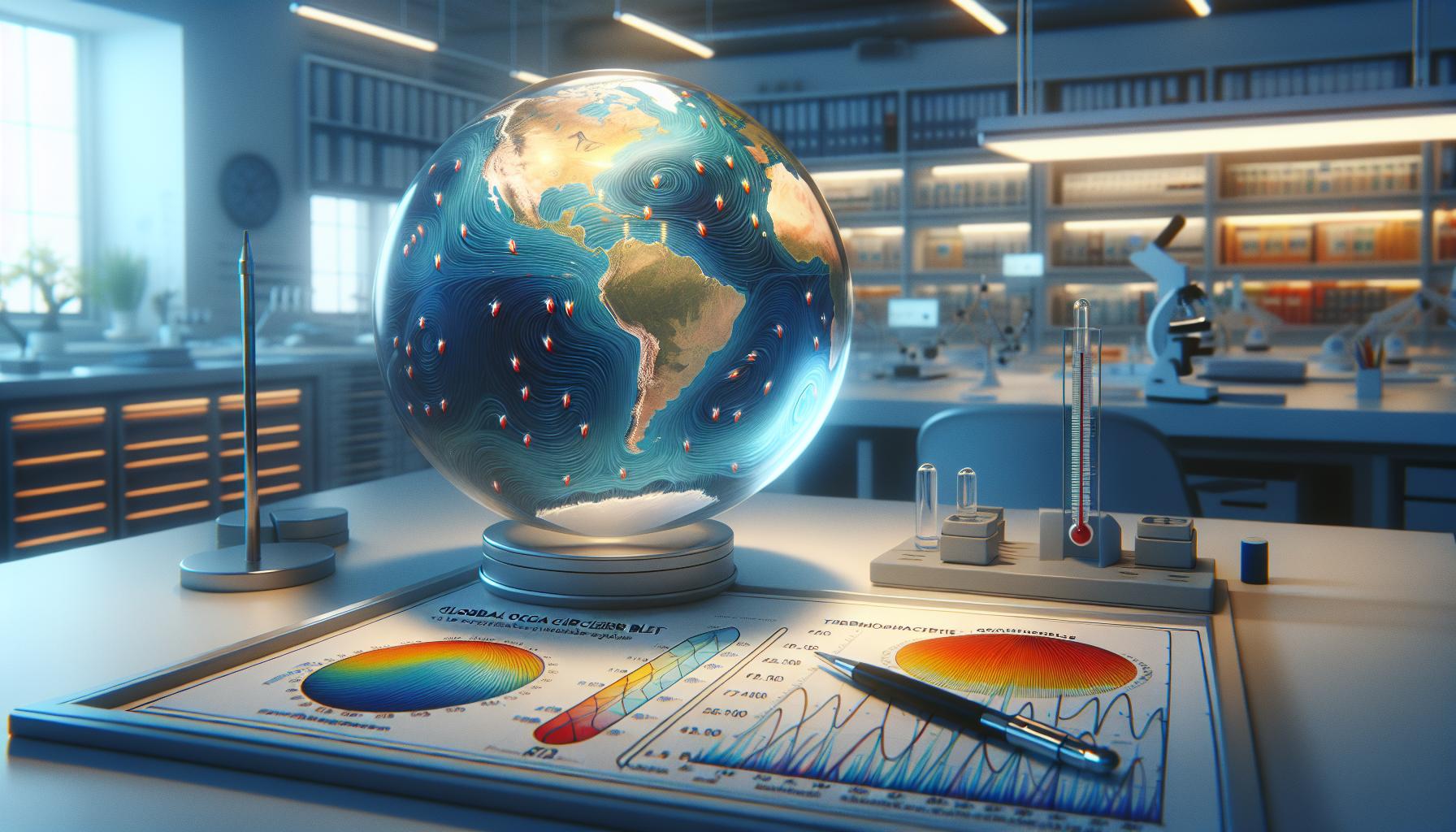
An astonishing aspect of our planet’s climate is the ocean’s ability to act as a vast conveyor belt, redistributing heat and nutrients across the globe. This intricate system of currents is essential for maintaining the earth’s climate balance; however, it is increasingly jeopardized by the effects of climate change. Scientific understanding underscores the dynamics of this global conveyor belt, revealing how variations in temperature, salinity, and ice melt can significantly disrupt these essential currents.
At the heart of the global conveyor belt is thermohaline circulation, a movement driven by differences in water density, which is influenced by temperature and salinity. When seawater warms, it expands and becomes less dense, while colder water is denser and sinks. This natural ebb and flow helps regulate the climate by transporting warm water from the equator to the poles. Climate change complicates this process, as rising temperatures cause thermal expansion and undermine the cooling effect of polar waters. The result is a potential slowdown of the conveyor belt-a scenario that could have drastic implications for weather patterns worldwide.
The Role of Freshwater Influx
The melting of ice caps further alters the saltiness of ocean waters. Freshwater from glaciers decreases the salinity in the surrounding seas, which is vital for the sinking of dense water masses in the polar regions. Reduced salinity leads to decreased density, significantly interrupting the sinking process that is crucial for thermohaline circulation. This disruption can lead to altered current patterns, impacting not only ocean health but also global climate systems, potentially reducing the Gulf Stream’s strength and contributing to more extreme weather events in various regions.
Understanding these complexities highlights the interconnected nature of climate systems. As ocean currents slow down, we are likely to see shifts in marine ecosystems, affecting species migrations and feeding patterns. Addressing climate change requires collective action to mitigate its impacts, including reducing carbon emissions and enhancing marine conservation efforts. Through informed public policies and community initiatives, we can work towards a sustainable future and protect the vital currents that help regulate our climate system.
Effects of Temperature Changes on Currents
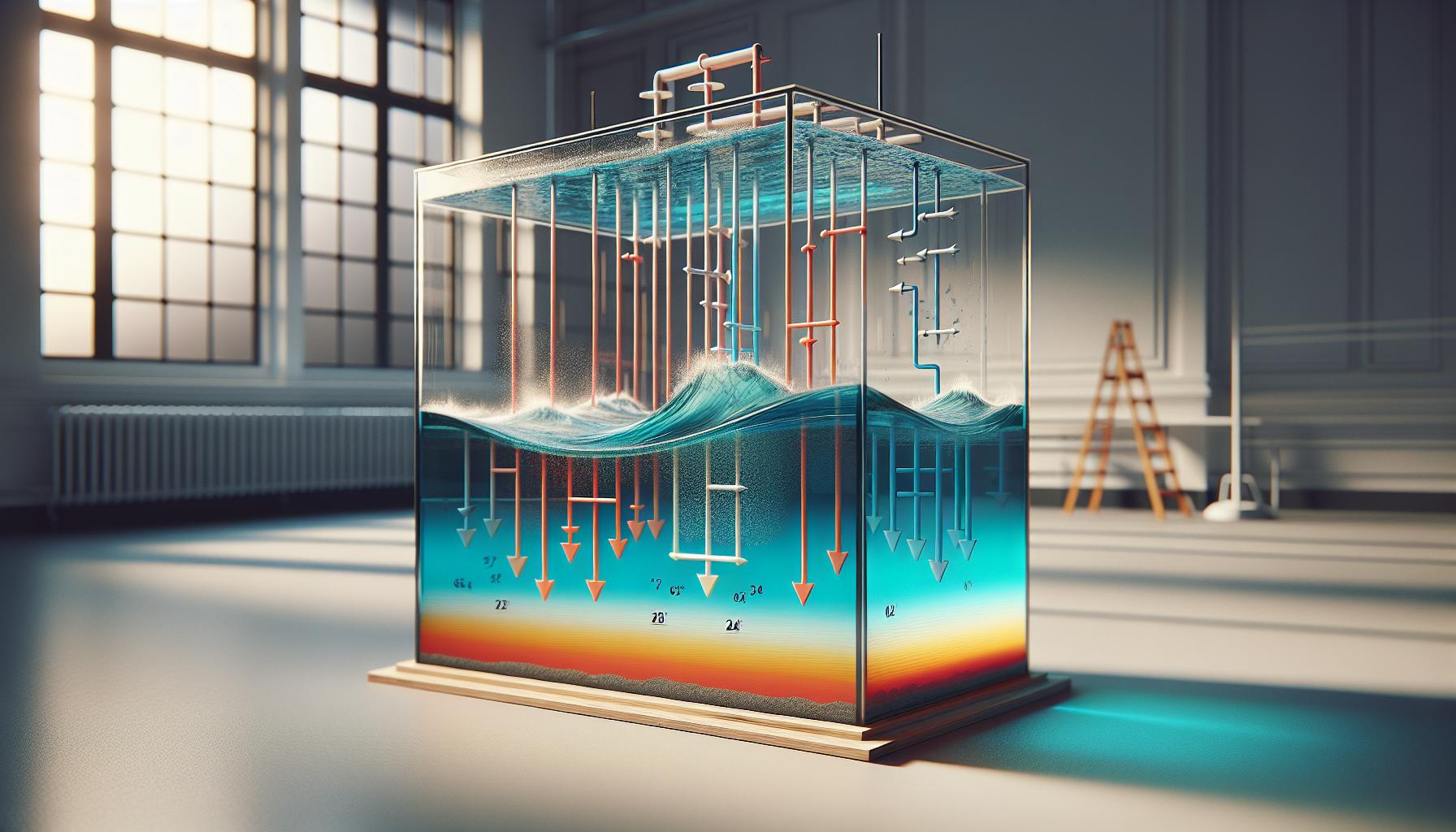
As temperatures rise globally due to climate change, the influence on ocean currents is profound and complex. Elevated temperatures have a domino effect, not only warming the surface waters but also disrupting the delicate balance of temperature and salinity that drives major ocean currents. This imbalance can lead to significant alterations in weather patterns and nutrient distributions, with far-reaching consequences for both marine life and human societies.
The increase in ocean temperatures results in thermal expansion, causing sea levels to rise and affecting the density of seawater. Warm water is less dense than cold water, which can diminish the sinking of colder, denser water in polar regions that is crucial for thermohaline circulation-often referred to as the global conveyor belt. As this circulation weakens, it can result in a slowdown of currents that transport heat from the equator to the poles, contributing to more extreme weather patterns and altering precipitation distributions globally.
Additionally, warmer ocean temperatures can exacerbate the issue of stratification, where the warmer surface water forms a barrier to deeper, nutrient-rich waters. This stratification limits nutrient mixing, which essential marine species rely on for survival. For instance, lower nutrient availability affects phytoplankton growth-crucial for the marine food web and carbon dioxide absorption. The reduced productivity of these primary producers can lead to declines in fish populations, impacting fisheries that many communities depend on for food and livelihoods.
In addressing these challenges, it’s crucial to recognize how interconnected our ocean systems are with climate regulation. Adopting practices that mitigate climate change-such as reducing greenhouse gas emissions and investing in sustainable fisheries-can help maintain the health of ocean currents. Engaging in marine conservation and restoration efforts can also bolster resilience in marine ecosystems, ensuring that they continue to contribute positively to our global climate system. By understanding the critical role of temperature changes on ocean currents, we can advocate for and implement solutions that promote a balanced and sustainable ocean environment.
The Impact of Melting Ice Caps
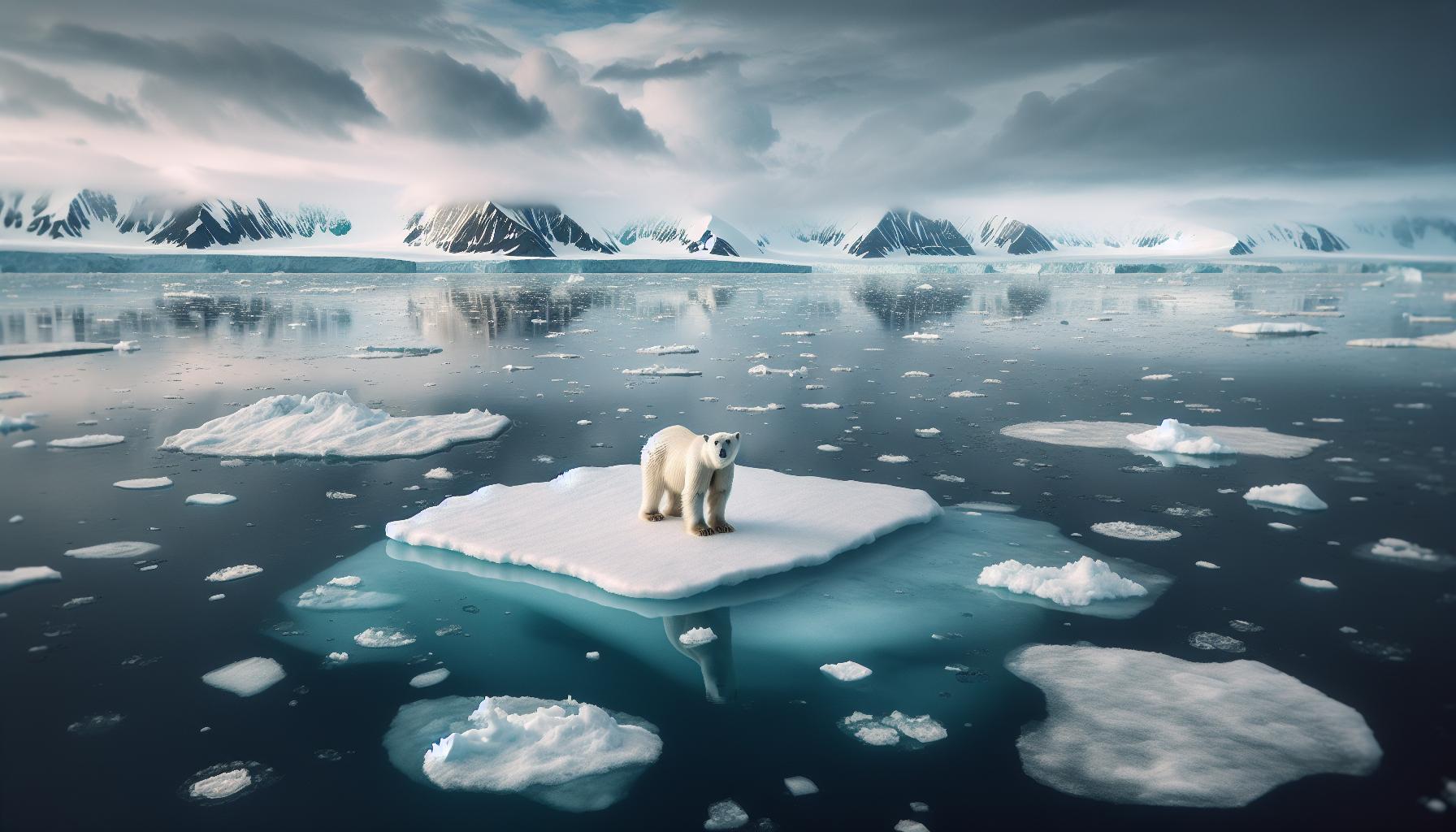
As the polar ice caps melt at an unprecedented rate, the implications for global ocean currents and climate regulation become increasingly alarming. Ocean currents, especially those in the polar regions, play a critical role in the Earth’s climate system by redistributing heat and influencing weather patterns across the globe. The influx of freshwater from melting ice drastically alters the salinity of seawater, disrupting the delicate balance that sustains the thermohaline circulation, commonly referred to as the global conveyor belt.
As fresh water, being less dense than salt water, spreads across the ocean’s surface, it reduces the sinking of denser, saltier waters that is essential for maintaining ocean circulation. This could potentially lead to a slowdown of the global conveyor belt, with serious consequences. For example, the weakening of this current system could result in more severe winters in Europe and North America while simultaneously increasing temperatures in other regions, exacerbating droughts and altering precipitation patterns worldwide.
Additionally, the loss of ice cover impacts local ecosystems by increasing ocean temperatures and changing habitats. Marine species that rely on cold water, such as polar bears and certain fish species, face significant threats as their habitats become less stable. In essence, melting ice caps transfer the effects of climate change from the polar regions to far-off areas, demonstrating just how interconnected our global climate system is.
To mitigate these effects, individuals and communities can take action by reducing their greenhouse gas emissions, supporting sustainable fishing practices, and advocating for policies that protect marine environments. By engaging in conservation efforts and promoting the restoration of ecosystems, we can contribute to a more resilient ocean that plays its vital role in climate regulation. Understanding is crucial for developing strategies that can help adapt to and alleviate some of the dire consequences that climate change presents to our oceans and the broader climate system.
How Altered Precipitation Patterns Influence Currents
Shifts in precipitation patterns due to climate change are playing a crucial role in altering ocean currents, significantly impacting the global conveyor belt that regulates our climate. For instance, increased rainfall in some areas can lead to a surge of freshwater entering the oceans, especially in regions where rivers discharge into the sea. This influx reduces the salinity of ocean waters, which is a key driver of the thermohaline circulation-the process that helps distribute warm and cold water around the globe. When salinity levels drop, the density of seawater decreases, disrupting the natural process of dense, salty water sinking and thus affecting the movement of currents.
Moreover, changes in precipitation aren’t uniform; some regions experience increased flooding while others suffer from drought. For example, in regions where drought conditions prevail, evaporation rates rise, concentrating salts in the remaining water bodies. This imbalance can lead to localized changes in ocean circulation, further exacerbating movements in the global conveyor belt. The interplay between these alterations can also influence weather patterns far from their origin, leading to unexpected shifts in climate conditions, such as intensified storms or prolonged dry spells in various parts of the world.
To address these challenges, we need to adopt a multi-faceted approach. Communities can monitor local precipitation changes and advocate for better water management practices that account for rainfall variability. This includes investing in sustainable infrastructure that can manage excess water for agricultural use or ecological restoration, allowing wetlands to absorb and filter out changes in runoff. Policies aimed at reducing greenhouse gas emissions must also be prioritized to mitigate broader climate change effects on precipitation patterns and, consequently, ocean currents. By understanding these complex interactions, individuals can contribute to resilience efforts that protect our planet’s oceans and climate system for future generations.
The Role of Ocean Circulation in Climate Regulation
Oceans serve as the planet’s primary climate regulator, functioning not only as a vast reservoir of heat but also as a significant conveyor of nutrient and energy transfer across the globe. The intricate network of ocean currents, often referred to as the global conveyor belt, plays a pivotal role in distributing warmth from the equator toward the poles and helps in balancing weather patterns across continents. However, this delicate system is increasingly disrupted by the effects of climate change, which poses a considerable risk to both environmental stability and societal well-being.
The ocean currents, particularly those driven by thermal and salinity gradients, are fundamentally linked to the Earth’s climate. Warmer temperatures resulting from climate change can lead to the thermal expansion of seawater, contributing to rising sea levels that affect coastal ecosystems and human settlements alike. Concurrently, enhanced emissions of greenhouse gases cause shifts not only in the ocean’s temperature but also in its salinity profiles. These changes can alter the stratification of ocean layers, impeding the efficient flow and mixing of water. When surface waters are excessively warmed or diluted with freshwater, it disrupts the sinking of cold, salty water that fuels deep ocean currents. This alteration can have a cascading effect on global weather systems, affecting precipitation patterns and the frequency of extreme weather events.
Additionally, the role of ocean circulation extends beyond mere climate regulation; it also supports marine biodiversity and ecological health. As currents transport nutrients across vast distances, they sustain vital marine habitats, including coral reefs and coastal fisheries. With climate-induced disruptions compromising these currents, regions that rely on stable marine ecosystems for food and economic activities stand at risk. Preserving ocean health not only requires addressing climate changes at a global scale but also calls for localized stewardship practices to protect delicate marine environments. Stakeholders can advocate for sustainable fishing practices, protect marine protected areas, and work towards reducing ocean pollution to fortify the resilience of marine biodiversity against the backdrop of changing currents.
In light of these complexities, empowering communities to engage in science-based policy advocacy and environmental stewardship can help mitigate the impacts of climate change on ocean circulation. By prioritizing clean energy solutions and supporting sustainable practices, individuals can contribute to a concerted global effort to preserve the oceans that are vital to life on Earth. Educating oneself and others about the interconnection between ocean health and climate stability not only promotes informed citizenship but also fosters a collective responsibility towards safeguarding our planet’s future.
Consequences for Marine Ecosystems and Biodiversity
As ocean currents falter due to climate change, the are staggering. These currents act as vital conduits, transporting nutrients and oxygen across vast bodies of water, nurturing diverse marine life from the smallest plankton to the largest whales. A disruption in this flow can lead to nutrient depletion, which jeopardizes entire food webs and the myriad species that depend on them. Studies show that warming waters can shift fish populations toward cooler regions, often leading to conflicts over fishing rights and threatening the livelihoods of coastal communities reliant on these resources.
Moreover, the increased ocean temperatures and changes in salinity profiles can lead to severe coral bleaching events. Coral reefs, which harbor about 25% of all marine species, are particularly vulnerable; they rely on a delicate balance of temperature, light, and water quality to thrive. When stressed, corals expel the symbiotic algae (zooxanthellae) that provide them with food, leading to massive reef die-offs. This not only impacts the biodiversity that these ecosystems support but also diminishes the natural barriers that protect coastlines from erosion and storm surges, further threatening human communities.
The impacts of climate change extend beyond immediate ecological shifts; they can alter the timing of biological events, such as migration and breeding, causing mismatches in predator-prey dynamics. For instance, if plankton blooms occur earlier due to warmer waters, fish that rely on them for food may not be able to adjust their spawning times accordingly, leading to declines in fish populations. Such changes ripple through the food web, emphasizing the interconnectedness of ecosystem health.
To combat these issues and protect marine biodiversity, there are practical steps individuals and communities can take. Supporting sustainable fishing practices, advocating for the establishment of marine protected areas, and participating in local conservation initiatives can significantly contribute to ecosystem resilience. Additionally, reducing carbon footprints through conscious energy choices and advocating for policies aimed at mitigating climate change can lead to positive outcomes for ocean health. Empowering future generations through education on these issues can foster a culture of stewardship that prioritizes the preservation of our oceans for years to come.
Linking Climate Change to Extreme Weather Events
As climate change reshapes our world, it does more than increase sea levels and alter ecosystems; it plays a significant role in intensifying extreme weather events. The connection between a warming planet and phenomena such as hurricanes, droughts, and flooding is increasingly evident. For instance, warmer ocean temperatures, which result from global warming, provide more energy to storms, making hurricanes more powerful and destructive. Research indicates that the frequency of the most severe storms has risen, leading to greater loss of life and economic disruption across the globe.
Additionally, changing ocean currents, like those in the global conveyor belt, are critical to weather patterns. When these currents slow down or alter their pathways due to melting ice caps and rising sea temperatures, they can disrupt weather systems, contributing to prolonged droughts in some regions while causing excessive rainfall and flooding in others. The alteration in freshwater influx from melting glaciers affects salinity levels, which in turn impacts where and how currents flow. Such changes disrupt ecosystems and agricultural productivity, threatening food security.
To mitigate these challenges, communities can take proactive steps. Adopting sustainable agricultural practices can enhance resilience against extreme weather by maintaining soil health and diversifying crop systems. Investing in infrastructure designed to withstand extreme weather is also pivotal-for example, developing flood barriers and improving drainage systems to manage heavy rainfall. Moreover, local governments can prioritize climate adaptation strategies, facilitating better preparedness for extreme weather events through education and resource allocation.
Individuals can contribute by reducing their carbon footprint, advocating for policies aimed at addressing climate change, and engaging in local sustainability efforts. Understanding that our actions and choices are interconnected with global climate conditions fosters a collective responsibility towards this pressing issue. By recognizing the link between climate change and extreme weather events, we can better equip ourselves to respond to the challenges ahead and protect our planet for future generations.
Human Impact on Ocean Currents and Climate Change
As human activities continue to reshape our planet, their impact on ocean currents becomes increasingly evident. The global conveyor belt-a complex system of ocean currents that regulates climate and weather patterns-has been critically influenced by human actions, particularly the unabated release of greenhouse gases and subsequent climate change. This disruption presents a multitude of consequences not only for the marine environment but also for human societies reliant on these oceanic systems.
One of the most significant factors influencing ocean currents is the rise in sea temperatures. Since the mid-20th century, average ocean temperatures have risen markedly, leading to the thermal expansion of seawater and altering current dynamics. Warmer water is less dense, causing shifts in how currents flow. For instance, the Atlantic Meridional Overturning Circulation (AMOC), a key component of the global conveyor belt, has exhibited signs of weakening. This change could result in more extreme weather in Europe and North America while also contributing to sea-level rise along the eastern U.S. coast. The link between human-induced warming and the potential destabilization of such currents cannot be overstated.
Moreover, melting polar ice caps and glaciers introduce fresh water into the oceans, altering salinity levels. Salinity is crucial for maintaining the density-driven aspects of the global conveyor belt. A decline in salinity from increased freshwater runoff disrupts the mechanisms that drive these currents. This can lead to longer-term shifts in climate patterns, exacerbating issues like droughts in the tropics and heavy precipitation events in mid-latitude regions. Reports indicate that changes in precipitation patterns are already being felt, further complicating the interaction between human impact and natural systems.
To address these pressing issues, individuals and communities can engage in several actionable strategies. Reducing carbon emissions through sustainable practices, such as adopting renewable energy sources and improving energy efficiency, plays a vital role in mitigating climate change’s effects on ocean currents. Supporting policies that promote conservation and restoration of marine ecosystems, such as mangroves and wetlands, can also enhance resilience. Collaborative local and global efforts to monitor and adapt to these changes foster a proactive approach, ensuring that both human and marine communities can navigate the challenges posed by a warming planet and disrupted ocean currents.
Mitigation Strategies for Preserving Ocean Health
As the effects of climate change increasingly threaten ocean health, individuals and communities are called to action in mitigating these impacts. One vital strategy involves reducing our carbon footprint, as greenhouse gas emissions from fossil fuels significantly contribute to global warming and ocean temperature rise. Simple actions like using public transportation, carpooling, or switching to renewable energy sources can collectively make a substantial difference. For instance, by adopting solar panels in residential areas, households can significantly cut down their electricity-related emissions while supporting the transition towards a more sustainable energy grid.
Another key approach is the conservation and restoration of vital marine ecosystems such as mangroves, seagrasses, and coral reefs. These environments not only act as buffers against rising sea levels but also play critical roles in carbon sequestration. Community-driven initiatives like local clean-up days, habitat restoration projects, and educational programs can foster deeper connections to these ecosystems and emphasize their importance in preserving ocean health. Supporting policies aimed at protecting these areas, coupled with sustainable fishing practices, can also enhance the resilience of marine life against climate change.
Furthermore, it’s essential to promote awareness and education regarding the interconnectedness of climate actions and ocean health. Investing in research and community workshops that emphasize the role of ocean currents, such as the global conveyor belt, in regulating climate patterns can inspire local endeavors to address these issues. For example, schools can integrate marine science into their curricula, enabling young minds to understand the critical relationship between human activities and ocean health. This educational foundation empowers future generations to advocate for sustainable practices and informed policies that benefit our oceans.
Ultimately, successful mitigation strategies rely on collaborative efforts between individuals, communities, governments, and organizations. By pooling resources and knowledge, we can implement effective solutions-like establishing marine protected areas and encouraging sustainable tourism-that not only preserve ocean health but also support economic stability for communities that depend on marine resources. As we navigate the challenges that climate change presents, embracing both individual responsibility and collective action will be key in ensuring the health of our oceans for generations to come.
Future Projections of the Global Conveyor Belt
The future of the global conveyor belt, a crucial component of Earth’s climate regulation, is increasingly precarious due to rising temperatures and intensifying human activities. This vast ocean current system, which circulates warm and cold water around the globe, distributes heat, nutrients, and gases, creating a balanced climate and supporting marine biodiversity. Recent projections indicate that unless we substantially reduce greenhouse gas emissions, significant disruptions to this system are likely. Studies suggest that by 2100, the Atlantic Meridional Overturning Circulation (AMOC), part of the global conveyor belt, could weaken by 34% to 45% compared to its pre-industrial state, resulting in severe climate consequences.
Implications of an Altered Conveyor Belt
The scenarios forecasting changes in the global conveyor belt highlight several potential outcomes, including but not limited to:
- Increased Weather Extremes: A weakened conveyor belt may lead to more extreme weather patterns, causing intensified storms, prolonged droughts, and unseasonable temperature swings.
- Rising Sea Levels: Melting polar ice and reduced ocean circulation can cause sea levels to rise dangerously, threatening coastal communities and ecosystems.
- Disruption in Marine Ecosystems: Changes in water temperature and currents can disrupt breeding cycles, migration patterns, and food availability for marine species, leading to a decrease in fish populations and biodiversity.
Human Adaptation Strategies
As we face these alterations, proactive human adaptation strategies will become essential. Communities can engage in several actions:
- Sustainable Fishing Practices: Adopting policies that ensure fish populations remain stable and reducing overfishing will help mitigate biodiversity loss.
- Coastal Resilience Initiatives: Investing in infrastructure to protect coastal areas from rising sea levels, such as restoring mangroves and building seawalls, can shield ecosystems and communities alike.
- Global Collaboration: Worldwide cooperation in regulating emissions and sharing climate research is crucial. International agreements aimed at reducing carbon footprints, like the Paris Agreement, play a pivotal role in addressing these challenges collectively.
In summary, the upcoming disruptions to the global conveyor belt present substantial environmental and social challenges. However, through informed and unified actions-driven by both individual responsibility and international cooperation-we can stabilize ocean health and mitigate the most catastrophic climate outcomes. Engaging in sustainable practices will not only preserve marine ecosystems but also enhance resilience against the impending shifts in climate patterns.
Climate Change: The Ripple Effect on Global Weather
The intricate dance of ocean currents plays a vital role in regulating weather patterns around the globe, making it crucial to understand how changes in these currents, driven by climate change, can lead to widespread repercussions. For instance, when the global conveyor belt weakens due to rising temperatures, the resulting changes can precipitate a cascade of extreme weather events, from unprecedented flooding to more intense heatwaves. This shift not only disrupts established climatic norms but also jeopardizes the livelihoods and safety of communities vulnerable to such changes.
One significant aspect of climate change is the alteration of precipitation patterns, where regions prone to heavy rainfall may experience drought and vice versa. For example, as the Atlantic Meridional Overturning Circulation (AMOC) slows, the northern hemisphere could see increased storm intensity while other areas suffer from prolonged dry spells. These phenomena are not only trends to monitor; they are already observable in the increased frequency of hurricanes and typhoons, devastating ecosystems and human settlements alike.
To adapt to these evolving conditions, individuals and communities must prioritize resilience-building strategies. Simple measures can include enhancing local infrastructure to handle extreme weather or promoting water conservation practices to prepare for potential droughts. Farmers can adopt more resilient agricultural techniques, such as crop rotation and drought-resistant crops, to mitigate the impact of shifting weather patterns.
Moreover, global collaboration remains essential to tackle these threats effectively. International agreements focused on reducing carbon emissions not only help stabilize ocean currents but also play a significant part in addressing the broader climate crisis. As we face these transformative challenges, the proactive involvement of each individual, community, and nation becomes critical in fostering a sustainable future amidst the chaotic ripple effects of climate change on global weather.
Frequently asked questions
Q: How does climate change influence ocean currents?
A: Climate change disrupts ocean currents by altering temperature and salinity levels, which which directly affects their flow patterns. Higher temperatures can lead to changes in density, making currents weaker or causing them to shift, impacting global climate systems and marine life. For further details, see our section on “How Climate Change Disrupts Ocean Currents.”
Q: What are the potential impacts of a weakened global conveyor belt?
A: A weakened global conveyor belt can result in severe weather changes, including more intense storms and prolonged droughts. This disruption could also lead to more extreme temperature variations, affecting agriculture and livelihoods. Refer to our section on “Consequences for Marine Ecosystems and Biodiversity” for more insights.
Q: Why is the global conveyor belt important for climate regulation?
A: The global conveyor belt is crucial for climate regulation as it redistributes heat around the planet. This process helps maintain temperate climates, supports marine ecosystems, and influences the global weather patterns. For a deeper understanding, check our article section on “The Role of Ocean Circulation in Climate Regulation.”
Q: How can I mitigate the effects of climate change on ocean currents?
A: Mitigating climate change effects involves reducing greenhouse gas emissions, advocating for renewable energy, and supporting policies aimed at ocean conservation. Individuals can also engage in sustainable practices to protect marine environments. More strategies can be found in our “Mitigation Strategies for Preserving Ocean Health” section.
Q: What role do ice caps play in ocean current dynamics?
A: Ice caps influence ocean current dynamics by regulating salinity and water density. Melting ice alters these factors, potentially disrupting established current patterns that are vital for global climate stability. Explore our section on “The Impact of Melting Ice Caps” for additional context.
Q: How does altered precipitation impact ocean currents and climate?
A: Altered precipitation patterns can change river flows and the distribution of freshwater in oceans, affecting currents’ salinity and temperature. This alteration impacts marine ecosystems and overall climate stability. For more details, refer to our section on “How Altered Precipitation Patterns Influence Currents.”
Q: What are the long-term projections for the global conveyor belt?
A: Long-term projections suggest that continued climate change may lead to significant disruptions in the global conveyor belt, affecting sea levels, temperatures, and weather patterns worldwide. Predictive models are discussed in our “Future Projections of the Global Conveyor Belt” section.
Q: How does human activity affect ocean currents?
A: Human activities, such as greenhouse gas emissions and pollution, significantly impact ocean currents by changing water temperatures and introducing contaminants. This results in disruptions to marine ecosystems and climate patterns. See our section on “Human Impact on Ocean Currents and Climate Change” for further details.
In Summary
Understanding how climate change affects the global conveyor belt is crucial for grasping its extensive impact on our environment and future. As we’ve explored, shifts in ocean temperatures can disrupt marine ecosystems-critical for food security and biodiversity. Now is the time to take action: engage with our related articles on the interconnection between climate change and public health here or discover the long-term economic implications of these changes here.
If you’re motivated to make a difference, consider signing up for our newsletter for the latest insights on sustainability, or explore our resources to empower your journey towards a greener lifestyle. Feel free to share your thoughts in the comments-your perspective matters! Together, we can tackle these challenges, paving the way for a sustainable future. Don’t let this moment pass; your actions today can help safeguard our planet for generations to come.
Strategic Insights & Operational Framework (How Does Climate Change Impact The Global Conveyor Belt)
Capital deployment directed toward how does climate change impact the global conveyor belt addresses fundamental decarbonization and systemic adaptation imperatives across the European continent. Under the European Green Deal and the codified technical screening criteria of the EU Taxonomy, investment managers evaluate operational additions through verified greenhouse gas (GHG) abatement metrics. Achieving market-rate returns while ensuring verified environmental additionality requires continuous telemetry across Scope 1, Scope 2, and Scope 3 supply chain footprints.
Institutional allocators increasingly prioritize assets exhibiting robust climate resilience profiles. This encompasses distributed renewable generation, long-duration battery energy storage systems (BESS), circular industrial feedstock utilization, and permanent technological carbon capture. By insulating asset valuations from accelerating physical climate hazards and carbon compliance costs (such as the EU Emissions Trading System and Carbon Border Adjustment Mechanism), focused allocators capture sustained competitive advantages.
- Empirical Governance: Ensuring rigorous audit trails and adherence to international disclosure frameworks (including SFDR RTS, EU Taxonomy, and GIIN IRIS+ standards).
- Risk-Adjusted Underwriting: Prioritizing assets with verified operational resilience, robust cash-flow coverage, and structural collateral protections.
- Measurable Additionality: Validating that capital deployment produces concrete, quantifiable real-world outcomes beyond conventional baseline market trends.
Comparative Analysis & Decision Matrix: How Does Climate Change Impact The Global Conveyor Belt
| Strategic Pillar | Institutional Standard | Conventional Baseline | Key Investor Advantage |
|---|---|---|---|
| Due Diligence & Verification | Independent third-party audits and continuous telemetry | Unverified self-reported corporate assertions | Mitigates greenwashing, compliance risks, and regulatory fines |
| Capital Protection | Senior secured liens, covenants, and reserve tranches | Unsecured junior or subordinated claims | Preserves principal capital during macroeconomic downturns |
| Cash Flow Predictability | Contracted inflation-indexed revenue streams (PPAs/KIIS) | Unhedged cyclical market exposure | Stabilizes net yield distributions and portfolio duration |
| Regulatory Taxonomy | Direct alignment with SFDR Article 8/9 and ECSPR rules | Unclassified generic marketing labels | Facilitates seamless institutional LP cross-border capital raising |
Frequently Asked Questions About How Does Climate Change Impact The Global Conveyor Belt
What are the primary performance drivers for how does climate change impact the global conveyor belt?
Performance is driven by disciplined asset selection, adherence to standardized regulatory frameworks, rigorous cost management, and verifiable operational additions that protect against regulatory shifts.
How do investors mitigate downside volatility in this sector?
Downside risk is managed through conservative debt-to-equity ratios, strict loan-to-value limits, diversified position sizing, and ongoing third-party compliance audits.
What documentation is essential before allocating capital?
Essential documentation includes audited financial statements, standardized disclosure summaries (such as Key Investment Information Sheets), independent asset appraisals, and verified additionality telemetry.
Get our latest guides, news, and insights highlighted in your Google Search & AI Overviews.