El Niño is a powerful climate phenomenon that significantly influences global weather patterns, often causing extreme weather events across continents. Did you know that during an El Niño event, while South America might experience heavy rains and flooding, regions like Indonesia and Australia are likely to suffer from severe drought? This interconnectedness highlights the importance of understanding how El Niño disrupts atmospheric circulation and exacerbates the effects of climate change, raising global temperatures and increasing extreme weather occurrences. As these changes can affect agriculture, water supply, and even public health, recognizing the patterns and implications of El Niño is crucial for communities worldwide. Join us as we delve deeper into this complex climate mechanism and explore its far-reaching impacts on our environment and the challenges it poses for our future.
Understanding El Niño: What It Is and How It Works
The phenomenon of El Niño represents a remarkable interplay between oceanic and atmospheric systems that profoundly influences global climates. Characterized by the unusual warming of surface waters in the eastern Pacific Ocean, El Niño alters weather patterns worldwide, affecting everything from rain to temperature and even influencing natural disasters. For instance, during El Niño events, the sea surface temperature in the central and eastern Pacific typically increases significantly, impacting not only the tropical Pacific regions but also shifting weather patterns across continents, with potential effects on agriculture, water supply, and overall climate stability.
One of the primary mechanisms at play during an El Niño is a shift in wind patterns. Normally, trade winds blow from east to west across the Pacific. However, during these warming periods, these winds weaken or reverse, leading to a rise in ocean surface temperatures. This alteration in wind direction and strength changes cloud formation and precipitation distribution. Consequently, regions that typically experience dry conditions may face heavy rainfall, while areas used to wet climates may encounter drought. This shift can have dire consequences, as evidenced during the 2015 El Niño when major disruptions were noted in weather patterns globally, contributing to crop failures and heightened risks of flooding.
Understanding how El Niño operates can equip communities and policymakers with the necessary tools to mitigate its adverse impacts. For instance, improved weather forecasting models that incorporate observations of sea surface temperatures and wind patterns can significantly enhance preparedness for extreme weather events associated with El Niño. Engaging in adaptive agricultural practices, such as crop rotation and diversification, allows farmers to better prepare for anticipated changes in precipitation and temperature. Additionally, raising awareness of the potential for natural disasters-such as hurricanes and floods-can foster proactive measures aimed at reducing vulnerabilities in affected communities.
In summary, the interconnected nature of the El Niño phenomenon underscores its importance in global climate dynamics. Its effects ripple through ecosystems, economies, and societies, making it crucial for ongoing research and public awareness to mitigate its impact on climate variability and disaster risk management.
The Science Behind El Niño: Key Mechanisms and Indicators
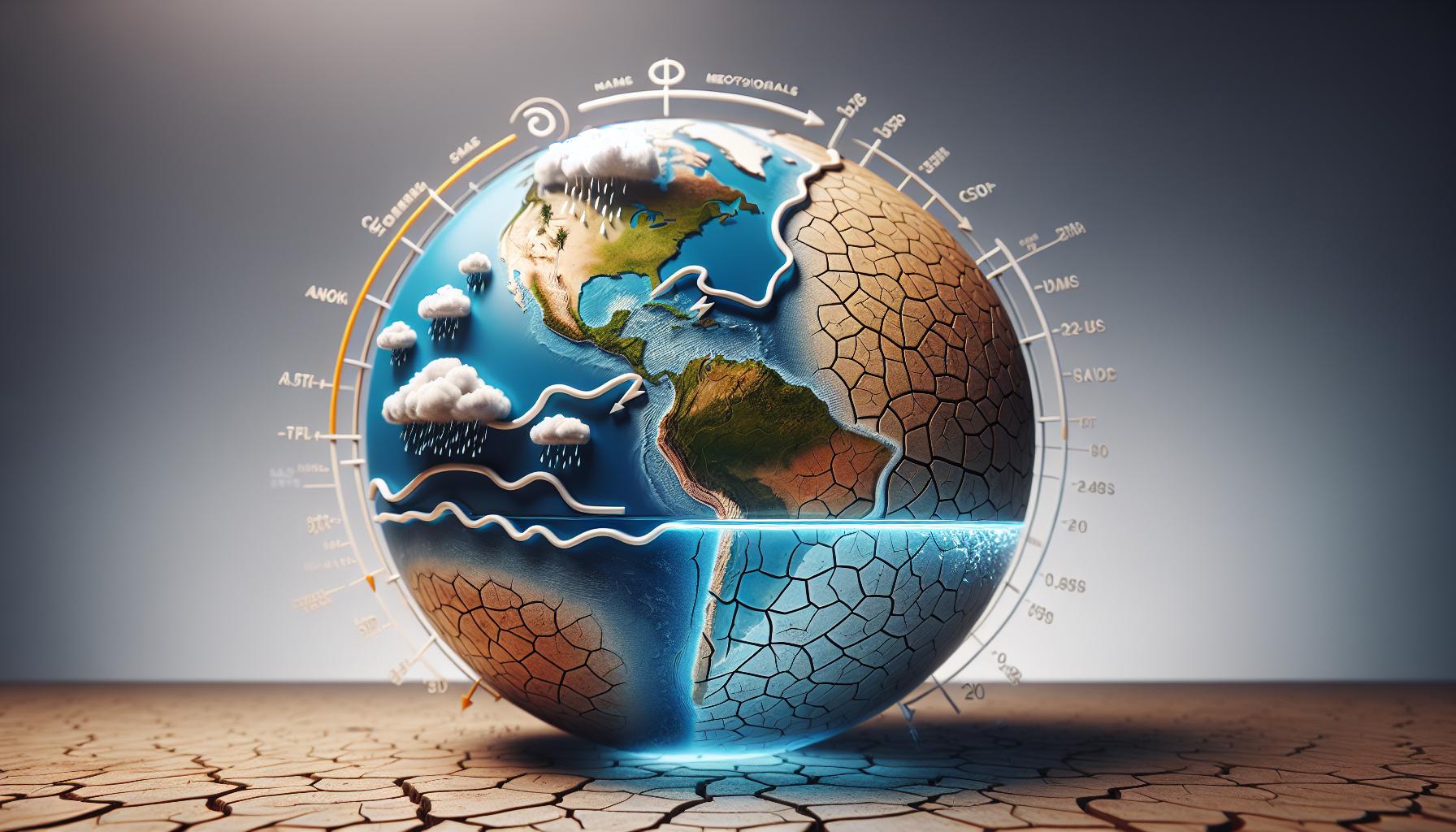
The complex interactions between ocean temperatures and atmospheric patterns form the intricate framework of El Niño, a phenomenon that serves as a critical player in global climate dynamics. At the core of El Niño are shifts in the sea surface temperatures of the central and eastern Pacific Ocean, which typically undergo unusual warming during an El Niño event. This rise in temperature alters atmospheric circulation, leading to significant shifts in weather patterns that can affect millions worldwide. Understanding these mechanisms not only highlights the importance of El Niño but also empowers communities to anticipate and prepare for its impacts.
One of the key indicators of an impending El Niño is the behavior of the trade winds, which normally blow east to west. During an El Niño event, these winds weaken or may even reverse. This destabilization allows warmer waters to surge eastward, escalating sea surface temperatures and creating a feedback loop that reinforces further warming. Consequently, this alteration impacts precipitation patterns; for example, regions that generally experience dry conditions, such as the western coasts of North and South America, may suddenly face heavy rainfall, while others, such as Australia and Southeast Asia, may experience prolonged droughts. Such drastic changes can lead to severe consequences, including flooding and water shortages.
Monitoring sea surface temperatures, atmospheric pressure variations, and oceanic wind patterns offers invaluable insights into predicting El Niño events. Scientists utilize a combination of buoys, satellites, and numerical weather models to gather data that contribute to advanced forecasting systems. Moreover, understanding the broader climate feedback mechanisms is essential; El Niño does not act in isolation but rather interacts with other climatic phenomena such as La Niña and the Arctic Oscillation, thus further complicating future climate predictions.
Adapting to the fluctuations caused by El Niño necessitates proactive measures. Communities should prioritize enhancing their climate resilience through improved infrastructure, better agricultural practices, and public awareness programs. By engaging in strategies like crop diversification and developing robust water management systems, regions can buffer themselves against the adverse impacts of El Niño, ultimately ensuring food security and protecting the livelihoods of those most affected by climate variability.
Global Weather Changes: How El Niño Alters Climate Patterns

The phenomenon of El Niño dramatically reshapes weather patterns across the globe, making it a pivotal player in climate variability. When this climate pattern emerges, it triggers a series of atmospheric and oceanic adjustments that reverberate far beyond the Pacific Ocean. One striking impact is the alteration of precipitation patterns; regions accustomed to arid conditions may suddenly experience intense rainfall, while typically wet areas can find themselves facing drought. For instance, during El Niño years, the western coasts of North and South America may face heavy storms and flooding, while Australia may suffer from prolonged dry spells, affecting both ecosystems and human activities.
The changes initiated by El Niño extend well into the realm of temperature fluctuations. As ocean waters warm, they affect not only local temperatures but also weather systems worldwide. Areas in the Northern Hemisphere may experience milder winters, while the tropics can see enhanced storm activity. This can lead to heightened occurrences of extreme weather events, such as hurricanes in the Atlantic and typhoons in the Pacific, increasing both the frequency and intensity of natural disasters. Effective monitoring, through satellites and sea buoys, is vital for predicting these patterns and preparing for their consequences.
Proactive adaptation is crucial in mitigating these impacts. Local governments and communities can implement strategies to enhance resilience against El Niño-induced weather changes. For example, investing in improved infrastructure like flood defenses and water management systems can safeguard vulnerable areas against extreme weather events. Moreover, farmers can adjust planting schedules and diversify crops to better align with shifting rainfall patterns, ensuring food security in an unpredictable climate landscape.
Understanding these global weather changes is not merely an academic exercise; it creates the foundation for a robust response to one of our era’s most pressing challenges. By equipping communities with the knowledge to anticipate and prepare for El Niño impacts, we empower them to take informed actions that can significantly reduce vulnerability and enhance resilience in the face of climate variability.
Impact on Precipitation: Rainfall Variability During El Niño
El Niño has a transformative effect on global precipitation patterns, dramatically altering weather conditions in various regions. This complex climate phenomenon is not just an oceanic event; it fundamentally reshapes rain distribution across the globe. For example, during El Niño episodes, areas that typically experience dry conditions, such as parts of Australia and Indonesia, may face unexpected deluges, leading to flooding. Conversely, regions accustomed to regular rainfall, particularly along the western coasts of North and South America, can suffer from severe droughts, disrupting not only ecosystems but also agricultural practices and water supplies.
Understanding Rainfall Variability
The variability in rainfall brought about by El Niño can be attributed to altered atmospheric circulation patterns. Warm water in the central and eastern Pacific Ocean influences wind patterns and can lead to a cascade of weather-related consequences. Regions impacted include:
- South America: Increased rainfall often results in flooding, particularly in countries like Peru and Ecuador, where heavy precipitation can lead to landslides and infrastructure damage.
- Australia and Southeast Asia: These areas typically face significant drought conditions, affecting agricultural sectors and increasing the risk of wildfires.
- The United States: In the southern states, El Niño tends to bring wetter winters, while the northern parts may experience milder and drier conditions.
These changes illustrate the interconnectedness of weather systems globally, where a shift in ocean temperatures can lead to widespread implications far from the equatorial Pacific.
Practical Consequences and Adaptation
Adapting to these precipitation changes is crucial for mitigating their effects. Farmers can adjust their planting schedules and select crop varieties that are more resilient to the altered rainfall patterns. For instance, early planting before anticipated heavy rains or selecting drought-resistant strains during dry spells can help maintain crop yields.
Moreover, local governments can reinforce infrastructure to handle increased flooding, such as upgrading drainage systems and constructing levees. By investing in sustainability and resilience planning, communities can better prepare for the adverse effects of El Niño, turning challenges into opportunities for strategic growth and adaptation.
In conclusion, understanding the rainfall variability associated with El Niño is key to planning effective responses to its impacts. This requires not only scientific insight but also community engagement and proactive measures to enhance resilience against climate variability. By fostering a culture of preparedness, societies can navigate the challenges posed by this powerful climate driver.
Temperature Shifts: How El Niño Warms and Cools Regions
During an El Niño event, the central and eastern Pacific Ocean experiences a significant rise in surface temperatures, often by as much as 2-3 degrees Celsius above normal. This warming radically impacts global weather patterns, extending its influence far beyond the Pacific region. The heat generated from these warm waters leads to stronger atmospheric circulation changes, which can result in a cascade of climatic effects around the world, reshaping ecosystems and human activities alike.
The alteration of temperature regimes affects various regions uniquely. For instance, areas surrounding the Pacific Ocean may see warmer and wetter conditions, which can exacerbate existing issues like flooding in South America. In contrast, regions such as Southeast Asia and Australia, which typically benefit from stable rainfall and cooler temperatures, may experience severe droughts due to a shift in trade winds. This contrast illustrates how one climatic phenomenon can create a complex web of disruptions.
Understanding Temperature Effects
The impacts of El Niño on temperature vary by location and season. Here are a few key effects:
- North America: In the winter months, the southern U.S. often experiences warmer and wetter conditions, while the northern states may see milder and drier weather. This can disrupt agricultural patterns and water supply management.
- South America: Countries along the west coast, including Peru and Ecuador, face increased rainfall and higher temperatures, which can lead to flooding and affect local fisheries due to altered oceanic temperatures.
- Australia: El Niño typically brings about significant warming and dry spells, heightening the risk of bushfires and creating difficulties for farmers reliant on consistent precipitation.
Adapting to Temperature Variability
Understanding how to adapt to these temperature shifts is crucial for resilience. Here are several adaptive strategies:
- Agricultural Adjustments: Farmers can use climate forecasts to time planting and harvesting more effectively, selecting crop varieties that can better withstand climatic fluctuations.
- Water Management: Communities can invest in improved water storage and conservation techniques to cope with drought conditions, helping secure water supply during arid periods.
- Infrastructure Enhancements: Local governments can upgrade infrastructure to withstand the increased flooding and heat, such as improving drainage systems and creating heat-resilient urban designs.
In conclusion, the temperature shifts during El Niño are not merely local issues but have cascading effects on global weather patterns, agriculture, and community resilience. Recognizing these shifts allows for better preparation and adaptive measures, essential for navigating the challenges that arise from this complex climatic phenomenon. By fostering a proactive culture of adaptation, societies can turn the disruptive forces of El Niño into opportunities for growth and sustainability.
Influence on Natural Disasters: Hurricanes, Floods, and Droughts
The connection between El Niño and natural disasters is profound and complex, highlighting just how intricately our planet’s climate systems are linked. For instance, a significant aspect of El Niño’s influence is its alteration of atmospheric and oceanic patterns, which can lead to an increased risk of extreme weather events like hurricanes, floods, and droughts. This phenomenon often causes severe and unpredictable weather, making it crucial for communities to understand and prepare for potential natural disasters.
During El Niño events, warmer sea surface temperatures in the Pacific Ocean can fuel more intense storms in the Atlantic, including hurricanes. These storms may begin with increased frequency and strength, especially along the East Coast of the United States and parts of the Caribbean. Conversely, areas like the western Pacific may see a decrease in cyclone activity. The disparity in storm activity across the globe underscores the need for tailored disaster preparedness strategies depending on regional influences during an El Niño phase. For example, coastal areas should enhance their hurricane shelters and early warning systems, while inland regions may focus on flood defenses.
In addition to hurricanes, heavy rainfall during El Niño can result in flooding, particularly in regions like South America where significant precipitation can devastate communities. Countries like Peru experience extreme flooding that disrupts agriculture, destroys infrastructure, and displaces families. In response, local governments and NGOs can implement measures such as improved drainage systems, flood barriers, and community training programs on disaster response and recovery.
On the flip side, El Niño contributes to drought conditions in various parts of the world, most notably in Southeast Asia and Australia. For farmers in these regions, prolonged dry spells can threaten crop yields and food security. To mitigate these impacts, adopting smart agricultural practices-such as drought-resistant crops and efficient irrigation techniques-can enhance resilience. Furthermore, local communities can invest in water conservation and management strategies to ensure sufficient supplies during potentially devastating dry periods.
Recognizing the wide-ranging impacts of El Niño on natural disasters empowers communities to adapt and prepare effectively. By investing in infrastructure, disaster response training, and sustainable agricultural practices, societies can better safeguard themselves against the unpredictable nature of climate phenomena like El Niño, transforming challenges into opportunities for resilience and growth.
Agricultural Impacts: How El Niño Affects Crop Yields and Food Security
The unpredictable dance of weather patterns during an El Niño event profoundly impacts global agriculture, creating a ripple effect that can threaten food security in vulnerable regions. An astonishing statistic from the World Bank indicates that approximately 600 million people rely on agriculture for their livelihoods, making them particularly sensitive to climatic shifts associated with phenomena like El Niño. Changes in temperature and rainfall can lead to significant fluctuations in crop yields, affecting both farmers and the communities that depend on their produce.
During El Niño, increased sea surface temperatures in the Pacific can disrupt traditional weather patterns. For instance, regions that typically rely on predictable rainfall may experience severe droughts or excessive flooding. In the context of food production, countries such as Indonesia and Australia often see their staple crops-like rice and wheat-suffer under these extremes. Drought conditions can lead to yield declines of up to 50%, while excessive rainfall can lead to flooding, which destroys crops and deprives farmers of their livelihoods.
To navigate these challenges, farmers can adopt adaptive agricultural practices that enhance resilience against climate variability. Here are some effective strategies:
- Drought-Resistant Crops: By cultivating drought-resistant varieties of crops, farmers can mitigate the risk of poor yields due to water scarcity.
- Crop Rotation: This can improve soil productivity and help manage pests and diseases, ultimately leading to better yields in unpredictable conditions.
- Integrated Pest Management: Employing this approach can help reduce crop losses during El Niño, allowing farmers to sustainably manage pest populations that thrive in altered climates.
- Water Conservation Techniques: Implementing rainwater harvesting and drip irrigation systems can ensure adequate water supply during dry spells.
Moreover, governments and NGOs can play a crucial role in supporting agricultural resilience. Establishing early warning systems and providing farmers with timely weather forecasts is vital for effective planning. For instance, the “Climate Smart Agriculture” initiative aims to bolster farmers’ capacity to adapt to shifting climate patterns through education, technology, and resources, ultimately enhancing food security.
Real-life examples demonstrate the power of proactive measures. In Malawi, community-led programs focusing on climate resilience have effectively reduced the vulnerability of smallholder farmers to El Niño impacts. By investing in sustainable agricultural practices and infrastructure improvements, these communities are not only better prepared for the uncertainties of climate change but are also seeing improved crop productivity and food security.
By integrating such strategies, the agricultural sector can adapt to the challenges posed by El Niño, fostering resilience in the face of climate variability and ensuring food security for millions around the world.
Global Climate Feedback Loops: Connection Between El Niño and Climate Change
The intricate relationship between El Niño and global climate change highlights how interconnected our planet’s systems are. During an El Niño event, the warm sea surface temperatures in the central and eastern Pacific Oceans can trigger significant changes in atmospheric circulation and weather patterns worldwide. These shifts not only exacerbate existing climate variability but also provide insight into the ongoing impacts of human-induced climate change. A striking example is the way an El Niño event can intensify extreme weather phenomena, such as hurricanes and heatwaves, which are becoming increasingly prevalent due to rising global temperatures.
Understanding feedback loops is crucial in this context. When El Niño conditions emerge, they can accelerate atmospheric warming, which in turn enhances ocean warming. This cycle can lead to even more extreme weather events, creating a feedback loop that amplifies climate change effects. For instance, regions that experience heightened rainfall during El Niño are also more prone to flooding, which can lead to land degradation and increased greenhouse gas emissions from soil and vegetation. These processes contribute further to climate change, demonstrating how El Niño can act as a catalyst for larger environmental shifts.
Mitigating the impacts of this feedback loop requires proactive strategies. Communities can build resilience by implementing sustainable agricultural practices that reduce emissions and enhance carbon storage in soils. Efforts such as planting cover crops, optimizing fertilizer use, and employing agroforestry techniques can play significant roles in reducing the carbon footprint of farming while simultaneously adapting to the changing climate. Governments can further support these initiatives by investing in climate-resilient infrastructure, improving weather forecasting systems, and fostering international collaborations aimed at addressing the broader implications of climate change.
As we move forward, understanding the complex dynamics between El Niño and climate change is essential for creating effective policies and action plans. By recognizing the role of feedback loops in exacerbating climate impacts, we can better prepare for and mitigate the effects of extreme weather events, ultimately fostering a more sustainable and resilient future for populations around the world. This holistic approach not only safeguards our resources but also promotes a collaborative effort in combating climate change on a global scale.
Regional Variations: El Niño Effects Around the World
Changes in climate patterns driven by El Niño have far-reaching implications that vary significantly from one region to another. For instance, while some areas may experience increased rainfall, leading to flooding, others may face severe drought conditions. Understanding these regional variations is essential for communities to adapt and prepare effectively.
North America
In the United States, El Niño events frequently bring wetter-than-average conditions to the southern states, particularly California, where increased precipitation can alleviate drought but also lead to mudslides and flooding. Conversely, the northern states typically experience warmer, drier winters during these periods, potentially impacting agriculture and water availability. For farmers in the Midwest, adjusting planting schedules and crop selection can mitigate some negative impacts of reduced winter snowfall.
South America
South America sees some of the most pronounced effects of El Niño, particularly in countries like Peru, where the phenomenon can cause devastating flooding and landslides, as warmer ocean temperatures disrupt local weather systems. In contrast, regions like northeastern Brazil may experience drought, significantly affecting crop yields and water supply. Local governments can enhance resilience by improving drainage systems and developing drought-resistant agricultural practices to counteract these effects.
Australia and Southeast Asia
Australia often faces hotter, drier conditions during El Niño events, leading to increased bushfire risks and negative impacts on crop production. For farmers, implementing water conservation strategies and exploring drought-tolerant crop varieties are crucial steps to adapt. Meanwhile, Southeast Asian countries like Indonesia and the Philippines typically experience drought, contributing to poor harvests and increased fire risks, particularly in peatland areas. Community awareness and education about fire management practices can help mitigate these risks.
The complex interplay of geography, weather patterns, and human activity means that the impacts of El Niño can differ markedly within and between regions. By fostering local adaptations and implementing better resource management strategies, communities worldwide can bolster their resilience to the challenging conditions presented by this powerful climatic phenomenon.
Predicting El Niño: Models and Forecasting Challenges
The ability to predict El Niño events is critical for understanding their potential impacts on global weather patterns and local climates. Scientists leverage a combination of advanced models and real-time satellite data to anticipate these climate shifts, achieving notable accuracy, yet facing inherent challenges. Predictive models utilize intricate algorithms that simulate ocean-atmosphere interactions and gauge how variations in sea surface temperatures in the eastern Pacific can influence weather across the globe.
Understanding the Forecasting Process
Forecasting El Niño typically begins with monitoring sea surface temperatures (SSTs) in the equatorial Pacific. Data from NASA satellites provide vital information about oceanographic conditions, such as sea surface height and temperature anomalies. For instance, changes in SSTs are closely monitored, as a warming of approximately 0.5 degrees Celsius above the average often signals the potential onset of El Niño conditions.
However, despite the data and models available, accurately predicting the onset, duration, and intensity of El Niño remains challenging due to the complex nature of climate systems. Interactions between atmospheric patterns, ocean currents, and even human activities must be considered, complicating the forecasting landscape. Seasonal climate models have improved over the years, incorporating historical data and real-time information. Yet, unexpected shifts in oceanic or atmospheric patterns can still lead to significant forecasting errors.
Practical Strategies for Adaptation
Communities and governments can take proactive steps to mitigate the impacts of El Niño even amid forecasting uncertainties. Risk assessments should be conducted to understand local vulnerabilities, guiding effective resource management. Public awareness campaigns can help communities prepare for potential weather extremes, like increased rainfall or extended droughts. Moreover, investing in robust infrastructure such as flood defenses or drought-resistant agricultural practices can enhance resilience.
Incorporating local knowledge and experiences into forecasting models can also improve accuracy. Engaging with indigenous and local communities who possess historical insights can provide valuable context that models may overlook. Building a network of communication channels among meteorological experts, community leaders, and citizens fosters a unified response to any El Niño-driven weather events that arise.
Ultimately, while predicting El Niño poses challenges, advancements in technology and methodologies continue to enhance our understanding of this complex climate phenomenon. By prioritizing education, preparedness, and adaptive strategies, societies can diminish the adverse impacts and uncertainties associated with these climatic events, transforming potential vulnerabilities into resilient responses.
Mitigation Strategies: Adapting to El Niño-Driven Changes
Communities around the world face a growing need to adapt to the climate variability driven by El Niño events, which can significantly alter weather patterns, impacting everything from agriculture to water resources. Proactive adaptation strategies can help mitigate these risks, ensuring that regions are better prepared for the potential extremes associated with these climatic phenomena.
Investing in early warning systems is a crucial step for effective adaptation. These systems can utilize satellite data and local meteorological information to forecast El Niño conditions, enabling communities to prepare for potential disruptions. By integrating technology with local knowledge, communities can enhance their responsiveness to shifts in weather patterns. For instance, farmers can receive timely alerts about impending droughts or excessive rainfall, allowing them to adjust planting schedules or irrigation practices accordingly.
Education and community engagement play pivotal roles in building resilience. Public awareness campaigns can inform residents about El Niño’s potential impacts and the importance of preparedness. Workshops that incorporate traditional ecological knowledge can foster a better understanding of local vulnerabilities and adaptive practices. Furthermore, establishing networks among local governments, NGOs, and communities can facilitate resource sharing and collaborative planning, ensuring a more united response during climatic events.
Strengthening infrastructure is equally vital. This includes investing in flood defenses in areas prone to heavy rainfall and ensuring water systems can withstand drought conditions. For example, building reservoirs can provide a buffer against water scarcity during dry periods, while enhancing drainage systems can reduce flooding risk. Communities can also promote sustainable agricultural practices, such as diversified crop rotation and soil conservation techniques, which are vital for maintaining food security even as weather patterns change.
In essence, while El Niño presents significant challenges, communities equipped with proactive strategies, informed by data and local insights, can transform vulnerabilities into strengths. By fostering a culture of preparedness and resilience, societies can navigate the complexities introduced by El Niño effectively, safeguarding their people and resources against its impacts.
Future of El Niño: Trends and Implications for Global Climate
The ongoing dance of climate systems is profoundly influenced by El Niño, an oceanic phenomenon that can have far-reaching implications for global weather patterns. As scientists continue to deepen their understanding, trends over recent decades suggest that El Niño events may be becoming more intense and frequent, largely influenced by the broader context of climate change. This intersection presents a pivotal opportunity for enhancing our comprehension of climate dynamics and their socio-economic impacts.
Understanding the future trajectory of El Niño is crucial for global climate resilience. For instance, recent studies indicate an increase in the variability of El Niño occurrences, alongside a tendency for stronger events. This shift can exacerbate the already complex interplay between El Niño and existing climate change trends, leading to unpredictable weather patterns. Communities that historically depended on seasonal rainfall may face greater disruptions, resulting in challenges such as increased food insecurity and heightened risks of natural disasters. As illustrated during the 2016 El Niño, which was marked as one of the strongest on record, countries around the world experienced significant droughts and flooding, impacting millions.
Strengthening our forecasting capabilities is essential for mitigating the negative effects of future El Niño events. Utilizing advanced modeling techniques and incorporating machine learning can aid in more accurate predictions. Furthermore, establishing collaborative systems that share real-time data between meteorological organizations globally can enhance preparedness. For example, innovative forecasting tools can help farmers accurately plan their planting and harvest cycles, minimizing crop losses and fostering sustainable practices.
Proactive Adaptation Strategies
To confront the challenges presented by an evolving El Niño narrative, communities and governments must adopt proactive adaptation strategies. Here are some actionable approaches:
- Enhancing Infrastructure: Investing in climate-resilient infrastructure can help mitigate El Niño’s impacts. This includes improving drainage systems, building flood barriers, and updating irrigation networks to efficiently withstand both droughts and floods.
- Implementation of Early Warning Systems: Establishing robust early warning systems, utilizing technologies like satellite imagery and localized environmental sensors, can provide critical alerts on developing El Niño conditions, allowing for timely action.
- Community Engagement and Education: Raising awareness about El Niño’s potential impacts ensures that communities are informed and prepared to respond effectively. Educational programs can teach adaptive agricultural techniques, ensuring farmers remain resilient in the face of fluctuating weather conditions.
Through these measures, societies can strengthen their ability to navigate the complexities introduced by El Niño, transforming potential vulnerabilities into strategies for resilience. By fostering an informed and connected global community, we can face the uncertainties of future climate patterns with optimism and readiness, ensuring sustainable livelihoods for generations to come.
Q&A
Q: What are the main effects of El Niño on global weather patterns?
A: El Niño significantly alters weather patterns worldwide, leading to increased rainfall in some regions and droughts in others. It can cause warmer ocean temperatures, impacting storm formation and intensifying hurricanes, as well as contributing to unusual temperature shifts in both the atmosphere and oceans.
Q: How does El Niño impact agriculture globally?
A: El Niño affects agriculture by altering precipitation patterns and temperatures, which can lead to reduced crop yields in some regions and increased yields in others. Farmers need to adapt planting schedules and crop types based on El Niño forecasts, especially in vulnerable areas [[Impacts on Precipitation]].
Q: Why is it important to monitor El Niño events?
A: Monitoring El Niño events is crucial for predicting potential climate impacts, including extreme weather conditions and natural disasters. Early warning systems can help communities prepare for changes, mitigating risks such as floods, droughts, and food shortages [[Mitigation Strategies]].
Q: What are the connections between El Niño and climate change?
A: El Niño interacts with climate change by influencing temperature and precipitation patterns, potentially exacerbating climate-related extremes. Understanding these connections helps in modeling future climate scenarios and adapting to ongoing changes in global climate systems [[Global Climate Feedback Loops]].
Q: How do scientists predict El Niño occurrences?
A: Scientists use complex models that analyze ocean temperatures, atmospheric conditions, and historical data to predict El Niño occurrences. Continued research improves forecasting accuracy, allowing for better preparedness and response strategies [[Predicting El Niño]].
Q: When does El Niño typically occur, and how long does it last?
A: El Niño events usually develop in late fall, peaking between December and February, and last for 9 to 12 months. However, the timing and duration can vary, highlighting the need for ongoing monitoring [[Understanding El Niño]].
Q: What are the societal impacts of El Niño?
A: The societal impacts of El Niño can be profound, affecting water supply, food security, and economic stability. Communities may face challenges such as increased food prices and displacement due to extreme weather events [[Agricultural Impacts]].
Q: How does El Niño influence natural disasters?
A: El Niño increases the frequency and intensity of natural disasters, including hurricanes and wildfires. It causes shifts in atmospheric conditions that can lead to severe weather patterns, making awareness and preparedness essential for vulnerable regions [[Influence on Natural Disasters]].
For more insights into El Niño and its effects on global climate patterns, consider exploring the sections on [Global Weather Changes] and [Regional Variations] in our comprehensive article.
In Retrospect
As we’ve explored, El Niño plays a significant role in shaping global climate patterns, affecting everything from weather phenomena to agricultural output. Understanding these impacts empowers you to make informed decisions and adapt to changing environmental conditions. Don’t miss out on further insights-check out our in-depth articles on the impact of climate change on agriculture and how to prepare for extreme weather events.
Now is the time to take action! Subscribe to our newsletter for the latest updates on climate science, and share your thoughts below on how El Niño has affected your region. By engaging with us, you’re not just staying informed; you’re becoming part of a community dedicated to understanding and addressing climate challenges. Dive deeper into our resources and join the conversation to ensure you’re ready for what’s next!
Get our latest guides, news, and insights highlighted in your Google Search & AI Overviews.