Did you know that climate change is expected to contribute to an additional 250,000 deaths per year between 2030 and 2050 due to factors like malnutrition and heat stress? This startling fact underscores the urgent need to understand how global climate change affects our environment. Beyond just rising temperatures, climate change alters weather patterns, leading to severe droughts in some areas and increased flooding in others. As we face these unprecedented challenges, it’s essential to explore the interconnected impacts on our ecosystems, agriculture, and human health. By recognizing these changes, we can empower ourselves to take actionable steps towards sustainability and resilience. Discover how these shifts not only influence our planet but also provide insights into how we can adapt and thrive amid these global changes. Join us as we delve into the complexities of climate change and its far-reaching effects on our world.
The Impact of Global Climate Change on Ecosystems
The interconnectedness of ecosystems worldwide is being severely tested by global climate change, with alterations rippling through various habitats and fundamentally affecting their structure and function. For instance, rising global temperatures are not only causing ice caps and glaciers to melt, leading to habitat loss for species adapted to cold environments, but are also altering precipitation patterns that are crucial for maintaining the balance of ecosystems. Changes in rainfall can lead to droughts in some regions while causing severe flooding in others, disrupting plant growth and altering animal migration patterns.
One critical aspect of these changes is the impact on biodiversity. As climatic conditions shift, many species are forced to adapt, migrate, or face extinction. For example, warmer temperatures can lead to the proliferation of invasive species, which often outcompete native flora and fauna for resources. This disruption can cascade through food webs, affecting predator-prey relationships and ultimately destabilizing entire ecosystems. Forests, wetlands, and coral reefs-ecosystems known for their rich biodiversity-are particularly vulnerable, with warmer sea temperatures compromising coral health and leading to dramatic declines in marine biodiversity.
Additionally, climate change affects nutrient cycling, with implications for soil health and agricultural productivity. For instance, alterations in temperature and precipitation can modify the rate at which organic matter breaks down, affecting the availability of essential nutrients for plant growth. As a result, communities that depend on agriculture face heightened risks, prompting a need for adaptive practices that prioritize soil conservation and sustainable farming methods.
In response to these challenges, it is imperative that we implement strategies to enhance ecosystem resilience. This involves protecting existing habitats, restoring degraded ecosystems, and promoting biodiversity conservation. Community-led initiatives, such as reforestation and the establishment of protected areas, can play a vital role. Furthermore, fostering awareness about the importance of diverse ecosystems can inspire collective action toward more sustainable practices that mitigate the adverse effects of climate change on our planet’s ecological health.
How Climate Change Alters Weather Patterns
Climate change is fundamentally reshaping the very fabric of our weather systems, creating a cascade of unpredictable phenomena that impact our daily lives and the environment. As global temperatures rise, fueled by greenhouse gas emissions, we experience heightened weather extremes-an alarming shift that affects everything from our local climate to global ecosystems. For instance, the World Meteorological Organization (WMO) reports that 2024 was characterized by significant increases in temperatures and altered precipitation patterns, culminating in increased instances of severe weather events such as storms, floods, and droughts [1].
As the atmosphere warms, it holds more moisture, which can lead to heavier rainfalls and devastating floods in certain regions, while simultaneously heightening the risk of drought in others. For example, extreme heatwaves have been responsible for massive water shortages, especially in agricultural regions where crops rely on consistent rainfall. This duality of weather extremes not only disrupts local agriculture but also throws entire ecosystems into disarray as flora and fauna struggle to adapt to these rapid changes. Communities in coastal areas face erosion and flooding as sea levels rise, further complicating the cycle of rainfall and resource availability.
In addition to specific extreme events, climate change is also altering longer-term weather patterns. Shifts in the jet stream can lead to prolonged periods of unusual temperature and precipitation, essentially locking in weather systems that either suppress rain in one area or induce excessive rain elsewhere. Farmers and water resource managers must adapt to these shifting conditions by implementing robust strategies like rainwater harvesting, crop rotation, and drought-resistant crops, which can mitigate some of the disruptions caused by unpredictable weather [2].
Ultimately, understanding is crucial for both present and future resilience. As individuals, businesses, and governments acknowledge these changes, they can take proactive steps to prepare for and mitigate the impacts of extreme weather, fostering sustainable practices that support not just human needs but ecological balance as well. Invest in community-driven initiatives that promote green infrastructure, such as natural flood management solutions, which enhance local capacity to cope with changing weather dynamics. In doing so, we can build a more resilient future, one that prioritizes environmental stewardship while adapting to the realities of our shifting climate.
Effects of Climate Change on Biodiversity
The alarming pace of global climate change profoundly influences biodiversity across the planet, presenting unprecedented challenges to ecosystems and species. As temperatures rise and weather patterns shift, many species face habitat loss, altered food availability, and increased competition from invasive species. For instance, research indicates that rising temperatures can significantly accelerate the extinction rates of vulnerable species, especially those with narrow temperature tolerances or specific habitat requirements.
One prominent example is coral reefs, which are exceptionally sensitive to temperature changes. Elevated sea temperatures lead to coral bleaching, where symbiotic algae essential for the coral’s color and nutrition are expelled, causing widespread reef degradation. This not only affects the diverse marine life that depends on these ecosystems but also threatens the livelihoods of communities reliant on fishing and tourism tied to healthy coral reefs.
Efforts to combat these impacts focus on enhancing ecosystem resilience and supporting biodiversity. Strategies include the establishment of protected areas, restoration of degraded habitats, and sustainable management practices that integrate local knowledge and ecological principles. Communities can engage in conservation initiatives, such as creating wildlife corridors that facilitate species movement and adaptation to shifting climates. Furthermore, fostering biodiversity can contribute to mitigating climate change effects-healthy ecosystems like forests and wetlands play a crucial role in sequestering carbon and regulating local climates.
The interdependence between climate and biodiversity underscores the urgency of supporting both through informed actions. By adopting sustainable practices and advocating for conservation, we can not only help protect vulnerable species but also foster a more resilient and balanced environment for future generations.
The Role of Rising Sea Levels in Coastal Erosion
As global temperatures continue to climb, one alarming consequence is the rise in sea levels, which poses a significant threat to coastal areas worldwide. According to the National Oceanic and Atmospheric Administration, sea levels have risen about 8 to 9 inches since 1880, with projections estimating an increase of up to 12 feet by 2100 if current trends persist. This rise is not merely a statistic; it translates into more frequent and severe coastal erosion, threatening ecosystems, infrastructure, and communities alike.
Coastal erosion occurs when wave action, currents, and tidal forces gradually wear away the land along the shoreline. With higher sea levels, the baseline from which waves act has shifted, leading to increased shoreline retreat, especially in low-lying regions. For instance, the Outer Banks of North Carolina have experienced substantial losses of land in recent years due to accelerated erosion exacerbated by rising waters. In many cases, this erosion not only displaces flora and fauna but also impacts human activities such as tourism, real estate, and coastal agriculture, all of which rely on stable shorelines.
To address the dual quandary of rising sea levels and erosion, communities are increasingly turning to innovative solutions. Hybrid approaches, such as the use of natural barriers like mangroves and wetlands alongside engineering efforts (like sea walls), can help mitigate erosion while fostering biodiversity. Mangroves, for example, serve as natural buffers that absorb wave energy and can stabilize sediments, significantly reducing the rate of coastal erosion. In addition to these environmental solutions, creating community awareness programs on sustainable coastal practices and responsible land use can empower residents to contribute to resilience efforts.
Investments in living shorelines further exemplify how communities can combat erosion effectively. By incorporating native plants, rocks, and other materials, these solutions create habitats that reduce the impact of wave action while enhancing local biodiversity. The integration of ecological considerations in urban planning is crucial as well, ensuring that existing regulations promote sustainable development and protect vulnerable coastal ecosystems. Through cooperative efforts and informed decision-making, communities can foster resilience against the relentless threat of rising sea levels and coastal erosion, ensuring a balanced coexistence with their environments.
Climate Change and Freshwater Resources
Water, the lifeblood of ecosystems and human societies, is increasingly threatened by the impacts of climate change. This shifting climate alters precipitation patterns, leading to both droughts and intense floods, which disrupt the delicate balance of freshwater resources. In the United States alone, water utilities invest over $109 billion annually to provide safe drinking water; however, challenges associated with climate change heighten the risk of waterborne diseases and increase treatment costs due to potential contamination events and the proliferation of pathogens in warmer water systems [1].
Rising temperatures lead to increased evaporation and changes in snowmelt timing, significantly affecting water availability. For instance, snowpack, which traditionally serves as a natural reservoir, is shrinking in many regions, limiting the water supply during critical growing seasons in agriculture. The implications extend beyond quantity; changes in water temperature and chemistry can adversely affect aquatic ecosystems, altering food webs and species compositions. Freshwater species, particularly those sensitive to temperature changes, face heightened risks, which could lead to declining populations and reduced biodiversity [2].
To adapt to these challenges, communities and water managers must consider integrated water resource management strategies that emphasize sustainability and resilience. This includes promoting practices such as rainwater harvesting, restoring wetlands to enhance natural filtration and storage, and investing in green infrastructure that utilizes permeable surfaces to manage stormwater runoff. By implementing these strategies, communities can bolster their defenses against climate-induced disruptions while simultaneously nurturing the ecosystems that supply vital freshwater resources.
Ultimately, addressing the impacts of climate change on freshwater systems requires a proactive approach that combines technological innovations with community engagement and sound policy. By fostering collaboration among stakeholders, from local governments to individual residents, we can create a resilient framework capable of safeguarding our precious water resources for future generations. Strong public awareness campaigns and educational programs can empower citizens, encouraging them to adopt sustainable water practices in their daily lives, thereby ensuring a collective effort towards this daunting yet essential challenge.
Impact of Climate Change on Agriculture
Agriculture is at the forefront of the challenges posed by global climate change, with significant shifts in weather patterns directly impacting crop yields and farm viability. Rising temperatures and altered precipitation patterns are not just abstract concerns; they manifest in tangible consequences for farmers worldwide. For instance, the UNDP reports that changing climate conditions can lead to decreased crop yields, threatening food security and increasing food prices globally[[1](https://www.undp.org/thailand/stories/how-does-climate-change-impact-agriculture)].
Weather Variability and Crop Production
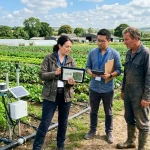
As weather becomes increasingly unpredictable, farmers face challenges in planting and harvesting cycles. Droughts can severely limit water availability, while unexpected floods can wash away crops and soil. These changes put immense pressure on traditional farming practices, making it crucial for farmers to adapt to new realities. Implementing sustainable agricultural practices like crop rotation and no-till farming can increase soil resilience against erosion and nutrient loss. Additionally, investing in technologies such as precision agriculture can optimize resource use, thereby enhancing productivity even under adverse conditions[[2](https://www.oxfamamerica.org/explore/stories/how-will-climate-change-affect-agriculture/)].
Impacts on Food Security and Nutrition
The implications of climate change on agriculture extend beyond mere crop yields; they pose a direct threat to food security and nutrition. As certain crops fail or become less productive due to climate impacts, food availability diminishes, leading to higher prices and increased malnutrition risks, particularly in vulnerable communities. The World Bank emphasizes the need for climate-smart agriculture strategies that can help mitigate these issues by promoting practices that enhance resilience and reduce greenhouse gas emissions[[3](https://www.worldbank.org/en/topic/climate-smart-agriculture)].
Community-Led Innovations
Communities around the globe are beginning to recognize the importance of collaborative and innovative approaches to adapt to these challenges. For instance, local agricultural cooperatives are experimenting with drought-resistant crop varieties and improved irrigation practices to combat water scarcity. By supporting farmers in training programs that focus on sustainable practices and resilience, communities can foster a farming culture that thrives despite climate adversities.
Encouragingly, the intersection of technology and tradition in agricultural practices offers hope. By leveraging climate data and community knowledge, we can develop strategies that not only safeguard our food systems but also promote environmental health. Through this proactive stance, we can work collectively towards a sustainable agricultural future that nourishes the planet and its inhabitants.
Health Implications of Climate Change
The escalating effects of climate change are not just environmental; they pose serious health risks that reverberate throughout global communities. Rising temperatures and extreme weather events can lead directly to increased morbidity and mortality. According to the World Health Organization (WHO), climate change could cause an additional 250,000 deaths per year between 2030 and 2050 due to malnutrition, malaria, diarrhea, and heat stress. These changes are altering our natural world and reshaping the patterns of diseases and access to healthcare.
Despite being a global challenge, the often manifest locally, particularly in vulnerable populations. For example, heatwaves can exacerbate heart and respiratory diseases, particularly in the elderly or those with preexisting conditions. Urban areas, with their heat islands and pollution, can see spikes in heat-related illnesses during these extreme conditions, leading healthcare systems to become overwhelmed. Additionally, shifting weather patterns can enhance the breeding grounds for disease-carrying vectors like mosquitoes, resulting in a surge in diseases such as dengue fever and Zika virus in traditionally unaffected areas.
Nutrition and Food Security Challenges
The intertwining of climate change with food security directly impacts nutrition, significantly affecting public health. Fluctuating temperatures and unpredictable weather patterns can lead to crop failures and a decline in food availability. This can increase food prices, making nutritious food less accessible, particularly for low-income families. Food insecurity is closely associated with various health issues, including obesity, diabetes, and malnutrition. Addressing these challenges will require innovative agricultural practices, such as climate-smart agriculture, which not only aims to improve food production but also enhances resilience against climate impacts.
Practical Steps for Health Resilience
To mitigate these health risks, communities can adopt several practical strategies:
- Strengthening Public Health Systems: Investing in healthcare infrastructure is crucial. This includes increasing access to healthcare services, especially in marginalized areas, to manage the health impacts of climate change.
- Raising Awareness and Education: Public health campaigns that educate communities about the health risks of climate change can empower individuals to take proactive measures. Knowledge about preventive healthcare, nutrition, and emergency preparedness can save lives.
- Promoting Sustainable Practices: Encouraging sustainable land and water management can improve food security and health outcomes by ensuring a more stable food supply and reduce vulnerability to climate impacts.
By acknowledging the profound links between climate change and public health, communities can take informed actions to mitigate these risks and prepare for a healthier future. Individuals, organizations, and governments must prioritize health in climate strategies, ensuring a collective response to this looming crisis.
Economic Consequences of Environmental Changes
The financial ramifications of climate change are profound and multifaceted, affecting every corner of the global economy. For example, the Global Commission on Adaptation estimates that climate change could push an additional 100 million people into extreme poverty by 2030, due to the increased frequency of natural disasters, disruptions to food supply chains, and the rising costs associated with health care. Countries that depend heavily on agriculture or tourism, such as those in the Caribbean and sub-Saharan Africa, will face particularly dire economic challenges as changing weather patterns disrupt their primary sources of income.
Investments in infrastructure are at the forefront of adapting to these environmental changes. Cities are increasingly burdened by climate impacts, and the cost of repairing and retrofitting infrastructure is skyrocketing. In the U.S. alone, the National Oceanic and Atmospheric Administration (NOAA) reported that climate-related disasters have cost the country over $1 trillion from 1980 to 2019. These figures underscore the urgent need for communities to invest in resilient infrastructures such as flood defenses, improved drainage systems, and retrofitted buildings that can withstand extreme weather.
Business Impacts
Businesses are not immune to the effects of climate change either; in fact, they face significant risks that can threaten profitability and sustainability. A study from the Swiss Re Institute highlighted that a warming climate could cost the global economy $23 trillion by 2050, driven by losses in productivity, increased health care costs, and shifts in consumer demand towards more sustainable products. Companies must adapt by pivoting their business models to prioritize sustainability, reduce carbon footprints, and invest in renewable energy sources to mitigate risks while meeting the evolving preferences of consumers.
Practical Steps for Businesses and Communities
To address these economic consequences effectively, both businesses and communities can adopt several strategies:
- Investing in Green Technologies: Transitioning to renewable energy sources, such as solar and wind, can reduce long-term operational costs and create new market opportunities.
- Enhancing Disaster Preparedness: Communities can develop comprehensive disaster response plans and invest in resilient infrastructure, which can save costs in the event of natural disasters.
- Promoting Sustainable Practices: Encouraging local businesses to adopt sustainable practices can enhance their competitiveness and appeal to environmentally conscious consumers.
By taking proactive measures to understand and address the economic implications of climate change, communities and businesses can not only mitigate financial risks but also unlock new opportunities for innovation and growth in a shifting global economy.
Renewable Energy Solutions to Combat Climate Change
Transitioning to renewable energy is not just a strategic response to combat climate change; it’s a crucial step toward a sustainable future for our planet. The global shift from fossil fuels to renewable energy sources, such as wind, solar, and hydropower, not only helps reduce greenhouse gas emissions but also fosters economic growth, energy security, and job creation. According to the International Renewable Energy Agency (IRENA), jobs in the renewable energy sector are projected to reach 24 million by 2030, demonstrating the sector’s potential to contribute significantly to global employment while mitigating environmental damage.
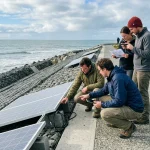
One effective strategy for adopting renewable energy is to initiate community-based projects that can have both local and global impacts. For instance, the development of solar co-operatives allows multiple stakeholders to invest in and benefit from solar panels, thereby democratizing energy production and making it more affordable. Moreover, cities like San Diego and Burlington have set ambitious goals to meet 100% of their electricity needs from renewable sources. Their experiences show that it is feasible to implement sustainable energy policies that not only address climate needs but also stimulate local economies and enhance community resilience.
The integration of renewable energy technologies into the existing grid system is vital. This involves modernizing grids to handle distributed energy generation from renewable sources. Energy storage solutions, such as advanced battery systems, play a crucial role in smoothing out the intermittent nature of wind and solar power, ensuring that supply consistently meets demand. Moreover, governments can incentivize the adoption of clean technologies through tax credits, rebates, and grants, making it easier for businesses and households to transition to renewable energy.
As communities adopt renewable energy solutions, they also contribute to a broader movement toward sustainability and ecological stewardship. Actions such as promoting energy efficiency, investing in smart grid technology, and developing sustainable transportation options enhance the benefits gained from shifting to renewable sources. Ultimately, addressing climate change through renewable energy is not merely an environmental necessity but a profound opportunity to strengthen economies, foster innovation, and pave the way for a sustainable future.
Community Resilience in the Face of Climate Change
As climate change intensifies, communities around the world face unprecedented challenges, necessitating innovative solutions for resilience. Communities that actively engage in preparation and adaptation not only safeguard their futures but also enhance their social cohesion and economic viability. A striking example of such resilience can be seen in coastal cities that have developed comprehensive climate action plans. These plans often include investing in green infrastructure, such as restoring wetlands and creating green roofs, which help to manage flooding, reduce heat, and improve air quality.
Building Community Bonds
Fostering a strong community network is key to resilience. Neighborhood groups can organize training sessions on emergency preparedness, educate residents about local climate risks, and establish communication plans to ensure everyone is informed during crises. For instance, in New York City, the Community Emergency Response Team (CERT) program trains citizens in disaster preparedness skills, enabling them to help their communities during emergencies. By empowering individuals and encouraging collaboration, communities can respond more effectively to climate-related events.
Utilizing Local Resources
Another effective strategy is leveraging local resources to enhance resilience. Community gardens not only promote food security but also serve as educational platforms about sustainable practices. In Detroit, urban farms have transformed vacant lots into productive spaces, providing fresh produce and fostering a sense of ownership among residents. These initiatives can reduce food deserts and improve nutrition while also creating local jobs and strengthening community ties.
Education and Advocacy
Education plays a critical role in community resilience. Programs aimed at raising awareness about climate change impacts and sustainable practices can inspire grassroots actions, driving local and regional efforts toward sustainability. Workshops on energy conservation, waste reduction, and sustainable transportation can engage residents in mitigating their carbon footprints while fostering a culture of environmental stewardship.
Investing in the Future
Financial strategies are also vital for building resilience. Communities can leverage public funds, grants, and private investments to support climate adaptation projects. By prioritizing resilience in local budgets, municipalities can fund initiatives such as upgrading infrastructure to withstand storms or enhancing public transportation to reduce dependence on fossil fuels. According to a report from the National Oceanic and Atmospheric Administration (NOAA), every dollar invested in resilience can yield $6 in avoided losses.
In conclusion, by fostering strong community bonds, utilizing local resources, advocating for education, and investing smartly in the future, communities can not only weather the storms brought by climate change but emerge stronger and more united. Through collaborative efforts and innovative strategies, resilience can become a reality for communities facing the daunting impacts of global climate change.
Climate Change Adaptation Strategies for Wildlife
As ecosystems face the looming threats of climate change, wildlife adaptation emerges as a crucial line of defense in preserving biodiversity. The shifting of habitats due to temperature changes, altered precipitation patterns, and extreme weather events places immense pressure on animal species, pinpointing the urgent need for effective wildlife adaptation strategies that not only mitigate these challenges but also promote long-term resilience.
One promising approach in this area is the creation of wildlife corridors, which enable animals to migrate safely between habitats as their traditional ranges shift. Such corridors can occur in various forms, including natural habitat pathways or managed spaces that connect fragmented ecosystems. For instance, the Yellowstone to Yukon Conservation Initiative is designed to connect protected areas across the Rocky Mountains, facilitating the movement of species like grizzly bears and wolves, which are increasingly displaced from their natural habitats due to climate pressures.
Conservation strategies that include habitat restoration play a pivotal role as well. By rehabilitating degraded ecosystems through reforestation and wetland restoration, communities can provide safe havens for wildlife impacted by climate change. A successful case is the restoration of the longleaf pine ecosystem in the southeastern United States, which not only benefits an array of wildlife species but also improves carbon sequestration and water quality, showcasing a multifaceted approach to ecosystem management.
Public awareness and community involvement are integral to these strategies. Engaging local communities in wildlife monitoring and conservation efforts fosters a sense of stewardship and responsibility for local ecosystems. Education programs that encourage citizen science initiatives-such as tracking migratory patterns or participation in habitat restoration efforts-empower the public and enhance data collection, which is vital for understanding the impacts of climate change on wildlife.
Ultimately, innovative strategies, such as the implementation of adaptive management practices that allow for rapid responses to changing environmental conditions, coupled with community engagement and habitat restoration, will create resilient ecosystems capable of weathering the impacts of climate change. By prioritizing these efforts, we can ensure a thriving future for wildlife and the invaluable role they play in our planet’s health.
The Future: Innovations to Mitigate Environmental Impact
Innovative solutions to mitigate the environmental impacts of climate change are evolving at an unprecedented pace, offering hope amidst daunting challenges. One of the most promising developments in this arena is the rise of nature-based solutions, which harness the power of natural ecosystems to combat climate change while enhancing biodiversity and supporting local communities. These solutions range from reforestation projects that restore carbon-sequestering forests to wetland restoration initiatives that provide habitats for wildlife and clean water for nearby communities.
In urban settings, green infrastructure is gaining traction, where cities incorporate parks, green roofs, and permeable surfaces to manage stormwater, reduce heat islands, and improve air quality. For example, cities like Philadelphia and New York have implemented green roofs and rain gardens, which not only mitigate flooding during heavy rains but also offer recreational spaces for residents. This integrated approach to urban planning not only addresses immediate environmental impacts but also enhances community resilience against climate-related disasters.
Moreover, advancements in renewable energy technologies are fundamentally reshaping how we generate and consume power. The cost of solar and wind energy has plummeted, making them more accessible than ever. Communities that invest in local renewable energy projects, such as community solar gardens or wind farms, can diminish reliance on fossil fuels while boosting local economies. According to recent studies, transitioning to renewable energy not only reduces greenhouse gas emissions but also creates more jobs than traditional fossil fuel industries, highlighting a dual benefit for the environment and the economy.
Lastly, the importance of education and awareness cannot be overstated in the fight against climate change. Engaging individuals and communities in sustainability practices-be it through school programs that teach children about biodiversity or community workshops on energy efficiency-fosters a culture of stewardship and responsibility. For instance, community-led clean-up events and tree-planting days not only enrich local ecosystems but also strengthen community ties and enhance collective action towards sustainable practices.
By blending innovative technologies with community-driven initiatives and a commitment to restoring natural processes, we can pave a sustainable path forward. These strategies not only address the impacts of climate change but also foster resilient ecosystems, nurturing a healthier planet for future generations.
Q&A
Q: How does global climate change impact air quality?
A: Global climate change adversely affects air quality by increasing the frequency of heatwaves, which can exacerbate ground-level ozone formation. Higher temperatures can also lead to more wildfires, releasing pollutants into the air. Reducing emissions through cleaner energy sources is vital for improving air quality. Explore more in the section on “Health Implications of Climate Change.”
Q: What are the effects of climate change on ocean acidification?
A: Climate change leads to increased carbon dioxide levels, resulting in greater ocean acidification. This process negatively affects marine life, particularly organisms with calcium carbonate shells, like corals and shellfish, disrupting marine ecosystems. To learn more, check the section on “The Impact of Global Climate Change on Ecosystems.”
Q: How does climate change affect human migration patterns?
A: Climate change significantly influences human migration as people flee from extreme weather events, rising sea levels, and resource scarcity. This internal and international migration alters demographics and can create tensions in host communities. The “Economic Consequences of Environmental Changes” section delves deeper into these implications.
Q: What role does deforestation play in climate change?
A: Deforestation contributes to climate change by releasing stored carbon dioxide from trees into the atmosphere, intensifying the greenhouse effect. Protecting and restoring forests is a crucial mitigation strategy. More information can be found in the section “Renewable Energy Solutions to Combat Climate Change.”
Q: How does climate change affect freshwater availability?
A: Climate change impacts freshwater resources by altering precipitation patterns, leading to droughts and floods. This variability threatens water supply and quality for ecosystems and human use. Visit the section on “Climate Change and Freshwater Resources” for further insights.
Q: What is the connection between climate change and extreme weather events?
A: Climate change increases the intensity and frequency of extreme weather events such as hurricanes, floods, and droughts. These phenomena disrupt ecosystems and pose risks to human safety and infrastructure. For more details, refer to the section on “How Climate Change Alters Weather Patterns.”
Q: How does climate change affect agricultural productivity?
A: Climate change influences agricultural productivity through shifting weather patterns, affecting crop yields and food security. Increased temperatures and unpredictable rainfall can lead to lower productivity and increased pest and disease outbreaks. The section “Impact of Climate Change on Agriculture” provides further analysis.
Q: Why is biodiversity at risk due to climate change?
A: Biodiversity is threatened by climate change as species struggle to adapt to rapid environmental changes, leading to habitat loss and extinction. Preserving natural habitats and promoting conservation efforts are critical. Explore the “Effects of Climate Change on Biodiversity” section for a comprehensive understanding.
Wrapping Up
As we conclude our exploration of how global climate change affects the environment, it’s clear that awareness is just the first step toward impactful action. The urgent need for change is underscored by forecasts indicating that global temperatures will continue to rise, possibly reaching levels that could disrupt our ecosystems within the next few years [1]. Understanding these consequences is vital, and it empowers you to make informed decisions that contribute to a healthier planet.
We encourage you to dive deeper by checking out our related articles on the critical importance of reducing carbon emissions and sustainable living practices. Every small action counts. If you haven’t already, consider signing up for our newsletter, where you’ll receive the latest insights and tools needed to foster resilience against climate impacts. Let’s work together to ensure future generations inherit a thriving planet. Share your thoughts in the comments below, and explore our resources designed to help you take actionable steps against climate change. Your engagement today can spark significant change tomorrow!
Get our latest guides, news, and insights highlighted in your Google Search & AI Overviews.