How Has The Industrial Revolution Contributed To Climate Change encompasses dedicated strategies, analytical frameworks, and capital allocation models designed to balance competitive, risk-adjusted financial returns with verified operational transparency, regulatory compliance, and sustainable economic additionality.
The Industrial Revolution, a defining period in human history, fundamentally altered our societies and economies, but it also set in motion significant environmental changes that contribute to climate change today. As factories boomed and coal became the dominant energy source, carbon emissions surged, leading to global warming and ecological disruption. This topic is vital for everyone invested in the future of our planet. Understanding the link between industrial progress and environmental impact empowers us to make informed choices that could steer us toward a more sustainable future. As we explore how this transformative era has shaped our climate crisis, you’ll discover actionable insights that highlight the urgent need for responsible industrial practices today. Join us on this journey to uncover the past and envision a more sustainable tomorrow.
The Industrial Revolution: A Catalyst for Change
The Industrial Revolution, often heralded as a period of unprecedented progress and innovation, served as a significant catalyst for change that laid the groundwork for our modern economies. However, this transformation came at a steep environmental cost. Beginning in the late 18th century, industrialization shifted societies from agrarian lifestyles to ones deeply embedded in manufacturing and technology. This transformation not only increased productivity but also spurred the massive consumption of natural resources and the emission of greenhouse gases, thereby setting in motion many of the climate challenges we face today.
As industries proliferated, so did the reliance on fossil fuels, fundamentally altering our relationship with the planet. The widespread adoption of coal as a primary energy source enabled factories to produce goods at volumes previously thought impossible. This surge in production culminated in increased emissions of carbon dioxide and other pollutants, significantly contributing to global warming. For instance, it’s estimated that industrial activities have contributed to about 70% of global greenhouse gas emissions since the late 18th century. The interconnection between industrial growth and environmental degradation is stark; while the revolution bolstered economies and transformed societies, it also initiated a trajectory toward climate change that we are reckoning with today.
Repercussions on the Environment
This period also saw a radical change in land use, as urban areas expanded rapidly to accommodate burgeoning industries and their labor forces. Urbanization has been both a symptom and a cause of environmental strain, leading to increased carbon emissions associated with transportation, heating, and waste management. Cities, once small and sustainable, grew into sprawling metropolises with heavy carbon footprints. The World Health Organization reports that urban areas are responsible for over 60% of global emissions, highlighting the need for sustainable urban planning.
Moving forward, it’s crucial to channel the ingenuity and innovative spirit of the Industrial Revolution into constructing a sustainable future. The lessons learned from this historic period can inform strategies to mitigate climate change today. Embracing clean technologies and renewable energy sources, rethinking production and consumption patterns, and implementing policies that prioritize environmental health are essential steps in overcoming the industrial legacy on our planet. By harnessing the same transformative potential that fueled the Industrial Revolution, we can work towards a greener, more equitable future for generations to come.
Understanding the Environmental Impact of Industrialization
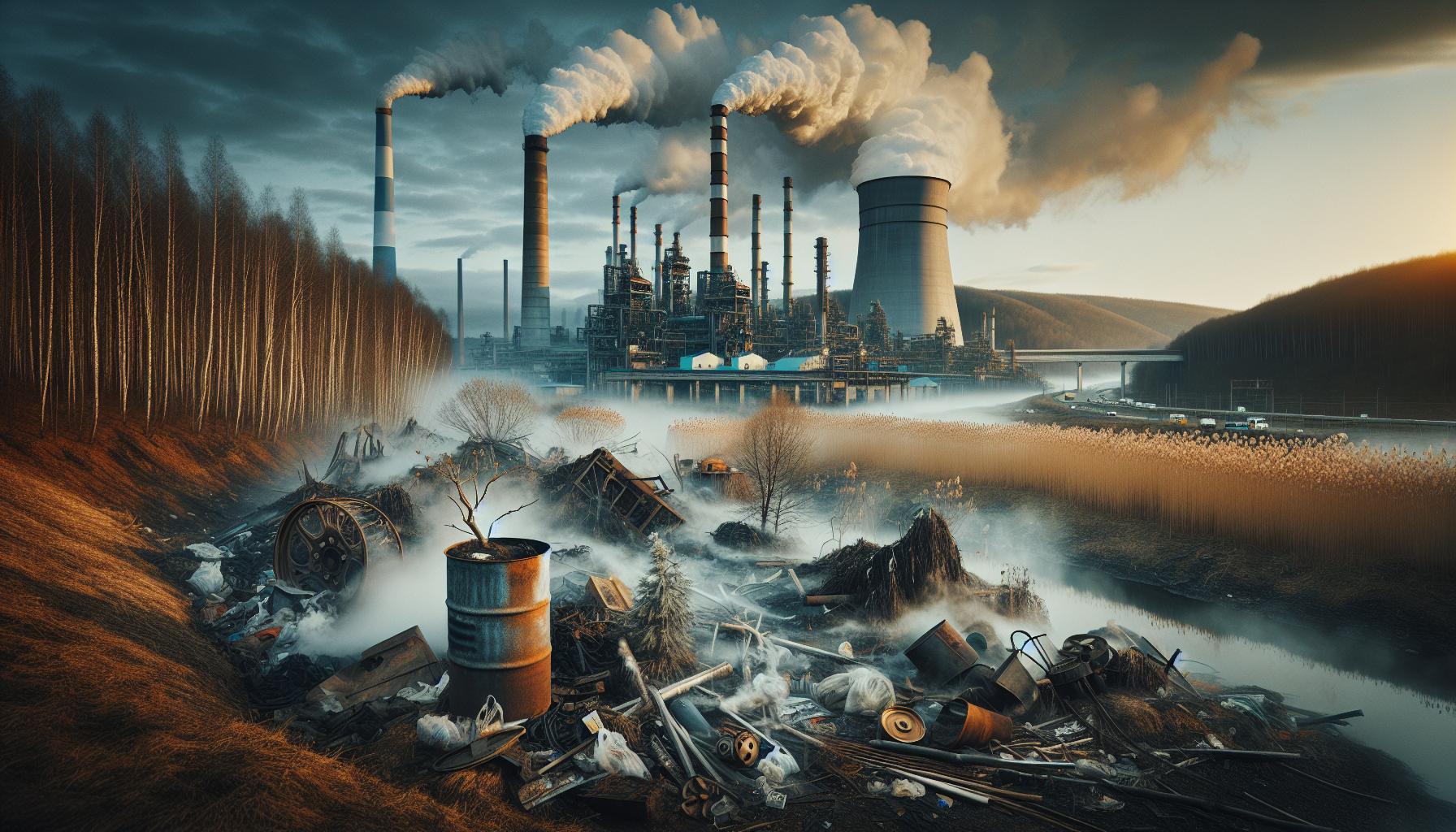
The transition from agrarian societies to industrial powerhouses has had profound implications for our planet, with consequences that have reverberated through centuries. Industrialization, starting in the late 18th century, marked a seismic shift that optimized production but also unleashed a torrent of environmental challenges that we continue to grapple with today. A staggering illustration of this impact is the fact that industrial activities have contributed approximately 70% of global greenhouse gas emissions since the dawn of the Industrial Revolution. This dramatic increase in emissions is a direct result of our growing dependence on fossil fuels, particularly coal, which transformed not only economies but also the Earth’s climate.
A significant environmental impact of industrialization lies in the way it altered land use and urban landscapes. As industries burgeoned, urban areas expanded to house workers flocking to cities for job opportunities, leading to sprawling metropolises characterized by increased carbon footprints. Urbanization has become both a response to and a driver of environmental degradation, as cities now account for over 60% of global emissions, according to the World Health Organization. This trend underscores an urgent need for sustainable urban planning and innovative approaches to mitigate carbon emissions through greener infrastructure.
To address these long-standing environmental challenges, it is essential for us to learn from the past and embrace forward-thinking strategies. A multi-faceted approach might include:
- Adopting Clean Technologies: Transitioning from fossil fuels to renewable energy sources such as wind, solar, and hydroelectric power can significantly reduce greenhouse gas emissions.
- Rethinking Production Patterns: Implementing circular economy principles helps minimize waste and promotes the reuse and recycling of materials, thus decreasing the resource consumption associated with traditional manufacturing.
- Implementing Sustainable Policies: Governments and businesses can prioritize environmental health by establishing regulations that encourage sustainable practices and penalize harmful emissions.
- Promoting Community Engagement: Involving local communities in sustainability initiatives fosters a collective responsibility towards reducing carbon footprints and enhances awareness of environmental issues.
As we navigate the complexities of industrial legacies, it becomes increasingly clear that harnessing the innovation that characterized the Industrial Revolution can guide us toward a sustainable future. By adopting a balanced approach that values economic growth alongside environmental stewardship, we can not only address the past but also pave the way for future generations to thrive in harmony with the planet.
Key Industries Driving Climate Change Today
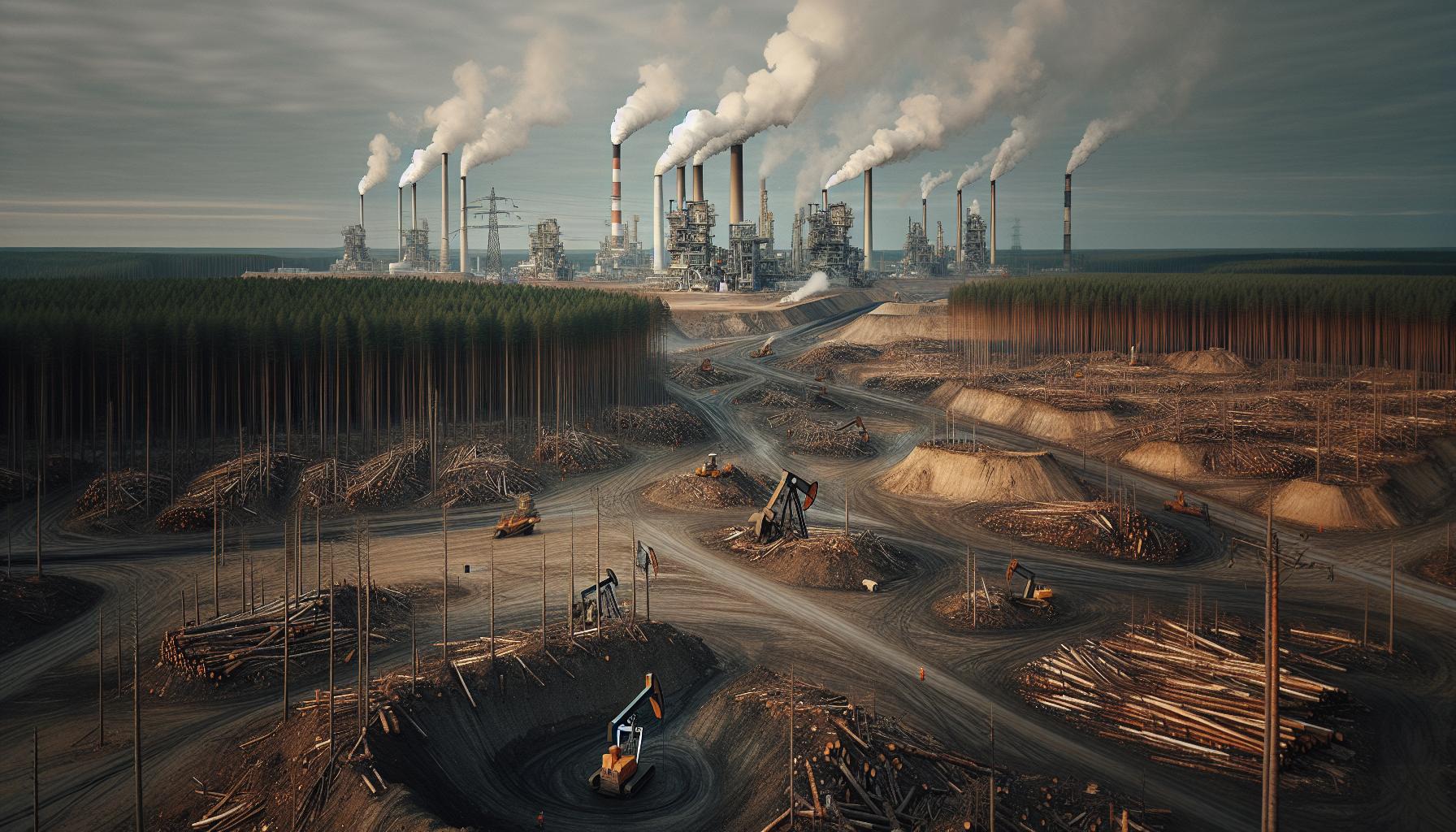
The industrial landscape today is significantly shaped by a few key industries that are major contributors to climate change, with roots tracing back to the Industrial Revolution. Understanding these industries not only illuminates their role in global warming but also highlights potential pathways for sustainable transformation. For instance, the energy sector, primarily powered by fossil fuels, remains the largest emitter of greenhouse gases. As countries prioritize economic growth, the energy produced from coal, oil, and natural gas exceeds sustainable limits, resulting in excessive carbon emissions that exacerbate climate change.
Manufacturing is another critical industry that drives climate change, particularly through high energy consumption and waste generation. Sectors like textiles, chemicals, and electronics often rely on outdated practices and materials that are neither sustainable nor efficient. The rapid pace of production, combined with the demand for cheap goods, leads to significant water pollution and enormous textile waste, where the equivalent of one garbage truck of textiles is sent to landfills every second according to the United Nations. This reality has spurred initiatives focusing on sustainable manufacturing and extends the call for industries to innovate towards more eco-friendly processes.
Agriculture, too, plays a pivotal role in climate dynamics. While essential for survival, modern industrial agriculture practices contribute notably to greenhouse gas emissions through methane from livestock and nitrous oxide from fertilizers. This results from the extensive use of synthetic fertilizers, monocultures, and heavy machinery, all of which further deteriorate soil health and biodiversity. Transitioning to regenerative agricultural practices can mitigate these effects, emphasizing crop diversity, organic farming methods, and soil restoration to sequester carbon and enhance ecosystem resilience.
In addressing the challenges posed by these industries, actionable strategies are emerging. Implementing energy-efficient technologies, fostering circular economy principles, and investing in sustainable supply chains are vital. Companies can explore renewable energy options to power operations, adopt waste reduction strategies, and engage in partnerships for technological innovation. Furthermore, policy measures and incentives can stimulate shifts towards greener practices, encouraging investments aimed at sustainability while generating economic benefits.
By understanding the influence of these industries and adopting sustainable practices, stakeholders can take proactive steps towards mitigating climate change. Every small change, from corporate responsibility to consumer choices, contributes to a collective effort that can steer us towards a more sustainable future.
How Fossil Fuels Changed the Climate Game
The discovery and widespread use of fossil fuels have revolutionized our energy systems, propelling the Industrial Revolution and shaping the modern world. Today, fossil fuels account for about 80% of global energy consumption, but this achievement comes at a significant cost to our climate and environment. The combustion of coal, oil, and natural gas generates a substantial portion of greenhouse gases (GHGs), with carbon dioxide (CO2) as the primary contributor to global warming. In fact, the energy sector alone is responsible for approximately 75% of GHG emissions globally. This staggering statistic highlights how deeply entrenched fossil fuels are in our energy policies and consumption patterns, influencing everything from transportation to electricity generation.
In the early stages of industrialization, coal became the backbone of energy production, powering steam engines and factories. This led to dramatic economic growth but initiated a cycle of pollution that has persisted. The shift to oil in the 20th century further accelerated climate change, with cars, airplanes, and ships relying heavily on gasoline and diesel. As cities and industries grew, so did the demand for energy, resulting in an overwhelming reliance on fossil fuels. Today, millions of vehicles and power plants emit greenhouse gases continuously, contributing to the rising global temperatures and erratic weather patterns we observe.
Transitioning away from fossil fuels is not just an environmental imperative but also a practical necessity. Innovations in renewable energy-such as solar, wind, and hydroelectric power-offer viable alternatives. For instance, countries like Denmark and Germany are leading the charge with ambitious renewable energy targets that aim to significantly reduce fossil fuel dependence. Governments and businesses can take actionable steps by investing in energy-efficient technologies, facilitating training in renewable energy sectors, and encouraging community-based solar initiatives.
Ultimately, the path to a sustainable future lies in rethinking our relationship with energy. Consumers play a pivotal role through choices such as using public transportation, advocating for clean energy policies, or supporting companies that prioritize sustainability. Through a collective commitment to moving beyond fossil fuels, we can mitigate climate change and capitalize on the numerous benefits that cleaner, healthier energy sources offer, ensuring a viable planet for future generations.
Deforestation and Its Role in Climate Effects
The alarming rate of deforestation, driven largely by industrial activities, has become a critical contributor to climate change. Every year, millions of acres of forests are cleared to make way for agriculture, urban development, and resource extraction, leading to significant increases in greenhouse gas emissions. In fact, deforestation accounts for approximately 10% to 15% of global carbon dioxide emissions, as trees that once absorbed CO2 are removed, and the carbon stored in their biomass is released into the atmosphere. This dual impact underscores the urgency of addressing deforestation within the broader context of industrialization.
Understanding the Mechanisms
At its core, deforestation exacerbates climate change through two primary mechanisms: the reduction of carbon storage and the transformation of land use. When forests are cut down, not only is the carbon dioxide stored in the trees released, but the capacity of the earth to sequester carbon is drastically diminished. Forests play a vital role in the carbon cycle, acting as critical sinks that absorb CO2. Moreover, replacing forests with agricultural land or urban structures can increase soil degradation, releasing additional carbon and creating feedback loops that further aggravate climate change.
The expansion of agricultural frontiers, particularly in tropical regions, often involves clear-cutting vast areas of forest. For example, the Amazon rainforest, known as “the lungs of the planet,” has seen extensive clearing for cattle ranching and soy production. The repercussions extend beyond climate, impacting biodiversity and indigenous communities reliant on forest ecosystems. Integrating sustainable agricultural practices, such as agroforestry, can help mitigate these effects by promoting land use that conserves forest cover while still meeting human needs.
Strategies for Combating Deforestation
To combat the detrimental effects of deforestation, governments, businesses, and individuals can adopt various strategies aimed at sustainability. Some effective actions include:
- Implementing reforestation and afforestation projects: Planting trees in deforested areas can restore ecosystems and mitigate emissions.
- Promoting sustainable land use practices: Encouraging agriculture that maintains forest cover-such as permaculture or integrated farming-can provide food resources without sacrificing forests.
- Supporting policies that protect forests: Advocating for stronger regulations and incentives for conservation can reduce deforestation rates significantly.
- Raising awareness and education: Communities informed about the importance of forests and climate change can drive grassroots movements toward sustainable practices.
Real-world examples provide hope; initiatives like Brazil’s successful reduction in deforestation rates through targeted policies and community involvement demonstrate that meaningful change is possible. By directly addressing the root causes of deforestation tied to industrial practices, society can work towards a more sustainable future, aligning economic activities with ecological preservation.
The Rise of Urbanization and Carbon Emissions
The rapid urbanization experienced since the Industrial Revolution has significantly altered the landscape of both society and the environment. As cities expand, they become centers of industrial activity, attracting populations seeking jobs and better living conditions. However, this shift has also led to a sharp increase in carbon emissions. For instance, urban areas, which account for more than 70% of global greenhouse gas emissions, exemplify the direct correlation between population density and pollution levels. The transition from agrarian economies to industrialized urban centers has necessitated energy-intensive infrastructure and transportation systems, further exacerbating the climate crisis.
One of the key drivers of urban-related emissions is the dependency on fossil fuels. Transportation, housing, and industry within urbanized regions rely heavily on carbon-intensive energy sources. Cars, trucks, and buses emit significant amounts of CO2, contributing to poor air quality and climate change. Moreover, the construction processes involved in developing urban areas-including concrete production-are also energy-intensive. As cities continue to grow, the exponential increase in energy demand raises concerns about sustainability and environmental resilience.
Effective Approaches to Sustainable Urbanization
To address the climate challenges posed by urbanization, cities can adopt sustainable practices aimed at reducing carbon footprints. Here are several strategies that can be effectively implemented:
- Investing in Public Transport: Developing robust public transportation systems can reduce the number of vehicles on the road, cutting down emissions significantly.
- Promoting Green Building Standards: Implementing regulations for energy-efficient buildings can drastically reduce energy consumption and greenhouse gas emissions.
- Enhancing Urban Green Spaces: Integrating parks and green roofs can help absorb CO2, improve air quality, and provide essential habitats for biodiversity.
- Encouraging Renewable Energy Use: Supporting the transition to solar, wind, and other renewable energy sources can decrease reliance on fossil fuels.
Real-world examples highlight the potential for meaningful change. Cities like Copenhagen have successfully implemented comprehensive cycling infrastructure and extensive public transport networks, resulting in reduced car dependency and lower carbon emissions. Furthermore, adopting smart city technologies can optimize energy usage and enhance sustainability measures. By reframing urban development through the lens of sustainability and environmental stewardship, cities can not only address the climate crisis but also improve the quality of life for their residents. Through collective action and innovative solutions, urbanization can evolve into a force for positive change rather than a driver of environmental degradation.
Technological Progress: Blessing or Curse for the Planet?
The advent of the Industrial Revolution marked a turning point in human history, dramatically transforming economies and societies. While these advancements catalyzed unprecedented growth and development, they also initiated a significant environmental crisis. The technologies that propelled industrial progress, such as steam engines and mechanized production, relied heavily on fossil fuels, leading to increased carbon dioxide emissions. In fact, atmospheric CO2 levels are now approximately 50% higher than pre-industrial levels, with concentrations exceeding 400 parts per million in recent years[3].
The question arises: has technological progress been a blessing or a curse for our planet? On one hand, innovation has enabled remarkable feats, from improved agricultural practices that sustain growing populations to advancements in renewable energy technologies that hold the promise of a sustainable future. In recent times, countries like Germany have emerged as leaders in implementing solar energy systems, demonstrating how technology can pivot towards sustainability. However, technological progress often comes with a dual narrative – for every renewable solution, there seems to be a corresponding environmental cost borne by traditional practices.
To harness the benefits of technological advancement while mitigating its detrimental effects, a critical shift in focus is essential. Here are some frameworks for action:
- Embrace Circular Economy Principles: By promoting systems that prioritize recycling and reuse, we can reduce waste and lessen the demand for new raw materials.
- Invest in Clean Technologies: Supporting the development and adoption of technologies that minimize emissions – such as electric vehicles, energy-efficient appliances, and carbon capture methods – can significantly mitigate our carbon footprint.
- Leverage Data for Sustainable Decisions: Utilizing AI and data analytics can optimize resource use, monitor emissions, and enhance efficiency across industries.
- Foster Collaborative Innovations: Partnerships between governments, businesses, and communities can accelerate the development of sustainable technologies and promote responsible consumption.
While the legacy of industrialization presents significant challenges, the potential for technology to contribute positively to environmental sustainability is immense. By focusing on responsible innovation and adopting solutions that prioritize ecological health, we can transform the narrative of technological development from a curse into a powerful tool for positive change. It is essential to remember that the tools of industry can be reengineered to support sustainability, ensuring that progress does not come at the expense of the planet but rather enhances its health and vitality for future generations.
Social Inequalities Surfacing from Industrial Growth
As industrial growth surged, the benefits were not equitably distributed. While rising technologies elevated some into prosperity, others faced displacement and marginalization. Historically, the Industrial Revolution fostered economic prosperity, yet it also entailed significant social upheavals that exacerbated inequalities. Those who had access to education and capital reaped the rewards, while a vast majority, especially in developing regions, faced dire consequences both economically and environmentally.
The intersection of climate change and societal inequality is stark. Vulnerable populations, who contribute the least to greenhouse gas emissions, often suffer the most from climate impacts. For instance, communities in low-lying coastal areas are not only facing rising sea levels but also struggling with lack of resources to adapt or relocate. This situation leads to a cycle where the disadvantaged have fewer means to invest in sustainable practices and become even more reliant on environmentally harmful industries for their livelihoods.
To address these disparities, a multi-faceted strategy is essential. Here are some actionable steps:
- Inclusive Policy Development: Government policies should explicitly aim to reduce disparities, ensuring that economic development efforts include marginalized groups.
- Community Empowerment: Providing education and skills training can equip local populations with the tools needed to engage in sustainable economic opportunities.
- Investing in Green Jobs: Creating employment opportunities in renewable energy sectors can uplift disadvantaged communities while fostering environmental stewardship.
- Collaborative Solutions: Involve local communities in designing and implementing climate adaptation strategies to ensure they address specific challenges faced by those most impacted.
By rendering social inequalities visible and actionable in the context of climate change, it’s possible to foster a more just and resilient future. Empowering the most affected populations not only aids in combating the adverse effects of climate change but also ensures that the progress from industrial growth is more equitably shared.
Case Studies: Localized Effects of Industrialization
The legacy of the Industrial Revolution, which began in the late 18th century, continues to resonate today, particularly in how we understand the environmental implications of industrialization. One striking example is the case of Pittsburgh, Pennsylvania, once dubbed “The Steel City.” Throughout the 19th and early 20th centuries, Pittsburgh became an industrial powerhouse, fueled by coal and steel production. However, this rapid industrial growth came at a significant environmental cost, leading to severe air and water pollution that the city struggled with for decades. The soot-filled skies and the infamous “Pittsburgh fog” became symbols of industrial progress turned toxic, highlighting the localized effects of industrial practices on public health and the environment.
In more recent times, the case of Nigeria illustrates how industrialization can exacerbate climate challenges. The Niger Delta region, rich in oil resources, has experienced devastating environmental impacts due to decades of oil extraction. Frequent oil spills, gas flaring, and deforestation have not only disrupted local ecosystems but have also severely affected the livelihoods of communities dependent on fishing and agriculture. This scenario depicts a stark example of how industrial activities can undermine sustainable development, particularly in vulnerable areas that rely heavily on natural resources for subsistence.
To illustrate the localized effects further, consider the impact of the textile industry in Bangladesh, a major hub for global garment production. While this industry has created millions of jobs, it has also led to alarming levels of water pollution, with rivers near garment factories often turning a vivid blue due to toxic dyes. Such pollution affects local communities, where access to clean water becomes a vital issue. The cycle of industrialization here underscores the tension between economic growth and environmental sustainability, urging us to rethink production practices and incorporate eco-friendly methods.
To effectively address such localized challenges, a combination of community engagement and innovative solutions is crucial. Empowering local populations to advocate for clean technologies and implement sustainable practices can pave the way for a healthier environment. Additionally, companies can adopt practices such as water recycling and sustainable sourcing to mitigate their impact. Ultimately, while the Industrial Revolution spurred economic change, learning from its localized effects can guide us toward more sustainable industrial practices that prioritize both people and the planet.
The Long-Term Consequences of Industrial Practices
The enduring legacy of industrial practices initiated during the Industrial Revolution has significantly shaped our contemporary environmental landscape. These practices, rooted in an era characterized by a relentless pursuit of efficiency and production growth, have led to consequences that echo through generations. From the toxic remnants of heavy industry in urban areas to the global climate crisis, the impact of industrialization is profound, evident in rising greenhouse gas emissions and deteriorating ecosystems worldwide.
As economies expanded and industries evolved, the reliance on fossil fuels became a staple of industrial growth-transforming not only energy consumption but also altering the global climate. For instance, fossil fuel combustion for energy and transportation releases substantial amounts of carbon dioxide (CO2) and other greenhouse gases into the atmosphere. A 2021 report indicated that the combustion of fossil fuels accounted for approximately 75% of global greenhouse gas emissions, underscoring the urgent need for transition towards renewable energy sources.
Yet, it is crucial to recognize that the repercussions of these industrial practices extend beyond carbon emissions. Increased urbanization spurred by industrial growth has led to habitat destruction and a significant loss of biodiversity. As cities expanded to accommodate growing labor forces, natural landscapes were transformed into industrial hubs and urban developments, disrupting local wildlife and altering ecosystems irreparably. For example, the rapid urbanization in regions such as Southeast Asia has resulted in extreme biodiversity loss.
To mitigate these long-term consequences, collective action is vital. Individuals, businesses, and governments can adopt eco-friendly practices that prioritize sustainability. Here are a few actionable strategies:
- Emphasize Renewable Energy: Transitioning to solar, wind, and hydroelectric power can dramatically reduce reliance on fossil fuels, which are primary contributors to climate change.
- Implement Sustainable Manufacturing: Industries should embrace circular economy practices, minimizing waste through recycling and reusing materials. For instance, companies can redesign products for reuse, significantly lowering environmental footprints.
- Promote Agricultural Innovation: Sustainable farming practices, such as agroforestry and organic farming, can not only reduce emissions but also restore degraded lands and enhance carbon sequestration.
- Increase Community Awareness: Engaging communities about the importance of sustainability can drive grassroots movements that advocate for responsible consumption and support policies favoring the environment.
Understanding is essential for reimagining a better future. As we stand at a crossroads, the lessons of the Industrial Revolution compel us to pursue an industrial paradigm that harmonizes economic growth with environmental stewardship. By fostering innovation and prioritizing sustainability, we pave the way towards a more resilient planet.
Overcoming Industrial Legacy: Pathways to Sustainability
The consequences of industrialization have left an indelible mark on our environmental landscape, ushering in challenges that require innovative solutions and collective action. Despite the challenges stemming from industrial practices, there is a growing movement towards sustainability that aims to address the legacy of the Industrial Revolution. Transitioning to more sustainable practices not only benefits the environment but also fosters economic resilience and social equity.
One of the most effective pathways to overcome the industrial legacy is transitioning to renewable energy sources. Governments, businesses, and individuals can significantly reduce their carbon footprint by embracing solar, wind, and hydroelectric power. For example, countries like Denmark and Germany have made substantial investments in wind energy, generating a substantial portion of their electricity from renewable sources and showcasing how energy transition can also drive job creation in green sectors. Transitioning not only mitigates the harmful effects of fossil fuels but also serves as an economic catalyst, encouraging innovation in energy technologies.
In addition to energy transformations, embracing sustainable manufacturing practices can dramatically reduce industrial waste and emissions. The circular economy model fosters an ecosystem where products are designed for longevity, repairability, and recyclability. For instance, companies like IKEA have committed to sourcing materials sustainably and offering recycling programs for used products, demonstrating that eco-conscious design not only leads to a reduction in waste but can also resonate with consumers, enhancing brand loyalty while driving profitability.
Moreover, innovative agricultural methods play a pivotal role in reshaping our approach to land use and emissions. Practices such as agroecology, which integrates sustainable practices into food production, enhance biodiversity and mitigate climate impact. A notable example is the increasing adoption of regenerative agriculture, which restores soil health and sequesters carbon. By promoting these eco-friendly farming practices, we can establish a food system that supports both environmental resilience and food security.
Community engagement is also crucial in fostering a culture of sustainability. By raising awareness and promoting responsible consumption habits, local movements can drive significant change. Grassroots initiatives have proven effective in advocating for policies that support environmental sustainability, from community gardens to local solar energy projects. These actions empower communities to take charge of their environmental impact, leading to a more sustainable future.
In sum, the quest to overcome the industrial legacy involves an integration of renewable energy adoption, sustainable manufacturing, innovative agricultural practices, and heightened community awareness. By pursuing these pathways, we can reimagine our industrial systems to align economic growth with ecological stewardship, ensuring a healthier planet for future generations.
Innovations Shaping a Greener Future Post-Industrial Revolution
The quest for a greener future is not just a lofty ideal; it is rapidly taking form through innovative technologies and practices developed in response to the challenges of climate change linked to industrialization. With CO2 levels reaching 417 parts per million by 2021-an increase of over 50% since pre-industrial times-the urgency for effective solutions has never been greater [1].
Renewable Energy Revolution
One of the most impactful innovations shaping a sustainable future is the transition to renewable energy sources. Countries such as Denmark and Germany have led the charge by harnessing wind energy, with Denmark generating over 47% of its electricity from wind turbines in 2019. This energy shift not only mitigates carbon emissions but also generates new employment opportunities in the green sector, showcasing a promising model of how economic vitality can coexist with environmental stewardship.
Circular Economy in Manufacturing
Manufacturing is undergoing a transformation with the adoption of circular economy principles, which prioritize products designed for longevity, repairability, and recyclability. Companies like IKEA exemplify this shift by committing to sustainable sourcing and robust recycling initiatives. These transformations not only reduce waste but also cater to a growing consumer demand for eco-conscious practices, ultimately leading to improved customer loyalty and increased profitability.
Sustainable Agriculture Practices
Innovative agricultural methods are also pivotal in this transition. For instance, regenerative agriculture practices are gaining traction, emphasizing soil health and carbon sequestration. By restoring degraded soils and promoting biodiversity, this approach not only enhances food security but also significantly reduces agricultural emissions. These methods redefine our relationship with the land, encouraging practices such as crop rotation and reduced tillage, which help mitigate climate impact.
Community Engagement and Local Initiatives
Finally, innovative community engagement initiatives are essential to drive grassroots sustainability movements. Local projects, such as community gardens and solar energy programs, empower citizens to take control of their environmental impact. These initiatives not only foster a culture of sustainability but also stimulate local economies and enhance social connectivity, demonstrating that collective action can lead to tangible environmental benefits.
In conclusion, as we continue to navigate the legacy of the Industrial Revolution, embracing these innovations will be crucial in reshaping our future. Through renewable energy adoption, sustainable manufacturing practices, agroecological methods, and community involvement, we can build a resilient, equitable, and eco-friendly society that meets the demands of the present while safeguarding the planet for future generations.
Frequently asked questions
Q: How did the Industrial Revolution influence carbon emissions?
A: The Industrial Revolution significantly increased carbon emissions by introducing machinery powered by fossil fuels. This shift from manual labor to mechanized manufacturing dramatically raised the demand for coal and oil, contributing to higher atmospheric carbon levels and accelerating climate change.
Q: What role did urbanization play in climate change during the Industrial Revolution?
A: Urbanization during the Industrial Revolution led to densely populated cities with high energy demands and increased waste production. The concentration of industries in urban areas exacerbated air pollution and greenhouse gas emissions, further propelling climate change.
Q: How has industrial farming since the Industrial Revolution affected the climate?
A: Industrial farming techniques introduced during the Industrial Revolution rely heavily on fossil fuels for machinery, fertilizers, and transportation. This agricultural shift has led to increased greenhouse gas emissions and soil degradation, contributing to climate change and environmental strain.
Q: What are the long-term environmental effects of industrial practices initiated during the Industrial Revolution?
A: The long-term environmental effects include habitat destruction, reduced biodiversity, and persistent pollution. Industrial practices established during this era continue to impact ecosystems and climate patterns, making recovery efforts challenging and urgent.
Q: How did technological advances in the Industrial Revolution contribute to climate change?
A: Technological advances during the Industrial Revolution, while improving efficiency, often prioritized productivity over ecological concerns. Innovations like steam engines and mass production led to increased fossil fuel use, resulting in significant greenhouse gas emissions and climate impacts.
Q: Why is the Industrial Revolution considered a turning point for climate change?
A: The Industrial Revolution is seen as a turning point for climate change because it marked the transition from agrarian societies to industrial economies, fundamentally altering energy consumption patterns and increasing greenhouse gas emissions at unprecedented rates.
Q: What specific industries from the Industrial Revolution are most responsible for climate change today?
A: Key industries from the Industrial Revolution, such as coal mining, steel manufacturing, and textiles, laid the groundwork for today’s fossil fuel dependence. Their historical emissions continue to contribute to current climate change challenges.
Q: How can lessons from the Industrial Revolution guide current sustainability efforts?
A: Lessons from the Industrial Revolution highlight the importance of sustainable practices and renewable energy. By understanding past industrial impacts, we can develop environmentally sound strategies that minimize climate change while promoting economic growth.
In Summary
The Industrial Revolution undeniably reshaped our world, bringing both remarkable advancements and significant environmental challenges, particularly concerning climate change. As we’ve explored, the shift to industrialized economies led to increased carbon emissions and resource depletion, setting the stage for today’s climate crises. Understanding this connection is crucial for fostering a more sustainable future. We encourage you to reflect on how these historical changes impact your current lifestyle and choices.
To dive deeper, consider exploring our articles on sustainable practices and the latest innovations in renewable energy that can mitigate these historical effects. Don’t miss out on the chance to stay informed-sign up for our newsletter for ongoing insights and practical solutions aimed at navigating the intersection of industry and environment. Join the conversation and share your thoughts in the comments below; your voice matters in shaping an eco-conscious community. Together, let’s turn awareness into action for a healthier planet.
Strategic Insights & Operational Framework (How Has The Industrial Revolution Contributed To Climate Change)
Capital deployment directed toward how has the industrial revolution contributed to climate change addresses fundamental decarbonization and systemic adaptation imperatives across the European continent. Under the European Green Deal and the codified technical screening criteria of the EU Taxonomy, investment managers evaluate operational additions through verified greenhouse gas (GHG) abatement metrics. Achieving market-rate returns while ensuring verified environmental additionality requires continuous telemetry across Scope 1, Scope 2, and Scope 3 supply chain footprints.
Institutional allocators increasingly prioritize assets exhibiting robust climate resilience profiles. This encompasses distributed renewable generation, long-duration battery energy storage systems (BESS), circular industrial feedstock utilization, and permanent technological carbon capture. By insulating asset valuations from accelerating physical climate hazards and carbon compliance costs (such as the EU Emissions Trading System and Carbon Border Adjustment Mechanism), focused allocators capture sustained competitive advantages.
- Empirical Governance: Ensuring rigorous audit trails and adherence to international disclosure frameworks (including SFDR RTS, EU Taxonomy, and GIIN IRIS+ standards).
- Risk-Adjusted Underwriting: Prioritizing assets with verified operational resilience, robust cash-flow coverage, and structural collateral protections.
- Measurable Additionality: Validating that capital deployment produces concrete, quantifiable real-world outcomes beyond conventional baseline market trends.
Comparative Analysis & Decision Matrix: How Has The Industrial Revolution Contributed To Climate Change
| Strategic Pillar | Institutional Standard | Conventional Baseline | Key Investor Advantage |
|---|---|---|---|
| Due Diligence & Verification | Independent third-party audits and continuous telemetry | Unverified self-reported corporate assertions | Mitigates greenwashing, compliance risks, and regulatory fines |
| Capital Protection | Senior secured liens, covenants, and reserve tranches | Unsecured junior or subordinated claims | Preserves principal capital during macroeconomic downturns |
| Cash Flow Predictability | Contracted inflation-indexed revenue streams (PPAs/KIIS) | Unhedged cyclical market exposure | Stabilizes net yield distributions and portfolio duration |
| Regulatory Taxonomy | Direct alignment with SFDR Article 8/9 and ECSPR rules | Unclassified generic marketing labels | Facilitates seamless institutional LP cross-border capital raising |
Frequently Asked Questions About How Has The Industrial Revolution Contributed To Climate Change
What are the primary performance drivers for how has the industrial revolution contributed to climate change?
Performance is driven by disciplined asset selection, adherence to standardized regulatory frameworks, rigorous cost management, and verifiable operational additions that protect against regulatory shifts.
How do investors mitigate downside volatility in this sector?
Downside risk is managed through conservative debt-to-equity ratios, strict loan-to-value limits, diversified position sizing, and ongoing third-party compliance audits.
What documentation is essential before allocating capital?
Essential documentation includes audited financial statements, standardized disclosure summaries (such as Key Investment Information Sheets), independent asset appraisals, and verified additionality telemetry.
Get our latest guides, news, and insights highlighted in your Google Search & AI Overviews.