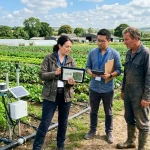
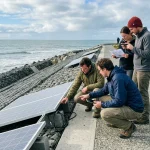
Climate science plays a crucial role in addressing global challenges like climate change, yet many wonder where these scientists find their funding. Approximately $5 billion is being allocated through various funding programs, such as the Climate Pollution Reduction Grants, to support community-driven projects that tackle greenhouse gas emissions and air pollution [3]. Understanding these funding sources not only highlights the financial backbone of climate research but also connects to compelling community needs and environmental sustainability goals. As we explore the funding landscape for climate scientists, readers will uncover insights into how financial decisions influence research directions and ultimately, our collective efforts against climate change. This knowledge empowers individuals and communities to engage with and support climate initiatives actively. Join us in discovering the intricate networks of funding that fuel climate science and the vital importance of making informed investments for a sustainable future.
Where Climate Scientists Find Funding Sources
In the race against climate change, securing adequate funding for research and projects has never been more critical. Climate scientists navigate a complex landscape of financial resources, leveraging a mix of government grants, private investments, nonprofit contributions, and emerging funding avenues like crowdfunding. Understanding where these funding sources originate not only highlights the mechanisms that support climate research but also underscores the importance of collaborative and diverse funding strategies in an increasingly urgent field.
Understanding the Major Funding Sources
Climate scientists generally draw upon several major funding sources, each playing a unique role in shaping their research agendas.
- Government Grants: National and local governments often allocate substantial budgets to climate research through grants. Agencies like the National Science Foundation (NSF) and the National Oceanic and Atmospheric Administration (NOAA) in the U.S. are prime examples, providing essential funding for both fundamental and applied research.
- Private Sector Contributions: Companies, particularly in the renewable energy, technology, and environmental sectors, invest in climate research to foster innovation and sustainability practices. Partnerships between academia and industry can lead to groundbreaking findings that also benefit corporate social responsibility goals.
- Nonprofit Organizations: Environmental nonprofits frequently offer grants and resources for climate scientists focused on real-world applications, advocacy, and policy influence. Organizations like the ClimateWorks Foundation or the World Wildlife Fund support projects that align with their missions of tackling climate challenges.
- Crowdfunding: As traditional funding sources become increasingly competitive, crowdfunding platforms like Experiment or Indiegogo are gaining traction. These platforms allow researchers to reach out directly to the public for financial support, especially for innovative and unconventional projects not covered by standard grants.
- International Collaborations: Collaborative efforts across borders often result in shared funding opportunities. Initiatives like Horizon Europe support multinational projects aimed at addressing global climate issues, pooling resources and expertise effectively.
Utilizing a diverse range of funding sources not only ensures broader financial stability for climate research but also fosters innovative approaches that can lead to more impactful solutions. Understanding and navigating these sources is crucial for climate scientists as they work to provide timely and necessary responses to the climate crisis.
Understanding the Major Funding Sources for Climate Science
In the complex landscape of climate science funding, understanding where financial support originates is essential for researchers aiming to tackle one of the most pressing issues of our time. Various funding sources contribute to the vibrant tapestry of climate research, each playing a pivotal role in shaping scientists’ projects and objectives.
- Government Grants: National and local governments are significant contributors, providing crucial funding through grants. Agencies such as the National Science Foundation (NSF) and the National Oceanic and Atmospheric Administration (NOAA) in the United States allocate substantial budgets for climate initiatives, emphasizing both fundamental research that enhances our understanding of climate dynamics and applied research that addresses real-world challenges.
- Private Sector Contributions: The private sector, especially businesses in renewable energy, technology, and environmental conservation, plays an increasingly important role. These companies not only invest in research to drive innovation but also aim to enhance their corporate social responsibility by aligning their operations with sustainability goals. Partnerships between academic institutions and industry can result in practical solutions, deploying cutting-edge technologies and practices that benefit both the environment and business.
- Nonprofit Organizations: Numerous nonprofit organizations dedicated to environmental conservation provide financial support to climate researchers. Institutions like the ClimateWorks Foundation and the World Wildlife Fund offer grants for projects that directly address climate issues, advocacy initiatives, and policy development. Their support is crucial for scientists focused on real-world applications and community-level impacts.
- Crowdfunding: In recent years, crowdfunding has emerged as an innovative funding avenue. Platforms like Experiment and Indiegogo empower researchers to connect directly with the public, soliciting funds for specific projects that might not fit traditional grant criteria. This method not only increases financial support but also engages the community in climate action, making science accessible and relatable.
- International Collaborations: Many climate initiatives benefit from shared funding through international collaborations. Programs like Horizon Europe offer resources and support for multinational projects that leverage diverse expertise to address global climate challenges. These collaborations can result in a pooling of resources, enhancing the effectiveness of research outcomes.
Navigating this intricate web of funding sources allows climate scientists not only to secure the financial backing necessary for their research but also to foster innovative strategies that lead to impactful solutions. By leveraging a diverse array of funding avenues, researchers can respond more effectively to the urgent climate crises we face today.
The Role of Government Grants in Climate Research
Government grants serve as a cornerstone for climate science research, providing essential funding that often drives significant advancements in our understanding and management of climate-related issues. Major federal agencies like the National Oceanic and Atmospheric Administration (NOAA) and the National Science Foundation (NSF) allocate billions of dollars annually to support projects that investigate climate dynamics, improve resilience strategies, and develop innovative technologies. For instance, the Inflation Reduction Act recently committed $3.3 billion to NOAA to expand its capabilities in climate preparedness, bolster research efforts, and enhance supercomputing resources crucial for accurate weather modeling and forecasting [1].
The breadth of government grants extends beyond basic research. These funding sources are critical for applied science projects that seek to address urgent environmental challenges faced by communities. Programs like the Environmental Literacy Program emphasize building resilience among vulnerable populations through educational initiatives, underscoring how government support can directly impact public awareness and preparedness regarding climate hazards [1]. This integrated approach not only funds scientific inquiry but also fosters community engagement, making climate science accessible and relevant to the everyday lives of citizens.
Moreover, government funding often serves as a catalyst for collaboration among various stakeholders. By aligning public funding with academic institutions and private sector innovations, researchers can access additional resources and expertise, leading to more comprehensive solutions. For example, as governments earmark funds for interdisciplinary projects, scientists can leverage diverse skills and perspectives, amplifying the effectiveness of their research outcomes. This collaborative environment ultimately enriches the field of climate science, fueling innovative strategies to combat climate change.
In conclusion, the pivotal role of government grants in climate research cannot be overstated. Through significant financial investments and targeted initiatives, these grants empower scientists to explore vital questions, develop actionable solutions, and engage communities in the fight against climate change. As the urgency of climate action grows, ensuring sustained government investment in scientific research will be crucial for unlocking new pathways toward resilience and sustainability.
Private Sector Contributions to Climate Science
Private companies are increasingly recognizing their role in advancing climate science, and their contributions are making a significant impact on research and innovation. With climate change posing substantial risks to business operations and supply chains, organizations are motivated not just by corporate responsibility but by financial imperatives to invest in sustainability and climate resilience. This engagement is reflected in enhanced funding for research initiatives, which can lead to innovative solutions and a competitive advantage in a rapidly evolving market.
Corporate Sponsorship and Collaborations
Many companies engage in sponsorship deals with research institutions, providing essential funding for climate research projects. For instance, tech giants have been known to fund studies that leverage big data and artificial intelligence to predict climate patterns or develop new materials that reduce carbon footprints. Through these partnerships, companies gain access to cutting-edge research while contributing to the broader goal of addressing climate challenges. Collaborations often result in joint publications and the proliferation of new technologies that have the potential for widespread applicability, creating a win-win scenario.
Venture Capital and Green Innovation
Another key area of private sector involvement is the venture capital investment in startups focused on green technologies. Investment firms are increasingly directing funds towards enterprises that aim to encapsulate carbon, improve energy efficiency, or develop renewable energy sources. These ventures not only receive the critical funding necessary for scale-up but also benefit from the mentorship and networking opportunities that come with investment. Companies like Tesla and Beyond Meat illustrate how private capital can fuel rapid innovation and market disruption in the pursuit of sustainability.
Employee Engagement and Corporate Responsibility Programs
In addition to direct funding, many companies are implementing corporate social responsibility (CSR) programs that align with climate science goals. Employees are often encouraged to participate in community projects or support nonprofit organizations with climate agendas. Such initiatives can lead to significant financial contributions as corporations engage in matching donation schemes or allocate funds for employee-led projects that address local climate issues.
Ultimately, the involvement of the private sector in climate science is a growing trend with the potential to yield transformative results. By leveraging corporate resources, expertise, and innovation capacity, the private sector can not only enhance scientific research but also foster a culture of sustainability that realizes both environmental and economic benefits. As more companies recognize the urgency of climate action, the funding landscape for climate scientists is likely to become even more robust, paving the way for substantial advancements in the field.
Nonprofit Organizations and Their Impact on Funding
Nonprofit organizations play a crucial role in funding climate science, often stepping in where government resources and private investments fall short. By prioritizing environmental issues and sustainability, these organizations mobilize significant financial support for research initiatives aimed at understanding and mitigating climate change. They provide grants, host fundraising events, and engage in advocacy efforts that not only raise money for scientific studies but also elevate public awareness and drive policy changes.
Strategic Funding and Grant Programs
Many nonprofits focus on specific climate-related challenges, such as biodiversity loss, pollution reduction, and renewable energy development. For instance, organizations like the Environmental Defense Fund have established grant programs to support innovative research projects that align with their mission to protect the environment. Researchers can apply for these funds, ensuring that their work aligns with pressing environmental needs. This targeted funding strategy enables nonprofits to support critical projects that may lack access to mainstream funding channels.
Building Collaborations and Networks
Nonprofits also excel at building networks among researchers, policymakers, and community stakeholders, helping to facilitate funding opportunities. They provide platforms where scientists can connect with potential funders, share project insights, and collaborate on joint initiatives. This synergy can lead to significant funding pools for climate research. For example, the Nature Conservancy often collaborates with academic institutions and government agencies to launch comprehensive research projects, drawing in diverse funding sources and expertise.
Grassroots Funding and Public Engagement
Grassroots fundraising is another avenue through which nonprofits successfully fund climate science. Many organizations harness the power of community engagement, encouraging individual donations through membership programs, crowdfunding campaigns, and events. Initiatives like Earth Day often see nonprofits rally local support, allowing them to collect smaller sums that can aggregate into substantial funding over time. By fostering a sense of ownership in local climate initiatives, these organizations not only secure funds but also ensure that the public remains invested in climate science and sustainability efforts.
Ultimately, the impact of nonprofit organizations on climate science funding cannot be overstated. Through strategic grants, collaborative networks, and grassroots engagement, they facilitate critical research that drives the global response to climate change. Their ability to bridge gaps in funding and mobilize community support is vital for advancing scientific understanding and fostering resilience against climate-related challenges.
Crowdfunding: A New Frontier for Climate Research
The rise of crowdfunding has opened new avenues for climate researchers looking to finance innovative projects aimed at addressing pressing environmental challenges. This method allows scientists to connect directly with individuals and communities who are passionate about climate issues, democratizing access to funding while engaging a broader audience in the scientific process. Studies have shown that successful crowdfunding campaigns can substantially fund projects that traditional grants might overlook, making it a vital resource for researchers operating on the margins of mainstream funding sources.
Utilizing platforms like Kickstarter or Indiegogo, climate scientists can craft compelling narratives around their projects. These narratives not only outline the scientific goals but also highlight the potential social and environmental impacts. For instance, a recent crowdfunded initiative to develop biodegradable alternatives to single-use plastics attracted hundreds of backers who were eager to support sustainable innovations. By framing their work within a relatable context, researchers can inspire a sense of urgency and importance, leading to increased public support and funding.
Strategies for Effective Crowdfunding
To maximize the chances of a successful crowdfunding campaign, researchers should consider the following strategies:
- Engaging Storytelling: Clearly articulate the project’s objectives and the real-world issues it addresses, ensuring the narrative resonates with potential backers.
- Community Involvement: Foster a sense of community among supporters by updating them on project progress and encouraging their feedback. This ongoing dialogue can enhance commitment.
- Creative Incentives: Offer attractive rewards for different donation levels, such as exclusive updates, merchandise, or even participation in project-related activities.
While crowdfunding presents exciting opportunities, it also comes with challenges. The competition for attention on crowdfunding platforms can be fierce, requiring researchers to invest considerable effort in marketing and outreach. Furthermore, managing a crowdfunding campaign demands organization and strategic planning; from logistics to budget management, careful thought must be given to every aspect of the project.
In essence, crowdfunding represents a transformative approach in the funding landscape of climate research. By leveraging community support and innovative funding models, researchers can not only secure financial backing but also engage the public in meaningful dialogue about scientific pursuits and environmental sustainability. As awareness of climate issues continues to grow, so too will the potential for crowdfunding to play a pivotal role in advancing climate science and action.
International Collaborations and Funding Opportunities
The landscape of climate science funding is increasingly influenced by international collaborations, harnessing a diverse array of financial resources to tackle global environmental challenges. Scientists worldwide are recognizing that many climate issues-like air pollution and biodiversity loss-cross national borders, necessitating joint efforts and shared funding mechanisms. Collaborative projects can leverage funding from multiple sources, including governments, international organizations, and global philanthropic foundations.
One notable example is the Green Climate Fund, established under the United Nations Framework Convention on Climate Change (UNFCCC). This fund supports the efforts of developing countries to respond to climate change by providing financial assistance for low-emission and climate-resilient development. Through such international initiatives, scientists can access substantial funding to implement innovative research projects and share valuable knowledge across borders.
Moreover, institutions such as the Intergovernmental Panel on Climate Change (IPCC) and various multinational programs focus on specific climatic challenges, creating opportunities for joint scholarship and funding. For instance, the Horizon Europe program, which allocates billions towards research and innovation, includes specific calls for projects addressing climate action. Such collaborations not only enhance the financial capacity of participating researchers but also foster a rich exchange of ideas and methodologies.
To effectively tap into these international funding opportunities, researchers should actively engage in global networks and partnerships. Building relationships with other scientists, institutions, and stakeholders can position a project to qualify for large grants and collaborative research funds. Additionally, understanding the intricacies of international grant applications, including compliance with various regulatory and reporting requirements, can be crucial for securing funding.
In conclusion, embracing international collaborations offers climate scientists robust avenues for financial support while promoting a global exchange of knowledge essential for addressing the climate crisis. As climate scientists continue to work across borders, the synergies created by these partnerships stand to enhance their impact on both local and global scales.
The Effects of Political Climate on Research Funding
Political conditions play a crucial role in shaping the landscape of funding for climate science, often acting as a double-edged sword. On one hand, supportive governmental policies can lead to increased funding opportunities through grants, collaborative initiatives, and public engagement. On the other hand, political instability or a lack of commitment to climate action can severely restrict research resources and diminish scientists’ ability to secure funding. For instance, in nations where climate change is prioritized on the political agenda, funding for climate-related research tends to increase, as seen in European countries actively investing billions in green projects. Conversely, in regions where climate denial or indifference prevails, research funding may suffer due to budget cuts, as was evident during certain political regimes that downgraded scientific inquiry into environmental issues.
Strategic Adaptation to Political Shifts
Scientists and research institutions must strategically navigate these shifting landscapes. Understanding the motivations behind funding allocations can empower researchers to align their proposals with current political priorities. Engaging with policymakers can showcase the importance of climate research, emphasizing its relevance to national interests, such as public health, economic stability, and disaster preparedness. For instance, framing climate research as a tool for enhancing resilience against natural disasters can resonate with political leaders, potentially unlocking funding from disaster management programs. Additionally, harnessing data and case studies that illustrate the economic benefits of addressing climate change can attract attention from both governmental and private funding sources.
- Build Collaborative Networks: Establish relationships with policymakers and stakeholders to gain insights into funding opportunities and align climate projects with political objectives.
- Communicate Value: Demonstrate how climate research benefits society as a whole, particularly in terms of economic growth, public health, and environmental sustainability.
- Stay Informed: Keep abreast of changes in political leadership and policy shifts that may affect funding priorities and adjust research focuses accordingly.
Future Considerations
As researchers look to the future, the importance of consistent advocacy for climate funding cannot be overstated. Political climates are inherently dynamic, and the impacts of current funding trends can ripple through to future research opportunities. Engaging in long-term partnerships with philanthropies and international organizations can provide a buffer against local political fluctuations. With the increasing emphasis on global climate commitments-such as the Paris Agreement-scientists can leverage international frameworks to appeal for funding, ensuring that they remain at the forefront of the battle against climate change despite domestic political uncertainties. Overall, understanding the interplay between political climates and funding will be essential for climate scientists seeking to maintain momentum in their research and its impactful contributions to society.
Transparency in Funding: Why It Matters
Transparency in funding has become increasingly essential in climate science, where trust and accountability can greatly influence public perception and support for research initiatives. As climate change poses significant risks to global environments and human health, understanding the sources and implications of research funding is critical. A transparent funding process allows stakeholders-including researchers, policymakers, and the public-to understand who is supporting climate science and why, ultimately fostering greater confidence in scientific findings.
When funding sources are disclosed, it empowers scientists to communicate the integrity and independence of their research. For instance, if research findings are underpinned by government grants or philanthropic contributions from well-respected entities, the credibility of the work can be bolstered. Conversely, funding from questionable sources may raise red flags and lead to skepticism about the motivations behind the research outcomes. Ensuring clear reporting on funding can, therefore, protect the scientific community from allegations of bias or conflicts of interest.
To enhance transparency, researchers and institutions can adopt several practical strategies. Regularly updating funding disclosures on websites, providing accessible summaries of funding sources in published papers, and participating in discussions around ethical funding practices are essential steps. Moreover, funding organizations can play a proactive role by establishing guidelines for transparency among their recipients, which can include mandates for clear reporting on funded research outcomes. This openness not only aids in cultivating trust but also creates opportunities for broader public engagement and support for climate initiatives.
As researchers work towards addressing the pressing challenges posed by climate change, the imperative for transparency in funding will continue to grow. Actionable steps towards this goal can help ensure that climate science remains robust, credible, and responsive to the societal needs it seeks to address.
Case Studies of Successful Climate Science Projects
In the realm of climate science, successful projects often serve as beacons of hope and demonstrate the potential of well-funded research to make meaningful changes. One compelling case is the collaboration between the National Oceanic and Atmospheric Administration (NOAA) and various state and tribal governments, funded under the Inflation Reduction Act. This initiative has allocated $3.3 billion to bolster America’s resilience to climate events. With investments targeting improvements in weather forecasting technologies, hurricane tracking, and infrastructure upgrades, these efforts are not only advancing scientific knowledge but also enhancing community preparedness against climate-related disasters[[1](https://www.noaa.gov/climate/climate-funding-opportunities)].
Another noteworthy example comes from the Environmental Protection Agency (EPA), which provides grants for innovative climate change research focused on the environmental and health impacts of climate shifts. Projects funded by these grants analyze air and water quality changes and develop sustainable management practices for vulnerable communities. One successful study involved assessing the effects of increased flooding on urban air quality, which has since informed policy changes aimed at reducing emissions during high-risk weather conditions. Such research underscores the crucial role of government funding in driving impactful findings that can lead to actionable change[[2](https://www.epa.gov/research-grants/climate-change-research-grants)].
Additionally, initiatives like the Northwest Climate Adaptation Science Center (NW CASC) exemplify how funding supports region-specific climate adaptation research. By investing in projects that enhance ecological resilience and support resource managers, these grants yield findings that directly inform conservation strategies and community planning. For instance, a recent NW CASC project analyzed the implications of climate variability on local fisheries, guiding best practices for sustainable fishing.
- Focus on Community Resilience: Projects supported by shared resources can address specific local challenges, ensuring research is impactful.
- Collaboration Across Disciplines: Successful projects often involve partnerships between scientists, policymakers, and community members, leading to holistic solutions.
- Data-Driven Decisions: Research backed by reliable funding leads to well-substantiated recommendations for policy and practice.
These case studies illustrate a clear narrative: when climate scientists secure funding from diverse sources-including government grants, institutional support, and collaborative networks-they can execute projects that not only advance scientific understanding but also foster resilience in communities facing the stark realities of climate change.
Challenges Facing Climate Scientists in Securing Funding
The quest for funding in climate science is both critical and complex, often marked by a series of hurdles that can inhibit innovative research and impactful outcomes. A significant challenge arises from the competitive nature of grants, where a multitude of scientists vie for limited resources. This competition can strain smaller institutions or early-career researchers who may lack the extensive networks or proven track records of more established scholars. Consequently, many capable projects are sidelined despite their potential to address pressing environmental issues.
Besides structural competition, the variability of funding sources presents another significant hurdle. Government grants, like those from NOAA and EPA, often come with stringent requirements and extensive documentation that can deter smaller teams from applying. For instance, the need for comprehensive proposals to showcase long-term impacts may be daunting for projects focused on immediate, local climate interventions. Scientists must therefore balance their innovative ideas with heavy administrative tasks that may distract from the research itself.
Political and Economic Influences
Shifts in political priorities can dramatically affect available funding, as seen when budget cuts or reallocation of resources occur, such as when science funding faces scrutiny during economic downturns. Political climates that do not prioritize environmental issues can leave significant gaps in funding, stifling research initiatives that could lead to crucial climate solutions. Moreover, the focus of funding can often sway towards short-term projects with immediate results, neglecting the long-term studies that are equally vital for understanding climate change trajectories.
Addressing the Funding Challenges
To navigate these challenges, climate scientists can employ several strategies. Building collaborative networks can enhance competitiveness by pooling resources and expertise, often leading to more substantial projects with greater chances of success. They may also consider diversifying their funding sources by exploring private sector partnerships or nonprofit grants, which can supplement government funding and reduce reliance on a single stream. Engaging in outreach and communication efforts that emphasize the societal benefits of their research can also help garner public support, potentially leading to increased funding through donations or crowdfunding campaigns.
Finally, transparency and accountability in the funding process are crucial. Establishing clear, accessible information about available grants and funding criteria can empower more researchers to compete effectively. Workshops or mentorship programs can help demystify the application process, making it more accessible to newcomers and underserved communities within the field. Through collective efforts and strategic approaches, the climate science community can better tackle the funding hurdles it faces, ensuring ongoing research and innovation in the fight against climate change.
Future Trends in Climate Research Funding
The future of funding in climate research is poised for transformation, driven by urgency and an evolving landscape of sources. Given the stark realities presented in recent reports, such as the State of the Global Climate 2023 by the World Meteorological Organization, which revealed alarming trends like unprecedented greenhouse gas levels and rising ocean temperatures [1], the need for innovative financing solutions has never been greater. Climate scientists can expect a shift toward more dynamic and diverse funding mechanisms as the impacts of climate change become increasingly undeniable.
Emerging Funding Mechanisms
One significant trend is the growing emphasis on collaborative funding models. By forming interdisciplinary partnerships across academia, industry, and government, scientists not only enhance the scope of their research but also increase their chances of securing funding. Such collaborations allow for the pooling of resources and sharing of expertise, ultimately leading to robust projects that can tackle complex climate challenges. For example, joint initiatives between universities and tech companies can lead to innovative climate solutions and attract both public and private investment.
Additionally, impact investing is gaining traction. Investors are increasingly looking to fund projects that provide measurable environmental benefits alongside financial returns. This presents an opportunity for climate scientists to present their work in ways that highlight potential outcomes, such as carbon reduction or biodiversity preservation, making it attractive to a new class of investors focused on sustainability.
Advancements in Crowdfunding and Community Engagement
As traditional funding sources face pressure, crowdfunding is emerging as a viable alternative. Platforms like Kickstarter and GoFundMe allow researchers to connect with the public and secure small contributions for specific projects. This democratization of funding not only empowers scientists but also engages the community in climate action, creating a sense of shared responsibility. Successful campaigns often leverage storytelling and real-world impact to resonate with potential donors, highlighting a project’s relevance to local or global climate issues.
In addition, nonprofit organizations, which have increasingly become intermediaries in climate funding, are expanding their roles. By providing grants, technical support, and advocacy, these organizations help bridge the funding gap for scientists, especially those in underserved regions. This trend can lead to more inclusive climate research that considers diverse perspectives and local needs.
Leveraging Technology for Funding Efficiency
Advancements in technology and data analysis are further reshaping the funding landscape. Climate scientists can employ data-driven approaches to project impacts and feasibly forecast outcomes, making their proposals more attractive to funders. Moreover, online platforms that aggregate grant opportunities can simplify the funding search process, enabling researchers to efficiently locate and apply for relevant grants.
As the urgency of combating climate change continues to rise, the future landscape of funding for climate research will likely integrate these emerging trends, fostering innovation and collaboration. By staying adaptable and forward-thinking, climate scientists can navigate these evolving funding opportunities, ensuring their vital work can continue amid ongoing global challenges.
FAQ
Q: How do climate scientists secure funding for their research projects?
A: Climate scientists secure funding through various channels including government grants, private sector investments, and nonprofit contributions. Engaging in crowdfunding and international collaborations also offers additional resources. Exploring multiple avenues enhances their chances of obtaining necessary funding for impactful research.
Q: What are the challenges climate scientists face in obtaining funding?
A: Climate scientists often encounter challenges like political influences on funding, competition with other research fields, and the unpredictability of grant availability. Understanding these obstacles can help researchers develop strategies to enhance their funding proposals and secure more support.
Q: What impact do government grants have on climate research?
A: Government grants are crucial for climate research, providing substantial financial support for projects that might not attract private funding. These grants often prioritize studies that address urgent environmental issues, thus driving innovative research in climate science.
Q: Are there ethical concerns related to funding sources for climate research?
A: Yes, ethical concerns arise when funding originates from sources with vested interests, potentially influencing the research outcomes. Transparency in funding is vital, ensuring that scientists maintain integrity and objectivity in their work, thereby preserving public trust.
Q: How can crowdfunding support climate science initiatives?
A: Crowdfunding allows climate scientists to gather resources directly from the public, bypassing traditional funding barriers. This approach can engage communities, raise awareness, and empower individuals to contribute to projects that align with their environmental values.
Q: What role do nonprofits play in funding climate research?
A: Nonprofits often provide essential funding and resources for climate research, particularly projects focused on social impact and sustainability. They can bridge gaps left by government grants and private funding, supporting innovative approaches to climate challenges.
Q: How do international collaborations enhance climate research funding?
A: International collaborations combine resources, expertise, and funding from multiple countries, broadening access to financial support. This approach not only increases research capacity but also fosters diverse perspectives and solutions to global climate issues.
Q: Why is transparency in funding important for climate scientists?
A: Transparency in funding is critical for maintaining credibility and trust in climate science. It ensures that the public is aware of potential biases or influences in research outcomes, fostering an environment of accountability and integrity in scientific discourse.
Wrapping Up
Understanding where climate scientists secure their funding is crucial to discerning the integrity and direction of climate research. By recognizing the diverse sources, from government grants to private funding, we empower ourselves to engage in informed discussions about the science behind climate change. Don’t miss out on exploring related topics such as “The Role of Government in Climate Research” and “Private Sector Influence on Environmental Studies”-each link offers a deeper understanding of this vital field.
Join our community of climate advocates and stay informed by signing up for our newsletter. Have questions or thoughts? We encourage you to share your insights in the comments below! Every action counts in this critical fight against climate change, so take your next step and explore our resources now. Remember, informed citizens are the heartbeat of change-let’s keep the conversation going!
Get our latest guides, news, and insights highlighted in your Google Search & AI Overviews.