Climate change is one of the most pressing issues of our time, affecting every corner of the globe and prompting urgent action from leaders in various sectors. Elon Musk, known for his groundbreaking ventures like Tesla and SpaceX, plays a pivotal role in shaping how we approach sustainable technology and environmental stewardship. But does he genuinely care about climate change, or is it just a business strategy? As we delve into this question, it’s essential to analyze Musk’s initiatives and their impact on our planet, as well as how they align with our collective goal of a sustainable future. By exploring Musk’s motivations and actions, we can better understand the intersection of innovation and environmental responsibility. Join us in uncovering the truth behind Musk’s commitment to addressing climate change and what it means for all of us.
Elon Musk’s Influence on Climate Initiatives
Elon Musk’s impact on climate initiatives extends far beyond his personal wealth; it’s embedded in the very fabric of his business ventures. His commitment to reducing carbon emissions and promoting sustainable technologies is perhaps best exemplified through Tesla’s mission to accelerate the world’s transition to sustainable energy. This vision has sparked a revolution in the automotive industry, pushing traditional manufacturers to shift towards electric vehicles (EVs) at an unprecedented pace. In 2020 alone, Tesla sold over 500,000 electric cars, significantly contributing to a decrease in transportation-related emissions.
Moreover, Musk has been a vocal proponent of solar energy through SolarCity (now part of Tesla). By integrating solar technology into our daily lives, he champions the idea that clean energy is not just feasible, but essential for mitigating climate change. The deployment of solar panels and energy storage systems, such as the Tesla Powerwall, brings renewable energy solutions into homes, enabling individuals to harness the sun’s power while reducing their reliance on fossil fuels.
Addressing Global Challenges Through Innovation
Musk’s ventures are not limited to automobiles and solar energy. SpaceX, while primarily focused on aerospace advancements, also plays a role in addressing climate-related issues. For instance, Musk has proposed using solar power generated in space to beam energy back to Earth, although this idea remains in conceptual stages. This innovative approach to energy generation highlights a broader willingness to investigate unconventional solutions to global energy challenges.
His public statements often reflect a sense of urgency on climate issues, urging individuals and governments alike to act decisively. Musk emphasizes that innovation, coupled with technological advancements, is critical for combating climate change. He believes that not only can businesses thrive while prioritizing sustainability, but doing so is also imperative for the survival of humanity.
In summary, Musk’s influence on climate initiatives stems from his ability to combine entrepreneurial spirit with a vision for a sustainable future. Through various enterprises, he showcases actionable pathways toward reducing environmental footprints, encouraging others to engage with and invest in technologies that aim to heal the planet. As individuals look to contribute to these efforts, they can consider supporting sustainable practices, advocating for renewable energy usage, and participating in community initiatives aligned with Musk’s vision for a greener future.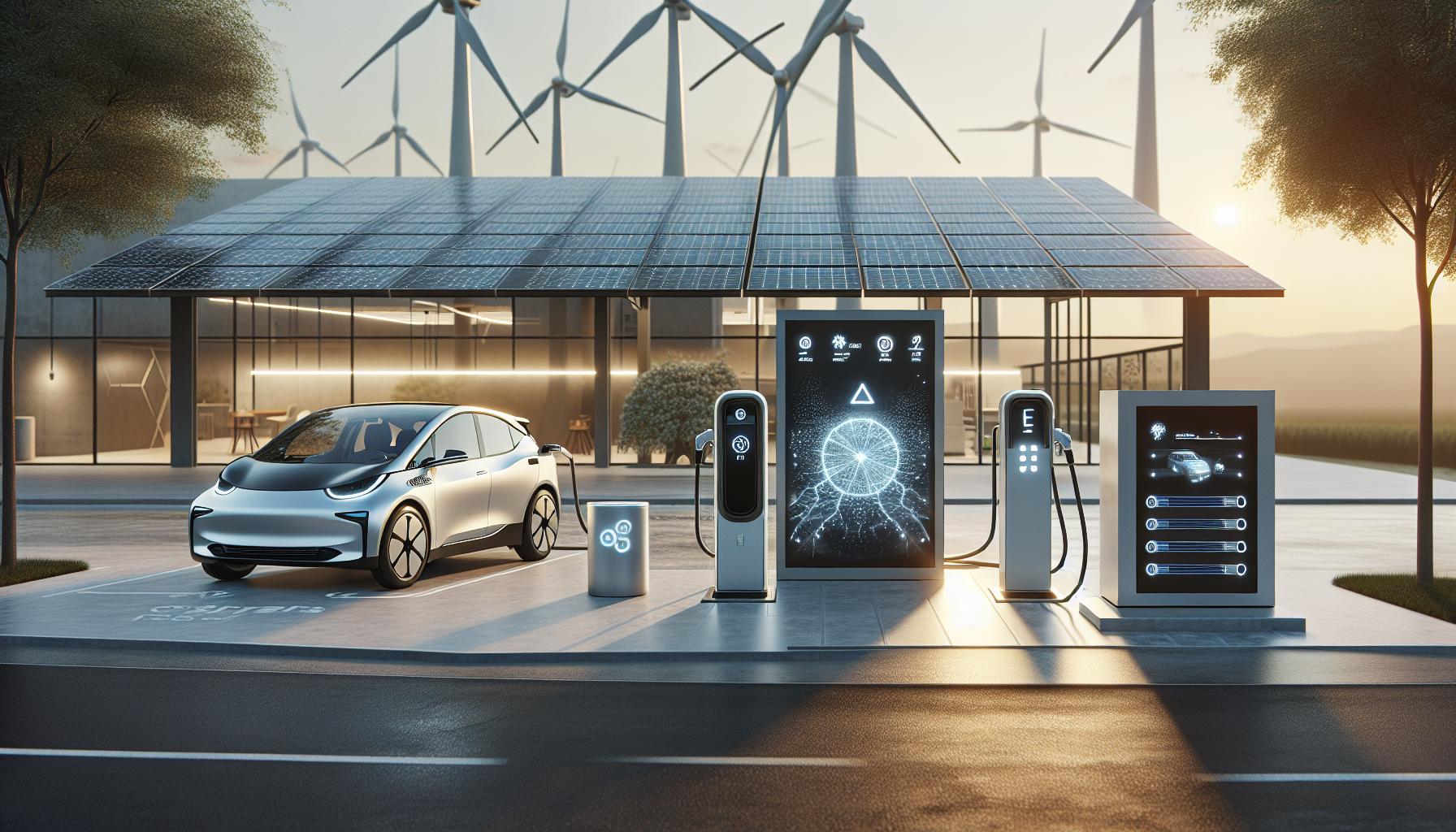
Sustainable Technologies Pioneered by Musk
Elon Musk’s commitment to sustainable technologies has redefined the landscape of clean energy innovation. His ability to integrate advanced engineering with environmental stewardship has led to groundbreaking developments that have the potential to significantly diminish our collective carbon footprint. Perhaps most notably, Tesla’s electric vehicles (EVs) have not only popularized but have also drastically improved the perceptions of EVs, making them a desirable alternative to traditional combustion engine cars. For example, Tesla’s Model 3 became the best-selling EV globally, selling over 365,000 units in 2021 alone, a testament to the growing acceptance of electric mobility [1].
In addition to revolutionizing the automotive industry, Musk has championed solar energy through Tesla Energy, which includes products like the Solar Roof and the Powerwall. The Solar Roof, which integrates solar cells directly into roof tiles, transforms conventional aesthetics into energy-harvesting solutions, making solar energy more accessible and appealing for homeowners. The Powerwall further extends this vision by enabling homeowners to store energy produced during the day for use at night, effectively decreasing reliance on fossil fuels and increasing energy independence. By 2021, Tesla had deployed over 150,000 Powerwalls, empowering users to manage their energy consumption more sustainably [1].
Musk’s ventures also extend into clean energy technologies, including potential solutions offered by SpaceX. The ambitious concept of harnessing solar power in space to beam energy back to Earth remains largely theoretical but represents Musk’s willingness to explore innovative, even unconventional, pathways to renewable energy generation. This approach not only showcases Musk’s forward-thinking mindset but also invites global collaboration on energy solutions [1].
To further engage with Musk’s sustainable initiatives, individuals can take actionable steps such as investing in renewable energy sources for their homes, advocating for EV adoption within their communities, and participating in local environmental initiatives. By leveraging Musk’s vision and integrating sustainable technologies into their daily lives, people can play a crucial role in the larger movement toward a more sustainable future. As awareness grows, the intersection of technology, sustainability, and consumer behavior continues to facilitate significant change in how we approach climate challenges globally.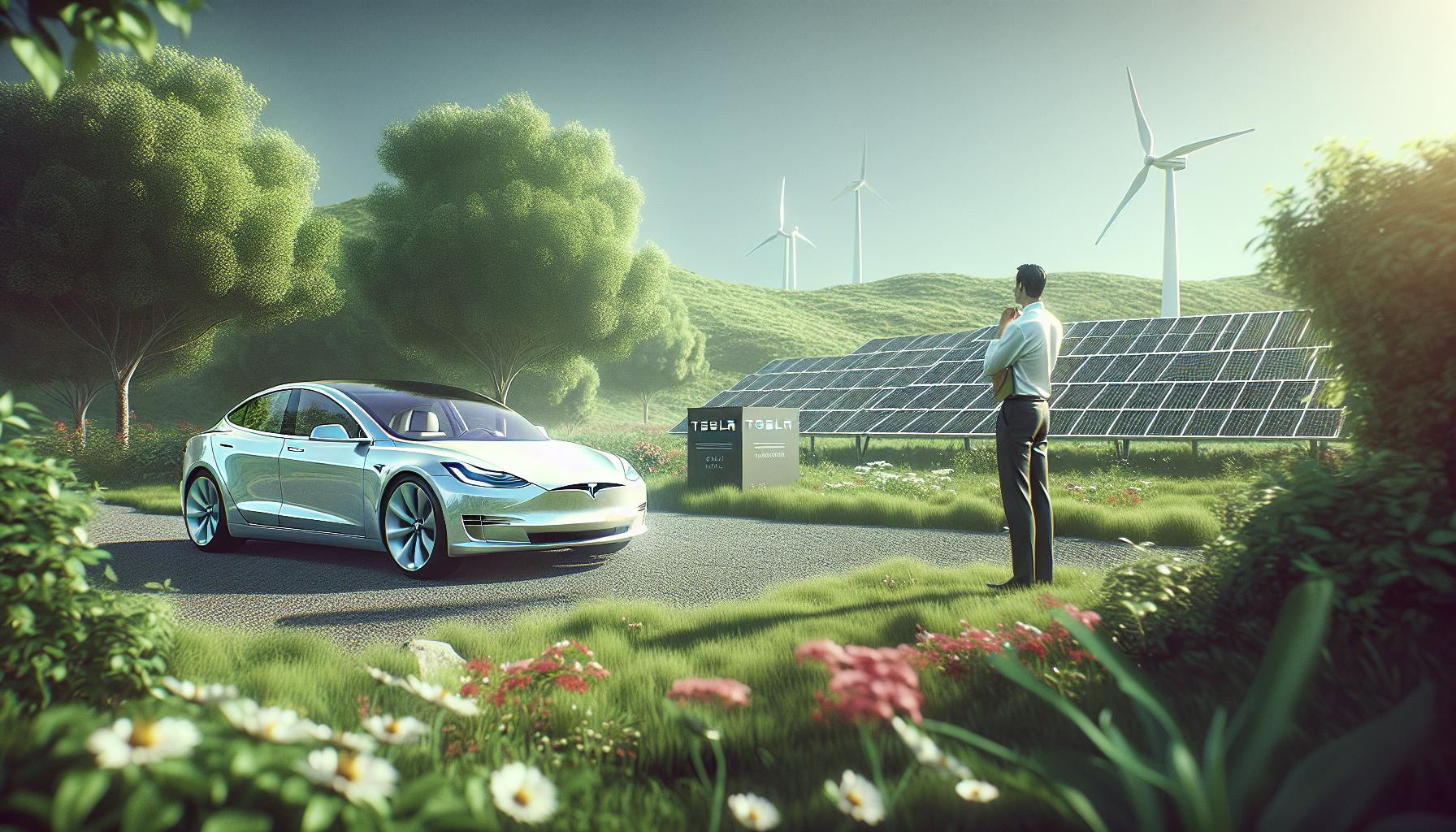
Is Tesla Truly Green? An Analysis
The environmental performance of Tesla and its role in sustainable transportation spark ongoing debates about whether the company truly embodies the green ethos Musk champions. At the core of this discussion is the question: do Tesla’s practices measure up to its promises? According to estimates, electric vehicles (EVs) like those produced by Tesla can significantly reduce greenhouse gas emissions compared to traditional gas-powered cars, with some analyses suggesting a life-cycle reduction of up to 70% in emissions when powered by renewable energy sources. This positions Tesla as a pivotal player in combating climate change by reducing the automotive sector’s carbon footprint.
However, the narrative is not entirely black and white. Critics point out environmental concerns associated with lithium-ion battery production, which Tesla uses in its vehicles. The extraction and processing of raw materials like lithium, cobalt, and nickel can lead to environmental degradation and pose ethical questions, particularly regarding labor practices in mining countries. Moreover, the carbon footprint of manufacturing these batteries has been the subject of scrutiny, sparking discussions about the sustainability of using batteries as the primary power source for electric vehicles.
To better understand Tesla’s true environmental impact, it’s essential to look at the broader context of electric vehicle adoption. Tesla’s commitment to securitizing renewable energy through initiatives like the Solar Roof and energy storage products such as the Powerwall arguably enhances its green credentials. By enabling consumers to generate and store clean energy at home, Tesla promotes a holistic approach to energy consumption that encourages reliance on renewable resources and minimizes fossil fuel use. Tesla’s growing network of Superchargers, increasingly powered by renewable energy, also plays a role in facilitating a shift toward sustainable transport.
In weighing the evidence, one can conclude that while Tesla certainly claims a significant position in the green technology market, the effectiveness of that position remains contingent on continuous improvements in battery technology, ethical sourcing practices, and the integration of renewable energy across its operations. As consumers, stakeholders, and climate advocates follow these developments closely, engaging with Tesla’s initiatives can be a powerful way to influence the broader conversation about sustainability in the energy and transportation sectors. The transition to greener technologies is ongoing, and significant strides must still be made to ensure that claims of being green translate into comprehensive environmental benefits.
Musk’s Investments in Renewable Energy
Elon Musk has become synonymous with renewable energy innovation, making significant investments that aim to combat climate change and transition the world towards sustainable energy solutions. One captivating statistic illustrates this commitment: as of 2021, Tesla’s market valuation exceeded that of Ford and General Motors combined, primarily due to its potential role in a sustainable future. Musk’s ventures transcend mere electric vehicles; they encompass a broader vision to redefine energy consumption and production.
One of Musk’s hallmark investments is Tesla Energy, which focuses on the development and deployment of renewable energy products such as solar panels and the Powerwall. The Powerwall is a home battery system designed to store energy generated from renewable sources, enabling users to rely on clean energy even when the sun isn’t shining. This technology not only helps reduce dependence on fossil fuels but also empowers homeowners by providing them with control over their energy usage. By integrating solar energy with battery storage, Musk’s initiatives encourage households to create self-sustaining energy systems.
In addition to Tesla Energy, Musk’s involvement with SolarCity-a company he co-founded-has further solidified his contributions to the renewable energy landscape. SolarCity has played a critical role in making solar energy more accessible and affordable for everyday consumers. Since its merger with Tesla in 2016, the company’s technology has allowed for the installment of solar solutions that adapt to various household needs, significantly reducing carbon emissions. The integration of these systems into Tesla’s ecosystem reflects a cohesive strategy aimed at driving down the costs of solar power while enhancing its efficiency.
Musk’s investment philosophy extends to broader energy infrastructure projects that aim to scale renewable energy adoption. For example, his push for gigafactories is a strategic move to produce solar cells and batteries at unprecedented scales, which can potentially lower prices and hasten the transition to renewable energy. As these factories increase production capacity, economies of scale come into play, potentially driving prices down for consumers and businesses alike. This strategy not only enhances accessibility to sustainable technologies but also positions Musk as a leader in global renewable energy efforts.
Through these investments, Musk not only showcases his commitment to sustainability but also inspires other businesses and individuals to adopt a more eco-friendly approach. His focus on renewable energy solutions is rooted in a vision for a sustainable planet-a vision where energy is clean, abundant, and accessible to everyone. Combining innovative technology with strategic investment allows for a practical pathway toward fighting climate change, demonstrating that individuals, companies, and communities can take concrete steps toward a greener future.
The Role of SpaceX in Climate Solutions
In an age where climate change poses a significant threat, SpaceX, often recognized for its ambitious space exploration missions, also plays a crucial role in addressing environmental challenges. The company’s goal of making life multi-planetary is not purely about colonizing Mars; it reflects a strategic vision that could have far-reaching implications for Earth’s sustainability. For instance, the reusable rocket technologies pioneered by SpaceX drastically reduce the costs and environmental impacts associated with space travel. By reusing rockets instead of discarding them after a single launch, SpaceX minimizes waste and resource consumption, showcasing how innovation in one sector can lead to significant environmental benefits.
One way SpaceX contributes to climate solutions is through its focus on satellite technology, particularly with the Starlink project. Starlink aims to provide global high-speed internet access, enabling advancements in remote work, telemedicine, and education, especially in underserved areas. This connectivity can facilitate new ways of monitoring environmental changes, supporting climate research, and directly aiding climate initiatives by enabling better data collection and communication. By connecting remote communities to climate action resources and education, SpaceX fosters a global collaboration essential for combating climate change.
Moreover, the potential for utilizing extraterrestrial resources is a future consideration that SpaceX actively explores. The extraction of materials from asteroids or the Moon could alleviate the Earth’s resource scarcity and reduce the environmental toll of mining and drilling activities on our planet. As technologies advance, if we can source materials from these celestial bodies, it could revolutionize how we think about resource management on Earth, leading to a more sustainable and less intrusive approach.
In addition, Musk’s commitment to becoming a multi-planetary species inherently includes ensuring that Earth remains a viable option for future generations. By advocating for a sustainable future through SpaceX and its initiatives, Musk ties together the concepts of space exploration and environmental stewardship. The reduction of our carbon footprint associated with space activities, combined with the enablement of technology for ecological monitoring, paints a picture of a company that is not only ambitious in its pursuits but also deeply aware of its responsibilities toward Earth’s future. Thus, SpaceX represents a unique confluence of technological advancement and climate consciousness, aligning perfectly with Musk’s overarching concern for the planet’s health.
Debunking Myths: Musk’s Environmental Impact
Despite the polarizing discourse surrounding Elon Musk, one truth remains clear: he has significantly influenced the conversation around climate change and sustainability. Many critiques focus on the environmental impact of his ventures, particularly Tesla and SpaceX, raising questions about their actual contributions versus their perceived drawbacks. By examining common myths, we can gain a clearer understanding of Musk’s real environmental footprint and intentions.
One prevalent myth is that Tesla’s manufacturing processes negate the environmental benefits of its electric vehicles (EVs). Critics argue that the high energy consumption and resource extraction required for battery production impact the environment negatively. However, research shows that over the lifetime of a Tesla, the reduction in carbon emissions compared to traditional gas-powered vehicles outweighs the CO2 footprint from production, particularly when the electricity used to charge the vehicles comes from renewable sources. As a result, Tesla has spurred an entire industry shift towards cleaner energy vehicles, contributing to lower air pollution and greenhouse gas emissions on a larger scale.
Similarly, SpaceX’s operations often face scrutiny regarding rocket launches, which are viewed as polluting. While it’s true that rocket launches contribute to atmospheric carbon emissions, SpaceX is among the first companies to invest in reusable rocket technology, dramatically reducing waste and resource usage associated with space travel. Traditional launch methods involve single-use rockets that contribute to significant waste. In contrast, SpaceX’s Falcon 9 and Falcon Heavy rockets have achieved multiple re-flights, helping to minimize the environmental impact per launch. The company’s innovations illustrate how advancements in technology can lead to more sustainable practices in an industry that has historically been resource-intensive.
Musk’s commitment to innovation extends beyond electric vehicles and space exploration. His advocacy for solar power and battery storage through Tesla’s energy division aims to transition residential and commercial energy consumption to renewable sources. By manufacturing products such as solar panels and the Powerwall battery system, Tesla not only helps reduce reliance on fossil fuels but also empowers consumers to contribute directly to a sustainable energy ecosystem. This facet of Musk’s work is often overshadowed by his high-profile automotive ventures, yet it addresses energy consumption’s role in climate change, further highlighting his thorough approach to sustainability.
In conclusion, while there are valid critiques of environmental concerns related to Musk’s endeavors, a balanced perspective reveals that his contributions to sustainable technologies and practices are considerable. By firmly positioning himself at the forefront of multiple industries tied to climate change, Musk’s actions inspire innovation and push for a systemic shift toward sustainability, which ultimately may align with a healthier planet.
Musk’s Public Statements on Climate Change
Despite his reputation as an unconventional entrepreneur, Elon Musk has been remarkably clear and vocal about his concerns regarding climate change. His public statements often emphasize the urgent need for sustainable practices and innovative technologies to combat the looming environmental crises. Musk consistently underscores that transitioning to sustainable energy is not just a moral imperative but a practical necessity for the future of humanity.
Musk frequently advocates for the use of electric vehicles (EVs) as a step towards reducing carbon emissions. In various interviews and presentations, he has pointed out that the automotive sector is a significant contributor to air pollution, and he believes that EVs can drastically decrease greenhouse gas emissions if powered by renewable energy sources. By framing electric vehicles as part of a broader solution to environmental degradation, Musk appeals to both individuals and governments to invest in cleaner technologies. His statements serve as a rallying cry, aiming to ignite public interest and action toward sustainable energy alternatives.
Furthermore, Musk has been an outspoken supporter of solar energy and battery storage solutions. He often refers to the potential of solar technology to provide clean, renewable energy to homes and businesses. In one of his well-known declarations, he stated, “We’re not going to stop until we can get as much yield from solar energy as we can with fossil fuels.” This advocacy aligns closely with Tesla’s mission to accelerate the world’s transition to sustainable energy, illustrating Musk’s commitment not just to his business interests but to a broader environmental agenda.
In addressing the criticisms associated with his companies, Musk has also urged the public to look at the bigger picture. He argues that while production processes may have environmental impacts, the overall benefits of electric vehicles and renewable technologies far outweigh these concerns. Acknowledging that creating a sustainable future is a complex challenge, Musk’s statements often reflect a belief that innovation and commitment can drive meaningful change. He highlights the importance of creating demand for sustainable products, suggesting that consumer choices will ultimately dictate the future of energy and transportation.
Ultimately, Musk’s public comments on climate change reveal a multi-faceted approach to environmental advocacy. He combines an urgent call to action with an optimistic vision for technology’s role in fighting climate issues. By emphasizing collective responsibility, Musk encourages individuals to engage with sustainability initiatives, reinforcing the notion that every choice we make-be it choosing an EV, supporting renewable energy, or investing in green technologies-can contribute to a more sustainable planet.
Critics and Supporters: Perspectives on Musk’s Role
Elon Musk’s multifaceted engagement with climate change evokes a wide array of responses ranging from fervent support to sharp criticism. His ambitions as a pioneer in renewable energy and electric vehicles have captivated many who view him as a critical player in the race against climate change. Supporters highlight companies like Tesla and SolarCity as revolutionary in redefining the energy landscape, helping to drive down the costs of sustainable technologies. For instance, Tesla’s success in scaling electric car production and the expansion of its supercharger network showcases a tangible shift toward a more sustainable automotive future. Advocates point out that Musk’s vision is about more than just profit; it is seen as part of a broader commitment to challenging the fossil fuel status quo and reducing greenhouse gas emissions.
Conversely, critics argue that Musk’s businesses have significant environmental downsides, particularly regarding resource extraction and manufacturing processes. The mining of lithium and other materials essential for electric vehicle batteries raises concerns about ecological degradation and human rights violations in mining communities. Some detractors also claim that the environmental impact of battery production may offset the benefits of using electric vehicles, questioning whether Musk’s initiatives genuinely contribute to sustainability in the face of these challenges. Additionally, skepticism arises from his public persona, which sometimes overshadows his companies’ practices, leading to debates about the sincerity of his commitment to combating climate change.
While the debate continues, it is crucial to recognize the role of informed dialogue in shaping Musk’s impact on climate initiatives. Engaged citizens can hold Musk’s companies accountable through advocacy, urging them to adopt more transparent and sustainable practices. Supporters can draw from Musk’s public statements, which often call for urgency in addressing the climate crisis, to inspire collective action and consumer demand for greener technologies. Companies in the renewable sector can look to Musk’s strategies as a case study in innovation, market disruption, and the importance of aligning business goals with environmental stewardship.
Ultimately, the contrasting views on Musk’s role in climate change advocacy illustrate a broader conversation about leadership in sustainability. By actively addressing critiques while celebrating advancements, stakeholders can contribute to a more productive discourse on how to navigate the complexities of technological progress and environmental responsibility. In this collective journey, every individual can influence the dialogue, helping to shape the future of sustainable practices and technological innovations.
The Future of Musk’s Climate Efforts
Elon Musk’s vision for a sustainable future hinges on innovation and the transformative potential of technology to address climate challenges. As the world grapples with escalating environmental crises, Musk’s companies are at the forefront of pioneering novel solutions, yet the ultimate impact of his efforts remains a complex interplay of promise and scrutiny.
Tesla’s ambitions extend beyond electric vehicles; the company aims to integrate sustainable energy solutions, with advancements in battery technology being particularly noteworthy. The shift to energy storage systems, like the Powerwall, can empower homeowners to reduce reliance on fossil fuels, illustrating a practical step toward daily sustainability. As these technologies evolve, the potential for scalability increases, enabling broader adoption and further reducing carbon footprints. However, as these solutions proliferate, transparency in supply chains becomes critical. Deploying sustainable practices in mining and production will be essential to truly claim a net positive impact.
Future Investments and Innovations
Musk’s investments in renewable energy are crucial for scaling up climate efforts. For instance, continued research into solar energy and innovations in hydrogen fuel cells could significantly alter the landscape of energy consumption, making clean energy more accessible and affordable. Fostering partnerships with researchers and environmental organizations can also cultivate joint advancements in technology and ecological preservation.
To broaden the reach of his initiatives, Musk could consider a more community-focused approach, engaging with grassroots movements and local organizations that prioritize sustainability. These collaborations can unlock valuable insights, making his strategies more effective and aligned with local needs.
Engaging the Global Audience
The impending climate crisis requires that every stakeholder-governments, corporations, and individuals-play a role in the solution. For the average consumer, engaging with Musk’s initiatives can take the form of advocacy for sustainable practices, supporting electric vehicle adoption, and utilizing renewable energy sources. By encouraging policies that favor clean energy and holding companies accountable for their environmental footprints, citizens can amplify Musk’s impact on climate change.
With the potential for both groundbreaking advancements and significant critiques, will depend greatly on ongoing dialogue, continuous innovation, and a commitment to ethical practices. By balancing ambition with responsibility, Musk’s initiatives can pave the way for a more sustainable planet, showcasing how visionary leadership can indeed care about climate change while driving technological advancement.
Comparative Analysis: Musk vs. Other Billionaires
Elon Musk often stands at the forefront of discussions about billionaires’ roles in climate change, notable for his innovative approach with Tesla and SpaceX. However, when we compare Musk’s environmental initiatives to those of other billionaires, such as Bill Gates, Jeff Bezos, and Richard Branson, the contrast in strategies and impacts becomes apparent. Each billionaire leverages their wealth and influence differently, shaping distinct and sometimes conflicting paths toward sustainability.
Musk’s approach is largely rooted in the commercialization of technology that directly addresses climate issues. By popularizing electric vehicles and promoting solar energy systems like the Tesla Powerwall, he has made sustainable technologies more accessible to the general populace. In contrast, Bill Gates emphasizes a foundation-driven model that invests in research and development across varied sectors, including carbon capture and nuclear energy. His initiatives aim at systemic change through governmental partnerships and long-term research funding, demonstrating a more diversified strategy in addressing climate issues.
Philanthropic Versus For-Profit Models
While Musk often pursues personal ventures and focuses on profitability as a means to drive innovation and sustainability, Gates employs a philanthropic approach through the Bill & Melinda Gates Foundation. This difference illustrates two paths toward climate solutions: one through market-driven technology and the other through investments in scientific research aimed at broader systemic impacts. Gates advocates for transparency in global health and energy sectors, highlighting the need for collaboration and societal engagement, thereby fostering an understanding that addressing climate change requires collective action and interdependence.
In another example, Jeff Bezos announced his commitment to climate change with the $10 billion Bezos Earth Fund, which supports global initiatives to combat climate change and invest in sustainable technologies. His approach exemplifies a blend of philanthropy and influence, leveraging a massive personal wealth pool to back existing organizations aiming to effect change. Similarly, Richard Branson has made significant strides in sustainable investments, particularly within the renewable energy sector and through his Caribbean island initiatives, but often relies on his business ventures to anchor his climate efforts.
Measuring Impact and Accountability
To truly assess each of these billionaires’ commitments to climate change, it’s essential to look beyond intentions to the measurable impacts of their initiatives. Musk’s ambitious goals for Tesla and SpaceX emphasize reducing carbon footprints, yet questions around the sourcing of materials for electric vehicle batteries raise concerns about the holistic sustainability of these systems. Conversely, Gates and Bezos face scrutiny regarding the effectiveness of their pledges and the translation of their financial commitments into tangible climate benefits.
Ultimately, while Musk’s ambitions often capture headlines and draw public excitement, his commitment must be weighed against the broader landscape of billionaire engagement in climate initiatives. As stakeholders examine their respective contributions and methodologies, it becomes clear that addressing climate change may require a synthesis of approaches-balancing innovative technology with collaborative, systemic reforms, thereby inviting individuals and corporations alike to engage in meaningful action against the climate crisis.
Musk’s Vision for a Sustainable Planet
Visionary leaders often inspire debates on pressing global issues, but few have made waves quite like the relationship between innovation and sustainability embodied by Elon Musk. His vision for a sustainable planet is particularly driven by a commitment to reducing humanity’s reliance on fossil fuels and mitigating climate change through technology. This determination is evident in Musk’s ventures, most notably Tesla and SpaceX, where he seeks to pioneer advancements that not only revolutionize industries but also contribute to a greener future.
At the core of Musk’s philosophy is the understanding that sustainability is achievable through accessible technology. For instance, the widespread adoption of electric vehicles (EVs) has been crucial not just for reducing greenhouse gas emissions but also for changing public perception about clean energy. Tesla has democratized the concept of sustainable transport, making it not only trendy but also practical. The company’s mission statement, centered on accelerating the world’s transition to sustainable energy, highlights a clear acknowledgment that individual choices, catalyzed by innovative options, can lead to systemic change.
Musk also champions the integration of renewable energy sources into daily life, as seen with products like the Solar Roof and Powerwall batteries. These technologies exemplify a shift towards an energy landscape that empowers consumers to harness and store clean energy directly. The potential for such advancements to stabilize energy costs while reducing reliance on traditional power grids resonates powerfully with consumers and investors alike. By illustrating that solar energy can be both functional and beautiful, Musk encourages a broader acceptance and aspiration towards renewable resources.
Moreover, Musk’s ambitions extend beyond Earth. With SpaceX’s initiatives aimed at making humanity a multi-planetary species, the focus on sustainable practices permeates even interstellar exploration. The development of the Starship for missions to Mars is not just about reaching new frontiers; it’s about ensuring that these ambitions are built on environmentally responsible engineering practices, raising questions about our relationship with sustainability as we expand beyond our planet.
In approaching climate change, Musk balances bravado with actionable insights, urging individuals and institutions alike to take bold steps towards sustainability. Whether through embracing electric vehicles or installing solar energy solutions, Musk’s vision inspires a narrative where sustainable choices are not only possible but necessary for future generations. By fostering an ecosystem of innovation that prioritizes green technology, he embodies a growing movement toward accountability and ethical considerations in the challenges posed by climate change.
How Individuals Can Engage with Musk’s Initiatives
Becoming an active participant in the pivotal climate initiatives spearheaded by Elon Musk is more accessible than it might seem. His ventures, particularly Tesla and SolarCity, not only emphasize sustainability but also invite individuals to adopt more environmentally friendly practices in their everyday lives. Did you know that by simply switching to electric vehicles (EVs), you can substantially reduce your carbon footprint? By driving a Tesla, you contribute to the larger mission of accelerating the world’s transition to sustainable energy, which Musk frequently champions.
Engaging directly with Musk’s initiatives can begin with adopting sustainable technologies that he promotes. For example, individuals can leverage Tesla’s home energy products like the Solar Roof and Powerwall, facilitating a shift to renewable energy. Homeowners can produce and store solar power, potentially reducing reliance on fossil fuels and lowering electricity bills. Beyond personal use, consider integrating these technologies into community projects or advocating for local solar initiatives, thereby amplifying the impact of these innovations.
Practical Steps for Engagement
- Educate Yourself and Others: Stay informed about sustainable technologies and advocate for their adoption in your community. Organize workshops or discussions to share knowledge about the benefits of renewable energy systems.
- Invest in Sustainability: If you’re financially able, consider investing in renewable energy stocks or funds, such as those related to Tesla. This not only supports the businesses leading the charge in sustainability but can also yield financial returns.
- Participate in Local Initiatives: Join or support local environmental groups that focus on sustainability efforts. Your involvement could range from tree planting to educational outreach, each contributing to a larger impact.
- Advocate for Policy Change: Engage with local and national representatives to support policies favoring clean energy. Your voice can help shape legislation that prioritizes sustainability at various levels.
By taking these actionable steps, you not only support Musk’s vision but also become part of a growing movement that prioritizes environmental responsibility. The choices you make can resonate beyond personal impact, inspiring others in the community to follow suit. In this manner, engagement with Musk’s initiatives offers an empowering path toward a sustainable future, underscoring the idea that individual actions collectively lead to systemic change.
Faq
Q: Does Elon Musk have a personal stake in addressing climate change?
A: Yes, Elon Musk has a personal stake in climate change efforts, primarily through his leadership of Tesla, which focuses on electric vehicles to reduce carbon emissions. His investments in renewable energy and sustainable technologies reflect his commitment to combatting climate change.
Q: What initiatives has Elon Musk started to help the environment?
A: Elon Musk has initiated several projects aimed at helping the environment, including the development of Tesla’s solar energy solutions and the Gigafactory, which produces batteries for renewable energy storage. Both initiatives seek to accelerate the transition to sustainable energy.
Q: How does Tesla contribute to reducing climate change?
A: Tesla contributes to reducing climate change by producing electric vehicles that emit no tailpipe emissions, thus lowering greenhouse gases. Additionally, Tesla’s solar products and battery storage systems promote the use of clean energy, further supporting climate initiatives.
Q: What critics say about Elon Musk’s environmental efforts?
A: Critics argue that while Musk promotes sustainability, his ventures might have environmental downsides, such as the resource-intensive nature of lithium mining for batteries. They argue that a comprehensive approach to sustainability is necessary beyond just electric vehicles.
Q: How does SpaceX impact climate change?
A: SpaceX impacts climate change through its commitment to reducing the costs of space travel, which can facilitate advancements in satellite technology for climate monitoring. However, the environmental effects of rocket launches are also a concern among environmentalists.
Q: What is Musk’s vision for a sustainable future?
A: Musk envisions a sustainable future focused on complete reliance on renewable energy, efficient battery storage, and efficient electric transportation. He has published plans to transition society towards energy sustainability and minimize environmental impact through innovation.
Q: Are there any controversies surrounding Musk’s climate policy?
A: Yes, controversies include debates over the environmental impacts of his lithium supply chain and SpaceX’s rocket launches. Critics also point to the need for more comprehensive climate strategies that also consider social and economic factors.
Q: How can individuals support Musk’s environmental initiatives?
A: Individuals can support Musk’s environmental initiatives by choosing electric vehicles, utilizing solar energy products, and advocating for policies that favor sustainable technologies. Engaging with community renewable energy projects can also amplify Musk’s vision for a greener planet.
To Wrap It Up
As we peel back the layers on Elon Musk’s commitments to climate change, one thing is clear: the conversation is far from over, and your voice matters. Each step towards sustainability counts-whether it’s supporting electric vehicles or renewable energy initiatives. If you’re intrigued by the interplay of innovation and environmental responsibility, dive deeper into our articles on sustainable technology and the role of business in climate action.
Don’t miss your chance to stay informed! Subscribe to our newsletter for the latest insights on climate change and technology, or explore our resources on how to reduce your environmental footprint. Your engagement not only enriches our community but also inspires collective action. What are your thoughts on Musk’s impact? Share your opinions below and connect with like-minded individuals!
For more eye-opening discussions, check out our related content on influential figures in the green movement and innovative eco-friendly solutions. Together, we can drive the change the planet needs!