How Much Does China Contribute To Gcf encompasses dedicated strategies, analytical frameworks, and capital allocation models designed to balance competitive, risk-adjusted financial returns with verified operational transparency, regulatory compliance, and sustainable economic additionality.
As the world’s largest emitter of greenhouse gases, China faces immense scrutiny regarding its role in global climate initiatives, particularly in contributing to the Green Climate Fund (GCF). Established to assist developing nations in combatting climate change, the GCF is pivotal for financing sustainable projects worldwide. Understanding China’s contributions to this fund is crucial, not only to gauge its commitment to global climate action but also to grasp the implications for international cooperation and accountability in a warming world. In this article, we will explore the facts surrounding China’s financial input into the GCF, the motivations behind its contributions, and how these efforts impact global climate strategies. By delving into this complex topic, we aim to shed light on the essential ties between economic power, environmental responsibility, and collaborative solutions for a sustainable future. Join us as we unpack the details that matter for our planet and your role in supporting effective climate action.
Has China Contributed to the Green Climate Fund?
China has emerged as a pivotal player in global climate financing, including its contributions to the Green Climate Fund (GCF), a vital channel established to support developing countries in their efforts to counter climate change. As one of the largest emitters of greenhouse gases, China recognizes the importance of its role not only in mitigating its own environmental impact but also in helping other nations transition towards sustainable practices. By engaging with the GCF, China underscores its commitment to global climate efforts and acknowledges the interconnected nature of climate challenges.
Since its inception, the Green Climate Fund has attracted financial commitments from various countries, with China being a significant contributor. Reports indicate that China has pledged to contribute both financially and in terms of technical support to aid developing nations in implementing climate adaptation and mitigation projects. This multifaceted approach not only allows China to share its technological advancements in clean energy and environmental management but also positions it as a leader within the global arena for climate action.
The contributions made by China go beyond mere financial assistance; they reflect a strategic choice to foster collaboration with other countries, boost knowledge sharing, and advance green technologies. By providing support through the GCF, China aims to stimulate sustainable development while simultaneously bolstering its international relationships and reputation in climate diplomacy. Evaluating the impact of these contributions, it becomes clear that China’s engagement with the GCF serves both its national interests and the broader goal of facilitating global climate resilience.
In summary, China’s contributions to the Green Climate Fund are critical for enhancing global efforts to combat climate change while affirming its evolving role on the international stage. This involvement not only reinforces its commitment to sustainable development but also offers a pathway for other nations to benefit from collaborative climate initiatives.
Understanding the Green Climate Fund’s Importance

The Green Climate Fund (GCF) serves as a cornerstone in the global fight against climate change, mobilizing billions of dollars to support the climate aspirations of developing countries. With climate-related disasters becoming more frequent and severe, the urgency to invest in sustainable solutions has never been greater. This fund not only provides financial resources but also facilitates the sharing of knowledge and technology essential for fostering resilience and adapting to the impacts of climate change.
One of the GCF’s primary objectives is to assist countries in both mitigation and adaptation efforts. For example, funds are allocated to projects supporting renewable energy initiatives, enhancing agricultural practices to withstand shifting climate patterns, and developing climate-resilient infrastructure. These projects are vital, as they enable communities to not only survive the immediate effects of climate change but also to thrive in the long term through sustainable practices.
Furthermore, the GCF acts as a bridge between public and private sector financing, leveraging additional resources to amplify its impact. By fostering partnerships and encouraging investment in innovative climate solutions, the GCF enhances its role as a facilitator of global climate finance. Countries receiving support are often required to contribute their resources, which ensures greater ownership and sustainability of funded initiatives.
The ongoing need for climate funding is critical. With estimates suggesting that developing countries require over $140 billion annually to address climate challenges effectively, the GCF is not just another financial entity; it is a crucial lifeline. Engaging with this fund reflects a nation’s commitment to global climate goals while also addressing its local environmental needs. As nations like China step up their contributions and commitment to the GCF, they set a powerful example of international cooperation in the face of a shared challenge.
China’s Role in Global Climate Financing
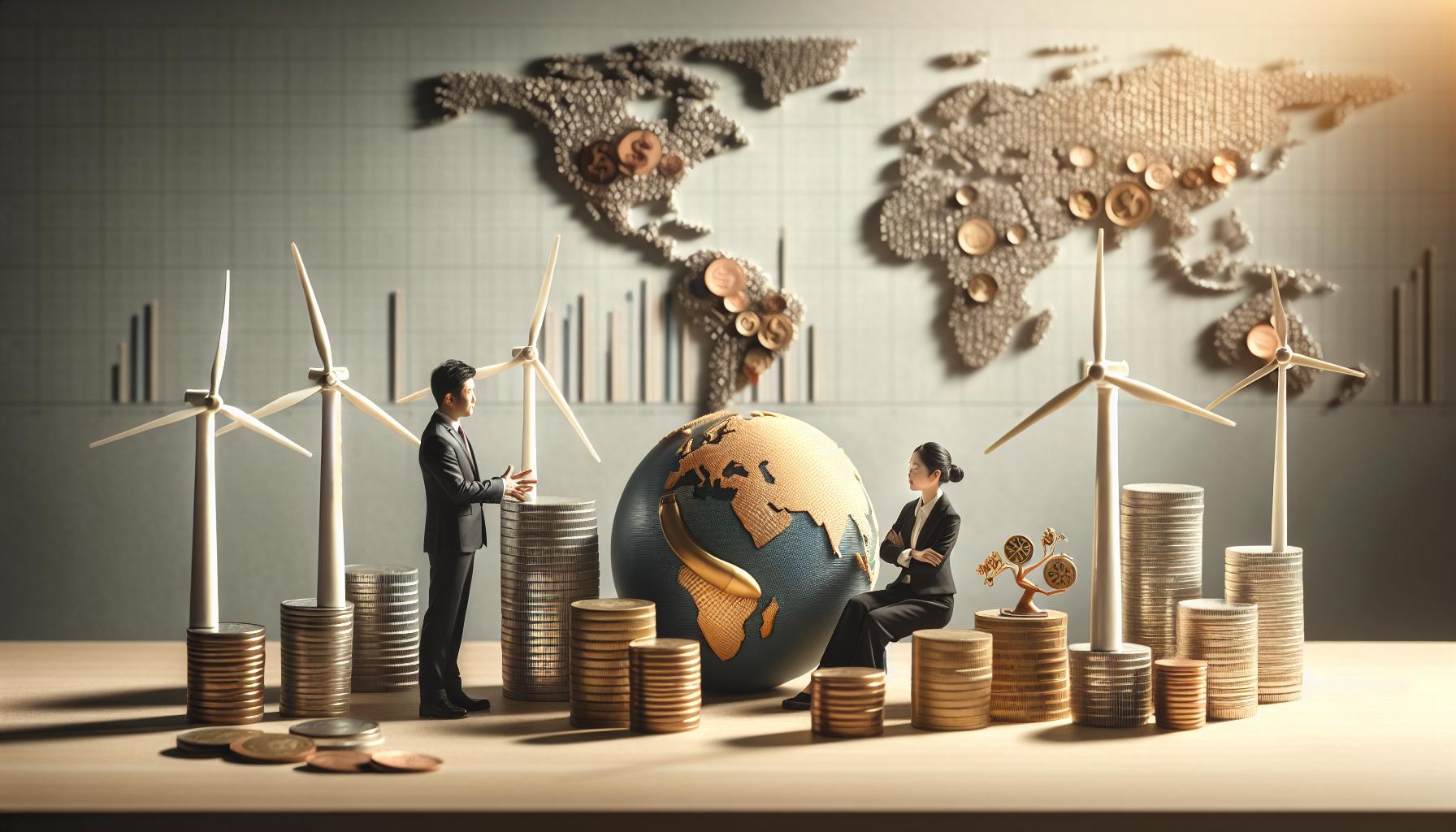
China’s substantial economic growth over recent decades has positioned it as a pivotal player in global climate financing. As climate change has emerged as one of the most pressing challenges of our time, nations worldwide are recognizing the importance of funding initiatives that both mitigate risks and foster adaptation to climate impacts. In this landscape, China’s engagement goes beyond mere rhetoric; the nation has increasingly committed to financially supporting global climate action, particularly through mechanisms like the Green Climate Fund (GCF).
The GCF, established to assist developing countries in their efforts to combat climate change, receives crucial contributions from various countries, with China emerging as a significant participant. China’s involvement can be highlighted through its financial pledges and its active participation in policy dialogues within the fund. For example, China has committed to providing resources aimed at aiding vulnerable nations in developing sustainable infrastructure and advancing renewable energy projects. This not only demonstrates China’s willingness to share its financial capabilities but also reflects its growing responsibility as a major economic power in addressing global issues.
In addition, China’s role extends to fostering international cooperation through initiatives such as the Belt and Road Initiative (BRI). This initiative integrates significant projects that emphasize sustainability and climate resilience, which can potentially unlock further financial support from other countries and investors. The BRI’s focus on green infrastructure development is aligned with the objectives of the GCF, illustrating a symbiotic relationship between China’s domestic ambitions and international expectations concerning climate finance.
Furthermore, the impact of China’s contributions can be observed in various projects worldwide, from renewable energy deployments in Africa to climate resilience initiatives in Southeast Asia. These efforts don’t just elevate China’s status on the global stage; they also foster a narrative of collective action against climate change. As more nations rally their resources and expertise, China’s involvement in the GCF and other climate financing initiatives becomes an essential part of a broader strategy to combat the multifaceted threats posed by climate change. Through its financial commitments and collaborative projects, China is not only investing in its own future but also in the sustainable development of the global community.
Key Contributions from China to the Green Climate Fund
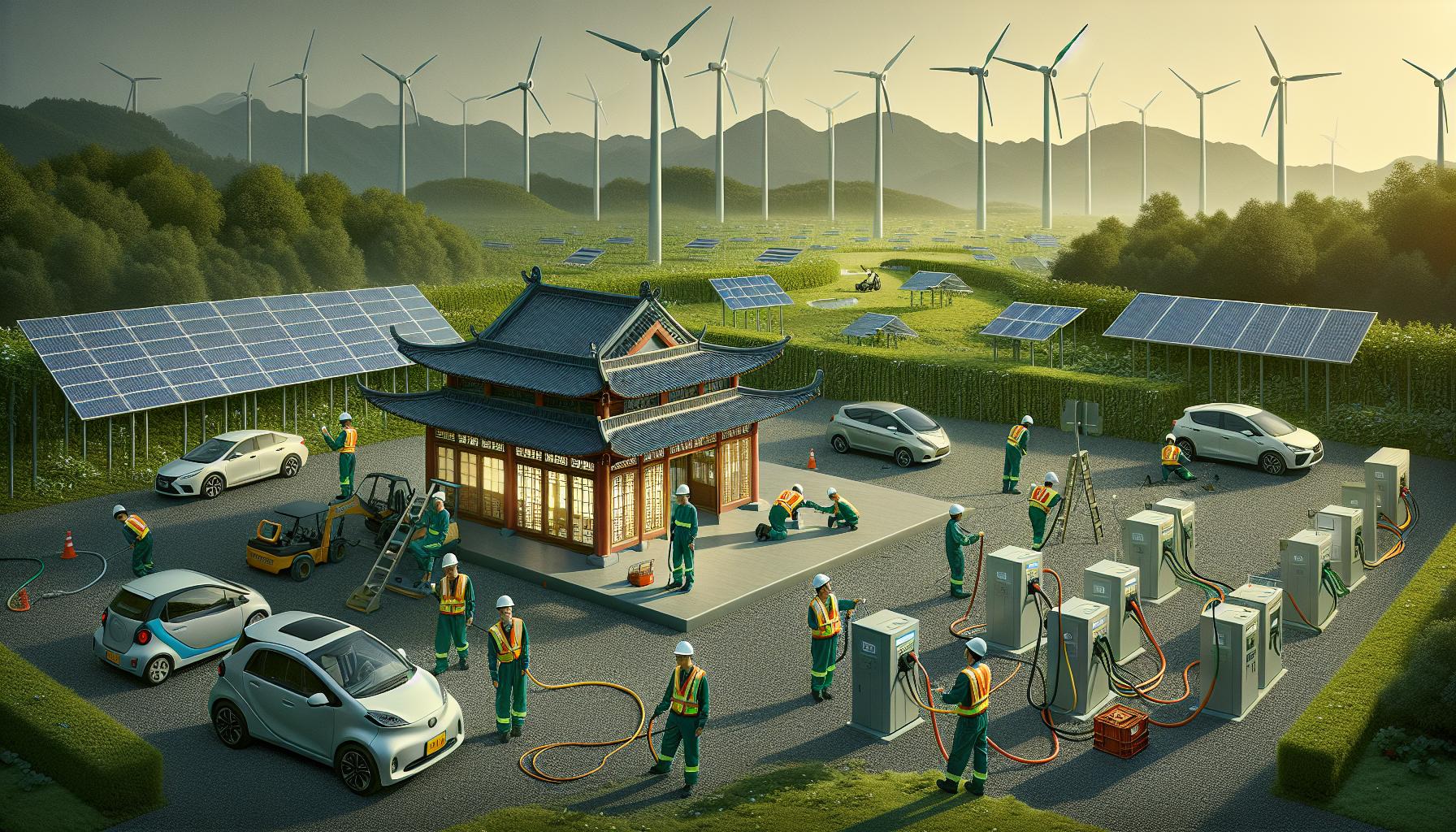
China’s financial engagement with the Green Climate Fund (GCF) showcases its evolving role as a leader in global climate finance. Notably, the country has committed to contributing a significant amount, reflecting its recognition of the challenges developing countries face due to climate change. As of recent reports, China has pledged approximately $1 billion to the GCF, positioning itself among the top donor nations. This level of commitment highlights China’s growing responsibility and vested interest in global climate solutions, reinforcing its aim to balance development with sustainability.
One of the most impactful areas of China’s contributions has been in renewable energy initiatives. By financing projects like solar and wind energy developments in vulnerable nations, China helps to not only reduce carbon emissions but also promote sustainable practices. For example, recent GCF-funded projects in Africa have seen Chinese investments catalyze local industries, enabling them to leapfrog traditional fossil fuel energy solutions and instead adopt cleaner technologies. Additionally, through the GCF, China is actively supporting climate adaptation projects, which are vital for enhancing resilience against extreme weather events, especially in regions heavily impacted by climate variability.
Moreover, China’s participation extends beyond direct financial contributions. The country often brings its expertise in green technology and infrastructural development to the table. By collaborating with other countries and stakeholders, China can share innovative practices and solutions that improve the effectiveness of funded projects. This cooperation is exemplified through its partnerships in the Belt and Road Initiative (BRI), which aims to enhance infrastructure while integrating sustainability at its core-aligning closely with GCF objectives.
In summary, China’s contributions are not just monetary; they signify a broad commitment to fostering a cooperative global climate strategy. By blending financial assistance with technological innovation and collaboration, China plays a crucial role in ensuring that the financial resources provided through the GCF make a substantial impact on the ground, helping vulnerable nations battle climate change effectively.
Evaluating China’s Financial Commitments

China’s financial commitments to the Green Climate Fund (GCF) underscore a strategic shift as the country positions itself as a leader in global climate finance. With a pledge totaling approximately $1 billion, China stands among the top donor nations, showcasing its recognition of the pressing needs faced by developing countries in combating climate change. This significant financial input is not merely an act of generosity; it embodies a sophisticated understanding of global interdependencies and the necessity of cooperative action in addressing environmental challenges.
To truly evaluate the impact of China’s contributions, one must consider not only the financial figures but also the context of these investments. China’s approach often includes funding projects that enhance renewable energy infrastructure in vulnerable regions. For instance, in many African nations where energy access is limited, Chinese-funded projects have led to the installation of solar panels and wind turbines. These initiatives not only provide much-needed energy but also create local jobs and foster resilience against climate threats, thus maximizing the social and economic benefits of China’s financial commitments.
Moreover, China’s financial contributions are complemented by a wealth of expertise in green technologies and infrastructure development. This dual approach amplifies the effectiveness of the GCF’s initiatives. By aligning GCF-funded projects with its own technological advancements, China can help recipient countries adopt sustainable practices more efficiently. This synergy is particularly evident in its Belt and Road Initiative, which integrates sustainable development goals into a broader framework of infrastructure investment. Through partnerships and knowledge sharing, China not only funds projects but also empowers nations to build their capacities to address climate challenges proactively.
In sum, the financial commitments made by China to the Green Climate Fund represent more than just monetary contributions; they signify a comprehensive strategy aimed at fostering sustainable development globally. By leveraging its financial resources and technological expertise, China can enhance the effectiveness of its climate finance efforts, facilitating meaningful progress in the global response to climate change while simultaneously supporting its own economic and environmental goals.
Are China’s Contributions Impactful? A Close Look
China’s financial contributions to the Green Climate Fund (GCF) have provoked much discussion about their effectiveness and actual impact on global climate initiatives. With a pledge of about $1 billion, China has positioned itself as not just a financial contributor but as a pivotal player in the evolving landscape of climate finance. To assess the impact of these contributions, it is essential to explore both quantitative metrics and qualitative outcomes from funded projects, emphasizing the transformative potential of these investments in vulnerable communities.
The impact of China’s contributions can be vividly illustrated through specific project case studies. For instance, in Sub-Saharan Africa, numerous initiatives funded by Chinese investments have led to the establishment of renewable energy infrastructure-such as solar farms and wind turbines-which have significantly enhanced energy access in regions previously reliant on outdated and unsustainable energy sources. These projects not only address immediate energy needs but also facilitate sustainable economic growth by creating jobs, improving education opportunities, and fostering resilience against climate-induced disruptions. The tangible benefits are beneficial not just to the recipient countries but also position China as a leader in green technology exports, demonstrating a strategic alignment of financial contributions with domestic economic goals.
Moreover, the dual approach of funding and technological expertise strengthens the overall efficacy of GCF initiatives. By sharing advanced renewable technologies and best practices in sustainable development, China empowers partner countries to optimize their resources. The close alignment of GCF projects with the broader framework of China’s Belt and Road Initiative further emphasizes a collaborative model for addressing global climate challenges. This synthesis of finance and technology is crucial, as it enhances the capacity of developing nations to implement climate-friendly policies and sustainable practices effectively.
As global awareness about climate issues grows, the narrative surrounding China’s climate contributions is shifting toward recognition of its potential leadership role in international environmental efforts. By focusing on real-world results and the strengths of collaborative action, China’s contributions to the GCF can be seen not only as a response to ecological challenges but as a significant step in global climate diplomacy. The effectiveness of these contributions ultimately lies in their alignment with sustainable development, reflecting a growing understanding that successful climate initiatives are interdependent and require multi-faceted cooperation.
China’s Collaboration with Other Countries
In recent years, China’s commitment to the Green Climate Fund (GCF) has been underscored by a variety of collaborative initiatives with other countries, aimed at fostering global climate resilience. This collaboration is not just about financial contributions; it extends to sharing technology and expertise. For example, China has engaged in partnerships across Asia, Africa, and Latin America, emphasizing the importance of working together to combat climate change. By pooling resources and knowledge, China, along with these partner nations, is improving the chances of achieving sustainable development goals.
One noteworthy aspect of China’s collaboration is its involvement in the Belt and Road Initiative (BRI), which encompasses numerous countries that are critical to global climate efforts. Under the BRI, effective frameworks are established to finance and implement green energy projects. These include large-scale investments in renewable energy systems such as hydroelectric and solar energy, which are pivotal for countries striving to transition from fossil fuels. The joint projects have highlighted how shared goals can catalyze progress. For instance, a partnership between China and various African nations has led to the construction of solar power plants, enhancing energy access in remote areas and contributing to local economies.
Furthermore, the exchange of technical know-how has been essential for improving adaptation strategies. Chinese companies have often participated in technology transfer, allowing developing nations to benefit from advancements in green technology without incurring prohibitive costs. This not only provides a financial lifeline but enhances local capacity building – a critical factor for countries facing the brunt of climate change effects.
As the landscape of international climate finance evolves, China’s collaborative approach is increasingly recognized as a model illustrating how joint action can yield impactful results. By harmonizing approaches to climate strategies with other nations, China is actively promoting a global dialogue on environmental sustainability, demonstrating that international partnerships are key in tackling the multifaceted challenges posed by climate change. This paves the way for future innovative solutions and reinforces the idea that addressing climate issues is a collective responsibility, crucial for the future of our planet.
The Role of Chinese Corporations in Climate Funding
Chinese corporations are increasingly stepping into the limelight as key players in climate funding, harnessing their substantial resources to drive sustainable initiatives both domestically and globally. With a soaring focus on environmental projects, these companies are not merely participants but significant contributors to climate financing, reflecting a broader recognition of corporate responsibility in combating climate change. For instance, leading Chinese solar manufacturer JinkoSolar has facilitated the construction of solar power plants across Africa, directly contributing to energy security and sustainability in regions often underserved by traditional energy sources.
Engagement in Global Initiatives
Many Chinese firms are aligning themselves with global environmental standards and practices, integrating sustainability into their business models. By investing in renewable energy projects, they are not only aiding local economies but also enhancing their corporate reputations on the world stage. Examples include partnerships between Chinese construction and engineering companies and various governments to develop infrastructure that supports clean energy goals. The collaboration of companies like China National Petroleum Corporation (CNPC) with countries in Asia and Africa to develop clean energy projects showcases a proactive approach in fostering sustainable development while simultaneously expanding their market reach.
Investment Strategies and Technology Transfer
Chinese corporations are also instrumental in the transfer of green technology to developing nations. This practice enables countries that lack the financial means or technological expertise to leapfrog traditional fossil fuel usage and move directly towards renewable energy sources. For example, through projects funded by Chinese investments, nations have gained access to energy-efficient technologies that significantly reduce greenhouse gas emissions. This kind of strategic investment not only contributes to global climate goals but also reinforces China’s status as a leader in the green technology sector.
Challenges and Opportunities
Despite the promising contributions, challenges remain. Chinese corporations face criticism regarding environmental practices at home, and reconciling these with international expectations can be complex. However, this turbulence also presents an opportunity for these companies to innovate and improve their environmental impact, emphasizing transparency and sustainability in their operations. By developing rigorous sustainability criteria, they can enhance the effectiveness of their investments and improve their public standing globally.
Ultimately, highlights the intersection of profit and purpose. As they navigate the challenges of climate adaptation and mitigation, their contributions are not just reshaping the corporate landscape; they are carving a path toward a more sustainable future that resonates with global needs and aspirations.
Comparing China’s Contributions to Other Major Economies
Comparing the financial contributions of major economies to global climate initiatives reveals a significant landscape where China’s role is often highlighted yet needs to be contextualized alongside other key players. As of recent assessments, China has positioned itself as the largest contributor to the Green Climate Fund (GCF), pledging around $1 billion. This sets a strong precedent when compared to contributions from countries like the United States and the European Union (EU), which historically have been substantial but have also faced fluctuating political will regarding climate finance.
The comparison extends to delivery mechanisms and the impact of these contributions. For instance, while China’s funding primarily focuses on infrastructure and renewable energy projects, the U.S. has traditionally highlighted technology transfer and research initiatives. This divergence raises questions about the effectiveness of diverse funding approaches. An analysis of project outcomes reveals that China’s investments, such as those in solar energy projects across Africa, have led to immediate community benefits but sometimes lack the comprehensive monitoring frameworks often seen in Western-led projects, thus highlighting the complexity of evaluating true impact and outcomes.
Moreover, international collaborations play a crucial role in enhancing the effectiveness of these contributions. Countries like Germany and Japan, which also commit significant funds to the GCF, engage in multilateral partnerships, leveraging their technological expertise to complement financial support. China’s increasing collaboration with both developing and developed nations creates a nuanced narrative, showcasing its ambition to be seen as a leader in green initiatives, especially through the Belt and Road Initiative, which seeks to embed sustainable practices in its global investments.
The effectiveness of contributions can also be assessed through the lens of innovative financing mechanisms. While the GCF serves as a core funder for green initiatives, countries like the UK have embraced blended finance models to attract private investment alongside public funding. This strategy encourages more nuanced investment solutions, helping to diversify risk and maximize impact. Thus, while China’s contributions to the Green Climate Fund are commendable and quantitatively impressive, considering qualitative aspects alongside what other economies bring to the table enhances the understanding of global climate financing dynamics. Moving forward, fostering synergy among these diverse approaches could yield more robust and inclusive outcomes in the fight against climate change.
Challenges Facing China in Climate Financing
The journey toward meaningful climate financing in China is fraught with challenges that stem from the country’s unique economic landscape and geopolitical dynamics. One significant hurdle is the expectation for developing nations to transition to greener practices while simultaneously striving for economic growth. Reducing reliance on coal, which has historically fueled China’s rapid development, poses a substantial risk to economic stability and job security, especially in regions heavily dependent on fossil fuel industries. As a result, a delicate balance must be struck between meeting domestic energy needs and committing to international climate obligations.
Shifting Institutional Frameworks
China’s ability to manage and allocate funds within the Green Climate Fund also faces institutional limitations. The bureaucratic processes can slow down project initiation and delay the disbursement of funds to regions in critical need of financing. For instance, while major projects have been announced, the path from proposal to implementation often encounters regulatory bottlenecks, which can hinder urgent climate action. Moreover, local governments may lack the capacity or transparency required to effectively manage international funds, leading to inefficiencies and lost opportunities for impactful investments.
Public Perception and Engagement
Public perception of climate initiatives also plays a crucial role in financing efforts. There can be skepticism regarding the government’s commitment to environmental changes, especially when immediate economic benefits are prioritized over long-term sustainability. Grassroots movements and NGOs that advocate for climate responsibility often struggle to gain traction against powerful industrial interests, creating a disconnect between governmental actions and public expectations. Encouraging public engagement can enhance accountability and align national policies with local realities, ultimately fostering broader support for climate initiatives.
Future Directions and Solutions
Despite these challenges, there are pathways for strengthening China’s role in climate financing. Leveraging innovative financing models-such as blended finance-could attract private sector investments alongside public funding, thus diversifying the sources of finance. Increased collaboration with international partners can help develop best practices and share technological advancements, enabling more impactful project outcomes. For China to fulfill its potential as a leader in global climate financing, it must address these internal and external challenges directly, creating a more resilient framework for future investments in sustainable development.
Through enhanced training programs for local governments and broader public education campaigns, China can build capacity and foster community buy-in for climate initiatives, paving the way for successful contributions to the Green Climate Fund and a more sustainable future for all.
Future Prospects for China’s Green Climate Fund Involvement
The future of China’s involvement in the Green Climate Fund (GCF) is promising yet complex, reflecting the country’s dual identity as a developing nation and a global economic powerhouse. As China moves toward its ambitious climate ambitions, the potential for substantial and effective contributions to the GCF can be bolstered through strategic collaborations and innovative financing mechanisms. By adopting a proactive approach and enhancing its role in global climate financing, China can not only address its environmental obligations but also achieve sustainable economic growth.
One of the vital steps for China is to explore blended finance models that combine public funding with private investments. These models can attract diverse financial resources, including domestic and international investors, NGOs, and philanthropic organizations. For example, leveraging partnerships with multinational corporations engaged in sustainable technologies can create synergies that enhance project funding while simultaneously fostering innovation. Chinese enterprises, particularly state-owned ones, are increasingly recognizing the value of incorporating environmental, social, and governance (ESG) criteria into their operations, further amplifying their impact on climate financing.
In addition to financial strategies, enhancing transparency and reducing bureaucratic hurdles will be critical to improving China’s effectiveness in deploying GCF resources. Clear guidelines and streamlined processes can inspire greater confidence among international partners and potential investors, ensuring that financial commitments translate into tangible climate action. Local government capacity building, aimed at instilling robust project management and accountability measures, can ensure that funds are allocated efficiently and effectively to meet urgent environmental needs.
Furthermore, fostering a supportive public narrative around climate action will be paramount for the long-term success of China’s contributions to the GCF. Engaging with citizens through education campaigns that underscore the importance of sustainability, alongside success stories of effective climate projects, can galvanize public support and facilitate grassroots participation. By creating a sense of ownership and shared responsibility, China can align its climate ambitions with the aspirations of its populace, thus driving a more inclusive and equitable approach to climate finance.
In summary, as China positions itself to play a greater role in the Green Climate Fund, it has the opportunity to redefine not only its own path toward sustainability but also its influence in the global fight against climate change. Through strategic financial innovations, improved governance, and heightened public engagement, China can significantly enhance the effectiveness and impact of its contributions, creating a brighter and more sustainable future for all.
Public Perception of China’s Climate Efforts
The landscape of public perception regarding China’s climate efforts is evolving significantly, influenced by the nation’s growing status as a global economic powerhouse intertwined with its role as a major contributor to climate change. While many international stakeholders recognize China as a key player in global climate financing and its substantial contributions to the Green Climate Fund (GCF), there remains a complex tapestry of emotions ranging from optimism to skepticism among the global populace. As awareness around climate issues intensifies, public sentiment often reflects a broader desire for accountability and transparency in China’s commitments and actions.
In recent years, efforts by China to position itself as a leader in renewable energy and sustainable development have received mixed reviews. Initiatives such as investing heavily in solar and wind power, along with pledges to peak carbon emissions before 2030 and achieve carbon neutrality by 2060, have been welcomed by many environmental groups and nations concerned about climate change. For instance, the rapid expansion of Chinese solar manufacturers has helped drive down global solar prices, making renewable energy more accessible worldwide. This proactive stance has played a crucial role in improving perceptions of China’s role within the GCF and its contributions to global climate financing.
However, skepticism still lingers, particularly concerning the transparency and effectiveness of these climate initiatives. Some critics argue that while China makes substantial pledges, follow-through is often lacking, resulting in doubts about the true impact of its efforts. This narrative is compounded by the country’s historical reliance on coal and ongoing investments in fossil fuel projects domestically and abroad. Public opinion in various regions, especially in countries heavily impacted by China’s emissions, often calls for more tangible actions rather than ambitious promises, placing pressure on the Chinese government to demonstrate measurable outcomes through its participation in global climate initiatives like the GCF.
To bridge the gap between perception and reality, it is essential for China to amplify its communication strategies around climate action, focusing on success stories and quantifiable impacts of its contributions to the GCF. Engaging the public through education campaigns that highlight collaborative projects can foster greater trust and inclusivity. By ensuring that the narrative surrounding its climate efforts emphasizes transparency and the genuine benefits of its initiatives, China can enhance its global reputation as a responsible actor in the fight against climate change, ultimately galvanizing both domestic and international support for its sustainability objectives.
In summary, while China’s actions in climate financing, especially through the GCF, indicate a commitment to global sustainability, public perception remains a nuanced terrain requiring ongoing engagement, transparency, and accountability to solidify trust and foster collaborative environmental action.
Case Studies: Successful Projects Funded by China
As the impacts of climate change become increasingly urgent, collaboration and financing for sustainable projects become vital. China, as one of the largest contributors to the Green Climate Fund (GCF), has undertaken several projects that showcase its commitment to climate action, not only within its borders but across developing nations.
One notable example is the Laos-China Railway Project, where China invested in a significant transport infrastructure initiative aimed at improving connectivity in Southeast Asia. This project is designed to lower carbon emissions by providing a more efficient means of transport compared to road freight. The GCF’s backing of related renewable energy efforts – including hydropower facilities – amplifies the overall impact by enhancing energy access, thereby providing more sustainable alternatives for local communities.
Renewable Energy Initiatives in Africa
China has also played a pivotal role in funding renewable energy projects in Africa. The collaboration with Kenya on the Lake Turkana Wind Power Project stands out, where Chinese firms contributed a substantial portion of the financing. This project harnesses wind energy to generate approximately 10% of Kenya’s electricity, promoting renewable sources over traditional fossil fuels. It’s an excellent example of how strategic investments can lead to sustainable energy production, create jobs, and alleviate poverty.
Investments in Solar Energy
Additionally, China’s investments in solar energy projects globally highlight its commitment to green technology. The Bhadla Solar Park in India is one of the largest solar energy installations globally and has seen significant investments from Chinese companies. This initiative contributes to India’s goal of increasing renewable energy capacity and reducing reliance on coal, demonstrating a beneficial exchange where local energy demands align with China’s manufacturing expertise in solar technologies.
- Laos-China Railway: Expanded access and lowered emissions.
- Lake Turkana Wind Power Project: Provided renewable energy and job creation.
- Bhadla Solar Park: High-impact solar energy generation in India.
These case studies exemplify how China’s contributions to the GCF impactfully manifest through on-the-ground projects that aim to address climate imperatives while fostering economic development in host nations. By investing in such initiatives, China is not only fulfilling its obligations to the GCF but also paving the way for cooperative relationships that focus on sustainable development, showcasing a model that other nations can potentially replicate.
Faq
Q: What is the Green Climate Fund and its purpose?
A: The Green Climate Fund (GCF) aims to help developing countries limit or reduce greenhouse gas emissions and adapt to climate change. Its purpose is to support projects that foster sustainable pathways to low-emission and climate-resilient development. Explore more about its significance in the article on Understanding the Green Climate Fund’s Importance.
Q: How does China’s financial commitment to the GCF compare to other countries?
A: China’s financial commitment to the GCF is substantial, positioning it as one of the leading contributors compared to other developing countries. However, it’s crucial to analyze this in the context of its overall global climate financing efforts, which are detailed in the section comparing contributions.
Q: Has China received funding from the Green Climate Fund?
A: Yes, China has both contributed to and received funding from the Green Climate Fund. This dynamic allows China to implement significant climate projects while also demonstrating its commitment to global climate action.
Q: What are the main projects funded by China’s contributions to the GCF?
A: Key projects funded by China’s contributions include renewable energy initiatives and climate resilience programs, particularly aimed at vulnerable communities. These successes showcase how China’s financial support extends beyond borders, benefiting numerous nations.
Q: What challenges does China face in its climate financing efforts?
A: China faces challenges such as balancing rapid economic growth with environmental sustainability and addressing international perceptions. These challenges can impact its ongoing commitment to the Green Climate Fund and its climate goals.
Q: How can individuals support the goals of the Green Climate Fund?
A: Individuals can support the GCF’s goals by advocating for climate-friendly policies and practices, contributing to relevant initiatives, and raising awareness about climate change’s impact. Engaging with local and global sustainability efforts helps amplify the GCF’s mission.
Q: What is the impact of China’s contributions to global climate financing?
A: China’s contributions significantly enhance global climate financing, particularly in developing regions. Its proactive involvement facilitates access to necessary resources for tackling climate challenges faced by those countries. For more insights, see the evaluation of financial commitments in the relevant section.
Q: What role do Chinese corporations play in climate funding?
A: Chinese corporations are increasingly engaged in climate funding, participating in GCF projects and investing in sustainable technologies. Their involvement is essential for amplifying the financial resources necessary for addressing climate issues on a global scale.
To Conclude
As we explore China’s role in the Green Climate Fund, it becomes clear that understanding such contributions is vital for grasping global climate finance dynamics. By supporting low-emission initiatives, China is not just fulfilling its obligations; it’s paving the way for a sustainable future. Don’t let your journey end here! Dive deeper into the implications of climate finance by reading our article on the Strategic Plans of the Green Climate Fund to discover how these initiatives shape global policies.
We encourage you to stay informed and engaged: subscribe to our newsletter for the latest insights or check out our comprehensive guide on Locally Led Climate Action for practical steps you can take in your community. Your actions matter in this global effort! Share your thoughts below or join the conversation on social media-together, we can turn discussions into impactful actions that lead to meaningful change.
Strategic Insights & Operational Framework (How Much Does China Contribute To Gcf)
Evaluating strategic opportunities within how much does china contribute to gcf requires an analytical perspective integrating risk-adjusted return hurdles, macroeconomic capital cycles, and statutory regulatory governance. Across modern global markets, sophisticated allocators prioritize transparent operational telemetry, governance accountability, and sustainable asset optimization over speculative yield chasing.
Whether navigating private equity buyouts, specialized infrastructure debt, or innovative venture syndicates, disciplined due diligence demands assessing debt service coverage ratios (DSCR), management team operational track records, and empirical market additionality. Establishing clear investment criteria and maintaining diversification safeguards long-term purchasing power across fluctuating interest rate regimes.
- Empirical Governance: Ensuring rigorous audit trails and adherence to international disclosure frameworks (including SFDR RTS, EU Taxonomy, and GIIN IRIS+ standards).
- Risk-Adjusted Underwriting: Prioritizing assets with verified operational resilience, robust cash-flow coverage, and structural collateral protections.
- Measurable Additionality: Validating that capital deployment produces concrete, quantifiable real-world outcomes beyond conventional baseline market trends.
Comparative Analysis & Decision Matrix: How Much Does China Contribute To Gcf
| Strategic Pillar | Institutional Standard | Conventional Baseline | Key Investor Advantage |
|---|---|---|---|
| Due Diligence & Verification | Independent third-party audits and continuous telemetry | Unverified self-reported corporate assertions | Mitigates greenwashing, compliance risks, and regulatory fines |
| Capital Protection | Senior secured liens, covenants, and reserve tranches | Unsecured junior or subordinated claims | Preserves principal capital during macroeconomic downturns |
| Cash Flow Predictability | Contracted inflation-indexed revenue streams (PPAs/KIIS) | Unhedged cyclical market exposure | Stabilizes net yield distributions and portfolio duration |
| Regulatory Taxonomy | Direct alignment with SFDR Article 8/9 and ECSPR rules | Unclassified generic marketing labels | Facilitates seamless institutional LP cross-border capital raising |
Frequently Asked Questions About How Much Does China Contribute To Gcf
What are the primary performance drivers for how much does china contribute to gcf?
Performance is driven by disciplined asset selection, adherence to standardized regulatory frameworks, rigorous cost management, and verifiable operational additions that protect against regulatory shifts.
How do investors mitigate downside volatility in this sector?
Downside risk is managed through conservative debt-to-equity ratios, strict loan-to-value limits, diversified position sizing, and ongoing third-party compliance audits.
What documentation is essential before allocating capital?
Essential documentation includes audited financial statements, standardized disclosure summaries (such as Key Investment Information Sheets), independent asset appraisals, and verified additionality telemetry.
Get our latest guides, news, and insights highlighted in your Google Search & AI Overviews.