![Has Climate Change Improved Anything? [Silver Linings]](https://www.impact-investing.eu/wp-content/uploads/2025/10/6452-has-climate-change-improved-anything-silver-linings-1024x585.jpg)
As climate change increasingly shapes our world, many wonder if there are any silver linings amid the mounting challenges. Surprisingly, some positive outcomes are emerging, including advancements in green technologies and increased awareness of environmental issues. These developments not only provide opportunities for a sustainable future but also resonate with our desire for meaningful action against climate change. By exploring how individuals, communities, and industries adapt and innovate, we can uncover valuable insights and practical steps that empower us to contribute to a healthier planet. Join us as we delve into the unexpected benefits of climate change and inspire a hopeful perspective on our shared responsibility to act for a sustainable tomorrow.
Has Climate Change Created New Opportunities for Innovation?
Climate change, often perceived primarily as a looming threat, has inadvertently catalyzed a wave of innovation across various sectors. As communities face the urgent realities of environmental degradation, innovative solutions are emerging to mitigate these challenges while also fostering growth. This period of creative problem-solving has led to significant advancements, underscoring a unique silver lining of the climate crisis.
One notable area experiencing transformation is renewable energy. For instance, the exponential growth of solar and wind technologies has spurred job creation and stimulated economic activity. New startups are developing more efficient solar panels and energy storage systems, demonstrating that the demand for clean energy solutions can lead to technological breakthroughs and economic opportunities. The International Renewable Energy Agency (IRENA) reported that renewable energy employment reached 11.5 million globally in 2018, indicating a clear shift toward job creation in this sector [IRENA].
In agriculture, climate change has sparked innovation in sustainable farming practices. Farmers are increasingly turning to technology-driven approaches such as precision agriculture, which utilizes satellite imagery and IoT devices to optimize resource use. This not only reduces waste but also enhances crop yields, underscoring how necessity can drive advancements in efficiency and productivity. For example, some farmers in Australia are employing drone technology to monitor crop health, predicting water needs more accurately and thus conserving vital resources.
The necessity for adaptability is also fostering cooperation across borders. Countries are uniting to share research and development resources for climate resilience strategies, exemplified by initiatives like the C40 Cities Climate Leadership Group. This collaboration exemplifies the shifting dynamics of international cooperation, where the urgency of climate-induced challenges compels nations to come together for a sustainable future. By sharing best practices and technological solutions, countries can better navigate the impacts of climate change while simultaneously pushing the boundaries of innovation.
As communities adapt to changing climates, they are exploring more resilient ecosystem management practices that not only revitalize natural systems but also provide economic and social benefits. For example, restoration projects are incorporating innovative techniques like bioengineering to stabilize shorelines and enhance biodiversity, highlighting how climate challenges propel innovative thinking in environmental conservation.
The intersections of necessity, technology, and collaboration illustrate that climate change, rather than solely being a crisis, is also a powerful impetus for innovation. These new opportunities are not just paving a path toward a more sustainable future; they are redefining the very fabric of our economies and societies in response to the pivotal challenges of our time.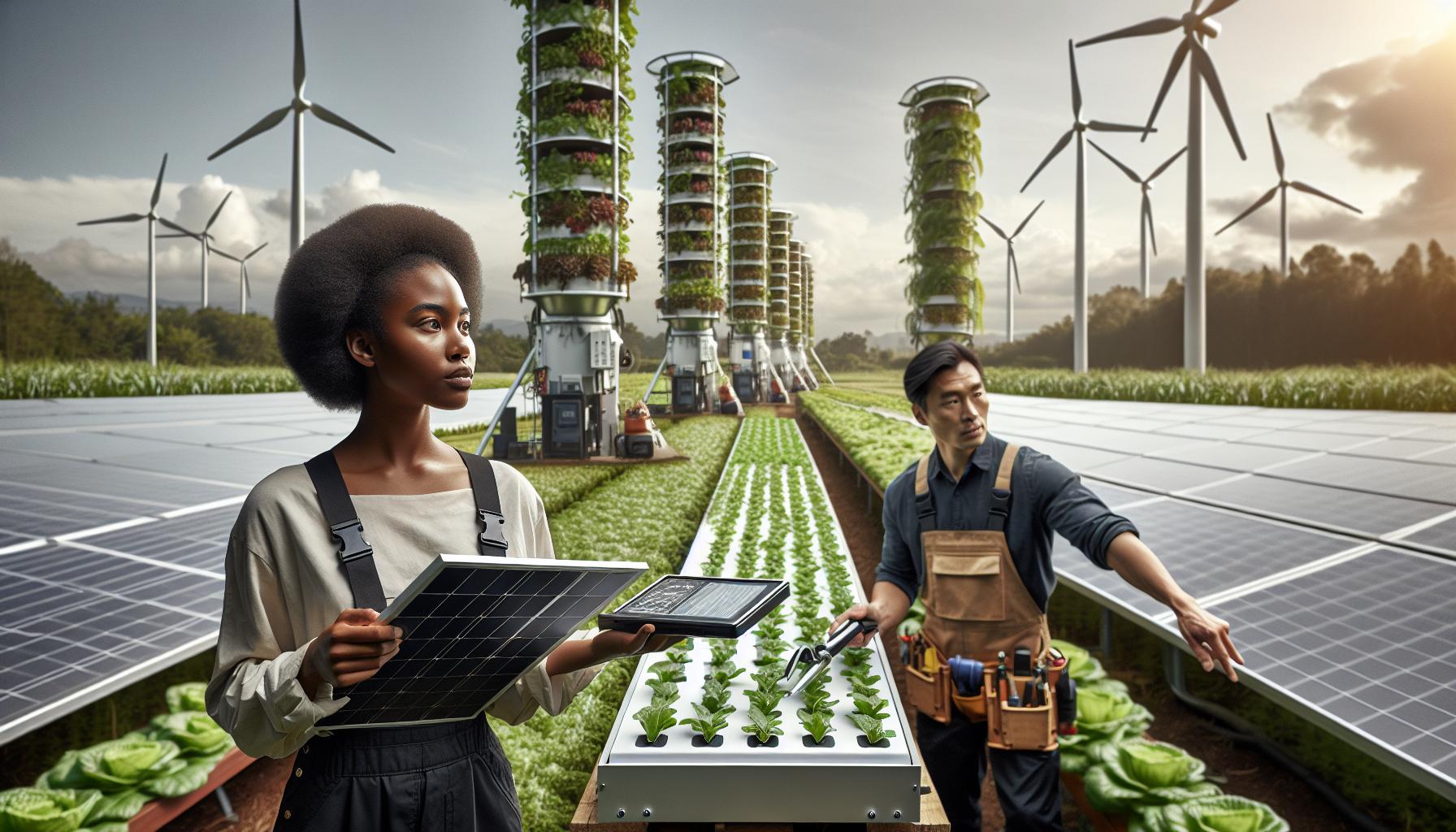
The Unexpected Benefits of Renewable Energy Growth
The shift towards renewable energy is not just a response to climate change; it’s a transformative trend that brings numerous unexpected benefits to society. As we grapple with the environmental consequences of fossil fuel dependency, the urgent need for sustainable alternatives has propelled the growth of renewable energy sources like solar, wind, and hydroelectric power. This transition not only aims to reduce greenhouse gas emissions but also creates a wealth of economic opportunities unlike any seen before.
In recent years, the renewable energy sector has become a vibrant engine for job creation. In 2021, the International Renewable Energy Agency (IRENA) reported an increase to approximately 12 million jobs globally attributable to renewables, with projections indicating that this number could reach 24 million by 2030. These positions span various sectors, from manufacturing and installation of renewable technologies to research and development. Investing in these green jobs not only aids economic recovery post-pandemic but also supports local communities and fosters energy independence. For instance, a community solar project in Massachusetts not only provides clean energy but also contributes to local job training programs, empowering residents with new skills.
Furthermore, renewable energy developments often come hand-in-hand with technological innovation. As demand for efficiency grows, companies are developing advanced energy storage solutions and smarter grid technologies. Innovative startups are spearheading these advancements, creating solutions that improve energy efficiency and reliability. A notable example is Tesla’s expansion of battery technology, which is set to enhance energy storage capabilities for solar panel users, allowing them to harness and store energy for later use. This creates a more decentralized energy network that can reduce transmission losses and enhance energy security in regions vulnerable to outages.
The environmental impact is equally remarkable. As more individuals and businesses embrace renewable energy, there’s a significant reduction in air pollution and a corresponding improvement in public health outcomes. Communities that shift towards clean energy sources often experience lower rates of asthma and respiratory illnesses, leading to reduced healthcare costs and a higher quality of life for residents. Moreover, renewable energy projects are increasingly designed with environmental stewardship in mind, incorporating practices that protect local ecosystems and biodiversity.
In conclusion, the growth of renewable energy not only addresses the pressing challenges posed by climate change but also opens up new avenues for economic development, technological innovation, and improved public health. The shift towards a sustainable energy future is a testament to human ingenuity and resilience, highlighting how necessity can fuel progress and create a brighter, more sustainable future for all.
How Climate Change is Driving Agricultural Adaptations
The agricultural landscape is undergoing a profound transformation in response to climate change, driving innovations and adaptations that, while born from necessity, offer new opportunities for sustainability and resilience. As global temperatures rise and weather patterns become increasingly erratic, farmers are compelled to rethink traditional practices and adopt strategies that can mitigate risks and enhance productivity. This shift not only helps safeguard food supplies but also promotes environmental stewardship, showcasing how adversity can lead to creative solutions.
One significant adaptation is the embrace of climate-smart agriculture (CSA), which integrates sustainable farming practices with a focus on reducing greenhouse gas emissions and enhancing crop resilience. Practices such as intercropping, cover cropping, and agroforestry are gaining traction. For instance, intercropping, or planting different crops in proximity, can improve soil health and increase biodiversity while reducing the risk of crop failure due to pests or adverse weather. Additionally, CSA initiatives often incorporate technology, with farmers utilizing data analytics and mobile applications to monitor weather forecasts and optimize resource use, demonstrating how innovation can be pivotal in adapting to climate challenges.
Examples of Successful Agricultural Adaptations
Numerous regions around the world are already witnessing the positive impacts of these adaptive measures. In sub-Saharan Africa, farmers are increasingly adopting drought-resistant crop varieties, such as millet and sorghum, which thrive in arid conditions. In India, farmers are leveraging age-old wisdom combined with modern techniques-like rainwater harvesting and mulching-to enhance soil moisture retention and maintain yields even in the face of climate-induced droughts. These practices not only ensure food security but also empower local communities by making them less vulnerable to the economic shocks associated with climate fluctuations.
Collaborative Efforts and Innovations
Collaboration among agricultural stakeholders-farmers, governments, NGOs, and the private sector-is critical in driving innovations. Programs that provide education and resources on sustainable practices are essential. For instance, organizations like Oxfam America advocate for sustainable farming practices that support farmers least responsible for climate change but most affected by its impacts. They help implement local solutions such as small-scale irrigation systems and organic farming techniques, thereby promoting climate resilience while improving nutrition and farmer livelihoods.
Through these collective efforts, the agricultural sector is learning to not only adapt to climate change but also to leverage it as a catalyst for innovation. By prioritizing sustainability and resilience, farmers are not just enhancing their chances of survival; they are also paving the way for a greener future, highlighting that amidst the challenges posed by climate change, there are indeed silver linings waiting to be uncovered.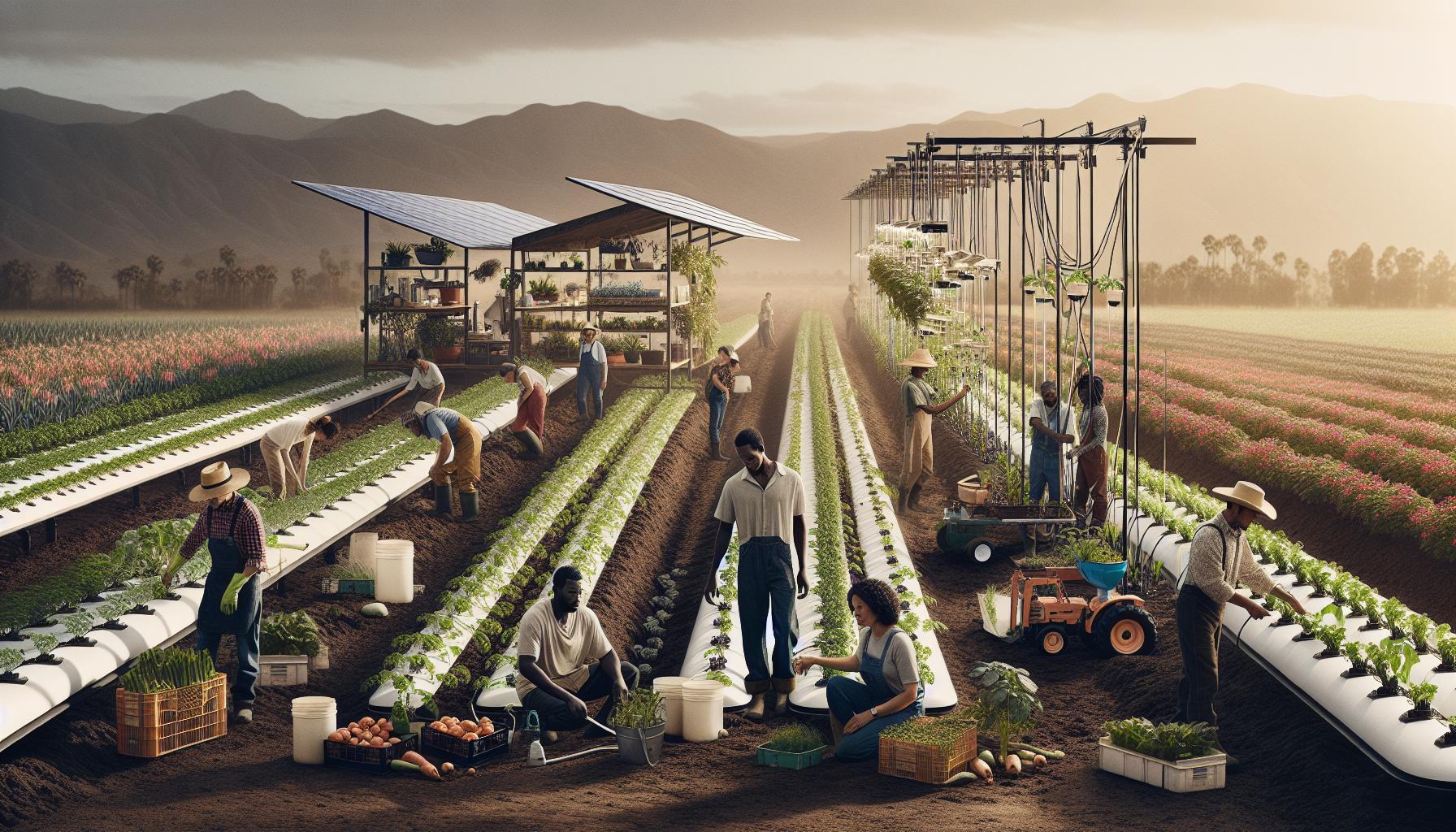
Revitalizing Ecosystems: Positive Impacts of Climate Change
The ongoing climate crisis, while posing significant threats, has also ignited a remarkable opportunity for revitalizing ecosystems around the globe. Nature is exhibiting resilience in the face of adversity; as some ecosystems struggle under shifting climate conditions, others are transforming in ways that can lead to enhanced biodiversity and restored habitats. This unexpected flourishing can serve as an inspiration for environmental conservation and sustainable practices.
One of the most compelling examples is the rebound of certain species and ecosystems as areas are repurposed or restored. Protected marine areas, for instance, have demonstrated significant recoveries in fish populations and coral reefs, which are essential for marine biodiversity. By reducing human impact, such as overfishing and pollution, these regions provide a sanctuary for aquatic life. The Great Barrier Reef, once critically endangered, has seen success stories of coral restoration via innovative techniques like coral gardening and breeding heat-resistant varieties. These initiatives not only support marine life but also bolster local economies dependent on healthy ecosystems.
Another positive impact has emerged in terrestrial ecosystems through reforestation efforts and sustainable land management practices. Community-led reforestation projects are gaining momentum, particularly in areas heavily affected by deforestation. These initiatives not only restore habitats but also capture carbon, mitigate floods, and improve soil quality. For example, in the Amazon Rainforest, indigenous communities are spearheading efforts to restore degraded land by planting native tree species, which helps restore biodiversity and traditional ecosystems while simultaneously providing economic benefits through sustainable forestry practices.
Furthermore, the impact of climate change has led to innovative conservation strategies that harness technology for better ecosystem management. Using drones to monitor land use and wildlife populations has become increasingly common, enabling conservationists to take proactive measures based on real-time data. Geographic Information Systems (GIS) and remote sensing technologies are helping to map changes in land cover and detect early signs of environmental stress. These approaches not only enhance our understanding of ecosystems but also empower community-led conservation efforts to become more effective in combating biodiversity loss.
In summary, as the climate crisis ushers in new challenges, it simultaneously opens doors for ecological revitalization that fosters hope and resilience. By embracing innovative practices and community engagement, these ecosystems can thrive, ensuring sustainable stewardship of our planet’s natural resources for generations to come.
Community Resilience: Lessons from Climate Challenges
Communities worldwide are uncovering powerful lessons in resilience as they confront the many challenges posed by climate change. Extreme weather events, rising sea levels, and shifting agricultural conditions have compelled local populations to adapt in innovative ways, shifting the narrative from despair to empowerment. For instance, communities hit by hurricanes in the Atlantic have begun implementing new building codes that require structures to withstand high winds and flooding. This proactive approach not only protects homes and businesses but also fosters a culture of preparedness and communal support.
One poignant example of these adaptive strategies can be seen in the coastal towns of Louisiana, where residents have developed extensive marsh restoration projects to protect their communities from storm surges. Volunteers work tirelessly to plant native grasses and create wetlands, efforts that bolster local biodiversity while providing a natural buffer against rising waters. This initiative showcases the melding of environmental stewardship and community bonding, illustrating that when residents unite under a common goal, the outcomes can be both ecologically and socially beneficial.
Additionally, urban areas faced with heat waves are increasingly turning to green infrastructure to enhance community comfort and resilience. Cities like Chicago have introduced extensive tree-planting campaigns and created green roofs, which cool the environment and reduce heat-related health issues. These spaces serve as communal gathering spots, strengthening social ties while fostering a sense of ownership and pride among residents. Such efforts emphasize the importance of integrating climate adaptation strategies within community planning, promoting not just individual safety but collective well-being.
In essence, the journey toward resilience is an ongoing learning process. Constant feedback loops from successful initiatives help refine and optimize strategies, encouraging communities to become more involved in sustainability efforts. This iterative learning embodies the spirit of resilience, as communities not only cope with climate challenges but actively transform these obstacles into opportunities for growth and connection. By embracing innovative solutions and fostering community engagement, we can pave the way toward a more sustainable and cohesive future, ensuring that hope thrives amid the challenges presented by climate change.
Technology Advancements Fueled by Environmental Necessity
As we grapple with the ongoing impacts of climate change, a remarkable shift is occurring in the technological landscape, driven by the urgent need for sustainable solutions. From startups to established companies, innovation is flourishing as industries pivot toward environmentally friendly practices that not only tackle ecological issues but also create new markets and job opportunities. The acceleration of green technologies showcases how necessity can act as a powerful catalyst for change, leading to significant advancements in various sectors.
Transformative Innovations in Energy
One of the most visible impacts of this technological evolution is in the energy sector. The transition to renewable energy sources like solar, wind, and hydroelectric power is imperative to reduce greenhouse gas emissions. Advances in solar panel efficiency and battery storage technologies have made renewable energy more accessible and affordable than ever. For example, companies are developing solar panels that can generate electricity even in low-light conditions, ensuring that solar energy can be harvested throughout the day and in less than ideal weather. This not only broadens the applicability of solar technology but also encourages households and businesses to invest in sustainable energy solutions.
Smart Agriculture: Tech Meets Tradition
In agriculture, where climate change directly affects crop yields and food security, technology is leading to innovative farming practices. Precision agriculture utilizes advanced sensors and satellite imagery to analyze soil health and optimize irrigation practices, thus conserving water and enhancing productivity. Farmers can remotely monitor their crops using drone technology, allowing them to take timely action to mitigate the effects of climate-related stresses such as droughts or pests. This data-driven approach empowers farmers to make informed decisions that maximize their yield while minimizing environmental impact.
Waste Management and Circular Economies
The necessity for improved waste management solutions has also spurred innovation. Technologies that facilitate recycling and waste-to-energy conversion are evolving rapidly. For instance, new biotechnologies are being developed to break down plastics and organic waste into usable materials, thus supporting a circular economy where waste becomes a resource. Startups worldwide are leading the charge in creating efficient methods of converting waste into energy, reducing landfill waste while producing clean power.
Practical Steps for Individuals and Communities
Individuals and communities can also take actionable steps to leverage these technological advancements. Here are some strategies to consider:
- Invest in Renewable Solutions: Explore local options for solar or wind energy installations in your community.
- Adopt Smart Farming Practices: If you’re involved in agriculture, investigate precision farming tools that can optimize your operations.
- Participate in Recycling Initiatives: Get involved in local recycling programs or community clean-up initiatives to support sustainable waste management.
By embracing technology and innovation in response to climate change, society stands at the precipice of transformation. These advancements not only help mitigate the effects of climate change but also pave the way for a more sustainable future, proving that from adversity can spring powerful solutions. The ongoing development of green technologies highlights a growing optimism that we can adapt to changing circumstances while fostering resilience through innovative thinking and collective action.
Mental Health and Nature: Finding Solace in Change
Research increasingly shows that spending time in nature can be a powerful antidote to the stress and anxiety often exacerbated by the changing environment we face due to climate change. As our world grapples with its consequences-from extreme weather events to shifting ecosystems-many individuals are finding solace and mental clarity through reconnecting with the natural world. This link between mental health and nature is not just anecdotal; studies indicate significant mental health benefits from outdoor activities, substantiating the idea that engaging with our environment can be restorative and uplifting during times of uncertainty.
Regular exposure to green spaces has been linked to lower levels of stress, anxiety, and depression. Even simple activities like walking in a park, gardening, or hiking in nearby mountains can stimulate positive changes in mood and emotional well-being. The practice of “forest bathing,” or Shinrin-yoku, a Japanese term promoting immersion in forest environments, has gained popularity worldwide, demonstrating that intentional connection with nature can enhance psychological resilience. Additionally, spending time outdoors can encourage physical activity, which further supports mental health by releasing endorphins and fostering social connections among individuals and communities.
As individuals, we can actively incorporate nature into our mental health strategies. Here are several practical steps to consider:
- Schedule Regular Nature Breaks: Dedicate time each week for outdoor activities, whether it’s a hike, a jog in the park, or simply relaxing in your backyard.
- Create Green Spaces: If space allows, cultivate a garden at home. Planting flowers, herbs, or trees can create a therapeutic environment while contributing to biodiversity.
- Engage in Nature-Based Community Activities: Participate in local clean-up events or community gardening projects. This not only enhances your connection with nature but also fosters a sense of belonging and purpose.
Awareness of the mental health benefits of nature is leading to a broader societal shift where community initiatives are emerging to enhance access to green spaces, especially in urban areas. Programs that promote urban forestry and community gardens are becoming more common, addressing mental health needs while combating climate change through increased greenery. In embracing nature as both a refuge and a means of environmental responsibility, individuals can cultivate resilience and maintain well-being amidst the challenges brought on by climate shifts. The more we nurture our relationship with the natural world, the better equipped we will be to respond to climate change-not only for ourselves but for future generations.
Shifts in Global Cooperation: United for a Sustainable Future
As the impact of climate change intensifies, it has catalyzed a significant shift in global cooperation towards sustainable development. This collective response is not just reactive; it offers a remarkable opportunity to unite nations, organizations, and communities around a common goal: to mitigate climate change while fostering economic and social advancements. Countries are increasingly recognizing that climate change is not only an environmental issue but also a driver of economic innovation and social equity. The Paris Agreement exemplifies this newfound solidarity, with nations committing to reducing greenhouse gas emissions and promoting sustainable practices, reflecting a global consensus on the urgent need for unity in the face of adversity.
The rise of international initiatives, such as the United Nations’ Sustainable Development Goals (SDGs), illustrates how climate change has prompted collaboration across borders. These goals aim to address various global challenges, including poverty, inequality, and environmental degradation, promoting a holistic approach to sustainable development. The SDGs encourage countries to share best practices and develop innovative solutions, showcasing how cooperation can lead to successful strategies that foster resilience and adaptability in communities facing climate impacts.
Collaborative Innovations
Working together has spurred technological innovations that address climate-related challenges. For instance, projects like the Climate Innovation Studios in New York City exemplify how urban areas are redefining infrastructure and transport systems to be more sustainable. By integrating e-micromobility and electric vehicle (EV) initiatives, cities are not only reducing emissions but are also creating economic opportunities through green jobs [[1]](https://edc.nyc/climate-innovation-studios). These partnerships exemplify how local and global stakeholders can manage resources effectively, ultimately leading to economic growth while combating climate change.
Empowering Communities
Moreover, global cooperation has empowered local communities, particularly in vulnerable regions, to adapt to changing climates through grassroots efforts. Initiatives that promote sustainable agriculture, such as regenerative farming and agroforestry, are often supported by international organizations that provide funding and expertise. This not only helps communities become self-sufficient but also enhances food security and mitigates hunger, demonstrating a successful model of how unity can lead to tangible improvements in livelihoods.
The collaborative efforts to tackle climate change foster a new narrative-one where collective action leads to sustainable solutions and innovative practices. This united front not only addresses the immediate challenges posed by climate change but also lays the groundwork for a more resilient and equitable future. As nations continue to share knowledge and resources, we move closer to a sustainable world where the burden of climate change transforms into a catalyst for global innovation and cooperation.
Case Studies: Success Stories in Climate Adaptation
In the face of increasing climate challenges, numerous communities around the globe have turned adversity into opportunity, showcasing remarkable resilience and adaptation strategies. These success stories shine a light on how proactive measures, grounded in innovation and collaboration, can lead to significant benefits for both the environment and society.
One notable example comes from the city of Rotterdam, which has developed comprehensive strategies to combat flooding risks by integrating nature-based solutions with urban design. The city has invested in green roofs, rain gardens, and permeable pavements that not only enhance biodiversity but also effectively manage stormwater. This approach has not only equipped Rotterdam to handle heavy rainfall more gracefully but has also transformed urban spaces into healthier, more enjoyable environments for residents. The emphasis on sustainable architecture and green infrastructure has become a model for cities worldwide, offering practical insights into flood resilience while promoting urban beauty.
Similarly, in the agricultural sector, the adoption of agroecological practices in India has led to a remarkable revival of rural communities struggling with climate variability. Farmers are increasingly employing techniques such as crop diversification, intercropping, and organic pest management. These practices not only improve soil health and resiliency against pests but also boost crop yields and farmers’ incomes. A striking case is found in the state of Tamil Nadu, where a grassroots movement advocating for farmer cooperatives has enabled local farmers to share resources, knowledge, and market access. This collective action fosters not only economic stability but also elevates social cohesion, demonstrating how local initiative can drive significant change.
Global Initiatives Foster Local Success
The global Green Climate Fund (GCF) has also played a crucial role in catalyzing local success stories by providing financial support to vulnerable regions. For instance, in Honduras, the GCF has supported the implementation of integrated watershed management projects that reduce landslide risks while enhancing water security for local communities. Through sustainable land-use planning and restoration of critical ecosystems, these communities have experienced not only improved agricultural productivity but also strengthened their defenses against climate-induced disasters.
These examples highlight the potential for innovative adaptation strategies to flourish when supported by community engagement, financial backing, and global cooperation. Each case reinforces the idea that proactive adaptation to climate change can yield not just survival but flourishing, generating opportunities for economic growth, environmental stewardship, and stronger social networks. The lessons gleaned from these success stories can inspire other communities to implement tailored solutions, recognizing that climate change, while posing significant threats, also invites opportunities for transformative change.
Exploring Green Jobs: Economic Opportunities Ahead
The renewable energy sector is rapidly emerging as one of the most significant sources of employment in the wake of climate change. According to the International Renewable Energy Agency (IRENA), the global workforce in renewables reached 11.5 million jobs in 2018-and that number continues to grow. This surge not only highlights the economic potential of green jobs but also underscores the role of sustainability in shaping a resilient and adaptable labor market.
In many regions, initiatives to combat climate change have spurred job creation across diverse sectors. For example, demand for solar power technicians and wind turbine engineers has skyrocketed as countries aim to transition to cleaner energy sources. These roles typically offer competitive salaries and the potential for career advancement, which is appealing to a workforce adapting to the disruptions caused by climate change. In the United States alone, employment in wind and solar energy has increased at an annual growth rate of nearly 20% over the past decade, reflecting a clear shift in labor dynamics towards sustainable industries.
Transformative Potential of Green Jobs
Green jobs extend beyond just energy production. They encompass roles in sustainable agriculture, waste management, conservation, and environmental protection, among others. For instance, agroecological practices are creating demand for workers skilled in permaculture, organic farming, and soil health management, thereby revitalizing rural economies and supporting local food systems. In urban areas, the rise of green infrastructure projects, such as green roofs and sustainable urban planning, is generating jobs for landscape architects, urban planners, and construction workers specialized in eco-friendly design.
These economic opportunities are not confined to high-skill workers; many green jobs also offer pathways for entry-level positions, apprenticeships, and vocational training. Community colleges and technical institutes are developing programs to equip individuals with the necessary skills to enter the green job market. As regions increasingly prioritize sustainability, workers who acquire green skills can transition from declining industries-like coal mining-to vibrant roles in renewable energy, energy efficiency, and environmental restoration.
Real-World Success Stories
For example, in Germany, the Energiewende (Energy Transition) policy has not only targeted reductions in carbon emissions but has also successfully transformed the job landscape, leading to the creation of roughly 300,000 jobs in the renewable sector. These initiatives emphasize the interconnectedness of climate action, economic revitalization, and community resilience. Furthermore, the Global Green New Deal proposed by various international organizations aims to highlight and expand these opportunities worldwide, fostering job creation aligned with ecological sustainability.
As communities look to navigate the challenges posed by climate change, the economic opportunities provided by green jobs serve as a beacon of hope. Not only do they present viable paths for popular engagement in the fight against climate change, but they also ensure that as we move towards a sustainable future, we are creating resilient economies capable of withstanding future ecological and economic shocks. By investing in education and training for green industries, we can empower individuals and communities while nurturing a healthier planet.
Future Outlook: What’s Next for Humanity and Earth?
As the world grapples with the myriad challenges posed by climate change, there exists a growing recognition that within these trials lie opportunities for transformative change. An increasing number of innovators, entrepreneurs, and communities are rallying around the mission of sustainability, harnessing the adverse effects of climate trends to stimulate growth, creative thinking, and resilience. For instance, recent studies reveal that the global market for renewable energy is projected to exceed $2 trillion by 2025, driven by advancements in technology and an urgent demand for cleaner sources of power. This shift is not just about reducing emissions; it’s also about reimagining economic frameworks and fostering innovation that prioritizes ecological health.
In agriculture, climate change is catalyzing the development of adaptive practices that not only mitigate negative impacts but also enhance food security and biodiversity. Farmers are increasingly turning to regenerative practices, such as agroforestry and crop rotation, which not only combat soil degradation but also improve yield resilience against extreme weather events. This farming revolution is inspired by traditional indigenous techniques that prioritize ecological balance and sustainability, offering a blueprint for a more secure food future while reconnecting communities with their land.
Moreover, the effects of climate change have sparked a renewed focus on community resilience. Cities around the globe are investing in adaptive infrastructure, such as green roofs and permeable pavements, to manage stormwater and reduce urban heat. These initiatives not only protect urban environments from flooding and rising temperatures but also create inviting green spaces that enhance quality of life. By fostering collaboration among stakeholders-governments, businesses, and citizens-there is a potential for shared understanding of community priorities and the importance of sustainable development.
Looking ahead, the imperative for action on climate change also presents a unique chance for global cooperation. Initiatives like the Paris Agreement exemplify how countries can unite around common environmental goals. Grassroots movements and collaborative international efforts are inspiring a new wave of policy-making grounded in sustainability, equity, and justice. By aligning financial investments with sustainable practices, nations can also stimulate economies while ensuring a healthy planet for future generations. Embracing this holistic approach could pave the way for a sustainable future where both humanity and Earth thrive.
Positive Climate Narratives: Inspiring Change and Action
As the world navigates the complexities of climate change, a silver lining emerges in the form of renewed narratives that inspire action and change. These narratives highlight the resilience of human ingenuity and the potential for transformative progress amidst adversity. One striking example is the growing community of organizations and individuals rallying around environmental storytelling to foster awareness and engage broader audiences. By sharing compelling stories about local climate impacts and innovative solutions, these narratives create emotional connections that motivate collective action.
Harnessing Community Engagement
At the heart of inspiring climate narratives is grassroots activism, which has proven effective in mobilizing communities toward sustainable practices. Local groups often lead the charge by initiating urban gardens, organizing clean-up drives, or advocating for policy changes at the municipal level. One notable case is the “Green City” initiative in a mid-sized U.S. town, which transformed underutilized spaces into green parks and community gardens. This effort not only improved local biodiversity but also provided residents with a strengthened sense of community and responsibility for their environment.
Shifting Economic Paradigms
The narratives surrounding climate change are also influencing financial investments and economic strategies. Increasingly, investors are recognizing the profitability of sustainable technologies and renewable energy sectors. Reports indicate that the global market for renewable energy is projected to surpass $2 trillion by 2025, showcasing a clear shift in economic paradigms that prioritize environmental health. Not only does this stimulate job creation in emerging green sectors, but it also encourages innovations that support sustainable practices across industries.
- Real-World Impact: Companies focusing on eco-friendly products and carbon-neutral practices are gaining market traction, proving that sustainability can align with profitability.
- Investment in Green Jobs: As new sectors emerge, opportunities beckon for careers in renewable energy, sustainable agriculture, and eco-technology, offering a path to both economic growth and environmental stewardship.
Inspiring a Generation
Youth movements, such as those led by climate activists around the globe, effectively utilize social media to amplify their voices and connect with younger generations. This wave of activism reflects the burgeoning awareness of climate issues among young people, who are increasingly demanding accountability from decision-makers. Their stories not only raise awareness but also challenge the status quo, creating a sense of urgency that fosters a collective desire for change.
The confluence of these engaging narratives-rooted in real-world action, economic opportunity, and community involvement-provides a powerful framework for inspiring positive change. By amplifying these stories, individuals and organizations can collectively contribute to a sustainable future, demonstrating that through unity and innovation, society can address the daunting challenges posed by climate change while finding hope in the myriad of potential solutions.
Frequently asked questions
Q: What are the economic benefits of addressing climate change?
A: Addressing climate change can lead to economic growth through the creation of green jobs, fostering innovation in renewable energy technologies, and increasing efficiency in resource utilization. Communities can thrive by investing in sustainable practices that not only mitigate environmental impacts but also generate new economic opportunities [3].
Q: How can individuals contribute positively to climate change adaptation?
A: Individuals can contribute to climate change adaptation by adopting sustainable practices such as reducing energy consumption, supporting local agriculture, and using public transportation. Engaging in community resilience efforts, like local clean-up initiatives, can also empower individuals to make a difference [2].
Q: What role do technological advancements play in combating climate change?
A: Technological advancements play a crucial role by providing innovative solutions for energy efficiency and renewable energy sources, reducing carbon footprints. Technologies such as carbon capture, smart grids, and sustainable agriculture practices are essential for transitioning to a low-carbon economy [3].
Q: Can climate change lead to better mental health outcomes?
A: Yes, engaging with nature and outdoor activities can improve mental health, especially during times of environmental change. Understanding and adapting to new ecological realities can foster a sense of connection with the environment, which can be therapeutic [2].
Q: How is climate change reshaping global cooperation?
A: Climate change is prompting nations to collaborate more closely on sustainability efforts, leading to international agreements aimed at reducing carbon emissions. This cooperative spirit not only addresses climate issues but also promotes peace and mutual understanding among countries [1].
Q: What positive impacts can climate change have on ecosystems?
A: While climate change poses threats, it can also stimulate ecosystem revitalization. For instance, certain species may adapt and thrive in changing climates, leading to shifts in biodiversity and ecosystem services that can benefit humans and wildlife alike [1].
Q: Are there new opportunities for innovation due to climate change?
A: Yes, climate change spurs innovation as businesses and researchers seek sustainable solutions. This drive leads to developments in clean technologies, energy-efficient products, and practices that enhance resilience against climate-related challenges [2].
Q: How can community resilience be enhanced in response to climate change?
A: Enhancing community resilience involves developing local plans for disaster preparedness, investing in green infrastructure, and fostering community networks that support collective action. These initiatives can mitigate climate impacts and strengthen social ties [3].
To Conclude
As we’ve explored in “Has Climate Change Improved Anything? [Silver Linings],” it’s important to recognize that amidst the challenges, there are emerging opportunities for innovation and growth. Whether it’s advancements in renewable energy or shifts in agricultural practices, these silver linings shed light on how we can adapt and thrive. Now is the time to stay informed and proactive. Consider diving deeper into our resource on sustainable living tips or our article on the economic benefits of going green to further your understanding and engagement.
We invite you to share your thoughts in the comments below. What silver linings have you noticed in your own community? Don’t forget to subscribe to our newsletter for insights delivered straight to your inbox, and explore our related articles to enrich your journey toward a more sustainable future. Together, we can leverage the positive changes to create a healthier planet.
Get our latest guides, news, and insights highlighted in your Google Search & AI Overviews.