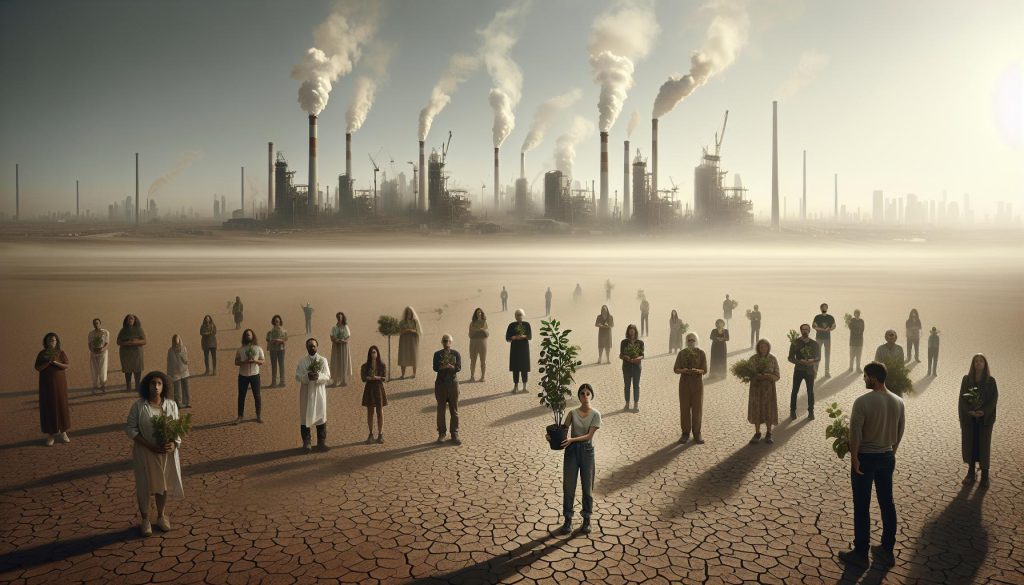
Did you know that since the 1800s, human activities have been the leading cause of climate change, primarily driven by the burning of fossil fuels? This alarming reality not only affects our planet but also impacts our daily lives, from extreme weather events to rising sea levels. Understanding how our actions-whether through transportation, industrial processes, or even agricultural practices-contribute to climate change is crucial for fostering a sustainable future. As individuals, we hold the power to drive positive change, and by learning about our role in this global challenge, we can take informed steps towards reducing our carbon footprint and advocating for cleaner energy solutions. Join us on this journey to explore the human factors behind climate change and discover practical ways we can collectively combat its effects. Your awareness and action can help shape a healthier planet for generations to come.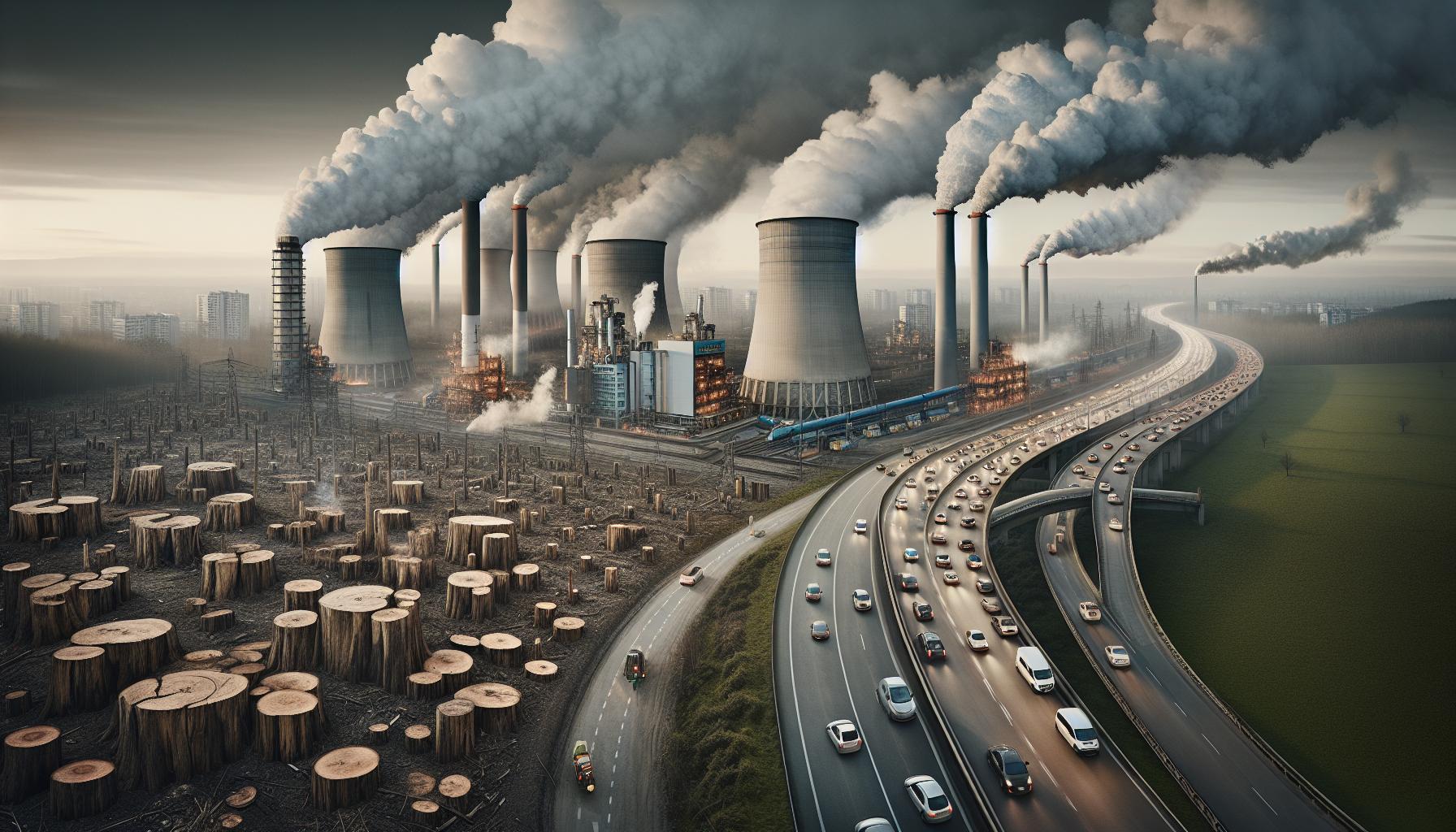
How Human Activities Contribute to Climate Change
Human activities have profoundly transformed our planet, and their significant contribution to climate change cannot be overstated. The burning of fossil fuels-coal, oil, and natural gas-has dramatically increased the concentration of greenhouse gases in the atmosphere, primarily carbon dioxide. This shift began during the Industrial Revolution and has accelerated over the past 150 years. Understanding the central role of these practices is crucial for addressing the urgent climate crisis we face.
Fossil fuels are the largest source of greenhouse gas emissions, contributing around 75% of the total emissions driving climate change. Not only do they power homes and industries, but they also fuel transportation systems worldwide. As nations industrialize and develop, the demand for energy continues to escalate, often met by carbon-intensive sources. Transitioning towards renewable energy-such as solar, wind, and hydroelectric power-could substantially reduce emissions and mitigate climate change effects.
Deforestation is another critical factor exacerbating climate change. Trees absorb carbon dioxide, acting as natural carbon sinks. When forests are cleared for agriculture or urban development, not only is this vital carbon storage lost, but the act of deforestation itself releases stored carbon back into the atmosphere. Tackling deforestation requires cooperative global efforts to promote sustainable land management and forest conservation practices.
Agricultural practices contribute significantly to greenhouse gas emissions as well. Livestock farming, particularly cattle, generates methane-a potent greenhouse gas-while land-use changes for agriculture further increase carbon release. Implementing more sustainable agricultural practices, such as permaculture, crop rotation, and agroforestry, can reduce agricultural emissions while enhancing food security.
To create a sustainable future, individuals, communities, and governments must adopt responsible practices. This means pursuing energy efficiency, advocating for the use of renewable resources, and supporting policies aimed at reducing emissions. By making conscious choices-such as reducing meat consumption, improving waste management practices, and prioritizing sustainable transportation-everyone can contribute to the effort of combating climate change, ensuring a healthier planet for generations to come.
The Role of Fossil Fuels in Global Warming
The burning of fossil fuels-encompassing coal, oil, and natural gas-remains the predominant driver of climate change, accounting for approximately 75% of total greenhouse gas emissions. Each year, the vast amounts of carbon dioxide released from these sources are pivotal in accelerating global warming, significantly surpassing the limits deemed safe by climate scientists. In fact, the Intergovernmental Panel on Climate Change (IPCC) has identified emissions from fossil fuels as the dominant cause of climate change, necessitating an urgent transition to renewable energy sources if we are to mitigate drastic temperature rises over the coming decades [[1]].
As economies grow, so does their energy demand, typically met through the combustion of fossil fuels. For instance, in rapidly industrializing nations, increased electricity consumption to power factories and urban infrastructure leads to heightened reliance on coal and natural gas, which are considerably carbon-intensive. Moreover, the transport sector-responsible for nearly a quarter of global carbon emissions-relies heavily on petroleum products. This dependence not only hampers efforts to reduce greenhouse gas emissions but also emphasizes the need for comprehensive policy initiatives encouraging shifts towards clean energy options like solar and wind power, which can significantly reduce emissions and create a more sustainable future.
To combat the detrimental impacts of fossil fuels, individuals can take actionable steps in their daily lives. One effective strategy is to decrease energy consumption by embracing energy-efficient appliances and practices, such as switching to LED lighting and managing heating and cooling systems wisely. Additionally, advocating for and utilizing public transportation can drastically reduce individual carbon footprints, alongside promoting the use of electric vehicles. Communities and governments must also prioritize investments in renewable energy infrastructure and support innovative solutions that minimize our reliance on fossil fuels, ultimately aligning with global climate goals.
Addressing the role of fossil fuels in climate change is not only a scientific concern but a moral imperative that requires collective, informed action towards sustainable practices. The transition from a fossil fuel-driven economy to one that embraces renewable energy sources is not merely an upgrade-it’s a necessity for ensuring the health of our planet for future generations.
Deforestation: A Major Factor in Climate Change
With an area equivalent to a football field disappearing every second, deforestation stands out as a significant contributor to climate change. Forests are vital carbon sinks, absorbing carbon dioxide (CO2) from the atmosphere and playing a crucial role in regulating global temperatures. When trees are cut down, not only is this carbon storage capacity diminished, but the carbon stored in the trees is also released back into the atmosphere, amplifying the greenhouse effect and accelerating global warming. The urgent question arises: How can we address this alarming trend and promote forest conservation?
One effective approach is the Reducing Emissions from Deforestation and Forest Degradation (REDD+) program. This initiative offers financial incentives to countries and communities for preserving forest areas and engaging in sustainable forest management practices. By encouraging stakeholders to protect rather than exploit forests, REDD+ seeks to create a sustainable balance whereby economic development can occur without sacrificing ecological integrity. For instance, nations like Costa Rica have successfully implemented reforestation efforts driven by REDD+ policies, leading to an increase in forest cover and a reduction in emissions.
To take personal action against deforestation, individuals can adopt several practical steps:
- Support Sustainable Products: Choose products made from sustainably sourced wood, paper, and palm oil. Look for certifications like Fair Trade or Rainforest Alliance.
- Reduce Paper Use: Go digital where possible, minimizing the demand for paper products by utilizing electronic communication and online platforms.
- Promote Awareness: Share information about deforestation and its impacts on climate change through social media or community groups to inspire others to take action.
- Advocate for Conservation Policies: Engage with local and national legislators to support policies that protect forests and promote sustainable land-use practices.
Taking these steps not only contributes to the fight against climate change but also promotes the restoration of biodiversity and ecosystems. As we work collectively to curb deforestation, we play an essential role in securing a healthier planet for future generations. Each choice we make, whether as consumers or advocates, echoes in the broader narrative of environmental stewardship and climate action.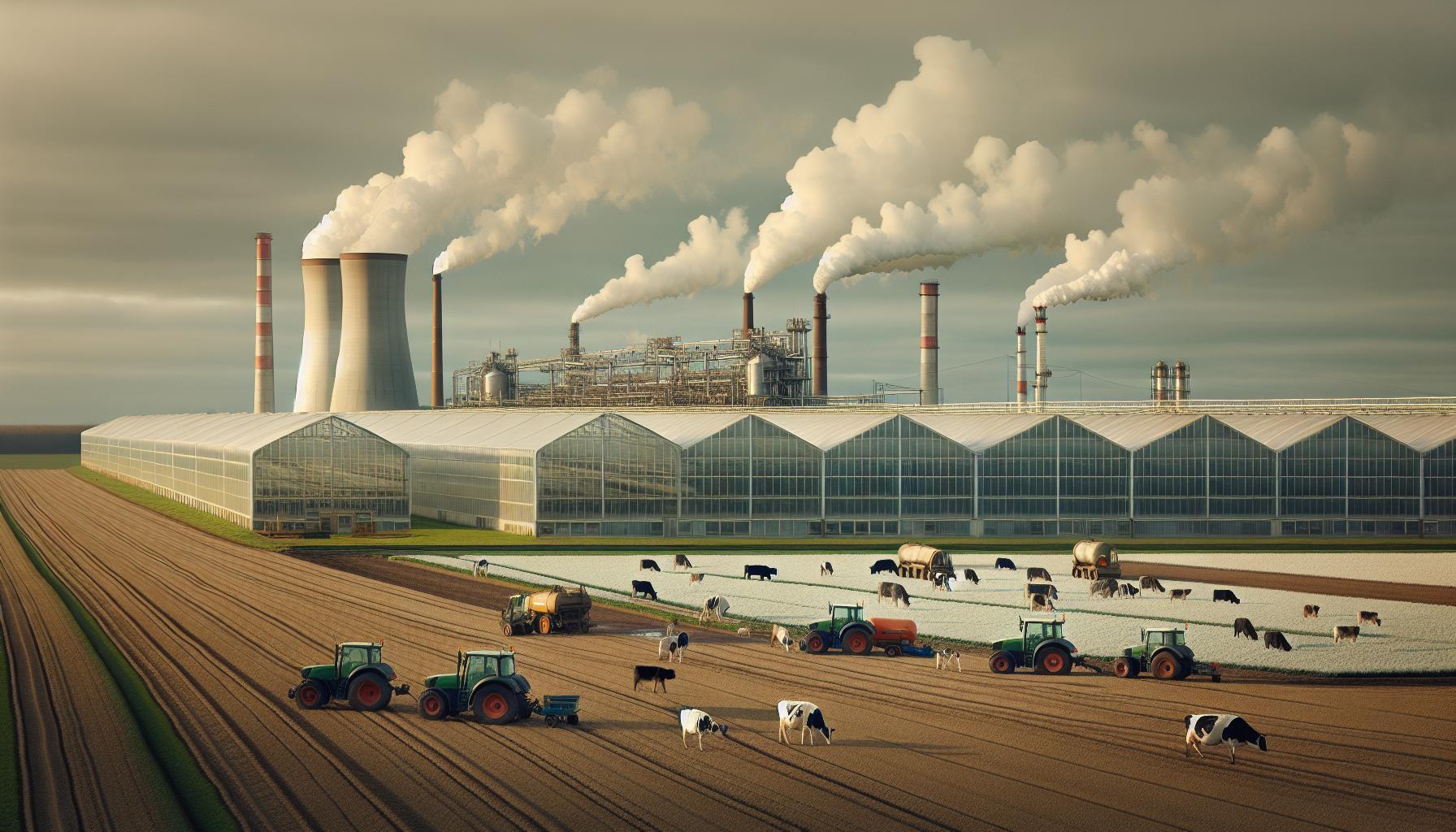
Agriculture’s Impact on Greenhouse Gas Emissions
Agriculture contributes significantly to greenhouse gas emissions, accounting for about 10-12% of total emissions in many developed countries. This sector impacts the environment in multifaceted ways, from the production of methane during livestock digestion to the nitrous oxide released from fertilized soils. Surprisingly, the emissions from agriculture are often overshadowed by those from fossil fuels, yet they are critical in the climate change equation.
The impact of livestock is particularly pronounced. Ruminants like cows produce methane, a greenhouse gas that is approximately 28 times more potent than carbon dioxide over a 100-year period. In fact, livestock production alone contributes nearly 65% of the methane emissions generated by human activities. This emphasizes the need for more sustainable farming practices and alternative protein sources. Innovations such as precision farming, improved feed efficiency, and the integration of agroecological practices can help mitigate these emissions while maintaining productivity.
Crop production also plays a considerable role in greenhouse gas emissions. The use of synthetic fertilizers can lead to nitrous oxide emissions when they are applied excessively or inappropriately. Sustainable agriculture practices, such as crop rotation, intercropping, and organic farming, can help reduce reliance on chemical fertilizers and improve soil health. Such techniques not only lower emissions but also enhance resilience against climate effects, ultimately benefiting farmers and ecosystems alike.
To combat the agricultural impact on climate change, individuals can take several actionable steps. Supporting local farmers through community-supported agriculture (CSA) can encourage sustainable practices. Additionally, choosing to consume less meat and dairy can significantly reduce one’s carbon footprint, as the production of plant-based foods generally results in lower emissions. Educating oneself and others about the link between agriculture and climate change fosters a collective approach towards more sustainable dietary choices that align with environmental stewardship and resilience.
By addressing the greenhouse gas emissions stemming from agriculture, we can make strides toward a more sustainable food system while actively participating in efforts to combat climate change. Every decision we make as consumers can ripple through the agricultural supply chain, leading to meaningful environmental impact.
The Effect of Industrial Practices on Our Planet
Human industrial practices have driven significant advancements in society but have also contributed to a substantial rise in greenhouse gas emissions. For instance, industries are responsible for approximately 21% of global carbon dioxide emissions, derived mainly from burning fossil fuels for energy, manufacturing processes, and waste management. This underscores the urgent need for reform in how industries operate to mitigate their environmental impact.
One of the primary culprits is the manufacturing sector, which not only emits pollutants but also engages in resource extraction that devastates ecosystems. The production of cement, steel, and plastics, essential components of construction and manufacturing, generates substantial CO2 emissions. For example, cement production alone contributes about 7% of global CO2 emissions. Transitioning to more sustainable practices, such as using alternative materials or innovative manufacturing techniques, can significantly reduce these emissions. Companies are increasingly investing in technologies like carbon capture and storage (CCS) and sustainable sourcing, representing a critical shift towards mitigating climate impact.
Strategies for Change
To address the adverse effects of industrial practices, several strategies can be embraced:
- Energy Efficiency: Industries can improve energy efficiency through upgraded machinery, energy audits, and smart technologies that monitor and optimize energy use.
- Renewable Energy: Shifting to renewable energy sources, such as solar and wind, can drastically lower the carbon footprint of industrial operations.
- Sustainable Materials: Utilizing recycled materials and bio-based alternatives can minimize resource extraction and decrease overall emissions.
- Regulatory Compliance: Adhering to environmental regulations and committing to sustainability can not only enhance a company’s reputation but also lead to financial benefits in the long term.
- Employee Training: Engaging employees in sustainability initiatives fosters a culture of accountability and innovation, leading to better environmental practices.
These steps not only protect the environment but can also enhance operational efficiencies and reduce costs. For instance, a company that adopts renewable energy might see a significant decrease in energy expenses over time, showcasing that climate responsibility can align with business profitability.
Through collective efforts and innovative practices, industries can revolutionize their operations, leading to a reduced impact on the planet and contributing positively toward global climate goals. By remaining informed and motivated to implement these changes, stakeholders can play a vital role in the broader fight against climate change.
Transportation Emissions and Their Consequences
The transportation sector plays a pivotal role in climate change, contributing significantly to greenhouse gas (GHG) emissions worldwide. In the United States alone, transportation accounted for a striking 28% of total GHG emissions in 2022, primarily from light-duty vehicles, trucks, and aviation [3]. The increasing reliance on fossil fuels for daily commuting, freight transport, and air travel exacerbates this issue, leading to accelerated climate change effects such as rising sea levels, extreme weather events, and loss of biodiversity.
Individual choices can make a notable difference. For example, shifting from personal vehicles to public transportation can reduce carbon emissions by as much as 2.2 tons per person annually [1]. Carpooling offers another practical approach, potentially cutting emissions by about 1.0 tons per participant [1]. As cities evolve, shared electric vehicle services are becoming more popular, offering an eco-friendly alternative for those who only need occasional access to a car while promoting lower emissions in urban areas.
Addressing transportation emissions not only requires changes in individual habits but also systemic adjustments. Governments and municipalities are increasingly investing in sustainable public transport infrastructure, including electric buses and bike-sharing programs. These initiatives not only reduce emissions but also offer healthier alternatives by promoting active transport options like walking and cycling. Furthermore, modernizing freight transportation with greener technologies, such as electric trucks and improved logistics to minimize fuel use, is essential.
To combat the consequences of transportation emissions effectively, we must focus on comprehensive strategies that integrate personal responsibility with broader systemic changes. By adopting cleaner alternatives, enhancing public transport systems, and encouraging policy reforms, we can significantly reduce our carbon footprint and contribute to a healthier planet.
Urbanization and Its Climate Implications
Urbanization is transforming landscapes, economies, and human experiences at an unprecedented pace, impacting the climate in significant ways. As cities expand, they become major hubs of greenhouse gas (GHG) emissions, with urban areas contributing approximately 70-80% of global GHG emissions. This rise in emissions stems from a range of activities, including increased energy consumption for heating, cooling, and powering transportation systems, as well as the expansion of built environments that often promote unsustainable practices.
Components of Urbanization Driving Climate Change
A variety of factors associated with urbanization exacerbate climate change, including:
- Increased Energy Demand: Urban centers demand more energy, particularly for electricity, which often comes from fossil fuels, leading to higher carbon emissions.
- Transportation: Urbanization typically increases vehicle usage. More cars on the roads result in more congestion and higher emissions, compounding climate impacts.
- Land Use Changes: The transformation of land for urban development often leads to habitat destruction, loss of biodiversity, and altered local climates.
- Heat Islands: Urban heat islands, created by concrete and asphalt absorbing heat, intensify local temperatures and increase energy demands for cooling.
Addressing urbanization’s impacts on climate change requires a multifaceted approach. Cities can implement strategies such as investing in green infrastructure, enhancing public transportation, and promoting energy-efficient building codes. For instance, incorporating more parks and green spaces not only improves urban biodiversity but also mitigates heat island effects, contributing to cooler, more sustainable urban environments.
Practical Steps Towards Sustainable Urbanization
Individuals and communities can play a role in promoting sustainable urbanization through actions such as:
- Advocating for Public Transportation: Supporting and utilizing public transport reduces reliance on personal vehicles, thus lowering emissions.
- Participating in Community Planning: Engaging in planning processes can help ensure that developments prioritize sustainability.
- Promoting Energy Efficiency: Homeowners can invest in energy-efficient appliances and renewable energy sources, such as solar panels, to reduce their carbon footprints.
In summary, urbanization presents both challenges and opportunities in the fight against climate change. By understanding the intricate relationship between urban growth and environmental impact, individuals and policymakers can take decisive action to create more resilient and climate-friendly cities. The global emphasis on urban sustainability is not just a response to the pressing climate challenge; it’s an essential step toward a more equitable and sustainable future for all.
Waste Management and Its Climate Connection
Every year, the world generates over 2 billion tons of waste, with about 1.3 billion tons discarded ineffectively, contributing significantly to climate change. Waste management plays a crucial role in mitigating greenhouse gas emissions, as organic waste in landfills emits methane-a potent greenhouse gas that is over 25 times more effective at trapping heat in the atmosphere than carbon dioxide over a century. This alarming fact underscores the importance of not only how we dispose of waste but also how we manage resources throughout their lifecycle.
The Link Between Waste and Climate Change
Waste management impacts climate change through various mechanisms, many of which are rooted in how we produce, consume, and dispose of products:
- Landfill Emissions: When organic waste decomposes anaerobically (without oxygen), it produces methane. In fact, landfills are the third-largest source of human-related methane emissions globally.
- Resource Extraction: The production of goods often involves extracting raw materials, which entails significant energy use and emissions. From mining to manufacturing, each stage contributes to the carbon footprint of the products we use.
- Transportation Emissions: Waste collection and transportation involve fossil fuel consumption, adding to the overall emissions related to waste management.
Effective waste management practices can substantially reduce these emissions. For instance, implementing recycling programs helps divert waste from landfills, reducing the need for fresh resource extraction and subsequent transportation emissions.
Practical Steps for Effective Waste Management
To tackle waste-related climate impacts, individuals and communities can adopt several practical strategies:
- Reduce and Reuse: Prioritizing the reduction of waste at the source and reusing materials can significantly lessen demand for new products, thereby reducing overall emissions.
- Composting: By composting organic waste at home or in community programs, methane emissions from landfills can be minimized while producing nutrient-rich soil for gardening.
- Community Initiatives: Advocating for and participating in local recycling and composting initiatives can enhance waste diversion strategies, leading to cleaner communities and reduced greenhouse gas emissions.
By understanding the connection between waste management and climate change, individuals can contribute to a more sustainable future. Each action taken-from composting at home to advocating for community recycling programs-serves as a step towards reducing our overall carbon footprint. Effective waste management isn’t merely a local concern; it plays a pivotal role in the global fight against climate change, empowering each of us to make a difference.
The Influence of Meat Consumption on Carbon Footprint
The impact of meat consumption on climate change is profound and multifaceted. According to research, livestock farming significantly contributes to greenhouse gas emissions, with cattle alone responsible for about 65% of the emissions produced by the sector. This means that every time we choose meat over plant-based alternatives, we are potentially increasing our carbon footprint and exacerbating climate change. Understanding this connection can empower consumers to make choices that align with both health and environmental sustainability.
The environmental footprint of meat consumption stems not only from the emissions of methane-a potent greenhouse gas released during digestion in ruminant animals-but also from the extensive land, water, and energy demands of livestock farming. For instance, producing one kilogram of beef can require over 15,000 liters of water and requires vast amounts of feed crops, which in turn necessitate land clearing and fertilizers. In contrast, plant-based foods generally have a much lower environmental impact, utilizing less land and water and contributing fewer greenhouse gases throughout their lifecycle [[2](https://www.un.org/en/climatechange/science/climate-issues/food)].
To mitigate these effects and promote a more sustainable food system, individuals can adopt several practical strategies. A pivotal step is to incorporate more plant-based foods into daily diets. This doesn’t mean abandoning meat entirely, but rather reducing its frequency and exploring alternatives like beans, lentils, nuts, and whole grains. Here are some actionable approaches:
- Meatless Mondays: Designate one day a week as meat-free and experiment with plant-based recipes.
- Balanced Meals: Create meals that prioritize vegetables and grains over meat, ensuring a healthy and satisfying diet.
- Support Sustainable Brands: When choosing meat, look for local, organic, and sustainably raised options to support better farming practices.
By recognizing the environmental implications of meat consumption and actively seeking to modify dietary habits, individuals can play a significant role in reducing greenhouse gas emissions. This not only benefits the planet but also fosters healthier lifestyles, illustrating the interconnectedness of food choices, personal health, and environmental sustainability. As consumer awareness grows, so does the opportunity for collective action towards a more sustainable future.
Climate Change and Economic Inequality: A Human Perspective
The impacts of climate change are not evenly distributed; they are deeply intertwined with economic inequality, with the most vulnerable populations bearing the brunt of environmental degradation. A striking reality is that those who contribute least to greenhouse gas emissions-often marginalized communities-are disproportionately affected by climate disasters, such as floods, heatwaves, and droughts. For instance, wealthier nations produce far more emissions per capita compared to developing countries, yet it is the latter that faces the most severe consequences of climate change, including loss of livelihood and forced migration.
To illustrate this point, consider the situation in Bangladesh, where rising sea levels threaten low-lying areas. The rich may have the means to relocate or build protective barriers, but the poor often have no choice but to endure the worsening conditions. This cycle perpetuates a form of systemic inequality, as those least equipped to adapt or recover from climate-related disasters find their socio-economic status further diminished. This scenario is not isolated to one region; it’s a global pattern evident in many developing nations where climate impacts hinder economic development, exacerbate poverty, and limit access to resources.
Strengthening policy measures is essential to address this disparity. Governments and organizations must prioritize funding for climate resilience initiatives in vulnerable communities. For example, microfinance programs aimed at supporting sustainable agricultural practices can empower farmers in developing nations to adapt to changing climates while reducing their environmental impact. Additionally, creating equitable access to technologies that promote renewable energy sources can help mitigate reliance on fossil fuels, fostering both economic growth and environmental protection.
Furthermore, individuals in higher-income countries can contribute to this solution by advocating for climate justice and supporting companies that prioritize sustainability and fair labor practices. Conscious consumerism, such as choosing products from companies that are committed to reducing their carbon footprints and funding social welfare projects, can also help bridge the economic divide.
In conclusion, acknowledging the link between climate change and economic inequality is vital for creating effective solutions. By focusing on equitable access to resources and empowering vulnerable communities through innovative policies and responsible consumer choices, we can work towards a more sustainable and just future for all.
Understanding Climate Change Denial: Causes and Consequences
Recognizing that about 97% of climate scientists agree on the human-induced nature of climate change, it’s perplexing that climate change denial persists. Individuals and groups continue to reject the overwhelming evidence that links human activities-especially fossil fuel consumption, deforestation, and industrial processes-to the warming of our planet. This denial not only stalls collective action against climate change but also allows harmful practices to continue unchallenged, systematically exacerbating environmental degradation and increasing socio-economic vulnerabilities.
Key Drivers of Climate Change Denial
One of the primary reasons for climate change denial is rooted in psychological resistance to the implications of climate science. For many, accepting the reality of climate change means acknowledging the necessity for major lifestyle changes or shifts in economic practices, which can be uncomfortable or overwhelming. This denial can be further fueled by misinformation campaigns orchestrated by industries that stand to lose from the transition to renewable energy, as well as by political rhetoric that casts doubt on scientific consensus. Moreover, socio-economic factors play a role; communities that depend heavily on fossil fuel industries may be particularly resistant to acknowledging climate change for fear of losing jobs and livelihoods.
Consequences of Climate Change Denial
The consequences of climate change denial are profound and far-reaching. The delay in recognizing the urgency of climate change means that critical time to mitigate its effects is lost. Rising global temperatures contribute to severe weather events, food insecurity, and loss of biodiversity, which disproportionately affect marginalized communities already facing socio-economic challenges. Furthermore, this denial perpetuates a lack of political commitment to environmentally friendly policies, hindering technological advancements in renewable energy and sustainable practices.
To combat climate change denial, it’s crucial to promote science literacy and effective communication strategies that resonate emotionally with individuals. Engaging storytelling and community-focused initiatives can help bridge the gap between scientific data and public perception. For instance, grassroots movements showcasing local impacts of climate change have proven effective in mobilizing community action and drawing attention to the narrative of collective responsibility.
Empowering individuals to take informed actions-such as supporting policies that promote sustainability, advocating for transparency in environmental practices, and participating in community resilience initiatives-can shift the conversation from denial to action. When people recognize their role in both the problem and the solution, collective efforts can lead to meaningful change in combating climate change and its widespread effects.
Strategies for Individuals to Combat Climate Change
Individuals possess the power to enact meaningful change in the fight against climate change, and even small actions can make a significant impact when collectively adopted. By adjusting our daily habits, advocating for sustainable practices, and fostering community initiatives, we not only reduce our carbon footprints but also contribute to a larger movement towards environmental stewardship. Every effort matters; by raising awareness and making conscious choices, we can inspire others to follow suit and create a ripple effect of positive change.
Practical Steps for Everyday Actions
Making sustainable choices in our daily lives is an empowering way to combat climate change. Here are some actionable strategies:
- Reduce Energy Consumption: Simple actions like turning off lights when leaving a room, using energy-efficient appliances, and opting for renewable energy sources when available can significantly cut down on greenhouse gas emissions.
- Conserve Water: Reducing water usage not only conserves this precious resource but also cuts down on the energy required to pump, heat, and treat water. Simple measures include fixing leaks, taking shorter showers, and using water-efficient fixtures.
- Choose Sustainable Transport: Whenever possible, opt for public transportation, biking, walking, or carpooling. For longer distances, consider switching to electric or hybrid vehicles to further reduce fossil fuel dependency.
- Support Local and Sustainable Products: Choosing locally sourced food and products reduces the carbon emissions associated with transportation. Additionally, supporting companies that prioritize sustainable practices encourages broader corporate responsibility.
- Minimize Waste: Adopt a zero-waste philosophy by reducing, reusing, and recycling. Composting organic waste not only decreases landfill mass but also enriches soil and reduces the need for chemical fertilizers.
Advocacy and Community Engagement
Beyond individual actions, advocacy plays a crucial role in driving systemic change. Engaging with local organizations and participating in community initiatives can amplify efforts to combat climate change.
- Join or Support Local Environmental Groups: Engaging with organizations that focus on sustainability can provide resources and support for larger scale efforts. Participation in tree planting events, community clean-ups, or climate marches can raise awareness and mobilize action.
- Advocate for Policy Change: Lobbying for policies that support sustainability, such as renewable energy incentives, greater public transit funding, or strict regulations on emissions, can lead to significant changes at the municipal, state, or national level. Writing to elected officials, participating in public comment periods, and voting for environmentally conscious candidates can increase the pressure on policymakers to act.
- Educate and Share: Use social media platforms and local forums to share knowledge about climate issues and solutions. Organizing and hosting information sessions on sustainable practices can empower community members to take action within their own lives.
Through collective action and personal commitment, individuals can tackle the challenges posed by climate change. By fostering awareness, implementing sustainable practices, and advocating for meaningful policy changes, we can work towards a healthier planet for future generations.
Frequently asked questions
Q: How does deforestation contribute to climate change?
A: Deforestation significantly contributes to climate change by reducing the number of trees that can absorb carbon dioxide (CO2). When forests are cut down, the carbon stored in trees is released into the atmosphere, increasing greenhouse gas levels and exacerbating global warming. For more on this topic, see our section on deforestation.
Q: What role do agricultural practices play in climate change?
A: Agricultural practices contribute to climate change through methane emissions from livestock and rice paddies, as well as nitrous oxide from fertilized soils. These gases are potent greenhouse gases, making agriculture a significant factor in climate change. Explore more in the agriculture section of our article.
Q: Why is urbanization linked to climate change?
A: Urbanization leads to increased energy consumption, which often relies on fossil fuels, contributing to greenhouse gas emissions. Additionally, cities create heat islands and alter land use, negatively impacting local climates. Learn more about urbanization’s implications in our dedicated section.
Q: How does transportation contribute to greenhouse gas emissions?
A: Transportation is a major source of greenhouse gas emissions, predominantly from burning fossil fuels for vehicles, planes, and ships. This results in high levels of carbon dioxide emissions, significantly affecting climate change. For detailed insights, refer to our transportation section.
Q: What impact does industrial pollution have on climate change?
A: Industrial pollution contributes to climate change by releasing large quantities of greenhouse gases through manufacturing and processing activities. This pollution depletes natural resources and impacts air quality, further affecting global temperatures. More information can be found in our section on industrial practices.
Q: In what ways does meat consumption affect the environment?
A: Meat consumption affects the environment by contributing to greenhouse gas emissions through livestock farming, which produces methane. Additionally, land and water are heavily utilized for animal farming, leading to deforestation and resource depletion. Check out our section on meat consumption for further details.
Q: How can individuals help mitigate climate change?
A: Individuals can mitigate climate change by reducing energy use, embracing public transport, consuming less meat, and practicing sustainable waste management. Small changes in daily habits can collectively have a significant impact. Our strategies section offers practical tips for taking action.
Q: What are the economic implications of climate change?
A: Climate change poses serious economic implications, including damage to infrastructure, loss of productivity, and increased health care costs associated with climate-related health issues. These impacts can widen economic inequality and burden vulnerable communities. Find more about economic inequalities in our article.
In Retrospect
As we’ve explored, human activities are a significant driver of climate change, impacting our planet in many profound ways. Recognizing this responsibility is the first step towards meaningful action. Now is the time to engage and make informed choices that foster a sustainable future. Are you ready to take action? Discover practical tips on reducing your carbon footprint in our detailed guide on sustainable living and explore the latest documentaries shedding light on climate issues, like *Before the Flood* and *Our Planet*, for deeper understanding and inspiration [[2]].
We invite you to join our community by subscribing to our newsletter, where we share resources and updates on climate initiatives. Your voice matters; share your thoughts in the comments and engage with others who are passionate about making a difference. Together, we can push forward in the fight against climate change and advocate for impactful solutions. Explore more on this crucial topic in our section dedicated to climate action and make your commitment today [[3]]. Let’s create a sustainable world for future generations-take the first step now!
Get our latest guides, news, and insights highlighted in your Google Search & AI Overviews.