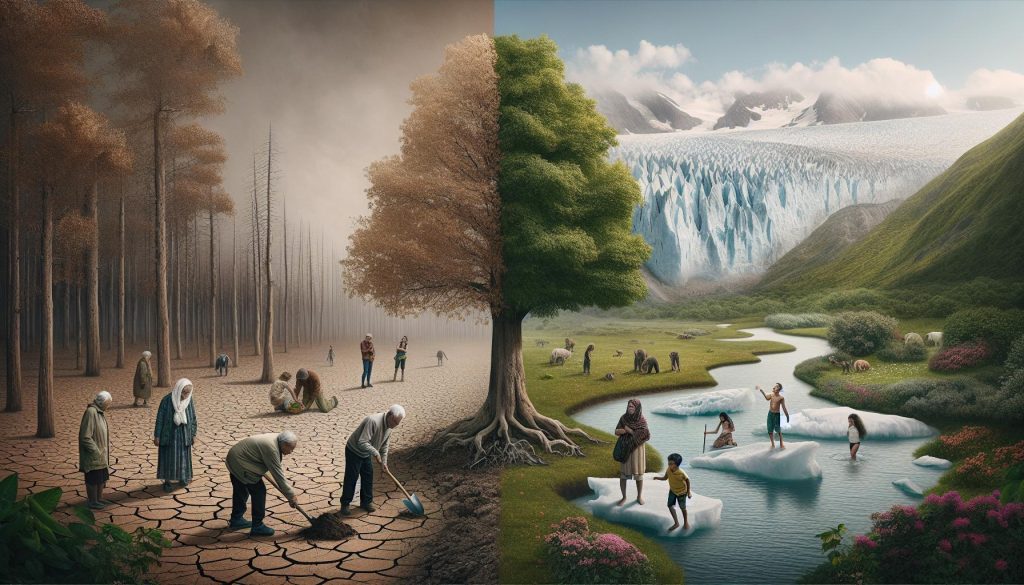
Over the past century, our planet has already warmed by an average of 1°C, a stark reminder of the urgent climate crisis we face today. As weather patterns shift and extreme events become more frequent, understanding how climate has changed is crucial for our future. This transformation impacts not only our environment but also our health, economy, and overall well-being. By exploring the trends and challenges of the last hundred years, we can better comprehend the delicate balance of our ecosystems and the imperative for responsible action. Dive into this critical examination of climate change, and discover how we can collectively address these global challenges for a more sustainable future. Your curiosity and awareness can drive meaningful change, leading to impactful solutions that benefit both people and the planet.
The Historical Overview of Global Climate Change

The last century has witnessed profound transformations in Earth’s climate, often described as one of the most pressing challenges of our time. Over this period, global temperatures have risen significantly, with the last decade being the warmest on record. This warming is attributed primarily to human activities, particularly the burning of fossil fuels, which has led to an unprecedented spike in greenhouse gas emissions. Notably, since the late 19th century, the global average temperature has increased by about 1.2 degrees Celsius (2.2 degrees Fahrenheit). This seemingly small change has triggered significant shifts in weather patterns, precipitation, and ocean currents, further exacerbating climate-related risks.
The observable impacts of climate change are evident through a series of historical climate events. The mid-20th century saw increasing awareness of these changes, leading to pivotal moments like the establishment of the Intergovernmental Panel on Climate Change (IPCC) in 1988. This body has released comprehensive assessments on climate science, detailing how human activity has historically contributed to climatic shifts. Additionally, significant agreements, such as the Kyoto Protocol in 1997 and the Paris Agreement in 2015, have aimed to implement global climate action and commitments to reduce emissions. These milestones reflect a growing recognition that global cooperation is essential to mitigate climate change’s effects.
Moreover, regional variations in climate change effects highlight the uneven burden borne by different populations. For instance, small island nations face existential threats from rising sea levels, while countries reliant on agriculture struggle with shifting rainfall patterns, resulting in droughts and food insecurity. The interplay between climate change, biodiversity loss, and human vulnerability cannot be understated. Ecosystems, which serve as critical buffers against climate-related shocks, are deteriorating, with numerous species facing extinction as their habitats change or disappear.
The interconnectedness of climate, health, and socioeconomic stability is becoming increasingly clear. Climate change exacerbates existing health inequalities, leading to increased mortality rates from heatwaves, respiratory issues, and vector-borne diseases. As we reflect on the historical timeline of climate change, it is evident that not only have we altered our planet but also the fabric of human life itself. Moving forward, embracing sustainable practices and mitigating impacts through informed policymaking will be crucial as we strive toward a resilient and equitable future for all.
Key Indicators of Climate Change Over the Last Century
Globally, several key indicators illustrate how Earth’s climate has transformed over the past century, providing a stark testament to the changing environment. One of the most alarming markers is the rise in average global temperatures. According to data, the global average temperature has increased by approximately 1.2°C (2.2°F) since the late 19th century, significantly influencing weather patterns, ocean health, and ecological stability. As we observe these temperature trends, it becomes essential to explore the various interconnected factors that delineate our planet’s climatic narrative.
Greenhouse Gas Concentrations
One of the primary drivers of climate change is the escalation of greenhouse gas emissions, predominantly carbon dioxide (CO2) and methane (CH4). The World Meteorological Organization (WMO) reported that CO2 concentrations surpassed 400 parts per million (ppm) for the first time in recorded history within the last decade, highlighting an urgent need for transformative solutions. The implications of these elevated concentrations extend beyond climate impacts; they influence ocean acidification and affect terrestrial ecosystems and human health.
Sea Level Rise
The increase in sea levels, a direct result of melting polar ice caps and thermal expansion of seawater, serves as another critical indicator of climate change. From 1901 to 2018, global mean sea levels rose by approximately 15-25 centimeters (6-10 inches). This persistent rise threatens coastal communities, prompting discussions about resilience strategies in vulnerable regions. Notably, the impact is particularly pronounced for small island nations that face existential threats due to encroaching waters.
Ocean Changes
Moreover, the oceans themselves reflect severe climate shifts. The oceans’ heat content has reached record levels, absorbing over 90% of the excess heat generated by greenhouse gas emissions. This increase in ocean temperature not only disrupts marine ecosystems but also contributes to the severity of weather events like hurricanes and typhoons. Furthermore, ocean acidification-resulting from increased CO2 absorption-has detrimental effects on marine biodiversity, especially coral reefs, which are essential for global fisheries and coastal protection.
Biodiversity Loss
As these indicators paint a grim picture, the consequent loss of biodiversity remains a deeply concerning outcome. Climate change is a significant threat to many species, with habitat loss leading to decreased populations and even extinction. Examples include the polar bear and various amphibians that are struggling to adapt to rapid environmental changes.
By comprehensively understanding these indicators, we gain insight into the urgent need for collective action and innovative solutions. The path forward involves not only acknowledging these indicators but also leveraging them to inform policies that mitigate climate change impacts. Engaging in sustainable practices and fostering community resilience becomes imperative as we work towards a brighter, sustainable future for the planet and its inhabitants.
Regional Variations: How Climate Change Differs Globally
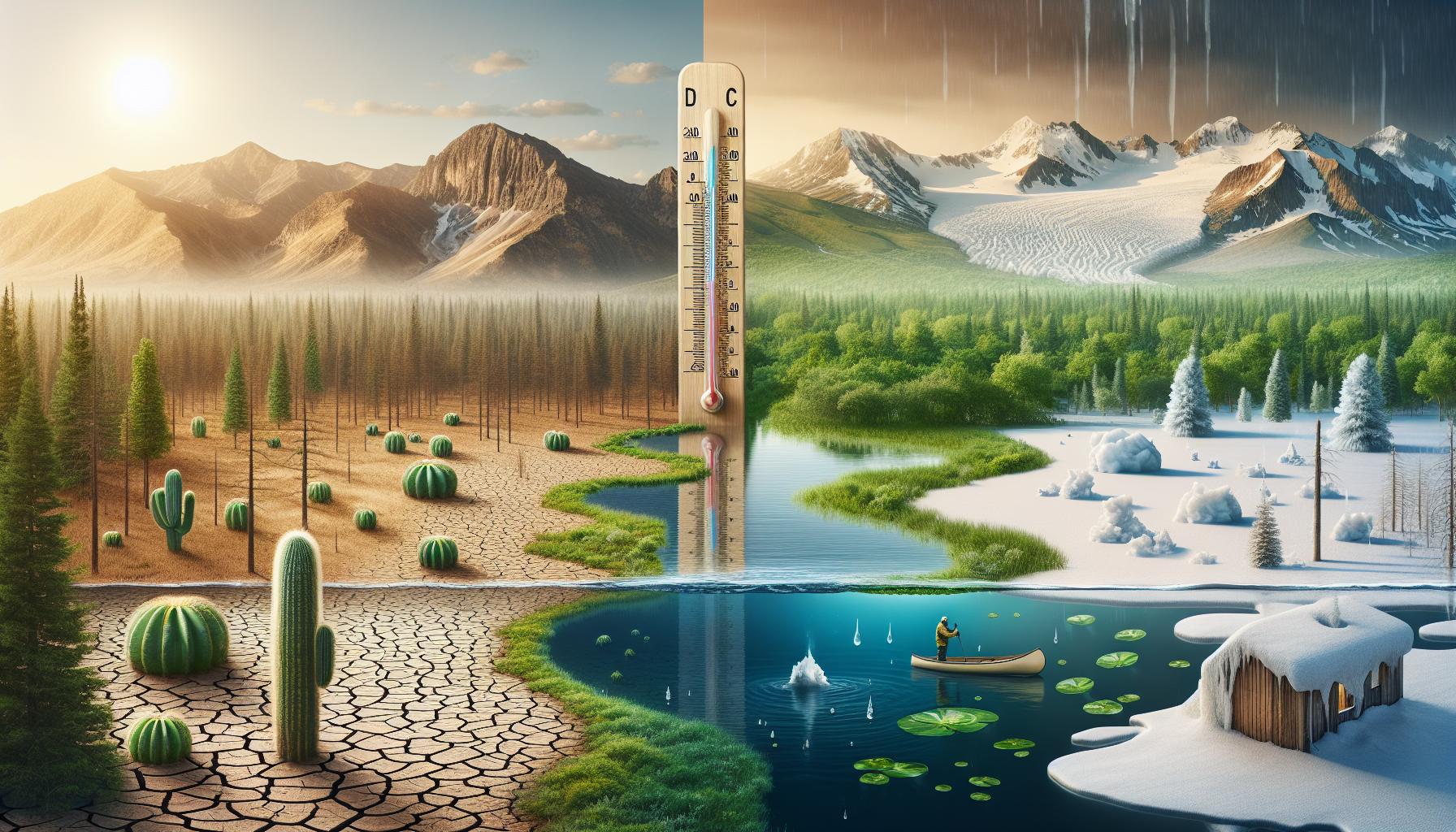
Climate change does not impact the globe uniformly; instead, its effects vary dramatically across different regions due to a combination of geographical, economic, and social factors. In polar regions, such as the Arctic, temperatures are rising at more than twice the global average, leading to rapid ice melt and habitat loss for species like polar bears and seals. Conversely, equatorial regions are experiencing heightened rainfall and extreme weather events, exacerbating flooding and land degradation. Understanding these regional variations is crucial in formulating effective climate policies tailored to specific local needs.
H3: Coastal Areas
In coastal mid-latitude regions, rising sea levels pose an existential threat to cities like Miami and New Orleans. Studies indicate that sea levels could rise by 1 meter or more by the end of the century, which would inundate significant portions of urban infrastructure, displacing millions. Communities are already implementing solutions such as sea walls and nature-based defenses like restoring mangrove forests, demonstrating the urgent action needed to safeguard vulnerable populations.
H3: Arid and Semi-Arid Regions
Regions like the Sahel in Africa are grappling with increasing temperatures and diminishing rainfall, leading to prolonged droughts and food insecurity. These climatic changes are not only impacting agriculture but also displacing communities, driving migration and conflict over dwindling resources. Innovative agricultural practices such as permaculture and drought-resistant crops are being adopted to enhance resilience, showcasing the adaptive strategies developed by local communities.
H3: Natural Disasters and Weather Patterns
Natural disaster frequency is also being amplified by climate change. For instance, the frequency and intensity of hurricanes in the Atlantic have increased, resulting in devastating impacts on Caribbean islands and U.S. coastlines. Preparing for these disasters through environmental monitoring and improved infrastructure can mitigate damages. The focus on investing in adaptive capacity, such as early warning systems and community-led disaster readiness, is crucial for minimizing future risks.
By recognizing and addressing these regional variations, we can better equip communities worldwide to cope with and adapt to the significant challenges posed by climate change. Global cooperation and tailored solutions are paramount in ensuring that our responses are as diverse as the challenges we face, empowering local populations and enhancing their resilience against the ever-changing climate.
The Role of Human Activity in Climate Shifts

Humans have significantly altered the planet’s climate over the past century, primarily through activities that increase greenhouse gas emissions. According to the Intergovernmental Panel on Climate Change, carbon dioxide (CO2) levels have risen over 40% since the beginning of the industrial era, driven largely by burning fossil fuels for energy, industrial processes, and deforestation. This dramatic increase has led to a warming of the Earth’s surface, contributing to a range of severe climate impacts that we observe today.
The primary driver of climate change has been the energy sector, accounting for over two-thirds of global greenhouse gas emissions. The combustion of coal, oil, and natural gas for electricity and heat not only releases CO2 but also other pollutants that contribute to atmospheric warming. Industrial activities are also significant contributors; for example, cement production alone emits about 7% of global emissions. Additionally, transportation, which relies heavily on fossil fuels, further exacerbates the problem through emissions from cars, trucks, and airplanes.
Deforestation and Land Use Changes
Human activities such as deforestation for agriculture, logging, and urban development play a critical role in climate change. Forests act as carbon sinks, absorbing CO2 from the atmosphere. When these forests are cleared or burned, not only is this stored carbon released back into the atmosphere, but the capacity for future carbon absorption is also diminished. For instance, in the Amazon rainforest, which has seen significant deforestation due to agriculture and cattle ranching, large areas are now carbon sources rather than sinks, accelerating the warming process.
Challenges and Opportunities
As we confront the repercussions of human-driven climate change, it’s essential to recognize both the challenges and the opportunities for mitigating its effects. Transitioning to renewable energy sources such as wind, solar, and hydroelectric power presents a viable path to significantly reduce carbon emissions. Moreover, promoting energy efficiency and sustainable practices in agriculture and transportation can have immediate benefits. Countries around the world, like Denmark and Costa Rica, have made remarkable progress in decreasing their carbon footprints, showcasing that committed action can lead to substantial improvements.
In conclusion, understanding is crucial for developing effective strategies to combat climate change. By embracing sustainable practices and innovative technologies, we can not only address the current crisis but also pave the way for a healthier planet for future generations. Empowering local communities through education and resources will amplify these efforts, creating a ripple effect of climate action globally.
Consequences of Climate Change for Ecosystems and Biodiversity
The impact of climate change on ecosystems and biodiversity is profound and alarming, illustrating the delicate balance that sustains our planet. As global temperatures rise, many species are facing unprecedented stress due to habitat loss, shifting habitats, and changing interactions with other species. Since the industrial era, ecosystems have begun to show significant changes-coral reefs, for instance, are undergoing bleaching, and forests are increasingly vulnerable to pests and diseases. The consequences are stark: scientists estimate that approximately one million species are currently at risk of extinction due to habitat destruction and climate-related changes.
Habitat Disruption and Species Vulnerability
As temperatures climb, many species are forced to migrate in search of more suitable habitats. For instance, polar bears and other species in polar regions are losing ice habitats essential for hunting and breeding. Similarly, many birds and terrestrial animals are shifting their ranges poleward or to higher elevations, leading to disrupted ecosystems. This displacement can result in competition for resources, altering the food web and potentially leading to declines in both predator and prey populations. To counteract these effects, conservation efforts must focus on preserving and restoring habitats, maintaining connectivity between ecosystems, and facilitating wildlife migration corridors.
Impact on Biodiversity
Biodiversity is critical for ecosystem resilience, and its loss undermines the very foundations of our ecological systems. Diverse ecosystems provide essential services-such as clean air and water, pollination, and climate regulation. Climate change exacerbates the decline in biodiversity by altering habitats and creating conditions that many species are ill-equipped to handle. Climate-derived threats such as ocean acidification, shifts in plant flowering times, and changes in predator-prey dynamics further complicate this narrative. Therefore, it’s crucial to implement strategies that bolster biodiversity, such as protecting endangered species, restoring degraded ecosystems, and promoting sustainable agricultural practices.
Community and Personal Actions
Individuals and communities can play a pivotal role in mitigating these risks. Engaging in local conservation initiatives, supporting sustainable products, and advocating for policy changes can foster a healthier ecosystem. Simple actions, such as planting native species, reducing plastic use, and restoring local habitats can have a cumulative positive effect on biodiversity. By fostering an ethic of stewardship and educating others about the importance of biodiversity, communities can become powerful allies in the fight against climate change and its impacts on ecosystems.
Success Stories in Biodiversity Conservation
There are numerous examples worldwide where communities have successfully implemented conservation measures. In Costa Rica, for instance, reforestation programs have not only restored habitats but also increased biodiversity and ecotourism revenue, demonstrating the potential for positive outcomes through sustained local effort. Such initiatives can inspire broader actions and highlight the interconnectedness of societal health and environmental integrity.
In summary, addressing the requires a multifaceted approach-one that emphasizes conservation, community involvement, and innovative policies. Acknowledging the urgency of these challenges can empower us to take meaningful action for both the environment and future generations.
The Impact of Climate Change on Weather Patterns
As temperatures continue to rise globally, the impacts on weather patterns are becoming increasingly apparent and alarming. Extreme weather events, which have been escalating in frequency and intensity, serve as a stark reminder of the ongoing climate crisis. For instance, scientists have observed a rise in the occurrence of heatwaves, heavy rainfall, and severe storms. This shift not only poses immediate threats to human safety but also triggers longer-term consequences for ecosystems and economies.
Shifts in Precipitation and Temperature Patterns
Data indicates that average global temperatures have increased by approximately 1.2°C since the late 19th century, significantly affecting rainfall patterns. Some regions are experiencing heavier downpours, leading to flooding, while others are suffering from prolonged droughts. This variability can disrupt agricultural cycles, jeopardizing food security. For example, the Midwest region of the United States has faced both flooding and severe drought in recent years, which has affected crop yields and local economies.
- Flooding can lead to soil erosion, damaging the land’s fertility.
- Drought conditions stress water supplies, impacting both urban areas and agricultural sectors.
Increased Frequency of Extreme Weather Events
Hurricanes and typhoons have also become stronger, with warmer sea surface temperatures providing more energy for these storms. The devastation seen in events like Hurricane Harvey in 2017, which resulted in catastrophic flooding in Texas, showcases the increasing severity of weather-related disasters. Such events not only lead to loss of life and property but also strain emergency services and local infrastructure, creating long-lasting economic impacts for affected communities.
Preparing for Future Weather Challenges
As these weather-related risks grow, proactive measures become essential. Communities can adopt several strategies to enhance resilience against climate impacts:
- Infrastructure Investment: Upgrade drainage systems and improve urban planning to minimize flooding risks.
- Emergency Preparedness: Establish robust emergency response plans to ensure quick action during extreme events.
- Community Engagement: Foster public awareness campaigns focused on climate adaptation techniques and sustainable practices.
Collectively, these efforts can mitigate the adverse effects of climate change on weather patterns. By remaining informed and proactive, individuals and communities can play a pivotal role in building resilience and safeguarding their environments for future generations. The time to act is now, as the implications of these changing weather patterns extend far beyond immediate rainfall or temperature changes. Addressing these issues holistically not only benefits the ecosystem but also enhances community well-being and economic stability.
Socioeconomic Effects of Climate Change on Communities
The far-reaching impacts of climate change extend beyond environmental concerns, fundamentally altering the socioeconomic fabric of communities worldwide. Economic disparities are magnified as vulnerable populations, particularly in developing regions, face heightened risks from climate-related events. For instance, as extreme weather events grow more frequent, businesses in these areas often struggle to recover, leading to job losses and disrupted livelihoods. According to the World Economic Forum, climate change has become a driving force behind family planning decisions and has contributed to homes becoming uninsurable due to increasing risks from floods, fires, and storms [[1]].
The impact on health is another critical concern. Climate change elevates risks of heat-related illnesses and exposes communities to increased vulnerability from diseases exacerbated by changing climates. In regions like Kiribati, where food security is under threat due to changing weather patterns affecting agricultural productivity, reliance on unhealthy imported foods rises. This shift contributes to a surge in noncommunicable diseases, such as diabetes and heart disease, further straining health systems and economic resilience [[3]].
To address these complex challenges, communities can implement practical strategies that foster resilience. A proactive approach involves investing in sustainable infrastructure that can withstand extreme weather events, such as flooding and heatwaves. Communities can also enhance social safety nets and promote local enterprise development to create alternative income sources, thereby reducing dependency on vulnerable sectors. Furthermore, engaging in educational programs about sustainable agricultural practices can empower local farmers and improve food security.
Building resilient communities against climate change requires concerted efforts from all stakeholders. By acknowledging the interconnectedness of environmental changes and socioeconomic impacts, it’s possible to create robust frameworks that not only mitigate risks but also harness opportunities for growth and development.
Technological Advances in Climate Research and Monitoring
The landscape of climate research and monitoring has dramatically transformed over the past century, driven by advancements in technology that provide unprecedented insights into global climate systems. From satellite observations to powerful computational models, these innovations empower scientists to track climate changes with remarkable precision, fostering informed decision-making at local and global levels.
One of the most significant technological strides has been the deployment of satellite systems, such as NASA’s Earth Observing System (EOS). These satellites play a crucial role in collecting data on atmospheric temperatures, land and sea surface conditions, and greenhouse gas concentrations. This wealth of information enables researchers to understand emerging patterns of climate change more clearly. For example, data from satellites have illustrated the alarming rate of polar ice melt, providing a visual contrast to historical climate models that predict future sea-level rise based on current trends. This real-time data is invaluable, not only for scientists but also for policymakers who need to respond effectively to climate-related challenges.
To further enhance the robustness of climate data, scientists have turned to machine learning algorithms and big data analytics. These technologies process vast amounts of environmental data, identifying correlations and trends that might remain invisible through traditional analysis methods. For instance, machine learning has been employed to forecast extreme weather events by aggregating and analyzing historical weather patterns, significantly improving disaster preparedness and response capabilities. Communities can leverage these predictions to implement proactive measures, ensuring resilience against natural disasters.
Embracing Citizen Engagement
In addition to high-tech solutions, advancements in technology have enabled grassroots engagement through applications and platforms that encourage citizen science. Individuals can contribute to climate monitoring by recording local weather conditions, biodiversity changes, and pollution levels. Initiatives such as the iNaturalist app exemplify this movement, empowering users to document biodiversity in their surroundings, which helps scientists gather localized data that can shape conservation efforts. Furthermore, bringing communities into the fold enriches public understanding and fosters a collective response to climate change.
Integrating these technological advances with a commitment to collaboration among governments, NGOs, and communities is essential. The process involves sharing data openly and developing comprehensive action plans that respond to the nuanced impacts of climate change on various regions. As technology continues to evolve, it serves as both a tool for understanding our world better and a catalyst for mobilizing collective action essential for a sustainable future.
Global Initiatives and Agreements Addressing Climate Change
The interconnectedness of global efforts to combat climate change is reflected in a web of initiatives and agreements that have evolved over the past century. One of the most significant milestones in this journey was the adoption of the United Nations Framework Convention on Climate Change (UNFCCC) in 1992, which set the stage for nations to come together to address the pressing issue of climate change. The landmark Paris Agreement, reached in 2015, further solidified this commitment by establishing a global framework aimed at limiting global warming to well below 2 degrees Celsius, with efforts to limit the temperature increase even further to 1.5 degrees Celsius. This agreement emphasizes national contributions, urging countries to set and update their climate action plans, known as Nationally Determined Contributions (NDCs).
Through initiatives like the Green Climate Fund (GCF), developed countries are financially supporting emerging economies as they transition towards low-emission and climate-resilient pathways. Notably, during the COP26 conference, commitments made to redirect funds towards these efforts exemplified how the financial aspect of climate action is pivotal. Governments, businesses, and civil societies are increasingly recognizing that sustainable investments yield returns not just environmentally, but also economically. The GCF focuses on adaptation and mitigation strategies, demonstrating a comprehensive approach to tackling climate challenges faced globally.
Regional and Local Initiatives
While global agreements lay the framework, regional and local initiatives play a crucial role in catalyzing action. For instance, the C40 Cities Climate Leadership Group connects over 90 influential cities committed to combating climate change through collaboration and sharing best practices. City-level commitments have led to groundbreaking policies that reduce emissions and promote urban sustainability. Moreover, initiatives like the Bonn-Fiji Commitment, initiated at COP23, underline the need for inclusive climate action that considers the most vulnerable populations, especially those in Small Island Developing States.
It’s essential that communities not only engage in these high-level discussions but also take tangible actions. Local governments can implement community-driven projects, promoting sustainable practices such as urban farming, green energy installations, and waste reduction initiatives. Grassroots movements have increasingly gained traction, advocating for policy changes that often translate into real-world impacts. By harnessing the power of local knowledge and community engagement, these initiatives are critical in driving grassroots climate action and fostering resilience within communities.
Ultimately, while global agreements frame the collective efforts to address climate change, it is the synergy of local movements and community participation that can propel these initiatives forward, ensuring a sustainable and equitable future for all.
Future Projections: What to Expect in the Coming Decades
As we look toward the future, the trajectory of global climate change points toward significant shifts in both the natural environment and human societies. Current projections indicate that if global temperatures continue to rise at the current rate, we could see an increase of up to 1.5 degrees Celsius above pre-industrial levels by as early as 2030. This threshold is critical, as exceeding it could unleash severe and irreversible impacts on ecosystems, weather patterns, and communities worldwide.
Climate models suggest several key developments to anticipate. For instance, it is expected that extreme weather events will become more frequent and severe. Hurricanes may grow stronger, droughts may become more prolonged, and floods could occur more frequently, disrupting lives and economies. Cities, particularly those along coastlines, face increased risks from rising sea levels, which could displace millions of people and strain infrastructure. Urban areas must prepare for these challenges by investing in resilient infrastructure, such as natural barriers, improved drainage systems, and sustainable urban planning that incorporates green spaces and flood management strategies.
In terms of biodiversity, projections indicate that many species will struggle to adapt to the changing climate, with some facing extinction due to habitat loss and changing ecosystems. To mitigate these effects, conservation efforts must focus on connecting habitats and preserving biodiversity hotspots. This requires collaboration between governments, local communities, and organizations aimed at protecting natural resources while also supporting sustainable practices that improve resilience against climate change.
Adapting to these changes not only requires technological innovation but also a shift in societal attitudes towards consumption and sustainability. We must encourage responsible consumption patterns and promote renewable energy sources, such as wind, solar, and hydro power, to reduce our carbon footprint. Individuals can play a crucial role by adopting sustainable practices, including reducing waste, conserving water, and supporting local and environmentally-friendly products. Communities, meanwhile, should invest in education to raise awareness about climate impacts and empower individuals to take action.
In summary, the coming decades will be crucial for shaping our planet’s future amid climate change. By investing in preparations, fostering sustainable habits, and building resilient communities, we can collectively mitigate the adverse effects and steer humanity towards a more sustainable and equitable future. Taking proactive measures today will not only safeguard our environment but also enhance our quality of life in a rapidly changing world.
Personal and Community Actions Against Climate Change
Every action counts when it comes to combating climate change, and individuals and communities alike have the power to make significant contributions. Small changes in daily habits can collectively lead to substantial impacts, creating environments that promote sustainability, resilience, and awareness. For instance, reducing energy consumption by simply switching to energy-efficient appliances and utilizing smart home technologies can drastically lower a household’s carbon footprint. According to the U.S. Department of Energy, energy-efficient lighting, like LEDs, can contribute to a 75% reduction in energy use compared to traditional incandescent bulbs, which impacts both environmental sustainability and personal finances.
Incorporating community initiatives can amplify these individual efforts. Local groups can focus on community gardens, urban reforestation projects, or clean-up campaigns that not only beautify neighborhoods but also enhance carbon sequestration and encourage biodiversity. Businesses can join hands with residents to organize events such as “car-free days,” encouraging sustainable transportation and raising awareness about reducing reliance on fossil fuels. By sharing resources, such as tool libraries that reduce the need for individual purchases or organizing carpool programs for commuting, communities can foster a spirit of collaboration while generating a direct positive impact on their local environment.
Education and Advocacy play critical roles in mobilizing collective action. When communities engage in environmental education programs, they empower individuals to understand the role of climate change in their lives and the urgency to act. Campaigns that advocate for cleaner transportation options or sustainable local zoning laws can lead to systemic changes guided by community voices. Moreover, success stories of communities implementing effective policies, like enhanced public transportation systems or renewable energy projects, can serve as models and inspire others. Sharing these narratives highlights the tangible differences that motivated groups can achieve, making the overwhelming challenge of climate change seem more manageable and solvable.
Finally, it’s essential to remember that every step-whether it’s reducing waste by participating in local recycling programs, supporting legislation for renewable energy, or simply spreading awareness-echoes in the global struggle against climate change. By making conscious choices and encouraging others to do the same, individuals and communities can cultivate a culture of sustainability that not only addresses the current climate crisis but also sets a foundation for a resilient future.
Success Stories: Positive Steps Towards Climate Resilience
The journey toward climate resilience is a testament to human ingenuity and cooperation. Across the globe, communities have engaged in innovative practices that not only address the pressing issues of climate change but also foster a spirit of collaboration and sustain the environment. One notable example can be found in the city of Copenhagen, which has set ambitious goals to become carbon neutral by 2025. The city’s approach combines extensive investments in renewable energy, such as wind power, along with intelligent urban planning that promotes cycling and public transportation. By integrating green technologies and sustainable practices into everyday life, Copenhagen has become a model for cities worldwide.
Another inspiring initiative is the “30×30” campaign in Costa Rica, which aims to protect 30% of the country’s land and marine resources by 2030. This initiative involves reforestation efforts, sustainable agriculture practices, and community engagement in conservation activities. Through ecotourism, local communities benefit economically while preserving their natural surroundings. The success of this campaign lies in its ability to merge ecological goals with community development, proving that environmental sustainability can align with economic interests.
Grassroots Innovations and Technologies
In addition to structured campaigns, grassroots innovations play a crucial role in building climate resilience. For instance, the widespread adoption of vertical gardens and urban farms in cities like Detroit and Singapore significantly reduces urban heat and promotes biodiversity. These initiatives often rely on local volunteers and organizations that educate citizens about sustainable practices, such as water conservation and waste reduction. The benefits of these efforts extend beyond environmental impact; they cultivate community bonds and empower individuals to take ownership of their surroundings.
Moreover, technological advances in climate research and monitoring have enhanced the ability of communities to respond to environmental challenges. Tools like satellite imaging and local climate data collection help communities understand local climate patterns and risks. These insights enable proactive measures, from disaster preparedness to sustainable land use planning.
By sharing success stories like those of Copenhagen, Costa Rica, and grassroots movements around the world, we can inspire individuals, organizations, and governments to adopt similar approaches. Each positive step towards climate resilience serves as encouragement that collective action can yield significant results in the fight against climate change, creating a more sustainable future for all.
Frequently Asked Questions
Q: How has the average global temperature changed over the past century?
A: The average global temperature has increased by approximately 1.2 degrees Celsius since the late 19th century. This warming trend is linked to human activities, particularly the burning of fossil fuels, resulting in higher greenhouse gas concentrations in the atmosphere.
Q: What are some impacts of climate change experienced in the last 100 years?
A: Significant impacts include more frequent and severe weather events, rising sea levels, shifts in ecosystems, and heightened food insecurity. Communities worldwide face challenges such as displacement and health risks due to these climate changes.
Q: In what ways has climate change affected extreme weather patterns?
A: Climate change has contributed to the increasing intensity and frequency of extreme weather events, including hurricanes, droughts, and heavy rainfall. These weather changes disrupt ecosystems and pose risks to human safety and infrastructure.
Q: How do climate change trends vary across different regions?
A: Climate change impacts vary significantly; polar regions experience rapid warming, while some equatorial areas face intensified heat and drought. Understanding these regional differences is crucial for developing targeted climate adaptation strategies.
Q: What role do greenhouse gases play in climate change over the past century?
A: Greenhouse gases, particularly CO2 and methane, trap heat in the atmosphere. Increased emissions from industrial processes, transportation, and agriculture over the past century have amplified global warming and consequently driven climate change.
Q: How has human activity contributed to climate change in the last 100 years?
A: Human activity, mainly through fossil fuel combustion, deforestation, and industrial processes, has significantly increased greenhouse gas emissions. This anthropogenic impact has accelerated climate change, leading to observable changes in global temperatures and weather patterns.
Q: What steps can individuals take to mitigate climate change?
A: Individuals can mitigate climate change by reducing energy consumption, using public transport, embracing renewable energy sources, and supporting sustainable practices. Small personal actions can collectively contribute to significant environmental benefits.
Q: What future climate projections can be expected if current trends continue?
A: If current trends continue, global temperature could rise by 1.5 to 2 degrees Celsius by mid-century, leading to more severe climate impacts. Projections include increasing heatwaves, coastal flooding, and intensifying natural disasters, underscoring the urgency for climate action.
Key Takeaways
As we’ve explored, the last century has seen profound shifts in our climate, impacting everything from weather patterns to sea levels. Understanding these changes isn’t just academic; it equips us to make informed choices today. With the urgency of climate action now more critical than ever, we encourage you to stay engaged. Visit our detailed analysis on the “State of the Global Climate 2023” for insights on current trends and forecasts, and check out our guidelines on evaluating weather extremes to learn how to prepare for future challenges.
Don’t forget to subscribe to our newsletter for the latest updates and resources that empower informed action on climate issues. Your voice matters-share your thoughts in the comments below, and explore more articles to see how you can contribute to a sustainable future. The journey to understanding and addressing climate change starts with you!