Is Wind Affected By Climate Change encompasses dedicated strategies, analytical frameworks, and capital allocation models designed to balance competitive, risk-adjusted financial returns with verified operational transparency, regulatory compliance, and sustainable economic additionality.
Did you know that wind patterns are undergoing significant changes due to global climate change? This transformation affects not only weather systems but also marine navigation, agriculture, and our daily lives. As temperatures rise and atmospheric conditions shift, understanding how winds are impacted by climate change becomes crucial. It’s not just about predicting weather; it’s about recognizing the interconnectedness of our environment and how these changes can influence everything from storm intensity to crop yields. By delving into the dynamics of wind patterns and their relationship with climate change, we can better appreciate the urgency of our response to this global challenge. Join us as we explore the science behind these shifts and what they mean for our future.
How Global Climate Change Influences Wind Patterns Today
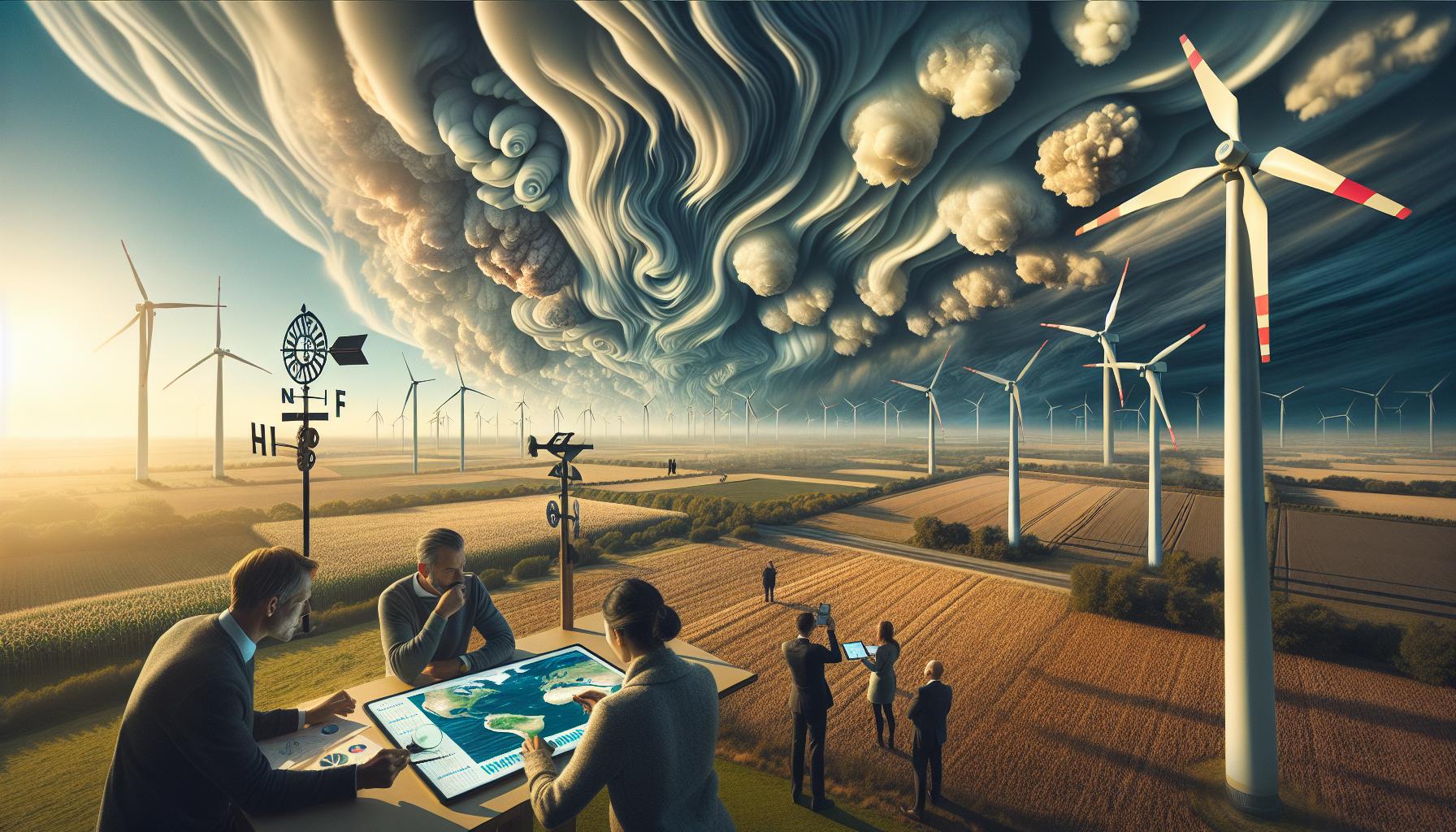
Changes in global wind patterns, driven by climate change, are shaping the environment and our daily lives in profound ways. As the planet warms, the differences in temperature between the equator and the poles alter, which in turn influences atmospheric pressure systems and wind flow. A captivating aspect of these changes is the likelihood of increased storm intensity and frequency, a phenomenon already observed in various regions across the globe. For instance, shifts in the jet stream can lead to more extreme weather patterns, such as prolonged droughts or intense rainfall, significantly affecting agricultural productivity and water resources.
The Mechanism of Change
Wind is primarily a result of uneven heating of the Earth’s surface by the sun. As global temperatures rise, this heating pattern is disrupted, resulting in changes to the pressure gradients that drive wind. Warmer ocean temperatures can intensify tropical storms, leading to higher wind speeds. Moreover, with the melting of polar ice caps, the reduction in ice alters surface albedo, which further influences local wind systems. This shift not only exacerbates existing climate issues but can also lead to unexpected consequences, such as changes in migratory animal pathways or shifts in ecosystem dynamics.
Real-World Implications
The implications of changing wind patterns extend beyond the atmosphere. For instance, adaptative strategies are increasingly necessary for communities facing challenges from heightened wind events. Coastal areas must enhance infrastructure to withstand stronger storms, while agricultural regions may need to adjust planting schedules or select more resilient crop varieties. Additionally, as wind resources become more erratic, energy producers must innovate to harness renewable resources most effectively.
In summary, as global climate change continues to reshape wind patterns, it’s essential for communities, industries, and individuals to recognize the interconnectedness of these changes and actively engage in mitigation and adaptation strategies. Understanding and responding to these shifts will not only help reduce vulnerability but also promote sustainable practices that honor our environment and future generations.
The Science Behind Wind Formation and Climate Change
As our planet’s climate continues to shift dramatically, the science surrounding wind formation and its connection to these changes becomes increasingly vital. Wind patterns are not simply natural phenomena; they are intricately connected to the Earth’s weather systems, ocean currents, and, crucially, the underlying thermal dynamics that drive climate. At the heart of wind formation lies the uneven heating of the Earth’s surface by the sun. This differential heating causes variations in air pressure, resulting in the movement of air-our winds.
The impact of climate change on this process is multifaceted. For example, as global temperatures rise, we observe alterations in pressure gradients. Warmer regions, such as oceans, expand and can intensify wind patterns due to increased heat and moisture in the atmosphere. This results in stronger winds and shifts in their typical paths. Furthermore, the melting of polar ice caps reduces surface albedo-meaning less sunlight is reflected away and more heat is absorbed, exacerbating local heating and complex atmospheric interactions.
Rayleigh scattering, the process that affects wind formation, can also be influenced by changes in land use and human activity. Urbanization leads to “heat islands,” generating localized turbulence and wind shifts. For instance, densely built environments can create varying thermal pockets that change the prevailing wind patterns, affecting everything from regional climates to local weather conditions.
Understanding this science offers us the opportunity to make tangible adjustments. By analyzing how wind systems are expected to behave in a warming world, communities can better prepare for wind-related impacts. For example, integrating wind pattern forecasts into urban planning can help design buildings and infrastructures that are more resilient to increased wind speeds and extreme weather events. Furthermore, utilizing wind data can enhance agricultural practices, like adjusting crop types and planting schedules based on anticipated wind shifts, which can help mitigate the risks posed by changing weather patterns.
In summary, grasping the intricacies of wind formation in the context of climate change equips us with the knowledge necessary to adapt and respond effectively to the challenges ahead, fostering resilience and sustainability in our communities.
Impact of Climate Change on Global Wind Systems
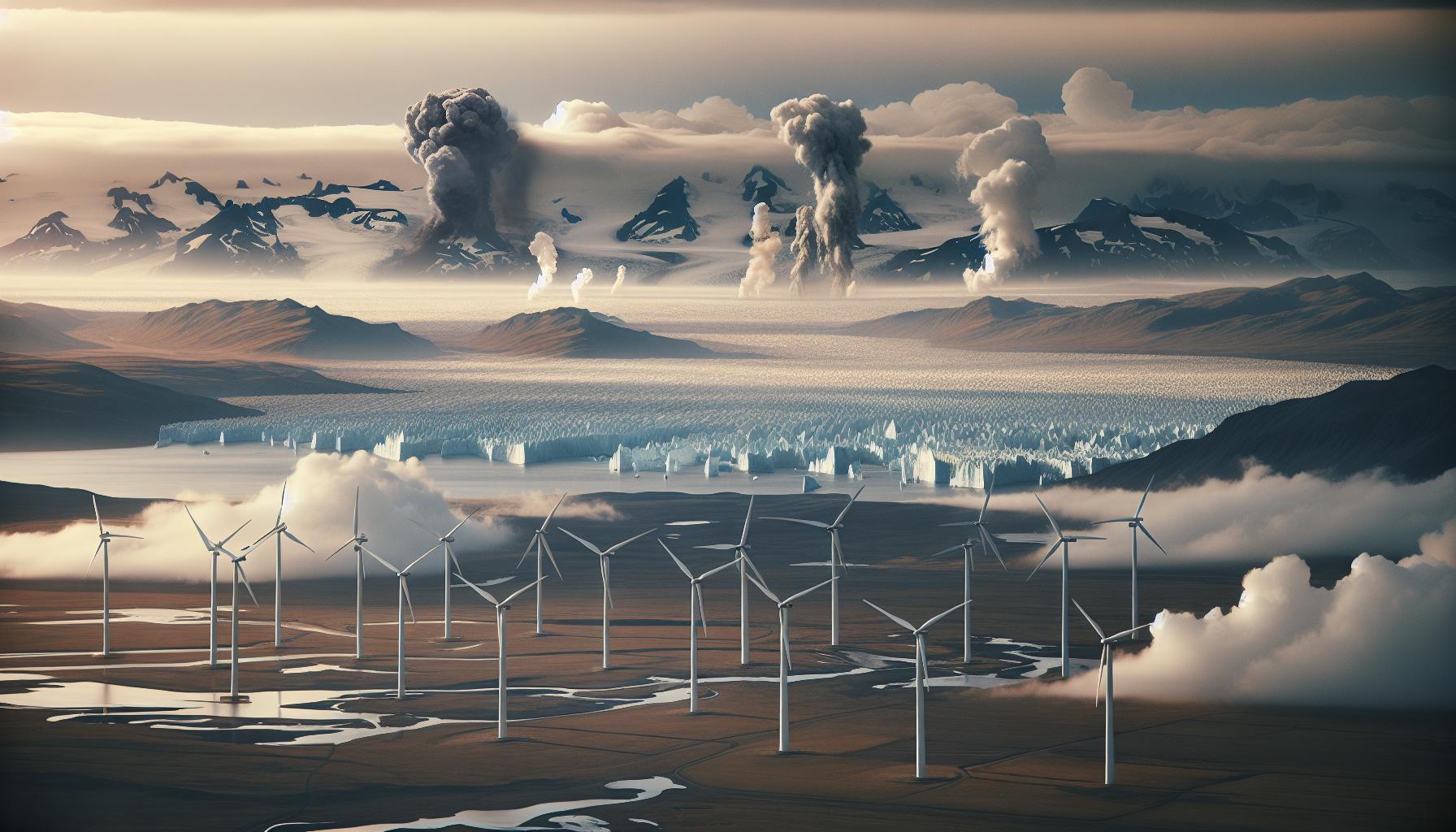
The changing climate is not just a distant phenomenon; it is affecting wind systems with immediate and profound implications. As global temperatures rise, we witness a shift in the dynamics of wind patterns around the world. This alteration is primarily driven by changes in pressure gradients-the differences in air pressure that cause air to move from high to low pressure areas. With warmer oceans and increased atmospheric moisture, winds become stronger and more erratic, modifying their routes and intensity.
One clear example of this impact is the behavior of the polar jet stream, which has become more wavy and unpredictable due to climate change. Traditionally a relatively stable and fast-moving current of air, the jet stream’s fluctuations have been linked to extreme weather events, such as prolonged heatwaves or severe winter storms. As the polar regions warm faster than the rest of the planet, the contrasting temperatures between the poles and the equator lessen. This reduction in temperature differential leads to a slower-moving jet stream, causing it to meander and create long-lasting weather patterns. Such shifts can have cascading effects, including droughts in some regions and flooding in others, drastically affecting agriculture, water resources, and human health.
Moreover, regional wind systems are also experiencing significant changes. For instance, areas that previously enjoyed consistent trade winds may find themselves facing more variable wind patterns, disrupting both local ecosystems and energy generation from wind power. As noted in research, it is predicted that global average wind speeds could decrease by up to 10% by 2100, although with considerable regional variability. Coastal and island communities, which depend heavily on predictable wind patterns for energy and weather stability, will be especially vulnerable.
To adapt to these shifting winds, communities and policymakers can implement several strategies. Improved weather forecasting technologies can provide better predictive analytics, enabling timely responses to sudden wind shifts. Urban planners can design buildings that are more resilient to extreme winds, while farmers can adjust their planting schedules and crop varieties to align with new climatic realities. Collectively, these efforts will help mitigate the adverse impacts of changing global wind systems, enhancing resilience and sustainability amidst the uncertainties of a warming world.
Regional Variations: Winds in a Warming World
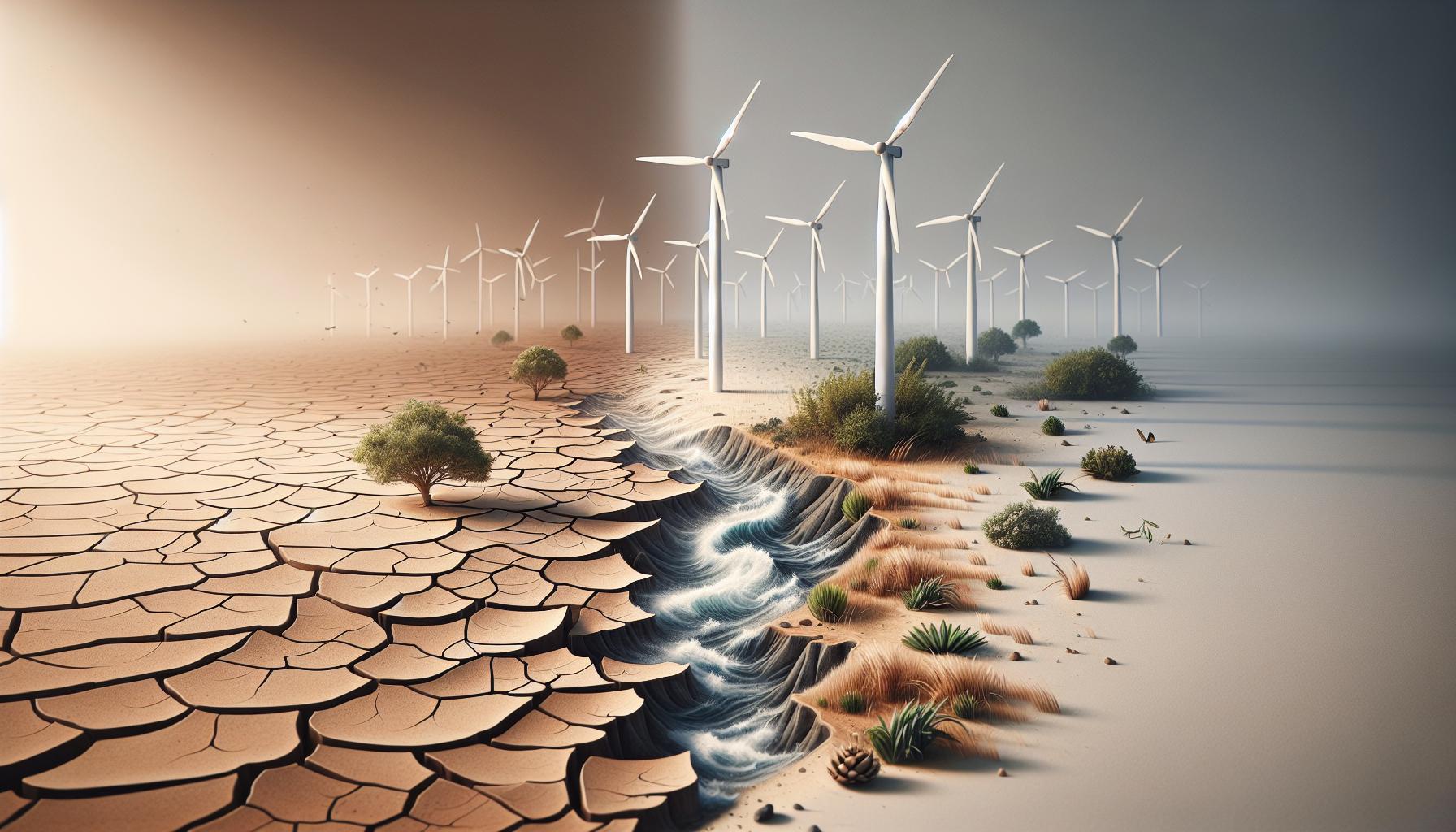
As the climate continues to warm, understanding the regional variations in wind patterns becomes crucial for addressing both environmental and human challenges. Different regions are experiencing significant shifts in their local wind dynamics, which can have a profound impact on agriculture, energy production, and even daily weather patterns. For instance, coastal regions that have historically depended on predictable sea breezes are now witnessing more erratic wind behavior due to changes in ocean temperatures and atmospheric pressure systems.
Impact on Trade Winds and Monsoon Systems
In the tropics, the trade winds, which have been a stable force for generations, are showing signs of increased variability. This phenomenon is problematic for regions that rely on these winds for agriculture and fishing. Farmers in Southeast Asia, who depend on the consistency of monsoons for planting and harvesting, face uncertainty as shifts in wind patterns disrupt traditional rain cycles, leading to either droughts or floods. To mitigate these effects, farmers might consider diversifying crops, implementing rainwater harvesting systems, or adopting more resilient farming techniques.
Shifting Patterns in the Polar Regions
The polar regions are experiencing a distinct impact from warming winds. The polar jet stream, which dictates much of the weather in the mid-latitudes, is becoming more erratic due to warming temperatures and changes in sea ice coverage. This instability can lead to prolonged weather extremes, such as extended cold snaps in some areas and heatwaves in others. Communities can adapt by investing in weather-resilient infrastructure and enhancing emergency preparedness plans to deal with sudden changes in weather patterns.
Adapting to Fluctuating Wind Patterns
To tackle the challenges posed by shifting winds, innovative strategies must be adopted. Urban planners can use advanced modeling to design structures that withstand unpredictable wind forces, reducing potential damage. Renewable energy companies need to rethink site selection for wind turbines, as traditional areas of high wind flow might be less reliable in the future. Additionally, education and training for local populations on the implications of changing winds for disaster preparedness can enhance community resilience.
In summary, the implications of changing wind patterns due to global warming are becoming increasingly evident across various regions. By proactively addressing these shifts through adaptive measures, communities can enhance their resilience and sustainability, ensuring they are better equipped to handle the challenges of a warming world.
The Connection Between Winds and Extreme Weather Events
As global warming reshapes our planet’s climate, a critical link between shifting wind patterns and extreme weather events is becoming increasingly evident. The traditional predictability of wind-often seen as a stable background force influencing weather-has been disrupted, leading to a rise in severe weather phenomena. For example, the polar jet stream, a major driver of weather in the mid-latitudes, has become more unstable due to the warming of the Arctic. This instability not only affects temperature variations but also contributes to the frequency and severity of storms, heatwaves, and cold spells across large regions.
The alteration of wind currents has direct implications for weather systems globally. Erratic wind patterns can lead to prolonged droughts in some areas while causing severe flooding in others. Places that historically enjoyed stable seasonal winds are now experiencing unpredictable conditions. For instance, in the United States, the increase in warm air influx from the south, due to shifting wind patterns, has resulted in more intense and frequent hurricanes. In 2024, climate research highlighted that changes in wind dynamics increased maximum wind speeds for every Atlantic hurricane, leading to catastrophic impacts on coastal communities [[2]](https://www.climatecentral.org/report/2024-hurricane-attribution).
Communities must adapt to these changes by implementing practical strategies aimed at enhancing resilience against the extreme weather events driven by shifting winds. This adaptation can involve improving infrastructure to withstand severe winds and flooding, investing in advanced weather forecasting systems, and adopting more robust emergency response plans. By recognizing the interconnectedness of wind patterns and storm intensity, local governments and organizations can better prepare for and mitigate the effects of climate change, ultimately safeguarding lives and property.
Moreover, educating communities about the influence of climate change on wind and weather extremes empowers individuals to take proactive measures. For example, areas prone to flooding can develop comprehensive land-use plans that consider new patterns in rainfall and wind. Springing into action now, even in small localities, can lead to significant improvements in disaster preparedness and response strategies, helping to build a culture of resilience that can withstand the unpredictable nature of our changing climate.
How Human Activity Intensifies Wind Effects
As urban areas expand and human activities intensify, the effects of climate change on wind patterns become increasingly pronounced. For instance, the construction of large buildings and infrastructure can create localized wind tunnels, altering natural airflow and intensifying wind speeds in surrounding areas. These changes not only affect people living nearby but can also exacerbate extreme weather events, making urban planning an essential aspect of managing wind-related risks.
The emission of greenhouse gases, primarily from fossil fuel consumption, fuels global warming, which alters the distribution and intensity of wind currents across the globe. As the atmosphere warms, it becomes more turbulent, leading to unprecedented wind patterns. For example, research indicates that the jet streams that dictate weather in mid-latitudes are becoming more erratic, resulting in longer-lasting weather systems that can lead to extreme events, such as prolonged droughts or intense storms.
Strategies for Mitigation
To mitigate these intensifying effects, communities and urban planners can adopt several strategies:
- Investing in Green Infrastructure: This includes planting trees and creating green roofs that can naturally reduce wind speeds and promote better air circulation.
- Implementing Smart Urban Design: Design cities with wind patterns in mind by strategically placing buildings to minimize the impact of strong winds on populated areas.
- Enhancing Building Codes: Develop and enforce stricter building codes that require structures to withstand high wind events, particularly in hurricane-prone areas.
- Creating Awareness: Educate residents about the connections between their energy consumption patterns, local wind conditions, and broader climate impacts to encourage more sustainable practices.
By addressing the human factors that intensify wind effects, communities can better prepare for and adapt to the challenges posed by climate change, ultimately fostering resilience in a rapidly changing environment. As we move forward, it is essential to integrate proactive measures into our daily lives and policymaking to mitigate these complications, ensuring a safer, more sustainable future.
The Role of Ocean Currents in Climate-Driven Winds
The intricate dance between ocean currents and wind patterns is an essential aspect of Earth’s climate system, one that is increasingly disrupted by anthropogenic climate change. Ocean currents act as a conveyor belt, redistributing heat and influencing the atmospheric conditions above them, which directly affects wind formation. For example, as sea surface temperatures rise due to global warming, they alter the density and flow of ocean currents, which can lead to changes in wind speeds and directions across vast regions. This shift is significant because it can intensify weather phenomena, including storms and hurricanes, which are largely driven by the interaction between warm ocean waters and atmospheric conditions.
The Impact of Warming Oceans on Winds
As ocean temperatures increase, warmer waters can enhance the strength of tropical cyclones. These storms thrive on the heat from the ocean, and as they become more intense, they can generate stronger winds that create additional turbulence in the atmosphere. This not only impacts local weather systems but can also have far-reaching effects on global wind patterns. For instance, the alteration in the Gulf Stream, a major Atlantic ocean current, has implications for weather in Europe and North America by affecting the strength and position of the jet streams.
Additionally, the interactions between winds and ocean currents are crucial in the region-specific outcomes of climate change. In coastal areas, changes in wind patterns can exacerbate coastal erosion and impact marine ecosystems, potentially disrupting fisheries and affecting the livelihoods of communities that rely on them. Understanding these connections helps emphasize the importance of integrated ocean and atmospheric monitoring to anticipate and respond to these changes effectively.
Adapting to Changes in Wind Patterns
To mitigate the impacts of altering ocean currents on wind patterns, communities must prioritize adaptation strategies. Here are some actionable steps:
- Enhancing Forecasting Models: Invest in advanced meteorological systems that incorporate ocean current data to provide more accurate weather forecasts and early warnings for extreme weather events.
- Promoting Sustainable Practices: Encourage practices that can reduce greenhouse gas emissions, such as adopting renewable energy sources, to help stabilize ocean temperatures.
- Restoring Coastal Ecosystems: Engage in projects aimed at restoring mangroves and salt marshes, which can serve as natural buffers against changing wind patterns and related storm surges.
By understanding and addressing , communities can develop comprehensive, proactive strategies that not only respond to current climate challenges but also enhance overall resilience against future uncertainties. As we build a sustainable future, it is critical to foster collaboration between scientists, policymakers, and local populations in tackling these interlinked environmental issues.
Adapting to Changing Winds: Strategies for Communities
The shifting winds of our planet due to climate change present both challenges and opportunities for communities worldwide. As wind patterns evolve, they can significantly impact local weather, agriculture, and even disaster preparedness, necessitating proactive adaptation strategies. Understanding these changes allows communities to harness opportunities for resilience while mitigating adverse effects.
- Enhancing Infrastructure Resilience: Structural adaptations, such as reinforcing buildings and roads to withstand stronger winds and storms, can significantly reduce damage during extreme weather events. For instance, coastal areas prone to hurricanes should prioritize building codes that account for higher wind speeds, ensuring that homes and infrastructures can endure severe conditions.
- Investing in Green Infrastructure: Creating green spaces such as parks, urban forests, and wetlands can help absorb storm impacts and buffer against high winds. These spaces not only provide recreational areas but also play a vital role in flood management and reducing urban heat islands.
- Engaging in Community Education: Awareness programs that inform residents about changing wind patterns and associated dangers foster preparedness. Community workshops can equip locals with knowledge about emergency response plans, evacuation routes, and resource access during extreme weather.
To illustrate, communities across Florida have implemented comprehensive coastal management strategies that incorporate the use of natural barriers like mangroves, which not only help stabilize shorelines but also serve as critical habitats for wildlife. This approach not only strengthens local ecosystems but also provides enhanced protection against storm surges and changing wind dynamics.
Adaptation isn’t merely reactive; it opens avenues for innovation when communities integrate technology into their planning. Smart technologies can track and predict wind patterns, allowing for better-response capabilities. By fostering collaboration between local governments, environmental organizations, and residents, these strategies can be dynamically updated to reflect the most pressing climate challenges.
Ultimately, by anticipating changes in wind patterns and developing robust adaptation strategies, communities can not only survive but thrive in the face of climate change, turning adversity into an opportunity for a more sustainable and resilient future.
Future Projections: Winds and Climate Change Models
As our planet continues to warm, wind patterns are projected to change significantly, impacting numerous facets of life on Earth. Understanding these shifts not only aids scientists in forecasting future climate scenarios but is crucial for communities and industries that rely on wind for agriculture, energy production, and disaster preparedness. Climate models predict that as global temperatures rise, atmospheric circulation patterns will also be affected, leading to alterations in both the strength and direction of prevailing winds.
One vital aspect of these projected changes is the intensification of wind patterns, particularly relating to the Hadley cells, which are large scale atmospheric circulation systems. Increased greenhouse gas concentrations are expected to enhance the upward motion of warm air, leading to stronger and more persistent winds in some regions while causing others to experience calmer conditions. For example, areas that traditionally enjoy stable wind patterns may find themselves facing more turbulent weather, complicating agriculture and energy operations that rely on predictable conditions.
The Implications for Renewable Energy
The shift in wind patterns also has direct implications for renewable energy sectors, particularly wind energy generation. Regions previously deemed optimal for wind farms may see decreased wind speeds, while others may emerge as new hotspots for energy production. Planning for these changes is crucial; energy companies must invest in adaptive technologies that can respond to varying wind conditions. This includes developing more flexible turbine designs that can capture energy across a broader range of wind speeds, thus maximizing productivity in a changing climate.
Addressing Future Challenges
As we look towards the future, it’s essential for policymakers to incorporate these forecasts into their environmental strategies. This means enhancing infrastructure resilience by developing wind-resistant designs, updating building codes to reflect expected wind patterns, and incorporating community education initiatives on preparing for increasingly severe wind events. For instance, communities in California have initiated planning efforts to assess the risks associated with changing wind patterns and have begun implementing protective measures such as vegetation management and enhanced monitoring systems.
In summary, understanding the future projections of wind patterns in the context of climate change is not merely an academic exercise. It serves as a crucial tool for resilience, empowering communities and industries to adapt and thrive amidst the challenges posed by a rapidly changing climate. By strategically planning for these shifts, we can turn potential adversities into opportunities for innovation and sustainability.
Real-World Examples of Wind Changes Affecting Environments
Changes in wind patterns across the globe have significant real-world implications, affecting both natural environments and human activities. One striking example is the impact of shifting wind patterns on the Great Plains of North America, a region renowned for its agricultural output. As climate change alters the position and strength of prevailing winds, farmers are experiencing increased challenges. Stronger winds, coupled with drier conditions due to higher temperatures, are leading to soil erosion and reduced moisture retention. This situation compels farmers to adapt by implementing windbreaks-strategic plantings of trees and shrubs that help shield crops from wind-thus maintaining soil health and protecting yields.
In coastal regions, wind changes significantly influence weather patterns and sea levels. Take the case of the Eastern Seaboard of the United States, where altered wind patterns are linked to more frequent and intense storms. These changes not only increase the severity of storm surges but also contribute to coastal erosion. Communities are now compelled to invest in expensive mitigation measures to safeguard infrastructure against these increasingly turbulent conditions. For example, New York City has developed green infrastructure projects aimed at absorbing rainfall and reducing runoff, acknowledging the dual challenge of stronger winds and rising sea levels.
Moreover, islands in the South-West Pacific are feeling the brunt of changing wind dynamics, which exacerbate the effects of climate change. Elevated sea surface temperatures and increased ocean heat content, attributed to shifts in wind patterns, have led to dire consequences for coral reefs and marine ecosystems. Countries like Fiji and the Solomon Islands are witnessing rising ocean temperatures that contribute to coral bleaching and loss of fish stocks, threatening local economies that depend heavily on fishing and tourism. Efforts to restore coral health through protected marine areas and sustainable fishing practices are now critical strongholds for these communities as they adapt to the new realities of their environment.
As these examples illustrate, changing wind patterns are not just an abstract concept limited to scientific models; they have profound and immediate effects on ecosystems and economies. Recognizing the interconnectedness of our climate systems means taking concerted action at local, national, and global levels to adapt and mitigate the impacts of these changes. By implementing strategic adaptations-such as sustainable agricultural practices, resilient coastal infrastructure, and conservation efforts-communities can better navigate the challenges posed by a warming world.
How Winds Impact Renewable Energy Sources
The shifting patterns of wind due to climate change have profound implications for renewable energy generation, particularly in the wind energy sector, which relies heavily on predictable and stable wind currents for efficiency. As global temperatures rise, the dynamics of wind systems are altered, leading to changes in wind speed and direction that can affect energy production. For instance, some regions may experience stronger winds, enhancing the output of wind farms, while others might face decreased wind speeds, resulting in lower energy generation.
Maximizing Wind Energy Potential
To harness the benefits of changing wind patterns, renewable energy developers can employ advanced technology and data analytics to optimize turbine placement and operations. With tools like computational fluid dynamics and geographical information systems, developers can identify areas with the highest potential for wind energy production based on current and projected wind patterns. This strategic approach not only maximizes energy output but also supports grid reliability during peak demand periods.
Moreover, the integration of energy storage solutions plays a crucial role in mitigating the variability brought about by unpredictable wind changes. By investing in battery storage technologies, energy providers can store excess power generated during high-wind events and dispatch it during calm periods, thus maintaining a steady flow of renewable energy. This capability enhances the resilience of energy systems against the fluctuations associated with climate change.
Real-World Adaptations and Innovations
Countries teeming with wind energy resources are already beginning to adapt to these changing conditions. For example, Denmark, a leader in wind energy, has implemented a diversified energy strategy that combines wind with solar and bioenergy. This multifaceted approach helps to balance the grid and reduce dependency on any single energy source, showcasing a model other nations can replicate.
Innovative projects like offshore wind farms are also gaining traction, as they tend to exploit stronger and more consistent winds found at sea compared to their onshore counterparts. Nations like the UK and Germany are investing heavily in these technologies, creating jobs and driving economic growth while contributing significantly to their renewable energy targets.
Conclusion: A Sustainable Future
As climate change continues to reshape our world, understanding its impact on wind patterns provides valuable insights for the future of renewable energy. By adopting proactive strategies and innovations, communities and countries can not only seize the opportunities presented by new wind dynamics but also contribute to global efforts aimed at reducing greenhouse gas emissions. Empowering local stakeholders through education and resources will be vital in creating a sustainable energy landscape that adapts to and thrives amidst these changes.
Mitigating Wind-Related Disasters in a Changing Climate
As wind patterns become increasingly erratic due to climate change, the potential for wind-related disasters rises, necessitating proactive and effective mitigation strategies. Communities at risk from stronger winds and extreme weather events must focus on preparedness and resilience. One of the fundamental approaches is to enhance infrastructure, ensuring that buildings, bridges, and roads can withstand higher wind speeds. For instance, implementing stricter building codes in hurricane-prone areas can dramatically minimize damage during storms. Retrofitting existing structures with storm shutters or reinforced materials also helps safeguard against wind destruction.
Investment in early warning systems is another crucial strategy. These systems leverage advanced meteorological data to provide timely alerts about incoming severe weather. For example, communities that adopt sophisticated weather monitoring technology can notify residents of impending high winds, allowing for safe evacuations and other necessary precautions. Real-time data can also be utilized to make informed decisions regarding resources allocation and response coordination.
Additionally, fostering community engagement in disaster preparedness is vital. Local governments can conduct workshops and drills that educate residents on how to respond to high-wind events. Building community networks to support each other during disasters can be invaluable, as shared resources and knowledge lead to increased resilience. Programs like neighborhood response teams or local emergency planning committees can effectively pool resources, share information, and coordinate responses.
On a broader scale, understanding the relationship between climate change and wind patterns is essential for policymakers. This requires integrating climate research into urban planning and emergency management frameworks. By addressing wind-related risks in the context of broader climate adaptation strategies, communities can better protect their infrastructures and populations. Collaborating with environmental scientists to model future wind conditions can further inform where to build and how to prepare effectively.
In conclusion, mitigating the impacts of wind-related disasters amid changing climate dynamics is a multifaceted process that combines infrastructure resilience, advanced warning systems, community engagement, and informed policy-making. By adopting these strategies, communities can reduce vulnerability and enhance safety against increasingly unpredictable wind events.
Frequently asked questions
Q: How does global warming affect wind patterns?
A: Global warming alters wind patterns by changing temperature gradients between the equator and poles, resulting in shifts in jet streams and trade winds. This can lead to unpredictable weather patterns and extreme weather events, as detailed in our section on the impact of climate change on global wind systems.
Q: What are the effects of climate change on local wind systems?
A: Climate change influences local wind systems by increasing the frequency and intensity of wind events. Regions may experience stronger gusts or prolonged calm periods, impacting agriculture and urban planning. For more, see our section discussing regional variations in a warming world.
Q: Why are wind speeds changing with climate change?
A: Wind speeds are changing due to alterations in atmospheric pressure and temperature caused by climate change. These shifts can lead to significant variations in how winds behave across different regions, affecting everything from storm intensity to energy production. Our article covers this in detail.
Q: How does increased human activity intensify wind effects?
A: Increased human activity, such as urbanization and deforestation, can exacerbate wind effects by altering local climates and contributing to uneven heating. This leads to more extreme wind events and can disrupt ecosystems. For actionable insights, refer to our strategies for adapting to changing winds.
Q: What role do ocean currents play in climate-driven wind changes?
A: Ocean currents significantly influence climate-driven wind changes by regulating heat distribution across the planet. Warmer ocean temperatures can lead to shifts in wind patterns, impacting climate systems globally. Explore our section on the role of ocean currents for more information.
Q: How can communities adapt to changing wind patterns?
A: Communities can adapt by implementing wind-resistant infrastructure, improving early warning systems for wind-related disasters, and engaging in urban planning that considers shifting wind patterns. For comprehensive strategies, see our adaptation section.
Q: When can we expect significant changes in wind patterns due to climate change?
A: Significant changes in wind patterns are expected to become more pronounced within the next few decades as climate models predict increased variability in atmospheric conditions. Ongoing research and monitoring are essential for understanding these changes better.
Q: How does climate change impact renewable energy sources related to wind?
A: Climate change can both benefit and challenge renewable energy from wind sources. As wind patterns change, locations optimal for wind farms may shift, impacting energy production. Our section on how winds impact renewable energy sources covers the implications in detail.
Closing Remarks
Understanding how winds are influenced by global climate change is crucial for recognizing their broader impact on our environment. The shifts in wind patterns not only affect agriculture and water cycles but also play a significant role in weather extremes we face today. We encourage you to stay informed and take action-consider subscribing to our newsletter for the latest insights on climate challenges and solutions.
To dive deeper, explore our articles on the effects of climate change on weather patterns and renewable energy solutions that harness these wind changes. Address any lingering questions you have-comments and discussions on our articles are always welcome! Together, we can tackle these challenges and empower ourselves towards a sustainable future. You have the power to make a difference; let’s harness that momentum now!
Strategic Insights & Operational Framework (Is Wind Affected By Climate Change)
Capital deployment directed toward is wind affected by climate change addresses fundamental decarbonization and systemic adaptation imperatives across the European continent. Under the European Green Deal and the codified technical screening criteria of the EU Taxonomy, investment managers evaluate operational additions through verified greenhouse gas (GHG) abatement metrics. Achieving market-rate returns while ensuring verified environmental additionality requires continuous telemetry across Scope 1, Scope 2, and Scope 3 supply chain footprints.
Institutional allocators increasingly prioritize assets exhibiting robust climate resilience profiles. This encompasses distributed renewable generation, long-duration battery energy storage systems (BESS), circular industrial feedstock utilization, and permanent technological carbon capture. By insulating asset valuations from accelerating physical climate hazards and carbon compliance costs (such as the EU Emissions Trading System and Carbon Border Adjustment Mechanism), focused allocators capture sustained competitive advantages.
- Empirical Governance: Ensuring rigorous audit trails and adherence to international disclosure frameworks (including SFDR RTS, EU Taxonomy, and GIIN IRIS+ standards).
- Risk-Adjusted Underwriting: Prioritizing assets with verified operational resilience, robust cash-flow coverage, and structural collateral protections.
- Measurable Additionality: Validating that capital deployment produces concrete, quantifiable real-world outcomes beyond conventional baseline market trends.
Comparative Analysis & Decision Matrix: Is Wind Affected By Climate Change
| Strategic Pillar | Institutional Standard | Conventional Baseline | Key Investor Advantage |
|---|---|---|---|
| Due Diligence & Verification | Independent third-party audits and continuous telemetry | Unverified self-reported corporate assertions | Mitigates greenwashing, compliance risks, and regulatory fines |
| Capital Protection | Senior secured liens, covenants, and reserve tranches | Unsecured junior or subordinated claims | Preserves principal capital during macroeconomic downturns |
| Cash Flow Predictability | Contracted inflation-indexed revenue streams (PPAs/KIIS) | Unhedged cyclical market exposure | Stabilizes net yield distributions and portfolio duration |
| Regulatory Taxonomy | Direct alignment with SFDR Article 8/9 and ECSPR rules | Unclassified generic marketing labels | Facilitates seamless institutional LP cross-border capital raising |
Frequently Asked Questions About Is Wind Affected By Climate Change
What are the primary performance drivers for is wind affected by climate change?
Performance is driven by disciplined asset selection, adherence to standardized regulatory frameworks, rigorous cost management, and verifiable operational additions that protect against regulatory shifts.
How do investors mitigate downside volatility in this sector?
Downside risk is managed through conservative debt-to-equity ratios, strict loan-to-value limits, diversified position sizing, and ongoing third-party compliance audits.
What documentation is essential before allocating capital?
Essential documentation includes audited financial statements, standardized disclosure summaries (such as Key Investment Information Sheets), independent asset appraisals, and verified additionality telemetry.
Get our latest guides, news, and insights highlighted in your Google Search & AI Overviews.