As climate change escalates, the intersection of technology and environmental sustainability has never been more critical. Did you know that innovations in energy technology could significantly reduce greenhouse gas emissions, creating cleaner air and a more sustainable future? From AI-driven data analysis to renewable energy solutions, technology offers powerful tools to combat climate change while also addressing economic challenges. Readers are increasingly concerned about the environmental impact of daily choices and the urgency of climate action. This article will explore how emerging technologies can empower individuals and organizations to make responsible decisions that benefit both the planet and society. As we delve into practical strategies and real-world examples, you’ll discover how to harness technology’s potential to foster a healthier environment. Join us in uncovering the transformative role technology can play in our fight against climate change.
How Technology is Revolutionizing Climate Solutions
The intersection of technology and climate solutions is reshaping our approach to the global climate crisis, offering innovative pathways to sustainability. From renewable energy advancements to smart agriculture techniques, technology acts as a catalyst, enabling us to address environmental challenges in unprecedented ways. According to recent reports, nearly 70% of energy solutions needed to achieve global climate goals include leveraging technological innovations that can effectively reduce greenhouse gas emissions and enhance energy efficiency.
Innovative Renewable Energy Technologies are at the forefront of the climate action movement. Breakthroughs in solar, wind, and hydropower technologies have made renewable energy not only more accessible but also more affordable. For example, the cost of solar power has decreased by over 80% since 2010, allowing entire communities and organizations to transition away from fossil fuels. Furthermore, the deployment of energy storage systems is pivotal in managing energy supply and demand, enabling renewable resources to be harnessed even when the sun isn’t shining or the wind isn’t blowing.
Smart Agriculture: Enhancing Sustainability Through Tech
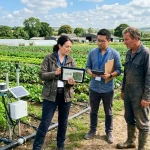
Agriculture is another area witnessing revolutionary changes driven by technology. The application of precision farming techniques, which utilize GPS and IoT sensors, allows farmers to optimize water usage, reduce pesticide reliance, and enhance crop yields. By tuning into soil health data and weather patterns, farmers can make informed decisions that lead not only to higher productivity but also to significant reductions in carbon footprints. For instance, using drones to monitor crop health can lead to targeted interventions, minimizing waste and maximizing resource efficiency.
Carbon Capture and Storage: A Tech Perspective
Carbon capture and storage (CCS) technologies hold promise in mitigating climate change by capturing CO2 emissions from industrial sources before they enter the atmosphere. Modern CCS techniques can integrate seamlessly into existing infrastructures, enabling industries to maintain operations while reducing emissions. For example, plants equipped with CCS can reduce their emissions by up to 90%, assisting in the transition toward a low-carbon economy. This technological frontier demonstrates the potential of innovation to help us meet reduction targets while sustaining economic activity.
In this rapidly evolving landscape, the collaborative potential of technology emerges as a beacon of hope. By fostering innovation and encouraging the adoption of these transformative solutions, we can harness technology as a powerful ally in our quest to combat climate change and protect our planet for future generations.
Innovative Renewable Energy Technologies

Innovations in renewable energy technologies are at the heart of the fight against climate change, providing a pathway to a more sustainable future. Remarkably, the cost of solar energy has plummeted by over 80% since 2010, significantly broadening its accessibility and prompting a shift away from fossil fuels. This dramatic reduction in price not only empowers homeowners and businesses to adopt solar panels but also encourages entire communities to invest in green energy solutions. By harnessing the sun’s abundant resources, we can make meaningful strides towards reducing greenhouse gas emissions and mitigating climate impacts.
Transformative Technologies in Renewables
The realm of renewable energy is continuously evolving, driven by technological advancements that enhance efficiency and integration. Wind power, too, has seen significant innovations, particularly with the development of larger turbines that capture more energy and advanced data analytics capabilities that optimize performance. Hydropower remains a critical component of the renewable mix, with new designs like run-of-river systems that minimize environmental impact while providing continuous energy. These advancements ultimately contribute to a more resilient energy grid, where clean energy sources complement each other, ensuring a steady power supply regardless of weather conditions.
Another crucial factor in the renewable energy equation is the integration of energy storage technologies. The ability to store energy generated during peak production times-such as sunny days or windy conditions-ensures its availability during periods of high demand or low production. Cutting-edge battery technologies, including lithium-ion and emerging solid-state batteries, are transforming how we store and use renewable energy. Notably, these storage systems are becoming increasingly affordable and efficient, enabling homes and businesses to rely more heavily on renewable sources without the limitations previously faced.
Real-World Impact: Case Studies
Consider the case of California, where the state has aggressively invested in renewable energy infrastructure, leading to a dramatic increase in solar installations. As a result, California now generates nearly 50% of its electricity from renewable sources. This not only illustrates the potential for large-scale impact but also provides a blueprint for other regions striving to achieve similar goals. Community solar programs, where shared solar projects allow multiple participants to benefit, exemplify how collective action can drive renewable adoption, making clean energy available to those who may not have suitable rooftops for solar panels.
For individuals and communities, embracing these innovative renewable technologies means taking actionable steps toward sustainability. By advocating for local policies that support clean energy and participating in community energy initiatives, we can collectively contribute to a larger movement towards a greener planet. From investing in solar panels to participating in local renewable energy projects, each action taken contributes to the collective effort against climate change, proving that technology can indeed help us forge a sustainable future.
Smart Agriculture: Enhancing Sustainability Through Tech
Innovative technologies in agriculture are emerging as powerful tools for building a more sustainable and resilient food system, addressing one of the most pressing challenges of our time: climate change. In a world where the agricultural sector contributes significantly to greenhouse gas emissions, leveraging technology offers farmers new ways to optimize productivity while minimizing environmental impact. For instance, precision agriculture utilizes data-driven insights to enable farmers to apply resources-such as water, fertilizer, and pesticides-more efficiently and only when necessary. This not only conserves valuable inputs but also helps to reduce runoff and soil degradation.
Transformative Technologies in Agriculture
Key technologies driving smart agriculture include Internet of Things (IoT) devices, drones, and artificial intelligence (AI). IoT sensors installed in fields can monitor soil moisture, temperature, and nutrient levels in real time, providing farmers with actionable insights to make informed decisions. Moreover, drones can be deployed for aerial imaging, enabling the assessment of crop health and identifying areas that need attention without the labor-intensive process of manual scouting. AI can analyze vast amounts of data from these sensors and images, helping farmers predict yields and detect diseases early, ensuring timely intervention.
These technologies not only help in resource conservation but also enhance crop resilience against climate extremes. For example, a study showed that farms using precision irrigation techniques reduced water use by up to 30% while maintaining yields. This is crucial in regions facing water scarcity, illustrating how technology can directly address both agricultural productivity and climate adaptation needs.
Real-World Applications and Benefits
Consider the case of a cooperative in the Midwest United States that adopted smart irrigation systems equipped with soil moisture sensors. By using this technology, they reduced their water consumption by approximately 25%, significantly cutting costs and conserving water in a drought-prone area. Additionally, farmers who embraced automated machinery found that their labor costs decreased while their efficiency improved, enabling them to focus more on strategic farming decisions rather than routine tasks.
The broader implications of these technologies extend beyond immediate agricultural practices. They contribute to carbon sequestration by improving soil health and reducing emissions, creating a positive feedback loop that benefits both farmers and the planet. Furthermore, consumers are increasingly aware of where their food comes from and are more likely to support brands that demonstrate commitment to sustainable practices. Thus, farmers leveraging technology not only enhance their operational efficiency but also align themselves with market trends that favor sustainability.
By adopting technology in agriculture, farmers are not just altering their practices; they are transforming the entire food system towards greater sustainability. The intersection of technology and agriculture opens the door to innovative solutions that can tackle the challenges of climate change while ensuring food security for future generations. Each step taken in this direction creates a more sustainable agricultural landscape, proving that informed decision-making powered by technology can yield benefits for both humanity and the environment.
Carbon Capture and Storage: A Tech Perspective
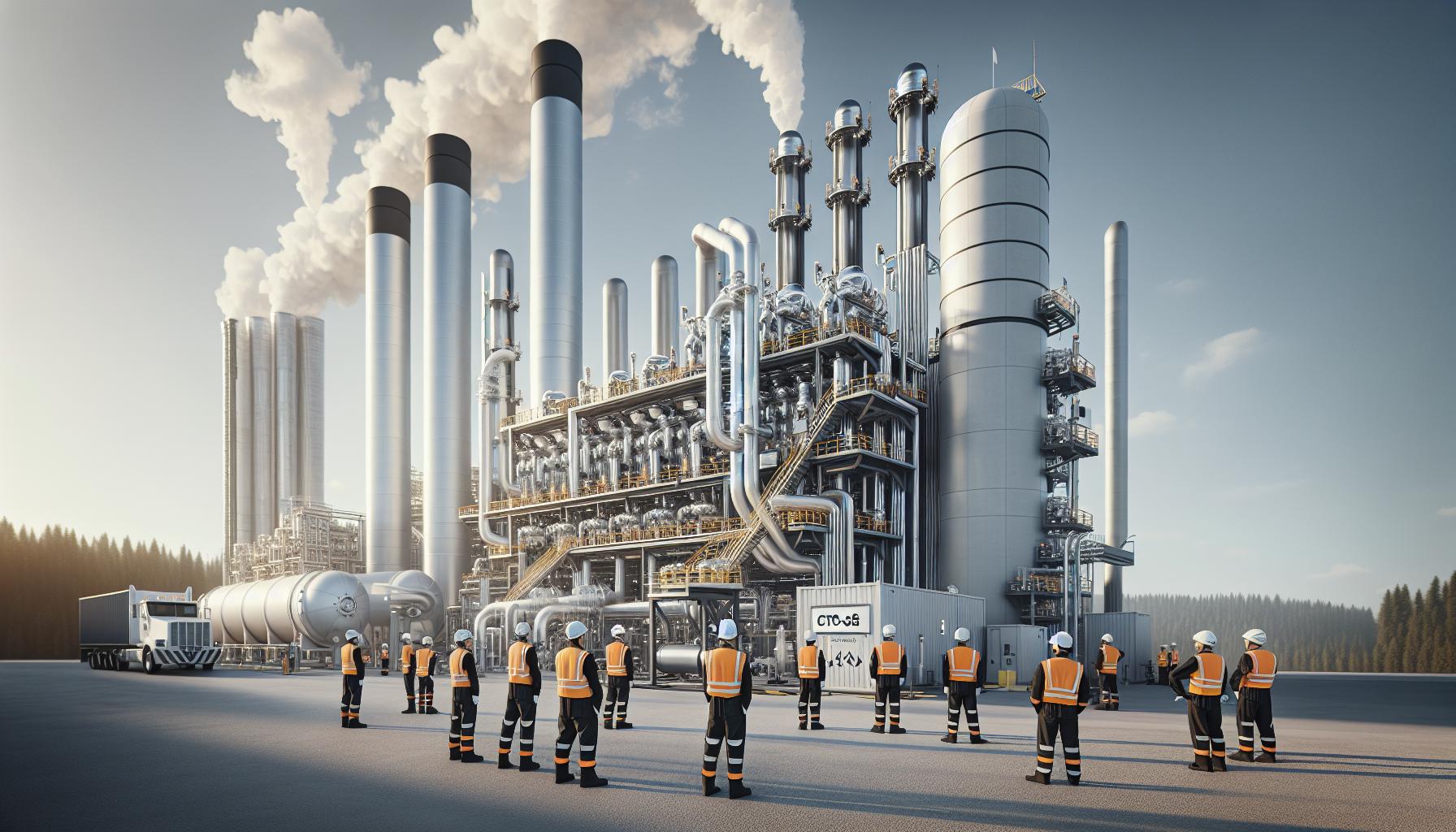
Carbon capture and storage (CCS) technology is rapidly emerging as a crucial player in the global effort to mitigate climate change. In an era where atmospheric carbon levels are a pressing concern, CCS offers a promising avenue to directly tackle the problem. By capturing carbon dioxide emissions from sources like power plants before they reach the atmosphere and then safely storing it underground, we have the potential to significantly reduce greenhouse gas emissions. Current estimates suggest that implementing CCS could contribute to cutting global emissions by up to 14% by 2050, making it a key technology in our arsenal against climate change.
The process begins with capturing carbon dioxide (CO2) emitted during industrial processes. This can be achieved using various methods, including absorption, adsorption, or membrane systems that actively separate CO2 from other gases. Once captured, the CO2 is compressed and transported to storage sites, often deep geological formations, which have held fossil fuels for millions of years. The stability of these formations makes them ideal for safely sequestering CO2 for centuries. According to the Global CCS Institute, there are currently 26 large-scale CCS facilities operating worldwide, preventing millions of tons of CO2 from entering the atmosphere each year.
For practical application, consider the case of the Petra Nova project in Texas, one of the largest CCS projects in the United States. This facility captures around 1.6 million tons of CO2 annually, which is then used for enhanced oil recovery, demonstrating that captured carbon can not only prevent emissions but also contribute to energy production. Such dual-use applications create a compelling economic incentive for industries to adopt CCS technologies.
However, while CCS shows tremendous promise, several challenges remain. The high costs of capture technology can deter investment, and the infrastructure for transporting and sequestering CO2 is still underdeveloped in many regions. To overcome these hurdles, governments and private sectors must collaborate to create incentives, such as tax credits and funding for research, that promote investment in CCS technologies. Public awareness and education about the benefits of CCS are also crucial for garnering support.
In summary, carbon capture and storage technology represents a forward-thinking solution to one of the most pressing issues of our time-climate change. By embracing this technology and addressing its challenges through innovative policies and active collaboration, we can significantly reduce our carbon footprint and move toward a more sustainable future. As we continue to innovate, CCS may well become a cornerstone of our climate action strategy, empowering industries to transform their operations while contributing positively to global carbon reduction efforts.
The Role of AI in Climate Change Mitigation

In today’s rapidly changing climate landscape, artificial intelligence (AI) is emerging as a pivotal ally in the quest for effective climate change mitigation. By analyzing vast amounts of data at unprecedented speeds, AI empowers policymakers, businesses, and communities to make informed decisions that could significantly reduce greenhouse gas emissions. For instance, AI models can predict climate events, optimize energy consumption, and enhance resource management, demonstrating its transformative potential across various sectors.
Optimizing Energy Use
One of the most impactful applications of AI is in the optimization of energy systems. Smart grids equipped with AI can analyze consumption patterns in real time, allowing for more efficient distribution of resources. This helps in minimizing waste and integrating renewable energy sources more effectively. Companies like Google have leveraged AI to achieve a 40% reduction in energy used for cooling data centers by predicting the optimal temperatures based on historical performance data. Such innovations illustrate how AI not only enhances efficiency but also leads to substantial cost savings.
Aiding Sustainable Agriculture
AI is also playing a significant role in agriculture by fostering sustainable practices that minimize environmental impacts. Machine learning algorithms analyze soil data to provide farmers with tailored recommendations on when to plant or apply fertilizers, thereby optimizing resources and boosting crop yields. Systems like precision agriculture not only increase productivity but also reduce the carbon footprint associated with conventional farming practices. For example, the use of drones equipped with sensors for monitoring crop health exemplifies how technology can enhance yield while conserving resources.
Enhancing Climate Research
In the realm of climate research, AI accelerates the processing of complex climate models, improving our understanding of climate patterns and facilitating timely interventions. For instance, AI-driven simulations can project potential climate scenarios, aiding government bodies in developing proactive strategies for disaster preparedness. A notable example is the use of machine learning techniques to interpret satellite data, which enables more accurate predictions of extreme weather events, thus enhancing community resilience against climate-related disruptions.
Transforming Waste Management
Additionally, AI is revolutionizing waste management systems. By using predictive analytics, cities can optimize waste collection routes based on real-time data, leading to reduced fuel consumption and lower emissions. Companies like Rubicon are employing AI to create smart waste and recycling solutions that not only enhance operational efficiency but also contribute to cleaner urban environments.
Taking Action
To harness the full potential of AI in climate change mitigation, stakeholders must invest in research and development and foster collaborations that bridge technology with sustainability efforts. Here are actionable steps that can be taken:
- Public-Private Partnerships: Encourage collaboration between tech companies and government agencies to fund AI research focused on climate solutions.
- Data Sharing Initiatives: Create platforms for sharing environmental data across sectors to enhance AI training and effectiveness.
- Education and Training: Equip future generations with skills in data science and environmental studies to ensure a workforce adept in tackling climate challenges using AI.
As we look to the future, the integration of artificial intelligence into climate action strategies holds tremendous promise. By implementing innovative AI solutions, we can not only combat climate change effectively but also promote a sustainable and resilient future for the planet.
Blockchain for Environmental Transparency: Opportunities and Challenges
In an era where transparency is crucial for sustainability, blockchain technology emerges as a powerful tool to address the complex challenges of environmental accountability. By providing an immutable and decentralized record of transactions, blockchain enables stakeholders-from consumers to corporations-to track the provenance and impact of their actions on the planet. This visibility not only enhances trust but also encourages responsible practices among businesses and individuals alike, fostering a culture of transparency in tracing the life cycle of products and services.
Enhancing Supply Chain Transparency
One of the primary applications of blockchain in environmental sustainability is its ability to enhance supply chain transparency. For instance, companies like Everledger use blockchain to track the origins of diamonds, ensuring that they are ethically sourced and conflict-free. Extending this model to sectors like agriculture could allow consumers to verify whether their food is organic and sustainably grown. This verification mechanism not only empowers consumers but also incentivizes producers to adopt sustainable practices, knowing their efforts are being recognized and valued by the market.
Opportunities and Challenges
The opportunities presented by blockchain are numerous. It can streamline processes in areas like carbon credits trading, where emissions can be accurately recorded and monitored. A well-documented carbon trading system via blockchain could lead to increased participation in such markets, as stakeholders can see the tangible impacts of their investments. However, challenges abound as well. The energy consumption of certain blockchain networks-particularly those using proof-of-work algorithms-can negate some of the environmental benefits they aim to promote. Therefore, adopting greener blockchain technologies, such as proof-of-stake, is vital for optimizing the environmental impact of this innovation.
Practical Steps Forward
To capitalize on blockchain’s potential while mitigating its downsides, several actionable steps can be taken:
- Adopt Sustainable Protocols: Encourage industries to shift to more energy-efficient consensus models that lessen environmental footprints.
- Develop Collaborative Platforms: Create partnerships among tech companies, NGOs, and policy-makers to establish standards for transparency that utilize blockchain.
- Educate Stakeholders: Enhance awareness and understanding of blockchain technology among consumers and businesses alike, highlighting its benefits for environmental sustainability.
As blockchain continues to evolve, its integration into environmental solutions offers significant promise. By harnessing this technology effectively, society can not only gain insights into its ecological impact but also drive meaningful systemic change, ultimately fostering a more sustainable future.
Mobility Solutions: Electric Vehicles and Beyond
The transition to electric vehicles (EVs) is not just a trend; it’s a revolution in mobility that directly contributes to combatting climate change. With transportation accounting for a significant portion of global greenhouse gas emissions, shifting to electric options represents one of the most impactful strategies available. In fact, according to the International Energy Agency, the number of electric cars on the road surpassed 10 million in 2020-a figure that continues to rise as technology improves and infrastructure develops.
Governments worldwide are also prioritizing the adoption of EVs through a mix of incentives and legislation. For instance, the European Union has set ambitious targets to increase the share of electric vehicles in transportation, aiming for at least 30 million electric cars on the roads by 2030. As a result, major automotive manufacturers are ramping up the development of electric models, acknowledging consumer preference for greener alternatives and the need to comply with environmental regulations. Additionally, significant investments are being made in EV infrastructure, such as charging stations, to facilitate this shift.
Beyond Electric: Emerging Mobility Solutions
While electric vehicles are a crucial component, the landscape of mobility solutions extends far beyond cars. Innovative technologies like electric buses and bikes are increasingly being integrated into urban transport systems. For example, cities like Amsterdam and Copenhagen have led the way in promoting electric bikes and scooters, which provide eco-friendly alternatives for city commuting, reducing traffic congestion and pollution.
Furthermore, autonomous vehicles are on the horizon. These vehicles, equipped with advanced technologies such as AI and machine learning, can optimize driving patterns, reduce emissions through efficient routing, and enhance safety on roads. When combined with green energy sources, such as solar or wind, the potential for a drastic reduction in transportation-related carbon footprints is substantial.
Practical Steps Toward Adopting Electric Mobility
For individuals and communities looking to adopt these innovations, several actionable steps can be embraced:
- Educate and Advocate: Engage with local policymakers to support the development of EV infrastructure and incentives.
- Make Informed Choices: When considering a vehicle purchase, explore the range of electric and hybrid options that suit your lifestyle.
- Utilize Public Transport: Encourage local governments to invest in electric public transport systems to reduce individual reliance on personal vehicles.
The move towards electric mobility represents a leap in our collective effort to mitigate climate change, ultimately enabling individuals to contribute to a more sustainable future while enjoying the benefits of modern, innovative transportation solutions. By embracing these technologies and advocating for their widespread adoption, we can significantly reduce our carbon footprint and create healthier communities.
Augmented Reality and Climate Awareness Initiatives
Imagine walking through your city and, with a quick scan of your smartphone, seeing digital overlays that highlight the carbon footprint of the buildings around you or the tree canopy coverage of your neighborhood. Augmented Reality (AR) has the incredible potential to transform how we understand and interact with our environment, making climate issues tangible and immediate. By merging virtual information with the physical world, AR not only informs individuals but also fosters a collective consciousness about climate challenges and solutions.
Bringing Climate Data to Life
AR applications can visualize climate change data in engaging ways, turning abstract statistics into relatable experiences. For example, platforms like ClimateView utilize AR to show users the impact of climate policies on local emissions in real-time. Citizens can visualize how their neighborhoods will look under different climate scenarios, promoting an understanding of urban development’s impact on the environment. This galvanizes community involvement and motivates individuals to advocate for sustainable practices.
Encouraging Sustainable Practices
Beyond information, AR can promote actionable behaviors. Applications like iSeeChange enable users to report environmental changes in their area, such as shifts in plant life or extreme weather events. By gamifying the process of climate reporting and observation, these platforms encourage people to engage more deeply with their local ecology. This participatory approach not only empowers individuals but also contributes valuable data to environmental scientists working to track climate patterns.
Educational Initiatives
AR can play a pivotal role in education, making climate science more accessible and engaging. For instance, educational institutions are beginning to integrate AR into their curricula to teach students about ecosystems and climate impacts interactively. Programs like Google Expeditions allow students to explore coral reefs or endangered forests, enhancing the learning experience with real-time visuals that illustrate the urgency of preserving these environments.
- Advocate for Local AR Projects: Support initiatives that seek to implement AR experiences in your community to raise awareness about local climate issues.
- Utilize Educational Tools: Parents and educators can explore using AR-based educational apps to enhance learning about environmental science and promote sustainability among the younger generation.
- Participate in AR Campaigns: Engage with social media campaigns that utilize AR filters or lenses to spread awareness about climate action and encourage community involvement.
As we harness the power of AR in fostering climate awareness, it is crucial to recognize its role in not just informing citizens but also in mobilizing them towards action. In this era where technology intersects with environmental consciousness, augmented reality presents a unique opportunity to cultivate a more informed, engaged, and proactive society in the face of climate change. By embracing these tools, we stand a better chance at undermining the apathy that often accompanies dire environmental statistics and replacing it with informed activism and sustainable action.
Tech-Driven Behavioral Change: Empowering Individual Action
Imagine a world where individual actions-like reducing energy consumption or choosing public transport-can collectively shift the tide against climate change. Today, technology makes it easier than ever for people to engage in sustainable practices and alter their behaviors in ways that contribute to environmental health. Through apps, social media, and interactive platforms, individuals are empowered to make informed choices that resonate far beyond their immediate environment.
Apps that track personal carbon footprints, such as JouleBug and My Carbon Footprint, provide users with a tangible way to see the effect of their choices. These tools not only quantify individual impact but also gamify the process of reducing emissions by setting challenges and offering rewards for sustainable behaviors. Individuals can compare their progress with friends, fostering a sense of community and competition that drives more responsible consumption habits. This data-driven approach helps users make conscious decisions-whether it’s opting for energy-efficient appliances, reducing meat consumption, or utilizing public transport over driving.
Moreover, social media platforms have become a vibrant space for environmental activism and education. Online communities rally around issues such as climate justice, sharing resources, organizing clean-up drives, and advocating for policy changes. Hashtags like #ZeroWaste and #ClimateAction bring together like-minded individuals who exchange tips on sustainable living, thus transforming ideas into collective action. This digital engagement not only amplifies the voices of advocates but provides a support system for those seeking to implement green practices in their lives.
The integration of technology with lifestyle choices also extends to investment. Apps like Aspiration let users invest in environmentally responsible companies, reinforcing the connection between financial decisions and their social and environmental impacts. By facilitating conscious consumerism, these platforms shift the narrative around personal finance from mere profit-making to building a sustainable future.
In essence, technology acts as a catalyst for change, offering individuals the tools, knowledge, and community support needed to drive behavioral shifts towards sustainability. Whether it’s through tracking carbon footprints, sharing knowledge on social platforms, or making investment choices that favor green initiatives, every small action contributes to the larger goal of mitigating climate change. Individuals today are not just passive consumers; they are proactive agents of change, empowered to shape a sustainable future.
Monitoring Climate Change with Remote Sensing Technology
As global temperatures rise and weather patterns become increasingly erratic, the urgency for precise climate monitoring has never been greater. Remote sensing technology, which uses satellites and aerial sensors, has emerged as a crucial tool for tracking the Earth’s changing climate. By capturing data from space, this technology can provide detailed insights into various environmental phenomena, from deforestation and melting ice caps to urban heat islands and atmospheric changes.
Remote sensing offers several specific advantages in climate monitoring:
- Comprehensive Data Collection: Satellites can cover vast areas of land and oceans, providing a holistic view of climatic conditions. For instance, NASA’s MODIS (Moderate Resolution Imaging Spectroradiometer) collects data that helps track changes in vegetation, surface temperatures, and land use.
- Real-Time Monitoring: With the ability to gather data continuously, remote sensing delivers timely insights into climatic events as they happen. This capability is vital for disaster response planning, such as predicting hurricanes and tracking their paths.
- Global Reach: Remote sensing technology can monitor regions that are often inaccessible or challenging to study on the ground. This global perspective is essential for understanding climate change’s impacts on biodiversity, particularly in remote ecosystems.
- Data Integration: The information gathered from remote sensors can be combined with data from ground-based sources and climate models, allowing for more accurate predictions and analyses of climate trends.
The effectiveness of remote sensing is illustrated by projects like the ESA’s Copernicus program, which delivers high-resolution satellite imagery for environmental monitoring. By analyzing satellite data, researchers can track greenhouse gas emissions from urban areas or pinpoint regions experiencing drought stress, leading to proactive management strategies. For example, farmers can utilize this data to optimize irrigation schedules based on soil moisture levels detected from space, conserving water resources while maintaining crop yields.
Moreover, the insights gained from remote sensing technology go beyond just data collection; they empower action. Policymakers, scientists, and community leaders can leverage the wealth of data provided by remote sensing to make informed decisions about land use, conservation efforts, and climate adaptation strategies. By visualizing climate impacts, such as rising sea levels threatening coastal communities, stakeholders can better communicate risks and motivate collective action toward sustainability.
In summary, remote sensing technology is not just an advanced scientific tool; it is a vital resource in the fight against climate change. By providing comprehensive, real-time data and facilitating informed decision-making, it empowers societies to adapt, respond, and ultimately thrive in an era of environmental uncertainty.
Investment in Green Tech: A Path to Sustainability
Investing in green technology is no longer just an ethical choice; it’s becoming an essential strategy for economic resilience and sustainable growth. As global awareness of climate change increases, investors are recognizing the significant opportunities within the green tech sector. According to a recent report, investments in renewable energy alone reached a staggering $300 billion in 2021, and this upward trend is expected to accelerate as more stakeholders embrace the transition to sustainability. By channeling funds into innovative solutions, we not only tackle environmental challenges but also pave the way for economic improvements and job creation.
One effective approach for potential investors is to focus on sectors within green technology that have shown promising growth metrics and societal demand. For instance, renewable energy technologies such as solar and wind power are rapidly evolving, with advancements in efficiency and storage capabilities enhancing their viability. The Global Wind Energy Council reported that global wind capacity surpassed 900 GW in 2020, demonstrating strong market confidence in this technology. By investing in companies at the forefront of these developments, investors can capitalize on the momentum while actively contributing to a low-carbon future.
Practical Strategies for Investment
Investing wisely in green technologies requires a multi-faceted approach. Here are some actionable steps for prospective investors:
- Research and Education: Familiarize yourself with sustainable investment options, including public equity, green bonds, and venture capital focused on cleantech startups.
- Portfolio Diversification: Incorporate a mix of renewable energy stocks, sustainable agriculture companies, and climate tech innovators to mitigate risk while maximizing potential returns.
- Engage in Impact Investing: Look for funds or projects that offer both financial returns and measurable environmental benefits. Many investors find satisfaction in achieving perspectives that align with their values.
- Support Local Initiatives: Invest in community-based green projects, such as cooperatives focused on local sustainable agriculture or regional renewable energy initiatives, which often yield both social and economic dividends.
By aligning investment strategies with environmental goals, individuals and institutions can help drive the shift towards a more sustainable economy. It’s essential to remember that every investment in green technology not only supports innovation but also communicates a powerful message about the future we envision-a future where economic prosperity and environmental stewardship go hand in hand.
The power of investment in green tech extends beyond financial returns; it represents a shared commitment to nurture the planet for generations to come. As more investors join the movement, collaboration across various sectors will be crucial in scaling solutions that effectively combat climate change. This collective action reinforces the idea that turning challenges into opportunities is not just possible-it’s imperative for a sustainable future.
Future Trends: What’s Next for Technology and Climate Action
As we look toward the future, the intersection of technology and climate action is set to transform our ability to tackle environmental challenges. Innovations are not only creating new pathways for reducing emissions but are also reshaping our understanding of sustainability, community engagement, and economic opportunity. For instance, advancements in renewable energy technologies like solar and wind power have reached unprecedented efficiencies. The rapid deployment of energy storage solutions is allowing communities to harness this power more effectively, ensuring reliability and resilience against climate threats.
Similarly, smart agriculture technologies are revolutionizing food production and land use, promoting sustainable practices that diminish carbon footprints. Precision agriculture, enabled by AI and IoT devices, helps farmers optimize resource use, enhancing crop yields while minimizing environmental impact. These technologies are not just responding to climate needs; they are actively empowering farmers by providing them with data-driven insights to make informed decisions.
The Promise of AI and Data Analytics
The role of artificial intelligence in climate change mitigation cannot be overstated. AI algorithms are increasingly employed to predict climate impacts, simulate various environmental scenarios, and optimize energy consumption across sectors. For example, smart grid technology utilizes data analytics to balance supply and demand dynamically, thereby reducing waste and improving energy efficiency. Companies that integrate AI into their operations are finding not only financial savings but also making substantial contributions to sustainability efforts.
Embracing Blockchain for Transparency
Another emerging trend is the use of blockchain to enhance environmental transparency and accountability. By creating decentralized ledgers of carbon credits and sustainability practices, blockchain technology ensures that data is secure, trustworthy, and easily accessible. This can empower consumers to make informed choices about the products they buy, encouraging companies to enhance their sustainability credentials.
Investing in the Future
Investment trends are also shifting towards green technologies, with financial markets beginning to recognize the intrinsic value of sustainability. This represents more than just a financial strategy; it symbolizes a paradigm shift where investors prioritize environmental impacts alongside profits. The incorporation of green bonds and ESG-focused funds into investment portfolios demonstrates a commitment to supporting technology-driven solutions that address climate change while offering potential financial returns.
As we embrace these future trends, it is imperative for governments, businesses, and individuals to collaborate effectively. This collective action will be key in scaling innovations that can mitigate climate impacts and drive economic growth. By engaging with these emerging technologies, we can create a sustainable blueprint for future generations, turning climate challenges into opportunities for progress.
Faq
Q: How can technology improve energy efficiency in homes?
A: Technology enhances energy efficiency in homes through smart home systems, like programmable thermostats and energy monitoring devices. These tools optimize energy usage, reduce waste, and lower utility bills, contributing to sustainability. For more insights, visit the section on Innovative Renewable Energy Technologies in our article.
Q: What role does technology play in carbon offsetting?
A: Technology enables efficient carbon offsetting by using platforms that track emissions and support projects like reforestation. Utilizing artificial intelligence can enhance forecasting and improve project selection, making offsetting efforts more effective. Check our Carbon Capture and Storage section for more information.
Q: Can technology help in disaster management related to climate change?
A: Yes, technology assists in disaster management via predictive analytics and remote sensing tools, which provide real-time data for better preparedness and response strategies. Implementing these technologies can significantly mitigate the effects of climate-related disasters. Explore our Monitoring Climate Change with Remote Sensing Technology section for examples.
Q: How does renewable energy technology contribute to climate action?
A: Renewable energy technology reduces greenhouse gas emissions by harnessing energy from natural sources like solar, wind, and hydro. Investing in these technologies promotes a sustainable energy future and less reliance on fossil fuels. For deeper insights, see our section on Innovative Renewable Energy Technologies.
Q: What is the impact of AI on climate change research?
A: AI positively impacts climate change research by analyzing vast datasets, detecting patterns, and predicting climate trends. This accelerates research outcomes and supports policymakers in making informed decisions for climate action. Learn more in our Role of AI in Climate Change Mitigation section.
Q: How can individuals leverage technology to address climate change?
A: Individuals can leverage technology by using apps that track carbon footprints, adopting smart appliances to reduce energy consumption, or participating in online communities focused on climate actions. This empowers personal responsibility in sustainability efforts. Discover more in our Tech-Driven Behavioral Change section.
Q: Will blockchain technology change environmental practices?
A: Yes, blockchain technology promotes transparency and accountability in environmental practices by securely tracking carbon credits and sustainable practices. This innovation fosters trust among stakeholders and encourages responsible action. Check out our Blockchain for Environmental Transparency section for more information.
Q: What future technologies are expected to help combat climate change?
A: Future technologies like advanced battery storage, carbon capture innovations, and enhanced AI models are anticipated to play crucial roles in combating climate change. Staying updated on these trends is vital for effective climate action. Read about Future Trends in our article for further insights.
Wrapping Up
As we’ve explored, technology offers powerful solutions to combat climate change, from renewable energy innovations to smart data management that enhances efficiency. Now is the time to act-embracing these advancements not only helps the planet but also creates sustainable opportunities for us all. To deepen your understanding, check out our related articles on renewable energy impacts or the role of AI in environmental efforts.
If you’re ready to make a difference, consider signing up for our newsletter for the latest insights and actionable steps you can take. Your voice matters: share your thoughts below or connect with us on social media. Together, we can drive the change that our planet desperately needs. Let’s harness technology for a sustainable future!
Get our latest guides, news, and insights highlighted in your Google Search & AI Overviews.