
Did you know that ocean currents play a crucial role in regulating Earth’s climate? These vast rivers of water, flowing through our oceans, not only redistribute heat but also impact weather patterns and marine ecosystems. Understanding how these currents operate is essential as our world faces climate change and rising sea levels, affecting both natural habitats and human livelihoods. By delving into the mechanics of ocean currents, we can grasp their significance in maintaining climate balance and explore how even small changes in these currents can lead to dramatic shifts in weather and temperature across the globe. Join us as we uncover the intricate relationship between ocean currents and our planet’s climate systems, and what this means for the future of our environment. Your awareness can drive informed actions towards sustainability and climate resilience.
Understanding the Role of Ocean Currents in Climate Regulation
Ocean currents play a crucial role in regulating the Earth’s climate, acting as a global conveyor belt that transports warm and cold water across the planet. This movement influences weather patterns and temperature fluctuations, with significant implications for both natural ecosystems and human societies. For instance, the Gulf Stream, a major ocean current, carries warm water from the Gulf of Mexico up the eastern coast of the United States and across the Atlantic to Europe, moderating the climate in these regions and making them milder than otherwise expected at such latitudes.
The regulation of climate by ocean currents can be illustrated through several mechanisms. Firstly, currents affect sea surface temperatures, which, in turn, influence atmospheric conditions and weather patterns. When warm water is transported from equatorial regions towards the poles, it heats the air above it, leading to increased evaporation and ultimately altering precipitation patterns. Conversely, cold currents can contribute to cooler air temperatures and more stable weather systems. This interplay is evidenced during phenomena such as El Niño, where altered ocean temperatures lead to significant shifts in weather, including droughts and heavy rainfall in various parts of the world.
Additionally, ocean currents are vital for nutrient cycling and marine biodiversity, which are essential components of the global climate system. They facilitate the movement of nutrients from the deep ocean to the surface, supporting phytoplankton growth-the foundation of marine food webs. A healthy marine ecosystem contributes to carbon sequestration, helping mitigate climate change impacts. For example, the upwelling zones off the coasts of Peru and California are rich in nutrients and support vast fisheries that are not only economically important but also critical for global food security.
Overall, underscores the interconnectedness of our planet’s systems. As climate change progresses, monitoring these currents becomes increasingly vital, as shifts in their patterns can lead to profound implications for ecosystems and weather systems worldwide. By investing in research, monitoring technologies, and sustainable practices, we can better prepare for changes in ocean currents and their impact on our climate, creating resilient communities and healthier environments for future generations.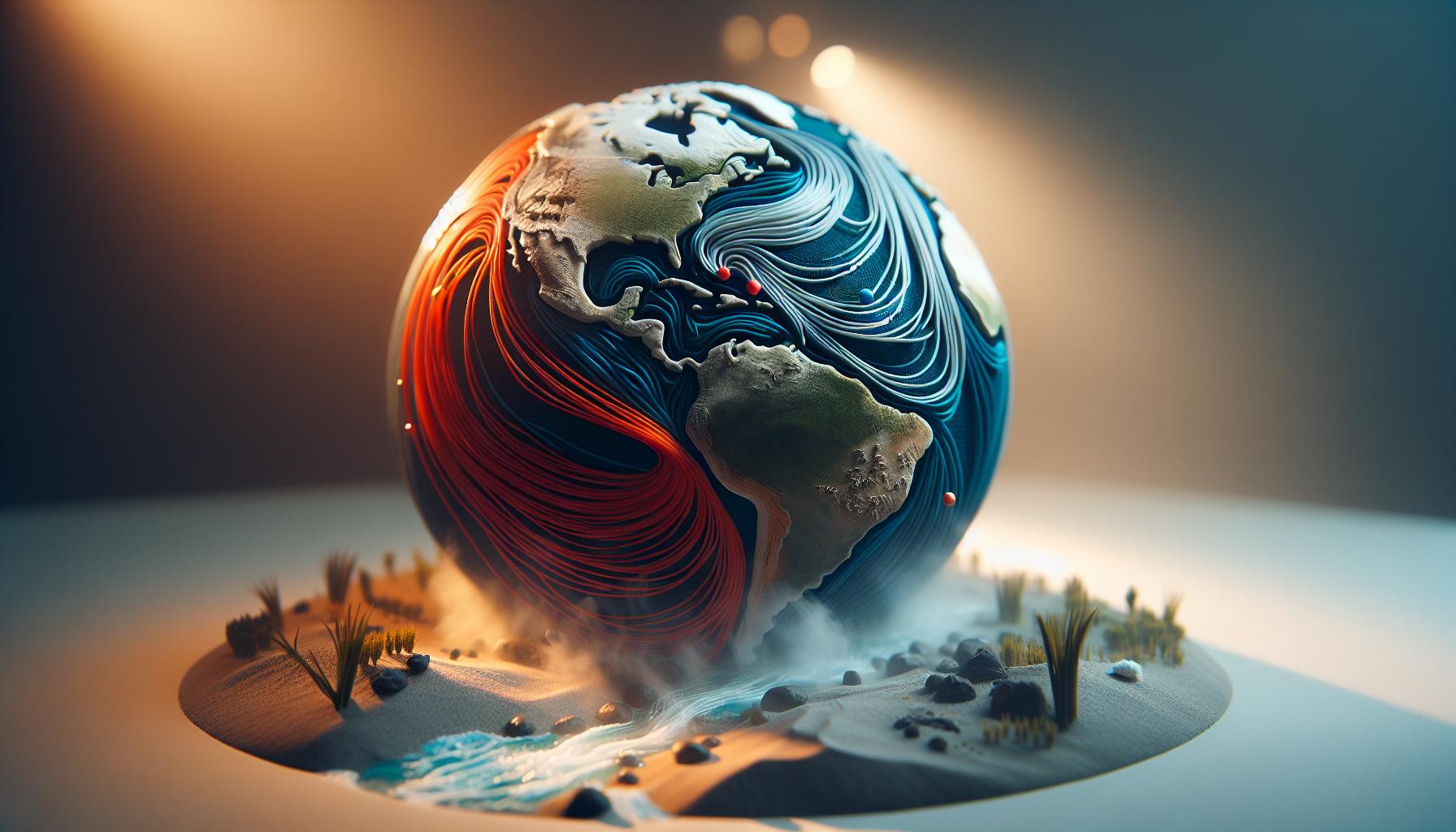
How Ocean Currents Influence Weather Patterns
The intricate dance of ocean currents not only shapes the physical landscape of our planet but also profoundly influences weather patterns across the globe. One of the most fascinating aspects of this phenomenon is how the movement of water can affect atmospheric conditions, leading to both predictable weather and sudden climatic shifts. For instance, warm ocean currents, such as the Gulf Stream, enhance evaporation rates, which, in turn, increase humidity in the atmosphere. This added moisture can lead to more intense and frequent precipitation events, influencing seasonal rain patterns that are critical for agriculture and water supply in several regions.
Moreover, the interplay between ocean currents and atmospheric conditions is most evident during events like El Niño and its counterpart, La Niña. These climatic phenomena occur when unusually warm or cool water in the Pacific Ocean alters typical weather patterns worldwide. During El Niño, warm water spreads across the central and eastern Pacific, leading to abnormal weather conditions, such as heavy rainfall in the southern United States and droughts in Australia. Conversely, La Niña tends to have the opposite effect, often resulting in drier-than-normal conditions in the southern U.S. while enhancing rainfall in the western Pacific regions. Understanding these relationships enables governments and communities to better prepare for and respond to the fluctuating impacts on local climates.
Furthermore, ocean currents play a significant role in moderating temperatures, which subsequently influences wind patterns on land. When currents transport warm water from the tropics toward the poles, they effectively warm the overlying air, contributing to milder winters in areas such as Northwestern Europe. This moderating effect allows for a more temperate climate that supports diverse ecosystems and human activities. Conversely, cold currents, such as the California Current, can lead to cooler coastal climates and thus influence agricultural practices and energy demands in those regions.
To harness this knowledge for practical applications, communities can implement better forecasting and management strategies that consider ocean current patterns. Investing in advanced oceanographic research and employing predictive models can enhance our understanding of ocean-atmosphere interactions. Such measures can aid in disaster preparedness, agricultural planning, and even urban development, ensuring resilience in the face of an evolving climate system. By recognizing the crucial role of ocean currents in shaping weather patterns, we can take actionable steps to mitigate their impacts, safeguard resources, and foster sustainable solutions for future generations.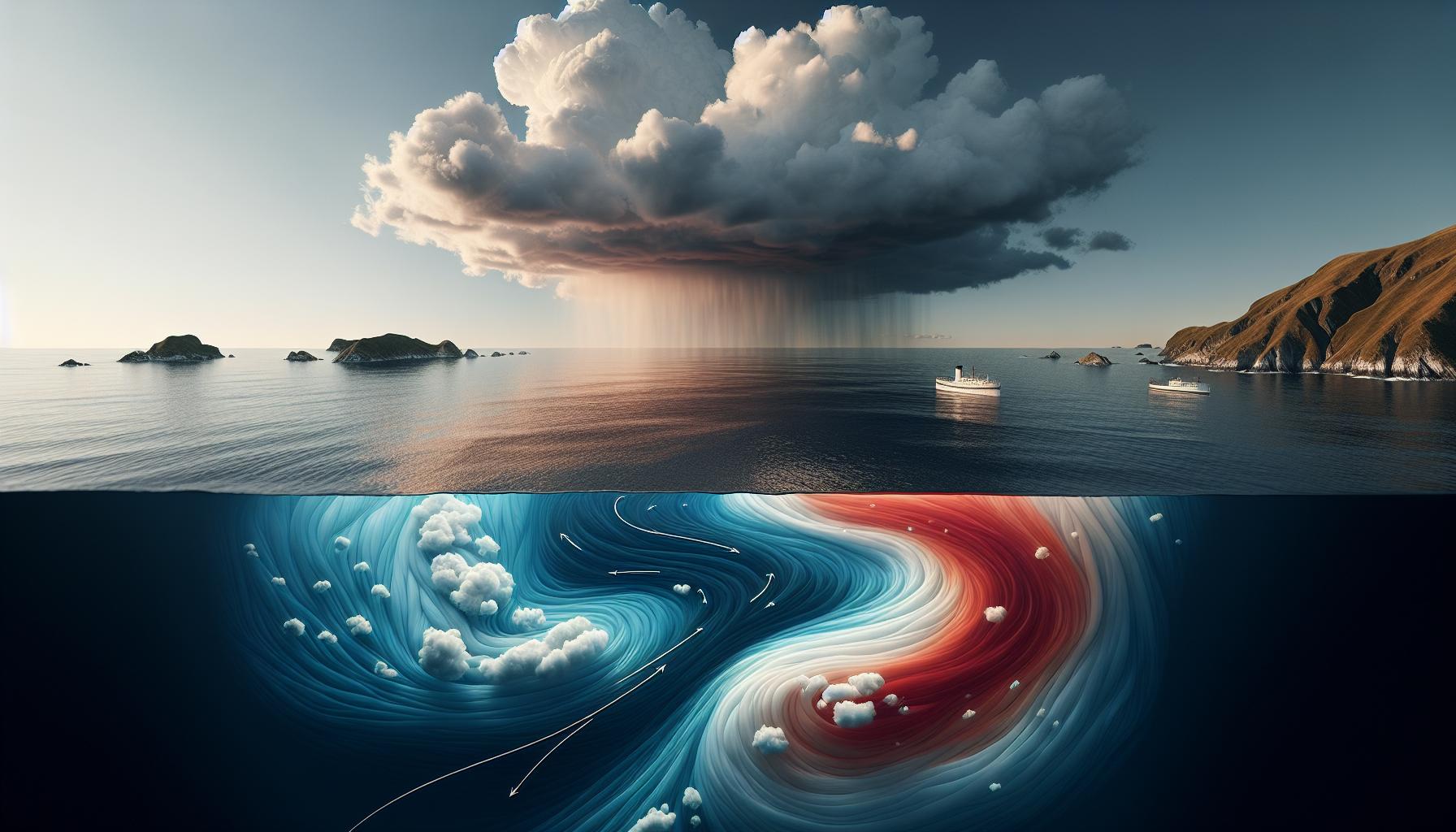
The Impact of Ocean Currents on Global Temperature
The vast ocean is not merely a collection of water; it acts as a global climate regulator, largely through its currents, which transport heat across the planet. For instance, the Gulf Stream carries warm water from the tropics to the North Atlantic, significantly warming areas like Western Europe. This temperature redistribution has profound implications for global climates, influencing agricultural productivity and energy needs while molding ecosystems that depend on stable climatic conditions. Conversely, cold currents such as the California Current contribute to cooler coastal temperatures, which can impact marine life, local weather patterns, and even the types of crops that can be cultivated.
These currents also contribute to the phenomenon known as thermohaline circulation, often referred to as the “global conveyor belt.” This large-scale system plays a crucial role in distributing heat and regulating temperatures worldwide. For example, deep water currents draw cold, denser water from polar regions toward the equator, while surface currents move warmer water in the opposite direction. This interplay ensures that areas closer to the equator do not become excessively hot, and polar regions do not become frigid. Such balancing acts are vital for maintaining climate stability, fostering biodiversity, and ensuring the livelihoods of communities dependent on consistent weather patterns.
Moreover, the varying temperatures influenced by ocean currents directly affect atmospheric conditions and weather systems. For instance, a warm ocean surface can lead to increased evaporation, contributing to higher humidity levels which result in more intense storms. The impact is not just theoretical; alarmingly, as climate change continues to alter ocean currents, the consequences are being felt around the globe-from rising sea levels to the increased frequency of extreme weather events.
To prepare for these shifts, communities and policymakers are urged to invest in oceanographic research and climate modeling. By utilizing spatial data and predictive analytics, we can better understand how changes in ocean temperature and currents will affect local and global climates in the coming years. Adopting adaptive strategies, such as revising agricultural practices to match changing climatic conditions or enhancing coastal defenses against rising sea levels, can mitigate some of the adverse effects linked to the fluctuations in oceanic currents. The intricate dance of the oceans plays a linchpin role in our climate’s health, highlighting the urgent need for a robust response informed by science and innovation.
Key Ocean Currents and Their Climate Effects
The intricate network of ocean currents is vital for regulating global climates, serving as the Earth’s natural temperature control system. One major current, the Gulf Stream, transports warm water from the Gulf of Mexico up the Eastern Seaboard of the United States and across the Atlantic to Europe. This current dramatically influences the climate of nearby regions, keeping Western Europe much warmer than other areas at similar latitudes. Conversely, the California Current flows southward along the U.S. West Coast, moderating temperatures and creating a cooler coastal environment, which directly affects regional weather patterns and marine biodiversity.
The Role of Major Currents
Several other key currents play significant roles in shaping global climate dynamics:
- North Atlantic Drift: Extending from the Gulf Stream, this current continues to warm the climates of Northwestern Europe, affecting weather patterns and agricultural cycles.
- Antarctic Circumpolar Current: This powerful current encircles Antarctica, acting as a barrier that keeps cold polar waters from mixing with warmer equatorial waters, thus influencing global ocean circulation patterns.
- Equatorial Currents: These currents move warm water from east to west across the Pacific and Indian Oceans, impacting rainfall patterns and tropical weather systems.
The varying temperatures that these currents generate not only maintain regional climates but also dictate marine ecosystems’ health. For example, upwelling areas-where cold, nutrient-rich waters rise to the surface-support vibrant fisheries, which are crucial for local economies.
Connecting Currents to Climate Change
As climate change alters these currents, the consequences can be profound and far-reaching. For instance, studies have shown that the Gulf Stream is losing strength due to the melting of Greenland’s ice sheets, which contributes to rising sea levels and altered weather patterns across the North Atlantic. These shifts can lead to increased storm intensity and erratic weather phenomena, thereby impacting agriculture, infrastructure, and global food security.
Mitigating these effects requires urgent action. Communities can invest in sustainable practices, such as regenerative agriculture, which helps sequester carbon and restore ecosystem balance. Additionally, coastal regions must enhance their resilience strategies against rising sea levels and more frequent storms, employing solutions that utilize both advanced technology and traditional ecological knowledge.
By prioritizing awareness and proactive adaptation strategies, we can safeguard both our livelihoods and our planet’s health-ensuring that currents continue to regulate our climate effectively for generations to come.
Why Ocean Currents Matter for Marine Ecosystems
The intricate interplay between ocean currents and marine ecosystems forms the backbone of global biodiversity and food security. These currents transport nutrients, regulate temperatures, and influence the distribution of both marine species and human activities. For instance, upwelling zones, where nutrient-rich waters rise to the surface, nurture some of the most productive fisheries in the world, such as off the coasts of Peru and California. This phenomenon supports not just the fish populations but also the livelihoods of millions of people who depend on these resources for food and income.
Essential Nutrients and Biodiversity
Ocean currents significantly impact biological productivity by redistributing essential nutrients required for phytoplankton growth-the foundational element of the oceanic food web. As currents carry colder, nutrient-dense waters to the surface, they enable robust ecosystems to thrive. Additionally, the movement of currents influences the migratory patterns of marine species, such as whales and sea turtles, which rely on these currents for migration routes to feeding and breeding grounds. By facilitating the natural migration of various species, currents ensure the health of marine biodiversity and the stability of ecosystems.
Climate Regulation through Marine Life
The health of marine ecosystems, sustained by ocean currents, also plays a critical role in climate regulation. For example, healthy coral reefs and mangrove forests act as carbon sinks, absorbing large amounts of CO2 from the atmosphere. Moreover, the biodiversity supported by currents helps maintain resilience against climate impacts, mitigating changes that could lead to more severe weather patterns and rising sea levels. The loss of marine biodiversity, attributed to changing currents, underscores the urgent need to protect these ecosystems, as their degradation could substantially disrupt the balance of not just marine life, but also the climate itself.
Strategies for Sustainable Management
Addressing the challenges faced by ocean currents and their vital role in marine ecosystems requires collective action. Sustainable fishing practices, marine protected areas, and habitat restoration initiatives are essential measures. For instance, creating marine reserves can help restore fish populations and protect critical habitats from overfishing and habitat destruction. Engaging local communities in conservation efforts not only fosters ecosystem health but also empowers those who depend on marine resources for their livelihoods.
In summary, ocean currents are not merely channels of water; they are integral to life on Earth. By understanding their importance, we can take informed actions that support marine ecosystems, thereby enhancing resilience against climate change and ensuring a sustainable future for both marine life and human communities.
The Connection Between Ocean Currents and Extreme Weather
Shifts in ocean currents can lead to significant changes in weather patterns, often resulting in extreme weather events such as hurricanes, droughts, and heavy rainfall. For example, the El Niño phenomenon, characterized by the periodic warming of ocean surface temperatures in the central and eastern Pacific, dramatically influences global weather conditions. This warming alters atmospheric circulation patterns, which can bring about severe rain in some regions and drought in others, showcasing the intricate connection between ocean temperatures and terrestrial weather phenomena.
Another notable instance is the North Atlantic Meridional Overturning Circulation (AMOC), which plays a crucial role in regulating temperatures across Europe and North America. A slowdown in the AMOC can lead to harsher winters in Europe and increased heatwaves in North America. Research indicates that if currents slow down significantly due to climate change, regions currently accustomed to temperate conditions could experience more extreme climates, amplifying the severity of storms and precipitation patterns.
The consequences of these shifts in ocean currents extend beyond weather extremes; they also significantly impact communities and ecosystems. Coastal regions may face increased flooding, erosion, and habitat destruction due to rising sea levels stoked by the thermal expansion of warming oceans. The fishermen in these regions might see shifts in fish populations as they adapt to changing water temperatures, not only affecting their livelihoods but also food security for those who rely on these resources.
To address these pressing challenges, it is essential to integrate sound climate adaptation strategies. Effective measures include investing in resilient infrastructure, restoring coastal ecosystems like mangroves and wetlands, which can buffer against storm surges, and developing early warning systems for extreme weather events. By fostering community engagement and awareness on the impacts of ocean currents and advocating for sustainable practices, we can bolster our resilience against the unpredictability of extreme weather driven by our changing oceans.
How Climate Change Affects Ocean Currents
Rising ocean temperatures and changing salinity levels pose serious threats to the delicate balance of ocean currents. These currents are crucial for transporting heat around the planet, regulating weather patterns, and maintaining ecosystem health. As climate change continues to accelerate-marked by a record rise in greenhouse gas emissions-scientists observe real-time shifts that jeopardize not only oceanic systems but also global climate stability.
One critical impact of climate change on ocean currents is the alteration of density-driven currents. These currents, particularly in the North Atlantic, are influenced by variations in temperature and salinity. As polar ice melts and freshwater enters the ocean, the salinity decreases, which can disrupt the thermohaline circulation-commonly referred to as the “ocean conveyor belt.” A decline in this circulation could lead to cooling in Europe and increased warming in other regions, igniting hazardous weather patterns, including intensified storms and altered precipitation. This interconnectivity emphasizes that the oceans are not merely passive observers of climate change; instead, they actively participate as key players, shaping global climatic outcomes.
Moreover, shifts in major currents like the Gulf Stream-another critical component of ocean circulation-can unravel further consequences. A weakened Gulf Stream could result in more severe winters in Northeast America and shift marine ecosystems, impacting fisheries and biodiversity. Such changes highlight the need for ongoing monitoring and research to understand how shifting currents can affect local climates and economies.
To combat these challenges, fostering collaborative international efforts in climate science and adaptation strategies is essential. Practicing responsible fisheries management, advocating for renewable energy, and engaging communities in marine conservation can strengthen resilience against the impacts of climate change. By recognizing the pivotal role ocean currents play and taking informed action, we can work toward a sustainable future that maintains both ecological balance and climate stability.
Global Climate Models and Ocean Current Predictions
Understanding how ocean currents regulate global climate systems is essential for anticipating the future of our environment. A fascinating aspect of climate science is the increasing precision of global climate models (GCMs). These sophisticated tools simulate Earth’s climate, taking into account a multitude of factors, including the behavior of ocean currents. The models can predict how changes in ocean circulation may influence weather patterns, temperature distribution, and even marine life.
The interplay between ocean currents and GCMs reveals critical insights into climate dynamics. For instance, when the Gulf Stream weakens due to rising temperatures and melting ice, climate models indicate potential shifts in precipitation patterns, leading to drier conditions in one area and increased rainfall in another. For example, the Northeastern United States could experience harsher winters if the thermohaline circulation slows down, as colder waters would remain in the North Atlantic longer. Strong modeling supports these findings, allowing scientists to project future scenarios based on current trends.
Collaboration between climate scientists and oceanographers is crucial for refining these models. Each advancement improves our understanding of how warm and cold currents redistribute heat across the globe, making the predictions more reliable. Moreover, case studies highlighting past climate shifts help validate model outcomes. For instance, during the Little Ice Age, evidence suggests that alterations in ocean currents contributed to significant regional cooling. By studying these historical patterns, scientists can better prepare for future challenges related to climate change.
To remain proactive and informed, stakeholders-including policymakers and local communities-must engage with these developments. Utilizing data from GCMs can guide decisions in sectors such as agriculture, urban planning, and disaster preparedness. By integrating climate model predictions into socio-economic planning, we can foster resilience against the impacts of changing ocean currents and global climate variability, turning knowledge into action.
The Societal Impacts of Changes in Ocean Currents
The intricate dance of ocean currents significantly shapes the societal landscape, influencing not only climate but also economic systems, food security, and community resilience. When ocean currents shift, they can lead to far-reaching consequences for weather patterns and seasonal changes, affecting agriculture and livelihoods. For instance, prolonged changes in currents can result in altered rainfall patterns, potentially leading to droughts in some regions and excessive rainfall in others. Such phenomena can devastate crops and disrupt local economies dependent on agriculture, impacting food availability and prices worldwide.
Communities that rely on fishing, tourism, and coastal activities are particularly vulnerable to shifts in ocean current patterns. Changes in the distribution of fish populations due to warmer waters or altered currents can threaten the livelihoods of fishermen and the economic stability of coastal towns. In regions where tourism hinges on marine ecosystems, such as coral reefs, any disruption caused by changing current systems can deter visitors, leading to significant economic losses. The environmental and social fabrics of these communities are tightly woven with the health of marine ecosystems, making the understanding and monitoring of ocean currents crucial for sustaining both livelihoods and cultural identities.
To mitigate these impacts, adaptive strategies are necessary. Policymakers and community leaders must prioritize sustainable practices that consider the changing nature of ocean currents. This includes investing in climate-resilient infrastructure, supporting diversified livelihoods, and promoting sustainable fishing practices that account for shifting populations of marine species. Regular training and updates for local fishermen about changing currents and fish migrations can empower communities to adapt effectively.
Furthermore, active participation in monitoring ocean conditions through citizen science initiatives can help grassroots organizations gather vital data to inform local decision-making. This approach not only empowers local communities but also builds a collective resilience against the impact of climate change and shifts in ocean currents. Engaging with the scientific community to share observations can spark innovative solutions that harness local knowledge alongside established scientific research, fostering a proactive stance in navigating the complex challenges posed by global climate dynamics.
Innovative Research on Ocean Currents and Climate Solutions
Innovative research on ocean currents is crucial for understanding how these vast water movements regulate global climate systems and shape the environment we live in. One particularly promising avenue of research is the integration of advanced technologies and data analytics to improve our ability to model ocean currents and their impacts on climate. For instance, satellite-based remote sensing has revolutionized our capacity to monitor ocean temperatures and currents in real time, providing critical data that can enhance predictive climate models. These models are not only vital for understanding past climate patterns but can also be pivotal in forecasting future changes, enabling better preparation for climate-related impacts.
Emerging Technologies and Solutions
In addition to remote sensing, researchers are exploring the use of autonomous underwater vehicles (AUVs) and drifters equipped with GPS and environmental sensors. These vehicles collect data from hard-to-reach areas, continuously monitoring conditions beneath the ocean surface. This data feeds directly into climate models, offering unprecedented insight into the subtleties of oceanographic processes. By understanding how ocean currents interact with atmospheric conditions, scientists can better predict shifts in weather patterns and climate events, ultimately informing both policy and local community strategies.
Collaborative Research Initiatives
Moreover, collaborative efforts between governments, universities, and non-profit organizations are fostering a more holistic approach to addressing the impacts of ocean currents. Initiatives such as the Global Ocean Observing System (GOOS) aim to integrate oceanographic data collection from various sources worldwide, generating a comprehensive database that supports ongoing research and intervention strategies. This collective knowledge supports communities in adapting to changes brought about by shifting ocean currents, such as potential food shortages or increased frequency of extreme weather events.
Real-World Applications and Adaptation Strategies
Real-world applications of this research can be seen in coastal management strategies that account for ocean current behaviors. For example, enhancing the resilience of coastal infrastructure against rising sea levels and stronger storms requires understanding oceanic trends. Cities like Miami are developing comprehensive plans that incorporate ocean current data to reduce flood risks and protect local ecosystems.
In summary, innovative research on ocean currents not only deepens our understanding of their climate regulatory roles but also empowers communities and policymakers to respond effectively to the challenges presented by climate change. By leveraging technology, fostering collaboration, and applying findings in practical ways, we can forge a path toward a more sustainable interaction with the ocean and its crucial currents.
Real-World Examples of Ocean Currents Shaping Climate
Ocean currents are often compared to the rivers of the sea, flowing through the vast ocean and significantly affecting global climate patterns. One striking example of how these currents shape climate can be seen with the Gulf Stream, a powerful warm ocean current in the North Atlantic. The Gulf Stream transports warm water from the Gulf of Mexico northward along the eastern coast of the United States and across the Atlantic Ocean towards Europe. This movement warms the air, leading to milder winters in Northwestern Europe, which would otherwise experience much colder temperatures due to its latitude. This phenomenon not only influences local weather but also impacts agricultural patterns, making certain regions more hospitable and productive.
Another noteworthy instance is the El Niño Southern Oscillation (ENSO), which highlights the interconnectedness of ocean currents and atmospheric conditions. El Niño occurs when trade winds weaken, allowing warm water to accumulate in the central and eastern Pacific Ocean. This shift triggers widespread alterations in weather patterns across the globe, such as increased rainfall in the southern U.S. and drought in Australia. Understanding these shifts is crucial for agricultural planning and disaster preparedness, as communities can better adapt to these extreme weather conditions through timely interventions.
Additionally, the California Current serves as an essential example of how cold ocean currents can influence climate. Flowing southward along the U.S. West Coast, this current brings nutrient-rich waters that support vast marine ecosystems and fisheries. The cold water from the California Current, combined with local weather patterns, affects coastal fog and precipitation levels, thereby shaping the climate of the coastal regions from Southern California to Alaska. Communities depending on fisheries benefit from the current’s cooling effect, as it sustains marine life and, consequently, local economies.
Finally, the Antarctic Circumpolar Current (ACC) plays a pivotal role in regulating global temperatures. This current circumnavigates Antarctica and helps drive global thermohaline circulation, also known as the “global conveyor belt.” The ACC facilitates the transport of heat and nutrients across oceans, significantly influencing weather patterns and climatic conditions worldwide. By stabilizing the temperature of surrounding oceans, this current indirectly affects atmospheric climate conditions, underscoring the critical link between ocean currents and global climate regulation.
Understanding these real-world examples of ocean currents not only shines a light on their climate-shaping roles but also emphasizes the importance of monitoring these systems. The shifting dynamics of ocean currents emphasize the need for responsive climate action and adaptation strategies, ensuring sustainable practices that consider the integral relationship between our oceans and the climate.
Steps to Mitigate Climate Impact of Ocean Currents
To combat the climate impacts associated with ocean currents, proactive and integrated strategies are essential. Innovative research has shown that alterations in ocean currents can lead to significant consequences for global climate systems, thus addressing these challenges requires a multifaceted approach. One effective method is enhancing marine protected areas (MPAs) which can bolster the resilience of marine ecosystems. By establishing MPAs, we support biodiversity and help to counteract some of the destabilizing effects of climate change on ocean currents.
Implementing Sustainable Fisheries Management
Another crucial step is improving sustainable fisheries management. By enforcing catch limits and protecting critical habitats, we can lessen the pressure on marine ecosystems and, by extension, the currents that support them. This not only aids in maintaining healthy fish populations but also ensures that the currents remain stable, allowing for proper nutrient distribution and supporting marine life. Community involvement in sustainable practices is key; educating local fishers on environmentally friendly methods can make a significant difference.
Restoration of Coastal Ecosystems
Additionally, the restoration of coastal ecosystems such as mangroves, seagrasses, and salt marshes plays a vital role in mitigating climate impacts. These habitats act as natural buffers against storm surges and coastal erosion, which can influence ocean current dynamics. For example, projects aimed at replanting mangroves not only provide crucial habitat for marine species but also enhance carbon storage, thereby aiding efforts to combat climate change.
Investing in Climate Research and Technology
Investment in climate research and technology is indispensable. Developing advanced models and monitoring systems enables us to predict and understand changes in ocean currents more accurately. This knowledge can guide policymakers in creating adaptive strategies that promote resilience. For instance, utilizing satellite data for real-time monitoring offers insights into temperature changes and current shifts, allowing us to respond effectively to emerging climate patterns.
In conclusion, addressing the climate impact of ocean currents involves a combination of conservation, sustainable management, restoration, and technology. By incorporating these steps, we can ameliorate detrimental changes, safeguarding our oceans for future generations. Responsive strategies not only inspire hope but also empower communities to take ownership of their marine environments, fostering a sustainable relationship with our planet’s vital systems.
Frequently Asked Questions
Q: How do ocean currents help in regulating the Earth’s climate?
A: Ocean currents play a crucial role in climate regulation by redistributing heat across the globe. Warm currents transport heat from the equator to colder regions, while cold currents return to the tropics, moderating temperatures and influencing weather patterns, as discussed in our article on ocean currents and climate effects.
Q: What is the relationship between ocean currents and marine biodiversity?
A: Ocean currents significantly affect marine biodiversity by distributing nutrients essential for the survival of marine life. Currents can dictate the locations of phytoplankton blooms, which form the base of the marine food web, critical for healthy ecosystems. For more on this, see our section on the importance of currents for marine ecosystems.
Q: How do changes in ocean currents impact weather phenomena like hurricanes?
A: Changes in ocean currents can dramatically influence weather phenomena, including hurricanes. Warm ocean water fuels storms, while shifts in currents can alter storm paths, potentially leading to increased intensity or frequency of hurricanes, as mentioned in our exploration of ocean currents and extreme weather.
Q: Why are ocean currents considered a key factor in global warming?
A: Ocean currents are integral to global warming because they absorb a significant amount of carbon dioxide and heat from the atmosphere. Disruptions in these currents can lead to faster warming and altered climate systems, highlighting the urgency for climate research and monitoring outlined in our analysis of climate change impacts on currents.
Q: Can ocean currents affect local climates, such as in coastal regions?
A: Yes, ocean currents can significantly impact local climates, especially in coastal areas. Warm currents can elevate temperatures, while cold currents can lead to cooler, wetter conditions. Our article discusses how these dynamics shape regional climates and their implications for ecosystems and communities.
Q: What role do ocean currents play in regulating sea level rise?
A: Ocean currents influence sea level rise by redistributing water across the ocean basins. Changes in current patterns can lead to localized sea level increases or decreases, affecting coastal communities. See our section on societal impacts of changing ocean currents for more insights on these effects.
Q: How do scientists study ocean currents and their climate effects?
A: Scientists study ocean currents using satellite observations, buoy data, and oceanographic models to track current movements and their relationship with climate variables. This research is fundamental to predicting climate scenarios, as outlined in our segment on global climate models and ocean predictions.
Q: What can individuals do to help mitigate the impact of ocean current changes?
A: Individuals can help mitigate the impact of ocean current changes by reducing carbon footprints, supporting sustainable fishing practices, and advocating for marine conservation efforts. Engaging in community clean-up projects also contributes positively to ocean health, as discussed in our steps to mitigate climate impacts of currents.
Key Takeaways
Understanding how ocean currents regulate global climate systems is crucial for addressing climate change impacts. As we’ve seen, these currents not only influence weather patterns but also affect marine ecosystems and human livelihoods. Now is the time to take action! Dive deeper into how these currents work by exploring our related articles on climate resilience and sustainable practices.
Don’t forget to subscribe to our newsletter for regular insights into climate science, and check out our resources on changing coastal environments and their implications for global weather. Your journey toward understanding and combating climate change begins here-share your thoughts in the comments below, and let’s keep the conversation going! The planet’s future relies on informed and engaged individuals like you, ready to make a difference.
Get our latest guides, news, and insights highlighted in your Google Search & AI Overviews.