
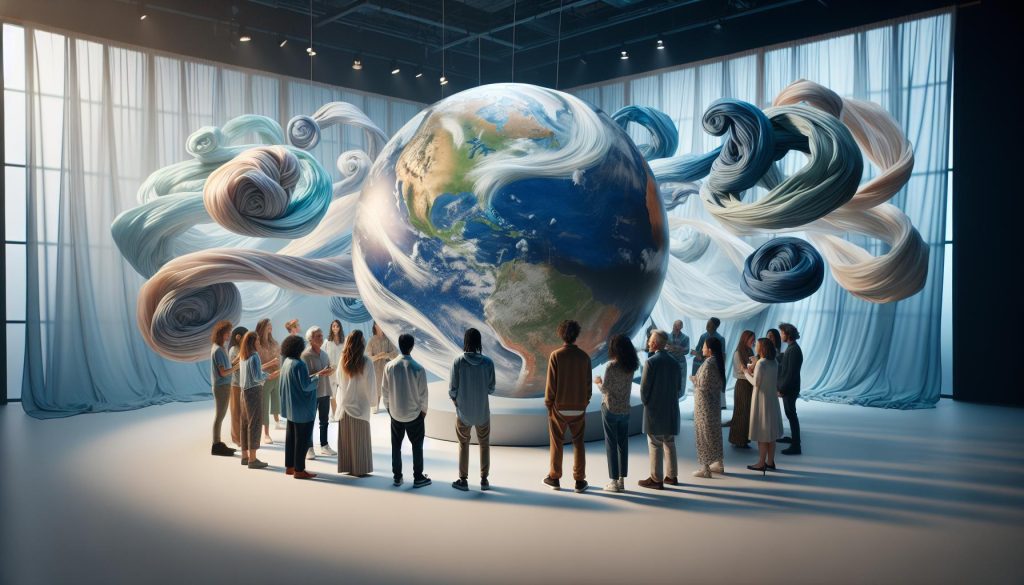
Did you know that ocean currents play a pivotal role in shaping our planet’s climate? These powerful streams of water not only transport heat across vast distances but also influence weather patterns, regulate marine ecosystems, and even affect global temperature extremes. Understanding how currents like the Gulf Stream contribute to climate stability is crucial, especially in a world increasingly impacted by climate change. As we delve into the intricate dance of these currents, we unlock vital insights into weather anomalies, such as the El Niño phenomenon, and their repercussions on regional and global scales. This exploration reveals not just the importance of ocean currents, but also our interconnectedness with the climate and the urgent need for responsible action to mitigate our environmental impact. Join us as we navigate the depths of ocean currents and discover their far-reaching effects on global climate patterns.
How Ocean Currents Influence Global Weather Patterns
Ocean currents are often likened to the planet’s arteries, flowing with warm and cold water that significantly impacts global weather patterns. They not only transport heat across the oceans but also influence wind patterns, precipitation, and even the intensity and frequency of storms. For instance, the Gulf Stream carries warm water from the Gulf of Mexico northward to the North Atlantic, moderating winter temperatures in Western Europe. This flow of warm water raises air temperatures and alters atmospheric circulation, which can lead to milder winters and a more temperate climate for regions that would otherwise be much colder.
The dynamics of ocean currents can lead to notable weather phenomena. When warm waters interact with cooler air, they can generate severe storms and hurricanes, heightening their severity and potential for damage. Similarly, the interaction between distinct currents can lead to shifts in regional climates; for example, the El Niño phenomenon disrupts normal weather patterns by altering trade winds and the behavior of the Pacific Ocean currents. This can trigger various climatic responses globally, including droughts in some regions and excessive rain in others, demonstrating the interconnectedness of oceanic and atmospheric systems.
Understanding how these currents function and their broader implications can empower individuals and communities to prepare for and adapt to changing weather patterns. For example, those living in coastal areas vulnerable to hurricanes can improve infrastructure to withstand severe weather as a proactive measure. Moreover, fostering an awareness of how climate change affects ocean currents-including alterations in temperature and salinity that could disrupt their flow-can inform policy decisions related to coastal management and disaster preparedness.
In exploring the impact of ocean currents, it’s essential to recognize their role in influencing weather extremes. As climate change continues to evolve, the consequences of altered currents may become more pronounced, emphasizing the need for sustainable practices and proactive measures in response to both current and evolving climate patterns.
The Science Behind Ocean Temperature and Climate
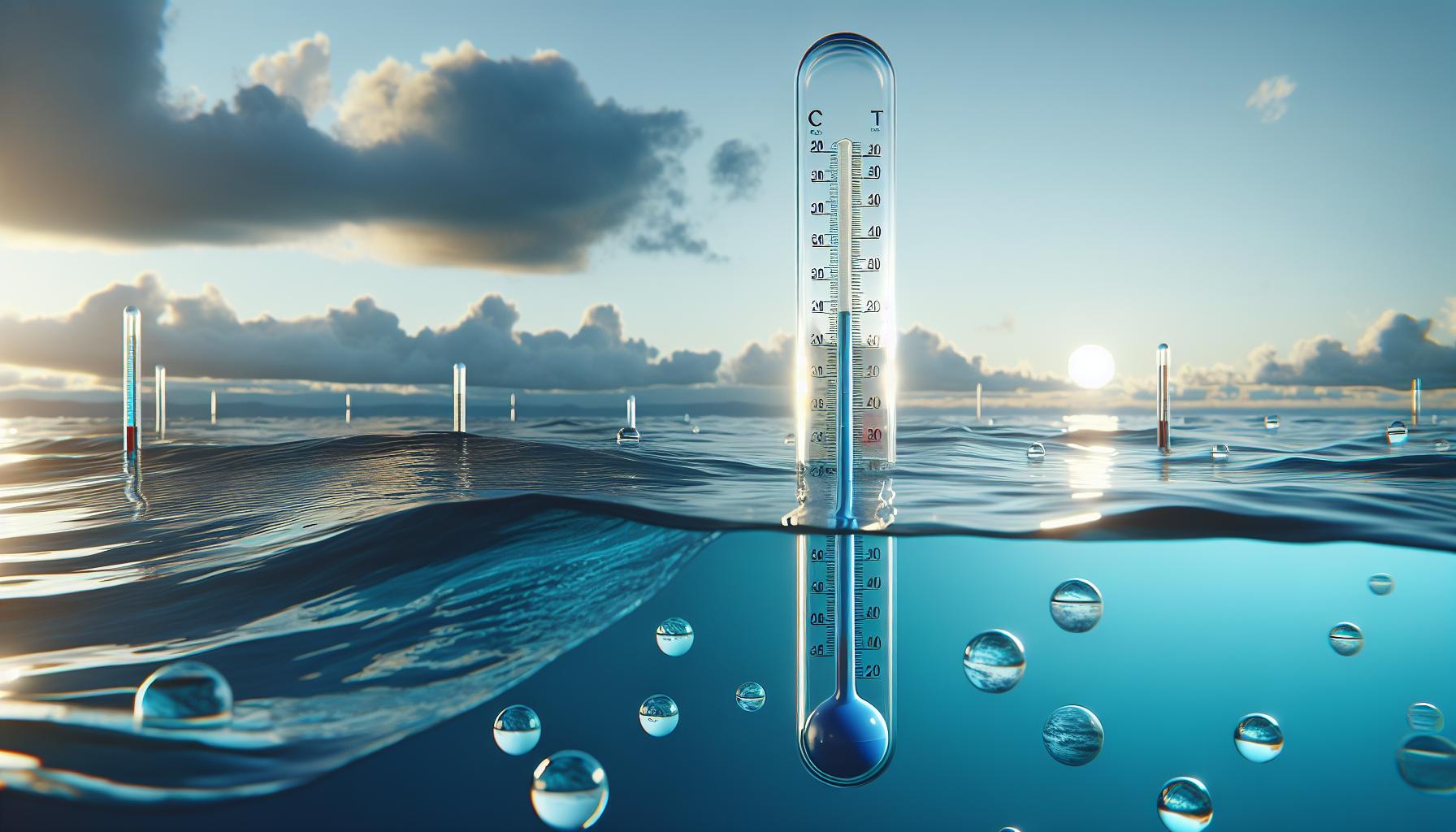
The ocean is a vast and dynamic system that plays a crucial role in regulating Earth’s climate. At its core, the temperature of ocean waters affects atmospheric conditions, driving weather patterns and influencing global climate systems. Understanding the interaction between ocean currents and temperature gives insight into how our planet functions and the changes we are currently witnessing due to climate change.
Warm ocean currents, such as the Gulf Stream, transport heat from the equator towards the poles. This movement of warm water impacts atmospheric conditions, modifying local climates and contributing to milder winters in regions like Western Europe. Conversely, cold currents help to balance this warming by cooling the air above them, which can lead to more significant weather variations. For instance, the California Current, which brings cold water southward, contributes to the arid climate of the U.S. West Coast, demonstrating how ocean temperatures directly influence terrestrial environments.
One of the most significant phenomena related to ocean temperatures is the concept of thermal inertia. Water has a high heat capacity, meaning it can absorb a large amount of heat without experiencing a significant rise in temperature. This property allows the ocean to store solar energy and slowly release it back into the atmosphere, effectively regulating climate. However, as global temperatures rise due to climate change, the warming ocean also disturbs established patterns. Increased sea surface temperatures can lead to stronger hurricanes and altered precipitation patterns, affecting agriculture and freshwater supplies on land.
To navigate these evolving climate challenges, communities can implement adaptive strategies, such as investing in resilient infrastructure and enhancing coastal defenses against storm surges. Moreover, individuals can play a role by reducing their carbon footprint, promoting renewable energy use, and advocating for sustainable marine practices. By understanding the profound impact of ocean temperatures and currents on global climate, we can take informed actions to protect our planet and future generations.
Key Ocean Currents and Their Global Impact

The intricate dance of ocean currents is fundamental to understanding our planet’s climate systems. These currents act as conveyor belts, transporting warm and cold water across vast distances and influencing regional climates significantly. Warm currents like the Gulf Stream play a crucial role by carrying heat from the equator toward the North Atlantic, leading to milder temperatures and more temperate climates in areas such as Western Europe. In contrast, cold currents such as the California Current bring cooler temperatures and contribute to the distinct arid conditions along the U.S. West Coast, demonstrating the profound effects of these currents on terrestrial environments.
One of the most compelling examples of how ocean currents shape climate patterns can be found in the thermohaline circulation, often referred to as the “great ocean conveyor belt.” This deep ocean current system distributes heat and nutrients globally and is driven by differences in water density, caused by temperature and salinity variations. The movement of these currents not only stabilizes climate patterns but also plays an essential role in regulating global weather events. For instance, El Niño and La Niña phenomena, which arise from fluctuations in ocean temperatures in the Pacific, can drastically alter weather conditions across continents, leading to increased rainfall in some areas and devastating droughts in others.
Understanding these currents is vital for anticipating future climate scenarios. With climate change causing shifts in water temperatures and altering current patterns, we are witnessing profound changes in global climate dynamics. Coastal communities are particularly vulnerable to the implications of these changes; rising sea levels and more extreme weather conditions can profoundly impact local ecosystems and economies. To mitigate these impacts, proactive adaptation strategies are essential, such as enhancing coastal resiliency, improving water management practices, and investing in renewable energy sources that reduce reliance on fossil fuels.
In conclusion, the role of ocean currents extends far beyond the realm of climate science; they are interconnected with ecosystems, economies, and human activities. By recognizing this interdependence, we can work towards sustainable practices that not only protect our natural resources but also promote a healthy planet for future generations. Implementing community-focused projects and engaging in ecological preservation efforts will be pivotal as we navigate this complex challenge.
Understanding El Niño and La Niña Effects
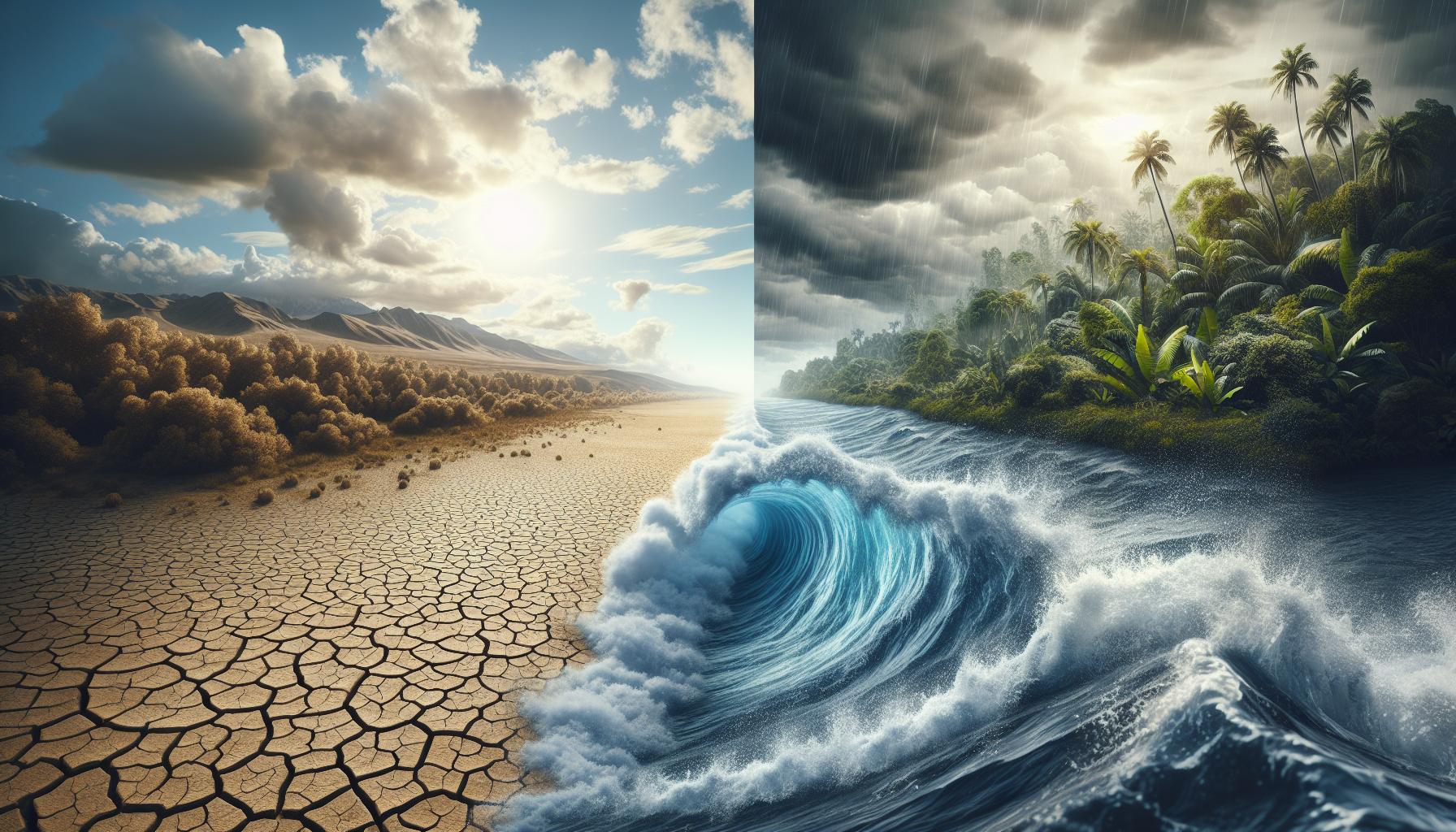
The phenomenon of El Niño and La Niña represents two opposite phases of a climate pattern that originates in the Pacific Ocean, significantly influencing global weather patterns. During an El Niño event, warmer ocean water accumulates in the central and eastern Pacific, leading to dramatic shifts in weather conditions. For instance, areas that typically experience dry weather may see increased precipitation, resulting in flooding, while regions accustomed to wet conditions may suffer droughts. Conversely, La Niña, characterized by cooler-than-average ocean temperatures in the same region, often brings opposite weather effects-typically enhancing normal precipitation patterns in certain areas while leading to drought in others.
Understanding the mechanics of these events can empower communities to better prepare for and respond to their impacts. For example, farmers can adjust planting schedules based on anticipated changes in rainfall, and water resource managers can develop strategies to optimize water use during times of drought or flood. Moreover, emergency response agencies can enhance preparedness plans to mitigate the adverse effects of extreme weather, such as improved flood defenses or more robust disaster response frameworks.
Data show that El Niño and La Niña events occur every 2-7 years, making them a regular part of the climate cycle. Predictive models that analyze ocean temperatures and currents can help scientists and policymakers forecast these conditions. By integrating this knowledge into local planning, regions can bolster their resilience against potential climatic disruptions. For instance, during the 1997-1998 El Niño, some Pacific island nations experienced significant coral bleaching, demonstrating how these patterns can affect marine ecosystems and fisheries, which are crucial for local economies.
Furthermore, the potential long-term effects of climate change on the frequency and intensity of El Niño and La Niña events are a growing concern. As global temperatures rise and ocean currents shift, we might witness changes in the timing and severity of these phenomena, presenting new challenges for climate adaptation. Communities must actively engage in sustainability practices to mitigate their carbon footprints while promoting conservation efforts that protect vital ecosystems. The interplay between ocean currents, climate events, and human impact reflects a complex and interconnected system; by fostering understanding and responsiveness, we can better navigate the uncertainties ahead.
How Currents Affect Precipitation Patterns Worldwide
The intricate dance of ocean currents plays a pivotal role in shaping precipitation patterns around the globe, influencing everything from seasonal rains to drought conditions. As these currents transport warm and cold water across vast distances, they affect the distribution of heat and moisture in the atmosphere. For instance, regions influenced by warm currents often experience increased evaporation, leading to heavier rainfall, while areas fed by cold currents may see a reduction in precipitation, manifesting as dryness or drought conditions.
Understanding Currents and Precipitation Patterns
Ocean currents, both surface and deep, create a complex network that directly impacts local and regional weather patterns. The Gulf Stream, for example, carries warm water from the Gulf of Mexico northeastward across the Atlantic. This warm water raises temperatures in nearby coastal areas, leading to increased evaporation and, subsequently, more precipitation. Conversely, the cold Canary Current flows southward along the northwest coast of Africa, leading to arid conditions in surrounding regions, particularly the Sahara Desert.
Moreover, the interaction between ocean temperatures and atmospheric pressure systems can result in significant variability in rainfall. The phenomenon often referred to as teleconnections shows how changes in one region, such as temperature variations in the Pacific Ocean, can lead to shifts in precipitation patterns thousands of miles away. Understanding these connections helps predict how currents will affect weather patterns, enabling communities to prepare for potential shifts in rainfall.
Practical Implications for Agriculture and Water Management
Farmers and water resource managers can leverage this understanding of ocean currents to make informed decisions. For example, during an El Niño event, areas that typically receive ample rainfall may suddenly experience devastating flooding, while regions that rely on regular precipitation face droughts. By analyzing historical data and developing predictive models based on ocean temperature and current movements, communities can adjust planting schedules, allocate water resources more effectively, and implement conservation strategies tailored to anticipated climatic changes.
Key Takeaways:
- Warm currents can lead to increased precipitation, enhancing agricultural outputs in some areas while causing flooding in others.
- Cold currents typically result in drier climates, which can be detrimental to agriculture and water supply.
- Understanding ocean-atmosphere interactions allows stakeholders to prepare for weather extremes, helping to mitigate economic losses and ensure food security.
In conclusion, the relationship between ocean currents and precipitation patterns is a crucial aspect of climate science that informs practical strategies for sustainability. By embracing data-driven insights and embracing the interconnectedness of these systems, communities can bolster their resilience against the uncertainties of climate change, ultimately creating a more secure future for agriculture and water management.
The Role of Ocean Currents in Climate Change
The ocean is often referred to as the planet’s climate regulator, and ocean currents play a critical role in this dynamic system. These currents act as a conveyor belt for heat and nutrients, redistributing warmth from the equator to the poles while simultaneously influencing atmospheric conditions. For instance, the Gulf Stream warms parts of Western Europe, ensuring milder weather in regions that would otherwise be much colder. This global heat exchange impacts climate zones, seasons, and even ecosystem health, highlighting the oceans’ interconnected relationship with climate change.
One significant aspect of ocean currents in climate change is their ability to sequester carbon dioxide from the atmosphere. The ocean absorbs approximately 30% of the anthropogenic CO2 emissions, helping to mitigate some effects of climate change. However, rising ocean temperatures threaten this crucial function. Warmer waters hold less dissolved gas, reducing the ocean’s capacity to absorb CO2. As currents alter with climate change, new patterns emerge that can lead to a disjointed carbon cycle, further exacerbating global warming.
Real-World Examples and Strategies
The shifting currents due to climate polarity changes have demonstrated significant impacts globally. For example, the disruption of the Atlantic Meridional Overturning Circulation (AMOC), which includes the Gulf Stream, poses a risk of more extreme weather in Europe and the eastern United States. Scientists have warned that if AMOC weakens, we could see harsher winters, increased storm intensity, and even more severe flooding along the eastern seaboard.
To navigate these challenges, communities and policymakers can implement a variety of strategies:
- Investing in research: Continuous monitoring and modeling of ocean currents will provide data critical for understanding climate impacts and facilitating informed decision-making.
- Promoting carbon management: Initiatives that support reforestation and carbon capture technology can help offset CO2 emissions while also protecting ocean health.
- Enhancing coastal resilience: Developing flood defenses and improving water management can help communities adapt to the changes brought by shifting currents.
Understanding equips us to better anticipate impacts and foster resilience. Through informed actions and adaptive strategies, stakeholders can mitigate the effects of climate fluctuations, ensuring that both human and ecological systems thrive in the face of change.
Exploring the Interconnectedness of Currents and Ecosystems
The intricate dance of ocean currents is not merely a spectacle of nature; it serves as a lifeline for countless ecosystems around the planet. These currents transport vital nutrients and oxygen that sustain marine life, creating a thriving underwater habitat. For example, coastal upwelling zones-where nutrient-rich waters rise to the surface-support some of the world’s most productive fishing grounds, such as those along the Pacific Coast of South America. This process not only fosters biodiversity but also underpins local economies reliant on fishing.
Ocean currents play a pivotal role in regulating climate conditions by influencing weather patterns, which, in turn, affect terrestrial ecosystems. Consider the Gulf Stream, which transports warmth from the tropics to the North Atlantic, resulting in milder winters in Europe. The temperature gradients created by such currents can determine precipitation patterns and seasonal weather changes. Consequently, ecosystems adapt to these variations; forests and grasslands can flourish or suffer drought based on the availability of water influenced by oceanic conditions.
Moreover, the interconnectedness of ocean currents and ecosystems extends into the implications of climate change. Alterations in current strength and direction can disrupt established marine habitats, leading to shifts in species distribution and threatening biodiversity. For instance, the rising temperatures of oceanic waters may displace species like corals, which are incredibly sensitive to temperature changes. As coral reefs decline, the myriad of species that rely on them for shelter and sustenance face similar risks, showcasing a domino effect throughout the marine food web.
To mitigate these threats, it is crucial for policymakers and communities to focus on sustainable practices. Engaging in marine conservation efforts-such as establishing marine protected areas and advocating for responsible fishing practices-can help safeguard these vital ecosystems. Additionally, investing in research to better understand the interactions between ocean currents and ecosystems will inform adaptive strategies to cope with the ongoing impacts of climate change. By recognizing the interconnectedness of currents and ecosystems, we can drive actionable change that supports both marine health and human livelihoods.
Seven Major Currents and Their Climate Implications
The ocean is not just a vast body of water; it’s a powerful engine driving global weather systems and climate patterns. Among its many currents, seven major currents stand out for their significant impacts on our planet’s climate. Understanding these can illuminate how they affect everything from weather patterns to marine biodiversity.
The Gulf Stream
The Gulf Stream is perhaps the most famous of the ocean currents. Flowing from the Gulf of Mexico along the eastern U.S. seaboard to the North Atlantic, it plays a pivotal role in regulating climate in Europe. It transports warm water northward, which contributes to milder winters in regions such as the UK and Scandinavia. However, disruptions in the Gulf Stream, driven by climate change and melting ice caps, can lead to more extreme winter weather conditions in Europe.
The North Atlantic Drift
A continuation of the Gulf Stream, the North Atlantic Drift further enhances the mild weather of Western Europe. As it moves, it releases heat into the atmosphere, affecting precipitation patterns. Changes in this current can result in prolonged droughts or rainfall in certain areas, impacting agriculture and water supplies.
The California Current
This cold current flows southward along the U.S. West Coast and is essential for the region’s marine ecosystem. The upwelling of nutrient-rich waters supports one of the most lucrative fishing grounds in the world. However, rising ocean temperatures can disrupt these currents, threatening marine species and the fishing industry that depends on them.
The Antarctic Circumpolar Current
Encircling Antarctica, this current uniquely connects the Atlantic, Pacific, and Indian Oceans. It plays a crucial role in global heat distribution and influences weather patterns across the Southern Hemisphere. Changes in this current’s dynamics could impact the extent of sea ice, thereby affecting global sea levels and weather systems.
The Kuroshio Current
Located in the western North Pacific, the Kuroshio Current brings warm water from the tropics to the coast of Japan. This current is key for influencing typhoon patterns and weather in East Asia. Disruptions in its flow due to climate change could increase the intensity and frequency of typhoons, posing risks to communities and economies in the region.
The Indian Monsoon Current
This current affects the seasonal monsoon weather patterns over India and Southeast Asia. The monsoon is vital for agriculture, providing the necessary rain for crops. Variations in the Indian Monsoon Current can result in devastating droughts or floods, impacting food security for millions.
The Brazil Current
Flowing along the Brazilian coast, this warm current influences the climate of South America, particularly in the southern regions. It affects rainfall distribution, which is crucial for agriculture in countries like Brazil and Argentina. As global temperatures rise, changes in the Brazil Current may disrupt these patterns, leading to severe weather conditions such as increased flooding or prolonged droughts.
These seven currents are not just forces of nature; they act as critical components in the Earth’s climate system. As they evolve due to climate change, their implications for weather patterns and ecosystems indicate an urgent need for awareness and action. Understanding these currents can empower individuals and communities to advocate for policies aimed at mitigating climate change and adapting to its dire impacts.
The Future: How Currents Will Shape Emerging Climate Trends
The dynamics of ocean currents are intricately linked to future climate trends, shaping everything from regional weather patterns to global temperature fluctuations. As these currents continue to evolve under the influence of climate change, their capacity to regulate the Earth’s climate is becoming increasingly volatile. For instance, studies indicate that warmer ocean temperatures could lead to changes in the Gulf Stream, which might, in turn, trigger more extreme weather events, such as heatwaves and heavy precipitation across Europe and North America. Understanding how these developments unfold is crucial for anticipating their impacts on agriculture, water resources, and disaster preparedness.
Impacts on Weather Patterns
As ocean currents shift, the resulting alterations in temperature and salinity can significantly affect atmospheric conditions. This can lead to unexpected severe weather, such as prolonged droughts in Asia, intense hurricanes in the Atlantic, or unprecedented flooding in South America. For example, fluctuations in the Indian Monsoon Current can disrupt seasonal rains critical for farming, potentially threatening food security for millions. It’s essential to investigate these correlations, as accurate forecasting models could help communities better prepare for such eventualities.
Preparing for Change
Embracing adaptive strategies is pivotal for mitigating the negative impacts of changing ocean currents on global climate patterns. Communities can enhance resilience by investing in sustainable agricultural practices that conserve water and improve soil health, while policymakers can support infrastructure that withstands extreme weather events. By prioritizing scientific research and data on ocean currents, governmental and non-governmental organizations can develop robust frameworks for disaster response and recovery.
Case Studies: Learning from the Past
Real-world examples illustrate the importance of understanding ocean currents in climate planning. For instance, in the early 2000s, anomalous shifts in the Kuroshio Current contributed to unexpected typhoon patterns in Japan, resulting in substantial economic impacts. Analyzing past events equips us with invaluable lessons for future preparedness and response strategies, emphasizing the need for continuous monitoring and research on ocean circulations.
As we move forward, a collective effort to engage local communities, scientists, and policymakers in understanding the role of ocean currents can pave the way for innovative solutions that combat climate change. By fostering awareness and action, we can help ensure a thriving planet for future generations.
Practical Implications: Navigating Climate Disruptions
Understanding the complex interplay of ocean currents and climate can empower individuals, communities, and governments to navigate and mitigate climate disruptions effectively. For instance, the shifting patterns of ocean currents not only influence weather but also impact food security, water availability, and disaster resilience. Those engaged in agriculture must recognize that currents like the Indian Monsoon Current can directly affect rainfall patterns crucial for crop yields. Thus, farmers can adapt by diversifying crops or investing in irrigation systems to buffer against unpredictable weather patterns. Communities should proactively implement water conservation strategies and explore climate-resilient agricultural practices to ensure they can withstand these shifts.
Equally important is the role of policymakers in supporting infrastructure improvements and emergency preparedness. Investment in resilient infrastructure that can withstand extreme weather events is essential. By enhancing the capacity of storm drainage systems and reinforcing coastal defenses, cities can better protect their populations from flooding and storm surges. Developing contingency plans for unexpected climate events can also aid in effectively managing resources during crises. Additionally, local governments can foster community engagement by promoting awareness campaigns on the impacts of climate change, encouraging sustainable practices, and facilitating local climate adaptation projects.
Collaboration across sectors can further strengthen climate resilience. Businesses, for example, can incorporate climate risk assessments into their operations, aligning their strategies with broader environmental goals. By investing in renewable energy sources and reducing their carbon footprint, companies not only contribute to mitigating climate change but also enhance their long-term viability in an increasingly unpredictable climate landscape.
In conclusion, innovative solutions that integrate scientific research, community engagement, and adaptive strategies will be crucial in navigating climate disruptions shaped by ocean currents. Through informed actions and strategic planning, we can work collectively to reduce vulnerability and foster a sustainable future.
Real-World Case Studies of Currents and Climate Effects
The intricate relationship between ocean currents and global climate becomes strikingly evident when examining real-world case studies, underscoring how these vast water movements can lead to profound environmental and societal consequences. For instance, the shift in the Gulf Stream-a major Atlantic ocean current-has been associated with significant changes in climate patterns across Europe and North America. As the Gulf Stream strengthens or weakens due to changing temperatures, its effects can lead to colder winters in Europe or disrupted weather patterns that amplify the risk of extreme weather events, such as storms and floods.
Moreover, the interplay between ocean currents and weather phenomena like El Niño and La Niña showcases the palpable impact currents have on global climates. El Niño, characterized by warmer ocean temperatures in the central and eastern Pacific, leads to disruptive weather patterns worldwide, contributing to heavy rainfall in some regions while causing droughts in others, such as in Southeast Asia and Australia. Recognizing the outcomes of these fluctuations helps communities prepare for agricultural disruptions, as evidenced in countries like Peru where fishing industries suffer during El Niño, prompting economic adaptation strategies such as diversifying catch methods.
Additionally, the Indian Ocean Dipole (IOD) serves as another significant example of how ocean currents affect weather and climate. The IOD’s warm and cool phases impact monsoon patterns in South Asia and can lead to severe droughts in regions like East Africa. Farmers in these areas have learned to adapt by altering planting schedules and selecting climate-resilient crop varieties, thereby strengthening their food security in the face of climate variability.
These case studies highlight the necessity for proactive approaches to adaptation. Communities and policymakers can draw lessons from these experiences, investing in climate-resilient infrastructure and agricultural practices that account for shifting climatic conditions brought about by ocean currents. Investing in predictive models and early warning systems is essential for minimizing the socio-economic impacts of climate variability linked to ocean currents. By fostering collaboration between governments, businesses, and communities, we can enhance our resilience against the inevitable environmental challenges posed by our changing climate.
Steps to Mitigate Climate Impact from Ocean Currents
Mitigating the impact of ocean currents on climate requires a multifaceted approach that combines scientific understanding, community engagement, and proactive strategies. Awareness and preparation are vital; communities around the world can take several concrete steps to adapt and respond effectively to the challenges posed by changing ocean patterns.
First and foremost, investment in research and predictive modeling is essential. By using advanced technologies to improve our understanding of how ocean currents influence weather events like El Niño and La Niña, communities can better predict impacts ranging from droughts to floods. These models can inform preparedness plans, allowing local governments to develop timely response strategies, such as emergency protocols and resource allocation during climatic disruptions. Providing accessible information helps communities become more resilient as they adapt to shifting patterns that may alter agricultural cycles or fishing practices.
Implementation of Climate-Resilient Practices
Another significant step is the adoption of climate-resilient agricultural practices. Farmers can increase their resilience to climate variability influenced by ocean currents by diversifying crops, employing drought-resistant species, and adjusting planting schedules to align with predicted rainfall patterns. In regions heavily affected by the Indian Ocean Dipole, for example, farmers have thrived by modifying their techniques based on historical weather data linked to these patterns, thereby safeguarding food production despite erratic climatic conditions.
Moreover, enhancing infrastructure to withstand extreme weather events is crucial. Coastal communities, particularly those vulnerable to rising sea levels and storm surges, may benefit from the construction of protective barriers, improved drainage systems, and housing designed to mitigate flooding. These investments not only help shield populations from immediate impacts but also contribute to long-term sustainability by promoting economic stability and protecting ecosystems.
Community and Global Cooperation
Finally, fostering collaboration at both local and global levels strengthens capacities for coping with the impacts of ocean currents. International partnerships in climate research, resource sharing, and technology transfer can amplify the effectiveness of individual community efforts. Examples include cross-border initiatives that address shared climate vulnerabilities or joint investments in renewable energy, which can reduce overall reliance on fossil fuels-contributing to the mitigation of climate change at a systemic level.
By embracing a comprehensive approach that combines scientific insight, practical adaptation strategies, and global cooperation, communities can not only mitigate the impacts of ocean currents but also build resilience against future climate challenges. The proactive measures taken today can pave the way for a more sustainable and secure future, where the threats posed by changing currents can be managed effectively.
Faq
Q: How do ocean currents affect weather patterns?
A: Ocean currents significantly influence weather patterns by distributing heat across the globe. Warm currents elevate temperatures in coastal regions, while cold currents can cool nearby air, affecting precipitation and storm formation. Understanding these dynamics helps predict weather events and their potential impacts on ecosystems and human activities.
Q: What role do currents play in climate change?
A: Currents are vital in regulating climate by transporting warm and cold water, affecting global temperatures. Changes in current patterns due to climate change can lead to severe weather events, rising sea levels, and disruptions in marine ecosystems. Monitoring these shifts is crucial for developing adaptive strategies.
Q: How do currents influence marine ecosystems?
A: Currents shape marine ecosystems by affecting nutrient distribution and biodiversity. They transport nutrients that support phytoplankton growth, forming the base of the marine food web. Changes in current patterns can disrupt these ecosystems, impacting fish populations and overall ocean health.
Q: What are some key ocean currents and their impacts?
A: Major ocean currents include the Gulf Stream, which warms Western Europe, and the California Current, which cools the U.S. West Coast. These currents influence regional climates, fisheries, and oceanic conditions, affecting both human activities and natural environments.
Q: Why is understanding ocean currents important for predicting climate trends?
A: Understanding ocean currents is essential for accurately predicting climate trends because they influence temperature, precipitation, and storm systems. By analyzing current behavior, scientists can anticipate changes in climate patterns and develop strategies for mitigation and adaptation.
Q: How do human activities affect ocean currents?
A: Human activities, such as climate change and pollution, can alter ocean currents by affecting temperature and salinity. For example, melting ice caps change the density of ocean waters, potentially disrupting existing current patterns. These changes can have far-reaching consequences on global climate systems.
Q: What tools do scientists use to study ocean currents?
A: Scientists utilize various tools to study ocean currents, including satellite imagery, buoys, and underwater sensors. These technologies help monitor temperature, salinity, and current speed, enabling researchers to better understand their role in global climate dynamics.
Q: How can individuals help mitigate the impact of climate change on ocean currents?
A: Individuals can mitigate climate change impact by reducing carbon footprints through energy conservation, using sustainable transportation, and supporting renewable energy initiatives. Engaging in local conservation efforts also promotes healthier oceans, indirectly benefiting ocean current patterns and global climate stability.
To Wrap It Up
Understanding how ocean currents shape global climate patterns is crucial for grasping the environmental changes we face today. These currents not only influence weather systems but also affect ecosystems and economies worldwide. As you dive deeper into this fascinating topic, consider exploring our articles on “The Impact of Climate Change on Marine Life” and “Renewable Energy Solutions for a Greener Future” to gain further insights.
We invite you to share your thoughts in the comments below-how have you observed the effects of currents in your region? Don’t miss out on our weekly newsletter for updates on climate science and actionable tips for sustainable living. Together, we can navigate these complex issues and drive meaningful change. Start your journey today, and let’s work towards a resilient future!
Get our latest guides, news, and insights highlighted in your Google Search & AI Overviews.








