Imagine a future where the vast, arid landscapes of our deserts become even more inhospitable, dramatically altering ecosystems and livelihoods. Climate change is not just a distant threat; it’s reshaping deserts today, causing intensified droughts and unpredictable weather patterns. Understanding how these shifts impact both the environment and the people residing in these regions is crucial. As temperatures soar and water becomes scarcer, communities face dire challenges that can jeopardize food security, economic stability, and biodiversity. This exploration of climate change’s effects on deserts will illuminate urgent issues and inspire actionable solutions. Join us as we uncover the intricate relationship between climate dynamics and desert environments, highlighting the importance of awareness and adaptive strategies for a sustainable future.
How Climate Change Alters Desert Ecosystems
Rising global temperatures are not just a concern for lush green landscapes; they profoundly impact the arid expanses of desert ecosystems as well. For instance, the increase in average temperatures accelerates evaporation rates, which diminishes soil moisture and disrupts the delicate balance that sustains desert flora and fauna. This disruption can lead to a significant shift in species composition, pushing native plants and animals to adapt to harsher conditions or face extinction.
Desert ecosystems are often resilient, employing unique adaptations to survive extreme dryness and temperature variations. However, the pace of climate change introduces new pressures that can overwhelm these natural defenses. Increased frequency and intensity of droughts create a cascading effect on food webs, threatening herbivores that depend on specific plants, which may struggle to survive in altered climates. For example, the iconic saguaro cactus, a keystone species in the Sonoran Desert, may find its growth stunted and reproductive rates reduced, thereby affecting the many species that rely on it for shelter and nourishment.
In addition to temperature and dryness, climate change alters precipitation patterns, causing unpredictable shifts in water availability. Deserts, typically characterized by low annual rainfall, will experience these changes acutely. Even modest increases or decreases in precipitation can lead to significant ecological shifts. Ecosystems that rely on infrequent but intense rainfalls to trigger growth could become increasingly erratic, disrupting the established cycles of growth and decay, which are crucial for nutrient cycling and habitat stability.
Ultimately, understanding how climate change alters these fragile ecosystems calls for an integrated approach to conservation and management. Communities and policymakers must consider innovative adaptation strategies, such as restoring native plant species that are resilient to new climate conditions and implementing sustainable water management practices to bolster ecosystem resilience. By fostering a deeper awareness of these changes and their implications, we can collaborate on effective strategies to safeguard desert ecosystems amid a warming world.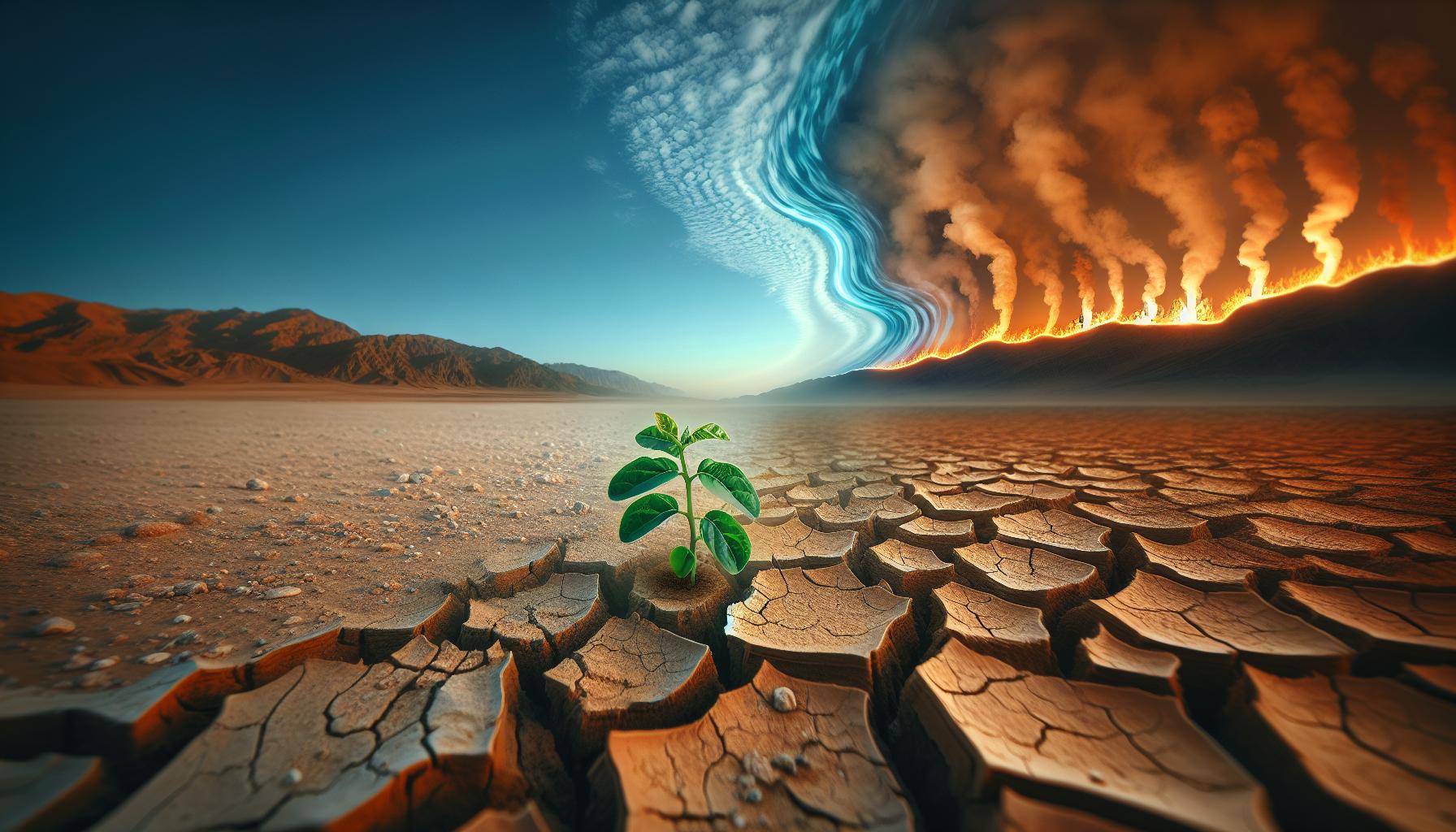
The Link Between Rising Temperatures and Desertification
Rising temperatures globally are not just trends to monitor; they have profound implications for desertification, a process that transforms once-productive lands into arid deserts. As the planet experiences an average temperature increase-projected to exceed 1.5°C above pre-industrial levels-many regions, particularly arid ecosystems, are feeling the effects acutely. This warming triggers a series of climatic changes that accelerate the degradation of vegetation and soil health, vital components for maintaining desert ecosystems. Researchers have identified that even slight temperature increases can result in a significant decrease in vegetation cover, which is crucial for protecting soil from erosion and maintaining moisture levels.
The underlying mechanics of this transformation are multifaceted. Increased temperatures enhance evaporation from the ground and plants, leading to drier soils. Consequently, this moisture loss is detrimental to native flora, which is often adapted to survive under specific moisture conditions. Key species may fail to reproduce successfully, leading to diminished biodiversity. An example of this includes important desert species like the creosote bush and the Joshua tree, both of which are struggling to maintain their populations as temperatures rise.
Moreover, climate change connects to desertification through the disruption of seasonal weather patterns. The irregular rainfall that often characterizes desert climates becomes more pronounced as rising temperatures alter atmospheric conditions, resulting in unpredictable precipitation events. This inconsistency can lead to either severe floods or prolonged dry spells, both of which undermine the stability of desert ecosystems. Plants and animals are adapted to endure these conditions only within certain limits; exceeding those limits due to changing climate will push ecosystems beyond their ability to recover.
To combat these changes, proactive engagement in sustainable land management practices is essential. Communities could implement practices such as planting drought-resistant native species, which can enhance soil health and retention while providing habitat for wildlife. Additionally, education and awareness initiatives can empower local populations to manage resources judiciously, prioritizing water conservation techniques and sustainable agriculture practices. By addressing with informed, strategic actions, we can mitigate further damage to these fragile ecosystems and promote resilience against future climatic shifts.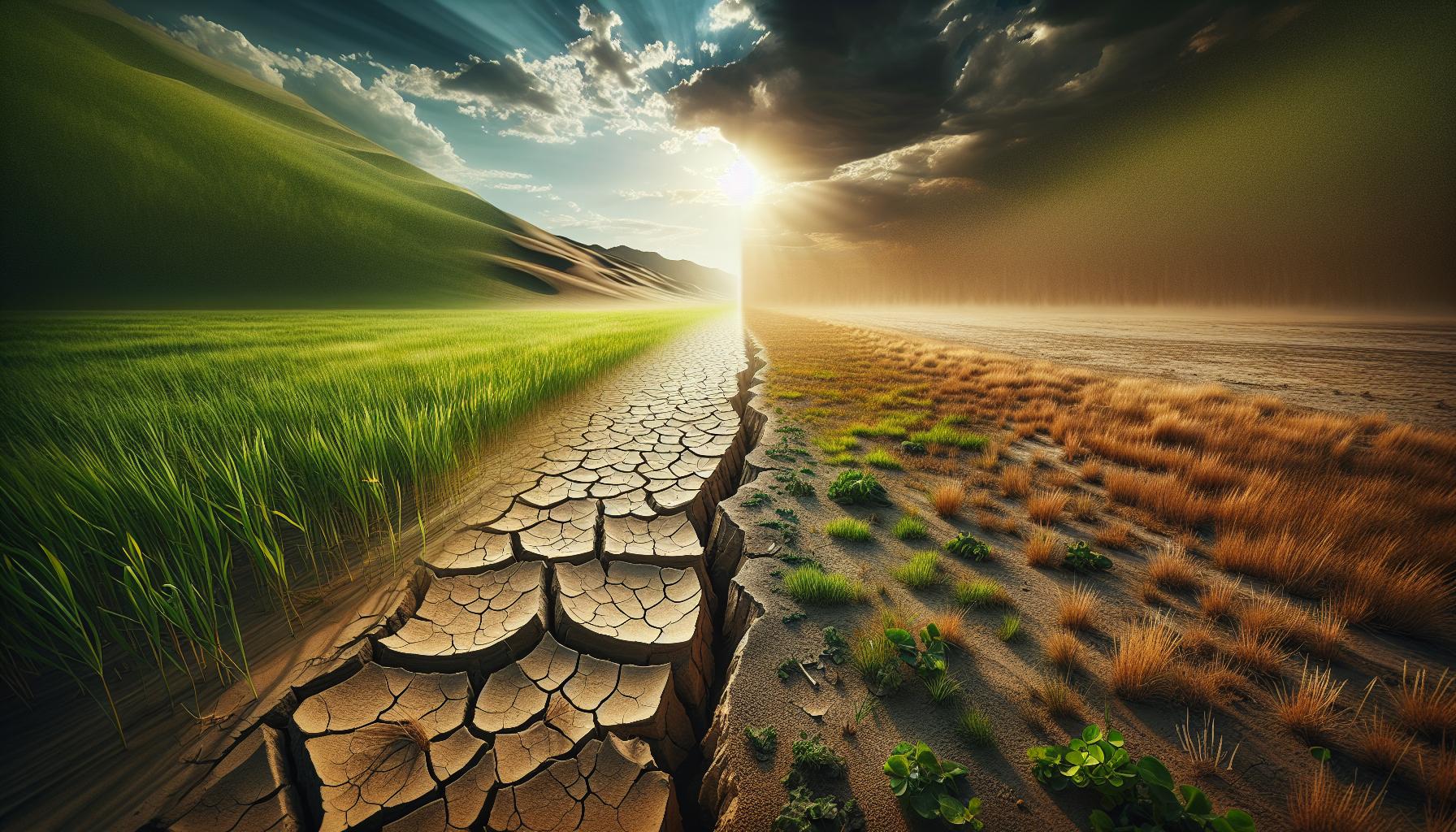
Impact of Drought Patterns on Desert Flora and Fauna
Prolonged periods of drought, exacerbated by climate change, have significant repercussions for desert flora and fauna, directly threatening their existence and the delicate balance of these ecosystems. As temperatures rise, the frequency and intensity of drought events increase, leading to more drastic moisture shortages for plants and animals adapted to arid environments. For instance, studies show that many desert plants, which have evolved intricate mechanisms to survive in low-water conditions, may still struggle to cope with the compounded effects of higher temperatures and extended dry spells. This added stress can result in weakened plant health, reduced reproductive success, and even local extinctions of crucial species-such as the iconic saguaro cactus in the Sonoran Desert.
Animals in desert ecosystems are equally affected, as their survival often hinges on the availability of vegetation for food and shelter. For example, species like the desert tortoise rely heavily on specific plants that may become increasingly scarce due to drought. As these plants diminish, not only do animal populations face starvation, but their habitats also become less viable, leading to a decline in biodiversity. Furthermore, the disruption caused by drought can force wildlife to migrate longer distances in search of food and water, heightening competition and straining other ecosystems along their migration routes.
To mitigate these impacts, several adaptation strategies can be implemented by local communities and policymakers. For example, creating protected areas where water can be conserved and native vegetation is encouraged can help maintain biodiversity. Implementing practices such as rainwater harvesting and sustainable land use can recharge groundwater supplies, benefiting both flora and fauna. Education campaigns that stress the importance of water conservation can also engage local populations in proactive measures, fostering a shared responsibility toward preserving these fragile ecosystems.
By adopting innovative techniques for managing water resources and enhancing habitat resilience, communities can play a crucial role in supporting the adaptation of desert ecosystems to the pressures of climate change. Successful case studies from regions like California’s Mojave Desert show that collaborative efforts between scientists and community members can lead to effective conservation strategies that not only protect local species but also enhance the overall stability of these unique landscapes.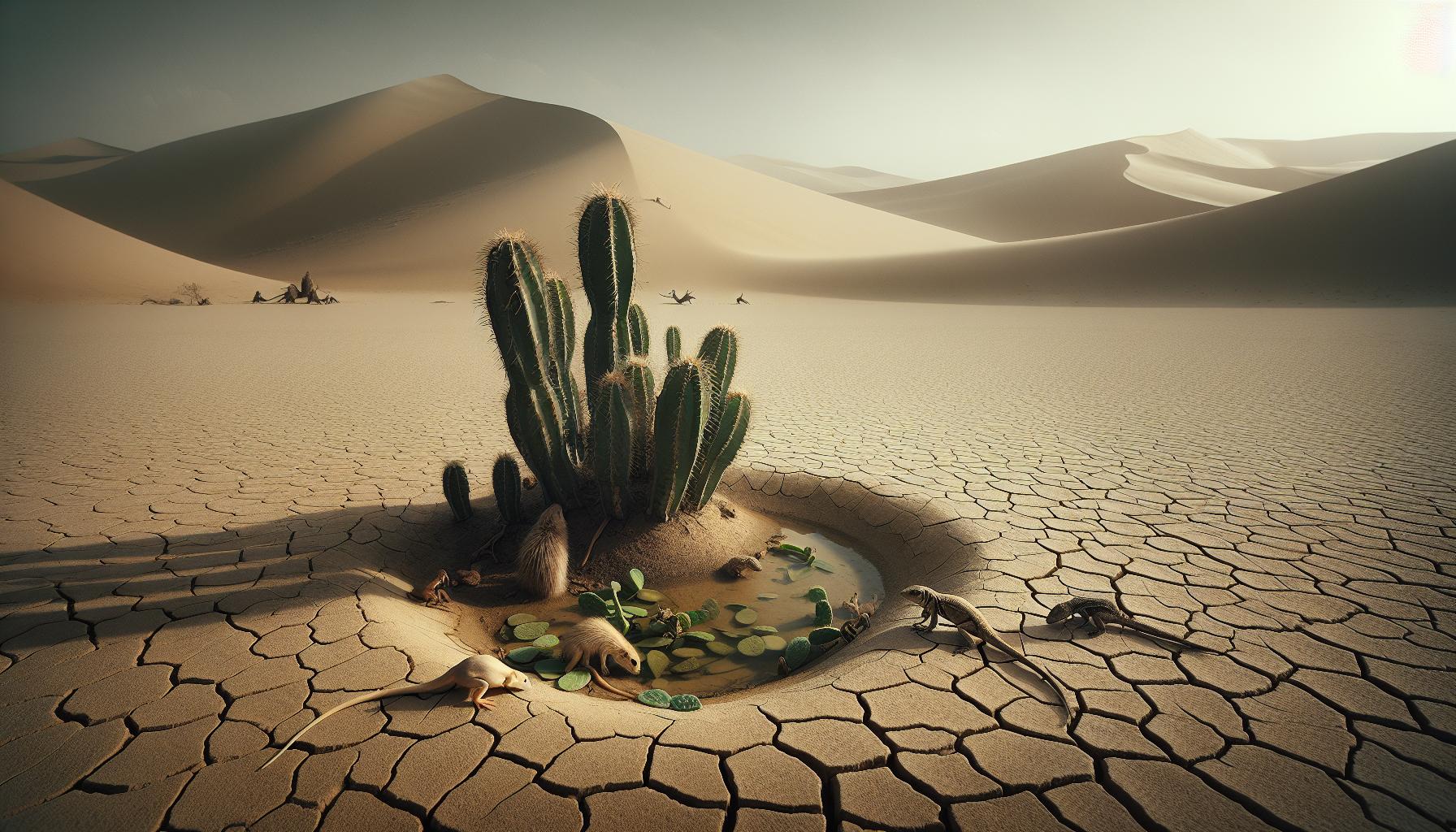
Shifts in Water Availability and Their Consequences
In many desert regions, water availability is becoming increasingly unpredictable due to climate change. This shift has profound implications not just for the ecosystems themselves, but also for the communities that rely on these fragile environments for their livelihoods. For instance, as rainfall becomes less frequent and more erratic, traditional sources of water for both people and wildlife dwindle, leading to heightened competition for these precious resources. A striking example is the Chihuahuan Desert, where decreasing rainfall patterns have resulted in a significant decline in both plant diversity and the animal species that depend on them.
The Impact on Flora
Desert plants, often uniquely adapted to survive in harsh conditions, are now facing unprecedented challenges. Their growth cycles and reproductive strategies are closely tied to seasonal rainfall patterns. As these patterns alter, many plants struggle to adapt quickly enough, resulting in lower seed viability and reduced germination rates. For example, the Joshua tree, a keystone species in the Mojave Desert, is projected to face severe declines in its suitable habitat by 2100, a direct consequence of changing precipitation patterns combined with rising temperatures.
Consequences for Fauna
Animals in desert ecosystems also experience the fallout from altered water availability. Species such as the kangaroo rat, which play a crucial role in maintaining desert habitats, are at risk as the plants they depend on for food and shelter become scarcer. Furthermore, altered water cycles can affect the timing of reproductive cycles in many animals, leading to mismatches in food availability when young animals are born. This cascading effect can severely disrupt food webs, leading to increased mortality rates among juvenile animals and declines in overall biodiversity.
Innovative Adaptation Strategies
To combat the challenges posed by shifting water availability, communities and policymakers must adopt innovative strategies. Implementing water-efficient practices, such as drip irrigation in agricultural settings, can maximize the use of limited water resources. Moreover, community-driven initiatives like rainwater harvesting and the restoration of natural aquifers provide sustainable solutions that enhance water availability. Education campaigns that raise awareness about the importance of conserving local water sources can further empower residents to take collective action.
By fostering resilience in desert ecosystems through proactive management and sustainable practices, we can mitigate the adverse effects of climate change. Collaboration between scientists, local communities, and policymakers offers a pathway toward stabilizing these vital desert landscapes while ensuring that both human and ecological needs are met. The shift in water availability poses significant challenges, but with focused efforts and innovative thinking, effective adaptation is possible, creating a sustainable future for both deserts and their inhabitants.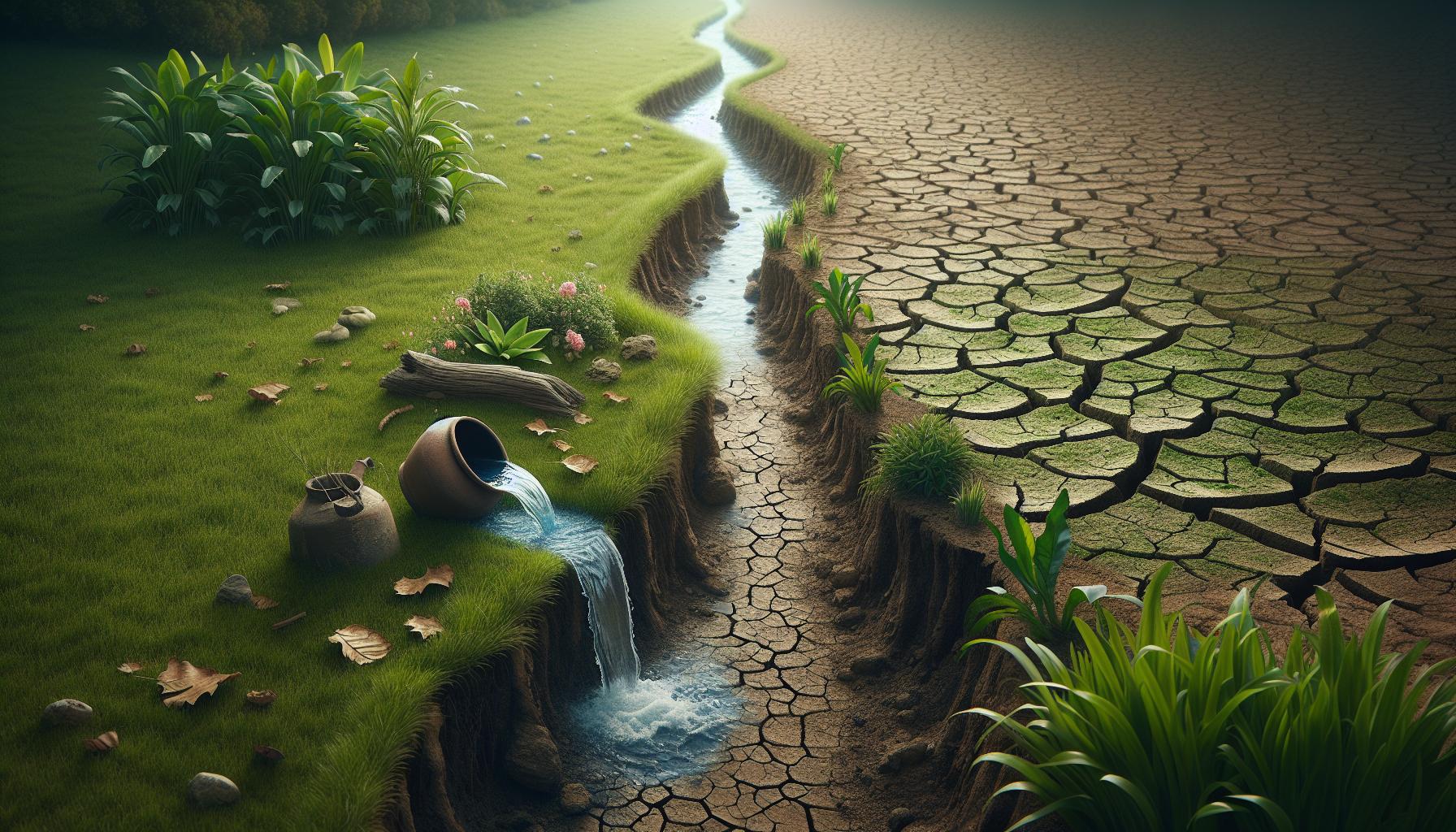
Climate Change and Extreme Weather in Desert Regions
The escalation of climate change manifests vividly in desert regions through an alarming increase in extreme weather events. As global temperatures rise, deserts are not just becoming hotter; they are also experiencing unpredictable weather patterns that include severe storms, torrential rainfalls, and prolonged droughts. For example, the once arid environments of the Sonoran and Mojave Deserts are increasingly susceptible to sudden deluges, leading to flash floods that can devastate both ecosystems and human settlements. These floods disrupt local flora and fauna, washing away soil and seedbeds essential for plant propagation while threatening the survival of species adapted to arid conditions.
Impact of Extreme Weather Events
Deserts typically have adaptations that allow ecosystems to thrive in a harsh climate. However, the intensity and frequency of extreme weather challenge these adaptations. Fluctuations between droughts and floods can damage root systems of native plants, leaving them vulnerable to diseases and pests. Moreover, floods can alter landscapes by reshaping watercourses and eroding fertile soils, which may lead to desertification in areas previously supported by diverse ecosystems. Wildlife, such as the desert tortoise, faces habitat loss, making it more challenging for these species to find food and shelter.
Building Resilience Against Climate Extremes
To mitigate the risk of extreme weather in desert regions, proactive measures must be taken. Implementing effective land use practices is vital. For instance, building rain gardens and using porous materials in urban development can help absorb excess rainwater and reduce flooding. Additionally, cultivating drought-resistant crops can enhance food security during dry spells and reinforce local ecosystems. Communities can further support resilience by participating in citizen science projects that track climate patterns, thus contributing valuable data to help inform long-term environmental strategies.
Technological Innovations for Monitoring and Adaptation
Recent advancements in technology, such as remote sensing and GIS (Geographic Information Systems), play crucial roles in understanding climate change impacts on deserts. These tools provide insight into drought patterns, enabling better water resource management and agricultural planning. Local governments can leverage this data to design policies that address the unique needs of desert communities, ensuring preparedness against extreme weather phenomena. By fostering collaboration between scientists, policymakers, and community members, we can create a more resilient future for desert ecosystems and the people who depend on them.
The combination of enhanced monitoring and community-led adaptations can lead to effective responses to the increasing threat of extreme weather in desert regions. With informed action, we can protect these fragile environments and support the communities that sustain them amidst a changing climate.
Social Impacts of Climate Change on Desert Communities
The convergence of climate change and desert environments presents profound social challenges, particularly for communities that depend on these fragile ecosystems for their livelihoods. As shifting weather patterns exacerbate resource scarcity, including water and arable land, families and local economies face an uphill battle to adapt. For instance, traditional agricultural practices that sustain many desert communities are becoming untenable as prolonged droughts reduce crop yields, forcing families into food insecurity. In response, innovative strategies are necessary to help these communities thrive amidst evolving conditions.
Adaptive Strategies for Resilience
To confront these challenges, communities can implement sustainable practices that enhance resilience. One approach involves diversifying crops and integrating permaculture techniques, which take advantage of native plant species that are naturally adapted to arid conditions. For example, farmers in regions like the agricultural areas of the southwestern United States have begun using traditional knowledge and contemporary farming methods to cultivate drought-resistant varieties, maximizing yields even in low-water scenarios. This not only bolsters local food supplies but also revitalizes cultural practices that strengthen community ties.
Investing in education and community involvement plays a crucial role as well. By forming local cooperatives, desert inhabitants can pool resources and share knowledge about efficient water use and sustainable farming practices. Education initiatives focusing on the impacts of climate change and adaptive strategies can empower community members to take informed action, further fostering resilience. Programs that teach water conservation techniques, such as rainwater harvesting or drip irrigation, have shown significant promise in reducing water waste and improving agricultural outcomes.
Social Cohesion and Collective Action
The social fabric of desert communities is also strengthened through collective action. As climate conditions worsen, social support networks become vital lifelines. Engaging local organizations to help residents adapt can create a sense of solidarity and shared purpose. For example, initiatives that focus on building community infrastructure-like establishing communal rainwater collection systems-can alleviate some of the tensions caused by resource scarcity.
It’s important to recognize that addressing the social impacts of climate change in desert regions requires a multifaceted approach. Encouraging participation in local governance and decision-making can ensure that the interests of desert communities are prioritized. By designing policies that take their unique challenges into account, local governments can implement solutions tailored to their specific contexts, ultimately fostering a more sustainable and equitable future for all who inhabit these arid environments.
Innovative Solutions for Desert Adaptation Strategies
Climate changes are fundamentally reshaping desert landscapes, necessitating innovative adaptation strategies that empower local communities and ecosystems. One compelling solution lies in the use of native plant reintroduction efforts, which restore ecological balance by utilizing vegetation well-suited to arid conditions. For instance, programs in Arizona have successfully revitalized areas by introducing drought-resistant plants that not only stabilize the soil but also provide key habitats for local wildlife, fostering biodiversity amidst shifting climates.
Investing in technology-driven water management presents another avenue for adaptation. Desalination plants and advanced filtration systems are being employed in regions like the Middle East, where freshwater scarcity is acute. These technologies, while initially expensive, can create sustainable water sources, allowing agriculture and local economies to thrive even under extreme conditions. Moreover, smart irrigation systems using sensors and weather data can optimize water usage in farming, ensuring crops receive the necessary hydration without excess waste.
Empowering desert communities through education and capacity building is essential. Local workshops can teach rainwater harvesting techniques, enabling households to collect and utilize limited rainfall effectively. Additionally, partnerships with local universities can foster research on sustainable agricultural practices that are better suited for extreme heat and minimal water availability. Programs that connect youth with agronomists can also inspire a new generation to pursue innovative agricultural solutions.
Another strategic avenue includes the establishment of community-based resilience initiatives. Projects focusing on infrastructure improvements, such as communal water catchment systems, can alleviate pressure on individual households while enhancing social cohesion. These initiatives not only address immediate resource scarcity but also build shared ownership and responsibility among community members, reinforcing their ability to tackle future climate challenges together.
By implementing these innovative strategies, desert communities can better adapt to the realities of climate change, transforming potential crises into opportunities for sustainable development and strengthened community ties.
Economic Implications of Changing Desert Environments
As the climate crisis unfolds, changing desert environments pose significant economic challenges and opportunities that require adaptive strategies. One striking statistic illustrates this shift: desert regions are among the areas expected to experience some of the most pronounced impacts of climate change, including increased temperatures and altered rainfall patterns, potentially diminishing agricultural yields and driving up water costs. These changes directly affect local economies that rely heavily on agriculture, tourism, and natural resources, making it crucial to examine the economic implications of these transformations.
Impact on Agriculture and Livelihoods
Deserts have historically supported unique agricultural practices and crops adapted to arid conditions, but climate change threatens to disrupt these systems. For instance, altered precipitation patterns are likely to exacerbate drought conditions, limiting water availability for irrigation and thereby reducing crop productivity. This reduction not only affects local food security but also diminishes farmers’ incomes. To mitigate these effects, farmers are increasingly turning to adaptive agricultural practices such as dryland farming techniques and planting drought-resistant crop varieties. By embracing these approaches, agricultural resilience can be improved, ensuring that farmers maintain their livelihoods even as environmental conditions fluctuate.
Tourism Challenges and Opportunities
In many desert regions, tourism serves as a significant economic pillar, attracting visitors with unique landscapes and cultural experiences. However, as desert climates become harsher due to rising temperatures and extreme weather events, tourist experiences may be compromised, potentially leading to a downturn in this sector. Areas heavily reliant on cultural and ecological tourism could see a shift in visitor patterns unless proactive measures are implemented.
Innovative tourism strategies can help adapt to these challenges. For example, eco-tourism and outdoor adventure experiences that emphasize sustainable practices can attract a new wave of environmentally conscious travelers. Investments in infrastructure that mitigate the impacts of extreme heat-such as shaded rest areas or water refill stations-can enhance visitor comfort and engagement, safeguarding the tourism economy.
Investing in Renewable Resources
Economically, transitioning to renewable energy sources presents a promising avenue for desert regions. The abundance of sunlight in these areas provides excellent opportunities for solar energy production. Regions like the Mojave Desert in California are already pivoting towards renewable energy, creating jobs in construction and maintenance while also boosting local economies. Governments and private entities alike can benefit from investing in green technologies and infrastructure to harness these resources, thus producing clean energy and fostering economic growth.
Community-Driven Economic Strategies
Community engagement and local decision-making play pivotal roles in navigating these economic challenges. Building local capacities through education and training programs-focused on sustainable agricultural practices, green technology, and eco-tourism-can empower communities to thrive amid climate uncertainty. For example, initiatives that promote cooperative farming or share resources across smallholder farms can optimize production while sharing risks and rewards among members of the community.
Understanding the requires a proactive approach that integrates sustainable practices, innovative strategies, and community involvement. By recognizing the interconnectedness of environmental and economic health, desert communities can harness the opportunity to not only adapt to climate change but also to thrive within it, turning challenges into pathways for sustainable development.
Preservation Efforts: Protecting Desert Biodiversity
The unique biodiversity found in desert ecosystems is facing unprecedented challenges as climate change intensifies. These arid landscapes are home to a vast array of organisms uniquely adapted to survive in extreme conditions. With rising temperatures, erratic rainfall, and increasing frequency of droughts, the delicate balance of these ecosystems is under serious threat. Protecting desert biodiversity is not merely an environmental concern; it is essential for the health of the planet and the livelihoods of communities that rely on these ecosystems for food, water, and economic opportunities.
To conserve desert biodiversity, a multifaceted approach is imperative. Promoting habitat restoration is crucial; this includes efforts to rehabilitate degraded lands by reintroducing native plant species that provide food and shelter for fauna. For example, in the Sonoran Desert, community-led projects have focused on planting native species, effectively restoring habitats for endangered reptiles and birds. Additionally, establishing protected areas allows critical ecosystems to remain intact, mitigating the impacts of climate change while providing safe havens for wildlife.
Further, engaging local communities in conservation efforts can significantly bolster biodiversity preservation. When communities understand the ecological and economic importance of their local environment, they can become effective stewards. Programs that incentivize sustainable practices, such as eco-tourism or sustainable harvesting, not only help protect biodiversity but also empower residents economically. For instance, the development of eco-tourism in places like the Namib Desert allows visitors to appreciate the unique wildlife while generating income that supports both conservation and community livelihoods.
Collaboration between governments, NGOs, and local populations is vital to develop effective conservation strategies. Efforts should include monitoring and research initiatives that assess the health of desert ecosystems and identify keystone species that play critical roles in maintaining ecological balance. Investing in research to understand species’ responses to climate change will inform adaptive management strategies, ensuring that conservation measures remain effective in an evolving climate.
Ultimately, preserving desert biodiversity is a shared responsibility that calls for collective action. By investing in sustainable practices, protecting critical habitats, and engaging communities, we can safeguard these unique ecosystems against the ravages of climate change, ensuring they continue to thrive for future generations.
Future Projections: Deserts in a Warming World
Deserts are not only defined by vast stretches of sand and stark landscapes; they are intricate ecosystems that are becoming increasingly vulnerable as climate change accelerates. Recent projections indicate that global temperatures are expected to remain at or near record levels in the coming years, leading to intensified heat stress and altered precipitation patterns that will fundamentally reshape desert environments. As the earth warms, deserts may expand, exacerbating the challenges faced both by their unique ecosystems and by the human communities that inhabit them.
Rising Temperatures and Their Ecological Impact
The anticipated rise in average temperatures can push desert ecosystems beyond their limits. Species that thrive in extreme environments may not cope with additional heat, leading to declines in plant and animal populations. For example, iconic desert flora like cacti and succulents may struggle to survive prolonged periods of extreme heat and diminished moisture levels. This stress can result in a cascade of effects, including reduced food resources for herbivorous species, which can further threaten the entire ecological network.
Changing Precipitation Patterns
Moreover, altered rainfall patterns spell trouble for desert ecosystems. While some areas may experience increased rainfall accompanied by the risk of flash floods, others may face prolonged droughts, making water scarcity a critical issue. As a result, even the most drought-resistant species may find it challenging to survive. Communities reliant on these ecosystems for agriculture, water, and livelihoods will similarly grapple with these changes, necessitating adaptive strategies to cope with the unpredictability of both water availability and climate-related stresses.
Localized Adaptation Strategies
In response to these projections, innovative adaptation strategies are essential for both ecosystems and communities. Incorporating traditional knowledge and modern agricultural techniques, efforts can be made to develop drought-resistant crops, integrate greywater systems for sustainable water use, and implement land management practices that enhance soil health and restore degraded habitats. For instance, agroforestry-combining agriculture and forestry-can enhance biodiversity while increasing resilience against climate stressors, ultimately leading to more sustainable food systems.
As we look to the future, a proactive approach that combines scientific research, community involvement, and robust policy frameworks will be crucial. Investing in research technologies can help monitor environmental changes, while engaging local populations in conservation efforts fosters a sense of ownership and responsibility toward protecting their unique ecosystems. By embracing a collective stewardship model, we can ensure that desert environments not only survive but also thrive despite the challenges posed by a warming world.
Research and Technology Advancements in Desert Climate Studies
Groundbreaking advancements in research and technology are playing a pivotal role in understanding and mitigating the impacts of climate change on desert environments. As deserts experience more extreme temperatures and unpredictable weather patterns, innovative scientific approaches are crucial for effective adaptation strategies. For instance, remote sensing technologies like satellites and drones are increasingly used to monitor soil moisture, vegetation health, and surface temperature, enabling researchers to gain real-time insights into ecosystem changes. This data is essential for developing predictive models that inform both conservation efforts and land management practices.
Data-Driven Adaptation Strategies
One promising area of research is the application of artificial intelligence (AI) in analyzing vast datasets related to desert climates. AI algorithms can identify patterns in climate data, helping scientists predict how specific desert ecosystems will respond to various climate scenarios. These models not only enhance our understanding of potential ecological shifts but also guide local governments and communities in planning for water conservation and land use. For example, in arid areas like the Sahara, AI is being used to optimize irrigation practices for agricultural purposes, ensuring that water resources are used efficiently amidst escalating drought conditions.
Furthermore, genetic research is paving the way for developing resilient plant varieties that can withstand extreme aridity and temperature fluctuations. By leveraging biotechnological methods, scientists are exploring gene editing to enhance traits such as drought resistance and heat tolerance in key desert flora. This innovative approach could help restore degraded lands and maintain biodiversity in the face of climate challenges. As these crops are integrated into local agricultural practices, communities can achieve greater food security while minimizing the ecological footprint.
Community Engagement and Local Knowledge
Effective research and technology advancements extend beyond science labs and academic circles; they thrive on the collaboration between researchers and local communities. Participatory research initiatives that involve residents in monitoring and data collection can lead to sustainable practices that respect traditional knowledge. For instance, in regions of the American Southwest, Native American tribes have been engaged in restoring native plant species, utilizing both scientific insights and indigenous methods to create resilient ecosystems. Such partnerships not only empower local communities but also foster a deeper understanding of the environmental dynamics at play.
As we look ahead, fostering interdisciplinary collaboration among climatologists, ecologists, and community activists is essential to harnessing the full potential of research and technology. Embracing a holistic approach that combines scientific innovation with local engagement will not only support desert ecosystems but also enhance the resilience of human communities facing the mounting challenges of climate change. Through continued investment in research initiatives and a commitment to sustainable practices, there is hope for a balanced coexistence between people and the unique environments of our planet’s deserts.
Q&A
Q: How does climate change increase the frequency of desert droughts?
A: Climate change intensifies the water cycle, leading to more erratic rainfall patterns and prolonged dry spells. Higher temperatures increase evaporation rates, which can exacerbate drought conditions in desert regions, making water scarcity a growing concern for ecosystems and human settlements.
Q: What specific species in deserts are most affected by climate change?
A: Several desert species, such as the desert tortoise and various cacti, are particularly vulnerable to climate change. Rising temperatures and altered rainfall patterns threaten their habitats, food sources, and reproductive patterns, leading to declines in their populations and biodiversity.
Q: How do shifting climate patterns impact desert agriculture?
A: Shifting climate patterns lead to unpredictable rainfall and increased temperatures, affecting crop viability in desert agriculture. Farmers may need to adopt more resilient crop strains and implement water-saving irrigation techniques to adapt to these changes and ensure food security.
Q: What are the effects of climate change on desert water sources?
A: Climate change reduces the reliability of water sources in deserts, such as rivers and groundwater. Changes in precipitation can lead to decreased recharge rates, which impacts both the ecosystems dependent on these water sources and the communities that rely on them for drinking water and agriculture.
Q: Why are desert ecosystems important to study in the context of climate change?
A: Desert ecosystems are critical to biodiversity and global climate regulation. Understanding how climate change affects these areas helps inform conservation efforts. Additionally, increasing desertification can contribute to global warming, making their study essential for addressing broader climate issues.
Q: How can communities in desert areas adapt to climate change?
A: Communities can adapt to climate change by implementing sustainable water management, improving agricultural practices, and enhancing infrastructure resilience. Utilizing native plants in landscaping and promoting conservation can also significantly mitigate climate impacts and conserve biodiversity.
Q: What role do deserts play in the global climate system?
A: Deserts contribute to the global climate system by influencing heat exchange and carbon cycles. Their vast, dry expanses affect weather patterns and can act as carbon sinks, making it vital to understand their response to climate change for comprehensive climate strategies.
Q: When will the full impact of climate change be felt in desert environments?
A: The effects of climate change are already being felt in desert environments, with significant impacts anticipated to worsen in the coming decades. Projections indicate more extreme weather events, shifts in vegetation, and increased desertification over the next 20-50 years, making immediate action crucial.
Wrapping Up
Understanding how climate change affects deserts is crucial for recognizing the broader impacts on our planet. As we’ve explored, shifting climates not only exacerbate existing desert conditions but also influence global ecosystems and human livelihoods. It’s vital to take immediate action, whether through personal sustainability efforts or engaging with community initiatives aimed at combating climate change.
To further deepen your understanding, explore our related articles on Land Degradation and Desertification for insights into the causes and consequences, or discover strategies on Adapting Agriculture in Arid Regions. Additionally, consider signing up for our newsletter to stay updated on the latest research and trends related to climate change. Your proactive involvement can contribute to a more resilient environment for all. Join the conversation by sharing your thoughts below, and let’s continue to work together for a sustainable future!
Get our latest guides, news, and insights highlighted in your Google Search & AI Overviews.