How Does Climate Change Affect Different Regions encompasses dedicated strategies, analytical frameworks, and capital allocation models designed to balance competitive, risk-adjusted financial returns with verified operational transparency, regulatory compliance, and sustainable economic additionality.
Climate change is more than just a looming threat; it’s a reality already reshaping our world. By 2024, predictions indicate that temperatures will remain at or near record levels, escalating risks to societies and ecosystems alike [3]. These changes affect every corner of the globe, yet the impacts vary widely by region-affecting agriculture, water resources, and public health in distinct ways. As we face more volatile weather patterns, understanding how climate change specifically influences different areas can empower us to take informed action. Are you curious about how your region might evolve in response to these environmental shifts? Delving into the nuances of these regional impacts reveals not only the challenges but also the opportunities for resilient adaptation and community engagement. Join us as we explore these critical connections, uncovering the pathways to a sustainable future for all.
How Climate Change Impacts Different Global Regions
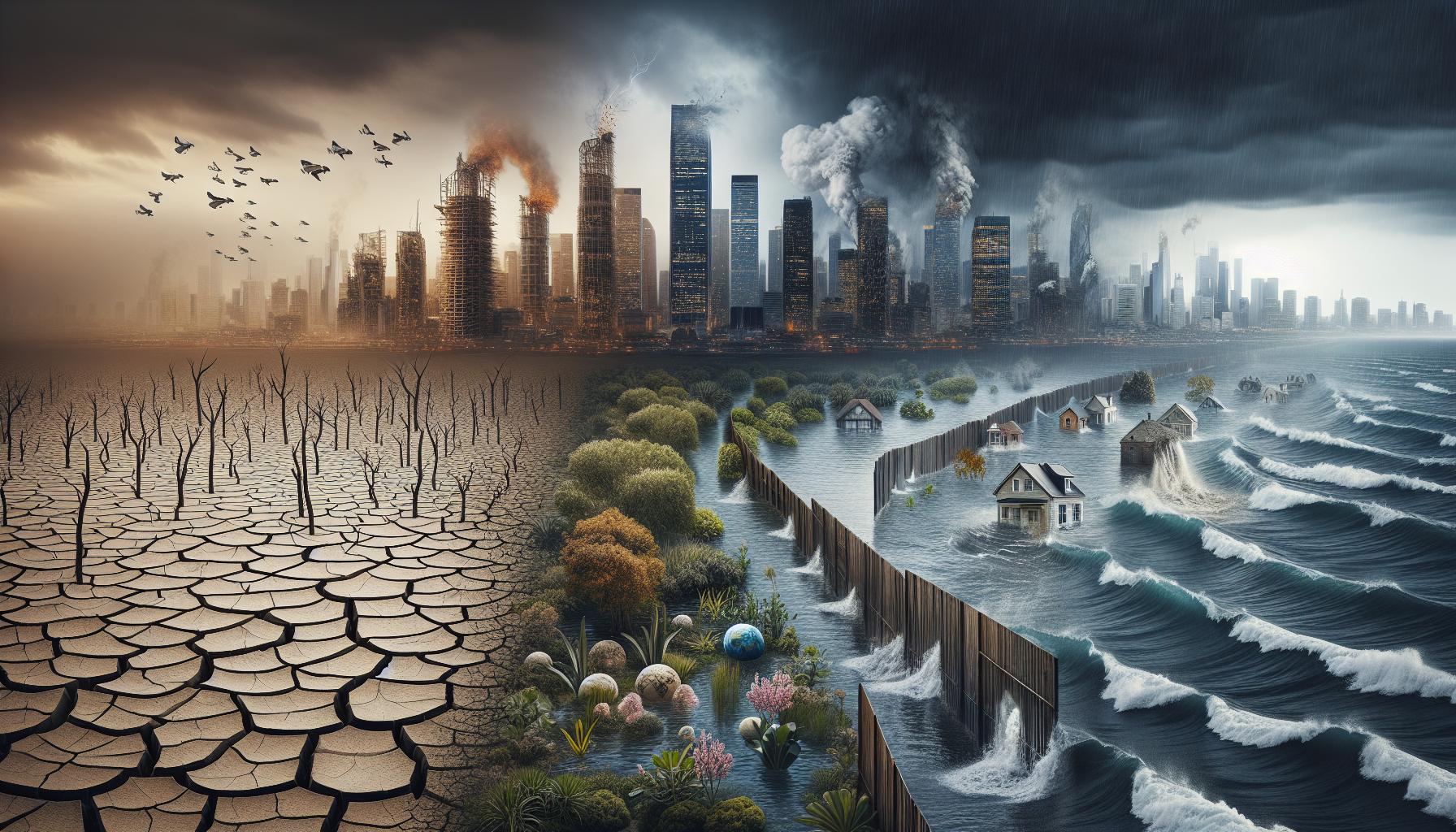
As climate change intensifies, its multifaceted impacts vary significantly across global regions, affecting ecosystems, economies, and communities in unique ways. For instance, coastal areas are experiencing rising sea levels and increased frequency of extreme weather events, putting populations at risk and threatening infrastructure. According to the World Economic Forum, climate-intensified natural disasters could lead to economic losses of $12.5 trillion and drastic health consequences, including an anticipated 14.5 million deaths by 2050 due to climate-related issues[1].
In agricultural regions, shifts in temperature and precipitation patterns disrupt growing seasons, impacting crop yields and food security. Regions dependent on rice, wheat, and maize could see significant reductions in production due to climate stressors, which not only endangers local economies but also threatens global food supplies. Farmers are increasingly being urged to adopt sustainable practices and diversify their crops to build resilience against these changing conditions.
Urban centers, particularly those in hotter climates, are grappling with the phenomenon of urban heat islands. The aggregation of buildings and roads can elevate temperatures significantly, impacting health outcomes and livability. Cities need to invest in green spaces, reflective materials, and advanced urban planning to mitigate these heat effects.
Polar regions, conversely, face rapid loss of ice cover and biodiversity transformation, which poses threats to marine life and indigenous communities. As these areas warm, the effects ripple down to ecosystems globally, as polar species like polar bears and seals depend on thick ice for survival.
Arid and semi-arid regions are not exempt from these challenges; escalating temperatures exacerbate water scarcity, which is critical for both agricultural and domestic uses. Communities in these regions must prioritize water conservation practices and seek innovative technologies to maintain water supplies.
In light of these challenges, it is vital for nations and communities to develop targeted adaptation strategies that address specific regional vulnerabilities. Collaborating on technological innovations, such as advanced irrigation systems and renewable energy sources, can also help mitigate some of the adverse effects outlined. By fostering local solutions while maintaining a global perspective, the world can tackle the pressing issue of climate change in a more effective and equitable manner.
Regional Vulnerabilities: Understanding Geographic Disparities
The impacts of climate change are not felt uniformly across the globe; geographic disparities create a patchwork of vulnerabilities that communities must navigate. Regions adapt differently based on their socioeconomic status, environmental conditions, and infrastructure resilience. For instance, while developed nations may have the resources to implement protective measures against climate events, developing countries often face dire consequences without the same level of support. The World Meteorological Organization underscores that improved understanding and evaluation of these regional climates are essential for resilience planning and disaster preparedness, especially in light of the extreme weather patterns exacerbated by climate change [[1]].
Localized Impacts and Responses
In coastal regions, rising sea levels and increased storm intensity pose immediate threats, leading to an urgent need for investment in infrastructure such as seawalls and improved drainage systems. For example, in countries like Bangladesh, where much of the land lies below sea level, the government has initiated a plethora of adaptation strategies including the construction of cyclone shelters and the restoration of mangroves to act as natural barriers against storms. These localized efforts are critical as they not only protect the communities but also bolster the local economy by enhancing disaster resilience.
Rural Agricultural Adjustments
Agricultural regions are facing shifting weather patterns that disrupt traditional farming practices. In areas dependent on staple crops, changing rainfall patterns have resulted in decreased yields. A pertinent example can be seen in parts of sub-Saharan Africa, where increased droughts have devastated local corn production. Here, farmers are being educated about climate-resilient crops and sustainable agricultural methods such as crop rotation and agroforestry. These strategies not only help to sustain food security but also improve soil health and enhance biodiversity.
Urban Challenges in a Warming World
Urban centers are particularly vulnerable to the urban heat island effect, where temperatures can be significantly higher than surrounding rural areas due to human activities and infrastructure. Cities like Los Angeles and Tokyo are exploring innovative solutions such as green roofs, shaded walkways, and urban forests to combat rising temperatures. These initiatives not only lower urban temperatures but also improve air quality and enhance the overall quality of urban life.
In summary, understanding geographic disparities in climate vulnerability is vital for developing effective, tailored responses. Localized strategies that take into account the unique social, environmental, and economic contexts can empower communities to adapt more effectively to the challenges posed by climate change. Through collaboration and innovation, it is possible to address these regional vulnerabilities and foster resilience against the changing climate.
The Effects of Climate Change on Coastal Areas
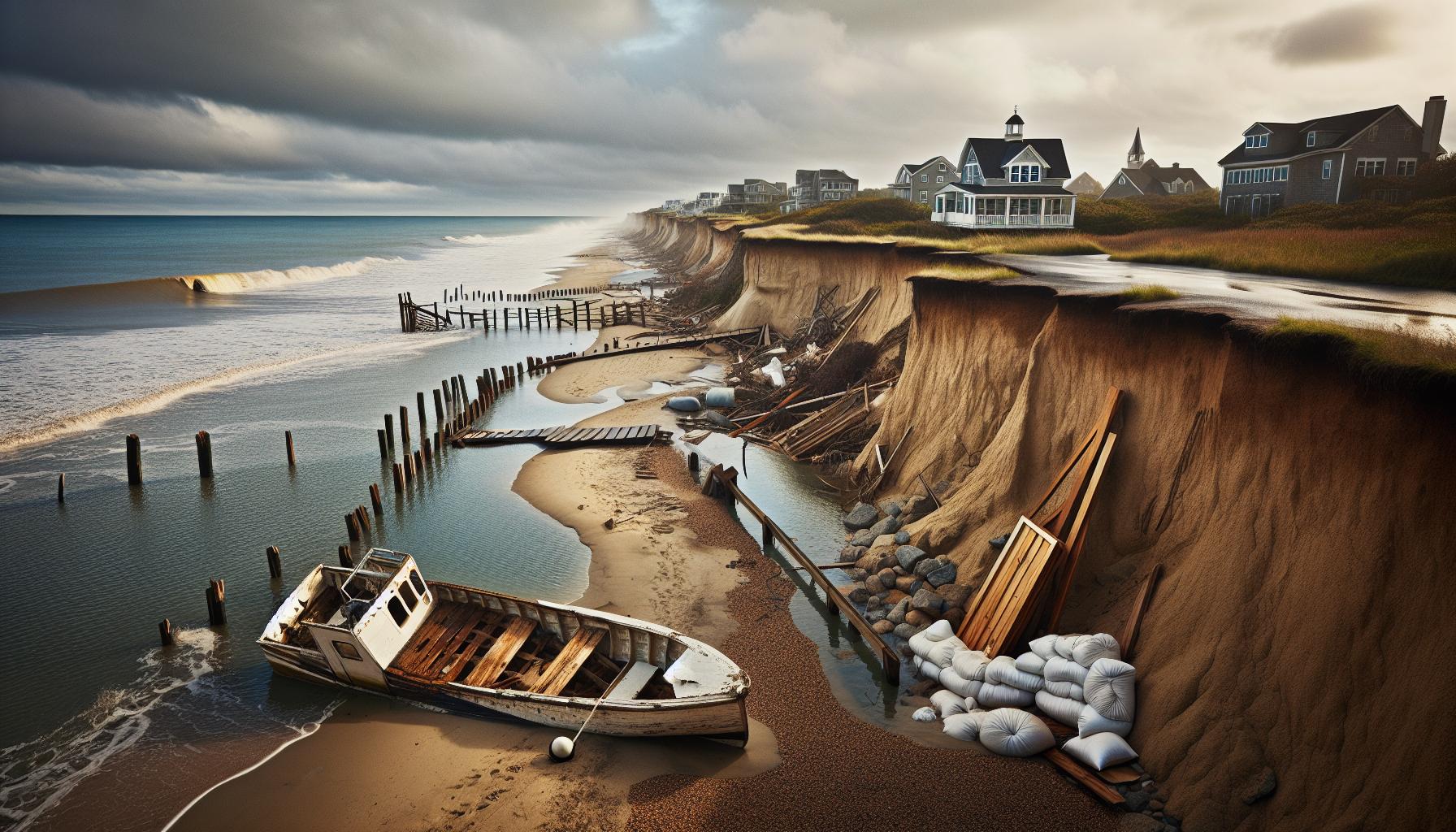
As coastal areas brace for the increasing impacts of climate change, they face unprecedented challenges that threaten their ecosystems, economies, and communities. Rising sea levels, driven by melting glaciers and the thermal expansion of seawater, have reached alarming rates, with some regions experiencing an annual increase of nearly a foot. This phenomenon not only engulfs valuable land but also exacerbates flooding, saltwater intrusion, and erosion, stressing both natural habitats and human settlements alike.
The Rising Tide and Its Impacts
The immediate consequences of rising sea levels are most poignantly felt in low-lying areas. In places like Miami, Florida, residents experience “sunny day flooding,” where high tides cause streets to fill with water even in clear weather. Urban planners are responding with innovative solutions such as elevating infrastructure, creating stormwater parks, and restoring wetlands to serve as natural buffers. Meanwhile, coastal cities in Bangladesh are implementing community-based adaptation strategies, such as constructing reinforced homes and enhancing local mangrove ecosystems to shield against storm surges and enhance biodiversity.
Increased Storm Intensity
In addition to rising seas, climate change amplifies the ferocity of hurricanes and storms. Warmer oceans fuel more powerful storms, leading to devastating consequences for coastal populations. The U.S. Gulf Coast has witnessed more frequent Category 4 and 5 hurricanes, resulting in catastrophic damage. Effective response measures include investing in resilient infrastructure that can withstand these extreme weather events, such as elevated roads and retrofitted buildings. Additionally, early warning systems paired with community education programs are vital in fostering preparedness among at-risk populations.
Economic Consequences and Opportunities
The economic implications for coastal communities are significant. Industries such as fishing and tourism face disruptions from habitat loss and declining fish populations due to changing marine ecosystems. Nevertheless, these challenges present opportunities for innovation and development. Sustainable coastlines can attract eco-tourism and promote conservation efforts. Regions like Costa Rica have embraced this shift, focusing on sustainable practices that protect their coastal resources while promoting local economic growth.
Through proactive measures, education, and the implementation of innovative solutions, coastal areas can navigate the challenging waters of climate change. By fostering resilience and adapting to new realities, communities worldwide can turn the tide against the adverse effects of climate change, safeguarding their futures and those of generations to come.
How Climate Change Affects Agricultural Regions
Agricultural regions worldwide are at the frontline of climate change, facing an array of challenges that threaten food production and livelihoods. With the Intergovernmental Panel on Climate Change (IPCC) projecting a rise in global temperatures of 1.5°C above pre-industrial levels as early as the 2030s, farmers are noticing profound shifts in weather patterns, soil health, and pest dynamics. For instance, crucial crops such as wheat and maize show reduced yields with higher temperatures, affecting food security for millions around the globe.
The stark reality of these changes is illustrated in places like sub-Saharan Africa, where erratic rainfall patterns have made traditional farming schedules unpredictable. In drought-prone areas, farmers are increasingly turning to drought-resistant crop varieties and adopting practices such as conservation tillage to maintain soil moisture. A striking example is Ethiopia, where farmers have integrated traditional knowledge with modern techniques through climate-smart agriculture, which focuses on increasing productivity while minimizing environmental impact.
Conversely, increased rainfall intensity poses the risk of flooding, which can devastate crops and erode soil nutrients. Areas such as Southeast Asia are seeing a rise in the incidence of flooding, which leads to crop losses and encourages the spread of waterborne diseases. Here, the implementation of robust drainage systems and the cultivation of flood-resilient crops like rice have become critical strategies for farmers seeking to adapt to this inundation.
Moreover, temperature increases can lead to shifting pest and disease patterns, putting stress on agricultural systems. Warmer climates enable pests to thrive and expand their geographic range, necessitating a re-evaluation of pest management strategies. Farmers across the Americas are thus increasingly using integrated pest management (IPM) approaches, combining biological control agents (like beneficial insects) and resistant crop varieties, reducing reliance on chemical pesticides.
To navigate these uncertain waters, investing in research and developing locally adapted agricultural practices are essential. Communities can benefit from knowledge-sharing initiatives and financial tools that support sustainable farming. Local governments and NGOs can facilitate training programs to educate farmers on climate adaptation strategies, thus empowering them to make informed decisions.
In summary, the resilience of agricultural regions hinges on adaptability and innovation, ensuring food security in the face of climate change. By embracing sustainable practices and leveraging technological advancements, the agricultural sector can not only mitigate the impacts of climate change but also thrive in a transforming world.
Urban Heat Islands: The Impact on Cities

As cities continue to grow and develop, the phenomenon of urban heat islands (UHIs) has become increasingly prevalent, significantly impacting the local climate and residents’ wellbeing. Urban heat islands occur when urban areas become markedly warmer than their rural surroundings due to human activities. This temperature differential exacerbates the effects of climate change, leading to hotter summers and increased energy consumption. Research indicates that UHI effects can increase local temperatures by up to 5-7°C on hot days, resulting in higher cooling costs, elevated ozone concentration, and aggravated health risks.
The impacts of UHIs are particularly pronounced in densely populated cities where concrete, asphalt, and buildings absorb and retain heat. For instance, cities like Phoenix, Arizona, and Chicago, Illinois, provide stark examples of how urbanization contributes to heat retention. In Chicago, the deadly 1995 heat wave highlighted the need for addressing urban heat, as the poorest neighborhoods, often lacking green spaces, recorded the highest mortality rates. Initiatives to combat these effects have included increasing urban greenery through tree planting, green roofs, and urban parks, which not only cool the environment but also improve air quality and enhance community resilience.
To mitigate the risks associated with urban heat islands, cities can implement a variety of practical strategies:
- Increase Vegetation: Planting trees and introducing green spaces can effectively reduce surface temperatures. Green roofs and vertical gardens are innovative solutions that also provide insulation for buildings.
- Use Reflective Materials: Employing reflective pavements and roofing materials can diminish heat absorption, helping to maintain cooler ambient temperatures.
- Enhance Urban Planning: Integrating climate considerations into zoning regulations and city planning can promote density around public transportation hubs while preserving green areas.
- Conduct Community Awareness Programs: Educating the public and local businesses about the health risks associated with extreme heat and the benefits of community green initiatives can foster collaboration and action.
By adopting these measures, urban areas can not only combat rising temperatures but also create healthier living environments. Enhanced city designs can facilitate cooler, more hospitable conditions that contribute to sustainable lifestyles and reduce the burden on public health systems as climate variability becomes the norm. As cities adapt to climate change, transforming urban landscapes through innovative practices will be crucial for the resilience and wellbeing of their residents.
Polar Regions at Risk: Melting Ice and Biodiversity Loss
As the planet warms, the polar regions are experiencing unprecedented changes that threaten not only their unique ecosystems but also global climate stability. With Arctic sea ice diminishing at alarming rates and glaciers retreating, the stark reality is that we are witnessing the loss of vital habitats for species such as polar bears, seals, and various migratory birds. In fact, satellite data reveals that Arctic sea ice extent has declined by approximately 13% per decade since the late 1970s, leading to dire consequences for the biodiversity that relies on these icy environments.
Melting Ice: A Central Concern
The melting of polar ice is a critical indicator of climate change. As temperatures rise, the Arctic is warming nearly twice as fast as the global average, drastically altering local climates. This not only affects species reliant on ice-covered regions but also contributes to rising sea levels, which pose significant threats to coastal communities worldwide. The loss of ice alters ocean currents and weather patterns, amplifying climate impacts across the globe.
Biodiversity at Risk
Polar biodiversity is not just about iconic species; it’s also about the intricate web of life that supports local and global ecosystems. With changing habitats, many species face higher risks of extinction due to habitat loss, altered food availability, and increased competition. For example, the Adélie penguin population in Antarctica is being adversely affected as the krill they depend on diminishes due to warming ocean temperatures. As these species struggle to adapt, the consequences ripple through the food web, affecting community dynamics and ecological balance.
What can be done?
Addressing the challenges faced by polar regions requires a shift in perspective and action. Here are some practical strategies that can help mitigate the impacts of climate change on these vulnerable areas:
- Global Efforts to Reduce Emissions: Supporting international agreements focused on reducing greenhouse gas emissions is crucial. By committing to net-zero targets, countries can collectively mitigate temperature rises.
- Scientific Research: Investing in scientific research to monitor changes in polar ecosystems can provide critical data to inform policy and conservation strategies. Involvement in polar research initiatives fosters collaboration and knowledge-sharing among nations.
- Conservation Strategies: Implementing comprehensive conservation efforts that focus on protecting habitats and local wildlife is essential. This includes creating marine protected areas and enforcing sustainable fishing practices.
- Community Engagement: Involving indigenous communities and local populations in conservation projects recognizes their invaluable knowledge and fosters a sense of stewardship over their environments.
By acknowledging the interconnectedness of the polar regions with global climate systems, we can take informed and responsible actions necessary to protect these critical ecosystems. Ensuring their health not only guards against biodiversity loss but also secures the resilience of our planet in the face of climate change.
Climate Change Ramifications for Arid and Semi-Arid Regions
The dry, sun-scorched landscapes of arid and semi-arid regions are becoming increasingly vulnerable as climate change intensifies. These areas, which include vast expanses such as the Sahara Desert, the American Southwest, and parts of Australia, are facing heightened risks from rising temperatures and erratic precipitation patterns. For instance, reports indicate that some regions are already experiencing a 20% decrease in average rainfall, significantly affecting water availability for communities and ecosystems alike.
One of the most pressing issues in these regions is water scarcity, which exacerbates the challenges of agriculture, health, and overall economic stability. Farmers in arid areas often rely on precise seasonal rains for their crops, but with climate change disrupting traditional patterns, yields are becoming less predictable. Droughts are lengthening and becoming more severe, while periods of intense rainfall can lead to flash flooding, further complicating farming practices. For example, in the Horn of Africa, farmers are grappling with crop failures and livestock losses, pushing communities into a cycle of poverty and food insecurity.
Strategies for Resilience
To combat the effects of climate change in arid and semi-arid regions, several innovative strategies are being employed. Here are practical steps that local communities and policymakers can consider:
- Water Management Techniques: Implementing rainwater harvesting and creating efficient irrigation systems can greatly enhance water resource management. Examples include the use of drip irrigation, which minimizes water waste while maximizing crop yield.
- Drought-Resistant Crops: Research and development into drought-resistant crop varieties can help ensure that farmers maintain productivity even under less favorable conditions. For instance, the development of certain resilient strains of sorghum has provided some farmers with a reliable food source in arid climates.
- Community Education and Engagement: Training local communities in sustainable farming practices and water conservation techniques fosters a sense of ownership and responsibility. Educational programs can empower residents to adopt these strategies effectively.
Technological Innovations
Technology also plays a crucial role in adapting to climate change in these regions. Mobile apps and satellite technology, for example, are being used to provide farmers with weather updates and market information, helping them make informed decisions regarding planting and resource management. These tech solutions enhance resilience by allowing for timely responses to changing climatic conditions.
In conclusion, while the challenges posed by climate change are formidable, the response from communities and innovators alike offers a path forward. By focusing on sustainable practices, enhancing water management, and leveraging technology, we can empower arid and semi-arid regions to adapt and thrive even in the face of significant environmental shifts. The need for action is urgent; however, with concerted efforts and effective strategies, stakeholders can mitigate impacts and strengthen resilience against the increasing toll of climate change.
Tropical Rainforests: Climate Change Threats and Responses
The intricate ecosystems of tropical rainforests, often referred to as the “lungs of the Earth,” are experiencing unprecedented threats from climate change. With rising global temperatures, shifts in precipitation patterns, and increased frequency of extreme weather events, these forests face significant challenges that jeopardize their biodiversity and the essential services they provide. For instance, studies indicate that tropical forest regions are becoming more susceptible to drought and increased vulnerability to wildfires, both of which threaten not only the flora and fauna but also the livelihoods of millions of people dependent on these ecosystems.
To address these challenges, several strategies are being implemented to enhance the resilience of tropical rainforests. One effective approach involves the promotion of sustainable land-use practices that integrate conservation with economic development. For example, agroforestry systems, which combine trees and agricultural crops, not only help maintain biodiversity but also improve soil health and provide farmers with diverse sources of income. By planting a variety of crops alongside trees, farmers can benefit from food security while contributing to the forest’s sustainability.
Community Involvement and Education
Local communities play a vital role in protecting tropical rainforests. Engaging indigenous populations in conservation efforts leads to more sustainable practices that respect traditional knowledge and promote ecosystem management. Educational programs focused on the ecological importance of rainforests can empower local communities to advocate for sustainable practices and provide them with the tools needed to combat deforestation and degradation.
Technological Advancements
Technology is also shaping the response to climate change impacts in tropical rainforests. Remote sensing and satellite imaging, for example, are increasingly used to monitor forest health and changes in land cover. These technologies enable timely interventions to prevent illegal logging and encroachments. Moreover, apps designed for local use can help track biodiversity and forest conditions, allowing communities to adapt quickly to changing environments.
Adapting to the threats posed by climate change will require a multifaceted approach that includes government policies, community-led initiatives, and international cooperation. Through the combination of sustainable practices, technological innovation, and local empowerment, it is possible to mitigate the impacts of climate change on tropical rainforests and foster a recovery pathway that benefits both nature and the people who rely on these vital ecosystems. Hence, the resilience of tropical rainforests is not merely a localized issue; it has global implications, necessitating urgent action from all sectors of society.
The Effects of Climate Change on Island Nations
The shores of island nations are often breathtaking, but they are also becoming increasingly vulnerable to the impacts of climate change. These nations, which typically boast small land areas and populations, are facing intensifying threats such as rising sea levels, extreme weather events, and shifting marine ecosystems. For example, the Pacific Island of Tuvalu is projected to become uninhabitable in the coming decades as sea levels rise, displacing its entire population and changing the very fabric of its culture and society.
Rising Sea Levels and Coastal Erosion
As global temperatures rise, polar ice melts and ocean water expands, causing sea levels to climb. In many island nations, the result is more frequent and severe flooding, which erodes coastlines and diminishes habitable land. This poses significant risks not only to infrastructure but also to freshwater resources. For instance, in the Maldives, increased salinity in freshwater aquifers has become a pressing issue, affecting agriculture and drinking water supplies for residents.
Practical Strategies for Adaptation:
- Building Resilience Through Infrastructure: Investing in flood defenses and resilient infrastructure can help mitigate the impacts of flooding. Sea walls, mangrove restoration, and elevated buildings are strategies being employed in various island nations.
- Education and Awareness: Informing communities about climate risks and adaptation strategies ensures they are better prepared for changes. Programs that teach sustainable practices help safeguard both the environment and the economy.
Impact on Marine Ecosystems
The health of marine ecosystems directly affects the livelihoods of island communities dependent on fishing and tourism. Coral reefs, which are vital for biodiversity and protection from storms, are suffering from bleaching events linked to rising ocean temperatures. This shift affects not only fish populations but also the entire marine food web. The Cook Islands rely heavily on tourism linked to their vibrant reefs, and as these ecosystems decline, so too does their economic stability.
Community-Based Approaches:
- Sustainable Fishing Practices: Implementing quotas and no-fishing zones can help replenish fish stocks and protect fragile habitats.
- Marine Protected Areas: Establishing protected zones ensures that critical ecosystems can recover and thrive, which is vital for food security and economic health.
The future of island nations hinges on a collective response to these climate challenges. Global cooperation, financial investment, and localized strategies that empower communities are crucial to creating resilient systems capable of adapting to a warming world. Empowering local populations to take charge of conservation efforts is not just beneficial, but necessary for their survival in the face of mounting climate threats.
Socioeconomic Implications of Regional Climate Change
The interconnection between climate change and socioeconomic factors is becoming increasingly undeniable, as the world faces a reality where weather patterns, resource availability, and economic stability are all at risk. As global temperatures continue to rise-now estimated at 1.55°C above pre-industrial levels-communities worldwide are grappling with the cascading effects on their livelihoods, health, and social structures. For instance, regions heavily dependent on agriculture are witnessing diminished yields due to changes in rainfall patterns, forcing farmers to adapt or abandon their traditional practices.
Effects on Livelihoods and Employment
The threat posed by climate change is not uniform; it varies significantly depending on geographic and economic contexts. In coastal regions, the fishing industry is particularly vulnerable, as rising ocean temperatures and acidification threaten fish stocks, the backbone of many local economies. For example, the decline of fisheries in Southeast Asia not only endangers marine biodiversity but also jeopardizes the employment of millions who rely on fishing for their livelihoods. Similarly, rural agricultural communities face the dual challenges of shifting climate conditions and the rising cost of resources, which can lead to food insecurity and increased poverty.
Impacts on Public Health
As climate change exacerbates natural disasters and alters food production, public health systems are under strain. Heatwaves lead to a rise in heat-related illnesses and fatalities, particularly among vulnerable population groups, including the elderly and those with pre-existing health conditions. Additionally, changes in climate patterns can influence the spread of vector-borne diseases, threatening public health infrastructure and placing additional burdens on healthcare systems that are often ill-equipped to handle such challenges.
Community Resilience and Adaptive Strategies
To navigate these socioeconomic implications, communities are increasingly turning to innovative solutions that foster resilience against climate impacts. Localized adaptation strategies, such as community-supported agriculture and cooperative business models, have proven effective in enhancing food security and economic independence. By pooling resources and knowledge, communities can develop sustainable practices that not only protect their livelihoods but also contribute to environmental restoration.
- Empowering Local Communities: Programs that educate stakeholders about sustainable farming techniques can mitigate the impacts of climate change on traditional livelihoods.
- Investment in Infrastructure: Building robust infrastructure that can withstand extreme weather events is essential in protecting economic resources.
In conclusion, addressing the requires a multifaceted approach that promotes local agency and global cooperation. By understanding these challenges and implementing targeted strategies, communities can not only bolster their resilience but also contribute to a healthier planet and a more sustainable future.
Technological Innovations to Combat Regional Climate Challenges
Innovative technologies are rapidly emerging as vital tools in the fight against the multifaceted challenges posed by climate change across the globe. From enhancing agricultural productivity to improving water management, these advancements are helping communities adapt to changing environmental conditions. One notable example is precision agriculture, which utilizes data analytics, satellite imagery, and IoT (Internet of Things) technologies to optimize farming practices. By employing these tools, farmers can make informed decisions about water usage, fertilizer application, and crop selection, ultimately increasing their resilience to climate-induced fluctuations while minimizing resource waste.
Another significant development is the integration of renewable energy sources into local economies. Solar panels and wind turbines offer sustainable alternatives to fossil fuels, dramatically reducing greenhouse gas emissions. For instance, in parts of Africa, off-grid solar systems are being deployed to power rural communities, enabling access to electricity and improving quality of life without contributing to climate change. These technologies not only provide clean power but also stimulate local economies by creating jobs in installation, maintenance, and related services.
Smart Water Management
As climate variability leads to increased droughts and floods, innovative water management solutions become imperative. Advanced irrigation systems equipped with sensors can monitor soil moisture levels and weather patterns to schedule watering precisely when needed, conserving water and enhancing crop health. Technologies such as rainwater harvesting systems and desalination plants are also making strides in regions grappling with water scarcity. By investing in these technologies, communities can enhance their water security while adapting to changing climatic conditions.
Building Resilience Through Research and Development
Investing in research and development (R&D) of climate-resilient crops is increasingly vital. Scientists are working on developing varieties that can tolerate extreme weather, pests, and diseases. For example, drought-resistant seeds have been successfully created that yield considerably more even in arid conditions, allowing farmers to maintain their livelihoods despite changing climate scenarios. Collaborations between governments, NGOs, and private sectors can accelerate the development and dissemination of these technologies, ensuring vulnerable communities are equipped to face climate challenges effectively.
By harnessing these technological innovations, regions across the world can not only mitigate the impacts of climate change but also build a more resilient future. Emphasizing local adaptation strategies and community involvement in deploying these technologies can enhance their effectiveness, ensuring a meaningful and lasting impact. Through such concerted efforts, we can transform the climate crisis into an opportunity for sustainable development and social progress.
Adaptation Strategies for Vulnerable Regions Worldwide
Around the world, vulnerable regions face an escalating array of climate challenges, from rising sea levels and intensified storms to prolonged droughts and unpredictable weather patterns. Addressing these challenges requires a multifaceted set of adaptation strategies tailored to specific local needs and contexts. Communities can take proactive measures to enhance their resilience and safeguard their livelihoods by implementing practical, evidence-based approaches.
Investing in infrastructure resilience is crucial for coastal communities at risk of flooding and erosion. For example, cities like Rotterdam have embraced “sponge city” concepts, integrating green spaces and water management systems that absorb excess rainfall, thereby reducing flooding risks. Similarly, elevating homes and buildings and creating natural buffers like mangroves can mitigate the impacts of storm surges and tidal events. In many island nations, these adaptations have proven vital for preserving not only infrastructure but also local ecosystems that support economic activities like fishing and tourism.
In agricultural regions, diversification is key. Farmers can build resilience by adopting climate-smart agricultural practices, such as crop rotation and agroforestry, which enhance biodiversity and soil health while reducing reliance on chemical inputs. Training programs focused on sustainable farming techniques can empower farmers to adjust to changing weather patterns. For instance, the introduction of drought-resistant crop varieties has been transformative in parts of sub-Saharan Africa, allowing farmers to sustain yields even amid water scarcity. Such innovations are effective in bolstering food security while fostering economic stability.
Urban areas also require targeted adaptation strategies against the heat island effect, which disproportionately affects low-income neighborhoods with less green space. Cities can invest in increasing urban greenery through tree planting, green roofs, and community gardens to lower temperatures and improve air quality. Furthermore, promoting public transportation and non-motorized transport options can reduce urban heat while decreasing emissions. Initiatives like “cool roofs,” which reflect more sunlight and absorb less heat, have been successful in many cities, showcasing how thoughtful urban planning can enhance livability amid rising temperatures.
Ultimately, hinge on community involvement and local knowledge. By fostering collaboration between governments, NGOs, and local stakeholders, effective adaptation measures can be identified and scaled up. From grassroots initiatives to global partnerships, empowering local communities ensures resilience against the complex nuances of climate change is constructed from the ground up, paving the way for sustainable development and social progress.
Frequently Asked Questions
Q: How does climate change impact different countries?
A: Climate change affects countries differently based on their geography, economy, and infrastructure. For instance, coastal nations face rising sea levels, while landlocked countries may struggle with increased desertification. Understanding these unique vulnerabilities is crucial for climate adaptation strategies.
Q: What are the primary effects of climate change on agriculture globally?
A: Climate change leads to altered precipitation patterns and extreme weather, significantly impacting crop yields. Regions reliant on rain-fed agriculture are particularly vulnerable, prompting a need for resilient farming practices to ensure food security amidst changing climates.
Q: How is climate change affecting urban areas?
A: Urban areas are experiencing intensified heat through the urban heat island effect, exacerbated by climate change. Increased temperatures can further stress energy grids and public health systems, necessitating sustainable urban planning and green infrastructure initiatives.
Q: What role do tropical rainforests play in climate regulation?
A: Tropical rainforests absorb vast amounts of carbon dioxide, making them critical for regulating the Earth’s climate. Their destruction due to climate change accelerates global warming, emphasizing the need for conservation efforts detailed in adaptation strategies.
Q: How are island nations particularly affected by climate change?
A: Island nations are at risk from rising sea levels, extreme weather events, and freshwater scarcity caused by climate change. These nations often rely on tourism and fishing, making adaptation vital for their economic survival and social stability.
Q: What are the socioeconomic impacts of climate change on vulnerable regions?
A: Vulnerable regions face heightened poverty, displacement, and health risks as climate change exacerbates existing economic disparities. Inclusive policies focusing on adaptive strategies can help mitigate these effects and promote resilient communities.
Q: How is climate change influencing natural disasters worldwide?
A: Climate change is increasing the frequency and severity of natural disasters, such as hurricanes, floods, and wildfires. Mitigating these impacts involves strengthening disaster preparedness and infrastructure to better withstand extreme events.
Q: What adaptation strategies are effective for regions facing severe climate impacts?
A: Effective adaptation includes investing in sustainable agriculture, enhancing water management systems, and implementing early warning systems for disasters. Tailoring these strategies to specific regional challenges can improve resilience against climate change.
Closing Remarks
Understanding the impacts of climate change on different regions of the world is crucial for fostering informed action and resilience. As we’ve explored, the effects are varied and far-reaching, from intensified droughts in Africa to rising sea levels affecting coastal communities globally. This knowledge empowers you to make a difference. Now is the time to join the conversation and advocate for sustainable practices that can mitigate these climate threats.
To deepen your understanding, check our related articles on the impacts of climate change in specific regions and actionable steps you can take to contribute to local and global solutions. Don’t miss out-subscribe to our newsletter for the latest insights or explore our resources to become an informed advocate today! Your voice matters in this fight against climate change, and every action counts. Share your thoughts in the comments; we’d love to hear how you plan to make a change!
Strategic Insights & Operational Framework (How Does Climate Change Affect Different Regions)
Capital deployment directed toward how does climate change affect different regions addresses fundamental decarbonization and systemic adaptation imperatives across the European continent. Under the European Green Deal and the codified technical screening criteria of the EU Taxonomy, investment managers evaluate operational additions through verified greenhouse gas (GHG) abatement metrics. Achieving market-rate returns while ensuring verified environmental additionality requires continuous telemetry across Scope 1, Scope 2, and Scope 3 supply chain footprints.
Institutional allocators increasingly prioritize assets exhibiting robust climate resilience profiles. This encompasses distributed renewable generation, long-duration battery energy storage systems (BESS), circular industrial feedstock utilization, and permanent technological carbon capture. By insulating asset valuations from accelerating physical climate hazards and carbon compliance costs (such as the EU Emissions Trading System and Carbon Border Adjustment Mechanism), focused allocators capture sustained competitive advantages.
- Empirical Governance: Ensuring rigorous audit trails and adherence to international disclosure frameworks (including SFDR RTS, EU Taxonomy, and GIIN IRIS+ standards).
- Risk-Adjusted Underwriting: Prioritizing assets with verified operational resilience, robust cash-flow coverage, and structural collateral protections.
- Measurable Additionality: Validating that capital deployment produces concrete, quantifiable real-world outcomes beyond conventional baseline market trends.
Comparative Analysis & Decision Matrix: How Does Climate Change Affect Different Regions
| Strategic Pillar | Institutional Standard | Conventional Baseline | Key Investor Advantage |
|---|---|---|---|
| Due Diligence & Verification | Independent third-party audits and continuous telemetry | Unverified self-reported corporate assertions | Mitigates greenwashing, compliance risks, and regulatory fines |
| Capital Protection | Senior secured liens, covenants, and reserve tranches | Unsecured junior or subordinated claims | Preserves principal capital during macroeconomic downturns |
| Cash Flow Predictability | Contracted inflation-indexed revenue streams (PPAs/KIIS) | Unhedged cyclical market exposure | Stabilizes net yield distributions and portfolio duration |
| Regulatory Taxonomy | Direct alignment with SFDR Article 8/9 and ECSPR rules | Unclassified generic marketing labels | Facilitates seamless institutional LP cross-border capital raising |
Frequently Asked Questions About How Does Climate Change Affect Different Regions
What are the primary performance drivers for how does climate change affect different regions?
Performance is driven by disciplined asset selection, adherence to standardized regulatory frameworks, rigorous cost management, and verifiable operational additions that protect against regulatory shifts.
How do investors mitigate downside volatility in this sector?
Downside risk is managed through conservative debt-to-equity ratios, strict loan-to-value limits, diversified position sizing, and ongoing third-party compliance audits.
What documentation is essential before allocating capital?
Essential documentation includes audited financial statements, standardized disclosure summaries (such as Key Investment Information Sheets), independent asset appraisals, and verified additionality telemetry.
Get our latest guides, news, and insights highlighted in your Google Search & AI Overviews.