When considering investments, many people overlook the potential of jewelry, particularly 14k gold. Known for its durability and aesthetic appeal, 14k gold comprises 58.5% gold and 41.5% other metals, which can give it a solid standing in the marketplace. But is it truly a worthwhile investment? This question matters not just for collectors or enthusiasts but also for anyone looking to make informed financial choices. As you navigate discussions of asset retention and value, understanding the unique qualities and market dynamics of 14k gold jewelry can empower your decision-making. Will your jewelry hold its worth over time? Join us as we explore the factors that influence the investment potential of 14k gold and discover whether it’s the right fit for your portfolio.
Understanding the Value of 14k Gold Jewelry
The allure of 14k gold jewelry goes beyond its radiant appearance; it embodies both intrinsic and market value that can serve as a lucrative investment avenue. With 58.3% pure gold content, 14k gold strikes a balance between affordability and durability, making it a favored choice among consumers. Unlike higher karat options that may be too soft for everyday wear, 14k gold combines beauty with resilience, ensuring that pieces retain their elegance throughout time. This unique composition means that while it may not be as investment-heavy as 24k gold, it provides a strong foundation for building a collection that holds personal and financial significance.
When considering 14k gold as an investment, it’s essential to understand both its tangible and market-related factors. The predominant influences on the value retention of gold jewelry include the overall gold market, demand for specific designs, craftsmanship quality, and brand reputation. As gold prices fluctuate due to global economic factors, owning well-crafted, designer pieces can potentially offer higher resale value. For instance, brands like Catbird focus on handcrafted items using recycled materials, appealing to environmentally conscious buyers, which can enhance their market desirability and, subsequently, their value retention over time.
Various factors like market trends and consumer preferences impact the dynamics of gold investment. The increasing popularity of sustainable and ethically sourced jewelry has led many to seek out pieces that not only reflect personal style but also align with their values. As investors consider 14k gold, they should remain aware of these evolving trends, as they often dictate which pieces may appreciate in value notably more than others over time.
In summary, investing in 14k gold jewelry is not merely about purchasing shiny adornments; it’s about making informed choices that reflect personal taste, ethical considerations, and financial acumen. By understanding the multifaceted value of 14k gold, potential investors can better navigate their jewelry purchases, ensuring they choose items that resonate personally and hold the potential for future returns.
Why 14k Gold Jewelry is a Popular Choice
The appeal of 14k gold jewelry lies not only in its aesthetic beauty but also in its perfect balance of durability and value, making it a favored option for both wearers and investors. Composed of 58.3% pure gold mixed with other metals for added toughness, 14k gold retains a rich color and shine while being resilient enough for everyday use. This characteristic is essential for buyers who appreciate the joy of wearing their pieces without the constant fear of wear and tear. Unlike 18k or 24k gold, which is softer and more prone to scratching, 14k gold stands the test of time, combining practicality with luxury.
Investing in 14k gold jewelry can provide significant returns, particularly when consumers favor unique, well-crafted pieces. Trending styles often see an increase in desirability and value, especially when backed by reputable brands. For instance, jewelry made with recycled materials, such as handcrafted designs from brands like Catbird, appeals to environmentally conscious consumers wanting to make responsible purchases. This growing interest not only enhances the jewelry’s market value but also aligns with broader ethical trends in consumer behavior, where sustainability plays an essential role in buying decisions.
When evaluating whether 14k gold jewelry is a good investment, it’s crucial to consider the current market landscape. As gold prices fluctuate due to global economic changes, items that embody both artistic craftsmanship and personal value will likely retain or even appreciate in worth. Understanding market trends, such as the shift toward sustainable fashion and individual expression, can aid investors in choosing pieces that are not merely ornamental but also serve as a sound financial decision. In essence, 14k gold jewelry merges aesthetic joy with investment potential, offering a multifaceted value that appeals to both the heart and the wallet.
Factors That Affect the Value Retention of Gold Jewelry
Investing in 14k gold jewelry is not just about its aesthetic appeal; several critical factors can influence its ability to retain or even increase value over time. Understanding these factors is crucial for anyone considering jewelry as a part of their investment portfolio. The economic landscape, the quality of craftsmanship, brand reputation, and the popularity of designs are all elements that can significantly impact the value retention of 14k gold pieces.
One of the primary influences on jewelry value is the fluctuating price of gold in the global market. When gold prices rise, the value of gold jewelry typically follows suit, making it a safer asset during economic downturns. Conversely, economic stability or a declining market may reduce gold prices, affecting resale value. Staying informed about market trends and economic news can help investors time their purchases or sales effectively.
Another essential factor is the quality of the jewelry itself. Well-crafted pieces from reputable brands not only stand out aesthetically but also assure durability and longevity, further contributing to their value retention. Elements to consider include:
- Craftsmanship: Intricate detailing and expert assembly can elevate a piece’s worth.
- Materials: The addition of gemstones or unique features can significantly enhance a jewelry piece’s marketability.
- Brand Reputation: Established brands often command higher prices due to their perceived luxury and quality assurance.
The popularity of specific styles also plays a crucial role. Trends in fashion can shift rapidly, impacting demand for certain types of jewelry. Unique, timeless styles are generally safer investments, while trend-driven pieces may experience fluctuating values based on seasonal tastes. To maximize value retention, potential buyers should pay attention to timeless designs or invest in customizable pieces that can adapt to changing fashions.
Additionally, ethical and sustainable practices are increasingly becoming a crucial consideration in purchasing decisions. Jewelry made from recycled materials, like those offered by brands focused on sustainability, caters to a growing market of environmentally conscious consumers. Such pieces not only hold value but can appreciate due to their alignment with these contemporary values.
In conclusion, understanding the multifaceted factors that affect the value retention of 14k gold jewelry enables prospective investors to make more informed decisions. By staying aware of market dynamics, focusing on quality craftsmanship, and being mindful of trends and ethical considerations, investors can better navigate the complexities of investing in gold jewelry, ultimately leading to a more successful and satisfying experience.
Comparing 14k Gold to Other Gold Types
When considering gold jewelry as an investment, it’s essential to understand how 14k gold compares to other types of gold used in jewelry. The most common types of gold available include 24k, 18k, 14k, and 10k, each varying in purity and attributes. While 24k gold is pure gold (99.9% gold content), it tends to be soft and less durable, making it more challenging to wear as everyday jewelry. In contrast, 14k gold, composed of 58.3% gold mixed with copper and other metals, strikes a balance between durability and aesthetic appeal. This blend ensures that the jewelry is less prone to scratching and is able to withstand daily wear while maintaining a beautiful luster.
Investing in 14k gold offers advantages over higher karat options. Its price point is often more accessible, enabling buyers to acquire more pieces or invest in larger, more intricate designs without breaking the bank. Additionally, the lower gold content makes 14k gold jewelry more affordable while still providing significant intrinsic value. This affordability is particularly beneficial in a fluctuating market, where buyers seeking to diversify their portfolios with precious metals can still enjoy the benefits of gold without the steep investment associated with higher karat options.
Another vital aspect is resale potential. While 18k and 24k pieces can command higher prices due to their greater gold content, the broader market appeal of 14k gold-especially within jewelry styles and everyday pieces-means that these items may sell more readily. Many buyers prefer 14k gold for functional pieces like rings, bracelets, and necklaces due to their balance of aesthetics and durability. For instance, engagement rings are often made of 14k gold since they are designed to be worn daily. This inherent demand supports its value retention, making 14k gold a pragmatic choice for investors looking to maintain liquidity in their jewelry assets.
In summary, when weighing your options, 14k gold stands out for its affordability, durability, and market viability, striking a potent balance for those interested in both the beauty and investment potential of gold jewelry. This sector’s dynamic means that savvy investors can find unique opportunities within their investment strategies, particularly in a landscape that increasingly values both craftsmanship and sustainable jewelry practices.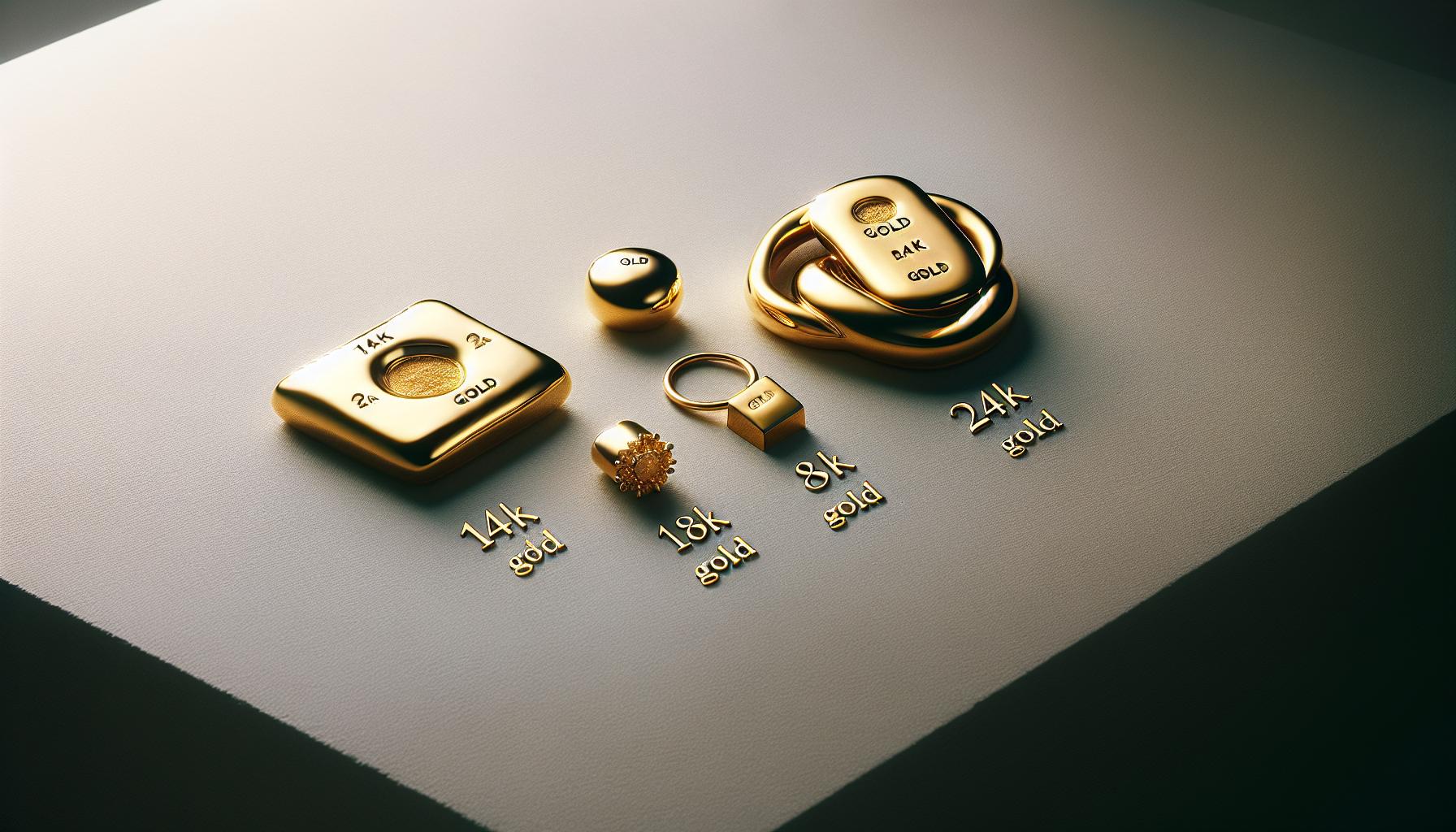
The Market Trends for 14k Gold Jewelry Investment
The allure of 14k gold jewelry extends beyond its beauty; it’s also a savvy investment choice that has shown resilience in changing market conditions. As we observe the broader trends in precious metals, 14k gold is increasingly recognized for its practical benefits and market viability. With gold often seen as a safe-haven asset, particularly during economic uncertainty, investing in 14k gold helps buyers not only enjoy exquisite pieces but also hedge against inflation and market volatility.
One key trend is the growing demand for personalized and unique jewelry designs, which often feature 14k gold. As consumers shift towards individualism in their style choices, the versatility of 14k gold makes it an excellent medium for artisans and jewelers. This trend supports the investment value of 14k gold jewelry, as unique pieces can command premium pricing and maintain desirability over time. Furthermore, the sustainability aspect of gold sourcing is becoming more prominent. Many investors are now looking for ethically sourced materials, which can create additional value for 14k gold that meets these standards.
Another significant factor influencing the market is the younger demographic entering the jewelry market. Millennials and Gen Z prioritize quality, durability, and investment potential when purchasing jewelry. This shift in consumer preferences tends to favor durable alloys like 14k gold over softer alternatives. As a result, as these groups grow their wealth, their inclination toward 14k pieces could push prices upward. With the recognition of 14k gold as both a beautiful adornment and a practical investment, this trend indicates a promising future for long-term value retention in this market segment.
Moreover, the global gold market has shown patterns of cyclical appreciation. Looking at historical data, gold prices typically rise during recessions, making jewelry crafted from gold a solid choice. As individuals increasingly turn to tangible assets, the intrinsic value of 14k gold continues to be supported by the factors of supply and demand. By choosing 14k gold jewelry, investors can feel confident in a commodity that is likely to appreciate over time-not only because of the gold content but also due to the craftsmanship and uniqueness that often accompany these pieces.
Signs of Quality: How to Assess 14k Gold Jewelry
When delving into the world of 14k gold jewelry, understanding the signs of quality is imperative for making a smart investment. 14k gold, composed of 58.3% pure gold mixed with other metals like copper and silver, not only offers durability but also carries significant intrinsic value. Quality assurance goes beyond the obvious shine; it encompasses factors such as craftsmanship, design, and proper markings. Knowing what to look for can empower buyers to make informed decisions and ensure their pieces hold value over time.
To begin, always check for authenticity and quality markers. Reputable 14k gold jewelry will often be stamped with “14K” or “585,” indicating the gold content. You might also find additional numbers or symbols that reflect the manufacturer’s identity or country of origin, adding an extra layer of credibility to your purchase. Beyond stamps, inspecting the piece for craftsmanship is crucial; high-quality jewelry will have consistent color, smooth edges, and well-finished settings that securely hold any gemstones without sharp or rough spots.
Craftsmanship Matters
The meticulousness of construction plays a pivotal role in ensuring the longevity and investment potential of jewelry. Here are key aspects to evaluate during your assessment:
- Joint Quality: Check how the components connect. Well-crafted joints are seamless and secure.
- Weight and Feel: Genuine 14k gold jewelry has a reassuring heft; lightweight pieces may indicate inferior quality or lower gold content.
- Surface Treatment: Look for uniform finishes; polished surfaces should be free from pits, scratches, or discoloration, which may signal subpar quality.
Investing in 14k gold jewelry is not merely about market trends; it is also about understanding and appreciating the artistry behind each piece. Real-life experience shows that items with unique designs or handcrafted elements often hold their value better than mass-produced counterparts. For example, artisan pieces featuring intricate designs or ethical sourcing tend to resonate more with buyers, increasing their desirability in the resale market.
In summary, when investing in 14k gold jewelry, prioritize pieces that exhibit authentic markings, exceptional craftsmanship, and unique design elements. By honing in on these quality signs, you can bolster your confidence in your investment while securing pieces that are likely to appreciate over time, combining beauty with financial sensibility.
Where to Buy 14k Gold Jewelry with Confidence
Finding the right places to purchase 14k gold jewelry can be transformative for your investment journey. Reputable vendors not only ensure the authenticity of your pieces but also enhance the likelihood of their value retention over time. Start by considering well-established jewelry stores and online platforms that specialize in fine jewelry. These retailers are more likely to offer high-quality products, often supported by certifications and guarantees of authenticity. Look for shops that have been in business for several years, as longevity can be a good indicator of reliability.
Reputable Sources and Certification
When purchasing 14k gold jewelry, seek sellers who provide authentic certification, which verifies that the gold content meets the claimed standards. Certifications from recognized organizations can enhance the trustworthiness of your purchase. Check for businesses that are members of industry associations like the Gemological Institute of America (GIA) or the American Gem Society (AGS), as these affiliations often indicate a commitment to high standards in quality and ethical sourcing.
- Local Jewelers: Visiting a local jeweler can offer personalized service and the opportunity to inspect pieces in person. Reputable local jewelers often have deep knowledge of their items.
- Online Retailers: Established online retailers may provide a broader selection and competitive pricing. Prioritize sites that allow customer reviews and return policies, ensuring your investment is secure.
- Auction Houses: Auction platforms can be excellent places to find unique pieces. Make sure to research the house’s reputation, and always check the grading and appraisal reports.
Additionally, exploring artisan fairs or local craft shows can lead you to unique 14k gold jewelry pieces. Artisan jewelry often combines quality craftsmanship with individuality, and buying directly from makers allows you to learn about their materials and techniques. When you invest in such pieces, not only might you find something unique, but you also support local artisans and sustainable practices.
Tips for Confident Purchases
Before finalizing a purchase, conduct thorough research. Explore various price points and compare them across different retailers. Remember that high-quality 14k gold should have a reassuring weight, and be mindful of any discrepancies between price and quality that may emerge. Always ask for receipts that include exact descriptions and certifications of gold content. If possible, inquire about the return policy; reputable sellers will offer flexible return options, affirming their confidence in the quality of their offerings.
By purchasing 14k gold jewelry from trusted sources, not only do you enhance your portfolio’s value, but you also support transparency and sustainability within the jewelry market. Making informed purchasing decisions empowers you to build a collection that honors both financial and ethical aesthetics in your investment journey.
Common Myths About Investing in Gold Jewelry
Investing in gold jewelry, particularly 14k gold, often comes with a host of misconceptions that can mislead potential buyers. A common myth is that all gold jewelry is created equal in terms of value retention. In reality, the value of gold jewelry can fluctuate based on its purity, craftsmanship, and market demand. Unlike 24k gold, known for its investment potential, 14k gold strikes a balance between durability and value, making it a practical choice for both everyday wear and investment purposes.
Another prevalent misconception is that the price paid for a gold piece is directly proportional to its investment potential. Many assume that more expensive jewelry will always retain its value. However, factors such as design, brand reputation, and uniqueness play significant roles. For instance, a well-crafted 14k gold piece from a renowned designer may hold its value better than a generic piece bought at a high price. Additionally, jewelry adorned with precious gemstones may appreciate differently than plain gold items, reflecting the value added by these enhancements.
It’s also important to address the belief that gold is immune to market fluctuations. While gold typically retains its value better than many currencies, its price can indeed vary based on economic conditions and global market trends. For example, during periods of economic uncertainty, gold usually becomes a favored investment, but during stable times, prices may drop. Therefore, while investing in 14k gold jewelry can be wise, it’s essential to stay informed about market dynamics and consider the timing of purchases and sales.
Lastly, many prospective investors assume that simply owning gold jewelry guarantees financial security. While owning tangible assets like gold can add a layer of stability to an investment portfolio, it does not eliminate risk. A well-rounded investment strategy should include a mix of assets to mitigate potential downturns in any one sector. Understanding these myths can empower investors to make more informed decisions, ensuring their investments not only look beautiful but also serve their financial goals.
Long-Term vs. Short-Term Investment: What’s Best?
Investing strategies can be as varied as the individuals who pursue them, yet one question persists: should you lean toward a long-term or short-term investment approach when it comes to 14k gold jewelry? This decision can significantly affect not only your financial returns but also your overall experience as an investor. Unlike stocks or bonds that fluctuate with market trends, gold jewelry has its own unique set of dynamics, making the investment path both intricate and fascinating.
When considering a short-term investment in 14k gold jewelry, the appeal often lies in the liquidity it offers. High-demand pieces, such as popular jewelry designs or those with artist recognition, can often be flipped quickly for profit, especially during peak buying seasons like holidays or special occasions. However, it’s essential to be cautious-short-term fluctuations in gold prices, influenced by economic events and consumer trends, could impact your ability to sell at a profit. This is why a keen understanding of market timing is crucial. Practical steps include monitoring gold prices, assessing trends in jewelry sales, and being nimble enough to act quickly.
On the other hand, the long-term investment approach typically favors those who view 14k gold jewelry as a blend of aesthetic value and financial security. Jewelry with a strong brand name or unique craftsmanship can appreciate significantly over time, often outpacing the market’s short-term volatility. Collectors and investors targeting this route should focus on pieces with historical value or that are part of limited collections. Furthermore, maintaining these pieces in excellent condition can enhance their resale value, providing an additional layer of security in the investment.
In summary, both short-term and long-term strategies come with distinct advantages and risks. Investors should weigh their own financial goals, risk tolerance, and market knowledge to make informed decisions. A diversified approach that balances both strategies might be an optimal way to harness the potential of 14k gold jewelry, enabling the blending of quick gains with stable, long-term wealth. Staying educated about market influences, community demand for specific styles, and the overall health of the global gold market can cultivate an empowered investing experience that aligns with both personal passion and financial objectives.
Care and Maintenance for Retaining Jewelry Value
Keeping 14k gold jewelry in pristine condition is essential for maximizing its value over time. With the right care and maintenance, you can preserve its beauty and investment potential while preventing common issues such as tarnishing and scratches. Additionally, maintaining your jewelry can significantly enhance its resale value, making it an even more prudent investment.
Regular Cleaning
Routine cleaning is vital to maintain the luster of your 14k gold pieces. You can use a gentle solution of warm water and a few drops of mild dish soap. Simply soak the jewelry for a few minutes, then use a soft toothbrush to gently scrub any crevices. After rinsing with clean water, pat dry with a soft cloth. For more intricate pieces, consider professional cleaning services every few years, as they can remove deeper tarnish and restore shine without damaging the jewelry.
Proper Storage
How you store your 14k gold jewelry also affects its longevity. Store your pieces individually in soft pouches or lined jewelry boxes to prevent scratches caused by friction. Avoid storing them in damp areas where moisture can lead to tarnishing. Special anti-tarnish pouches or cloths can further protect against oxidation. If you have items that incorporate gemstones, ensure they are stored separately since some gems are softer and more prone to scratches.
Avoiding Damage
Shielding your 14k gold jewelry from potentially harmful chemicals and environments is crucial. Remove your jewelry during activities such as swimming, exercising, and cleaning, as exposure to chlorine, sweat, or abrasive chemicals can tarnish or degrade the metal. Additionally, be cautious with perfumes or lotions; apply these products before putting on your jewelry to minimize exposure to harsh substances.
Professional Appraisals
Consider periodic professional appraisals to keep track of your jewelry’s market value. This can provide an updated assessment, especially if you plan to sell in the future. An appraisal also gives insight into any repairs that may be needed to maintain the jewelry’s condition and value, ensuring you’re always informed about your investment.
By implementing these simple care and maintenance practices, you not only keep your 14k gold jewelry looking beautiful but also enhance its long-term value retention. Proper maintenance can be seen as a commitment to your investment, ensuring that it remains an asset for years to come.
Real-Life Success Stories of Gold Jewelry Investors
Experiences from individuals who have invested in 14k gold jewelry reveal a trend of consistent value retention and unique benefits that extend beyond mere financial returns. For instance, Sarah, a young professional, started buying 14k gold pieces in her twenties. Initially motivated by fashion, she later discovered the potential for long-term investment. After a decade, she found that the market value of her collection had not only held steady but had seen significant appreciation, particularly in pieces that featured intricate designs. This experience drove her to consider 14k gold jewelry not only as adornment but as a viable asset class in her personal finance strategy.
Similarly, a couple in their forties invested in 14k gold jewelry as part of their blended financial strategy, combining both traditional investments and tangible assets. Their approach involved purchasing classic pieces during sales and accumulating them over time. When they faced unexpected medical expenses, they were able to sell some of their jewelry at a premium, thanks to diligent care and maintenance, ensuring it remained in optimal condition. Selling a few necklaces contributed to covering the bills, demonstrating the liquidity of 14k gold jewelry when needed.
Investing with Purpose
These stories underline the dual role of 14k gold jewelry as both a fashion statement and a financial safety net. Investing in quality pieces, especially those with design uniqueness or historical significance, has proven beneficial. The couple’s experience also highlights the importance of maintaining records-keeping receipts and appraisals helped them during resale, showcasing the value of thorough documentation.
Additionally, these successful investors often cultivate knowledge on market trends, educating themselves about what styles are in demand. For example, by following online jewelry forums and attending local estate sales, they remain aware of which pieces might yield the best returns. Engaging in such communities not only provides insights into tangible investment strategies but also fosters a sense of connection among like-minded individuals.
Conclusions Drawn
From these real-life success stories, it becomes clear that 14k gold jewelry can be smartly integrated into an investment portfolio. By nurturing an appreciation for quality, adopting best practices in care and maintenance, and leveraging market knowledge, investors can ensure that their gold jewelry not only endures through fashion cycles but retains and potentially grows its value over time. For those looking to blend beauty with practical investment, 14k gold jewelry stands out as a compelling choice.
The Environmental Impact of Gold Jewelry Investments
The global gold industry significantly impacts the environment, making it crucial for prospective investors to consider these factors when purchasing 14k gold jewelry. Traditional gold mining processes are associated with ecosystem destruction, water pollution, and a high carbon footprint due to the energy-intensive industrial methods employed. For instance, it is estimated that producing one ounce of gold generates approximately 10 tons of waste, exposing local communities to toxic chemicals such as mercury and cyanide used in extraction processes. This raises the question of sustainability in gold investments.
To mitigate these concerns, many jewelers and investors are turning towards responsible sourcing practices. Ethically sourced gold, often marked as recycled or reclaimed, minimizes environmental damage. By opting for 14k gold that has been recycled from old jewelry or electronic waste, consumers can diminish demand for newly mined gold. Businesses, such as those promoting fair trade and sustainable practices, help pave the way for environmentally conscious investing while still providing beautiful products that retain value. Utilizing recycled materials not only reduces the ecological footprint but can also satisfy the market demand for ethically produced goods, attracting eco-conscious consumers.
Investors can also take practical steps to ensure their gold jewelry investments align with environmental and ethical standards. When considering a purchase, ask about the sourcing of the gold. Look for certifications or labels that indicate responsible sourcing, such as the Responsible Jewellery Council certification. In addition, engaging with companies that practice transparency about their sourcing methods is essential.
Investing in 14k gold jewelry can hold both financial promise and an opportunity for positive environmental impact. By choosing pieces that are both exquisite and sustainably sourced, buyers contribute to a system that values ecological integrity while building their investment portfolios responsibly. This thoughtful approach allows gold jewelry to serve not just as a luxury item but as part of a broader commitment to environmental stewardship, enhancing the inherent value of these investments while fostering a more sustainable future.
Frequently Asked Questions
Q: Is 14k gold jewelry a good long-term investment?
A: Yes, 14k gold jewelry can be a good long-term investment due to its intrinsic value and demand in the market. Its durability and ideal gold content make it a favorite among both consumers and collectors. To maximize value retention, consider quality and care when purchasing and maintaining your pieces.
Q: How does the value of 14k gold jewelry compare to 24k gold?
A: While 24k gold is purer and typically offers higher value, 14k gold is more durable and suitable for everyday wear. It contains 58.3% gold, making it less prone to scratches and deformities, which can be advantageous for long-term use and value retention.
Q: What factors influence the resale value of 14k gold jewelry?
A: The resale value of 14k gold jewelry is influenced by factors such as market demand, gold prices, the condition of the piece, craftsmanship, and brand reputation. Being aware of these can help you make informed decisions about your investment.
Q: Does the design of 14k gold jewelry affect its value?
A: Yes, the design significantly affects the value of 14k gold jewelry. Unique and intricate designs typically fetch higher prices due to their artistic appeal and craftsmanship. Keep this in mind when selecting pieces that you hope to retain value.
Q: Where can I find reliable sources to buy 14k gold jewelry?
A: Reliable sources for purchasing 14k gold jewelry include established jewelry stores, reputable online retailers, and auctions specializing in fine jewelry. Ensure that you check for certifications and customer reviews to guarantee quality and authenticity.
Q: How do I maintain the value of my 14k gold jewelry?
A: To maintain the value of your 14k gold jewelry, store it properly in a cool, dry place, clean it gently with appropriate materials, and avoid exposing it to harsh chemicals. Regular maintenance helps preserve its appearance and integrity.
Q: What are the best investment strategies for gold jewelry?
A: The best investment strategies for gold jewelry include diversifying your collection, focusing on quality pieces from reputable brands, and keeping abreast of market trends. Analyze both current trends and historical value changes to make informed investments.
Q: Is it wise to invest in gold jewelry during economic downturns?
A: Investing in gold jewelry during economic downturns can be wise as gold is often viewed as a safe-haven asset. Its value may remain stable or even increase during economic uncertainty, making it a strategic investment choice.
Wrapping Up
As you consider investing in 14k gold jewelry, remember that it not only retains value but also serves as a timeless accessory that can enhance your personal style. If you’re eager to explore the potential of your investment further, check out our in-depth articles on caring for your gold jewelry and understanding gold pricing.
Don’t let indecision hold you back-now is the perfect time to make a choice that resonates both personally and financially. Whether you have lingering questions or want to dive deeper into the world of fine jewelry, join our community by signing up for our newsletter or reaching out for personalized advice today. Your journey into the world of valuable investments starts here, and we’re here to guide you every step of the way. Share your thoughts below and let us know how we can assist you further in this exciting endeavor!
Get our latest guides, news, and insights highlighted in your Google Search & AI Overviews.