Every year, human activities release over 100 times more carbon dioxide than natural events like volcanic eruptions, fundamentally changing our atmosphere and climate systems. This staggering fact emphasizes the crucial question: Is human activity the primary cause of climate change? As our planet faces increasingly severe weather events, rising sea levels, and disrupted ecosystems, it’s vital to understand our role in these transformations. By examining how various sectors-from energy production to transportation-contribute to greenhouse gas emissions, we can make informed decisions for a sustainable future. This exploration not only aids in grasping the complexities of climate science but also empowers you to advocate for change, mitigate impacts, and foster solutions for our collective environment. Dive into this critical discussion and discover how individual and societal actions intersect with the urgent global challenge of climate change.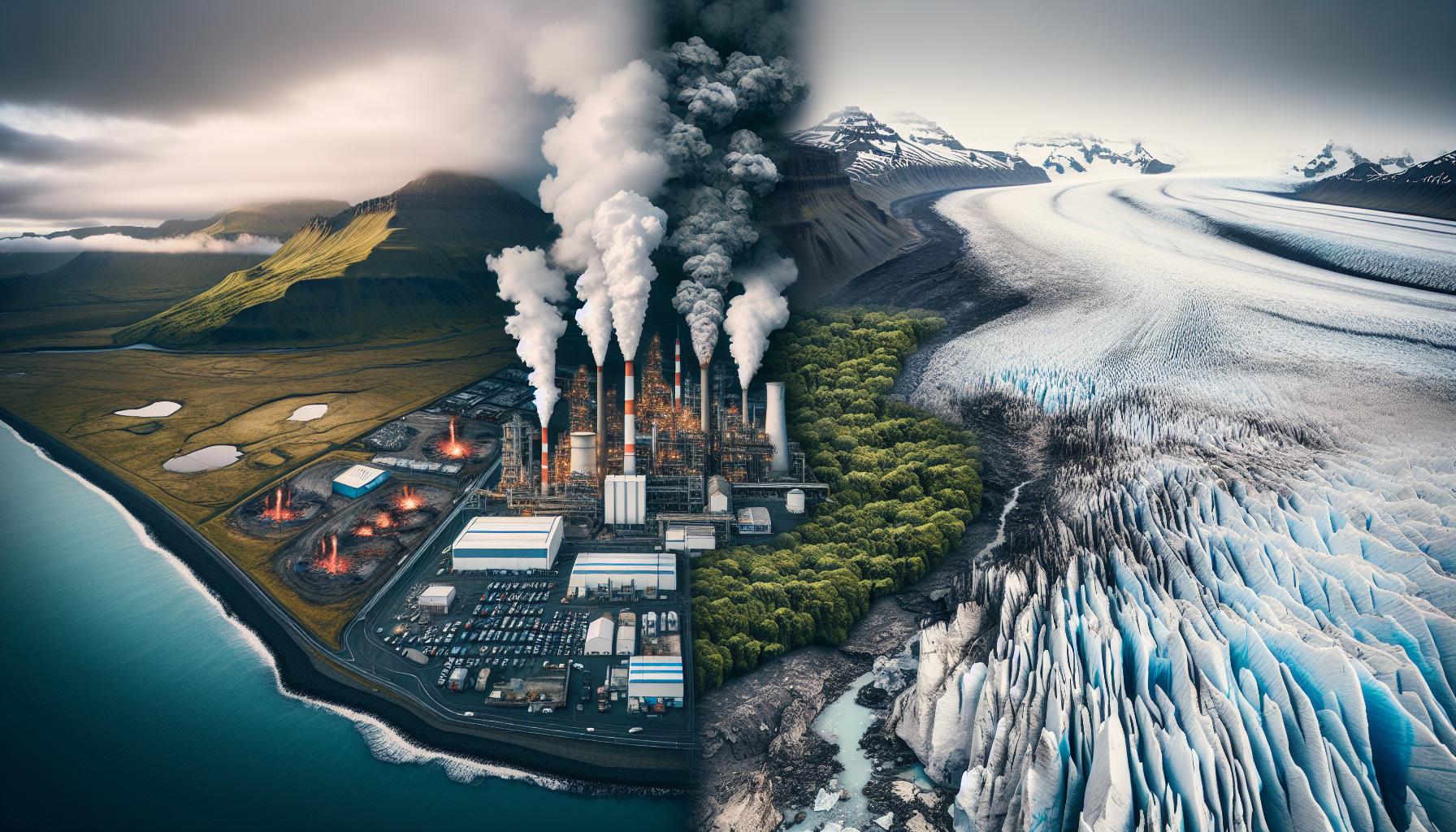
The Science Behind Climate Change: Human vs. Natural Factors
The intricate dynamics of climate change are often oversimplified, leading to polarized debates about human versus natural contributions. While Earth’s climate has historically fluctuated due to natural factors such as volcanic eruptions, solar radiation changes, and oceanic currents, the current trajectory of climate change is markedly distinct. According to scientific consensus, primarily driven by extensive research, it is the unprecedented levels of greenhouse gases emitted by human activities that have accelerated global warming beyond natural variability.
Industrialization plays a significant role in this phenomenon. The rapid growth of industries since the mid-20th century has led to a dramatic increase in carbon dioxide and other greenhouse gas emissions. Power plants generating electricity burn fossil fuels-coal, oil, and natural gas-releasing large amounts of CO2 into the atmosphere. For instance, data shows that energy production is responsible for approximately 73% of total greenhouse gas emissions in many developed countries. This stark reality underlines the urgent need for a transition to more sustainable energy sources, such as wind, solar, and hydropower.
Deforestation exacerbates the situation, as trees that once absorbed CO2 are cut down for agriculture, urban development, and logging. The loss of forests not only increases the amount of carbon dioxide in the atmosphere but also diminishes biodiversity and disrupts water cycles. In fact, studies estimate that deforestation accounts for about 10-15% of global greenhouse gas emissions. Innovative reforestation initiatives and sustainable land management can make significant strides towards mitigating these effects.
Agricultural practices also contribute significantly to climate change, often overlooked in discussions. Intensive farming methods release methane and nitrous oxide-both potent greenhouse gases-through livestock digestion and the use of nitrogen-based fertilizers. Reforming agricultural practices by adopting regenerative farming techniques can reduce emissions while enhancing soil health and food security.
Understanding the balance between human and natural influences is crucial for effective climate action. The overwhelming scientific evidence supports the conclusion that while natural factors do contribute to climate variability, human activities are the primary driver of the current climate crisis. By acknowledging this reality, society can mobilize towards sustainable practices and policies that not only address the symptoms of climate change but also tackle its root causes.
How Human Activities Accelerate Global Warming
The stark reality is that human activities are driving unprecedented changes in the Earth’s climate at a pace and scale never before witnessed. Data reveal that between 1990 and 2021, global carbon dioxide emissions increased by over 60%, a clear indicator that our emissions are the primary culprit behind the current climate crisis. This shift is not merely a result of natural variations but is significantly fueled by our reliance on fossil fuels, industrial agriculture, and deforestation practices.
The Emissions Puzzle
One of the most pressing sources of greenhouse gases is energy production, which alone accounts for around 73% of total emissions in many industrialized nations. Traditional energy sources such as coal, oil, and gas release substantial CO2 when burned for electricity and heat. For instance, in the U.S., coal-fired power plants were responsible for nearly 30% of carbon emissions as of 2020, despite a gradual shift towards cleaner energy sources. Transitioning to renewable energies like solar, wind, and hydropower is not only possible but necessary to avert the worst impacts of climate change.
Deforestation’s Double Whammy
Moreover, deforestation compounds the problem. Each year, millions of acres of forests are cleared for agriculture, urbanization, and logging, which not only releases the carbon stored in trees but also decreases the planet’s capacity to absorb CO2. In fact, studies estimate that deforestation contributes to about 10-15% of global greenhouse gas emissions. Sustainable forestry practices and reforestation initiatives offer promising solutions, helping to restore ecosystems and capture carbon.
Invisible Emissions from Agriculture
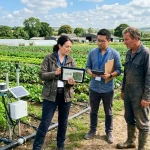
Equally concerning is the agriculture sector, which is often overlooked as a significant contributor to global warming. Intensive farming practices emit methane from livestock and nitrous oxide from fertilizers-both greenhouse gases far more potent than carbon dioxide. Shifting to regenerative agriculture can mitigate these emissions. Techniques such as crop rotation, cover cropping, and reduced tillage not only sequester carbon but also enhance soil health, proving that smart agricultural practices can yield both environmental and economic benefits.
By recognizing and addressing how these human activities accelerate global warming, we can make informed decisions that foster a healthier planet. Embracing innovative strategies and solutions will be essential not only for our survival but for future generations to thrive. The path forward is not only about reducing emissions; it’s about redefining our relationship with the environment and committing to sustainability now.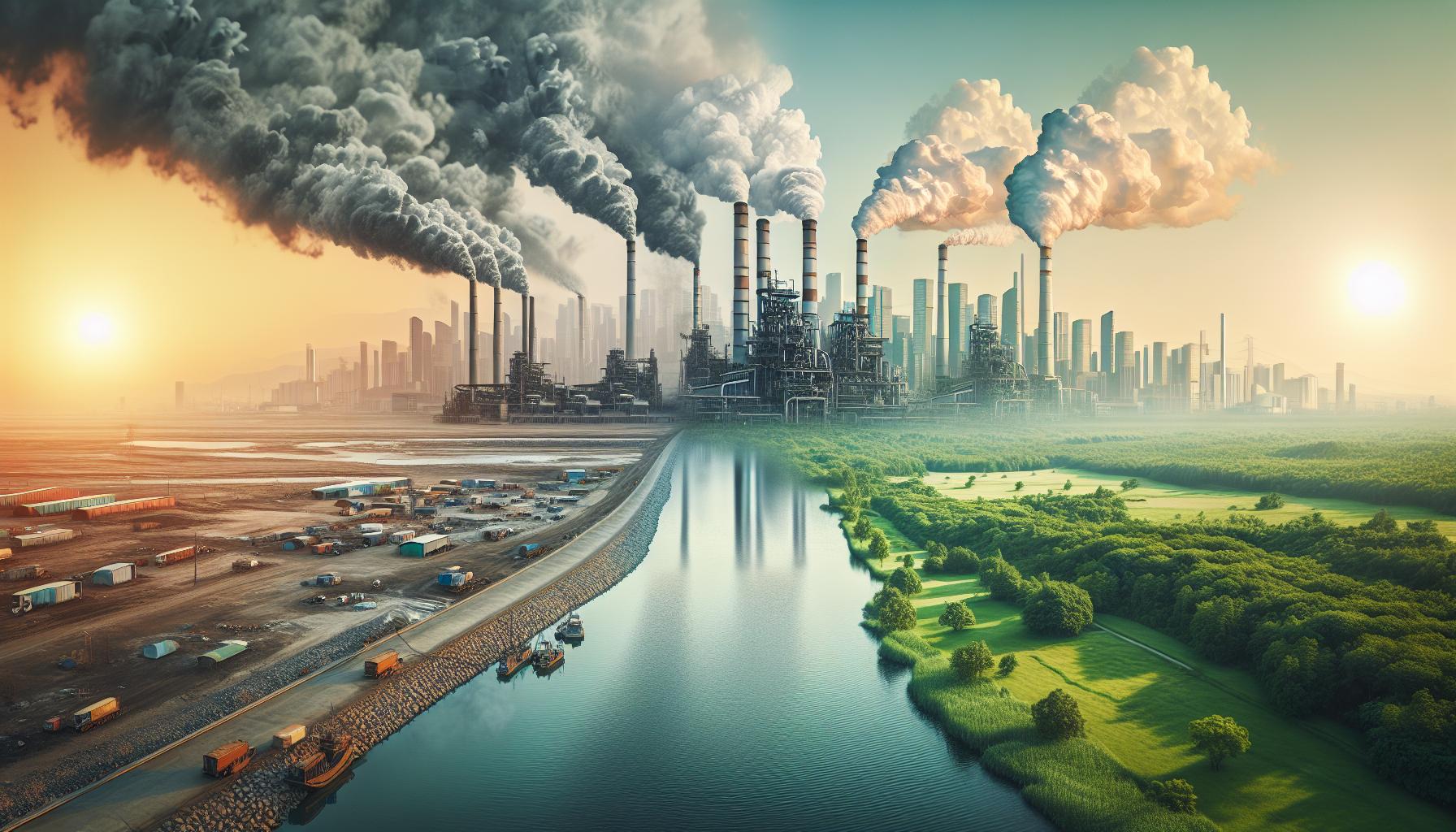
The Role of Industrialization in Climate Change
The exponential growth of industrialization since the late 18th century has fundamentally transformed our economies, societies, and, most critically, our planet. By shifting from agrarian societies to industrialized ones, humanity has inadvertently unleashed a torrent of greenhouse gas emissions, which have propelled climate change at an alarming rate. While industrialization has brought about significant economic benefits, it has come at a steep environmental cost, fundamentally altering the Earth’s climate system.
One of the most significant impacts of industrialization is the massive increase in the burning of fossil fuels. The combustion of coal, oil, and natural gas for energy production, transportation, and manufacturing contributes to approximately 73% of global greenhouse gas emissions, a staggering figure that reflects our dependence on these energy sources [1]. For instance, in the early stages of industrialization, coal became the dominant energy source, enabling rapid economic expansion but simultaneously releasing vast amounts of carbon dioxide into the atmosphere. Today, the transition to renewable energy sources is crucial; nations are exploring alternatives like wind, solar, and hydroelectric power to diminish their carbon footprint while continuing to meet energy demands.
Furthermore, industrial processes are not limited to energy production; they also involve significant resource extraction and production practices that generate waste and emit pollutants. Industrial agriculture, for example, has optimized food production but is a major driver of deforestation and habitat destruction. The clearing of forests for farmland or for urban expansion contributes around 10-15% of global greenhouse gas emissions by releasing stored carbon [1]. Solutions like sustainable agriculture and reforestation are vital, presenting opportunities for communities to enhance food security while simultaneously restoring natural ecosystems.
Equally important is recognizing how the innovations derived from industrialization can also serve as tools for combating climate change. The development of cleaner technologies and energy-efficient processes provides pathways to reduce emissions substantially. Governments, industries, and individuals alike are increasingly charged with the responsibility to invest in sustainable practices and innovative solutions. Engaging in policies that promote energy efficiency, waste reduction, and the use of renewable materials can yield significant benefits for the environment, aligning economic growth with sustainability.
In conclusion, while industrialization has been a driving force behind economic progress, it is crucial to balance this advancement with environmental stewardship. By understanding the connection between industrial practices and climate change, we can advocate for systemic changes that prioritize sustainability for future generations. Through collective action, we can strive to reverse the harmful impacts of industrialization, paving the way for a more eco-friendly economy that minimizes greenhouse gas emissions and enhances the health of our planet.
Deforestation and Its Impact on the Climate Crisis
The world is losing forests at an alarming rate, and this deforestation has catastrophic implications for the climate crisis. Every year, roughly 10 million hectares of forests are lost due to agricultural expansion, logging, and infrastructure development. These forests play a critical role in regulating the Earth’s climate by sequestering carbon dioxide, which means that their removal not only releases vast quantities of stored carbon back into the atmosphere but also diminishes the planet’s ability to absorb future emissions. According to the Food and Agriculture Organization (FAO), deforestation accounts for around 10-15% of total greenhouse gas emissions, underscoring the urgent need for action in this area.
Understanding Deforestation’s Role in Climate Change
When trees are cut down or burned, the carbon stored within them is emitted as carbon dioxide, a major greenhouse gas. This process dramatically accelerates climate change, leading to more extreme weather events, rising sea levels, and disruptions to ecosystems. For instance, the Amazon rainforest, often referred to as the “lungs of the Earth,” is a vital carbon sink. Its degradation not only exacerbates greenhouse gas emissions but also threatens biodiversity, as countless species depend on these ecosystems for survival. By protecting and restoring forests, we not only enhance biodiversity but also bolster our fight against climate change.
Practical Steps Toward Reducing Deforestation
To combat the impacts of deforestation, individuals, communities, and governments can adopt several strategies:
- Support Sustainable Practices: Choose products that are certified sustainable, like timber and palm oil. This encourages industries to adopt better practices that minimize ecological harm.
- Engage in Reforestation: Participate in or contribute to reforestation projects. Planting trees reduces carbon levels, while also restoring habitats for wildlife.
- Advocate for Policy Change: Support policies and legislation that protect forests and regulate logging activities. Engaging in local and national dialogues can amplify the call for action.
- Reduce Consumption: Be mindful of consumption habits. Reducing meat intake, for example, can lessen the demand for land conversion for agriculture.
A Collective Effort for a Greener Future
Changing the trajectory of deforestation requires collective action. Governments, industries, and individuals must collaborate to implement sustainable land-use practices. For example, agroforestry-a practice that integrates agriculture and forestry-has proven to be an effective way to maximize land productivity while preserving tree cover. By understanding the vital role that forests play in climate stability, we can foster a sense of stewardship that inspires proactive measures.
The path to combating climate change begins with recognizing and addressing the factors contributing to deforestation. By taking informed action today, we can protect our planet for future generations and mitigate the adverse effects of climate change-one tree at a time.
Agricultural Practices: A Hidden Contributor to Climate Change
The agricultural sector, often overshadowed by fossil fuel consumption, is a significant and often hidden contributor to climate change. The methods used in modern agriculture, such as deforestation for land expansion, intensive livestock production, and the heavy use of fertilizers, collectively release substantial greenhouse gases into the atmosphere. In fact, agriculture accounts for around 24% of global greenhouse gas emissions, primarily through methane and nitrous oxide emissions, which are many times more potent than carbon dioxide.
One of the major drivers of emissions within agriculture is deforestation. Each year, millions of hectares of forest are cleared to make way for crops and livestock. This not only releases stored carbon but also eliminates crucial carbon sinks necessary for mitigating climate change. Sustainable agricultural practices, such as crop rotation, agroforestry, and the use of cover crops, can effectively reduce the need for land expansion and improve soil health. For instance, integrating trees into agricultural landscapes-known as agroforestry-can enhance biodiversity, conserve water, and increase carbon sequestration, offering a multi-faceted approach to both food production and climate stabilization.
Moreover, livestock production, particularly cattle ranching, is a major source of methane, a greenhouse gas with a global warming potential over 25 times that of carbon dioxide over a 100-year period. Reducing meat consumption, supporting plant-based diets, and implementing better pasture management can help lower these emissions. Studies have shown that shifting just one meal a week to plant-based foods can significantly reduce an individual’s carbon footprint.
To take practical steps towards minimizing the agricultural sector’s impact on climate change, consumers can support sustainable practices by choosing products certified as organic or sustainable. Furthermore, engaging in local food systems-like farmers’ markets or community-supported agriculture-can promote farming practices that protect the environment. Advocacy for policy changes that incentivize sustainable agricultural practices and disincentivize harmful ones can also play a critical role in transforming the landscape of modern agriculture. By prioritizing sustainability, we can mitigate the adversities brought about by climate change while ensuring food security for future generations.
The Link Between Fossil Fuels and Climate Change
The burning of fossil fuels is the single most significant factor in driving climate change, accounting for approximately 68% of global greenhouse gas emissions. A staggering 89% of carbon dioxide emissions originate from fossil fuel combustion and industrial processes, as highlighted by the Intergovernmental Panel on Climate Change (IPCC). This relentless reliance on coal, oil, and gas in our energy systems propels global temperatures to alarming levels, leading our planet into uncharted territory marked by extreme weather events, rising sea levels, and disrupted ecosystems.
The detrimental impacts of fossil fuel consumption extend far beyond the immediate environmental ramifications. As global energy demand surges, particularly in developing nations, the pressure to extract and utilize these resources increases. This cycle not only exacerbates carbon emissions but also threatens biodiversity as habitats are destroyed for extraction purposes. Addressing this crisis requires a multifaceted approach that prioritizes energy efficiency and renewable alternatives. For instance, transitioning to solar and wind energy not only mitigates emissions but also promises job creation and energy independence.
To catalyze meaningful change, both individuals and industries can take proactive steps. For individuals, simple strategies such as reducing energy consumption, utilizing public transportation, or opting for energy-efficient appliances can lead to significant reductions in carbon footprints. On a larger scale, corporations can commit to sustainability by adopting cleaner technologies and investing in carbon offset programs. Communities can advocate for policies that incentivize the reduction of fossil fuel dependency and support the development of renewable energy infrastructure.
In conclusion, while fossil fuels have powered industrial advancements and economic growth over the last century, their linked contribution to climate change cannot be overstated. It is imperative that we shift our focus toward sustainable energy systems that diminish fossil fuel reliance, ensuring a healthier, more resilient planet for future generations. Through collective action and informed choices, we have the power to reshape our energy future and combat climate change effectively.
Climate Change Myths: Separating Fact from Fiction
It’s a common misconception that climate change is the result of natural fluctuations in the Earth’s climate system. In reality, overwhelming scientific evidence points to human activity as the primary driver of the rapid changes we are witnessing today. The Intergovernmental Panel on Climate Change (IPCC) asserts that human activities have led to unprecedented increases in greenhouse gas concentrations, which are now at levels not seen in millions of years. This fact alone helps to debunk the myth that climate change is merely part of a natural cycle.
One prevalent belief is that the science behind climate change is uncertain. However, over 97% of climate scientists agree that human activities-especially the burning of fossil fuels and deforestation-are significant contributors to the increase in global temperatures. The consensus is supported by extensive research and peer-reviewed studies that illustrate a clear link between human actions and climate alterations. Misinterpretations of data and deliberate misinformation often hinder public understanding, which is why it’s crucial to rely on reputable sources for information about climate science.
Another myth is that climate change impacts are only evident in the distant future. In contrast, we are already experiencing severe weather events, rising sea levels, and shifting ecosystems that threaten wildlife and human populations alike. For instance, extreme weather conditions-such as hurricanes, droughts, and floods-have become more frequent and severe, resulting in economic losses and humanitarian crises across the globe. The reality is that the time to act is now; we must confront these challenges head-on rather than waiting for future generations to deal with escalating consequences.
To combat misinformation, individuals can take proactive steps. Educating oneself and others about climate change through credible resources is essential. Engaging in local community actions, such as attending workshops or participating in sustainability initiatives, can also foster awareness and drive collective action. Moreover, supporting policies that prioritize renewable energy and reducing carbon emissions can lead to systemic changes necessary to mitigate climate impacts.
In summary, separating fact from fiction about climate change is crucial not only for personal understanding but also for effective advocacy. By acknowledging the significant role that human activity plays in climate change, we can work together to implement solutions that promote a more sustainable future for our planet.
Consequences of Climate Change: What’s at Stake?
The rapid changes in our climate are not just abstract scientific concepts; they have tangible consequences that threaten every aspect of life on Earth. As temperatures rise and weather patterns become increasingly erratic, we face a cascade of challenges that impact human health, food security, biodiversity, and economic stability. For example, the World Health Organization estimates that climate change will cause an additional 250,000 deaths per year between 2030 and 2050, due to factors like malnutrition, heat stress, and the spread of infectious diseases. Such figures underscore the vital need for immediate and impactful action.
The consequences also disproportionately affect vulnerable communities. Low-income populations, indigenous peoples, and those living in coastal areas are especially at risk, as they often lie in regions more susceptible to natural disasters, such as hurricanes and flooding. Rising sea levels threaten to displace millions from their homes, fueling climate refugees and creating new geopolitical tensions. The United Nations has already warned that the world could see as many as 200 million climate migrants by 2050 if current trends continue.
Furthermore, our agricultural systems are under increasing strain due to climate change. Unpredictable weather patterns could lead to reduced crop yields, exacerbating food insecurity across the globe. For instance, the Intergovernmental Panel on Climate Change (IPCC) projects that without significant mitigation efforts, global crop production could drop by up to 30% by the end of the century. Such declines in food availability can lead to increased prices and conflicts over resources, exacerbating existing inequalities.
Given the pressing nature of these challenges, it is crucial for individuals, governments, and organizations alike to engage in climate action. This can take many forms, from adopting renewable energy sources to supporting sustainable agricultural practices. By prioritizing sustainability, we not only address the immediate consequences of climate change but also pave the way for a more resilient and equitable future. Looking to the future, proactive strategies can help mitigate these risks, ultimately fostering a more sustainable and balanced world.
Global Responses to Climate Change: Policies and Action Plans
Governments and organizations around the world are recognizing that collective action is essential to combat climate change, which is primarily driven by human activities. Policymakers are increasingly adopting a range of strategies that not only address emissions but also promote sustainable practices across various sectors. Notably, the National Wildlife Federation emphasizes the need to cut greenhouse gas emissions in half by 2030 and achieve net-zero emissions by 2050. These ambitious goals can be pursued through practical solutions that integrate energy efficiency, adaptation measures, and carbon recapture technologies, ensuring resilience while addressing the climate crisis head-on [[3]].
To effectively combat climate change, a diverse array of policies is being implemented globally. Many countries are adopting climate action plans that outline specific targets for reducing greenhouse gas emissions. For instance, state-level initiatives in the U.S. focus on promoting clean energy resources, including wind and solar power, and implementing carbon pricing mechanisms that encourage businesses to lower their emissions. These policies not only target the power sector but also extend to transportation and agriculture, sectors that are significant contributors to greenhouse gas emissions [[2]].
The connection between policy and community resilience is critical. Investments in sustainable infrastructure can enhance community safety, protect biodiversity, and create family-sustaining jobs. Innovative financing options, such as green bonds and public-private partnerships, empower communities to engage in climate adaptation and mitigation efforts effectively. Additionally, strategies like reforestation, development of green spaces, and support for local agriculture can increase carbon capture while providing community benefits. By aligning environmental investments with economic growth, we can transition toward a low-carbon economy that supports both people and the planet.
As the impact of climate change becomes increasingly urgent, collaborative global efforts are vital. Nations must share knowledge and resources to implement best practices effectively. Ultimately, inclusive and equitable policies that address the realities of climate change can create a sustainable future, ensuring that all communities are better prepared to adapt to the changing environment and its challenges.
Innovative Solutions for Reducing Human Impact
The increasing recognition of climate change as a pressing issue has spurred a wave of innovative solutions aimed at reducing human impact on the environment. From urban infrastructure enhancements to cutting-edge technological advancements, these innovative strategies promise to mitigate the adverse effects of human activity on the climate.
Utilizing Nature-Based Solutions
One of the most effective ways to combat climate change is through nature-based solutions, which involve working with the natural environment to enhance resilience and reduce emissions. Forest restoration, for example, has emerged as a powerful tool for carbon sequestration. By reforesting degraded lands, communities can absorb significant amounts of CO2, improve biodiversity, and promote soil health. A notable case is the Trillion Tree Campaign, which seeks to plant a trillion trees globally, demonstrating how collective action can lead to profound environmental benefits. In urban settings, green roofs and urban forests help regulate temperature, improve air quality, and reduce the heat island effect.
Technological Innovations
Technology also plays a crucial role in reducing human impact on the climate. One promising approach is the development and implementation of renewable energy technologies. Solar panels and wind turbines have seen dramatic reductions in cost, making them more accessible to both individuals and businesses. For instance, community solar projects allow multiple households to benefit from solar energy without the need for individual installations. Additionally, innovations in battery storage are enhancing energy efficiency and reliability, enabling the widespread adoption of intermittent renewable sources.
Rethinking Urban Design
Redesigning urban spaces to prioritize sustainability is vital for mitigating climate change. Concepts such as “15-minute cities,” where all necessary services are accessible within a short walk or bike ride, aim to reduce reliance on automobiles, thereby cutting greenhouse gas emissions. By promoting public transportation, enhancing cycling infrastructure, and increasing green spaces, cities like Paris are setting benchmarks for sustainable urban living. These strategies not only reduce emissions but also improve quality of life and public health.
Empowering Local Communities
Engaging communities in sustainability efforts fosters a sense of ownership and responsibility. Initiatives like community-supported agriculture (CSA) encourage local food production, which reduces the carbon footprint associated with food transportation. Similarly, local governments are creating incentives for businesses to adopt eco-friendly practices, furthering a culture of sustainability. Educational campaigns that emphasize the importance of reducing waste, conserving energy, and supporting local economies can galvanize community action, showcasing that individual choices contribute to a collective impact.
By leveraging these innovative solutions, societies can significantly lower their carbon footprints while fostering resilience against the impacts of climate change. Each strategy not only addresses human-induced environmental challenges but also transforms communities, creating a more sustainable and equitable future.
The Future of Climate Change: Predictions and Trends
The trajectory of climate change presents a critical challenge that hinges primarily on human activity. As we look into the future, the predictions and trends emerging from current data reveal not only the potential consequences of inaction but also the significant opportunities for transformative change. The Intergovernmental Panel on Climate Change (IPCC) has indicated that without immediate and sustained reductions in greenhouse gas emissions, global temperatures could rise by 1.5°C or more above pre-industrial levels by 2040, prompting severe environmental disruptions. However, each degree matters: limiting warming to 1.5°C instead of 2°C could mean saving millions of lives, preserving ecosystems, and safeguarding economic stability.
Shifts in Climate Patterns
As human actions continue to drive climate change, we can expect noticeable shifts in weather patterns and climate zones. Extreme weather events such as hurricanes, droughts, and heatwaves are projected to increase in frequency and intensity. For example, the 2020 Atlantic hurricane season shattered records, with storms coming in rapid succession-a clear indicator of an unstable climate fueled by rising ocean temperatures. As agriculture increasingly faces these unpredictable changes, effective adaptation strategies will be crucial. Farmers may need to shift cropping patterns, adopt drought-resistant crops, and invest in irrigation technologies to ensure food security.
Advancements in Technology and Policy
The future also holds promise through advancements in technology and policy frameworks aimed at mitigating climate change. Renewable energy sources like solar, wind, and hydroelectric power are expected to dominate the energy sector. Innovations in energy storage, such as more efficient batteries, are crucial for harnessing renewable energy’s full potential. Moreover, governments globally are beginning to recognize the need for comprehensive climate strategies. The European Union’s Green Deal, which aims to make Europe climate-neutral by 2050, exemplifies a commitment to not only transition to clean energy but also create jobs in green industries.
Community Engagement and Individual Action
Empowering individuals and communities will also play a pivotal role in shaping our climate future. Grassroots movements advocating for sustainable practices can catalyze broader societal changes. Programs like community-supported agriculture (CSA) provide local access to seasonal produce, thereby reducing carbon footprints associated with food transportation. Furthermore, educational campaigns that focus on lifestyle changes-such as reducing waste, conserving energy, and embracing sustainable transport options-can lead to significant cumulative impacts. Each person’s efforts contribute to a larger movement toward a sustainable future.
In summary, while human activities are undeniably the primary cause of climate change, there is a concerted global effort underway to address these challenges head-on through innovative solutions and transformative policies. The choices made today, both at individual and systemic levels, will resonate through future generations, making the engagement of every person essential in this collective journey toward sustainability. By actively participating in climate action-be it through technology adoption, community initiatives, or personal lifestyle changes-we can chart a path toward a resilient and thriving planet.
Empowering Action: How Individuals Can Make a Difference
Understanding how individual actions contribute to the fight against climate change is more crucial than ever. Recent studies indicate that while personal efforts alone cannot solve the climate crisis, they play a pivotal role in driving systemic change. For instance, individuals adopting sustainable practices can inspire communities and influence policies, creating a ripple effect that amplifies the impact of collective actions. Beyond personal choices, every individual holds the power to advocate for policy changes and support initiatives aimed at reducing carbon emissions.
One effective strategy individuals can leverage is to engage in local community efforts. Initiatives like community-supported agriculture (CSA) not only reduce the carbon footprint associated with food transportation but also foster connections between local producers and consumers. By participating in or organizing local clean-up events, tree-planting drives, or educational workshops about sustainable practices, individuals can help raise awareness and galvanize broader community engagement. Additionally, advocating for the adoption of greener technologies, such as solar power or energy-efficient appliances, benefits not only the environment but also helps to cultivate a culture of sustainability in everyday life.
Moreover, voting for policies that prioritize climate action can significantly impact the pace and scale of environmental initiatives. Individuals can support candidates and legislation that focus on renewable energy, carbon pricing, and sustainable infrastructure. By making informed choices at the ballot box, citizens can help shift the political landscape towards more aggressive climate policies. This systemic change is paramount, as effective climate action requires collective governance that aligns with individual lifestyles.
Lastly, simple lifestyle changes can yield profound benefits. Adopting practices such as reducing single-use plastics, conserving energy by using LED bulbs, minimizing water waste, and opting for public transportation or biking can collectively lead to a dramatic reduction in personal carbon footprints. These small actions, when multiplied by millions, contribute significantly to global efforts against climate change.
In summary, while human activity is the primary driver of climate change, individual contributions can create meaningful change. By embracing community engagement, advocating for policy reforms, and making conscientious personal choices, everyone can partake in the essential journey towards a sustainable, resilient planet.
Faq
Q: What percentage of climate change is attributed to human activity?
A: Studies suggest that human activities, particularly the burning of fossil fuels and deforestation, are responsible for over 90% of global warming since the mid-20th century. Significant contributors include carbon dioxide emissions from industry and transportation, which have substantially increased atmospheric greenhouse gas concentrations.
Q: How does industrialization contribute to climate change?
A: Industrialization significantly contributes to climate change by increasing greenhouse gas emissions through energy consumption. Factories often burn fossil fuels, releasing large amounts of carbon dioxide, methane, and nitrous oxide, which trap heat in the atmosphere. Transitioning to renewable energy can mitigate this impact.
Q: Are there natural factors influencing climate change as well?
A: Yes, natural factors such as volcanic eruptions, solar radiation changes, and natural climate variability can influence the climate. However, the overwhelming scientific consensus indicates that recent climate changes are primarily driven by human-induced factors, overshadowing natural contributions.
Q: What role do deforestation and agriculture play in climate change?
A: Deforestation and unsustainable agricultural practices release stored carbon dioxide into the atmosphere and reduce the planet’s capacity to absorb CO2. Deforestation can account for nearly 10% of annual greenhouse gas emissions, while agriculture contributes through livestock methane emissions and fertilizer nitrous oxide emissions.
Q: Why are fossil fuels significant in the discussion of climate change?
A: Fossil fuels are a major source of greenhouse gas emissions, which drive climate change. Their combustion for electricity, heat, and transportation produces a significant portion of the world’s carbon dioxide emissions. Reducing fossil fuel reliance is critical for lowering emissions and combating climate change.
Q: What myths exist about human impacts on climate change?
A: Common myths include the belief that climate change is a natural cycle or that individual actions do not matter. In reality, research shows that while natural cycles exist, current climate change trends are primarily influenced by human activities, making individual and collective actions essential in addressing the crisis.
Q: How can individuals help reduce their impact on climate change?
A: Individuals can reduce their climate impact by adopting sustainable practices such as using public transportation, reducing energy consumption, supporting renewable energy sources, and minimizing waste. Engaging in local conservation efforts and advocating for climate-friendly policies also contributes to larger systemic change.
Q: What are the long-term consequences of climate change?
A: Long-term consequences of climate change include rising sea levels, more extreme weather events, loss of biodiversity, and threats to food and water security. These impacts pose significant risks to ecosystems, human health, and economic stability, necessitating urgent action to mitigate effects.
In Conclusion
In conclusion, recognizing that human activity is a significant driver of climate change compels us to take immediate action. Our choices shape not only the environment but also our future generations’ lives. By exploring strategies for sustainable living and understanding the urgency highlighted in our discussion, you can be part of the solution. Delve deeper into how you can contribute by checking out our guides on climate action coalitions and the interconnectedness of food systems and climate change.
Don’t stop here! Join our newsletter for the latest updates on climate initiatives and insights. Together, we can address concerns about climate impacts and the role of finance in fostering a sustainable future. Share your thoughts below, and let’s engage in a movement towards effective climate solutions. Your voice matters now more than ever!
Get our latest guides, news, and insights highlighted in your Google Search & AI Overviews.