Dyslexia affects approximately 1 in 10 people, yet its social and emotional toll can often be overlooked. This learning disorder not only creates challenges in reading and writing but also impacts self-esteem, social interactions, and overall mental health. For those navigating dyslexia, feelings of frustration and isolation are common, making it crucial to understand how these challenges shape their daily experiences. By unpacking the social and emotional dimensions of dyslexia, we aim to foster empathy and provide strategies for strengthening support systems. Understanding this relationship can empower individuals with dyslexia and those around them to cultivate resilience and a supportive environment. Join us as we explore these vital connections and discover actionable insights that can lead to positive change.
Understanding Dyslexia: A Comprehensive Overview
Dyslexia is a complex learning difference that affects how individuals process language, leading to difficulties with reading, writing, and spelling. It is crucial to recognize that dyslexia is not a reflection of intelligence; many people with dyslexia possess strong problem-solving skills and creative talents. Understanding this distinction can empower those affected and educate their peers about the challenges faced by dyslexic individuals in an academic context and beyond.
Individuals with dyslexia often struggle with more than just academic performance. For instance, they experience hurdles in grasping complex language skills, which can lead to issues with grammar, comprehending textbook content, and expressive writing. This disconnect can be particularly pronounced when confronted with the demands of higher education. Each of these obstacles not only impacts learning but can also take an emotional toll, leading to frustration and a sense of inadequacy. It’s important to approach these challenges with empathy and support, recognizing the effort that individuals with dyslexia put into their learning.
To foster a supportive environment for individuals with dyslexia, tailored strategies and practical tools are essential. Implementing multi-sensory learning approaches can greatly enhance understanding and retention. For example, using visual aids like graphic organizers or interactive software can help learners with dyslexia better navigate their reading and writing tasks. Additionally, establishing a predictable routine and incorporating assistive technologies can provide further support, helping individuals feel more secure and confident in their learning journey.
Promoting awareness and advocacy for dyslexia can create more inclusive environments in schools and workplaces. Encouraging open discussions about the neurological aspects of dyslexia and its effects on emotional well-being can dismantle stigma and build solidarity among peers. As communities embrace diverse learning needs, they not only support individuals with dyslexia but also cultivate an educational landscape where all students can thrive.
The Emotional Toll of Dyslexia on Individuals
Individuals with dyslexia often grapple with significant emotional challenges that extend far beyond their academic struggles. The cognitive dissonance of knowing they have the potential to succeed while confronting persistent reading difficulties can lead to feelings of frustration and hopelessness. According to research, dyslexia affects not just literacy skills but also emotional health, often resulting in anxiety and low self-esteem. As these individuals navigate their educational and social environments, the emotional toll can be profound and pervasive, manifesting in various ways.
Understanding the emotional impact of dyslexia may begin with recognizing how academic struggles can affect self-worth. Children and adults alike often internalize negative feedback from peers and educators, leading to a diminished sense of capability. Experiences of being misunderstood or labeled as “lazy” or “unmotivated” can create feelings of inadequacy, which may escalate to anxiety, particularly during tasks that require reading or writing. Such emotional responses can perpetuate a cycle of avoidance and disengagement, reinforcing the very difficulties they seek to overcome. For example, a student may begin to dread school, fearing evaluation and potential failure, which in turn hinders their learning process even further.
To combat these emotional challenges, supportive strategies are essential. Encouragement from family members, teachers, and peers can significantly enhance confidence levels. Creating an environment where open discussions about dyslexia are normalized can help demystify the condition, making individuals feel less isolated. Techniques such as positive reinforcement and constructive feedback can play a crucial role. For instance, rather than focusing solely on grades, emphasizing effort and improvement can foster resilience and a growth mindset.
Another effective approach is to encourage participation in activities that capitalize on the individual’s strengths. Engaging in creative arts or sports can provide an emotional outlet while helping to build confidence. Recognizing and celebrating small victories in areas outside of reading can create an empowering narrative, reminding individuals that they possess valuable skills and talents, even if traditional academic success is challenging. Furthermore, connecting with peer support groups can offer a sense of community, allowing individuals to share their experiences and coping strategies in a safe space, thereby validating their feelings and boosting emotional well-being.
Ultimately, acknowledging and addressing the emotional toll of dyslexia must be part of a holistic approach to support. By fostering environments that promote self-acceptance, resilience, and community, individuals can better navigate the social and emotional landscape of their daily lives, empowering them not only to manage dyslexia but to thrive in a world that often overlooks their unique strengths.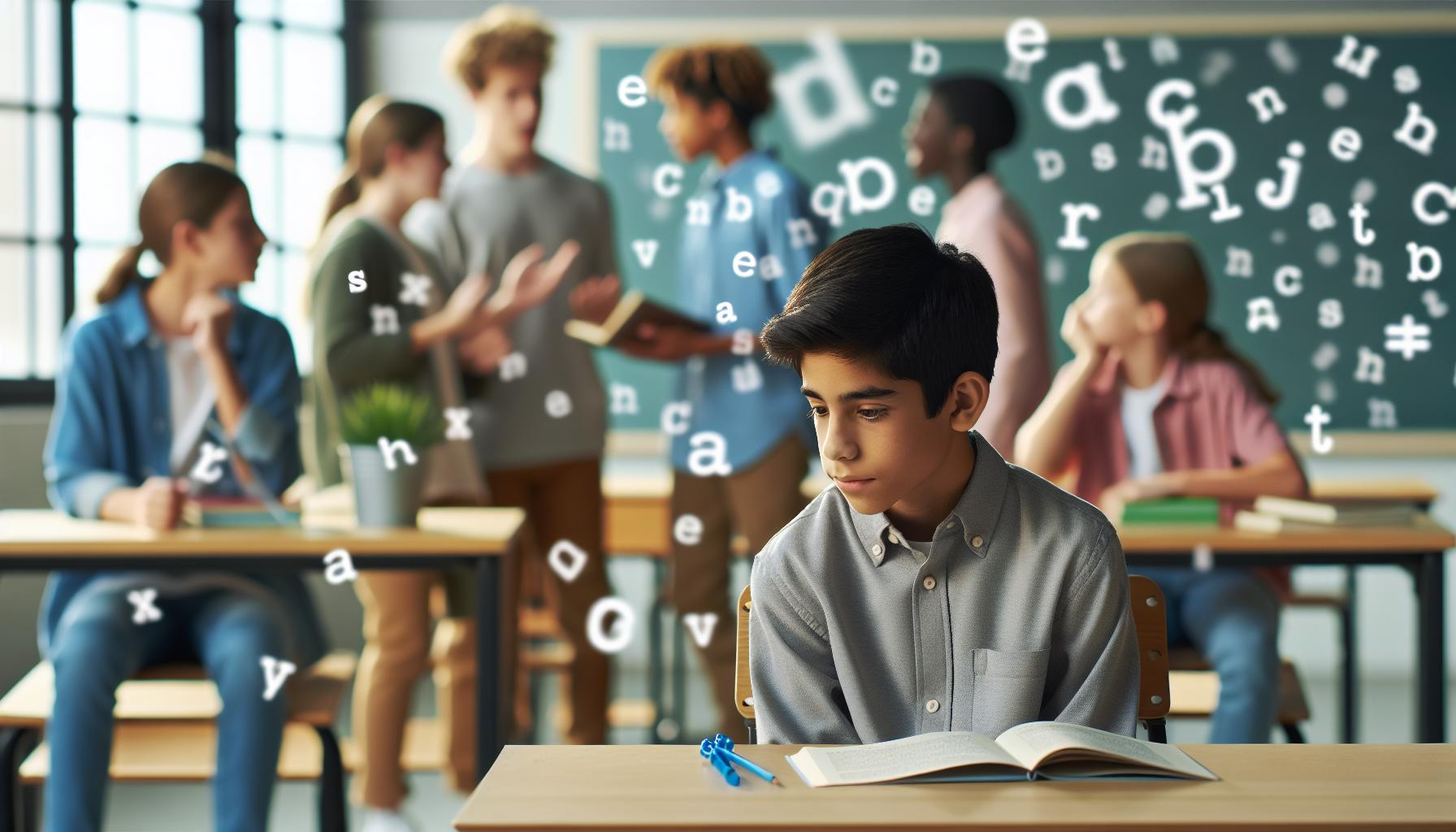
Social Challenges Faced by People with Dyslexia
Navigating social environments often presents unique challenges for individuals with dyslexia. Beyond the academic implications of reading difficulties, the social domain can become a minefield of misunderstandings and emotional hurdles. Children and adults with dyslexia frequently encounter a range of social struggles, such as difficulty in initiating conversations, participating in group activities, or keeping pace with peers during discussions. These challenges can stem from the anxiety and low self-esteem that often accompany the condition, making social interactions feel daunting and, at times, overwhelming.
One major issue is the tendency for individuals with dyslexia to feel isolated or misunderstood in social settings. The frustration of not being able to express their thoughts as fluently as others can lead to withdrawal from social situations. They may avoid speaking up in class or during group activities, which not only exacerbates their feelings of being different but can also affect their social skills development over time. According to research, children with dyslexia often face negative peer perceptions, leading to bullying or exclusion from groups, which further compounds their difficulties in forming meaningful relationships [[2]].
To address these social challenges, it is important to foster inclusive environments both in schools and communities. Educators and parents can work together to promote understanding and acceptance of dyslexia among peers. Initiatives such as social skills training, where children learn how to navigate social situations, can be beneficial. Strategies might include role-playing different scenarios, learning conversation starters, and practicing active listening skills. Encouraging participation in group activities that align with the individual’s interests-such as art, sports, or music-can help build confidence and create opportunities for connection with peers who share similar passions.
Additionally, peer support groups can provide a vital resource for individuals with dyslexia. These groups offer a safe space for sharing experiences, fostering a sense of community, and reducing feelings of isolation. By connecting with others who understand their struggles, individuals can develop coping strategies and build resilience. Through open conversations about dyslexia and its implications, both individuals with dyslexia and those around them can shift perspectives, reducing stigma and promoting a more supportive social landscape. Ultimately, creating environments that recognize and celebrate diversity in learning styles can empower individuals to engage fully in social interactions, transforming challenges into opportunities for growth and connection.
Building Self-Esteem When Living with Dyslexia
Living with dyslexia can significantly impact an individual’s self-esteem, shaping their view of themselves in profound ways. The constant struggle with reading and writing can cultivate feelings of inadequacy or failure, particularly in educational settings where academic performance is often seen as a benchmark for success. However, it is essential to recognize that dyslexia is just one aspect of a person’s identity and does not define their overall capabilities or potential. By fostering a positive self-image and resilience, individuals with dyslexia can build a strong sense of self-worth and confidence.
One effective approach to enhancing self-esteem is through the recognition of strengths. Many individuals with dyslexia possess remarkable problem-solving skills, creativity, and strong verbal intelligence. Emphasizing these strengths, rather than focusing solely on challenges, can help shift the narrative from a deficit-based perspective to a strengths-based one. Positive reinforcement from parents, teachers, and peers plays a critical role in this process. Celebrating achievements, no matter how small, reinforces a sense of competence and mastery. For instance, a child who struggles with reading but excels in art should be encouraged for their artistic talents, aligning praise with their strengths.
Engaging in supportive communities can also contribute significantly to self-esteem. Participation in programs, whether through schools or local organizations, that provide mentorship or peer support can create a sense of belonging and understanding. Connecting with others who share similar experiences allows individuals to express their feelings and gain perspective on their struggles, leading to a normalization of their experiences. Building connections with role models who have dyslexia and have succeeded in various fields can inspire hope and reinforce the message that dyslexia does not limit success.
Lastly, developing coping strategies that address the emotional challenges of dyslexia is crucial. Techniques such as mindfulness and stress management can help individuals handle anxiety and frustration associated with learning differences. Practical steps may include practicing self-affirmations, setting realistic goals, and maintaining a growth mindset-recognizing that skills improve over time with effort and practice. Building resilience through challenges not only enhances self-esteem but also equips individuals with the tools to face future obstacles confidently.
By fostering a holistic approach that acknowledges both the challenges and strengths of living with dyslexia, individuals can cultivate a robust sense of self-esteem that empowers them to navigate the world with confidence.
Educational Impacts: Navigating School with Dyslexia
Navigating the school environment can pose a unique set of challenges for individuals with dyslexia, affecting their academic performance and overall educational experience. Dyslexia often impacts reading fluency and comprehension, making traditional learning methods particularly taxing. However, with the right approaches and support structures in place, students can flourish despite these challenges. Schools that implement tailored strategies can create an inclusive atmosphere, ensuring that students with dyslexia not only succeed academically but also feel valued as part of a diverse community.
One effective way to assist students is through the use of multisensory learning techniques. These approaches engage multiple senses to reinforce learning. For instance, using visual aids, tactile materials, and auditory components in teaching can help dyslexic students better grasp new concepts. An example might include incorporating educational software that reads text aloud while highlighting the words on screen, facilitating a more interactive learning experience. Teachers can also provide instructions in various formats, such as oral presentations, written outlines, and visual diagrams, to cater to different learning preferences.
Further, individualized education plans (IEPs) play a crucial role in supporting students with dyslexia. Schools should ensure that each dyslexic student receives a personalized plan that outlines their specific learning needs and accommodations. These may include extended time for tests, access to speech-to-text software, or specialized reading programs designed to enhance phonemic awareness and decoding skills. Regular meetings with educators and support staff can help track progress and adjust strategies as necessary, fostering an environment where students feel understood and supported.
Building a Support Network
In addition to academic accommodations, a robust support network within the school can make a world of difference. Creating buddy systems can help students form connections, offering them social support and encouragement. Peer mentoring programs allow dyslexic students to collaborate with classmates who can share effective study techniques and coping strategies, promoting both camaraderie and skill enhancement. Furthermore, fostering open communication with parents about the child’s needs and progress is essential; families can reinforce learning at home, creating a consistent approach that can boost the student’s confidence and motivation.
Celebrating Achievements
It’s also vital for teachers and schools to celebrate the achievements of students with dyslexia, no matter how small. Recognizing their successes can significantly boost their self-esteem and reinforce a positive learning atmosphere. Schools can host events that showcase student work and achievements across various domains, emphasizing that success can take many forms beyond academic excellence. Activities like art exhibitions, science fairs, or talent shows provide platforms for dyslexic students to shine in their areas of strength, encouraging them to embrace their unique talents and perspectives.
By adopting these inclusive strategies and fostering an environment that celebrates diversity in learning, schools can empower students with dyslexia to navigate their educational journey successfully. This not only enhances academic performance but also contributes to their social and emotional well-being, equipping them with the resilience and skills needed to face future challenges.
Creating Supportive Environments for Dyslexic Individuals
Creating an environment where individuals with dyslexia can thrive involves a multifaceted approach that acknowledges their unique challenges while fostering their strengths. Emotional well-being and social integration are crucial, as children and adults with dyslexia often face feelings of frustration, isolation, and low self-esteem. By intentionally designing supportive spaces-both at home and in educational settings-we can help dyslexic individuals navigate their experiences more positively.
One foundational element is the implementation of a positive reinforcement system that celebrates achievements, big or small. For example, schools can create a “Dyslexia Champion of the Month” program, spotlighting students’ unique talents and achievements outside of traditional academics. This approach not only boosts self-esteem but also encourages peers to appreciate diverse skills within their community. Parents can also contribute by recognizing and celebrating their child’s milestones at home, from successfully reading a short story to completing a project they’re passionate about.
Building peer connections is another vital strategy. Encouraging peer support and collaboration can alleviate feelings of alienation. Schools can establish buddy programs where dyslexic students are paired with classmates for group work or study sessions. This not only fosters friendships but also provides opportunities for mutual learning. Parents and educators should facilitate social interactions through extracurricular activities, such as art classes or sports teams, where students can showcase their talents and find camaraderie outside academic pressures.Social skills workshops can also be beneficial, helping dyslexic individuals navigate social cues and build confidence in interacting with peers.
Creating a sensory-friendly and organized physical environment plays a crucial role in supporting dyslexic individuals as well. Classrooms should be designed to minimize distractions-this can include using soft lighting, providing fidget toys, and creating quiet corners where students can retreat when feeling overwhelmed. At home, parents can designate a specific reading or homework area that is clutter-free and well-organized to help their child focus. Implementing structured routines also aids in reducing anxiety and improving executive functioning skills, making it easier for individuals with dyslexia to manage tasks and responsibilities effectively.
In sum, fostering supportive environments for individuals with dyslexia requires a holistic approach that addresses emotional support, social connections, and sensory needs. By embedding practices that celebrate uniqueness and advocate for inclusivity, we empower those with dyslexia to not only face their challenges but to thrive and embrace their individuality.
The Role of Family in Managing Dyslexia’s Effects
Families play an indispensable role in managing the challenges associated with dyslexia, as their support can significantly influence the emotional and social well-being of dyslexic individuals. A study indicated that children who feel understood and supported by their families often exhibit improved self-esteem and resilience against the academic and social challenges they face. Given that dyslexia can create feelings of frustration and isolation, family members can be the anchors that provide both emotional safety and practical strategies for success.
One effective approach families can adopt is establishing open lines of communication. Discussing dyslexia openly helps demystify the condition, making it less stigmatizing for the individual. When a child knows that their family understands their struggles and is willing to advocate for their needs, it fosters a sense of belonging. Families should prioritize regular discussions, not just about challenges, but also about achievements, regardless of how small. Celebrating milestones-like improved reading fluency or the completion of a challenging project-can bolster a child’s self-worth.
Another vital aspect is creating a supportive home environment tailored to their child’s needs. Families can work together to establish structured routines that cater to the unique challenges posed by dyslexia. This might include:
- Designating designated reading times: Consistent practice during scheduled times can help build confidence and familiarity with reading.
- Utilizing assistive technology: Tools like text-to-speech software can enhance learning experiences and make reading more engaging.
- Developing personalized learning strategies: For instance, using color-coded notes or graphic organizers can help clarify complex concepts.
Additionally, family involvement in education cannot be overstated. Regularly collaborating with teachers to discuss their child’s progress and strategies that work best can enhance educational experiences. Families should advocate for accommodations, such as extended time for assignments or alternative forms of assessments that align better with the child’s learning style. Engaging in school activities and supporting the child’s peers can also create a community of understanding and acceptance around them.
By establishing open communication, creating tailored home environments, and engaging with educational systems proactively, families can substantially mitigate the impacts of dyslexia. Empowered by the support of their families, dyslexic individuals can navigate their unique challenges with greater confidence and resilience, transforming their experiences into stories of growth and triumph.
Dyslexia and Its Connection to Anxiety and Depression
Experiencing dyslexia often extends beyond the challenges of reading and writing; it can significantly impact emotional well-being, leading to heightened anxiety and depression. Current research indicates that individuals with dyslexia are at a greater risk of developing anxiety disorders, particularly in environments where they perceive a threat of judgment or ridicule. This heightened anxiety can become a cyclical issue, where fear of failure exacerbates stress and undermines confidence, making learning even more difficult. Understanding this connection is essential for providing adequate support and fostering resilience in those affected.
Individuals with dyslexia frequently find reading-related tasks to be sources of anxiety. For instance, a child may dread reading aloud in class, fearing they will make mistakes or be teased by peers. Such anticipatory anxiety can manifest days or even weeks in advance, leading to avoidance behaviors that further isolate the individual and limit opportunities for growth. Additionally, this chronic stress can slip into depressive symptoms, as the ongoing struggle and feelings of inadequacy accumulate over time. Recognizing these emotional tolls is critical; it allows educators, parents, and peers to approach dyslexia with greater empathy and understanding.
To mitigate the impacts of anxiety and depression, practical strategies can be implemented. One effective approach is to create safe and supportive learning environments that prioritize understanding and patience. Educators can be trained to recognize signs of anxiety and employ techniques such as providing extra time for reading tasks or allowing alternatives like oral presentations. Family support is equally crucial; open discussions about dyslexia help normalize challenges and foster emotional safety. Regularly celebrating small victories, whether it’s reading a passage correctly or completing homework, can boost self-esteem and cultivate a more positive self-image.
Moreover, integrating mindfulness and relaxation strategies into daily routines can be beneficial. Practices such as breathing exercises, light physical activity, or even creative outlets can help manage anxiety levels. Community support, through local resources and groups for families affected by dyslexia, can further reduce feelings of isolation, showing individuals they are not alone in their struggles. With a multi-faceted approach that includes emotional support, educational adaptations, and community engagement, those with dyslexia can navigate their unique challenges with resilience and hope, promoting overall mental health and well-being.
Community Resources for Dyslexia Support
Individuals with dyslexia often find themselves navigating a complex world where social and emotional challenges can feel daunting. Fortunately, community resources play a vital role in providing support, fostering resilience, and helping individuals manage the effects of dyslexia on their lives. Engaging with local organizations, support groups, and online forums can create a network of understanding and encouragement, making it easier for families and individuals to cope with the unique challenges posed by dyslexia.
Connecting with Local Organizations
Many communities have organizations specifically dedicated to supporting individuals with dyslexia. These groups often offer workshops, resources, and mentorship programs that can empower those affected. For instance, local branches of the International Dyslexia Association (IDA) provide access to validated resources, educational programs, and advocacy efforts that help families understand dyslexia better. Resources like these also facilitate connections with specialists who can provide tailored strategies for managing dyslexia at home and in educational settings.
- Support Group Meetings: These groups allow individuals and families to share experiences, challenges, and triumphs, creating a strong sense of community. Regular meetings can provide emotional support while also offering practical advice based on collective experiences.
- Workshops and Seminars: Educational events led by experts can equip parents and educators with effective strategies to support dyslexic learners. These workshops often cover topics such as teaching methods, advocacy, and emotional management.
Digital Support Networks
In today’s digital age, online resources have emerged as crucial lifelines for those with dyslexia. Websites such as Improving Literacy offer evidence-based information tailored for parents, educators, and learners, and help dispel common misconceptions about dyslexia [[2](https://www.improvingliteracy.org/dyslexia)]. Furthermore, social media platforms host numerous support groups where individuals can connect with others facing similar challenges, share coping strategies, and celebrate successes.
Examples of Online Resources Include:
- Facebook Groups: Many dedicated groups provide a platform for real-time support. Members often share personal stories and advice, fostering a supportive online community.
- Webinars: Various organizations conduct online webinars featuring experts discussing the latest findings in dyslexia research, coping strategies, and success stories that inspire.
Accessing community resources offers people with dyslexia not only educational tools but also emotional support and a sense of belonging. By leveraging these resources, individuals and families can reduce feelings of isolation, improve self-esteem, and equip themselves with actionable strategies to navigate the unique challenges of dyslexia. Overall, informed and engaged communities enhance the quality of life for those affected by dyslexia, ensuring they receive the support and understanding they need to thrive.
Effective Coping Strategies for Social Situations
Navigating social situations can present unique challenges for individuals with dyslexia, often leading to feelings of anxiety and self-doubt. However, employing effective coping strategies can transform these experiences into opportunities for connection and growth. One fundamental approach is to foster awareness around the social difficulties that may arise. Being conscious of potential misunderstandings or miscommunications can encourage individuals to anticipate challenges and prepare responses or strategies in advance.
Building a supportive network of friends and family is crucial. Strong connections can provide a safe space where individuals feel valued for who they are, beyond their dyslexia. Encouraging open communication about their experiences allows friends and family members to understand better the struggles faced and to provide the right support when needed. Additionally, role-playing social scenarios can help individuals practice their responses, easing the pressure and making them feel more confident in real-life social settings.
Incorporating specific techniques can also ease social interactions. For instance, developing a set of conversational starters can help initiate discussions, reducing the anxiety associated with approaching others. Using visual aids, such as flashcards with topics or questions, could serve as a helpful reference during conversations. Moreover, mindfulness practices, including deep breathing exercises or grounding techniques, can help manage anxiety before and during social situations, ensuring that the individual feels more relaxed and present.
Moreover, fostering a sense of resilience through gradual exposure to social environments can yield positive outcomes. Gradually increasing participation in social activities allows individuals to build comfort and confidence over time. Whether it’s joining clubs, attending community events, or engaging in group activities, these experiences can significantly enhance social skills while simultaneously reinforcing a sense of belonging. By blending these strategies, individuals with dyslexia can navigate social situations with greater ease, transforming challenges into avenues for expression and connection.
Advocacy and Awareness: Empowering Dyslexic Voices
Empowering the voices of those with dyslexia is not just about awareness; it’s about fostering a culture where their needs and strengths are recognized and supported. Advocacy plays a crucial role in addressing the challenges individuals with dyslexia face, particularly in educational and social settings. For instance, parents and caregivers can actively engage with teachers and school administrators to ensure that appropriate resources and support systems are in place, tailored to each child’s unique needs. This proactive approach not only facilitates a more inclusive learning environment but also promotes stronger self-advocacy skills in dyslexic individuals as they learn to articulate their challenges and seek assistance.
One effective strategy for advocacy is to educate oneself and others about dyslexia. Understanding that dyslexia is a neurological difference-as opposed to a cognitive deficiency-helps reshape perceptions. Public awareness campaigns and community outreach initiatives can normalize discussions around dyslexia, emphasizing that it is not a barrier to success. Schools can host information sessions where parents, educators, and students can share experiences and learn about tools and methods that support dyslexic learners. By cultivating this dialogue, communities can create supportive networks that promote empathy, understanding, and collaboration.
Collaboration with local and national dyslexia organizations can further amplify advocacy efforts. These organizations often provide comprehensive resources that can be utilized in advocacy campaigns, such as workshops, toolkits, and training sessions for educators. Furthermore, shared experiences and stories can be powerful motivators for change. Encouraging individuals with dyslexia to share their narratives can foster a sense of belonging, inspiring others and creating advocates within the community. When students see role models who have successfully navigated similar challenges, it instills hope and encourages resilience.
To make advocacy more effective, integrating specific action steps is essential. Here are some strategies:
- Establish clear goals: Whether it’s changing a policy at school or increasing awareness in the community, having measurable objectives helps track progress.
- Engage with stakeholders: Involve teachers, other parents, and community leaders in discussions about dyslexia and advocate for systemic changes.
- Utilize social media: Share resources, success stories, and updates on advocacy initiatives to reach a broader audience.
- Create a peer support group: Fostering connections among families and individuals with dyslexia can provide emotional support and practical strategies.
By mobilizing collective efforts and nurturing awareness, individuals with dyslexia can transform their challenges into opportunities for growth, advocacy, and change. Fostering a culture where their voices are not only heard but also amplified empowers them to navigate the world with confidence, ultimately leading to a more inclusive future.
Future Perspectives: Dyslexia in a Digital Age
In an era where digital technology permeates every aspect of our lives, the future of dyslexia support and management is poised for a transformation that harnesses the capabilities of these innovations. With an estimated 5-10% of the population experiencing some form of dyslexia, understanding how to leverage digital tools can provide vital assistance to individuals navigating its challenges. Technologies ranging from text-to-speech software to interactive learning apps are changing the landscape of education and personal development for those with dyslexia, making learning more accessible and engaging.
Digital Tools and Resources
The rise of educational technologies has led to the development of a variety of resources tailored specifically for individuals with dyslexia. For example:
- Text-to-Speech Software: Programs like Natural Reader or Kurzweil 3000 allow users to listen to written text, aiding comprehension and enabling them to engage more fully with educational materials.
- Interactive Learning Platforms: Tools such as Ghotit or Dyslexia Quest provide exercises that integrate phonetic awareness with gaming elements, making learning to read and spell both fun and effective.
- Speech Recognition Software: Programs like Dragon NaturallySpeaking facilitate writing processes for individuals by converting spoken words into text, reducing the challenges associated with traditional writing.
These tools not only enhance literacy skills but also bolster confidence, helping individuals succeed academically and socially without the constraints of traditional learning methods.
Online Communities and Support Networks
The internet has fostered a vibrant community of support for individuals with dyslexia. Online forums and social media groups now serve as vital platforms for sharing experiences, strategies, and encouragement. For example, platforms like Reddit or Facebook host groups where members can discuss their journeys, seek advice, and share resources. These communities can make a significant emotional impact, as individuals often feel isolated due to their challenges. By connecting with others who understand their experiences, dyslexic individuals can gain perspectives that uplift and empower them.
Advocacy Through Digital Media
Digital platforms also serve as powerful tools for advocacy. Awareness campaigns on social media can highlight the capabilities and strengths of individuals with dyslexia, shifting the narrative from one of limitation to empowerment. Creative storytelling through blogs, podcasts, and videos allows individuals to share their experiences and successes, which can inspire hope and resilience in others facing similar challenges. This online presence fosters a more inclusive attitude towards dyslexia in society, encouraging educational institutions and policymakers to implement supportive measures.
In summary, the digital age holds immense promise for individuals with dyslexia. As technological advancements continue to evolve, so do the opportunities for individuals to overcome obstacles and realize their potential. By embracing these tools, enhancing online connectivity, and advocating for awareness, we can support not just the academic achievements of dyslexic individuals but also their social and emotional well-being in a rapidly changing world.
Q&A
Q: What are the social implications of dyslexia for children?
A: Children with dyslexia often face social challenges, such as difficulty in communication and maintaining peer relationships. These challenges can lead to feelings of isolation and low self-esteem. Building strong support networks and encouraging social activities can help improve their interactions and emotional well-being.
Q: How can dyslexia impact adult relationships?
A: Dyslexia can present challenges in adult relationships, particularly in communication. Adults may struggle with misunderstandings or frustrations related to reading or writing tasks. Open communication and mutual understanding between partners are crucial to navigate these challenges effectively.
Q: What are some coping strategies for dealing with the emotional impacts of dyslexia?
A: Effective coping strategies include practicing mindfulness, seeking therapy, and building a supportive community. Engaging in activities that bolster self-esteem, such as hobbies or volunteer work, can also provide positive emotional outlets and reinforce resilience.
Q: How does dyslexia relate to low self-esteem?
A: Individuals with dyslexia may experience low self-esteem due to ongoing academic struggles and social difficulties. It’s important to focus on their strengths and provide positive reinforcement, fostering a growth mindset that emphasizes abilities beyond reading and writing.
Q: Why is advocacy important for individuals with dyslexia?
A: Advocacy is essential for raising awareness and promoting understanding of dyslexia. By advocating for appropriate educational resources and accommodations, individuals can empower themselves and others, helping to challenge stigma and improve societal perceptions around learning disabilities.
Q: What role do parents play in supporting a child with dyslexia?
A: Parents play a critical role in supporting children with dyslexia by promoting a positive learning environment and advocating for educational support. Encouraging open discussions about dyslexia and seeking appropriate resources can help build resilience and confidence in their child.
Q: How can educators create a supportive environment for students with dyslexia?
A: Educators can create a supportive environment by implementing multi-sensory teaching methods, offering personalized learning strategies, and fostering a culture of understanding among peers. Collaboration with specialists and regular communication with parents is also key.
Q: What community resources are available for people with dyslexia?
A: Community resources for individuals with dyslexia include support groups, tutoring programs, and advocacy organizations. Websites and local centers offer workshops and materials for both individuals and families to navigate the challenges of dyslexia effectively.
The Way Forward
Understanding the social and emotional impacts of dyslexia empowers individuals, families, and educators to foster a supportive environment. This journey is crucial not just for academic success but also for building self-esteem and resilience. If you’re seeking strategies to better support someone with dyslexia, explore our articles on building effective communication skills and enhancing emotional well-being here and here.
Don’t miss out on our resources that address the challenges dyslexia presents, including practical tools and strategies that can make a tangible difference. We encourage you to share your thoughts in the comments below, and consider subscribing to our newsletter for ongoing insights into overcoming learning obstacles. Together, we can create a more inclusive world for all learners.
Get our latest guides, news, and insights highlighted in your Google Search & AI Overviews.