As the housing market continues to evolve, manufactured homes are gaining attention as a viable investment option in 2025. With increasing affordability and a growing acceptance of alternative housing solutions, many prospective homeowners and investors are considering manufactured homes for their potential benefits. Understanding whether these homes can provide long-term financial gains or if they present unforeseen challenges is crucial for anyone looking to secure their financial future.
This exploration delves into the advantages and drawbacks of investing in manufactured homes, aiming to guide you toward making informed decisions in a market where choices can be overwhelming. Join us as we unpack the essential factors that could affect your investment strategy and discover if manufactured homes are the smart choice for your goals.
Understanding the Current Market for Manufactured Homes
The manufactured home market has experienced significant evolution over the past decade, increasingly gaining recognition as a viable alternative to traditional housing. As we navigate through 2025, numerous factors contribute to the growing appeal of manufactured homes, particularly their affordability and adaptability. For many potential homeowners, especially first-time buyers and those in urban areas where property prices are soaring, manufactured homes offer a compelling entry point into homeownership. According to industry reports, the average cost of a manufactured home is significantly lower than that of a site-built home, often presenting a solution to the housing crisis many face.
Market dynamics are further shaped by consumer preferences leaning towards sustainable living. Many modern manufactured homes are designed with energy-efficient features that not only reduce utility costs but also appeal to environmentally conscious buyers. These homes often come equipped with solar panels, high-quality insulation, and Energy Star appliances, aligning with the broader trend of sustainable development. As buyers become more knowledgeable about the environmental impacts of their purchases, the demand for these homes continues to grow.
Another aspect influencing the current market is the demographic shift in housing demand. Younger generations are prioritizing flexibility and affordability, making manufactured homes attractive not just for their price but also for their ability to be relocated, which traditional homes cannot offer as easily. In addition, the innovation in design and construction processes has led to an increase in quality and customization options available to buyers, further enhancing their desirability.
Key Factors to Consider:
- Affordability: Manufactured homes typically cost less than traditional homes, making them accessible to a wider audience.
- Sustainability: Many modern options include energy-efficient features, appealing to eco-conscious consumers.
- Flexibility: The ability to relocate manufactured homes provides a unique advantage for those seeking housing that can adapt to their lifestyle needs.
As we look to the future, the manufactured home market is poised not just as a niche sector but as a significant part of the broader housing landscape, providing solutions to affordability and sustainability for an increasingly diverse array of homeowners.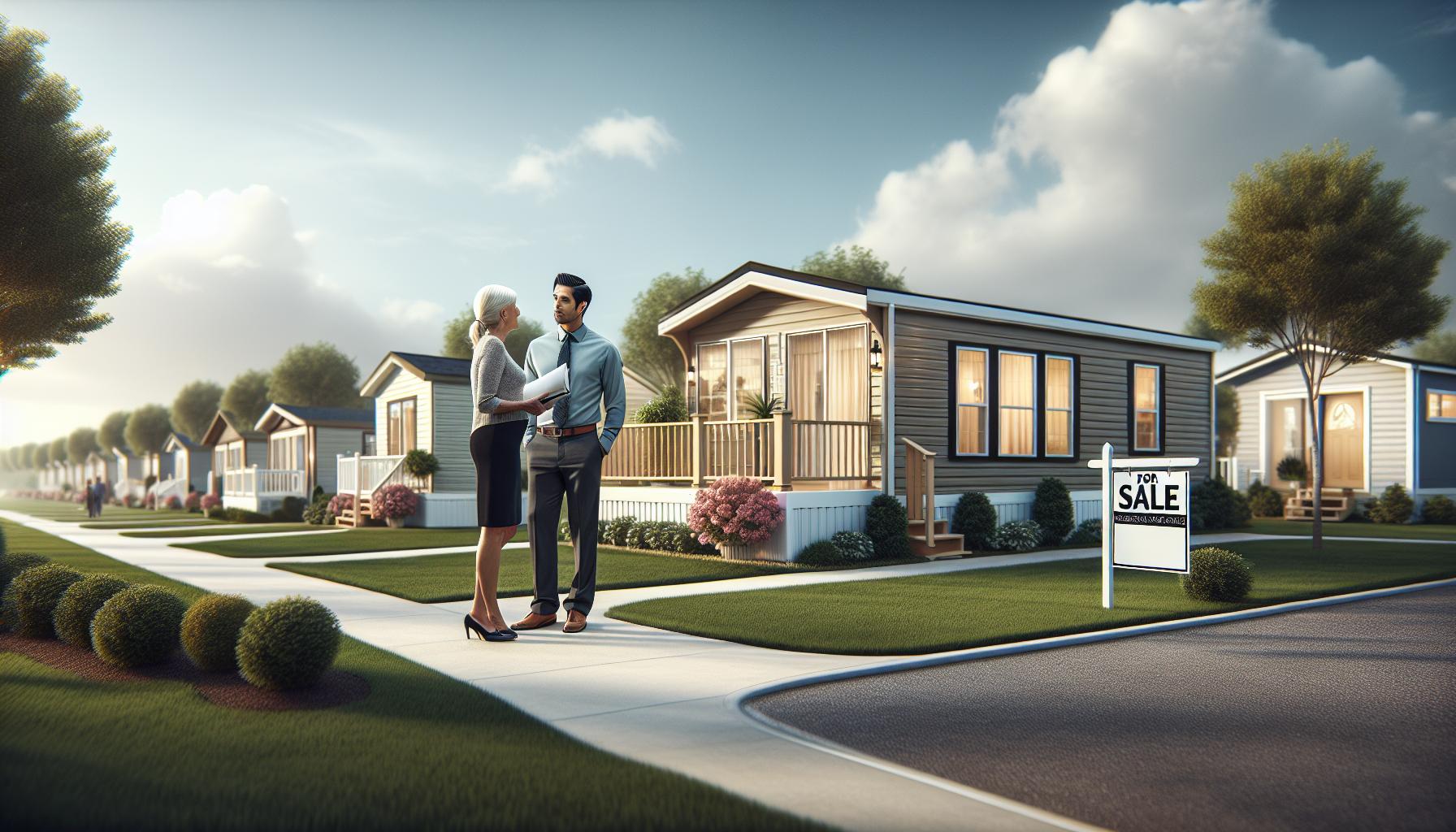
Benefits of Investing in Manufactured Homes
Investing in manufactured homes presents an array of advantages that can be particularly compelling in today’s real estate market. For many prospective homeowners, the affordability of manufactured homes stands out as a significant benefit. With the average cost of a manufactured home being roughly 10-30% less than that of a site-built counterpart, buyers find it easier to enter the housing market without the burden of exorbitant mortgage payments. This accessibility is especially beneficial for first-time buyers or those looking to downsize, making homeownership a more achievable goal.
Moreover, manufactured homes often come equipped with modern energy-efficient features that not only reduce the initial investment but also lead to long-term savings. Many homes now include solar panels, advanced insulation, and Energy Star-rated appliances, which can dramatically decrease utility expenses. This emphasis on sustainability and efficiency is increasingly attractive to environmentally conscious consumers who seek to minimize their carbon footprint while enjoying modern comforts.
Additionally, the flexibility that manufactured homes offer cannot be overstated. Unlike traditional homes, these properties can often be relocated, allowing homeowners to adapt to changing personal or economic circumstances. This aspect is particularly advantageous in a volatile job market where relocation may be necessary. For instance, if a buyer receives a job offer in another state, moving a manufactured home can be a simpler, less expensive alternative compared to selling a traditional home and purchasing a new one.
Lastly, the manufactured home sector is evolving, with advancements in design and construction quality enhancing appeal. Homebuyers are now presented with various customizable options, allowing for a more personalized living space. This increasing quality and variety not only satisfy modern aesthetic preferences but also contribute to the overall investment value of these properties.
In summary, the combination of affordability, energy efficiency, flexibility, and evolving quality makes investing in manufactured homes an attractive option for many individuals. As the market continues to grow and adapt, these homes can be seen not only as a practical housing solution but as a smart long-term investment strategy in 2025 and beyond.
Potential Risks and Challenges of Manufactured Home Investments
Investing in manufactured homes can be appealing, but it’s crucial to recognize the inherent risks and challenges that accompany this investment choice. One of the primary concerns for potential investors is the depreciation of manufactured homes over time; unlike traditional homes that typically appreciate in value, manufactured homes may face reduced resale values, especially if they are located in less desirable parks or areas. The initial affordability can quickly diminish if the home does not retain or increase its value, posing a significant risk to would-be homeowners or investors.
Moreover, financing manufactured homes can present unique hurdles. Unlike conventional homes, which are often financed through standard mortgage loans, manufactured homes, especially those not permanently affixed to land, may be treated as personal property, subjecting them to higher interest rates or stricter loan conditions. This lack of financing options can limit potential buyers and impact resale opportunities. Buyers must diligently research lenders who specialize in manufactured home financing to secure the best rates and terms.
Location is another critical factor that can drastically affect investment potential. Many manufactured homes are located in mobile home parks, where land ownership is not included. This can lead to challenges with park management, rental agreements, and community regulations. Changes in park policies or local zoning laws can impact the desirability of owning a manufactured home, potentially making it harder to sell in the future. Additionally, the stigma associated with manufactured homes can hinder resale value and buyer interest.
Lastly, maintenance and upkeep issues can also pose significant challenges. While modern manufactured homes are built with improved materials and designs, they still require regular maintenance to avoid costly repairs. Investors should be prepared to address potential issues related to weathering, structural integrity, and utility connections, as neglect can lead to rapid declines in value.
In summary, while investing in manufactured homes has its advantages, it’s essential to approach this market with a comprehensive understanding of its risks. Careful consideration of depreciation, financing complexities, community factors, and maintenance requirements can help investors navigate the landscape more successfully and make informed decisions that align with their financial goals.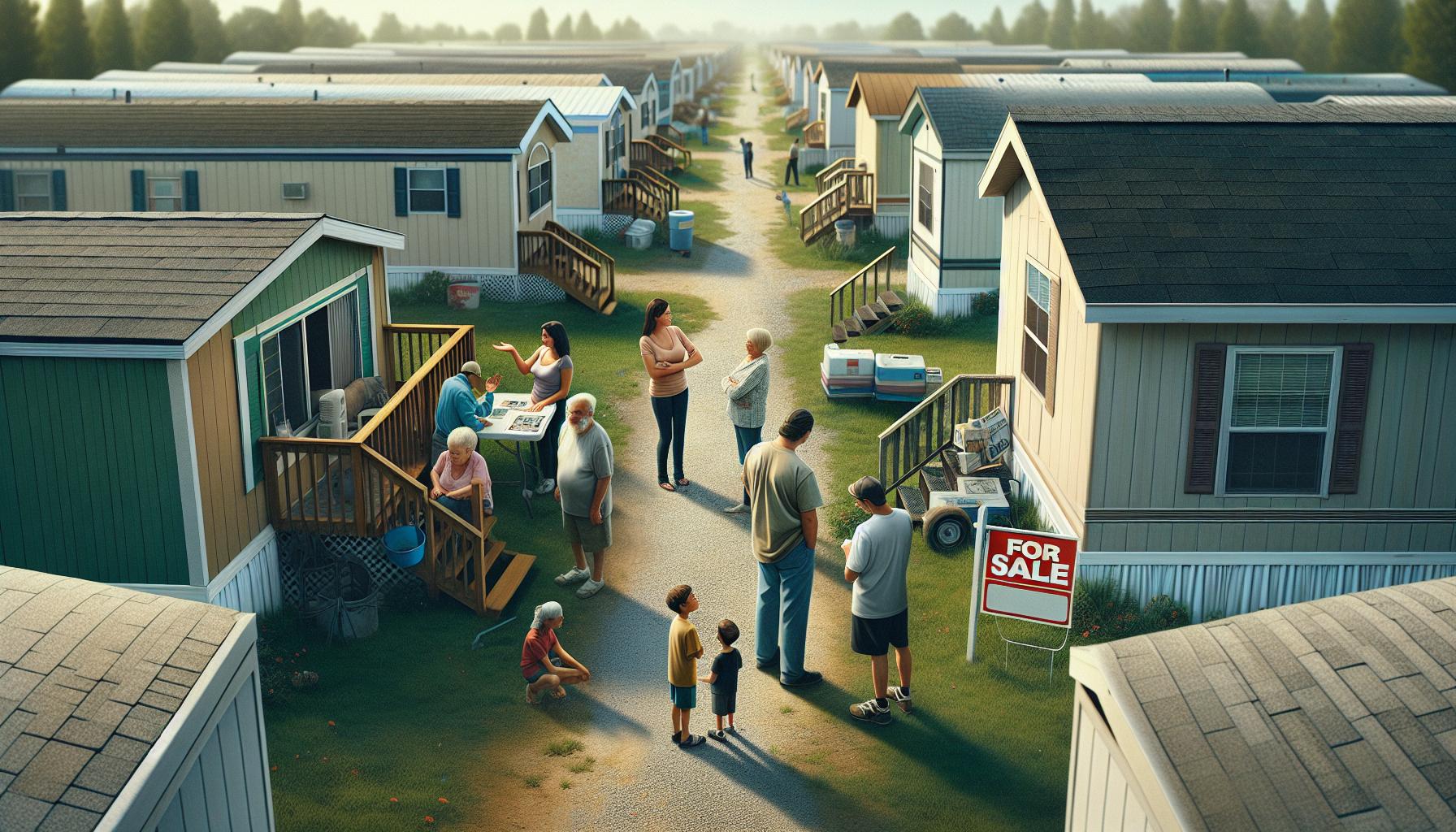
Comparing Manufactured Homes to Traditional Homes
Investing in manufactured homes presents a unique opportunity to enter the real estate market at a lower entry point compared to traditional homes. According to the U.S. Census Bureau, the average price of a manufactured home is significantly less than that of a site-built home, often allowing buyers to acquire a quality living space with fewer financial burdens. However, understanding the differences between these two types of housing is essential for making informed investment decisions, especially in light of the evolving real estate landscape.
Cost and Affordability
One of the most notable differences lies in the cost. Manufactured homes typically cost less per square foot than traditional homes, providing an affordable alternative for first-time buyers or those on a limited budget. This affordability can make manufactured homes attractive to investors seeking rental properties or those looking to downsize without sacrificing comfort. However, buyers should be aware that while the initial investment may be lower, manufactured homes might experience depreciation more quickly than traditional homes, which traditionally appreciate in value over time.
Maintenance and Longevity
When comparing longevity and maintenance, traditional homes generally offer more robust construction that can withstand weather changes and last longer if properly maintained. Manufacturers have significantly improved the quality of materials used in modern manufactured homes, yet they may still require more frequent upkeep, especially in climates susceptible to severe weather. Investors should factor in the costs of supplementary maintenance, as well as potential increases in utility costs due to less efficient building practices and materials.
Location and Community Dynamics
Location is another critical differentiator. Many manufactured homes are situated in mobile home parks, which can have community regulations that limit the rights of homeowners compared to traditional neighborhoods. Site-built homes often come with the added benefit of land ownership, enhancing property value and offering greater freedom in terms of property modifications. Investors need to consider how the associated costs of land rental in a mobile home park might impact the overall investment value and desirability of the manufactured home.
Financing and Investment Potential
Financing options also differ markedly. Traditional homes are commonly financed through 30-year fixed-rate mortgages, offering stable monthly payments. Conversely, financing a manufactured home can be trickier, as they might be categorized as personal property, resulting in higher interest rates and shorter loan terms. This distinction may affect investors’ cash flow projections.
In summary, while both manufactured homes and traditional homes have their merits, the decision to invest in each type requires careful consideration of financial implications, long-term value, and the unique challenges they present. For potential investors in 2025, balancing the lower cost of manufactured homes against their depreciation risks and financing complexities will be crucial in crafting a successful investment strategy.
Financing Options for Manufactured Home Purchases
Navigating the financing landscape for manufactured homes can feel daunting, but understanding your options is key to making a sound investment. Unlike traditional homes, which often qualify for conventional mortgages with lower rates and longer terms, manufactured homes can sometimes be categorized as personal property. This distinction can complicate financing and lead to higher interest rates and shorter loan terms. Prospective buyers need to explore various financing avenues to determine the best fit for their circumstances.
One common option is obtaining a chattel loan, which is specifically designed for financing personal property, such as manufactured homes. Chattel loans typically have shorter repayment periods and might carry higher interest rates compared to conventional mortgages. However, they can be a suitable choice if you plan to keep your investment for a limited time. Another avenue is personal loans, which provide flexibility but can also come with higher interest rates and less favorable terms due to their unsecured nature.
Utilizing FHA and VA Loans
For those who meet certain eligibility requirements, government-backed loans like FHA (Federal Housing Administration) and VA (Veterans Affairs) loans can significantly enhance financing options. These loans can allow for lower down payments and more favorable interest rates than conventional loans. While FHA loans require the home to be built after June 15, 1976, and comply with HUD construction standards, they can make the purchase of a quality manufactured home more accessible. Similarly, VA loans offer unique benefits to eligible veterans, enabling them to purchase manufactured homes without a down payment.
Credit Score and Financial Health
Before applying for any financing option, it’s crucial to assess your credit score and overall financial health. Higher credit scores can unlock better loan terms and interest rates. Consider taking the time to improve your credit by paying down debts or correcting any inaccuracies on your credit report. This could lead to substantial savings over the life of your loan.
In summary, while financing a manufactured home may present unique challenges, there are multiple pathways available that can align with different financial situations and investment strategies. By considering options such as chattel loans, personal loans, and government-backed loans, buyers can navigate the complexities of manufactured home financing, setting themselves up for a potentially rewarding investment in the real estate market.
The Role of Location in Manufactured Home Value
The value of manufactured homes is significantly influenced by their location, which can often determine their overall desirability and market demand. Understanding how geographic factors can impact property value is crucial for prospective investors. Studies show that manufactured homes situated in high-demand areas-like urban centers or regions with strong economic growth-tend to appreciate more quickly than those in rural or economically depressed areas.
Factors Influencing Location Value
Several key factors play a crucial role in determining the value of a manufactured home, including:
- Proximity to Amenities: Homes located near schools, shopping centers, healthcare facilities, and public transportation are typically more desirable. For instance, a manufactured home in a thriving suburban area with access to good schools and retail options may attract higher offers.
- Employment Opportunities: Areas with a robust job market generally see increased interest in housing. Investors might consider locations near emerging industries or significant employers, as this can lead to a stable tenant pool.
- Regional Economic Factors: States like Texas and Florida, which rank high in manufactured home shipments, are economically vibrant and showcase a growing demand for affordable housing. This trend benefits investors by increasing property values and rental yields in these states [[2]](https://constructioncoverage.com/research/states-investing-most-in-manufactured-housing).
- Community Perception: The stigma that sometimes surrounds manufactured homes can be mitigated by their placement in well-managed communities. Investors should assess the reputation of parks or neighborhoods where manufactured homes are located, as this can greatly influence resale potential.
Strategic Investment Locations
Investing in manufactured homes in rapidly growing areas or markets with limited affordable housing can yield significant returns. For example, manufactured homes in up-and-coming towns or cities that are attracting new businesses and residents may experience better appreciation rates than those in more established, saturated markets.
Moreover, understanding regional demographics and migration patterns can help investors pinpoint optimal locations. Areas that attract young families or retirees often present unique opportunities for manufactured home investments, offering both affordability for new buyers and community appeal for older adults seeking simpler living arrangements.
In summary, the location of a manufactured home is a critical element that can dramatically influence its value. By prioritizing properties in favorable geographic contexts-near essential amenities, within growing job markets, and within well-regarded communities-investors can better position themselves for success in the manufactured housing market.
Impact of Market Trends on Manufactured Home Investments
The ever-evolving landscape of the housing market plays a pivotal role in shaping the investment potential of manufactured homes. As affordability concerns rise and conventional housing prices soar, manufactured homes emerge as a viable alternative for both buyers and investors. Notably, in 2025, the market trends indicate a renewed interest in manufactured housing, driven by several key factors that enhance their investment appeal.
One of the most impactful trends is the increasing emphasis on affordable housing solutions. With rising mortgage rates and skyrocketing home prices, many individuals and families are seeking more accessible living options. Manufactured homes typically offer lower price points compared to traditional homes, making them an attractive choice for first-time buyers. As demand for affordable options grows, the resale and rental potential of manufactured homes in desirable locations is likely to increase, presenting a strong investment opportunity.
In addition, the growing trend towards sustainability and energy efficiency significantly enhances the appeal of manufactured homes. Many manufacturers are now focusing on eco-friendly building materials and energy-efficient designs, which not only reduce environmental impact but also lower utility costs for residents. Investors can capitalize on this trend by targeting homes that incorporate green technologies, thus appealing to a market segment that prioritizes sustainability, potentially increasing their long-term value and attractivity.
Furthermore, demographic shifts, especially among millennials and retirees, are influencing the manufactured housing sector. Many young families are drawn to the flexibility and affordability of manufactured homes, while retirees seek smaller, low-maintenance living options. This generational shift helps create a robust market for manufactured homes, particularly in regions that offer community amenities and recreational opportunities. Investors should keep an eye on these demographic trends to identify profitable markets for future investments.
Ultimately, understanding these market trends equips investors with the insights needed to navigate the manufactured home landscape effectively. By focusing on affordability, sustainability, and demographic shifts, prospective buyers and investors can make informed decisions that align with the evolving desires and needs of homebuyers in 2025.
Long-Term Appreciation and Resale Potential
Investing in manufactured homes presents a unique opportunity for , particularly in the evolving real estate market of 2025. As the demand for affordable housing escalates, the resale value of well-maintained manufactured homes in favorable locations is progressively gaining traction. Making informed decisions now can lead to considerable financial gains down the line.
One of the key factors influencing appreciation is the ongoing shift towards community-oriented living, where manufactured home communities (MHCs) increasingly offer desirable amenities such as parks, recreation centers, and social activities. Homes situated within these well-maintained communities frequently hold their value better than those in less desirable locations. Moreover, current trends indicate that communities with robust management and maintenance structures are less susceptible to depreciation, providing a sounder investment for prospective homebuyers.
In financial terms, the initial lower investment required for manufactured homes means there is often greater potential for a higher percentage return on investment (ROI). Typical strategies that boost potential resale values include enhancing energy efficiency through green upgrades and maintaining the property meticulously. Research suggests that homes featuring modern, eco-friendly installations-like solar panels and energy-efficient appliances-often see increased interest and value from environmentally conscious buyers.
While manufactured homes tend to appreciate at a slower rate than traditional houses, their current trajectory points to increasing desirability, especially as buyers look for cost-effective alternatives to rising market prices. By focusing on well-situated, well-tended properties, savvy investors can cultivate significant long-term appreciation, creating not just financially viable opportunities but also contributing positively to the housing landscape.
Sustainability and Energy Efficiency in Manufactured Homes
In today’s world, where environmental responsibility is increasingly crucial, stand out as significant advantages for savvy investors. Not only do these factors support global efforts to reduce carbon footprints, but they also enhance the appeal and long-term value of these properties. In fact, homes equipped with energy-efficient features can reduce utility costs for residents and, at the same time, make a property more attractive to potential buyers, especially those conscious of environmental issues.
One practical way to boost sustainability in manufactured homes is through the installation of energy-efficient appliances and smart home technology. For example, homes equipped with Energy Star-rated appliances, LED lighting, and smart thermostats can significantly cut down on energy consumption. According to research, such upgrades can increase a home’s market value and lead to higher occupancy rates in manufactured home communities (MHCs) because they align with the preferences of eco-conscious buyers. Furthermore, implementing renewable energy solutions, like solar panels, not only decreases reliance on traditional power sources but also provides potential tax benefits and reduced energy costs over time.
To ensure the effectiveness of these sustainability measures, it’s important for homeowners and investors to assess the local market demands and tastes. For instance, communities that actively promote green living may see faster appreciation in home values as more residents seek out energy-efficient living. Additionally, proactive property maintenance and regular upgrades can further enhance sustainability efforts, as those attending to their property’s efficiency often see consistent returns on investment. Tracking performance through energy audits can also help homeowners identify areas for improvement, leading to better competition in the housing market.
Ultimately, integrating is not just a trend but a strategic investment approach in 2025. By making informed choices to enhance these aspects, investors not only contribute positively to environmental goals but also position themselves for long-term financial success in a housing market that increasingly values green initiatives and innovative living solutions.
Regulatory Considerations for Manufactured Home Buyers
Navigating the landscape of manufactured home purchases requires a keen understanding of regulatory considerations that can significantly impact your investment. The rules governing manufactured homes vary by location and can influence everything from financing options to zoning regulations. These regulations are designed to protect consumers and ensure that manufactured homes meet specific safety and quality standards. As of 2025, potential buyers must take proactive steps to familiarize themselves with local laws and compliance requirements to make informed decisions.
A critical aspect of regulatory considerations is the certification that manufactured homes must adhere to in order to be legally sold. The U.S. Department of Housing and Urban Development (HUD) oversees the construction and safety standards for manufactured homes. Buyers should verify that a home has the HUD seal of approval, which indicates it meets the federal standards for quality and safety. Additionally, each state may have its own regulations regarding manufactured homes, including local building codes and zoning laws that dictate where these homes can be placed. Failing to comply with these regulations can lead to costly fines or delays in housing access.
When considering financing options, it’s essential to know that many lenders require different types of documentation and compliance checks for manufactured homes compared to traditional homes. For instance, loans for manufactured homes may fall under stricter scrutiny due to the perception of higher risk. Understanding the types of loans available, such as personal property loans or FHA-insured loans for manufactured homes, can help buyers secure favorable financing. Buyers should also be aware of the importance of land ownership; owning the land on which the manufactured home sits often enhances financing options and increases property value.
Moreover, potential investors should consider the regulatory environment surrounding manufactured home parks. Many manufactured homes are located in mobile home communities or parks, which may have their own set of rules and regulations regarding maintenance, fees, and residency. It’s advisable to review the park’s bylaws and discuss any regulations with the park manager. This not only ensures compliance but also provides insights into the community’s stability and management practices.
In conclusion, being well-informed about the regulatory landscape can empower buyers to make wise investment choices in the manufactured home market. Seek guidance from real estate professionals familiar with the local market and regulations, and don’t hesitate to conduct thorough due diligence. By addressing these regulatory considerations, buyers can confidently navigate their investments and enhance their potential for long-term success.
Tips for First-Time Manufactured Home Investors
Investing in manufactured homes can be a smart choice for first-time buyers, especially in a market that is becoming increasingly accessible and flexible. With the continuing demand for affordable housing, manufactured homes offer not only a viable living option but a unique investment opportunity. To navigate this landscape effectively, potential investors should consider several key strategies that can assist in maximizing their investments and ensuring long-term satisfaction.
First, understanding the different types of manufactured homes is crucial. Buyers should differentiate between single-section and multi-section homes, as well as options that may be located in parks versus those on owned land. Each type comes with its unique pros and cons regarding financing, resale potential, and community regulations. For instance, buying a home on owned land often provides better appreciation and more financing options, while homes in parks may come with additional fees and community rules that can affect long-term enjoyment.
Another essential consideration is thorough research on financing options. Many lenders approach manufactured homes differently compared to traditional houses, often viewing them as higher risk. Prospective buyers should explore various loan options-such as FHA loans, chattel loans or personal property loans, which cater specifically to manufactured homes. It’s advisable to shop around to find favorable terms and conditions. Additionally, understanding the need for a solid credit history can empower investors to negotiate better deals.
Moreover, location plays a significant role in the value of manufactured homes. Investors should assess the local market conditions, community amenities, and future development plans that could influence property values. Homes in growing neighborhoods with access to public services, schools, and transportation are more likely to appreciate over time.
Lastly, potential investors should not overlook the importance of inspecting the home and verifying its compliance with HUD regulations. Inspecting for quality and safety features-as well as ensuring the home has the HUD seal-will guarantee peace of mind. Engaging a knowledgeable real estate agent who specializes in manufactured homes can also provide invaluable insights into market dynamics and regulatory nuances, ultimately facilitating a smoother buying experience.
In summary, by being informed and proactive, first-time investors in manufactured homes can navigate the complexities of this market with confidence, ensuring they make wise purchases that yield fruitful returns in the years to come.
Frequently asked questions
Q: How do manufactured homes compare to traditional homes in terms of investment?
A: Manufactured homes typically have lower initial costs and can offer good returns when placed on owned land. They’re generally more affordable, making them attractive for budget-conscious buyers. However, traditional homes may appreciate more significantly in value, depending on the location and market conditions. For more insights, see our section on comparing homes.
Q: What factors influence the appreciation of manufactured homes?
A: Factors such as location, market demand, and the condition of the home influence appreciation. Proper maintenance and placement on owned land can enhance value. Additionally, economic trends and community developments can impact long-term appreciation. Explore more about location impact in our article.
Q: Are there financing options available specifically for manufactured homes?
A: Yes, there are several financing options for manufactured homes, including personal loans, chattel loans, and traditional mortgages if the home is on owned land. It’s important to compare rates and terms. We cover detailed financing options in our section dedicated to this topic.
Q: What are the risks associated with investing in manufactured homes?
A: Risks include potential depreciation if the home isn’t well maintained and challenges in resale value. Additionally, zoning laws and community restrictions can pose obstacles. Understanding these risks is crucial; refer to our section on potential risks for comprehensive details.
Q: How can I ensure my manufactured home investment is sustainable?
A: To ensure sustainability, consider energy-efficient upgrades and sustainable building materials. Additionally, placing the home in a well-planned community with access to amenities can enhance its long-term viability. For more on sustainability practices, check out our sustainability section.
Q: What are the current market trends for manufactured homes in 2025?
A: Current trends indicate increasing consumer demand, with occupancy rates rising in many communities. Economic factors, such as affordability during recessions, make manufactured homes appealing. For an in-depth analysis of market trends, refer to our impact section.
Q: Is investing in manufactured homes suitable for first-time investors?
A: Yes, investing in manufactured homes can be suitable for first-time investors due to lower entry costs and potential for cash flow from rentals. It’s essential to research local markets and understand financing options. Review our tips for first-time investors for additional guidance.
Q: How does location affect my manufactured home investment?
A: Location significantly impacts value and appreciation potential. Homes in desirable areas with good amenities generally appreciate more. Assess local market conditions and future developments before investing. For a deeper look at location factors, refer to our article on this topic.
Insights and Conclusions
As we’ve explored, manufactured homes present a unique opportunity for investors in 2025, balancing affordability with market demand. To capitalize on this trend, consider what you’ve learned about potential ROI and the importance of location and market conditions. Don’t miss out-explore our guide on Investment Strategies for Manufactured Homes to dive deeper into successful approaches that can maximize your profitability.
Ready to take the next steps? Whether you’re considering investing or just want to stay updated on market trends, subscribe to our newsletter for expert insights delivered directly to your inbox. Additionally, visit our SEO Strategies for Real Estate page to enhance your marketing efforts and attract potential buyers effectively. Remember, the manufactured housing market is evolving-staying informed and proactive is your best strategy for success! Share your thoughts in the comments below, and let’s continue the conversation on this exciting investment frontier.
Get our latest guides, news, and insights highlighted in your Google Search & AI Overviews.