As the world of investing evolves, many are exploring alternative assets, with luxury watches emerging as an intriguing option. Did you know that certain high-end timepieces can appreciate significantly, offering both style and financial stability? This article delves into whether watches truly hold their value and serve as a wise investment. With the luxury watch market witnessing substantial growth, understanding the dynamics behind this investment can empower you to diversify your portfolio effectively. Whether you’re a seasoned investor or a curious newcomer, join us as we unravel the potential benefits, risks, and insights surrounding luxury watches in the investment landscape. Don’t miss out on discovering how these timeless pieces can enhance both your style and financial strategy.
Understanding the Value of Watches as Investments
In recent years, luxury watches have emerged not just as accessories, but as viable financial investments. Unlike many traditional investments, such as stocks or bonds, watches tend to hold their value well and, in many cases, appreciate over time. This resilience stems from a combination of craftsmanship, brand reputation, and desirability among collectors, making certain timepieces a stable and appealing addition to an investment portfolio.
To understand the value of watches as investments, it’s essential to consider several key factors. The first is the brand. Not all watches are created equal; brands like Rolex, Patek Philippe, and Audemars Piguet have a longstanding history of retaining value and even experiencing significant appreciation. Collectors are often drawn to these brands not only for their quality and status but also because they represent a careful blending of art and engineering that is rare in other investment opportunities.
Moreover, the market for luxury watches has shown resilience against economic fluctuations. While many asset classes experience volatility, the demand for high-end watches often remains robust, driven by a strong collector base and a growing interest in watch investments. As a result, investing in renowned brands can provide a hedge against inflation and market unpredictability.
In addition to brand reputation, the unique characteristics of each watch significantly influence its value retention. Factors such as rarity, condition, and provenance play critical roles. For instance, limited edition pieces or historical models can command exceptionally high prices on the resale market, making them attractive investment options for those looking to diversify their portfolios. To maximize the potential of a watch as an investment, buyers should focus on models that not only appeal to them personally but also have a strong narrative and recognized value within the collector community. Investing in watches is not merely a financial decision; it’s also about appreciating the artistry and heritage behind these exquisite timepieces.
Historical Performance of Watch Investments
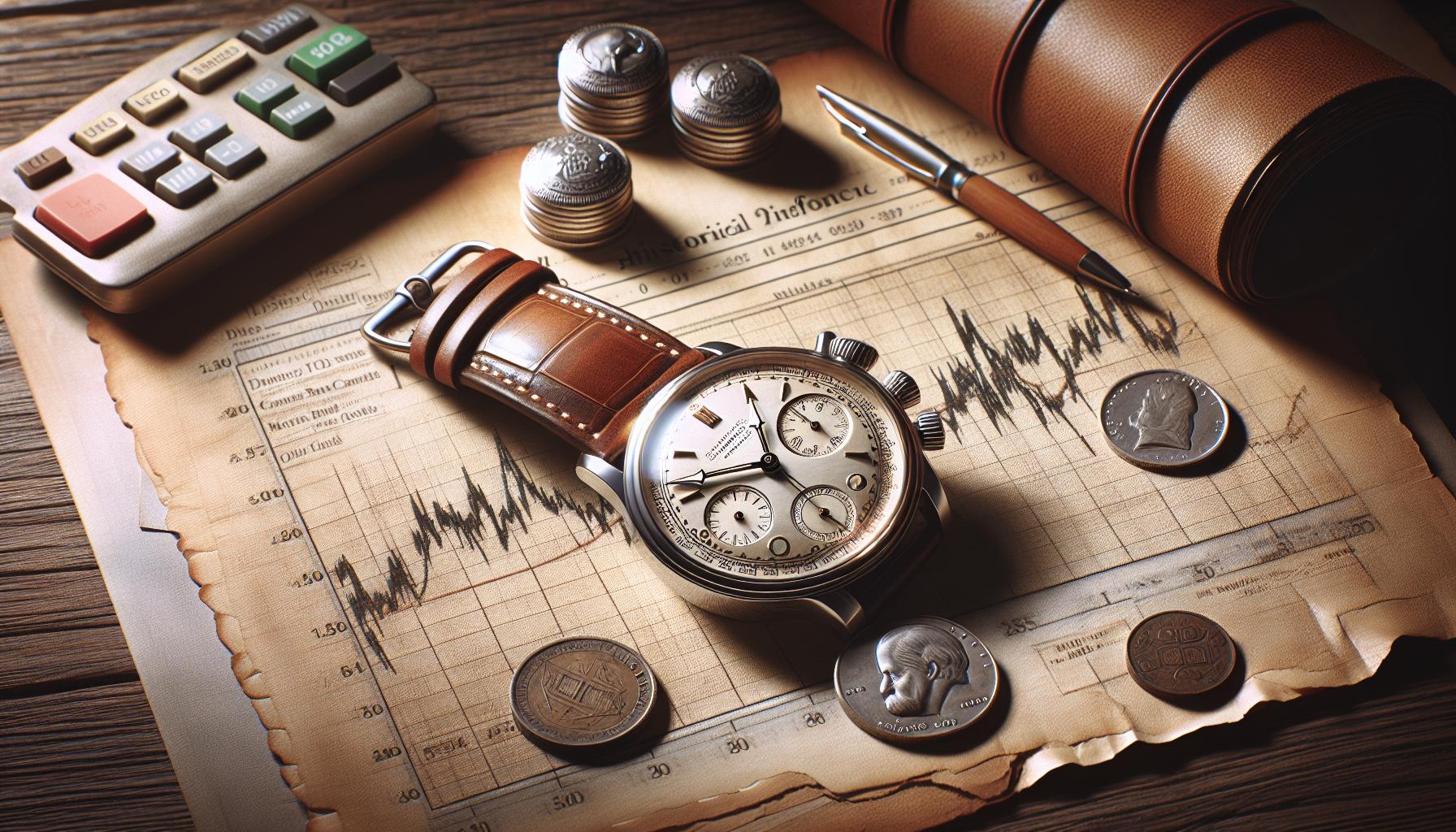
Luxury watches have consistently performed as strong investment vehicles, often outpacing other traditional asset classes over the past few decades. For instance, between 2007 and 2019, the average price of a luxury watch increased by nearly 70%, according to data from various auction houses and market analyses. This trend highlights how timepieces, especially from renowned brands, can serve as both functional items and valuable assets that appreciate over time.
Key historic examples illustrate this performance. Watches like the Rolex Daytona or the Patek Philippe Nautilus have seen their values surge exponentially after being discontinued, turning them into coveted collector’s items. A standout case is the Paul Newman Daytona, which sold at auction for over $17 million in 2017, a staggering increase from its original retail price. Such sales reinforce the notion that certain watches can not only retain value but can also provide substantial returns for savvy investors.
The historical performance of watches as investments can also be understood through market resilience during economic downturns. For instance, the luxury watch market witnessed minimal price drops during the 2008 financial crisis compared to other sectors. This endurance signifies that luxury watches can offer a level of insulation against market volatility, making them a compelling addition to a diversified investment portfolio.
In conclusion, understanding the historical performance trends of watches indicates that while not all pieces will appreciate, the right selections from reputable brands can indeed become significant assets. By closely monitoring market trends and focusing on iconic models with strong histories and desirability, collectors and investors can navigatethis unique investment landscape with informed optimism.
Top Watch Brands That Retain Value
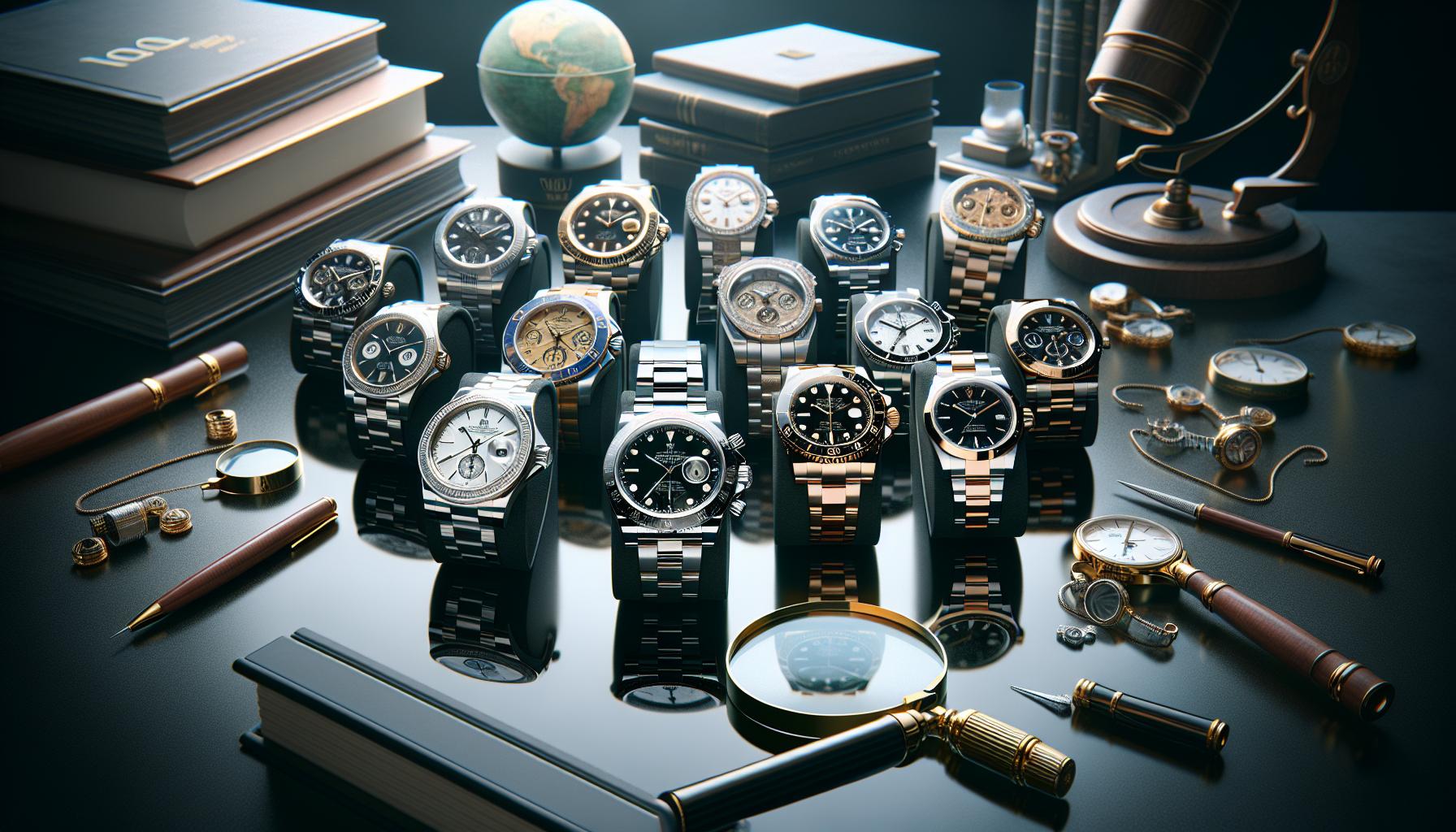
Certain watch brands have consistently proven their ability to retain-and even appreciate in-value, making them the go-to choices for investors looking for tangible assets. Rolex undoubtedly stands at the pinnacle, known for its iconic designs, excellent craftsmanship, and robust resale market. Models like the Daytona and Submariner stand out due to their historical significance and enduring popularity, often fetching prices that far exceed their original retail values. Another brand commanding attention is Patek Philippe, whose watches are synonymous with prestige and exclusivity. The Nautilus and Aquanaut collections have become particularly sought-after, with certain models trading in the hundreds of thousands of dollars range at auctions, demonstrating that they are more than just timepieces; they are investment grade.
Beyond these giants, Audemars Piguet, especially with its Royal Oak line, has also made significant strides in the investment landscape. Its unique design and limited availability mean that certain models can see marked value increases. Similarly, Tudor, often considered Rolex’s little brother, offers compelling options for collectors interested in quality watches that won’t break the bank, with several models holding their values well under $10,000.
Investors should be aware that while the brand is essential, specific models also matter significantly. Limited editions or discontinued items often experience the highest appreciation rates. For instance, the Paul Newman Daytona case not only highlights the importance of model rarity but also the enthusiasm of the collector community, where a specific version can sometimes lead to extraordinary returns. As you explore your options, it’s crucial to focus on those models that resonate with collectors to maximize your investment potential and ensure that your choice retains value over time.
Factors Influencing Watch Value Retention
The world of luxury watches is not just about aesthetics; it is a complex interplay of various elements that directly influence their value retention. Understanding these factors can help investors make informed decisions when acquiring timepieces as investment assets. Key aspects such as brand reputation, rarity, condition, and market demand play crucial roles in determining how well a watch holds its value over time.
Brand Reputation
The brand of a watch significantly impacts its market value. Renowned brands like Rolex and Patek Philippe are often viewed as safe investments, primarily due to their established histories of value retention and appreciation. Watches from these brands are not only celebrated for their quality and craftsmanship but also for the prestige associated with owning them. Thus, even models that are not necessarily limited edition can maintain a high resale value simply based on the brand’s reputation.
Rarity and Limited Editions
Rarity is a pivotal factor in preserving and enhancing a watch’s value. Limited edition models or those produced in small quantities often become highly sought after, driving up their market prices. To illustrate, the Paul Newman Daytona is a prime example of how specific features and scarcity can lead to extraordinary returns. Collectors are typically willing to pay a premium for watches that they perceive as rare, which places a premium on the notion of exclusivity.
Condition and Service History
The condition of a watch is fundamental to its value retention. Timepieces that have been well-maintained and documented with service history tend to maintain their value better than those that have not. Regular servicing ensures that the watch remains functional and aesthetically appealing. Potential buyers often perform a rigorous inspection, and any signs of wear or damage can significantly diminish its resale potential. Therefore, keeping the watch in excellent condition, including proper storage and care, is crucial for maximizing investment returns.
Market Demand and Trends
The luxury watch market is continually evolving, influenced by trends, celebrity endorsements, and economic conditions. Increased interest in mechanical watches amid a growing appreciation for craftsmanship can boost demand, thereby enhancing value retention. Investors should stay informed about market trends to identify which brands or models are gaining popularity. For instance, during economic shifts, luxury watches may be viewed as a more stable asset compared to volatile stocks, thereby increasing their desirability.
By considering these integrated factors-brand reputation, rarity, condition, and market trends-investors can navigate the luxury watch market more effectively, positioning themselves for better returns on their investments. Whether you are a seasoned collector or a beginner, understanding these dynamics is essential for making informed buying decisions and sustaining the value of your timepieces over time.
Comparative Analysis: Watches vs. Other Investments
Investing in luxury watches can offer advantages that differentiate them from more traditional assets like stocks and real estate. Unlike stocks, which can be highly volatile and influenced by market sentiment, certain luxury watches have shown a remarkable ability to appreciate over time, offering a potential hedge against market fluctuations. The unique characteristics of watch investments-such as their portability and tangible nature-further enhance their allure, drawing investors who seek alternative avenues for wealth preservation and growth.
When comparing watches to other investment classes, it’s essential to examine their risk-return profile. Luxury watches generally exhibit lower returns compared to high-performing equities, yet they often come with lower volatility. For example, a study indicated that luxury watches tend to have a weak correlation with the stock market, making them a strategic choice for those looking to stabilize their investment portfolio while minimizing overall risk. This contrasting behavior is particularly appealing during economic downturns when investors might flock to more stable, less liquid assets such as watches.
Another compelling aspect is the distinction between the liquidity of traditional investments and the market for luxury watches. While stocks and bonds can be quickly converted into cash, selling a luxury watch often takes more time and effort, which can be seen as a drawback but also adds a protective layer against impulsive selling during market corrections. Moreover, certain brands-like Rolex and Patek Philippe-tend to retain and even appreciate in value, sometimes fetching significantly higher prices in secondary markets than their original retail prices, whereas other investments might depreciate during unfavorable conditions.
Ultimately, the decision to invest in luxury watches versus other assets depends on individual goals and risk tolerance. For those who appreciate craftsmanship and the art of horology, luxury watches can serve as not just investments but also cherished collectibles that carry personal sentimental value. Diversifying a portfolio with a carefully selected collection of watches can mitigate risks inherent in more conventional investments, making them a worthy consideration for the modern investor seeking both financial gain and personal satisfaction.
Key Collector Insights: What Makes a Watch Valuable
When contemplating the investment potential of luxury watches, it’s crucial to understand the nuances that contribute to their value. One compelling factor is the blend of craftsmanship and brand legacy that defines a watch’s market appeal. For instance, brands such as Rolex and Patek Philippe are not merely timepieces; they embody a rich history of innovation and prestige, which often translates into appreciation over time. A fine example is the Rolex Daytona, which has seen significant price increases in the secondary market, driven by high demand and limited availability. This interplay of desirability and scarcity serves as a key indicator of a watch’s investment potential, positioning certain models as coveted collector’s items.
Moreover, the intrinsic qualities of a watch greatly influence its value retention. The materials used-such as precious metals, high-grade ceramics, or specialized alloys-enhance not only aesthetic appeal but also durability. The rarity of specific models, often marked by limited production runs or special editions, draws collectors who perceive them as unique assets. The value of a watch can further be fortified by having an intact box and papers, which signify authenticity and proper maintenance. As a rule of thumb, collectors should prioritize models that demonstrate exceptional craftsmanship and are accompanied by comprehensive documentation, as these aspects considerably boost resale value.
Market Trends and Collector Insights
Understanding market trends is essential for making informed purchasing decisions. Analyzing auction results, frequent changes in global economic conditions, and shifts in consumer preferences can provide valuable insights into which watches are poised for appreciation. For example, during periods of economic uncertainty, luxury watches often attract buyers seeking stable investments, propelling demand for established brands. Additionally, engaging with watch communities-whether online forums, social media groups, or local meetups-can offer collectors firsthand information and insights into which models are gaining traction among enthusiasts.
Finally, a discerning investor should seek to cultivate not only an understanding of the monetary value of their watches but also an appreciation for the artistry and history each piece represents. By focusing on the passion behind horology, collectors can create a portfolio that reflects both personal taste and financial acumen, ultimately enabling them to navigate the complex watch market with confidence.
The Role of Rarity and Exclusivity in Watch Value
The allure of watches as investment pieces often hinges on the principles of rarity and exclusivity. Just as fine art and rare coins can appreciate significantly over time, so too can limited-edition or hard-to-find watches capture the attention of collectors and investors alike. A prime example is the Patek Philippe Nautilus, specifically the models produced in limited quantities. When released, these timepieces quickly generate buzz, often selling out before they hit the retail shelves. This scarcity feeds their desirability, resulting in resale prices that can far exceed their original price tags.
Exclusivity goes beyond mere numbers; it intertwines with brand reputation and heritage. Luxury brands like Audemars Piguet and Omega have cultivated a rich history that elevates the value of their limited releases. For instance, the collaboration between Omega and NASA for the Speedmaster, famously worn by astronauts, creates a narrative that enhances its collectibility. As this connection to history adds another layer of value, collectors are often willing to pay a premium for watches that hold not only aesthetic appeal but also a storied past.
To navigate this landscape effectively, investors should consider several practical strategies:
- Research Rare Models: Knowledge is key. Understanding which models are highly sought after and why can provide a significant advantage. Tools such as auction results, watch enthusiast forums, and dedicated publications can illuminate current trends.
- Monitor Limited Editions: Brands frequently release limited-edition models. Staying informed about these drops through news alerts or newsletters ensures you don’t miss out on potential investment opportunities.
- Assess Brand Reputation: Over time, the brand’s legacy can play a crucial role in a watch‘s value retention. Investing in brands with established reputations for quality and craftsmanship can lead to smarter investment decisions.
Ultimately, the combination of rarity and exclusivity makes certain watches not just fashion accessories but potential financial assets that can appreciate significantly over time. By focusing on these key factors, collectors and investors can strategically enhance their portfolios, blending passion with financial prudence.
How to Assess the Condition of a Watch
Understanding the condition of a watch is crucial for any potential investor or collector, as it directly impacts both its value and desirability. A watch in excellent condition not only commands a higher price on the resale market but also reflects the care and attention it has received over the years. When assessing a watch, there are several key factors to consider, each of which contributes to the overall appraisal of its condition.
Start by examining the case and bracelet for scratches, dents, or signs of wear. High-quality materials, such as stainless steel or precious metals, may be more resilient, but they are not immune to damage. Look closely for any significant blemishes that could detract from its aesthetic appeal, as these can severely influence value. Additionally, assess whether the watch has been polished in the past; while some polishing may enhance appearance, excessive or improper polishing can lead to loss of original contours and diminish value.
Next, focus on the movement itself. A watch’s inner workings are its heart, and a well-maintained movement is essential for both functionality and value retention. If possible, request service records that demonstrate regular maintenance or repairs performed by reputable watchmakers. Even quartz watches, which are often less expensive than mechanical ones, should ideally have a service history to ensure longevity and reliability. Moreover, verify whether all features function properly, including timekeeping accuracy and complications, as any malfunctions could necessitate costly repairs that may be reflected in the watch’s market value.
Aside from physical and mechanical assessments, the documentation associated with a watch plays a significant role in its valuation. Original boxes, papers, and certificates of authenticity not only substantiate the watch’s provenance but also enhance its appeal to potential buyers. For example, a complete set with all original materials can command a premium over a watch lacking this context, highlighting the importance of these factors in the investment landscape.
In summary, methodically evaluating a watch’s condition involves scrutinizing its physical state, mechanical integrity, and accompanying documentation. This holistic approach not only ensures a sound investment decision but also fosters a greater appreciation for the craftsmanship and legacy that each piece embodies.
Long-Term vs. Short-Term Investment Strategies
Investing in luxury watches is often viewed through two primary lenses: short-term and long-term strategies, each with its unique advantages and risks. Short-term investors may be attracted by the quick returns that certain models can yield, especially during periods of high demand or market speculation. For instance, limited edition releases from renowned brands like Rolex or Patek Philippe have witnessed significant price surges soon after their launch. Engaging with auction trends or following market fluctuations can help identify these lucrative opportunities. However, this approach requires vigilant market monitoring and the ability to act decisively, as the window for profit can be quite narrow.
On the other hand, long-term investment strategies typically focus on acquiring pieces that are expected to appreciate significantly over several years. This approach benefits from a deeper understanding of a watch’s historical significance, brand reputation, and mechanical craftsmanship. Models that have shown historical appreciation, such as the Rolex Submariner or Audemars Piguet Royal Oak, often serve as reliable long-term investments. Long-term investors are advised to consider factors such as provenance, condition, and completeness of the watch (e.g., original box and paperwork). This comprehensive strategy not only mitigates risks associated with market volatility but also aligns with a collector’s passion, making the investment journey more rewarding.
To navigate both investment horizons effectively, collectors should:
- Research extensively: Understand the historical performance of specific models and their brand valuation trends.
- Engage with the community: Join forums and attend watch shows to gain insights from fellow collectors and dealers.
- Document your investments: Keep meticulous records of purchase prices, condition reports, and maintenance history to support future valuations.
- Be patient: Recognize that while some models may appreciate rapidly, others require time and careful preservation to maximize value.
Ultimately, aligning your investment strategy-a mix of opportunistic short-term trades and thoughtful long-term acquisitions-can lead to a solid watch portfolio that stands the test of time. Each strategy demands its own discipline and knowledge, making it essential for collectors to find a balanced approach that resonates with their financial goals and passions.
Market Trends: Current Demand for Luxury Watches
The demand for luxury watches remains robust, reflecting a blend of timeless craftsmanship and status symbol appeal. Recent market insights indicate that brands like Rolex, Audemars Piguet, and Patek Philippe consistently lead the charge, characterized by not just their mechanical excellence but their ability to retain and even increase value over time. This is particularly significant in an era where conventional investments face volatility, prompting many to seek alternative avenues for wealth preservation and growth.
In the current landscape, limited-edition releases and vintage pieces have surged in popularity, characterized by a strong secondary market. For instance, a Rolex Daytona originally priced at around $12,000 can fetch upwards of $25,000 at auction shortly after its release. This increase reflects both the brand’s reputation and the unpredictable nature of collector demand. Furthermore, social media and online platforms have revolutionized how enthusiasts engage with the luxury watch community, driving up interest and, consequently, prices.
To capitalize on these trends, would-be investors should focus on acquiring pieces with proven historical performance and brand vitality. This involves:
- Monitoring market analyses: Pay attention to auction results and price trends published by reputable sources.
- Networking: Join watch collector groups and attend exhibitions to gain insider knowledge on model desirability and market shifts.
- Assessing authenticity: Ensure that watches come with documentation and are verified by experts, solidifying their resale value.
In summary, the current climate for luxury watches indicates a strong potential for investment, marked by an enthusiastic collector base and a willingness to pay premium prices for exclusivity and quality. By remaining informed and engaged in the market, collectors can effectively navigate this dynamic landscape and make prudent investment choices.
Care and Maintenance: Preserving Your Investment
Watches are not just instruments for telling time; they can also be significant financial investments, increasing in value when cared for properly. To ensure your luxury timepiece retains its value, implementing a robust maintenance routine is essential. Regular care prevents deterioration and keeps the mechanical components functioning optimally, all of which can have a substantial impact on resale value down the line.
One of the primary steps in watch maintenance involves ensuring proper cleaning. Watches, especially those worn daily, can accumulate dirt and grime that may affect their performance and aesthetic appeal. Consider these practical tips for maintaining the appearance and functionality of your watch:
- Regular cleaning: Use a soft, lint-free cloth to wipe down the watch after each wear, removing moisture, sweat, and residues that could corrode the case or strap.
- Professional servicing: Schedule a professional service every 3-5 years, depending on the brand and usage. This includes disassembly, cleaning, lubrication, and reassembly, which helps to keep the intricate mechanisms in perfect working order.
- Water resistance testing: If your watch is rated for water resistance, have it tested periodically to ensure seals are intact. Water damage can result in costly repairs and devaluation.
Storing your watch correctly is equally vital. Using a dedicated watch box or winder prevents damage when not in use. Exposure to extreme temperatures, humidity, or direct sunlight can degrade materials and cause the mechanism to fail, thereby diminishing its value.
Lastly, understanding the environment in which your watch operates can help you preserve its longevity. For example, sports watches may require more rigorous maintenance following exposure to environmental elements such as saltwater or chlorine from pools. By adapting your care to the specific conditions your watch experiences, you not only maintain its aesthetic and functionality but also its investment potential.
Engaging in consistent and thoughtful watch care can significantly enhance the longevity and value of your timepiece, positioning it not just as a luxury accessory but as a valuable investment in your financial portfolio.
Navigating the Watch Resale Market: A Guide
Entering the watch resale market can be an overwhelming experience, but understanding the nuances can significantly enhance the potential returns on your investment. The luxury watch market has seen an impressive resurgence over the past decade, with certain models appreciating in value far beyond their original price. This trend presents a fantastic opportunity for both collectors and casual buyers looking to profit from their timepieces.
To navigate this dynamic market successfully, it is essential to familiarize yourself with key factors such as brand reputation, model rarity, and condition. Certain brands like Rolex, Patek Philippe, and Audemars Piguet not only have a rich history but also a track record of retaining or increasing their value during resale. Limited editions or discontinued models can fetch prices that are significantly higher than their initial retail value by creating a sense of exclusivity.
When considering selling your watch, timing and method are crucial. Research current market trends and seasonal variations; for example, summer often sees an uptick in watch sales as buyers seek to complement their warm-weather wardrobes. Platforms for resale include specialized auction houses, trusted online marketplaces, and private collections. Each has its pros and cons, including fees and audience reach. Engaging with watch forums or local collector groups can also yield valuable insights and often connect you with interested buyers.
- Authenticity: Ensure you have all documentation such as original receipts, certificates, and service records; these enhance credibility and value.
- Condition Assessment: Prioritize repairing and cleaning the watch before resale – a serviced timepiece presents better in photos and fetches a higher price.
- Market Research: Utilize online tools to analyze comparable sales data for your watch model to determine a competitive asking price.
- Networking: Connect with other collectors or dealers who may provide tips or opportunities for private sales.
Maintaining clarity about your expectations regarding profit margins and the market’s volatility is crucial. Luxury watches can be subject to market fluctuations, much like other investment vehicles. However, with research, networking, and strategic planning, navigating the resale market can provide not only a profitable transaction but also a rewarding experience in watch collecting.
FAQ
Q: Are luxury watches a better investment than stocks?
A: Luxury watches can offer stable value retention and emotional satisfaction compared to volatile stock markets. However, investing in watches may require specialized knowledge. Consider diversifying your portfolio by balancing both asset types for optimal financial security.
Q: What should I look for in a watch investment?
A: Focus on brands known for quality, rarity, and historical significance. Examine the condition, documentation, and resale potential. Understanding market trends can also enhance your investment strategy. For more tips, refer to the section on assessing watch conditions in the article.
Q: How does watch condition affect its investment value?
A: The condition of a watch significantly influences its market value. Well-maintained timepieces with original parts and documentation command higher prices. Regular care and proper storage can help sustain or increase its value over time, as discussed in our maintenance section.
Q: Why are some watches considered more valuable than others?
A: Rarity, brand reputation, historical significance, and exclusive craftsmanship contribute to a watch’s value. Limited editions and models with unique features often appreciate more in the long run, making them desirable among collectors. Explore the role of rarity in our dedicated article section.
Q: How often should I service my watch to maintain its value?
A: Regular servicing, ideally every 3-5 years, helps ensure your watch remains in good working order and retains its value. Keeping it in excellent condition minimizes depreciation and enhances resale potential. For maintenance best practices, see our care section.
Q: What trends are currently affecting the luxury watch market?
A: Currently, interest in sustainable and vintage watches is rising. Economic factors, consumer preferences, and social media influence popularity and pricing. Staying informed about these trends is crucial for investing wisely. Refer to our market trends analysis for insights.
Q: Can I sell my watch without losing value?
A: Yes, selling strategically, either through reputable dealers or auctions, can help retain or even enhance your watch’s value. Timing and market demand play significant roles in resale prices. Learn more about navigating the resale market in our guide section.
Q: What is the most reliable way to determine a watch’s value?
A: A professional appraisal from an experienced watchmaker or certified appraiser provides the most reliable value assessment. Additionally, consider recent sales of similar models to gauge current market trends. For more detailed assessments, check our article on value retention factors.
Future Outlook
In conclusion, while luxury watches can be a wise investment, understanding their market dynamics is crucial. With their lower risk profile and potential for portfolio diversification, these timepieces not only hold value but can also bring a unique charm to your investment strategy. If you’re considering adding watches to your collection, take action now and explore our latest insights on luxury watch market trends and valuation methods.
For those looking to dive deeper, check out our articles on how to select investment-worthy watches and the benefits of watch collecting for financial stability. Don’t forget to sign up for our newsletter for the latest updates and exclusive resources tailored for savvy investors like you. Your journey into the world of watch investments begins here-let’s keep the conversation going! Share your thoughts or experiences in the comments below and discover how others are navigating their own watch investment journeys. Remember, every tick of the second hand is a step toward making informed financial decisions.
Get our latest guides, news, and insights highlighted in your Google Search & AI Overviews.