Did you know that the ocean is one of our planet’s most significant climate regulators? Ocean currents play a pivotal role in shaping weather patterns, driving temperature variations, and influencing ecosystems around the globe. By redistributing heat and nutrients, these currents not only sustain marine life but also impact agricultural productivity and weather extremes that directly affect our daily lives. Understanding how these currents function can empower us to make informed decisions about environmental stewardship and climate adaptation. As we delve into the intricate connections between ocean currents and global climates, you’ll discover not just how they shape our world, but also how recognizing their vital role is essential for a sustainable future. Join us on this journey to grasp the complexities of our oceans and their profound influence on the climate we experience every day.
How Ocean Currents Influence Weather Patterns
Ocean currents play a critical role in shaping weather patterns across the globe, influencing everything from precipitation levels to storm trajectories. For instance, the Gulf Stream, a prominent ocean current in the Atlantic, carries warm water from the tropics northward, significantly impacting the climate of the eastern United States and Western Europe. This warming effect fosters milder winters in these regions compared to others at similar latitudes, demonstrating how currents can alter local climates and weather dynamics.
The movement of ocean currents is closely related to atmospheric conditions. When warm ocean water meets cooler air, it can result in increased evaporation, leading to cloud formation and precipitation. In contrast, cooler ocean waters lead to reduced evaporation and, consequently, drier conditions. Such mechanisms underpin various weather phenomena, including hurricanes, which thrive in warm ocean waters. These powerful storms can impact coastal regions dramatically, affecting both natural ecosystems and human populations.
Moreover, shifts in ocean currents can have substantial implications for global weather patterns. Changes in currents, whether due to natural cycles or anthropogenic influences, can lead to unprecedented weather events. For example, an altered El Niño cycle can shift normal wind patterns and disrupt marine food webs, leading to reduced fish populations and altered weather patterns across continents. Such disruptions illustrate the interconnectedness of ocean currents, atmospheric conditions, and climate variability, highlighting the necessity for comprehensive monitoring and understanding of these oceanic systems.
In summary, the influence of ocean currents on weather patterns can be profound, impacting not just local climates but also global weather phenomena. By recognizing the crucial role that these currents play, we can better prepare for and adapt to the fluctuations in climate that they help drive. Understanding and addressing these impacts can also inform policy efforts aimed at mitigating climate change and protecting vulnerable coastal regions.
The Role of Ocean Currents in Climate Zones
Ocean currents are not merely streams of water; they are fundamental forces that shape climate zones around the globe, influencing temperature, precipitation, and even the types of ecosystems that flourish in different regions. For example, the warm waters of the Gulf Stream travel from the tropics to the North Atlantic, creating milder weather in Western Europe compared to other regions at the same latitude. This phenomenon is not coincidental; rather, it demonstrates how ocean currents can dramatically alter regional climates by redistributing heat across the planet.
To understand this impact, consider the concept of thermal energy transfer. When ocean currents carry warm water towards the poles, they also transport heat into the atmosphere, directly affecting weather patterns. In temperate regions, this leads to increased temperatures and rainfall, facilitating lush forests and varied agricultural practices. Conversely, cooler currents, such as the California Current, lead to drier conditions and can create arid climates coastal regions. This dynamic not only affects human livelihood but also determines biodiversity, with certain species thriving in conditions created by specific currents.
Another critical aspect to consider is how seasonal changes in ocean currents can shape climate zones over time. For instance, the seasonal alteration of currents can influence monsoon patterns in Asia and rainfall patterns in the Americas. The oscillation of these currents often dictates agricultural cycles, impacting food security in several regions. Additionally, understanding these currents is essential for effective environmental stewardship, as shifts in patterns can indicate broader climate changes associated with global warming.
In practical terms, monitoring ocean currents and understanding their role in climate zones allows us to make informed decisions regarding urban planning, disaster preparedness, and sustainable resource management. Communities that are aware of their climatic dependencies can adopt strategies to mitigate the potential adverse effects of climate variability. By leveraging this knowledge, society stands empowered to address challenges posed by climate change while fostering resilience in affected ecosystems.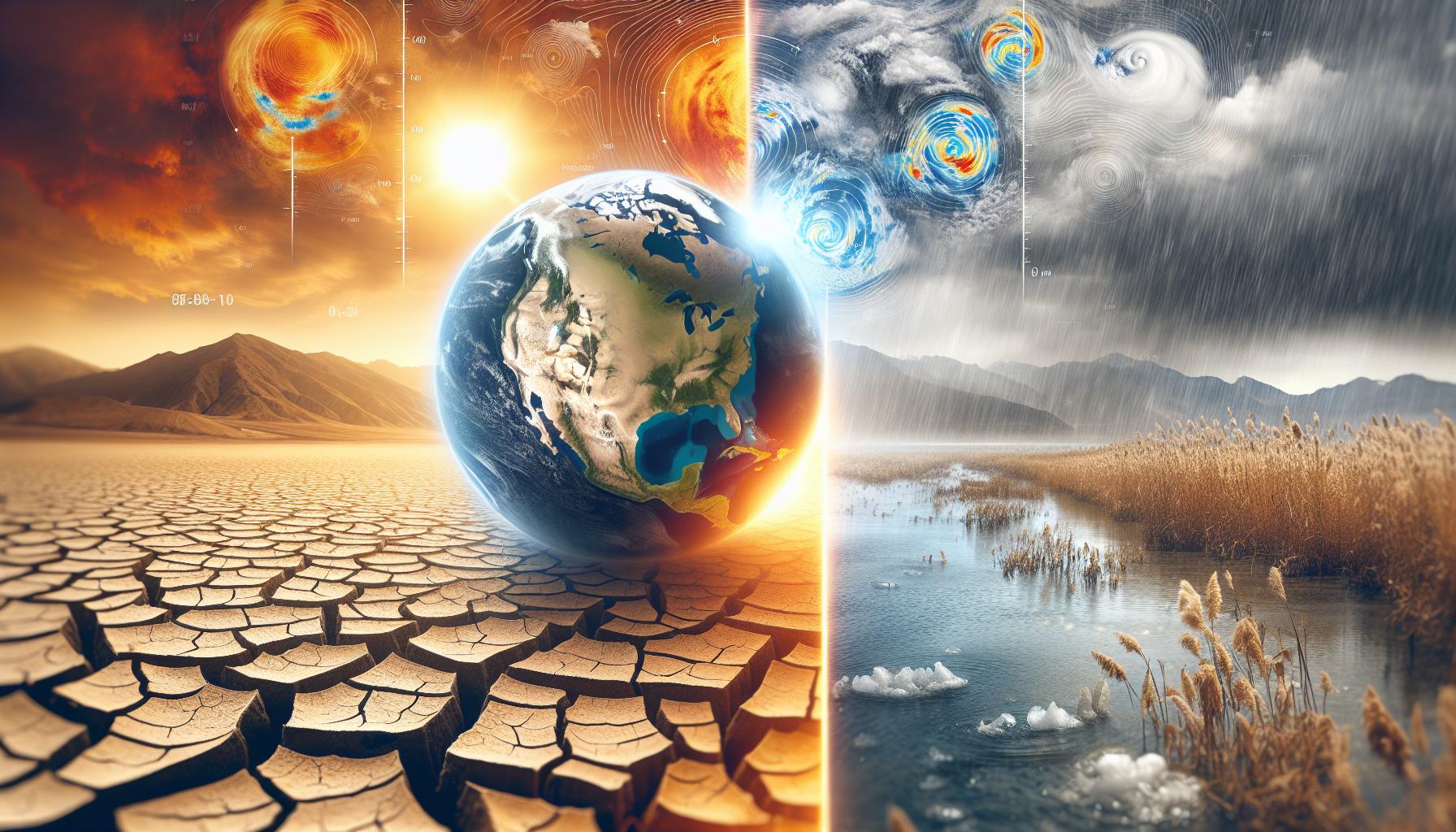
Impact of El Niño and La Niña Phenomena
The dramatic effects of El Niño and La Niña on global climate are akin to nature’s own thermostat, stirring both ocean and atmospheric conditions to alter weather patterns across the globe. El Niño is characterized by warmer-than-average sea surface temperatures in the central and eastern Pacific Ocean, while La Niña represents the opposite phenomenon, where cooler ocean temperatures prevail. These alternating phases of the El Niño-Southern Oscillation (ENSO) significantly influence precipitation, temperature extremes, and ultimately shape ecological and economic systems worldwide.
During an El Niño event, the warmer waters can lead to increased rainfall in regions like the western coast of South America, resulting in lush landscapes but also potential flooding. This can devastate local agriculture and increase the risk of landslides. Conversely, areas such as Southeast Asia and Australia often suffer from drought conditions, affecting water supplies and crop yields. For instance, the 1997-1998 El Niño event led to one of the most severe weather patterns recorded, causing widespread droughts and heavy rainfall that had a long-lasting impact on food supply chains.
In contrast, La Niña tends to bring cooler and wetter weather to some areas while enhancing drought conditions in others. This can bolster agricultural productivity in certain regions, yet it can also lead to significant water shortages in others. The interplay of these phenomena can create a ripple effect on global trade, food security, and even disease outbreaks, as changing climates can impact the habitat range of various pests and pathogens.
Understanding these phenomena is crucial for several reasons, including disaster preparedness and sustainable agricultural practices. Communities in vulnerable regions can benefit from enhanced monitoring of ENSO events to better predict and prepare for shifts in climate. By equipping local farmers with timely information, they can adapt strategies, such as altering planting schedules or utilizing drought-resistant crops, to mitigate the adverse effects of these oscillating ocean currents. Moreover, ongoing research continues to improve forecasting models that help predict these phenomena, empowering societies with the knowledge needed to adapt to the changing climate landscape.
Ocean Currents and Global Temperature Variations
The intricate dance of ocean currents plays a pivotal role in regulating global temperatures, acting as a massive conveyor belt that transports heat across the planet. For instance, the Gulf Stream, a prominent ocean current in the Atlantic, carries warm water from the tropics northward to the western coasts of Europe. This influx of warmth significantly alters the climate in regions like the UK and Norway, resulting in milder winters than those at similar latitudes in Canada. Such modifications in temperature not only affect local weather patterns but also have broader implications for regional ecosystems and agricultural productivity.
Variations in oceanic temperatures driven by currents also influence weather phenomena across the globe. When currents like the California Current bring cooler water to the coastal areas of the western United States, it can lead to reduced humidity and lower precipitation levels, impacting agriculture and water resources. Conversely, warmer currents can increase evaporation rates, contributing to more intense storms and altered rainfall patterns in distant regions. This interconnectedness means that changes in ocean currents must be closely monitored, as even minor fluctuations can lead to significant climatic shifts.
Practical Implications
Understanding the extent of ocean currents’ influence on climate can empower communities and policymakers alike. Here are some strategies to consider:
- Monitoring Systems: Investing in advanced monitoring technologies can help track changes in ocean currents and temperatures, allowing for timely adjustments in agricultural and disaster preparedness strategies.
- Public Awareness: Educating the public about how ocean currents affect local weather and climate conditions can foster more sustainable practices, such as water conservation during prolonged droughts.
- Cross-Disciplinary Collaboration: Encouraging collaboration between climatologists, oceanographers, and local governments can lead to more comprehensive climate adaptation strategies that account for the influence of ocean currents.
In conclusion, as we grapple with the challenges posed by climate change, recognizing the role of ocean currents in shaping global temperatures becomes increasingly essential. By integrating this knowledge into planning and policy, societies can better mitigate risks and adapt to the shifting climate landscape, fostering resilience in the face of uncertainty.
The Connection Between Ocean Currents and Oceanic Ecosystems
The intricate interplay between ocean currents and marine ecosystems is nothing short of remarkable. Ocean currents are not just transporters of heat; they also play a crucial role in the distribution of nutrients, helping sustain a diverse array of marine life. For instance, upwelling zones, where colder, nutrient-rich waters from the depths rise to the surface, exemplify the impact of currents on biological productivity. These areas often teem with life, supporting vast fisheries that not only fuel local economies but also contribute to global food security.
In addition to nutrient distribution, ocean currents significantly influence the migration patterns of marine species. Many fish, whales, and sea turtles rely on specific currents for spawning and feeding. The Gulf Stream, for example, serves as a highway for species like the Atlantic bluefin tuna, guiding them through their migratory routes. Disruption of these currents due to climate change can have drastic effects on these migration patterns, potentially leading to declines in species populations and altering the intricate balance of marine ecosystems.
Practical Steps for Sustainable Management
To maximize the benefits that ocean currents provide to marine ecosystems, proactive management strategies must be adopted:
- Research Initiatives: Supporting scientific research on current patterns and their ecological impacts can guide sustainable fishing practices and protect biodiversity.
- Marine Protected Areas: Creating marine protected areas (MPAs) in critical current zones ensures that essential habitats are preserved, allowing ecosystems to thrive without human interference.
- Community Engagement: Involving local communities in monitoring and conservation efforts can enhance resilience to changes in currents and their effects on marine life.
By understanding and valuing the connection between ocean currents and ecosystems, we can foster more sustainable practices that ensure the health of our oceans. This balanced approach not only supports biodiversity but also safeguards the livelihoods of communities that depend on marine resources, promoting a holistic view of ocean management in the face of climate change.
How Changes in Current Patterns Affect Coastal Regions
Changes in ocean current patterns can have profound effects on coastal regions, often altering ecosystems, affecting local economies, and reshaping human activities. For instance, the variability of currents can lead to fluctuations in sea temperature, salinity, and nutrient flow, each of which plays a critical role in maintaining marine biodiversity. A vivid example is the impact of the Gulf Stream on the eastern United States; as this current flows northward, it moderates temperatures along the coast, creating temperate marine environments that support abundant fisheries. However, shifts in the strength or path of the Gulf Stream due to climatic changes could result in diminished fish populations, adversely impacting both commercial and recreational fishing industries.
Moreover, changes in current patterns can heighten the risk of coastal erosion and flooding. For example, modifications in the flow of the California Current, which typically carries cold water southward along the coast, have been associated with increased sea levels in certain areas, leading to more frequent and severe flooding during storm events. This has implications not only for natural habitats but also for coastal infrastructure. Communities must adapt by implementing effective coastal management strategies, such as restoring wetlands and investing in resilient infrastructure that can withstand the forces of a changing climate.
Another significant aspect to consider is the socio-economic impact on local communities. Coastal economies often depend heavily on tourism and fishing, both of which can be severely impacted by fluctuations in ocean currents. Take, for instance, the Caribbean region, where changes in currents can affect coral reef health and thereby influence tourism. As currents warm or shift, reefs can suffer, resulting in less vibrant marine life that attracts tourists. To counter these challenges, it is essential for local governments and community leaders to engage in long-term planning that incorporates monitoring current patterns and developing adaptive strategies that promote sustainability.
To effectively navigate the complexities introduced by shifting ocean currents, communities should focus on building adaptive capacity through several key actions:
- Invest in Research: Supporting scientific study of ocean currents will provide essential data for understanding their future trajectory and implications.
- Enhance Coastal Resilience: Implementing green infrastructure, such as living shorelines, can help buffer against storm surges and erosion.
- Foster Community Adaptation: Encouraging local involvement in adaptation strategies creates ownership and empowers communities to take proactive measures.
In summary, by recognizing the critical interplay between changing ocean current patterns and coastal regions, communities can better prepare themselves to face these challenges. This proactive approach not only safeguards ecosystems but also ensures the long-term viability of coastal economies.
The Role of Technology in Monitoring Ocean Currents
Monitoring ocean currents has become increasingly vital in understanding their profound impact on global climates. Modern technological advancements allow scientists to collect and analyze oceanic data like never before. For instance, buoys equipped with sensors are placed strategically in various ocean regions to gather real-time information regarding water temperature, salinity, and currents. These data points are crucial for creating predictive models that help forecast weather patterns and climate changes, supporting decision-making on everything from fisheries management to disaster preparedness.
Key Technologies in Ocean Current Monitoring
Numerous technologies work together to monitor ocean currents effectively. Among the most significant are:
- Satellite Remote Sensing: Satellites provide a bird’s-eye view of the ocean, capturing large-scale data on sea surface temperatures and chlorophyll concentrations. This helps identify areas where ocean currents converge and diverge, offering insights into potential climate impacts.
- Drifters: These floating instruments move with ocean currents, relaying location data via GPS. They help researchers understand current patterns in real time, improving models that predict future behaviors.
- ADCPs (Acoustic Doppler Current Profilers): These devices use sound waves to measure the speed and direction of currents at various depths, offering a comprehensive view of oceanic circulation.
Real-World Applications and Impact
The implications of effectively monitoring ocean currents are far-reaching. For example, accurate data on current behavior aids in predicting the onset and intensity of El Niño and La Niña phenomena, which can lead to extreme weather events worldwide. In collaborative research across multiple nations, scientists analyze current data to develop early warning systems that protect vulnerable coastal communities from natural disasters, providing them with precious extra time to prepare.
Moreover, advancements in technology foster international cooperation in oceanic research. Countries share data and findings, elevating collective understanding of how ocean currents influence not just local climates but global ecosystems. These collaborations are essential for addressing climate change, as coordinated efforts enhance the ability to formulate policies that safeguard both marine environments and human livelihoods.
Through continuous investment in ocean current research technologies, societies can build resilience against climate change. Integrating these technologies within community planning and infrastructure investment creates a proactive framework to adapt to and mitigate the impacts of shifting ocean currents. By fostering a culture of innovation and collaboration, we empower communities worldwide to face future climate challenges effectively.
Climate Change and Its Effects on Ocean Currents
The warming of our planet due to climate change has profound implications for ocean currents, which, in turn, significantly affect global climates. Research indicates that as ocean temperatures rise, alterations in circulation patterns are anticipated, prompting changes in weather systems and impacting various ecosystems. Melting ice caps and glaciers introduce freshwater into the ocean, disrupting the delicate balance that sustains major currents like the Atlantic Meridional Overturning Circulation (AMOC). This disruption can lead to more severe weather events, such as intensified hurricanes and altered precipitation patterns.
One tangible example is the interaction between increased storm intensity and ocean currents. Warmer waters fuel more robust storms, which can drastically change local currents, further impacting marine ecosystems and coastal communities. Additionally, persistent alterations to currents can lead to changes in the habitats of fish and other marine life, affecting global fisheries and food security. As fish stocks migrate in response to shifting temperatures, the livelihoods of communities dependent on fishing are threatened, highlighting the far-reaching effects of ocean current changes.
In light of these challenges, communities and policymakers are urged to adopt adaptive strategies that address the broader implications of climate change on ocean currents. Investing in sustainable fishing practices and enhancing coastal infrastructure can help mitigate the impact of changing currents. Furthermore, enhancing international collaboration in monitoring ocean conditions can lead to a more comprehensive understanding of these dynamic systems. By leveraging technology and data-sharing, countries can formulate proactive strategies that not only safeguard marine biodiversity but also strengthen community resilience against climate impacts. These measures are crucial for creating a sustainable future as climate change continues to unfold.
Policy Implications for Ocean Current Research
The interconnected nature of ocean currents and climate necessitates robust policy responses to ensure sustainable management and research support. Considering that these currents regulate temperatures, precipitation patterns, and even storm intensities, effective policies must prioritize extensive monitoring and adaptive management strategies. In addition to enhancing scientific understanding, these policies can further enable communities to respond effectively to shifts caused by climate change.
To address these challenges, governments can implement policies that advocate for the integration of ocean current data into climate models. By improving these models, decision-makers gain crucial insights into how changes in ocean currents might impact regional climates and adaptive capacities. Initiatives can include funding for research programs that investigate the nuances of ocean currents and their socio-economic implications. Moreover, establishing international partnerships can facilitate data-sharing across borders, enhancing our collective understanding of these systems.
Strategies for Implementation
- Invest in Research: Allocate resources to universities and research institutions focusing on oceanography and climate sciences. This could involve grants aimed at studying the effects of ocean current changes on weather systems and ecosystems.
- Promote Technological Advancements: Encourage the development and deployment of advanced satellite and buoy technologies to monitor ocean currents with higher accuracy. Such technologies can provide real-time data essential for forecasting and disaster preparedness.
- Engage Stakeholders: Involve local fishing communities, coastal developers, and environmental NGOs in policy-making forums. Their firsthand experiences and knowledge can guide effective, application-oriented policies that reflect the needs of diverse stakeholders.
- Create Educational Programs: Develop public awareness campaigns that educate individuals about the role of ocean currents in climate change. Providing communities with the knowledge they need to advocate for conservation and policy changes can lead to a more informed populace that actively engages in sustainable practices.
By instituting these policies and practices, we can better position societies to adapt to the shifting dynamics of ocean currents and their cascading effects on global climates. As climate challenges grow, so too does the requirement for informed, actionable policies that recognize the significance of these vital oceanic systems.
Real-World Examples of Currents Shaping Climate
The influence of ocean currents on climate is evident through tangible, real-world phenomena that shape our environment. For instance, the Gulf Stream, a powerful current originating in the Gulf of Mexico, significantly moderates the climate of Western Europe. Without this warm current, regions like the UK and parts of Northern Europe would face drastically colder temperatures, affecting agricultural practices and increasing energy demands for heating.
Conversely, the El Niño phenomenon exemplifies how shifting ocean currents can lead to extreme weather patterns globally. During an El Niño event, warmer water in the central Pacific alters atmospheric circulation, resulting in increased rainfall in some regions, such as the western coasts of the Americas, while causing droughts in others, such as Australia and Southeast Asia. This oscillation profoundly impacts food production and water resources, highlighting the need for adaptive agricultural strategies and disaster preparedness plans in vulnerable areas.
Case Study: The El Niño Effect
A remarkable case study is the 2015-2016 El Niño event, one of the strongest recorded, which led to widespread weather disruptions. The ensuing drought in Indonesia not only impacted local farmers but also contributed to an alarming increase in forest fires, releasing vast amounts of carbon into the atmosphere and exacerbating climate change. Conversely, South America faced unprecedented flooding, illustrating how interconnected our global climate systems are.
Understanding Through Data
Monitoring these shifts in current patterns is critical. Advanced technologies, like satellite imagery and buoys, now provide real-time data that enhance our understanding of how ocean currents drive climate variations. This real-time monitoring aids in predicting weather patterns, allowing governments and organizations to implement proactive measures. For instance, by integrating ocean current data into agricultural planning, farmers can adjust planting schedules and crop selections, thereby mitigating risks associated with climate variability.
By recognizing these tangible examples of how ocean currents shape our climate, communities can better prepare for the challenges ahead, advocating for informed policies that ensure sustainable practices and bolster resilience against adverse climate impacts.
Understanding the Science Behind Ocean Currents
Ocean currents are often described as the highways of the oceans, but they are much more than that; they are crucial conduits for energy and nutrients that impact global climate. These currents are driven by a variety of factors, including wind, salinity differences, the Earth’s rotation, and temperature variations. The movement of these currents plays a significant role in regulating the Earth’s climate, influencing weather patterns, and determining the ecological characteristics of various regions.
One captivating aspect of ocean currents is their ability to transport heat from the equator towards the poles. For example, the Gulf Stream carries warm water from the Gulf of Mexico up the eastern coast of the United States and across the Atlantic Ocean towards Europe. This natural phenomenon not only contributes to milder winter temperatures in places like the UK and Scandinavia but also affects precipitation patterns. Without the Gulf Stream’s moderating effects, much of Northern Europe would experience a climate similar to that of Canada-much colder and less hospitable for agriculture.
Understanding the science behind these currents involves recognizing their cyclic nature and interconnectivity. The Thermohaline Circulation, also known as the global conveyor belt, is a large-scale movement that circulates water globally, driven mainly by differences in water density-primarily due to temperature and salinity. This circulation affects oceanic and atmospheric phenomena, including the frequency and intensity of storms.
Here are critical elements that illustrate how ocean currents influence climate:
- Heat Distribution: Currents like the Antarctic Circumpolar Current help regulate global temperatures by distributing heat around the planet.
- Nutrient Cycling: Upwelling zones, where deep, nutrient-rich water rises to the surface, support significant marine biodiversity and, by extension, food systems.
- Climate Feedbacks: Changes in currents due to various factors, including climate change, can influence Arctic ice melt, which has further implications for global weather patterns.
Ongoing research and technology, such as satellite tracking and advanced oceanic buoys, play a vital role in monitoring these currents. By analyzing oceanic data, scientists can create predictive models to understand better and anticipate the impacts of current changes on climate. For instance, a deeper comprehension of how currents shift during El Niño or La Niña events can enhance preparedness for weather extremes, enabling proactive resource management and disaster readiness.
Ultimately, recognizing the intricate relationship between ocean currents and climate offers a pathway to fostering resilience in the face of environmental challenges. Efforts to study and mitigate disruptions in oceanic patterns can lead to informed policy decisions and more sustainable practices that benefit both human societies and the planet’s health.
Future Trends: Ocean Currents and Climate Predictions
As our planet warms and the dynamics of ocean currents shift, the implications for global climate predictions grow more complex and vital. Scientists forecast that the intricate web of currents, significantly affected by rising temperatures and melting polar ice, will lead to profound changes in weather patterns. For instance, alterations in the strength and direction of currents such as the Gulf Stream can dramatically influence weather phenomena across regions, including increased storm intensity and unexpected droughts in areas previously thought stable.
Climate models increasingly illustrate the strong correlation between ocean currents and climatic shifts. The displacement of warm and cold water masses can trigger feedback loops that exacerbate existing climate issues, leading to more unpredictable seasonal changes. The potential future decrease in overall ocean circulation, a concern echoed by climate scientists, could also result in more severe weather extremes and shifts in marine biodiversity. For example, fisheries may relocate as species follow their preferred water temperatures, impacting local economies reliant on fishing industries.
In light of these predictions, it is critical to invest in robust monitoring technologies to track these changes in real-time. Emerging technologies, such as autonomous underwater vehicles and advanced satellite systems, offer a promising avenue for better understanding and predicting oceanic shifts. Engaging the community through citizen science initiatives can also enhance monitoring efforts, empowering individuals to contribute valuable data about local water conditions.
Stakeholders, from policymakers to local communities, must collaborate to adapt to these evolving patterns. Strategies may include revising coastal zoning laws, enhancing disaster preparedness frameworks, and investing in renewable energy resources to mitigate climate impacts. By fostering resilient systems that can adjust to fluctuations in ocean currents, we stand a better chance of safeguarding ecological integrity and human livelihoods against the backdrop of a changing climate.
FAQ
Q: How do ocean currents affect global climate?
A: Ocean currents play a crucial role in regulating global climate by distributing heat from the equator to the poles. They impact weather patterns, temperature variations, and precipitation, influencing ecosystems and human activities alike. Understanding these dynamics is essential for climate prediction and adaptation strategies.
Q: What is the relationship between ocean currents and weather phenomena like hurricanes?
A: Ocean currents significantly influence the formation and intensity of hurricanes. Warm, moisture-laden waters fuel hurricanes; thus, changes in currents can alter their paths and strengths. Monitoring these currents is vital for improving forecasts and preparing coastal communities for potential impacts.
Q: Why are major ocean currents like the Gulf Stream important for climate?
A: Major ocean currents, such as the Gulf Stream, transport warm water northward, affecting climate in Western Europe. This movement helps moderate temperatures, preventing extreme cold winters. Changes in such currents due to climate change can have significant implications for regional weather systems.
Q: How do changes in ocean currents indicate climate change?
A: Changes in ocean currents, such as shifts in their speed or direction, often reflect broader climate changes. These shifts can signal alterations in heat distribution and weather patterns, acting as early indicators of climate change that require careful monitoring and assessment.
Q: What role do ocean currents play in carbon cycling and climate regulation?
A: Ocean currents facilitate the movement of carbon, helping sequester it in deep waters, which regulates atmospheric CO2 levels. This process is critical for climate stability as it affects global temperatures and the overall health of marine ecosystems.
Q: How can ocean current monitoring aid in climate change mitigation strategies?
A: Monitoring ocean currents provides valuable data for understanding climate variability and trends. This information can inform climate models and guide mitigation strategies, helping policymakers make informed decisions to address climate challenges effectively.
Q: What impact do ocean currents have on marine biodiversity and ecosystems?
A: Ocean currents influence nutrient distribution and habitats, directly impacting marine biodiversity. Healthy currents support diverse ecosystems by providing essential nutrients for fish and other marine life, which are critical for both ecosystems and human food resources.
Q: How do technological advancements improve ocean current research?
A: Technological advancements, such as satellite imaging and underwater sensors, enhance our ability to monitor ocean currents accurately. These tools allow for real-time data collection, improving our understanding of ocean dynamics and their impacts on global climate systems.
In Conclusion
Understanding how ocean currents influence global climates is crucial for grasping the complexities of our environmental dynamics. By recognizing the role these currents play in weather patterns, sea level rise, and global temperature regulation, we can better prepare for future climate challenges. Don’t let this knowledge stop here-explore more about the impact of climate change on marine ecosystems and the importance of conservation efforts.
If you found this video insightful, be sure to subscribe for more in-depth discussions on our planet’s health. Share your thoughts in the comments below-what surprised you most about ocean currents? Remember, every small action counts, and your engagement helps spread awareness! Let’s continue exploring this vital topic together and stay informed on how to protect our world. Join our newsletter for updates and resources that make a difference. Your journey towards environmental understanding starts now!
Get our latest guides, news, and insights highlighted in your Google Search & AI Overviews.