Climate change is not just a distant threat-it’s a pressing reality that affects every aspect of our lives. Did you know that the increase in greenhouse gases, largely driven by human activity, is projected to raise global temperatures significantly in the coming decades? This vital process impacts weather patterns, sea levels, and ecosystems, which directly influence our health, food security, and economic stability. As communities face escalating natural disasters and resource scarcity, understanding climate change equips us to take meaningful action. By exploring how our daily choices impact the planet and uncovering innovative solutions, we can drive positive change. Join us as we delve into the intricate processes of climate change, illuminating its challenges and unveiling paths toward a sustainable future.
The Impact of Climate Change on Our Planet
Climate change is reshaping our planet in ways that are felt from the highest mountain peaks to the deepest ocean depths. A striking example is the accelerated melting of glaciers and polar ice caps, which contributes to rising sea levels and threatens coastal communities worldwide. According to the World Health Organization, climate change could result in an additional 250,000 deaths annually between 2030 and 2050 due to malnutrition, heat stress, and disease. The implications of these changes are profound, creating not only environmental crises but also humanitarian challenges that demand urgent attention and action.
One of the most visible impacts is the increased frequency and severity of extreme weather events. Regions accustomed to predictable weather patterns are now facing unprecedented droughts, floods, and hurricanes. For instance, agricultural productivity is severely affected; in Europe, changing climate conditions have increased the risks of pest infestations and soil degradation, leading to food insecurity and economic instability. Urban areas are particularly vulnerable as heavy rainfall events can overwhelm drainage systems, resulting in urban flooding and significant damage to infrastructure.
The interconnectivity of our ecosystems means that disruptions caused by climate change can set off a chain reaction, threatening biodiversity and the intricate balance of life on Earth. Freshwater resources are dwindling as higher temperatures lead to increased evaporation and altered rainfall patterns, further straining water availability. Freshwater ecosystems are also at risk as rising temperatures affect species migration patterns and water quality.
While the challenges are daunting, this moment also offers an opportunity for innovation and resilience. Communities are increasingly adopting adaptation strategies, such as creating green spaces to absorb stormwater and investing in renewable energy sources to reduce carbon footprints. These initiatives not only address immediate environmental concerns but also foster economic development and social cohesion. By prioritizing sustainability in our daily choices and advocating for stronger climate policies, we can mitigate the worst impacts of climate change and build a more resilient future.
Understanding the Science Behind Climate Change
Climate change is fundamentally altering our planet’s systems, and understanding the science behind this phenomenon is crucial for everyone. At its core, climate change refers to significant shifts in global temperatures and weather patterns over time, primarily driven by human activities that increase greenhouse gas concentrations in the atmosphere. The primary culprits are fossil fuels like coal, oil, and natural gas, which account for approximately 68% of global greenhouse gas emissions. Deforestation and agricultural practices further contribute to this issue, revealing a complex interplay between land use and climate fluctuations [[3]].
The consequences of climate change are profound and visible across the globe. For example, average temperatures have risen significantly over the 20th and 21st centuries, leading to observable effects such as the melting of glaciers and rising sea levels [[1]]. This melting ice contributes not only to coastal erosion and habitat loss but also impacts freshwater systems as the delicate balance of ecosystems shifts. Increased ocean temperatures exacerbate issues such as coral bleaching, which threatens marine biodiversity and the livelihoods of communities reliant on these ecosystems for food and income.
Understanding the underlying science also illuminates the interconnectedness of these changes. For instance, rising temperatures can lead to altered precipitation patterns, which in turn affect freshwater availability and agricultural productivity. This unpredictability can trigger food security issues, particularly in regions that depend heavily on stable weather patterns. Adaptation strategies, such as investing in climate-resilient crops or developing water conservation practices, become essential to manage these impacts [[2]].
This holistic comprehension of climate science invites individuals, communities, and policymakers to take informed action. By recognizing the urgency of climate change and understanding the mechanisms at play, we can drive discussions and initiatives focused on sustainability. This includes embracing renewable energy sources, optimizing resource use, and implementing effective climate policies that reduce reliance on fossil fuels. By approaching climate change with informed optimism and actionable strategies, we can mitigate its effects and foster a resilient future for our planet.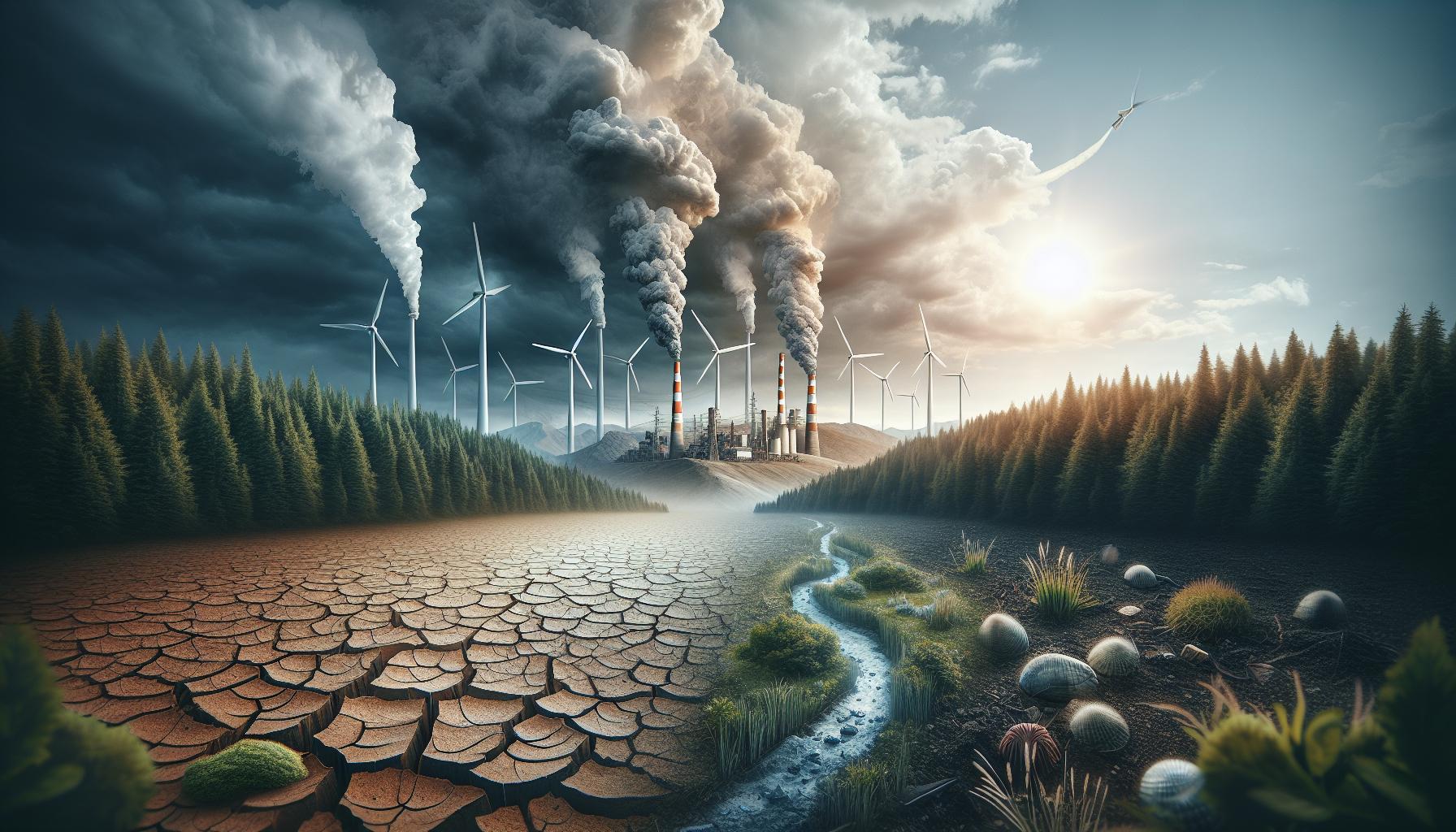
Human Activities Driving Climate Change Forward
Human activities are the primary force steering our planet toward climate change, with fossil fuel combustion standing out as the most significant contributor. The burning of coal, oil, and natural gas for energy not only powers our homes and vehicles but also releases vast amounts of carbon dioxide (CO2) into the atmosphere, enhancing the greenhouse effect. In fact, over the past century, anthropogenic activities have increased atmospheric CO2 levels by nearly 50%, a stark reminder of our impact on the environment [2].
In addition to fossil fuel consumption, deforestation plays a critical role in climate change. Trees act as carbon sinks, absorbing CO2 from the atmosphere. However, widespread logging and land conversion for agriculture lead to significant tree loss, releasing previously stored carbon back into the atmosphere and diminishing the planet’s capacity to absorb future emissions. This vicious cycle underscores the urgency of sustainable land management practices [1].
Agricultural practices also contribute to climate change, with livestock production being a notable example. Ruminant animals such as cows generate methane-a greenhouse gas with a warming potential many times greater than CO2. Transitioning to more sustainable farming techniques, such as improving fertilizer use efficiencies and adopting agroforestry systems, can significantly reduce emissions from this sector. Additionally, embracing sustainable agriculture not only helps mitigate climate impacts but can also enhance food security in a changing climate [2].
To curtail these harmful effects, individuals and communities can adopt practical, actionable strategies. Simple steps, such as reducing energy consumption through energy-efficient appliances and vehicles, supporting renewable energy initiatives, and choosing sustainably sourced products, can collectively lead to meaningful change. By understanding the connection between our daily choices and their environmental impact, individuals can play a crucial role in steering society toward a more sustainable and resilient future.
The Role of Renewable Energy in Mitigating Climate Change
Transitioning to renewable energy sources is one of the most powerful strategies we have to combat climate change. In 2022, global renewable energy capacity reached over 3000 GW, with wind and solar playing pivotal roles in this expansion. Unlike fossil fuels, which release significant amounts of carbon dioxide (CO2) and other greenhouse gases upon combustion, renewables offer a cleaner alternative that can help reduce these emissions-potentially halving global emissions by 2030 if adopted widely. Such a shift not only addresses the urgency of climate change but also fosters economic resilience and public health benefits.
One of the most compelling arguments for renewable energy is its ability to diversify energy supplies, reduce dependency on imported fuels, and stabilize prices. Policies such as renewable portfolio standards, which require utilities to source a specific percentage of their energy from renewable sources, can significantly boost the adoption of cleaner technologies while generating jobs in solar and wind sectors. The U.S. Department of Energy reports that states with higher renewable energy targets have seen job growth rates substantially higher than those without.
Adaptation strategies can complement renewable energy adoption. For instance, integrating smart grid technologies allows better management of energy demand and supports the efficient distribution of energy generated from renewables. This synergy enhances the overall stability of the energy system, making communities more resilient to climate impacts. Individuals and communities can play a crucial role by advocating for local renewable energy projects, supporting legislation aimed at reducing emissions, and participating in community solar programs that allow homeowners to collect the benefits of solar energy without installing panels on their own properties.
Furthermore, encouraging investment in renewable technologies not only contributes to mitigating climate change but also brings about safer, cleaner air and broader health improvements. A 2020 study revealed that increased renewable energy use could prevent over 3 million premature deaths by 2030 in the U.S. alone, showcasing the direct correlation between renewable energy investment and public health outcomes. As we navigate the challenges posed by climate change, embracing renewable energy as a key component of our strategy is not just an environmental necessity; it’s an economic opportunity and a pathway to a more sustainable future.
Adaptation Strategies for Communities Facing Climate Change
Communities worldwide face the urgent need to adapt to the impacts of climate change, which are becoming increasingly severe and widespread. In fact, the IPCC emphasizes that the consequences of climate change are already manifesting through extreme weather events, rising sea levels, and shifts in agricultural productivity. One critical approach to adaptation is enhancing local infrastructure to be more resilient. This includes upgrading drainage systems in urban areas to handle heavier rainfall and investing in seawalls or natural barriers to protect coastal communities from storm surges.
Another essential strategy lies in diversifying local economies to reduce dependence on climate-sensitive sectors. For example, a coastal town reliant on fishing might promote eco-tourism or sustainable agriculture, creating alternative income sources while also encouraging conservation efforts. Community involvement plays a vital role in these adaptations. By engaging residents in decision-making processes, communities can ensure that their unique needs and perspectives are considered, leading to more effective and accepted solutions.
Furthermore, education and outreach are pivotal in building resilience. Conducting workshops on sustainable practices-like drought-resistant landscaping or energy-efficient home improvements-empowers individuals to take actionable steps within their households. Also, schools can become centers for climate education, instilling a sense of responsibility in the younger generation.
Investing in nature-based solutions also offers a dual benefit: it helps communities adapt while simultaneously sequestering carbon. For instance, restoring wetlands can mitigate flooding, improve water quality, and enhance biodiversity, all while absorbing CO2. Therefore, as communities implement adaptation strategies, they not only work towards resilience but also contribute to broader climate mitigation efforts, fostering a healthier planet for future generations.
By leveraging localized knowledge and resources, integrating innovative solutions, and fostering a collective commitment, communities can navigate the challenges posed by climate change while building a sustainable future.
The Economic Costs of Inaction on Climate Change
Ignoring the escalating realities of climate change could cost the global economy trillions of dollars, and the longer we wait to address these challenges, the steeper those costs become. Various studies estimate that failing to take action could lead to economic losses that reach up to $23 trillion by 2050 due to extreme weather events, the loss of biodiversity, and the detrimental effects on human health. The financial consequences of inaction ripple through economies at both macro and micro levels, impacting everything from global supply chains to local agriculture and infrastructure.
Short-Term vs. Long-Term Costs
In the short term, industries reliant on stable weather patterns-such as agriculture, fishing, and tourism-are already feeling the heat. For example, the United States’ National Oceanic and Atmospheric Administration (NOAA) reported that since 1980, weather-related disasters have cost the economy over $1.75 trillion, including hurricane damage, drought impacts, and flooding. Farmers may face increased costs associated with crop failures or the need to invest in irrigation solutions, while tourist regions may see decreased visitor numbers due to climate-induced environmental changes.
In the long run, inaction leads to even graver economic burdens. As natural disasters become more frequent and severe, costs associated with recovery and rebuilding escalate dramatically. According to the World Bank, every dollar invested in resilience can save up to $7 in disaster response costs. Thus, proactive measures-not only mitigate immediate impacts but also represent smart economic decisions.
Addressing the Human Factor
Moreover, the economic costs tied to climate inaction extend to human health and productivity. Climate change exacerbates air pollution and increases the prevalence of heat-related illnesses, which can result in a workforce that is less effective and more costly to maintain due to higher healthcare needs. A study by the Lancet Countdown found that heatwaves could lead to the loss of 3.6 billion hours of labor globally by 2030, amounting to $2.4 trillion in economic losses if no action is taken.
Practical Steps Forward
To mitigate these economic costs, governments and businesses can adopt several proactive strategies:
- Investment in Renewable Energy: Transitioning to renewable energy sources not only reduces greenhouse gas emissions but also creates jobs and stimulates economic growth.
- Resilient Infrastructure Development: Investing in sustainable constructions and retrofitting existing structures can minimize risks associated with extreme weather.
- Support for Sustainable Practices: Encouraging sustainable agricultural practices can enhance food security and protect local economies from climate volatility.
In summary, the financial implications of inaction on climate change are manifold and profound. By embracing action now, we can prevent further economic deterioration and build a more resilient, sustainable, and prosperous future for all.
Innovative Technologies Combatting Climate Change
Innovative technologies are playing a crucial role in the fight against climate change, often serving as both preventative measures and adaptive tools. For instance, carbon capture and storage (CCS) technology captures carbon dioxide emissions produced from the use of fossil fuels in electricity generation and industrial processes, preventing CO2 from entering the atmosphere. This approach has the potential to reduce global greenhouse gas emissions significantly, with projects like the Boundary Dam in Canada showcasing the practical application of CCS in achieving sustainability goals.
Another promising area is the development of smart agriculture technologies. These include precision farming tools that utilize drones, sensors, and data analytics to optimize crop yields while minimizing environmental impact. By targeting resources precisely where they are needed, farmers can reduce water use and fertilizer applications, which not only lowers costs but also decreases runoff into local waterways, addressing pollution concerns. For example, the use of sensor technology in orchards has demonstrated a reduction in water use by up to 30% while enhancing overall fruit quality.
Renewable Energy Innovations
The rapidly advancing field of renewable energy offers diverse solutions to combat climate change. Solar and wind energy technologies have seen drastic cost reductions over the past decade, making them more accessible and competitive with fossil fuels. For example, floating solar farms have emerged as a viable solution, allowing solar panels to be placed on bodies of water, thereby saving land and reducing evaporation while generating clean energy. Countries like China are leading the way by implementing large-scale floating solar projects, effectively utilizing their vast coastlines and lakes.
Furthermore, energy storage systems, such as advanced lithium-ion batteries and emerging technologies like solid-state batteries, are vital in ensuring that renewable energy sources can deliver electricity consistently, even when the sun isn’t shining or the wind isn’t blowing. This development is crucial for promoting a robust energy transition towards renewables, as demonstrated by Tesla’s deployment of energy storage solutions across various installations globally.
Green Building Technologies
Sustainable architecture and construction methods are also at the forefront of mitigating climate change’s adverse effects. Innovations in materials, such as self-healing concrete and air-purifying bricks, are being explored to build structures that not only minimize environmental impact but can also actively contribute to reducing pollution. Furthermore, incorporating smart technologies into building management systems enables real-time energy use tracking, optimizing consumption and significantly lowering carbon footprints.
As we engage with these transformative technologies, it’s essential to consider their integration into broader climate policies and community practices. By prioritizing scalable innovations and fostering collaborative efforts across sectors, we can create resilient systems that empower societies to address the climate crisis directly and sustainably. From leveraging cutting-edge technologies to encouraging grassroots movements, every action contributes to a more promising future for our planet.
The Importance of Climate Policy and Regulation
The urgency of addressing climate change has never been clearer, especially as natural disasters like floods, droughts, and heatwaves become increasingly common. The importance of robust climate policy and regulation is paramount, acting as a guiding framework for both governments and societies to manage the risks associated with climate change while harnessing opportunities that arise from a transition to a sustainable economy. Effective climate policies establish legally binding targets for greenhouse gas emissions reductions, incentivize innovation in clean technologies, and facilitate the shift towards a circular economy that prioritizes resource efficiency.
One of the most effective strategies for climate regulation is the implementation of carbon pricing mechanisms, such as carbon taxes or cap-and-trade systems. These approaches create a financial incentive for businesses to reduce their emissions, making renewable energy sources more attractive compared to fossil fuels. For instance, countries like Sweden and Canada have successfully integrated carbon pricing into their economies, leading to significant emissions reductions while maintaining economic growth. These models exemplify how strategic regulation can drive both environmental and economic benefits, illustrating that sound policies can reconcile the needs of the planet with the demands of the market.
Moreover, climate policies serve as a foundation for collaboration across diverse sectors, from energy to agriculture, ensuring that all stakeholders have a role in the transition to sustainability. Policies that promote public-private partnerships can lead to innovative solutions tailored to local contexts. For example, in the Netherlands, extensive flood management policies that incorporate community feedback have resulted in resilient urban planning and infrastructure that not only address climate risks but also enhance the quality of life for residents. This integrative approach highlights the role of regulations in empowering communities, fostering engagement, and cultivating a sense of ownership over climate action initiatives.
In conclusion, climate policy and regulation are essential not just for mitigating the adverse impacts of climate change but also for laying the groundwork for a sustainable future. By fostering innovation, creating economic incentives, and promoting collaborative frameworks, effective climate regulations can guide societies towards a resilient and sustainable path. As individuals, advocating for stronger climate policies and engaging in local climate initiatives can drive collective action that amplifies the impact of legislative measures, making a decisive difference in the fight against climate change.
How to Make Sustainable Choices in Daily Life
Every small choice we make in our daily lives can add up to big changes in the fight against climate change. It’s empowering to know that individuals can contribute to a more sustainable future, and shifts in our habits-be it in consumption, waste management, or energy use-can significantly reduce our carbon footprint.
Embrace Sustainable Consumption
One effective way to make a positive impact is by embracing sustainable consumption. This involves being mindful of what we buy and choosing products from companies that prioritize environmental responsibility. Opting for items with minimal or recyclable packaging can reduce waste significantly. For example, seeking out products made from organic materials or those certified by sustainability organizations ensures that your purchasing power supports eco-friendly practices. Whenever possible, consider local farmers and artisans; buying local not only reduces the carbon emissions associated with transportation but also supports your community’s economy.
Reduce, Reuse, Recycle
The classic principle of “Reduce, Reuse, Recycle” should be at the forefront of our sustainable choices. Reducing what you consume is the most impactful strategy. Start by assessing your household items-do you need another piece of clothing, or can you repurpose something you already own? For items that are truly at the end of their life cycle, recycling ensures that materials are processed into new products, which conserves resources and energy. Many communities now offer curbside recycling or organized drop-offs for recyclable materials, making it easier than ever to participate.
Energy Efficiency at Home
Making your home more energy-efficient is another vital step. Simple changes can lead to significant savings and reduced carbon emissions. This includes switching to LED bulbs, unplugging appliances when not in use, and investing in smart thermostats that optimize heating and cooling. Consider using sustainable energy sources if available-installing solar panels can initially be a significant investment but pays off in the long run, both financially and environmentally. Many local governments offer incentives for such upgrades, making it more accessible.
Engage and Educate
Lastly, engaging with your community can amplify these efforts. Share your knowledge about sustainable choices with friends and family, or join local environmental groups to stay informed and involved. Organizing or participating in local clean-up events and educational workshops not only fosters a sense of community but also spreads awareness about the importance of sustainable practices.
By integrating these sustainable choices into daily life, each of us can play a part in combating climate change and inspiring others to do the same. The journey toward sustainability starts with individual actions, which can collectively lead to profound changes for our planet.
Case Studies: Successful Climate Change Initiatives
As climate change increasingly threatens our environment, numerous innovative initiatives demonstrate that collective action can yield significant results. One such success story is the Green Belt Movement in Kenya, which has empowered communities to address deforestation and promote sustainable land management. Founded by Nobel Peace Prize laureate Wangari Maathai, this grassroots organization has led to the planting of over 51 million trees, improving local ecosystems and providing women with vital social and economic benefits. By involving community members in the plantation process, the initiative has not only enhanced biodiversity but also fostered community resilience against climate impacts.
Another notable example is the Cool Roofs initiative launched in New York City. This program encourages the installation of reflective roofing materials to reduce heat absorption in urban areas. By coating rooftops with materials that reflect sunlight, the initiative has lowered indoor temperatures and decreased the energy needed for air conditioning. According to city reports, this has resulted in reductions of up to 20% in cooling energy costs during hot summer months. The initiative also contributes to mitigating the urban heat island effect, which disproportionately affects lower-income neighborhoods.
In Brazil, the Amazon Fund exemplifies a collaborative approach to tackling climate change through conservation and sustainable practices. Supported by both governmental and international contributions, this fund focuses on reducing deforestation in the Amazon Rainforest. It promotes sustainable agricultural practices, forest management, and the protection of indigenous lands. Reports indicate that the initiatives funded by this program have successfully contributed to a more than 70% reduction in deforestation rates over the past decade, showcasing how financial mechanisms can effectively address environmental degradation.
These case studies are not merely examples of successful initiatives; they reflect the potential for scalable solutions to combat climate change. By learning from these models, individuals, communities, and policymakers can replicate these strategies in their contexts, fostering a global movement towards sustainability. Each initiative highlights the importance of community involvement, innovative financing, and evidence-based strategies, serving as beacons of hope in the face of a daunting global challenge.
The Future of Climate Change: Predictions and Actions
The impacts of climate change are no longer distant threats but present realities that demand our immediate attention. According to recent projections, if global temperatures continue to rise at the current pace, we could experience increased frequency of extreme weather events, sea-level rise, and significant disruptions to global ecosystems. A recent study indicates that by 2050, millions of people may face displacement due to the impacts of climate change, particularly in vulnerable coastal regions and small island states. However, the future is not set in stone; collective action can alter this trajectory.
To combat these alarming predictions, immediate and strategic actions are essential. Initiatives such as committing to the reduction of greenhouse gas emissions, investing in renewable energy sources like wind and solar, and enhancing energy efficiency in our infrastructures are critical pathways. For instance, transitioning to a low-carbon economy could create millions of green jobs while simultaneously mitigating climate impacts. Governments can support this transition by implementing policies that encourage sustainable practices and renewable energy projects. According to the European Environment Agency, the EU has already made strides with a reported 37% reduction in total net greenhouse gas emissions from 1990 levels, demonstrating the potential for successful emission reduction strategies[[2]].
Moreover, innovative technologies such as carbon capture and storage (CCS) and advancements in battery storage for renewable energy significantly enhance our climate resilience. For example, CCS technologies can capture up to 90% of carbon dioxide emissions produced from the use of fossil fuels in electricity generation, fiercely protecting our atmosphere as communities adapt to changing climates. Real-world applications of these technologies are beginning to show promise, with pilot projects underway in various countries.
It is also crucial for individuals to foster a culture of sustainability in their daily lives. This can be achieved through small yet impactful changes, like reducing single-use plastics, supporting local and sustainable businesses, or using public transport. Engaging in community climate action efforts-like tree planting initiatives or local clean-up days-can amplify collective impact. Each of these actions, when taken in concert, can help build resilient societies capable of facing a warming world head-on.
Ultimately, the future of our planet hinges on our responses today. By actively participating in climate solutions-at personal, community, and governmental levels-we can steer away from the worst-case scenarios and work towards a sustainable legacy for generations to come.
Engaging Your Community in Climate Action Efforts
Community engagement is a powerful catalyst for climate action, enabling collective efforts to tackle the challenges posed by climate change. When individuals come together to address local environmental issues, they catalyze systemic change that resonates far beyond their immediate surroundings. For example, grassroots movements that focus on tree planting and urban gardening not only enhance local biodiversity but also foster strong community ties and awareness about climate issues. By harnessing the enthusiasm and expertise of community members, such initiatives create resilient neighborhoods capable of withstanding climate impacts.
To effectively engage your community, consider forming or joining local climate action groups. These groups can organize educational workshops, clean-up events, and advocacy campaigns. Implementing well-structured communication strategies, such as social media outreach and community meetings, can significantly enhance participation. For instance, the success of the “Fridays for Future” movement illustrates the power of uniting voices to pressure policymakers for climate action. By sharing resources and experiences, communities can learn from each other and replicate successful strategies that have worked elsewhere.
- Host Educational Events: Organize workshops or seminars that focus on climate science, sustainability practices, and local environmental challenges.
- Develop Community Projects: Initiate projects such as community gardens, solar energy co-ops, or local recycling programs that empower residents to take direct action.
- Advocate Together: Create a unified front by engaging in advocacy efforts that focus on local climate policies and regulations.
- Support Local Initiatives: Collaborate with local businesses and organizations to promote sustainable practices and climate-friendly products.
Incorporating technology can also enhance engagement efforts. Apps and platforms that connect community members with local sustainability initiatives keep the conversation ongoing and allow for real-time updates on events. Mapping tools can showcase areas in need of restoration or highlight successful local projects, fostering a sense of accomplishment among participants and motivating further action.
Notably, successful community engagement often leads to transformative impacts. The “Climate Smart Communities” initiative in New York serves as a case study, demonstrating how community involvement in sustainability practices has resulted in measurable reductions in greenhouse gas emissions and improvements in local resilience to climate impacts [[2]]. By fostering a culture of collaboration and active participation, communities can effectively leverage their collective strength to combat climate change, ensuring a sustainable future for all.
Q&A
Q: What is the greenhouse effect and how does it contribute to climate change?
A: The greenhouse effect is the process by which certain gases in the Earth’s atmosphere trap heat from the sun, causing the planet to warm. This is essential for life but intensified by human activities such as burning fossil fuels, leading to climate change and its impacts on weather patterns and sea levels.
Q: How do deforestation and climate change relate to each other?
A: Deforestation contributes to climate change by reducing the number of trees that can absorb carbon dioxide, a major greenhouse gas. This results in increased CO2 levels in the atmosphere, exacerbating global warming and its associated impacts, such as habitat loss and altered weather patterns.
Q: What role do oceans play in the climate change process?
A: Oceans absorb about 30% of the carbon dioxide emitted by human activity, acting as a buffer against climate change. However, increased CO2 absorption leads to ocean acidification, impacting marine life and disrupting ecosystems, thus worsening overall climate challenges.
Q: How can individuals help combat climate change in their daily lives?
A: Individuals can combat climate change by reducing energy consumption, using public transportation, recycling, and supporting renewable energy initiatives. Simple actions, such as reducing waste and conserving water, also promote a sustainable lifestyle that contributes to climate change mitigation.
Q: What is climate adaptation, and why is it important?
A: Climate adaptation refers to adjustments made to protect communities and infrastructure from the impacts of climate change. It is crucial because it helps societies reduce vulnerability to climate effects-such as flooding and heatwaves-ensuring safety and sustainability amid changing environmental conditions.
Q: Why is climate policy critical in addressing climate change?
A: Climate policy is vital as it provides a framework for governments and businesses to implement strategies aimed at reducing greenhouse gas emissions. Effective policies can drive innovation in renewable energy, regulate carbon outputs, and promote sustainable practices that mitigate climate risks.
Q: What technological innovations are assisting in the fight against climate change?
A: Innovations like carbon capture and storage, renewable energy technologies, and electric vehicles are essential in mitigating climate change. These technologies reduce reliance on fossil fuels, lower greenhouse gas emissions, and promote a cleaner, more sustainable future.
Q: How does climate change affect global food security?
A: Climate change threatens global food security by altering weather patterns, increasing the frequency of droughts and floods, and affecting crop yields. These changes challenge agricultural systems, leading to food shortages and higher prices, especially in vulnerable regions.
Insights and Conclusions
As we wrap up this exploration of “A Blank Process of Climate Change,” it’s essential to remember that understanding climate change is just the beginning. Your engagement is vital-consider implementing the actionable steps we’ve discussed to make a difference. Delve deeper into the science behind climate adaptation in our article on climate resilience strategies and learn about sustainable practices in our eco-friendly living guide.
We encourage you to share your thoughts in the comments below and join our newsletter for the latest updates and insights on environmental action. Together, we can foster a community committed to addressing climate change head-on. The time to act is now-your choices today shape our tomorrow. Keep exploring and stay informed; every small action contributes to a more sustainable future.
Get our latest guides, news, and insights highlighted in your Google Search & AI Overviews.