When considering luxury investments, Rolex watches stand out not only for their iconic status but also for their potential for appreciation. Did you know that certain Rolex models have appreciated significantly over the years, often outpacing traditional investments like stocks or real estate? For collectors and investors alike, this raises important questions: Are these timepieces merely status symbols, or can they truly enhance your financial portfolio? In this article, we’ll explore the factors that contribute to the value retention and appreciation of Rolex watches, providing insights that empower you to make informed decisions about your collection or future purchases. Whether you’re a seasoned collector or simply curious about luxury investing, understanding the dynamics of this market could lead to valuable opportunities.
Understanding the Investment Potential of Rolex Watches
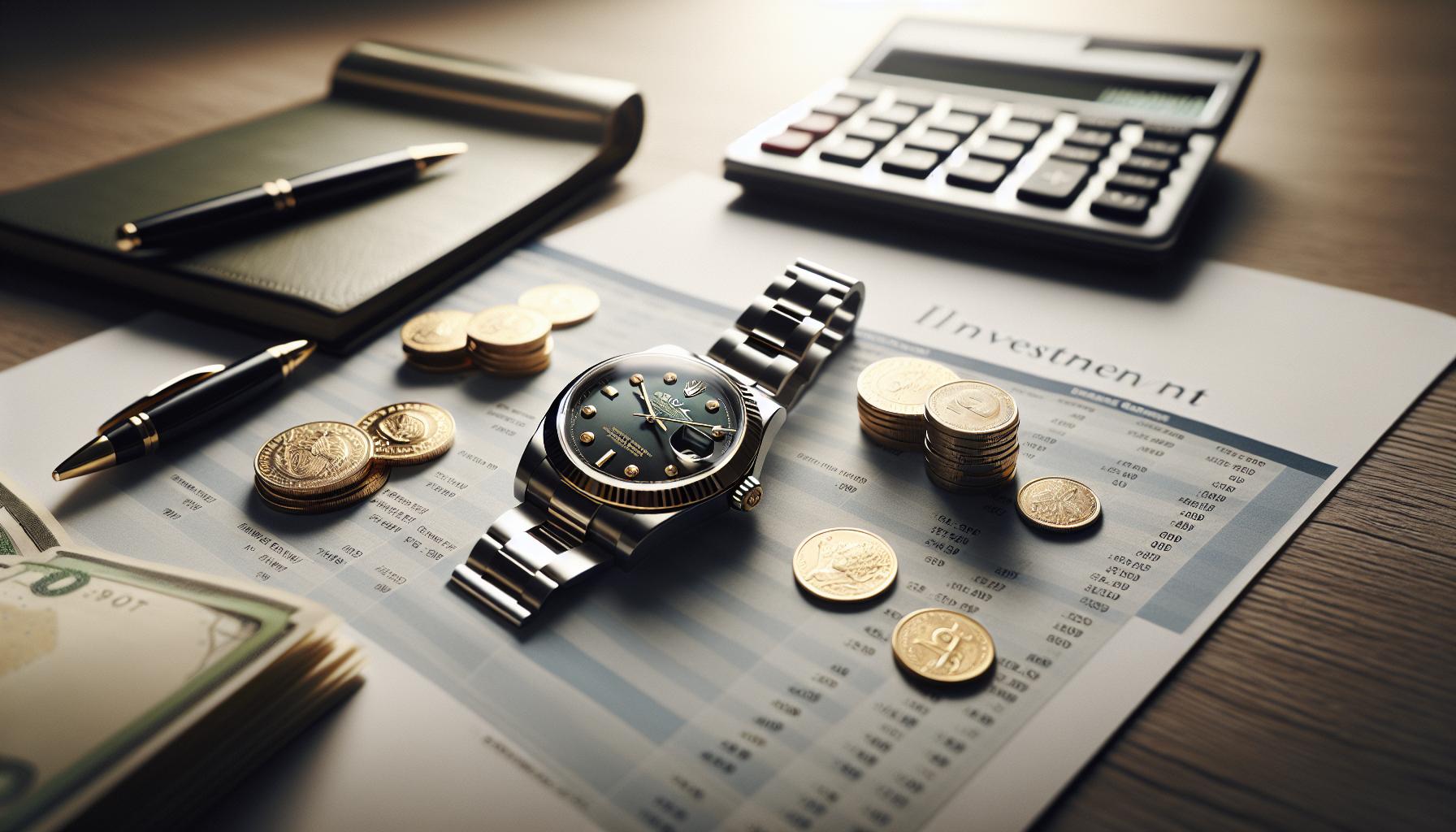
The allure of Rolex watches extends beyond their craftsmanship and luxury appeal; many buyers view them as viable investments. With a reputation for durability and timeless style, certain Rolex models have shown a surprising ability to appreciate over time, often outpacing traditional investments like stocks and bonds. For instance, luxury watch investment platforms report that models such as the Rolex Submariner have maintained a significant value or even appreciated, leading to growing interest in their potential for financial gain.
When considering the investment potential of Rolex watches, it’s essential to understand that not all models are created equal. While limited editions or pieces with unique features can fetch high prices in the resale market, more common models might not offer similar returns. Factors such as historical demand, brand reputation, and market trends play crucial roles. For instance, market analyses indicate that certain vintage models, especially those with provenance or that are no longer in production, can become highly sought after, thus increasing their value over time.
Investing in Rolex watches is not simply about purchasing any model; a strategic approach involves recognizing patterns in consumer demand and current trends. Seasoned investors often recommend focusing on models known for rarity and desirability, such as the Daytona or the GMT-Master. Moreover, understanding the condition and provenance of a watch can be paramount in determining its investment potential. A well-maintained Rolex with original paperwork and boxes can command significantly higher prices than those lacking documentation.
In summary, while there’s potential for Rolex watches to serve as investment vehicles, it requires informed decision-making. Buyers should not only consider the purchase price but also conduct thorough research into model popularity and market trends. Balancing passion for the brand with a keen eye for investment can lead to both enjoyment and financial gain in the luxury watch market.
Historical Value Appreciation of Rolex Models
Investing in Rolex watches can be as thrilling as the impeccable craftsmanship of the timepieces themselves. Historically, certain models have demonstrated a remarkable ability to appreciate in value, often outperforming traditional investments such as stocks and bonds. For example, iconic models such as the Rolex Submariner and Daytona have not only maintained their worth over time but have seen significant surges in their resale prices. This trend showcases how well-chosen Rolex pieces can serve as both status symbols and investment assets, leading many to consider them not just as luxury items, but as valuable commodities.
To comprehend the appreciation of Rolex models, it’s pivotal to analyze specific historical trends. Over the past decades, various factors have contributed to the rising values of significant models. Vintage pieces manufactured in limited quantities, such as the Paul Newman Daytona, have reached auction prices well into the millions, often due to their rarity, desirability, and historical significance many collectors cherish. The increasing collector interest in earlier models has driven prices up substantially, suggesting that historical context plays a crucial role in determining value and investment potential.
- Market Demand: High demand for specific Rolex models, especially from affluent collectors and investors, keeps the prices buoyant.
- Condition and Provenance: Watches with original papers, boxes, and minimal wear significantly outperform those lacking such documentation.
- Brand Reputation: Rolex’s enduring status as a symbol of luxury and success enhances the perceived value of its timepieces.
- Global Economic Factors: Currency fluctuations and economic trends can also impact the luxury watch market, influencing both demand and prices.
As the luxurious appeal of Rolex watches continues, prospective buyers should approach their investments with a keen understanding of which models are likely to appreciate most robustly. Models that are scarce or have limited production runs typically show greater potential for value appreciation. By conducting thorough research and keeping an eye on market trends, collectors can increase their chances of acquiring a Rolex that not only brings joy but could also yield significant returns over time. Thus, informed investment in Rolex watches can be a blend of passion for horology and strategic financial opportunity.
Factors Influencing Rolex Market Value
The market for Rolex watches is complex and influenced by a multitude of factors that contribute to the overall valuation of these iconic timepieces. Understanding these dynamics can empower collectors and investors to make informed decisions that can enhance their investment potential. One of the primary drivers of Rolex market value is the consistent demand for specific models. Certain iconic styles, like the Daytona and Submariner, have garnered a near-cult following among enthusiasts and investors alike, resulting in soaring prices, particularly for vintage and limited editions.
Condition and provenance play pivotal roles in determining the worth of a Rolex. Watches that come with their original papers, boxes, and have minimal wear are often valued significantly higher than those which lack such documentation. For instance, a Rolex with a verified service history and original components can command a premium, reflecting its desirability in the marketplace. Enthusiasts appreciate the brand’s storied legacy, which further enhances the perception of value, as buyers are inclined to invest in items with a notable background.
Market Trends and Economic Influences
Global economic factors cannot be overlooked when considering Rolex’s market value. Fluctuations in currency exchange rates and economic prosperity in various regions can affect both supply and demand. For example, during economic booms, luxury items, particularly high-end watches like Rolex, often see increased demand, driving prices upward. Moreover, geopolitical events can create uncertainty that either inflates or deflates the luxury market, making it essential for investors to stay attuned to global trends.
Additionally, the element of rarity and scarcity significantly impacts market value. Models that were produced in limited quantities or those that have unique features are highly sought after by collectors. For instance, the highly coveted Paul Newman Daytona represents a stellar example of a model whose rarity has resulted in auctions topping millions. Collectors often view these pieces not just as watches, but as investments that could yield substantial returns over time.
In conclusion, to navigate the Rolex investment landscape effectively, one must consider the interplay of demand, condition, economic factors, and the inherent rarity of specific models. By staying informed and conducting thorough research, investors can position themselves to maximize their chances of acquiring a Rolex that offers both aesthetic pleasure and potential financial return.
Comparing Rolexes to Other Luxury Watches
When considering luxury watches as an investment, Rolex often stands out due to its remarkable history of value appreciation, but how does it compare to other luxury brands? For novice investors, understanding this comparison is essential in making informed choices that can maximize returns. While many luxury watch brands, such as Patek Philippe, Audemars Piguet, and Omega, offer significant investment potential, Rolex’s unique position in the market is influenced by brand recognition, desirability, and historical value trends.
Rolex watches consistently perform well, particularly in the vintage and pre-owned markets. The brand’s meticulous marketing strategy, alongside its reputation for durability and precision, enhances its desirability. For example, instruments like the Rolex Submariner and Daytona are not only sought after for their craftsmanship but are also perceived as status symbols, bolstering their market value significantly. This cultural cachet tends to keep Rolex prices buoyant, even during economic downturns, making them attractive not just for collectors but for investors seeking stability in their portfolios.
In contrast, brands such as Patek Philippe can sometimes outpace Rolex in terms of appreciation rates, particularly with rare models and limited editions. The Patek Philippe Nautilus, for instance, has seen auction prices skyrocket in recent years, sometimes fetching several million dollars. However, the steep entry price for such pieces can deter average collectors. Omega, known for iconic models like the Speedmaster, presents a more accessible option, but it rarely sees appreciation rates comparable to those of Rolex. This highlights a critical factor for potential investors: while Rolex may not always have the highest appreciation potential on a per-model basis, its widespread appeal and liquidity in the market make it an excellent long-term investment for most.
Investors should also consider the secondary market dynamics for Rolex and other luxury watches. Rolex’s robust global demand means that it can often maintain value and even appreciate over time due to the brand’s legendary scarcity, especially for specific models. In contrast, some luxury watches may suffer from overproduction or lack of brand recognition, leading to more volatility in pricing. Therefore, understanding the comparative landscape of luxury watches not only provides insight into the potential financial returns but also highlights the unique standing that Rolex holds in the luxury watch market. For any investor looking into luxury timepieces, Rolex should undeniably be considered for its blend of prestige, reliability, and investment potential.
The Role of Rarity and Scarcity in Investment
Understanding the dynamics of rarity and scarcity is pivotal for investors looking to appreciate the value of Rolex watches. The interplay between these two principles fundamentally influences the desirability and market performance of specific models. For example, limited production runs and discontinued models often see a significant increase in value over time as enthusiasts and collectors vie for ownership. This demand is intensified by the reality that certain pieces, such as the Rolex Daytona and Submariner, have become iconic status symbols, enhancing their allure and collectibility.
Why Rarity Matters
Rarity equates to exclusivity, a driving force behind luxury watch investments. When a Rolex model is produced in limited quantities or becomes unavailable, it creates a natural scarcity that elevates its market value. For instance, models that were once plentiful can become sought after as they disappear from the market. This pattern is evident with vintage models or those that experience sudden popularity spikes due to cultural references-like the Daytona featured in the “Le Mans” movie. These examples underline that the more difficult it is to acquire a model, the more its value tends to appreciate.
Creating a Scarcity Effect
Rolex actively manages production levels to maintain an air of exclusivity. The company’s practice of occasionally discontinuing certain models further contributes to their rarity. For instance, when Rolex announced the end of the production of a particular Daytona variant, prices surged on the secondary market almost immediately. Investors often track such announcements and market movements to spot potential investment opportunities based on expected scarcity effects.
Strategies for Investors
To capitalize on rarity, collectors and investors should focus on key factors:
- Research Limited Editions: Understand which models have been produced in limited quantities and are likely to gain value over time.
- Monitor Market Trends: Keep an eye on market demand and production announcements from Rolex that may influence availability.
- Evaluate Condition and Provenance: The physical condition of a watch and its history of ownership can significantly impact its perceived rarity and value.
In a market where supply is artificially limited and demand continues to rise, the role of rarity and scarcity is critical. By strategically investing in models with high potential for appreciation due to their unique standing in the market, investors can enhance the value of their luxury watch portfolio. Understanding these dynamics not only aids in making informed purchasing decisions but also provides a pathway to maximizing returns in a niche yet lucrative market.
How to Evaluate the Condition of a Rolex Watch
When it comes to investing in Rolex watches, understanding how to assess their condition is vital for ensuring a lucrative investment. A well-maintained Rolex not only holds its value but can also appreciate significantly over time. Key elements to consider include the watch’s mechanical functionality, external appearance, and provenance.
The first step in evaluating a Rolex’s condition involves examining its mechanical performance. A Rolex is not merely a fashion statement; it is a finely crafted timepiece known for its precision and durability. Investors should inquire about the last servicing, as a properly maintained watch will run smoothly and maintain its timekeeping accuracy. If possible, request a detailed service history, and look for indications that the watch has been regularly serviced by authorized dealers using genuine Rolex parts. This factor can significantly enhance its resale value.
Next, assess the physical condition of the watch, focusing on the case, bracelet, and crystal. Look for any signs of wear, scratches, or dents. A timepiece that has been polished excessively may lose its original edges and contours, which can detract from its collectible appeal. When inspecting the watch, check that the crown screws down properly and that the movement is free of dirt. If sapphire crystal is scratched or chipped, this could affect both functionality and aesthetics, potentially impacting its market appeal.
Another crucial aspect is the provenance of the watch, which encompasses its ownership history and accompanying documentation. A Rolex with its original box and papers typically commands a higher price, as these items attest to authenticity and provide context about its history. For example, if the watch belonged to a notable figure or includes a limited-edition designation, it may hold greater value.
In summary, evaluating the condition of a Rolex watch is an integral part of the investment journey. By examining mechanical performance, physical appearance, and provenance, investors can make informed decisions that enhance both value retention and potential appreciation. As the luxury watch market continues to grow, these factors are pivotal in distinguishing a good investment from a mere purchase.
Identifying Popular Rolex Models for Investment
In the world of luxury timepieces, certain Rolex models consistently stand out as sound investments, thanks to their timeless appeal and historical significance. Brands that can combine sophistication with enduring value often attract attention from both collectors and investors alike. Among these, the Rolex Submariner, Daytona, and GMT-Master II frequently emerge at the top of any recommendation list due to their cult status and limited supply.
Key Rolex Models for Investment
To navigate the investment landscape, it’s crucial to identify the specific models with the greatest potential for appreciation. Here are some of the top contenders:
- Rolex Submariner: Launched in 1953, the Submariner is not just a diver’s watch; it represents a quintessential design that remains in high demand. Vintage models, especially those with original components, can appreciate significantly over time. Notably, certain rare references, such as the ‘Red Sub’ and the ‘Patina Dial’ variants, are highly sought after.
- Rolex Daytona: Known for its motorsport heritage, the Daytona has skyrocketed in value, particularly the vintage models with exotic dials. The reference 6263 and 6265 from the 1970s are noteworthy examples that have experienced remarkable appreciation, further fueled by their association with figures like Paul Newman.
- Rolex GMT-Master II: The GMT-Master, initially designed for pilots, has become a favorite among collectors. The ‘Pepsi’ and ‘Batman’ bezel variants are particularly popular, with demand driving their resale prices upwards. Models featuring the vintage ‘Fat Lady’ reference also hold significant allure due to their limited production runs.
Historical Context and Scarcity
Understanding the historical context and production numbers associated with these watches can deepen an investor’s insight. For example, Rolex periodically produces limited runs or discontinuations, creating an aura of scarcity that can drive up demand. Models that commemorate significant milestones or collaborations are also often more desirable. Thus, staying informed about Rolex’s release history and collector trends can provide valuable context to potential investments.
Making Informed Choices
Investors looking to dive into the charming world of Rolex watches should consider conducting thorough research or consulting with watch experts. Tools like online forums, auction results, and reputable watch appraisal services can help in navigating which models to prioritize. By aligning personal passion with keen investment strategies, collectors and investors can make well-informed decisions, enhancing their collections while potentially capitalizing on appreciating values over time.
Expert Insights: When to Buy and Sell Rolexes
Timing can be a pivotal factor in maximizing the investment potential of Rolex watches. Knowing when to buy or sell can significantly influence the financial outcome, especially given the fluctuating nature of luxury watch markets. Buyers should keep an eye on market trends, popular auctions, and social media buzz. Certain times of the year, such as before major holidays or during luxury watch shows, can see increased demand, which may allow sellers to capitalize on higher prices.
One practical strategy for prospective buyers is to consider major releases or discontinued models from Rolex. For instance, when Rolex announces the end of a particular line or reference, it often leads to an immediate spike in interest and, consequently, in market prices. This could also lead to a period of speculation where certain models might be available at a lower price before climbing as awareness spreads. Keeping abreast of these announcements through forums, newsletters, or watch dealer communications can equip investors with vital information to make timely purchases.
Departing from the typical investment mindset, it’s also beneficial to think about the qualitative aspects of these watches. Collectors who buy based on genuine passion, rather than merely viewing them as investment vehicles, often fare better in the long run. Their emotional connection to the piece can lead to more informed decision-making about when to sell, especially when market hype may unduly inflate prices. For example, a collector who values the craftsmanship behind a vintage Daytona might be less swayed by temporary trends and more inclined to hold out for a fair price reflective of true market sentiment.
In summary, savvy investors will benefit from conducting thorough research, engaging with the community, and developing a flexible strategy. Recognizing the interplay between emotional investment and market dynamics can lead to more nuanced buying and selling decisions, ultimately fostering a more sustainable approach to building a luxury watch collection.
Market Trends: Where Are Rolex Prices Headed?
The luxury watch market, particularly for brands like Rolex, has seen remarkable growth over the past several years, capturing the attention of investors and collectors alike. The demand for Rolex watches continues to surge, driven by a combination of factors including rarity, brand reputation, and the overall appeal of luxury investments. As investors look for opportunities that promise value appreciation, understanding the current market trends is crucial for making informed decisions.
One significant trend is the increasing value of vintage and limited-edition Rolex models. Collectors are paying premium prices for models that were once considered less desirable, often driven by nostalgia, cultural references, or celebrity endorsements. For instance, models like the Rolex Daytona and Submariner have seen exponential price increases due to their iconic status and limited availability. Investors who keep a close eye on auction results and market fluctuations can identify patterns that inform their purchasing decisions.
Factors Influencing Future Price Trends
- Market Demand: The ongoing interest among younger buyers entering the luxury watch market is reshaping the demand landscape. These consumers place value on not just brand but also the stories that accompany each model.
- Supply Chain Constraints: Recent global supply chain issues have caused delays in production, leading to limited availability. Such constraints often result in increased prices for existing inventory, as well as speculation regarding the performance of future releases.
- Investment Mindset: More buyers are approaching luxury watch purchases through an investment lens, seeking pieces that are likely to appreciate rather than simply purchasing for personal enjoyment.
As the market evolves, it’s essential for investors to remain adaptable. Keeping track of trends in the luxury industry, such as sustainability practices and technological advancements, can provide insight into which models may experience increased desirability. By monitoring these shifts and aligning investment strategies accordingly, collectors can not only enjoy their watches but also potentially see a significant return on investment.
Building a Diversified Luxury Watch Portfolio
Building a luxury watch portfolio can be an exciting and rewarding venture, particularly for those considering Rolex as a cornerstone of their investment strategy. Understanding how to create a diversified collection is essential for maximizing potential returns while minimizing risks. A well-rounded portfolio not only reflects personal taste but also navigates the complexities of market demand, rarity, and brand reputation.
One effective approach to diversification is to consider different models across the Rolex lineup. While iconic pieces like the Rolex Submariner and Daytona are well-known for their investment potential, incorporating lesser-known or vintage models can provide unexpected returns. For example, the Rolex Oyster Perpetual, once overshadowed by its more illustrious counterparts, has experienced a resurgence in interest. By balancing high-demand models with emerging favorites, investors can protect themselves from market volatility.
In addition to varying models, it’s beneficial to broaden your selection to include different styles, such as dive watches, dress watches, and chronographs. This strategy mitigates risk as shifts in consumer preference can influence specific categories. Furthermore, pay attention to factors like condition and provenance, as these elements significantly affect resale value. Acquiring watches with clear histories and in excellent condition tends to yield better appreciation over time.
As you build your portfolio, engaging with the watch community through forums, auctions, and watch shows can provide invaluable insights. Networking with fellow collectors and industry experts allows for shared knowledge about market trends and model performances. Consider setting a budget and allocating funds wisely across your collection, perhaps reserving a portion for future acquisitions driven by market shifts. This method keeps your portfolio dynamic, allowing for strategic adjustments in response to emerging patterns in the luxury watch market. By taking a thoughtful and informed approach to building your watch collection, you can not only enhance your enjoyment of these exquisite timepieces but also strengthen the investment potential of your portfolio.
Authenticity and Provenance: Protecting Your Investment
Ensuring the authenticity and provenance of a Rolex watch is crucial for protecting your investment. With counterfeit luxury watches flooding the market, knowing how to differentiate between genuine and fake timepieces is essential for safeguarding your financial outlay. An estimated 40% of luxury watches sold online are fraudulent, making verification a necessity for any serious collector. By familiarizing yourself with the distinctive features of authentic Rolex models and understanding the importance of provenance, you can significantly reduce your risk and enhance your investment’s value over time.
Start by considering prominent characteristics that set authentic Rolex watches apart. Pay close attention to details such as the weight of the watch-genuine Rolexes are made from high-quality materials, giving them a substantial feel. Examine the engraving: authentic Rolex watches feature crisp, deep engravings with clean lines, while counterfeit watches often display shaky or shallow engravings. Additionally, the movement should be smooth-an authentic Rolex maintains a sweeping second hand, while many fakes exhibit a ticking motion. For added security, request the original box and papers, which not only validate authenticity but also provide a documented history that adds to the watch’s value.
Maintaining a detailed history of each watch can significantly impact its market viability. Provenance speaks volumes about a watch’s heritage, tracing back its ownership and repairs, thus adding to its desirability. Watches that have unique stories or belonged to notable individuals can command higher prices, making them better investment opportunities. To build a reputable provenance, keep track of original purchase receipts, service records, and any appraisals. This documentation is pivotal not only for resale value but also for attracting discerning buyers who appreciate the added assurance of authenticity.
Ultimately, investing in a Rolex isn’t just about the watch itself; it’s about ensuring that your investment retains its value and prestige over time. By investing in proper education about authenticity, focusing on detailed provenance documentation, and leveraging the support of legitimate dealers and collectors, you can foster a more secure and potentially lucrative investment in luxury timepieces. Embracing these practices not only protects your financial interests but also enhances your overall enjoyment as a collector.
Rolex Watches: Risks and Considerations for Investors
Investing in Rolex watches can be an exciting endeavor, yet it is not without its risks and considerations. Despite their reputation for value retention and appreciation, potential investors must navigate a landscape fraught with challenges. One primary risk is the prevalence of counterfeit watches. As mentioned earlier, about 40% of luxury watches sold online are fake. This reality underscores the necessity for rigorous authentication measures. Investors should equip themselves with knowledge of Rolex’s distinguishing features and consider working with reputable dealers who can provide verifiable authentication services.
Another consideration arises from market volatility. While certain models, particularly those that are rare or historically significant, have demonstrated significant appreciation, others may not yield the same returns. Economic fluctuations, changes in consumer trends, and even shifts within the luxury market can impact Rolex resale values. Therefore, it is crucial for investors to conduct thorough research and stay informed about current market trends. Regularly reviewing auction results, sales reports, and industry news can provide invaluable insights into which models are trending upward and which are losing appeal.
Practical Strategies for Risk Mitigation
To navigate these uncertainties effectively, consider these actionable strategies:
- Diversify: Just as with any investment, diversifying your collection can protect against the risks inherent in any single model or brand. Consider investing in a range of Rolex models, including both sport and dress watches, which can offer different appreciation trajectories.
- Document Everything: Keep meticulous records of each Rolex’s provenance, purchase details, and servicing history. This documentation can enhance resale value and attract discerning buyers when it’s time to sell.
- Stay Educated: Join watch forums, attend auction previews, and engage with collector communities to stay abreast of market trends and expert insights. Knowledge is a powerful tool for navigating investment risks.
- Consult Experts: Work with watch appraisers or investment advisors who specialize in luxury timepieces. They can provide tailored advice based on market conditions and the specific models in your collection.
Ultimately, while Rolex watches can indeed serve as a strong investment, understanding the associated risks and implementing strategic responses is essential for safeguarding your investment and reaping the potential rewards. By remaining vigilant and informed, you can enhance your investment strategy, securing both financial gains and a rewarding collecting experience.
Frequently Asked Questions
Q: Are Rolex watches a safe investment?
A: Yes, Rolex watches are generally considered a safe investment due to their historical value retention and brand prestige. When choosing an investment piece, focus on models with limited availability and strong demand, as these tend to appreciate over time. For more insights, refer to sections like “Understanding the Investment Potential of Rolex Watches.”
Q: What factors affect the value of a Rolex watch?
A: Several factors influence Rolex watch values, including rarity, condition, original paperwork, and market demand. Limited editions and discontinued models often see significant value increases. Explore more in “Factors Influencing Rolex Market Value” within the article.
Q: When is the best time to invest in a Rolex?
A: The best time to invest in a Rolex is during market dips when prices may be lower. Keep an eye on market trends and seasonal variations, as certain models may appreciate faster during specific periods. For detailed strategies, see “Expert Insights: When to Buy and Sell Rolexes.”
Q: How do Rolex watches compare to other luxury watches in terms of investment?
A: Rolex watches often outperform other luxury brands in terms of investment appreciation due to strong brand loyalty and demand. While some luxury watches may appreciate, Rolex maintains consistent market strength. For more comparisons, check “Comparing Rolexes to Other Luxury Watches.”
Q: What are the risks of investing in Rolex watches?
A: Investing in Rolex watches carries risks such as market volatility and fakes. It’s essential to verify authenticity and ensure proper care to maintain value. Understanding these risks is crucial, as covered in “Rolex Watches: Risks and Considerations for Investors.”
Q: How can I determine the authenticity of a Rolex watch?
A: To determine authenticity, check the watch’s serial and model numbers, scrutinize details such as the crown logo and movement quality, and seek professional verification if in doubt. This is pivotal to protect your investment, discussed further in “Authenticity and Provenance: Protecting Your Investment.”
Q: Why do some Rolex watches appreciate faster than others?
A: Certain Rolex models appreciate faster due to factors like scarcity, historical significance, and cultural trends. Models linked to famous personalities or events often see higher demand, thus enhancing their investment potential. For model insights, refer to “Identifying Popular Rolex Models for Investment.”
Q: How do market trends impact Rolex watch prices?
A: Market trends significantly impact Rolex prices as economic conditions, collector interest, and fashion trends can shift demand. Keeping informed on these trends will guide your investment decisions. For current trends, consult “Market Trends: Where Are Rolex Prices Headed?”
Insights and Conclusions
As we conclude our exploration of whether Rolex watches serve as a solid investment for appreciation, it’s clear that these luxury timepieces not only offer aesthetic appeal but also the potential for significant value growth. With historical data showing consistent appreciation rates, now may be the perfect moment to consider adding a Rolex to your investment portfolio. If you’re still pondering your options, we recommend examining our detailed guides on the best Rolex models for investment and understanding market trends.
Don’t miss out on any opportunities-subscribe to our newsletter for the latest insights and updates in the luxury watch market. Remember, investing in a Rolex isn’t just about owning a beautiful watch; it’s about making a strategic financial decision that could pay off in the long run. Join the conversation by sharing your thoughts and questions in the comments below, and explore more articles about luxury watch investments to empower your choices. Your next great investment could be just a click away!
Get our latest guides, news, and insights highlighted in your Google Search & AI Overviews.