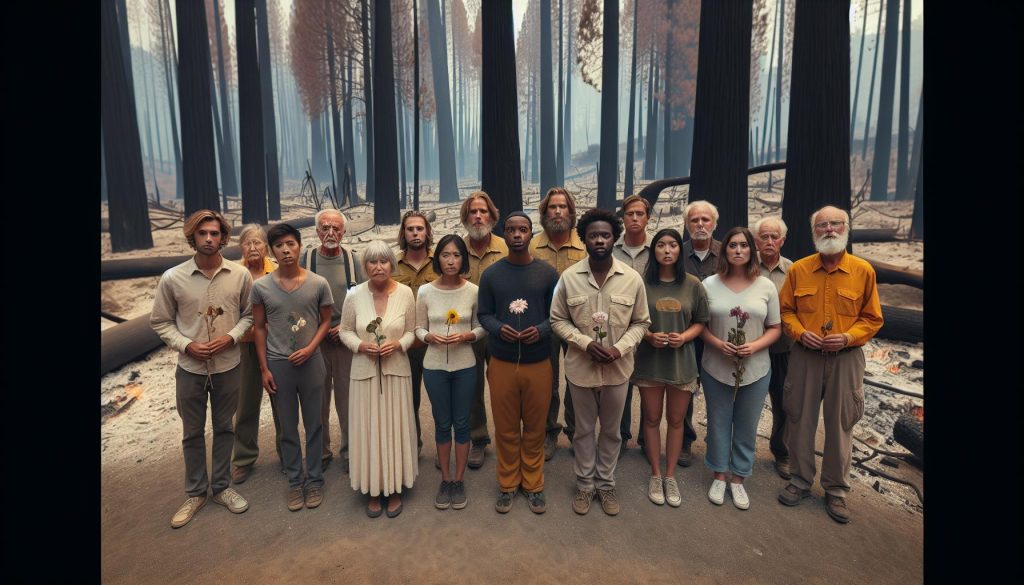
California is experiencing a growing number of wildfires each year, devastating communities and ecosystems alike. Many experts argue that climate change has significantly intensified these wildfire events, creating a critical conversation about their causes and implications. As the climate warms, prolonged droughts, rising temperatures, and shifting weather patterns create an environment ripe for wildfires. Understanding the relationship between climate change and wildfires is essential not only for Californians but for communities worldwide facing similar threats. In this exploration, we’ll delve into the evidence connecting climate change to wildfire frequency and severity, discuss preventative measures, and inspire actionable steps towards resilience. Join us as we uncover the intricate dynamics at play and what they mean for the future of our planet.
Understanding the Link Between Climate Change and Wildfires
Rising temperatures and extended periods of drought in California have created conditions ripe for wildfires, making it essential to understand the connection between climate change and these devastating events. Multiple studies point to a direct link, indicating that climate change is not just a background factor but a main driver behind the increased frequency and intensity of wildfires in the region. As average temperatures rise and weather patterns shift, California is experiencing longer fire seasons and heightened risks of extreme wildfires, which devastate communities, wildlife, and natural resources.
The science behind these changes lies in the interplay between temperature, moisture levels, and vegetation. As the climate warms, evaporation rates increase, leading to drier conditions that make vegetation more combustible. According to the U.S. Geological Survey, warmer temperatures associated with climate change have increased the likelihood of extreme wildfire conditions in California, with human-induced climate change accounting for a significant portion of the rise in fire weather severity and occurrence[[1]](https://science.nasa.gov/earth/explore/wildfires-and-climate-change/).
Moreover, historical data shows that the frequency of large wildfires in California has increased over the past few decades, mirroring trends in global climate patterns. This underscores a disturbing trend: the hotter conditions and prolonged dry spells foster an environment where wildfires can ignite more easily and spread more rapidly. With more extreme fire weather predicted in the coming decades, understanding the link between climate change and wildfire occurrence becomes vital for developing strategies to mitigate impacts and protect vulnerable communities[[2]](https://www.usgs.gov/science-explorer/climate/wildfire).
In summary, the relationship between climate change and wildfires is complex yet vital to grasp. By recognizing how a warming climate alters weather patterns and vegetation dynamics, communities can better prepare for the challenges posed by wildfires. This knowledge not only informs public policy but also empowers individuals to engage in sustainable practices that contribute to wildfire prevention and mitigation, fostering resilience in the face of ongoing climate challenges.
The Science Behind Wildfire Occurrence in California

As climate change continues to reshape environmental conditions, California’s wildfire occurrence is increasingly becoming a crucial issue. One stark statistic reveals that large wildfires have grown significantly in frequency, with major wildfires more than doubling in the state since the early 1980s. This alarming increase is driven primarily by a combination of higher temperatures, prolonged drought, and shifts in weather patterns, all consequences of human-induced climate change. These elements create an environment that not only favors the ignition of wildfires but also facilitates their rapid spread across vast landscapes.
The science that underpins this connection lies in the intricate relationships between temperature, moisture levels, and vegetation dynamics. With rising average temperatures, the process of evaporation intensifies, resulting in drier soils and vegetation. This makes the natural fuels in California’s forests and grasslands more susceptible to catching fire. In fact, studies from agencies like NASA highlight that the severity of fire weather-characterized by high temperatures, low humidity, and strong winds-has been exacerbated by climate change, fostering conditions that are conducive to wildfires. This critical understanding is further complicated when we consider that the type of vegetation in California, often rich and dense, can serve as additional fuel, allowing wildfires to grow uncontrollably.
Moreover, the historical data reflects a troubling trend: not only are fires occurring more frequently, but they are also lasting longer and growing more intense. This increase in wildfire activity often overlaps with drought conditions, where certain areas have experienced up to five years of little to no rainfall. Droughts impact the health of natural vegetation, making it more flammable, and differentiating California from other regions where wildfires may be less common or less severe. For example, in the wake of California’s severe droughts, regions that previously had a moderate risk of wildfires are now facing extreme challenges as they enter fire season.
To address these challenges, communities and governments need to invest in understanding and implementing effective wildfire management strategies. These include regional fire planning, land use regulations, and community preparedness programs. Practical steps for homeowners include creating defensible space around properties, maintaining landscaping, and utilizing fire-resistant materials in home construction. By combining scientific insights with community action, residents can remain resilient in the face of increasingly unpredictable wildfire events driven by climate change.
How Climate Change Intensifies Wildfire Risks
In the face of worsening wildfires, it’s essential to grasp how climate change is a crucial player in enhancing wildfire risks. Data shows that not only is California experiencing a dramatic uptick in fire incidents, but the overall intensity and duration of these fires are increasing as well. Research indicates that severe fire weather-characterized by elevated temperatures, low humidity, and strong winds-is becoming more frequent and more severe due to climate change. This phenomenon creates an atmosphere ripe for wildfires to ignite and spread, inflicting devastating consequences on communities and ecosystems alike.
One of the most notable aggregators of wildfire risk is an increase in average temperatures. In California, warmer conditions lead to accelerated evaporation, draining moisture from soils and vegetation. With drier conditions, the natural fuels that litter California’s forests and grasslands become significantly more flammable. As a result, areas that once exhibited moderate fire risks are now facing extreme challenges, illustrated by the vast expanses of drought-affected landscapes that have become tinderboxes. Drier vegetation not only catches fire more easily, but it also burns more fiercely and spreads more rapidly, making fire management increasingly difficult.
Another important factor to consider is the interplay between climate change and drought. Historical data highlights a worrying correlation; California has plunged into severe drought periods that can last years. Vegetation that typically flourishes in a balanced climate instead becomes stressed, leading to altered growth patterns and more flammable ecosystems. The convergence of these drought conditions with heat waves has created situations where even minor fires can escalate into uncontrollable wildfires. Such patterns emphasize the need for proactive measures that communities can adopt to mitigate risks.
To combat these escalating threats, individuals and communities can take actionable steps toward safeguarding their properties and zones at risk. Strategies may include:
- Creating defensible space: Clear flammable material away from homes and ensure that lawns and shrubs are well-watered.
- Using fire-resistant landscaping: Opt for vegetation that requires less water and is less prone to ignition.
- Promoting community awareness: Engage neighbors through educational programs about fire safety and preparedness.
Possibilities for influencing wildfire risk extend beyond individual action; they also lie in advocating for policy changes that reflect the needs of a changing climate. By understanding these dimensions, California residents can foster resilience against the ever-increasing wildfire threats driven by climate change.
Historical Wildfire Trends and Climate Data in California
Over the past few decades, the landscape of wildfires in California has dramatically transformed, marked by stark increases in frequency, intensity, and duration. Historical data vividly illustrate this evolution, revealing that the state is now experiencing wildfires at an unprecedented rate. For instance, the California Department of Forestry and Fire Protection (CAL FIRE) reports that the number of acres burned annually has increased significantly, with some major fire seasons consuming over 4 million acres in just one year. This escalation is deeply intertwined with shifting climate conditions that have altered not only the weather patterns but also the state’s ecosystem itself.
Climate Data Correlation
The correlation between climate data and wildfire trends is compelling. Historically, California has faced periods of both drought and heavy rainfall, but in recent years, these patterns have become more extreme and unpredictable. Research from the National Oceanic and Atmospheric Administration (NOAA) indicates that warming temperatures, decreased snowpack, and prolonged drought have worked synergistically to create an environment conducive to wildfire ignition and spread [[1](https://www.noaa.gov/noaa-wildfire/wildfire-climate-connection)]. For example, the past two decades have revealed a stark upward trend in average temperatures across the state, with the last five years ranking among the hottest on record. This climate shift not only desiccates vegetation but also makes it far more prone to ignite, turning previously manageable ecosystems into potential fire zones.
Learning from the Past
Historically, the patterns of past wildfires provide essential insights. For example, wildfires in the 1970s and 1980s were primarily attributed to natural causes like lightning strikes, yet now a significant percentage of fire ignitions are linked to human activities, including power line faults and careless debris burning, exacerbated by climate change conditions that create more favorable fire weather [[3](https://science.nasa.gov/earth/explore/wildfires-and-climate-change/)]. This shift highlights the need for integrated approaches to wildfire management that consider not only historical data but also current climate forecasts.
As we analyze these historical trends, it becomes clear that proactive and informed community engagement is vital for mitigating wildfire risks. Communities can begin by understanding their local fire history and current risks, using tailored fire management strategies that foster resilience. For instance, establishing community resilience zones and enhancing local firefighting capabilities can shift the balance from reactive to proactive management, significantly reducing potential fire damage.
The Role of Human Activity in Wildfire Mitigation
Human activities play a pivotal role in both the ignition and management of wildfires, influencing their severity and frequency across California’s diverse landscapes. While natural factors such as lightning strikes have long been responsible for wildfires, a significant shift has occurred in the last few decades. Today, human actions-including urban development, agricultural practices, and infrastructure-related incidents-account for a substantial portion of wildfire ignitions. For instance, according to the California Department of Forestry and Fire Protection (CAL FIRE), over 80% of California wildfires in recent years can be attributed to human causes, ranging from downed power lines to careless land management practices.
Proactive Measures for Mitigation
Communities equipped with an understanding of their unique wildfire risks can implement effective mitigation strategies. These proactive measures often include:
- Fire-Resistant Landscaping: Homeowners are encouraged to create defensible spaces by using fire-resistant plants and materials, helping to slow the spread of flames.
- Controlled Burns: Forest management practices, such as controlled or prescribed burns, can reduce the volume of combustible materials and mitigate the risk of more extensive wildfires.
- Community Education: Raising awareness about fire safety and prevention can empower residents to take precautionary actions, from maintaining their properties to knowing when to evacuate.
These strategies not only address immediate risks but also foster a culture of preparedness and resilience within communities vulnerable to wildfires.
Collaborative Efforts in Fire Management
Collaboration between local, state, and federal agencies plays a crucial role in mitigating wildfire impacts. Initiatives that include community involvement, such as neighborhood fire councils or local preparedness workshops, can further enhance these efforts. A notable example is the “Ready! Set! Go!” program implemented in various California communities, which provides residents with essential information on preparing for wildfires, including emergency plans and evacuation routes.
The integration of modern technology is also a game changer. Advanced modeling and satellite monitoring enable better prediction and tracking of wildfire behavior, allowing for timely response measures and resource allocation. Programs that harness drones for aerial mapping and fire behavior analysis represent a significant leap forward in understanding how human management can strategically combat wildfires.
In conclusion, while human activities have contributed to the increased risk of wildfires in California, they also present opportunities for mitigation and management. By fostering collaboration, implementing proactive strategies, and utilizing technology, communities can effectively reduce wildfire risks and enhance their resilience against this growing threat.
Case Studies: Recent Wildfires and Climate Impact

The devastating wildfires that have swept through California in recent years serve as critical case studies illustrating the profound impact of climate change on wildfire patterns. For instance, the 2020 August Complex Fire became the largest wildfire in California’s history, consuming over 1 million acres and underscoring the relationship between extreme weather conditions exacerbated by climate change and the frequency of wildfires. Scientists attribute more severe heat waves and prolonged droughts-both intensified by climate change-as key factors that create ideal conditions for fire ignition and spread. These trends align with findings indicating that rising temperatures can lead to drier vegetation, increasing the likelihood of large, uncontrollable fires across the state.
Community responses to these catastrophic events highlight innovative adaptations driven by a growing understanding of the climate-wildfire nexus. Following the devastating Camp Fire in 2018, which destroyed over 18,000 structures and resulted in significant loss of life, many communities in Northern California have undertaken measures to enhance preparedness. These efforts include increasing the use of fire-resistant building materials, implementing community-wide vegetation management programs, and fostering local resilience through expanded emergency response training. Such proactive actions not only aim to mitigate the immediate impacts of wildfires but also reflect a broader recognition of the need for sustained, collective efforts to combat the underlying causes rooted in climate change.
Moreover, the integration of technology into wildfire management strategies has proven beneficial in recent case studies. For instance, the use of satellite imagery and remote sensing technology has allowed for real-time tracking of fire spread and development of predictive models, which inform firefighting efforts and community safety protocols. This technological advancement empowers fire management agencies to allocate resources more effectively and anticipate critical risk periods, ultimately reducing the potential impact of wildfires on California’s communities. By investing in these innovative approaches and fostering collaboration between agencies, California demonstrates a commitment to not only address the immediate threats posed by wildfires but also to tackle the larger climate crisis exacerbating these events.
Wildfire Management Strategies: What Works?

The challenge of managing wildfires is exacerbated by climate change, but strategic approaches are proving effective in reducing their frequency and impact. California’s experience has highlighted several successful wildfire management strategies that can serve as a model for other regions facing similar threats.
A cornerstone of effective wildfire management is proactive fuel reduction. This involves thinning dense forests and removing underbrush, which can easily ignite and fuel wildfires. Programs like California’s Forest Health Initiative aim to treat millions of acres annually to reduce the risk of catastrophic wildfires. Communities can participate in or advocate for these initiatives, as they not only protect homes but also restore ecosystem health.
Community Engagement and Preparedness
Building a culture of preparedness is critical. Informational workshops and community drills enhance public understanding of wildfire risks and safety procedures. Communities such as Santa Rosa have implemented Neighborhood Evacuation Plans, which not only foster personal safety but encourage collective action during emergencies. Tools such as mobile apps can keep residents informed about wildfire risks in real time, facilitating faster responses.
Utilizing Technology for Prediction and Response
The integration of technology into wildfire management has revolutionized how agencies monitor and respond to fires. Satellite imagery and AI-driven predictive modeling provide critical data that inform fire response efforts and resource allocation. The California Fire Technology Program, which employs these tools, has effectively reduced response times and improved safety measures for firefighters and civilians alike. Encouraging local governments to adopt similar technologies could enhance statewide wildfire resilience.
Ultimately, effective wildfire management is a combination of proactive measures, community involvement, and advanced technology. By understanding the interconnectedness of climate change and wildfire risks, stakeholders-from policymakers to residents-can implement these successful strategies to create safer, more resilient communities. Each step taken can significantly mitigate the devastation wrought by wildfires, paving the way for a future where public safety and environmental sustainability coexist.
Community Responses to Increasing Wildfire Threats
The increasing frequency and intensity of wildfires in California have spurred communities to adopt innovative responses and proactive strategies. With the undeniable link between climate change and wildfire risks, residents are stepping up to enhance collective safety through preparedness and engagement. For instance, neighborhoods are forming wildfire action groups that focus on education and community drills, fostering a sense of unity and readiness among residents.
Community Preparedness Initiatives
Informational workshops are proving instrumental in educating community members about the risks associated with wildfires and the measures they can take to safeguard their homes. Many local governments encourage residents to create defensible spaces around their properties-areas that are cleared of flammable materials and vegetation. This practice not only helps protect individual homes but also serves to create a buffer that can slow or stop the spread of fire. In addition, residents in fire-prone areas are adopting technologies such as mobile applications that provide real-time updates on fire threats, evacuation routes, and emergency contacts.
Collaborative Efforts and Technology Use
Communities have also begun implementing neighborhood-wide disaster response plans, which include evacuation routes, meeting points, and communication strategies. Such plans were put to the test in recent years during major wildfires, and the effectiveness of these collaborative approaches has been underscored through case studies showcasing successful evacuations and minimized property loss. For example, surveys conducted post-fire reveal that areas with well-coordinated community efforts fare better in terms of safety and resource allocation than those without organized strategies.
The integration of technology plays a critical role in these communal efforts. Tools like aerial drone surveillance and AI-driven predictive models are helping agencies monitor fire developments and optimize response strategies. As more communities invest in technology for fire detection and data sharing, they significantly enhance their readiness and response capabilities, providing a model for other regions facing similar threats.
In conclusion, as California grapples with the growing impacts of climate change, community-driven responses are emerging as a powerful force in wildfire management. Through education, preparedness initiatives, and technological advancements, residents are not just passive victims of wildfires; they are taking charge of their safety and resilience, setting a precedent for others to follow. By continuing to enhance these efforts, communities can better navigate the challenges posed by climate change and its associated risks.
The Economic Cost of Wildfires Linked to Climate Change
The escalating economic burden of wildfires in California linked to climate change serves as a stark reminder of the costs of inaction. In recent years, financial losses from wildfires have skyrocketed, with estimates reaching tens of billions of dollars annually when considering damages to property, infrastructure, and ecosystems. For instance, the California Department of Forestry and Fire Protection (Cal Fire) reported that the state incurred over $5 billion in wildfire suppression costs alone in 2020, not including the extensive property damage and environmental rehabilitation efforts required afterward.
Direct Economic Impacts
The immediate consequences of wildfires extend beyond the destruction of homes and businesses. They disrupt local economies, impacting tourism, insurance costs, and agricultural production. Communities reliant on tourism may see visitor numbers dwindle during fire seasons, affecting local businesses. Furthermore, insurance premiums for homeowners are rising, with some insurers no longer providing coverage in high-risk areas, forcing residents to seek alternative solutions. This cycle of increasing costs and reduced options highlights the growing economic instability driven by climate change.
Strong data underscores these trends. According to a report from the National Oceanic and Atmospheric Administration (NOAA), climate change has contributed to a nearly doubling of the average annual area burned by wildfires in the western United States since the early 2000s, illustrating a direct line between intensifying climate conditions and increased economic costs associated with wildfires [[2]](https://www.noaa.gov/noaa-wildfire/wildfire-climate-connection).
Long-term Economic Considerations
The long-term economic impacts of wildfires also include the costs of environmental recovery and restoration. Areas severely affected by wildfires face challenges in restoring ecosystems, which are crucial for carbon sequestration and biodiversity. Communities must invest in rebuilding infrastructure and promoting ecological resilience, which can strain local budgets. States and municipalities may be forced to allocate significant funds for disaster recovery programs that could have been used for education, healthcare, or other critical services.
To effectively address these economic challenges, stakeholders must adopt proactive wildfire management strategies. Investing in community preparedness and vegetation management can yield significant savings in wildfire mitigation. For example, controlled burns and clearing vegetation near homes can reduce the intensity of wildfires, ultimately lowering costs associated with suppression and damage repair. Additionally, implementing stringent land-use planning can reduce risks in vulnerable areas, shifting the paradigm from reactive to proactive management of wildfires.
The intertwining of climate change and wildfires demands urgent action not only to protect human life and property but also to safeguard economic stability. As communities recognize the financial implications of growing wildfire threats, they are increasingly motivated to foster resilience through innovative solutions and collaborations. By prioritizing preventative measures and sustainable practices, California can make strides towards reducing the staggering economic costs associated with climate-induced wildfires.
Long-Term Solutions for Reducing Wildfire Incidence
Addressing the persistent threat of wildfires in California, particularly in the context of climate change, necessitates a multifaceted approach that combines immediate action with long-term strategies. As wildfires grow more severe, driven by rising temperatures and changing precipitation patterns, implementing robust solutions becomes imperative. Fortunately, significant progress is possible if communities embrace proactive measures and innovative practices.
One crucial strategy involves enhancing the management of vegetation and landscapes. Controlled burns and thinning overgrown areas can help create defensible spaces around homes and infrastructure. For example, the use of prescribed fires has proven effective in many forested areas by reducing fuel loads, thereby lowering the intensity of potential wildfires. Programs that support community participation, such as those seen in Northern California, prioritize local engagement in vegetation management and can foster a sense of ownership and responsibility among residents.
Incorporating technology plays an essential role in shaping long-term wildfire mitigation efforts. The implementation of advanced mapping tools and predictive modeling can enhance understanding of high-risk areas, allowing for better preparedness and resource allocation. For instance, California’s wildfire prediction tools, which integrate climate data and vegetation patterns, enable authorities to proactively manage resources in anticipation of potential fire outbreaks, significantly streamlining firefighting efforts.
Beyond immediate solutions, fostering community resilience is key to reducing wildfire incidence effectively. This can be achieved through education and outreach programs that teach residents about fire-safe landscaping practices, emergency preparedness plans, and the importance of maintaining healthy ecosystems. Building stronger social networks can enhance community coordination during wildfire events, ensuring that resources are shared efficiently and that everyone is well-prepared and informed.
Lastly, robust policy initiatives aimed at climate change mitigation are imperative. Policies that promote sustainable land use, urban planning that balances development with conservation, and strong regulations on building materials can help minimize fire risks. Furthermore, incentivizing the adoption of fire-resilient practices among homeowners and developers can significantly change the landscape of wildfire susceptibility.
By investing in these comprehensive, forward-thinking strategies, California can not only respond to the escalating threat of wildfires but also work towards a resilient, thriving ecosystem that benefits all. The connection between climate change and wildfires underscores the urgency of these actions, paving the way for a future where communities can coexist with the natural environment safely.
The Future of California’s Ecosystem Amid Climate Change
As California navigates the realities of climate change, the future of its ecosystems hangs in a delicate balance. With predictions indicating that rising temperatures and altered precipitation patterns will exacerbate wildfire conditions, the state could see significant shifts in its biodiversity and environmental health. A report co-led by the European Centre for Medium-Range Weather Forecasts emphasizes that climate change is intensifying these wildfires, suggesting that the ecosystems we once recognized may transform dramatically within the next few decades [[3]].
To adapt to these changes, it’s essential to focus on maintaining biodiversity and enhancing the resilience of ecosystems. This can be achieved through targeted conservation efforts aimed at preserving native flora and fauna that are crucial for ecosystem stability. Programs focusing on reforestation with fire-resistant plant species can help restore lands ravaged by fire while supporting local wildlife. For instance, initiatives that prioritize the planting of drought-resistant native species not only enhance habitat resilience but also reduce the overall fuel load that contributes to wildfire spread.
Another vital aspect involves improving land-use planning and policies to manage growth responsibly, especially in wildfire-prone areas. Communities can incorporate strategic development practices that account for fire risks. For example, integrating green buffer zones around urban areas can act as barriers against wildfires, protecting both human settlements and the natural environment. Such planning requires collaboration between local governments, environmental scientists, and communities to tailor solutions that meet specific regional needs.
Lastly, fostering community awareness and preparedness is crucial in addressing the dual challenges of climate change and wildfires. Educational campaigns and workshops that equip residents with knowledge on fire-safe landscaping, emergency preparedness, and sustainable practices can significantly enhance community resilience. Encouraging local engagement in environmental stewardship initiatives fosters a culture of responsibility where individuals are invested in protecting their ecosystems.
In summary, the future of California’s ecosystems amid climate change hinges on proactive management strategies, conservation efforts, and community engagement. By recognizing the interconnectedness of wildfire activity and environmental health, California can develop a robust framework that not only mitigates wildfire risks but also ensures the long-term sustainability and resilience of its diverse ecosystems.
Policy Responses: Can Regulation Reduce Wildfire Risks?
Effective regulation is a key component in the ongoing battle against wildfires, particularly in a climate context where rising temperatures and altered precipitation patterns intensify these events. California’s experience with wildfires has underscored the urgent need for structured policy responses to mitigate the associated risks, especially as climate change compounds these challenges. A robust regulatory framework can significantly influence land use, forest management practices, and community preparedness, ultimately helping to protect both human lives and ecosystems.
One critical area of policy intervention is land management. Regulations that prioritize fire-safe building practices in wildfire-prone regions can greatly reduce risks. This could involve enforcing strict zoning laws that prevent construction in high-risk areas or incentivizing the use of fire-resistant materials and landscaping. For example, the adoption of defensible space legislation, which requires property owners to maintain a buffer zone around their homes, has been shown to effectively reduce the spread of fire to structures, as evidenced by recent studies illustrating lower damage rates in homes that adhered to such regulations.
Furthermore, local governments can implement prescribed burns and controlled thinning initiatives, which are essential in managing dense vegetation that fuels wildfires. This approach not only reduces the amount of combustible material but also promotes ecosystem health, showcasing a dual benefit of forestry regulations. Policies that encourage community-based forest management can engage local stakeholders, allowing for tailored solutions based on specific regional needs. These strategies have been successfully employed in various regions, where communities have rallied to manage their forests sustainably.
Incorporating policies around public education and community preparedness is equally important. Regulations mandating fire safety education programs as part of school curriculums can cultivate a culture of fire awareness from an early age. Additionally, grant programs supporting local governments to develop and execute wildfire preparedness plans enable communities to build resilience. Engaging residents in planning processes not only increases awareness but also enhances cooperation between agencies and the community, leading to a more cohesive response during wildfire events.
Ultimately, addressing the complexities of wildfire risks through effective regulations requires a comprehensive approach involving land use, community engagement, and education. By harnessing these strategies, California can better position itself to confront the realities of climate change while fostering resilient communities and sustainable ecosystems.
Faq
Q: How does climate change contribute to the frequency of wildfires in California?
A: Climate change increases temperatures and alters precipitation patterns, leading to drier conditions that elevate wildfire risks. Warmer temperatures enhance vegetation dryness, providing more fuel for fires. To learn more, see our section on “How Climate Change Intensifies Wildfire Risks.”
Q: Are human activities a significant factor in California’s wildfire problems?
A: Yes, human activities, such as urban development and agricultural practices, can exacerbate wildfire risks. Poor land management and increased ignition sources contribute to the frequency and intensity of wildfires. For in-depth analysis, check out “The Role of Human Activity in Wildfire Mitigation.”
Q: What evidence links climate change to specific wildfires in California?
A: Numerous studies have linked severe wildfire seasons to rising temperatures and prolonged drought conditions attributed to climate change. For case studies, visit our “Recent Wildfires and Climate Impact” section.
Q: How do climate change effects vary across different regions of California?
A: Climate change impacts, such as drought and heatwaves, can differ significantly by region. Northern California may experience wetter conditions, while Southern California typically faces drier, hotter trends, increasing wildfire susceptibility. Explore “Historical Wildfire Trends and Climate Data in California” for detailed insights.
Q: What are some long-term strategies to mitigate the impact of climate change on wildfires?
A: Effective strategies include improving land management, enhancing wildfire preparedness, and implementing sustainable forestry practices. Collaborative community efforts can also bolster resilience against future wildfires. For more on this, read “Long-Term Solutions for Reducing Wildfire Incidence.”
Q: Can regulations effectively reduce wildfire risks linked to climate change?
A: Yes, regulations promoting sustainable land use, stricter building codes, and proactive fire management can significantly mitigate wildfire risks. Effective policy measures are discussed in our section on “Policy Responses: Can Regulation Reduce Wildfire Risks?”
Q: What role do ecosystems play in wildfire management related to climate change?
A: Healthy ecosystems can absorb carbon and maintain moister environments, reducing the fuel available for wildfires. Protecting biodiversity helps enhance ecosystem resilience. For further discussion, refer to “The Future of California’s Ecosystem Amid Climate Change.”
Q: How can communities adapt to increasing wildfire threats due to climate change?
A: Communities can develop firebreaks, create defensible spaces around properties, and implement community education programs on wildfire preparedness. Engaging in local planning can significantly improve resilience. Visit “Community Responses to Increasing Wildfire Threats” for more strategies.
To Conclude
As we delve into the crucial connection between California wildfires and climate change, it’s important to recognize the urgent need for awareness and action. Understanding how climate dynamics fuel these devastating fires empowers us to advocate for effective solutions and support policies that prioritize sustainability. To explore practical steps you can take, check out our in-depth articles on wildfire prevention strategies and the impact of climate initiatives on local communities.
Don’t let the conversation end here. Join our community by signing up for our newsletter, where you’ll receive the latest insights on environmental issues and tips on how to make a difference. If you have questions or want to share your experiences, dive into the comments section below and connect with others who are passionate about addressing these challenges. Together, we can create a more informed and proactive approach to the growing threat of wildfires in California. Explore more and stay engaged on this pressing issue that impacts us all!
Get our latest guides, news, and insights highlighted in your Google Search & AI Overviews.