![Can AI Stop Climate Change? [Tech Solutions]](https://www.impact-investing.eu/wp-content/uploads/2025/10/1643-can-ai-stop-climate-change-tech-solutions-1024x585.jpg)
Did you know that a recent study suggests AI could lead to a 30% reduction in global carbon emissions by 2030? As climate change continues to threaten our planet, exploring technological solutions like artificial intelligence becomes not just beneficial but essential. By harnessing AI, we can optimize energy usage, improve resource management, and drive innovations in sustainable practices.
This article delves into the transformative potential of AI in combating climate change, addressing common concerns about our environmental impact. From smarter grid systems that reduce waste to predictive models that anticipate climate trends, AI offers a pathway to smarter, more responsible decision-making. As we navigate this pressing global challenge, understanding how these technologies work can empower you to make informed choices for a sustainable future. Join us as we explore the ways AI can not only mitigate climate change but also inspire a collective movement towards a greener, healthier planet.
The Role of AI in Climate Change Mitigation
The integration of artificial intelligence (AI) in climate change mitigation efforts is not just a trend but a profound necessity in the face of escalating environmental challenges. With the potential to analyze vast amounts of data and identify patterns that are often invisible to the human eye, AI plays a pivotal role in enhancing our understanding and responses to climate change. For instance, AI can optimize energy consumption in various sectors, reducing greenhouse gas emissions while promoting sustainable practices.
Transforming Data into Action
AI’s capabilities in predictive analytics allow for more accurate forecasting of climate-related events, enabling industries and governments to better prepare and respond. Machine learning algorithms can analyze climate models and historical data to predict weather patterns and extreme events, such as flooding or droughts. This foresight allows for timely interventions, potentially saving lives and reducing economic losses. Research has shown that integrating machine learning with meteorological data improves prediction accuracy by up to 30%, significantly enhancing climate resilience.
Empowering Renewable Energy Solutions
In the renewable energy sector, AI is revolutionizing how we produce and consume energy. Smart grids equipped with AI can balance supply and demand efficiently, integrate various energy sources, and reduce wastage. For example, AI algorithms manage energy distribution in real-time, shifting usage during peak and off-peak hours to optimize consumption and reduce strain on the grid. By analyzing usage data, these systems can also predict energy storage needs, ensuring that renewable sources like wind and solar are effectively harnessed.
Facilitating Sustainable Practices Across Industries
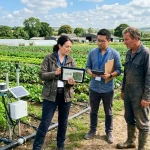
AI can assist industries in adopting more sustainable practices. For instance, in agriculture, AI-driven technologies monitor and analyze soil conditions, weather patterns, and crop health in real time, allowing farmers to make data-informed decisions that optimize yields while minimizing resource use. Such precision agriculture techniques are essential in reducing emissions associated with over-farming and inefficient resource use. Furthermore, companies can use AI to track and manage their carbon footprints, enabling them to implement effective sustainability strategies while meeting regulatory compliance.
The nuanced application of AI in climate change mitigation highlights its potential not only as a tool for efficiency but as a critical partner in our fight against climate change. As stakeholders across sectors continue to leverage AI’s strengths, the collaborative efforts can yield innovative solutions, encouraging a more sustainable and resilient future for the planet.
How AI is Transforming Renewable Energy Solutions
As the world increasingly shifts towards renewable energy sources, the integration of artificial intelligence (AI) is acting as a catalyst for innovation and efficiency in this sector. AI technologies are not only enhancing the management of renewable resources, but they are also helping to meet the urgent demand for sustainable energy solutions in the face of climate change. For instance, studies have illustrated that with AI, the efficiency of solar energy production can be dramatically improved. AI systems analyze weather patterns, solar panel performance, and even geographical data to predict optimal generation times, enabling solar farms to operate much more effectively.
Smart Grids and Energy Management
At the core of AI’s transformative power in renewable energy is the concept of smart grids. These intelligent systems leverage algorithms to adjust energy consumption dynamically, balancing supply and demand in real-time. By utilizing data from various sources, AI can help manage the complex interactions between multiple energy sources-like wind, solar, and traditional power plants-ensuring that energy is used efficiently. This is particularly important as energy consumption peaks vary throughout the day. For example, during the hottest hours, AI can prioritize solar energy production while tapping into battery storage to meet excess demand, thereby optimizing the grid’s performance and reducing reliance on fossil fuels.
Predictive Maintenance and Resource Optimization
Moreover, AI plays a crucial role in predictive maintenance for renewable energy facilities. By analyzing data from sensors placed on wind turbines and solar panels, AI can predict when equipment is likely to fail and schedule maintenance proactively. This not only minimizes downtime but also ensures that renewable energy sources operate at peak efficiency, leading to greater overall energy production. An example of this can be seen in large wind farms, where machine learning algorithms analyze vibration data, wind speeds, and operational statistics to forecast maintenance needs, significantly prolonging the lifespan of critical machinery.
Enhancing Energy Storage Solutions
AI is also pivotal in improving energy storage systems, which are essential for mitigating the intermittency challenges faced by renewable energy sources. Advanced algorithms can determine the optimal times to store or withdraw energy from batteries based on consumption forecasts and market prices. This smart management of energy storage allows grid operators to take full advantage of renewable sources while stabilizing supply during periods of high demand. In some cases, AI-managed storage solutions have demonstrated the ability to reduce operational costs by as much as 25%, underscoring the financial benefits alongside the environmental impacts.
As these technologies continue to evolve, the collaboration of AI with renewable energy sources promises to reshape our global energy landscape, making it more resilient against climate change while driving down costs and enhancing efficiency. Communities and stakeholders investing in these technologies can significantly contribute to a more sustainable future, affirming AI’s transformative role in combating climate challenges.
Predictive Analytics: Forecasting Climate Patterns with AI
The impact of climate change is becoming increasingly evident, with extreme weather events such as hurricanes, floods, and droughts occurring more frequently. As scientists and policymakers grapple with these challenges, the role of predictive analytics powered by AI emerges as a beacon of hope. By harnessing vast amounts of climate data, AI can provide accurate predictions about future climate patterns, allowing governments, businesses, and communities to proactively respond to potential threats.
AI-driven predictive analytics stand out for their ability to analyze complex datasets from diverse sources, including satellite imagery, atmospheric conditions, and historical climate data. This advanced approach enables researchers to identify patterns and trends that may not be apparent through traditional methods. For instance, machine learning algorithms can forecast rainfall intensity and predict flooding with remarkable accuracy, offering critical lead time for evacuations and disaster preparedness. Such capabilities can significantly reduce the human and economic toll of climate-related disasters.
Furthermore, insights derived from AI forecasts can guide sustainable decision-making in various sectors. In agriculture, for instance, farmers can utilize predictive models to optimize planting schedules based on anticipated rainfall and temperature fluctuations. By aligning their cultivation practices with these forecasts, they can enhance crop yields while reducing water usage and chemical application, fostering a more sustainable approach to food production.
To maximize the effectiveness of predictive analytics, collaboration between climate scientists, data engineers, and policymakers is essential. Establishing frameworks for data sharing and integrating AI models into existing climate monitoring systems can enhance community resilience and adaptation strategies. As we navigate the complexities of climate change, the convergence of AI and predictive analytics offers a powerful tool in safeguarding our planet for future generations.
AI-Driven Carbon Capture Technologies: What’s Possible?
Innovative technologies in carbon capture are rapidly evolving, presenting a significant opportunity to combat climate change. With global carbon dioxide (CO2) emissions reaching alarming levels, the potential of artificial intelligence (AI) in this arena is becoming increasingly clear. AI can enhance carbon capture processes by improving efficiency, optimizing system performance, and enabling the development of new materials and methods, ultimately driving down costs and increasing scalability.
One of the most exciting prospects is AI’s application in the design and operation of carbon capture facilities. By utilizing predictive analytics and machine learning algorithms, operators can make informed decisions regarding the optimal conditions for CO2 absorption. For example, AI systems can analyze real-time data from sensors to adjust parameters dynamically, enhancing efficiency and ensuring that systems operate at peak performance. This adaptability not only captures more carbon but also reduces energy consumption, making the entire process more sustainable.
Moreover, AI-driven simulations can accelerate the discovery of new materials for carbon capture. Traditional methods of material development can be time-consuming and costly; however, AI can rapidly screen vast databases of compounds to identify candidates that exhibit superior absorption properties. For instance, researchers have turned to AI to explore novel metal-organic frameworks and membranes, potentially leading to breakthroughs in capturing CO2 from the atmosphere and industrial processes.
Practical Applications and Case Studies
Real-world applications of AI in carbon capture are already emerging. A notable example includes initiatives by leading energy companies who are implementing AI-driven solutions to enhance their carbon capture technologies. By leveraging AI, these companies can optimize capture rates significantly while reducing operational costs. Some pilot projects have reported increases in capture efficiency by over 30% compared to traditional methods.
Collaboration across sectors is key to unlocking the full potential of AI-driven carbon capture technologies. Various stakeholders, including governments, academia, and private enterprises, must work together to create robust data-sharing frameworks and regulatory incentives that facilitate innovation. Encouraging investments in research and development will be essential to promotion and scaling of these technologies.
In summary, AI is poised to play a transformative role in carbon capture technologies, addressing both economic and environmental concerns. By combining advanced analytics and computational power with innovative materials science, we can significantly enhance our capacity to mitigate climate change, paving the way for a more sustainable future.
Enhancing Climate Resilience Through AI Innovations
To navigate the increasingly unpredictable patterns of climate change, innovations powered by artificial intelligence (AI) are becoming crucial tools for enhancing climate resilience. The ability of AI to analyze vast amounts of data in real-time allows communities to better anticipate and respond to climatic events, thereby reducing vulnerabilities associated with natural disasters. For instance, AI models are now capable of predicting flooding, droughts, and heatwaves by integrating data from satellite imagery, weather patterns, and historical climate records, giving regions a head start in preparing for potential emergencies.
AI-Driven Disaster Response
One area where AI is making a significant impact is in disaster response systems. Machine learning algorithms can analyze social media feeds, news reports, and satellite images to provide early warning systems for disasters. For example, during the recent hurricanes in the Gulf Coast, AI-driven platforms monitored patterns of wind and rainfall, allowing emergency services to deploy resources efficiently and alert at-risk communities. This proactive approach not only saves lives but also helps reduce the economic impact on affected areas.
Urban Planning and Infrastructure Development
AI technologies also facilitate better urban planning to enhance climate resilience. By using predictive analytics, city planners can identify areas at high risk for sea-level rise and flooding, enabling them to prioritize infrastructure investments in vulnerable regions. Smart city initiatives leverage AI to create real-time simulations that inform decisions on resource allocation, transportation, and energy usage, fostering a sustainable urban environment that can withstand climatic stresses.
Agro-Tech Innovations
Moreover, AI is revolutionizing agriculture, enabling farmers to adopt sustainable practices that increase resilience against climate variability. Using data collected from soil sensors and satellite imagery, AI can optimize planting schedules and crop selection based on anticipated weather conditions, helping to maximize yields even in difficult climates. For instance, precision farming techniques powered by AI ensure that water and fertilizers are used efficiently, minimizing waste and environmental impact while promoting food security.
In summary, the integration of AI into climate resilience strategies offers transformative potential. By harnessing data and advanced analytics, communities can anticipate climate-related challenges and respond effectively, paving the way for sustainable futures that mitigate the adverse effects of climate change. Embracing these technologies is essential for empowering stakeholders at all levels-from local governments to individual farmers-to take informed actions that protect both people and the planet.
AI for Sustainable Agriculture: Reducing Emissions and Waste
As traditional agricultural practices face mounting scrutiny for their environmental impact, innovative solutions powered by artificial intelligence are paving the way for a more sustainable future. AI is not only enhancing productivity but also significantly reducing emissions and waste across the agricultural sector. For instance, precision agriculture, enabled by AI-driven analytics, allows farmers to tailor their input use-such as water, fertilizers, and pesticides-to the specific needs of each crop. This individualized approach minimizes excess application that typically leads to runoff and soil depletion, thereby preserving local ecosystems.
Precision Farming Technologies
Farmers leveraging AI technologies can utilize sensors and satellite imagery to gather real-time data on soil conditions, moisture levels, and crop health. By analyzing this data, AI systems can provide actionable insights on when and how much to irrigate or fertilize. This not only conserves water resources but also reduces the carbon footprint associated with overproduction and transportation of fertilizers. A study revealed that farms employing AI-guided irrigation practices saw a reduction in water usage by up to 20% while maintaining crop yields, illustrating the potential for both sustainability and productivity.
Supply Chain Optimization
Moreover, AI is transforming supply chain efficiency in agriculture. By predicting market demands and optimizing logistics, AI helps reduce food waste-a significant contributor to greenhouse gas emissions. For example, AI tools can analyze consumer buying patterns to advise farmers on the optimal quantity of produce to plant and harvest, minimizing surplus. Additionally, AI-powered platforms can facilitate better coordination between farmers and retailers, ensuring that food is distributed effectively and reaches consumers in a timely manner.
Real-World Case Study: AI-Driven Solutions in Action
One notable case is the partnership between IBM’s Watson and several agricultural enterprises to enhance yield forecasting and resource management through machine learning algorithms. This collaboration has successfully enabled farmers to tailor practices based on predicted weather patterns and ecological conditions. As a result, participating farms reported not only increased productivity but also a marked reduction in fertilizer usage-leading to lower emissions and a healthier environment.
By integrating artificial intelligence into farming practices, the agricultural sector is well-positioned to tackle the dual challenges of feeding a growing global population while simultaneously reducing its ecological footprint. As these technologies continue to evolve, they hold the promise of creating not only more efficient but also profoundly sustainable agricultural systems. Embracing AI is essential for farmers aiming to contribute positively to climate goals, preserve natural resources, and maintain food security in a rapidly changing world.
Smart Cities: Leveraging AI for Sustainable Urban Development
Cities are the engines of economic growth, yet they also contribute significantly to environmental challenges, including climate change. The rise of artificial intelligence (AI) provides cities with tools to transform urban living into a more sustainable venture. By analyzing vast amounts of data, AI can optimize everything from energy consumption to waste management, ultimately paving the way for smarter, greener urban environments.
Energy Management and Grid Optimization
One of the most impactful applications of AI in smart cities is in energy management. AI algorithms can optimize energy consumption in real-time, helping to balance supply and demand more effectively. For instance, smart grids powered by AI can predict peak energy usage based on historical data and current weather conditions, allowing energy suppliers to adjust outputs accordingly. This not only enhances efficiency but also reduces reliance on fossil fuels, helping to lower greenhouse gas emissions. A notable example is the deployment of AI systems in cities like Los Angeles, where predictive analytics improved energy efficiency by up to 15% across various city buildings.
Improving Air Quality
AI can also play a vital role in monitoring and improving urban air quality. By using machine learning models to analyze pollution data from various sources, cities can identify pollution hotspots and deploy targeted interventions. This might include adjusting traffic patterns, deploying green infrastructure, or implementing stricter emissions regulations. For example, the city of Barcelona has implemented an AI system that analyzes data from over 100 urban pollution sensors, allowing city planners to make informed decisions about where to implement air quality improvements.
Transportation: Smarter Mobility Solutions
When it comes to transportation, AI enhances the efficiency of public transit systems and reduces congestion. AI-enabled traffic management systems can analyze real-time traffic data to optimize traffic flow, significantly cutting down travel times and associated emissions. Ride-sharing companies are also leveraging AI to efficiently match riders with drivers, thus minimizing the number of cars on the road. Cities like Singapore are piloting smart mobility initiatives, utilizing AI algorithms to predict traffic patterns and adjust traffic lights accordingly, which has led to reduced congestion by up to 20%.
Waste Management Innovations
Waste management in urban areas is another critical challenge that AI can mitigate. By applying machine learning algorithms to analyze waste generation and collection patterns, cities can optimize waste collection routes and schedules. This not only reduces operational costs but also minimizes the environmental impact associated with waste disposal. For instance, the city of Amsterdam is utilizing AI-powered sensors in waste bins to determine fill levels, allowing for more efficient pick-up routines and significantly reducing unnecessary trips.
Integrating AI into urban planning and management offers a pathway to create cities that not only support economic growth but also enhance environmental sustainability. As urban populations continue to swell, leveraging AI’s capabilities will be essential for achieving climate goals and improving the quality of life for residents. By adopting these innovative technologies, cities can become resilient, responsive, and truly sustainable urban environments.
The Impact of AI on Climate Change Policy and Regulation
To address climate change effectively, policymakers are increasingly recognizing the transformative potential of artificial intelligence (AI) in shaping regulations and strategies. AI’s data-driven capabilities empower governments to create more precise and informed policies, ensuring that their actions are not just reactive but proactively shape a sustainable future. With its ability to analyze vast datasets quickly, AI can provide pivotal insights into emissions sources, environmental impacts, and the effectiveness of existing policies, enabling a dynamic approach to policy development.
Enhancing Regulatory Frameworks
AI can significantly streamline compliance monitoring and enforcement in environmental regulations. For instance, advanced machine learning algorithms can analyze satellite imagery and sensor data to detect illegal deforestation or pollution incidents in real time. This proactive monitoring facilitates quicker responses from regulatory agencies, allowing for immediate corrective actions before minor infractions escalate into major environmental disasters. A notable example is how AI systems are employed in monitoring air quality, allowing cities like Beijing to implement timely control measures that align with health regulations, ultimately reducing respiratory ailments in urban populations.
Informed Decision-Making and Policy Design
Utilizing AI tools enables lawmakers to simulate various policy scenarios and their potential environmental impacts before implementation. For example, AI can explore the outcomes of different carbon pricing strategies, utilizing historical data and predictive analytics to project their effectiveness in reducing emissions. Through these simulations, policymakers can prioritize initiatives that promise the most significant climate benefits while being economically viable, thus creating a framework that balances ecological sustainability with economic growth.
Engaging Stakeholders
Moreover, AI’s ability to facilitate stakeholder engagement transforms how citizens and communities participate in policymaking. Platforms powered by AI can analyze public sentiment on environmental issues, helping officials understand community concerns and preferences regarding climate action. This two-way communication channel fosters a collaborative atmosphere where policy adjustments reflect public needs and enhance community buy-in for climate initiatives. For instance, AI tools have been used in participatory budgeting projects, allowing communities to allocate funds to sustainable projects they deem essential, thereby fostering local ownership of climate actions.
In conclusion, the integration of AI into climate change policy and regulation not only makes the processes more efficient and transparent but also empowers a sustainable and participatory approach to governance. As governments harness AI’s capabilities, they can craft more informed, adaptable, and impactful strategies to combat climate change, ultimately fostering a resilient and sustainable future for all.
AI-Powered Climate Research: Data-Driven Insights for Action
The potential of artificial intelligence (AI) in addressing climate change is profound, emerging as a pivotal tool in enhancing climate research and generating actionable insights for environmental stewardship. By harnessing vast datasets and advanced algorithms, researchers can identify patterns that inform climate models, predict future scenarios, and assess the potential impacts of various interventions. For instance, AI can analyze historical environmental data-such as temperature records, precipitation patterns, and greenhouse gas emissions-to unveil trends and correlations that traditional methods might overlook.
Transforming Data into Knowledge
One of the most exciting applications of AI in climate research is its ability to process and interpret satellite imagery. This technology allows scientists to monitor deforestation, track glacial melting, and assess urban heat islands with unprecedented accuracy. For example, by employing machine learning algorithms that classify and analyze images from space, researchers can measure changes in land usage or even the health of ecosystems over time. This real-time analysis enables quicker responses to environmental threats, informing immediate conservation efforts.
Furthermore, AI models can also enhance the precision of climate forecasting. Traditional climate models often rely on complex simulations that can take considerable time to run. In contrast, AI can expedite this process by rapidly analyzing historical data and producing predictive models that can simulate numerous scenarios in a fraction of the time. This capability allows scientists and policymakers to evaluate the potential effectiveness of proposed climate policies, such as carbon pricing or renewable energy investment, before they are rolled out.
Bridging Academia and Industry
The collaboration between academia and private sectors becomes essential as AI continues to innovate climate research. Businesses can leverage AI tools to optimize their operations, reducing carbon footprints, and enhancing resource efficiency. For example, some companies utilize AI to manage supply chains more sustainably, minimizing waste and lowering emissions associated with transportation and production processes.
Moreover, community-driven AI initiatives are increasingly enabling local stakeholders to partake in climate research. Open-source platforms can crowdsource data collection, with citizens around the world contributing information on climate impacts in their regions. These grassroots efforts lead to localized insights that can directly inform effective climate action strategies at a community level.
In conclusion, the integration of AI in climate research is not merely about producing data but transforming that data into knowledge that drives actionable change. By leveraging these technologies, we can better understand complex environmental systems, forecast future challenges, and devise innovative strategies that promote sustainability and resilience in the face of climate change. The path forward lies in harnessing this technology, creating synergistic partnerships, and fostering community participation to cultivate a more sustainable planet.
Challenges of Integrating AI in Climate Solutions
The integration of artificial intelligence (AI) into climate solutions presents both a promising frontier and a series of intricate challenges. As we strive to leverage the capabilities of AI for environmental benefits, various barriers must be addressed to ensure effective implementation. Among these challenges are the limitations of data, the complexity of climate systems, ethical considerations, and the need for broad stakeholder engagement.
Data Limitations
One of the most significant hurdles is the availability and quality of data. AI models thrive on vast amounts of clean, well-structured data to generate useful insights. However, climate data can be sparse, inconsistent, or plagued by biases, which may skew results. For instance, while satellite imagery may provide extensive data on land use changes, it remains subject to cloud cover and varying sensor resolutions. To mitigate these data challenges, researchers need to invest in robust data collection methods and leverage existing networks to ensure diverse datasets.
Complexity of Climate Systems
The climate is inherently complex, influenced by numerous interrelated factors, ranging from human activity to natural phenomena. This complexity can make AI models difficult to calibrate and interpret. For example, predicting the local effects of global climate shifts requires comprehensive models that account for intricate geographical and social variables. Scientists and engineers are continually working on improving algorithmic interpretability and robustness, but aligning AI-driven models with scientific understanding remains a significant research challenge.
Ethical and Governance Concerns
With great power comes great responsibility, and the use of AI in climate solutions raises ethical questions. Issues such as data privacy, accountability for AI-generated recommendations, and potential biases in AI algorithms can undermine public trust. Furthermore, the development and deployment of AI technologies often involve multiple stakeholders, including governments, private companies, and NGOs. Establishing fair governance frameworks and maintaining transparent communication about AI’s capabilities and limitations can help build trust and foster collaboration among these groups.
Community Involvement and Capacity Building
To overcome these barriers, it is crucial to engage communities and facilitate capacity building. Local stakeholders should be encouraged to participate in data collection and the development of AI tools tailored to their specific needs. This participatory approach not only enhances the relevance of climate solutions but also fosters a sense of ownership and accountability among communities. Education and training initiatives aimed at enhancing digital literacy can empower local populations to utilize AI effectively in their climate strategies, promoting sustainable resilience.
By addressing these challenges head-on, we can maximize the potential of AI in the fight against climate change. Embracing a multifaceted strategy that includes investment in data infrastructure, improving algorithmic reliability, addressing ethical concerns, and fostering community engagement will empower us to harness AI’s full capabilities while steering clear of potential pitfalls. Let this be a call to not only innovate but to approach climate AI solutions with responsibility and foresight, transforming challenges into opportunities for sustainable action.
Case Studies: Successful AI Applications in Climate Action
Innovative applications of artificial intelligence (AI) are making significant inroads into climate action, providing a wealth of case studies that showcase its transformational potential. From optimizing energy consumption to advancing climate modeling, these examples highlight how combining technology with environmental stewardship can yield substantial benefits.
One compelling instance comes from the energy sector, where AI-powered software is being employed to optimize energy grids. Companies like Google have implemented machine learning algorithms to predict the energy needs of their data centers, adjusting cooling systems in real time. This approach has resulted in a 40% reduction in energy consumption, illustrating how AI can lead to not only significant cost savings but also a marked decrease in carbon emissions.
AI in Agriculture
Another vital application is in agriculture, where AI assists in promoting sustainable practices. The startup *Prospera* uses machine learning and computer vision to monitor crop health and optimize resource use. By analyzing data from cameras and sensors throughout the fields, the technology provides farmers with actionable insights on irrigation and pesticide use, reducing waste and enhancing yield. This has proven particularly beneficial in water-scarce areas, where precise resource allocation is crucial. Consequently, farmers have reported up to 30% more efficient water use and improved crop outputs.
Smart Cities and Transportation
Moving to urban settings, AI plays a pivotal role in the development of smart cities. Algorithms are being utilized to improve public transportation systems by predicting demand and optimizing routes in real-time, thus minimizing emissions from vehicles. For example, the city of Barcelona has integrated AI in its public buses to analyze traffic patterns, leading to service improvements that reduce fuel consumption by 15%. These kinds of initiatives are integral in creating sustainable urban ecosystems that can adapt to changing climates.
AI in Carbon Capture
Finally, the advancements in carbon capture technologies are noteworthy. Research institutions are collaborating with tech firms to enhance carbon capture methods using AI to optimize the processes involved, from capturing CO2 to its storage. Projects like *Climeworks* employ machine learning to continuously refine their operational efficiencies, aiming to significantly reduce the costs associated with direct air capture-laying the groundwork for a scalable approach in mitigating climate impact.
These case studies collectively emphasize the essential role AI can play in addressing climate change, providing a roadmap for leveraging technology to forge a sustainable future. As these technologies continue to evolve and proliferate, the potential for wide-reaching, impactful solutions becomes increasingly promising, showcasing the necessity of merging tech innovation with environmental strategy to achieve meaningful climate action.
The Future of AI and Climate Change: What Lies Ahead
The rapid advancement in artificial intelligence (AI) holds immense potential for tackling one of humanity’s greatest challenges: climate change. As we brace for an uncertain future impacted by shifting weather patterns, rising sea levels, and increasing natural disasters, integrating AI into climate strategies offers a beacon of hope. By harnessing AI’s predictive capabilities and data analysis prowess, we can craft informed approaches to environmental issues that are not just reactive but proactively drive change.
Innovative AI Solutions on the Horizon
Looking ahead, the potential applications of AI in climate action are vast and varied. One promising area is the enhancement of predictive analytics, enabling scientists and policymakers to foresee climate disruptions more accurately. By using AI to analyze historical and real-time climate data, we can develop models that anticipate the consequences of climate phenomena, thus preparing communities more efficiently for resource allocation and disaster response.
Moreover, AI could revolutionize renewable energy management. For example, AI algorithms can optimize energy generation from wind and solar sources by predicting fluctuations in weather and energy demand. This adaptive approach not only maximizes efficiency but also minimizes waste, potentially transforming how cities utilize green energy. The integration of such smart grids can lead to a significant reduction in greenhouse gas emissions and help stabilize energy costs for consumers.
Driving Sustainable Practices
The future also points to the integration of AI in promoting sustainable practices across various sectors. In agriculture, AI could facilitate precision farming, where resources like water and fertilizers are utilized more efficiently, reducing waste and emissions. Innovations in AI-driven plant breeding and pest management could lead to crops that are more resilient to climate stressors, thereby enhancing food security while minimizing environmental impact.
Building on this, AI’s role in carbon capture technologies is likely to expand. By optimizing the processes involved in capturing and storing CO2, AI can potentially make these technologies more cost-effective and scalable, aiding global efforts to meet emission reduction targets. Collaborative efforts between tech innovators and environmental scientists could lead to breakthroughs that reshape how industries approach sustainability.
As we move forward, the collaboration between stakeholders, including governments, private sectors, and communities, will be vital. Building a framework for ethical AI development ensures that technological advancements align with ecological goals. Engaging local populations in the decision-making process enhances the inclusivity of climate strategies, ensuring that solutions are relevant and equitable.
In summary, the future of AI in addressing climate change is not just about technology but about fostering a new way of thinking and acting in harmony with our environment. The integration of AI into climate action strategies presents unique opportunities to innovate, adapt, and ultimately pave the way for a more sustainable future. By leveraging AI’s capabilities, we can create a resilient world equipped to face the challenges of climate change head-on, making a tangible difference for both the planet and future generations.
Q&A
Q: How can AI be used in climate modeling?
A: AI can enhance climate modeling by processing vast datasets to identify patterns and make accurate predictions. Machine learning algorithms analyze historical climate data, improving forecasts for weather events and helping policymakers develop effective climate strategies. For more about predictive analytics, see our section on Predictive Analytics: Forecasting Climate Patterns with AI.
Q: What role does AI play in energy efficiency?
A: AI optimizes energy efficiency by analyzing consumption patterns and automating controls in buildings and factories. Smart systems can adjust heating, cooling, and lighting based on usage, significantly reducing energy waste. Learn more about AI’s impact on renewable energy solutions in our article section.
Q: Can AI help in wildlife conservation efforts?
A: Yes, AI aids wildlife conservation by analyzing data from sensors and cameras to monitor species and their habitats. This technology helps identify poaching activities and assess the health of ecosystems, enabling targeted conservation actions.
Q: What are the challenges of using AI for climate change solutions?
A: Challenges include data quality issues, the need for significant computing power, and ethical considerations surrounding AI deployment. Addressing these obstacles is crucial for effective integration into climate action plans. Explore more about these challenges in our Challenges of Integrating AI in Climate Solutions section.
Q: How does AI contribute to smart agricultural practices?
A: AI supports smart agriculture by providing insights on crop health, optimal planting times, and efficient resource use. Technologies like precision farming reduce waste and emissions, promoting sustainability. Visit our AI for Sustainable Agriculture section for details.
Q: What innovative AI technologies are being developed to combat climate change?
A: Innovations include AI-driven carbon capture technologies that identify and optimize processes for reducing emissions, as well as AI models that can simulate complex environmental systems, leading to more effective climate action strategies.
Q: How can individuals leverage AI in their personal climate actions?
A: Individuals can use AI-powered apps for better energy management at home, such as tracking energy consumption and scheduling appliances during off-peak hours. Adopting smart home technologies can significantly reduce personal carbon footprints.
Q: What are the future trends for AI in combating climate change?
A: Future trends include increasing integration of AI in climate policy-making, enhanced data analytics for climate adaptation strategies, and growing collaboration between technology companies and environmental organizations to drive sustainable solutions. For insights on the future of AI and climate change, refer to our concluding section.
Wrapping Up
As we’ve explored, the potential of AI in combating climate change is not just a possibility; it’s an urgent mission that involves innovative tech solutions making a real impact. By harnessing data-driven insights and applying sophisticated models, we can revolutionize traditional approaches toward sustainability. If you’re inspired to take action, consider signing up for our newsletter to stay updated on the latest advancements in AI and climate technologies.
Want to dive deeper? Check out our articles on how AI is transforming renewable energy deployment and improving resource efficiency. Don’t let this moment pass-every small step counts toward a greener future. Join the conversation in the comments below and share your thoughts on how we can leverage technology to protect our planet. Together, we can navigate these challenges and create meaningful change. Explore more related topics and continue your journey with us today!
Get our latest guides, news, and insights highlighted in your Google Search & AI Overviews.