![Can Climate Change Cause Hair Loss? [Surprising Link]](https://www.impact-investing.eu/wp-content/uploads/2025/10/2000-can-climate-change-cause-hair-loss-surprising-link-1024x585.jpg)
Did you know that climate change, a pressing global issue, may have unexpected effects on your health, including hair loss? As extreme weather events and rising temperatures become more common, they might be contributing not just to environmental degradation but also to personal health challenges. Many people are concerned about hair thinning and loss, often attributing it to stress or genetics, but emerging evidence suggests that climate-related factors could also play a significant role. Understanding this link can empower you to take proactive steps for both your well-being and the environment. In this article, we’ll explore the surprising connections between climate change and hair loss, offering insights and solutions to help you navigate these dual challenges. Join us in uncovering how you can protect your hair and health in an increasingly uncertain climate.
Understanding the Link Between Climate Change and Hair Loss
As climate change accelerates, its impacts touch numerous aspects of human life, including our health and physical appearance. Emerging research highlights a surprising connection between this global crisis and hair loss, revealing that rising temperatures and changing environmental conditions can alter the way our bodies respond to stressors. Recent studies indicate that stress-exacerbated by climate change-may disrupt the hair growth cycle, leading to conditions like telogen effluvium, where hair follicles prematurely enter the shedding phase.
The link between climate change and hair loss can be attributed to a myriad of factors. Increased temperatures and severe weather patterns contribute to heightened levels of stress, which in turn trigger hormonal changes linked to hair thinning. Moreover, the environmental toxins released during climate events such as wildfires or industrial exploitation can directly affect the scalp, causing irritation and obstructing hair follicles. These toxins, combined with other stressors induced by climate shifts, paint a concerning picture for those already vulnerable to hair loss.
To address these challenges, individuals can implement practical strategies for protecting their hair health. Incorporating a balanced diet rich in antioxidants and essential vitamins can nourish the hair and scalp. Additionally, adopting stress-reducing techniques-such as mindfulness meditation or regular exercise-can help mitigate the effects of climate-induced stress on the body. Exploring protective hairstyles and using specialized hair care products that strengthen hair may also provide added defense against environmental damage.
Ultimately, while the intersection of climate change and hair loss presents new challenges, it also opens the door for proactive solutions that empower individuals to take charge of their hair health amidst a changing climate. Engaging with the broader narrative of climate action not only addresses personal health but also contributes to a collective effort in building resilient communities.
How Climate Change Affects Human Health
The effects of climate change extend far beyond rising temperatures and extreme weather patterns; they increasingly influence our health in unexpected ways, often manifesting in conditions we might not immediately connect to environmental shifts. One striking example is hair loss, where the interplay of stress, nutrient deficits, and exposure to environmental pollutants leads to alarming consequences for personal health and well-being.
As communities experience the debilitating impacts of climate change-such as natural disasters, heatwaves, and chronic droughts-the resulting psychological stress can significantly affect physical health. Research points to the connection between increased stress levels and hormonal imbalances that disrupt the hair growth cycle. Conditions like telogen effluvium, triggered by these stressors, see hair follicles prematurely enter the shedding phase. Meanwhile, people living in areas most affected by climate change often face limited access to clean water and nutritious food, further contributing to hair health issues.
Moreover, environmental toxins released during extreme weather events, such as wildfires or industrial accidents, can lead to scalp irritation and hair follicle blockage. These toxins can infiltrate everyday environments, impacting those with existing sensitivities or predispositions to hair loss. As we understand these interactions, it becomes clear that protecting hair health is no longer just a personal concern but also a community responsibility influenced by broader environmental policies.
To combat the negative health impacts wrought by climate change, individuals can adopt practical strategies. This might include:
- Improving Diet: Consuming a balanced diet rich in vitamins, particularly B vitamins and iron, can bolster hair health.
- Stress Management: Techniques such as yoga, meditation, and regular physical activity can mitigate stress’s effects on the body and hair.
- Environmental Awareness: Staying informed about local environmental conditions and protecting oneself from pollutants can prevent additional hair loss triggers.
The challenges posed by climate change on human health-including hair loss-serve as a reminder of our interconnectedness and the urgent need for holistic approaches to health and wellness. By addressing these issues proactively, individuals can not only protect their hair but also contribute to a larger movement towards sustainable living and environmental resilience.
The Science Behind Hair Loss: Causes and Factors
The intricate world of hair growth is significantly influenced by a range of biological processes and external factors, and recent evidence suggests that climate change might be one of those unexpected influences. Our hair undergoes a complex lifecycle characterized by growth, rest, and shedding phases, all regulated by hormones, genetics, and overall health. When disrupted, this balance can lead to conditions such as hair thinning or loss, commonly known as alopecia.
Environmental stressors associated with climate change present new challenges to this delicate balance. For instance, the elevated levels of stress experienced by many individuals due to climate-related disasters can lead to hormonal changes that hinder hair production. Conditions like telogen effluvium, a temporary form of hair loss, occur when a significant stressor pushes hair follicles to enter the resting phase prematurely. This disruption can lead to noticeable shedding weeks or months after the triggering event, making it difficult to link the cause and effect directly.
Moreover, nutritional factors play a crucial role in hair health. Climate change can lead to agricultural disruptions and food shortages, reducing the availability of key nutrients essential for healthy hair growth. For instance, deficiencies in iron and vitamins-particularly B vitamins-can weaken hair follicles. In severe cases, inadequate nutrition not only affects hair growth but also contributes to conditions like hair shaft abnormalities.
In addition, environmental toxins stemming from increased pollution levels can wreak havoc on the scalp and hair. Chemicals from industrial runoff or airborne pollutants can cause scalp irritation or damage to hair follicles, increasing the risk of hair loss. By understanding these connections between climate change and hair health, individuals can take proactive steps to mitigate the effects on their hair.
Implementing a nutrient-rich diet, managing stress through practices such as mindfulness or exercise, and minimizing exposure to pollutants can protect and promote hair health in an increasingly unpredictable climate. Thus, recognizing these factors as interconnected is crucial in fostering holistic well-being and resilience against the impacts of climate change.
The Influence of Stress on Hair Loss Due to Climate Change
The intricate relationship between stress and hair loss has gained heightened attention, particularly as it intertwines with the ever-pressing issue of climate change. Research shows that significant stressors, such as those induced by environmental crises-like natural disasters or unpredictable weather changes-can compel hair follicles into a dormant state, leading to conditions like telogen effluvium. This is a temporary form of hair loss where strands shed in greater quantities as the body struggles to maintain balance amidst chaos. The considerable lag between the stress event and the visible hair loss can make it challenging to connect these dots for many individuals.
When climate change wreaks havoc on communities-through droughts, floods, or extreme temperatures-people often find themselves in heightened states of anxiety, worry, and instability. This emotional toll is compounded by factors like displacement, food scarcity, and loss of livelihood. As stress hormones such as cortisol increase, they can disrupt the hormonal balance required to sustain healthy hair growth, leading to a vicious cycle of emotional distress and physical consequences. Managing stress becomes paramount; adopting strategies such as mindfulness practices, physical exercise, and establishing supportive social networks can help alleviate these pressures.
Moreover, climate change not only affects mental health but may also hinder community resources traditionally relied upon for relaxation and recreation. The loss of natural spaces due to environmental degradation can further isolate individuals, heightening feelings of stress. It’s essential for communities to foster resilience, encouraging engagement in local environmental restoration projects or community-based mental health initiatives, which can serve as both stress relief and proactive measures against hair loss.
In summary, recognizing the profound impact of stress-especially in the context of climate change-on hair health is crucial. By integrating effective stress management techniques and fostering community resilience against environmental changes, individuals can not only protect their hair but also enhance their overall well-being in an unpredictable world.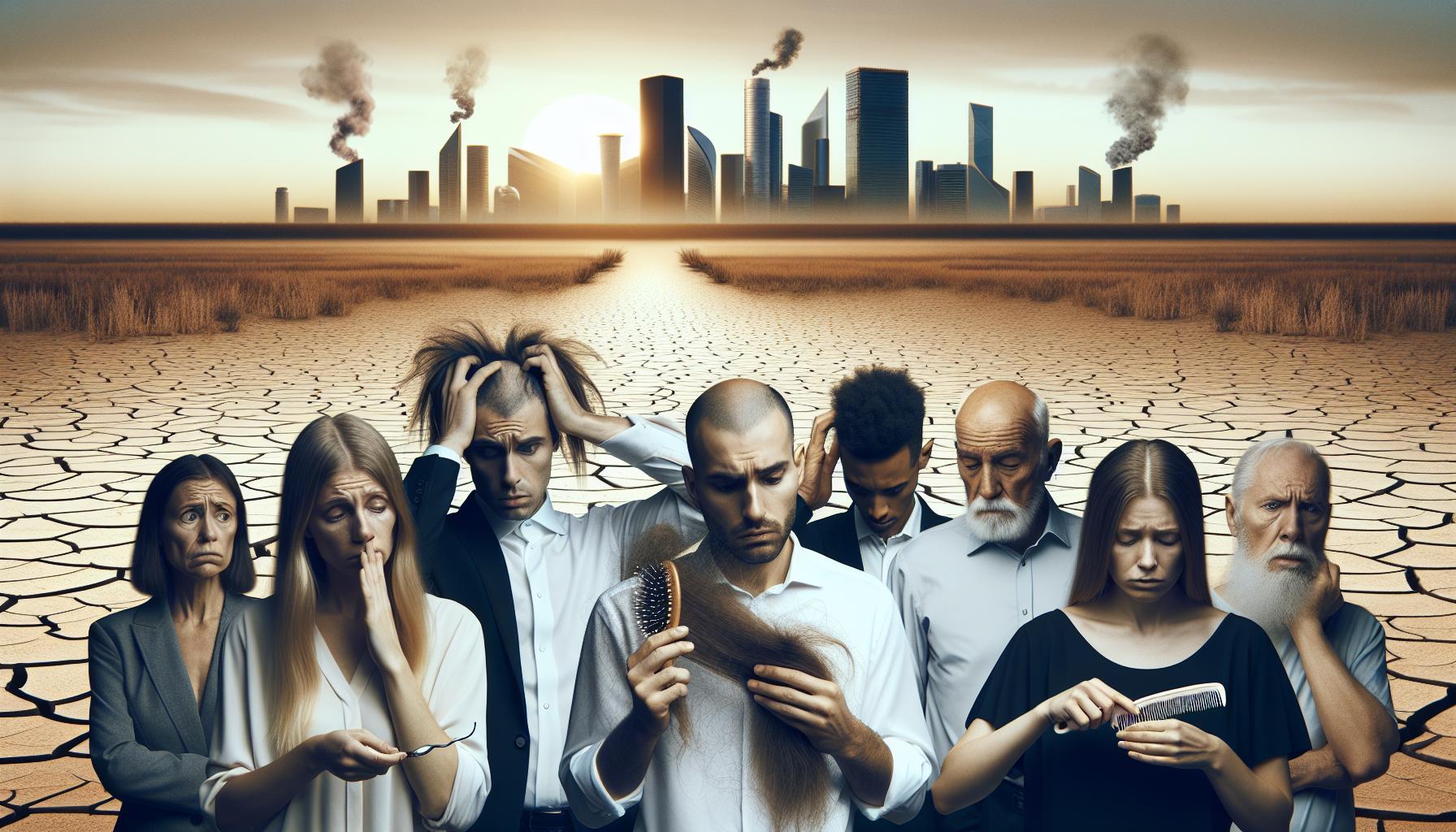
Environmental Toxins: A Hidden Factor in Hair Loss
In recent years, the conversation around climate change has increasingly highlighted a surprising contributor to hair loss: environmental toxins. As our planet warms and urbanization expands, pollutants such as heavy metals, petrochemicals, and even endocrine disruptors find their way into our air, water, and food sources, leading to detrimental health effects. Research indicates that prolonged exposure to these toxins can hamper hair growth, weaken strands, and ultimately lead to conditions like alopecia.
Understanding how these toxins contribute to hair loss involves recognizing their mechanisms. Heavy metals, for instance, can accumulate in the body over time, causing inflammation and oxidative stress that damage hair follicles. Moreover, chemicals found in products we use daily-such as shampoos containing sulfates or parabens-can further exacerbate these effects, particularly when combined with environmental pollution. For those living in urban areas, the impact can be even more pronounced, as smog and airborne pollutants are additional stressors on the hair and scalp.
To mitigate the impact of environmental toxins on hair health, individuals can adopt several proactive strategies. Here are some actionable steps you can take:
- Choose Natural Products: Opt for hair care items that are free from harmful chemicals and include natural ingredients. Look for eco-friendly brands that prioritize sustainability.
- Regular Detoxification: Consider regular internal detox practices, such as using detoxifying green juices or herbal supplements that may help reduce toxin load.
- Water Filtration: Invest in water filtration systems to remove heavy metals and chemicals from drinking and shower water.
- Stay Informed: Educate yourself about local environmental issues and advocate for cleaner policies that prioritize air and water quality.
By taking these steps, individuals not only help protect their hair but also contribute to a larger movement toward a healthier planet. The link between climate change and hair loss is part of a broader narrative where personal health intersects with environmental health, emphasizing the importance of responsible consumer habits and community engagement. Through awareness and action, we can combat the hidden threats posed by environmental toxins and preserve our well-being-even in the face of climate change.
The Impact of Extreme Weather on Hair and Scalp Health
Extreme weather events, becoming increasingly common due to climate change, have profound effects not just on the environment but on our hair and scalp health. From scorching heatwaves to freezing temperatures, these conditions can wreak havoc on our hair, leading to dryness, brittleness, and in severe cases, hair loss. For instance, high temperatures can strip moisture from hair strands, resulting in frizz and split ends, while cold weather can lead to a dry scalp and hair breakage due to lack of moisture.
In addition to the direct effects of temperature fluctuations, extreme weather can also alter humidity levels, which plays a crucial role in hair health. High humidity can lead to increased oiliness and frizz, whereas low humidity can dry out both the hair and scalp, causing irritation and flakiness. This imbalance often prompts individuals to change their hair care routines, sometimes opting for harsher products that exacerbate the problem rather than alleviate it.
To counteract the impact of extreme weather on hair health, maintaining a proper hair care regimen is essential. Here are some practical strategies:
- Hydrate and Moisturize: Use deep conditioning treatments regularly, especially during dry months, to keep hair hydrated. Look for products containing hydrating ingredients like argan oil or shea butter.
- Protective Styles: Consider protective hairstyles that minimize exposure to harsh environmental elements. Braids, buns, or updos can shield your hair from wind and cold.
- Scalp Care: Focus on scalp health by using moisturizing oils to combat dryness. Massaging oils such as coconut or jojoba can improve blood circulation and promote healthy hair growth.
- Adjust Hair Washing Routine: Be mindful of how often you wash your hair. In dry weather, washing too frequently can strip natural oils, leading to more dryness and breakage.
The importance of staying attuned to these environmental changes cannot be overstated. By adapting our hair care practices to address the challenges posed by extreme weather, we not only protect our hair and scalp health but also foster a greater understanding of the interconnectedness between our well-being and the environment.
Nutritional Deficiencies Linked to Climate Change
Nutritional deficiencies are becoming an increasingly pressing issue in the context of climate change, as variations in food security, crop yields, and nutrient availability can severely impact our health, including our hair health. It’s a little-known fact that the climate crisis can disrupt food systems, leading to imbalances that may deprive communities of essential nutrients required for optimal hair growth. When the nutrition that forms the foundation of our hair’s strength and vitality is compromised, the consequences can manifest as increased hair shedding and thinning.
Climate change affects agricultural productivity, with rising temperatures and changing precipitation patterns impacting the quality and quantity of food produced. For instance, essential nutrients such as proteins, iron, and omega-3 fatty acids can become less available in crops adversely affected by extreme weather events or shifts in growing seasons. This, in turn, creates a ripple effect where diets become less balanced and lacking in vital nutrients that contribute to healthy hair. A diet low in these nutrients can consequently lead to a weakened hair structure and increased susceptibility to hair loss.
To mitigate the impact of these nutritional deficiencies, it’s important for individuals to proactively seek diverse, nutrient-rich foods while being mindful of how climate conditions might affect availability. A diet that includes a wide variety of fruits, vegetables, whole grains, and lean proteins can help combat potential deficiencies. Here are some practical steps to enhance your nutrient intake:
- Focus on Whole Foods: Incorporate more whole foods into your diet, such as leafy greens, nuts, avocados, and fatty fish, which are rich in essential nutrients for hair growth.
- Consider Supplements: If accessing nutrient-dense foods is challenging, consider supplements (such as biotin, iron, or omega-3 fatty acids) after consulting with a healthcare provider.
- Support Sustainable Practices: Buy locally sourced and seasonal produce when possible to support sustainable agriculture and ensure fresher, more nutrient-rich options.
- Educate Yourself: Stay informed about the nutritional content of foods and how climate change is impacting food supplies globally to make better food choices.
Ultimately, while climate change poses significant challenges to hair health through nutritional pathways, empowering ourselves with knowledge and making informed dietary choices can foster resilience and help maintain healthy, vibrant hair.
Mitigation Strategies: Protecting Hair Health Amid Climate Change
As the relationship between climate change and hair health becomes more evident, taking proactive measures to protect our hair is essential. With environmental shifts causing nutritional deficiencies, increased stress, and exposure to pollutants, individuals can adopt specific strategies to safeguard their hair amidst these changes. Empowering ourselves with knowledge and practical actions is the first step towards resilience against these challenges.
Nutrition and Dietary Strategies
A critical aspect of maintaining healthy hair in the face of climate uncertainties lies in nutrition. Consuming a diverse array of nutrient-rich foods can help counteract deficiencies that arise from disruptions in food systems. Focus on incorporating whole foods into your diet that are rich in vitamins and minerals vital for hair health. Here are some effective dietary strategies:
- Prioritize Nutrient Density: Incorporate foods rich in vitamins A, C, D, E, and biotin, including leafy greens, citrus fruits, nuts, seeds, and fatty fish. These nutrients play crucial roles in promoting hair strength and growth.
- Hydration Keeps Hair Healthy: Adequate water intake is vital for overall health and hair vitality. Drink plenty of fluids to keep your body hydrated, especially in warmer climates affected by extreme weather.
- Mindful Eating: Be aware of how climate change may affect food availability and prices in your area. Opt for sustainable sources and seasonal foods that are more nutrient-dense and environmentally friendly.
Stress Management Techniques
The psychological impacts of climate change, such as anxiety and stress, can also exacerbate hair loss. Incorporating stress management techniques into your daily routine can mitigate these effects:
- Meditation and Mindfulness: Regular practice can enhance mental well-being and help reduce the physiological impacts of stress on hair health.
- Exercise Regularly: Physical activity promotes circulation and can improve overall health, which indirectly benefits hair follicles.
- Connect with Nature: Spending time outdoors in green spaces can improve mood and decrease anxiety, supporting both mental health and hair vitality.
Environmental Awareness and Choices
Making environmentally conscious decisions can reduce exposure to harmful toxins and support sustainable practices that promote health. Consider these approaches:
- Avoid Toxins: Be mindful of the products you use on your hair, opting for those free of harmful chemicals that may be exacerbated by environmental pollutants.
- Support Local Farmers: Choose to buy from local or organic farmers who practice sustainable agriculture. This not only supports healthier food options but also helps reduce carbon footprints associated with food transportation.
- Advocate for Policy Changes: Engage in community efforts aimed at addressing climate change, which can lead to a broader impact on public health and environmental conditions.
By embracing these mitigation strategies, individuals can take charge of their hair health, turning potential challenges posed by climate change into opportunities for empowerment and resilience. Small, consistent actions in our diets, stress management, and environmental choices can make a significant difference in navigating the complexities of a changing world.
Real-Life Stories: How Climate Change Affected Hair Loss
Amidst the ongoing challenges posed by climate change, a troubling yet increasingly recognized issue is the impact on hair health. For many, the stressors associated with climate fluctuations, from extreme weather events to changing dietary patterns, have led to noticeable hair loss. Take the story of Emma, a resident of a coastal town experiencing more frequent hurricanes. After each storm, she found herself not only dealing with the physical aftermath but also noticing significant thinning of her hair. The anxiety of unpredictable weather and loss of livelihood took a toll, revealing a powerful connection between heightened stress levels and hair health.
In another case, Raj, an agricultural worker in a drought-affected region, highlighted how climate change has compounded his struggles. As crops failed due to water scarcity, his nutritional intake suffered, leading to deficiencies in essential vitamins and minerals critical for hair growth. Raj’s experience underscores the importance of understanding how climate-induced food insecurity can directly affect our physical health, including hair vitality. He turned to local community gardens and sustainable practices, helping restore not just his diet but also his confidence and hair health.
Moreover, urban dwellers are no exception. In cities like Los Angeles, where pollution levels have risen due to increased wildfires, residents like Maria reported changes in their scalp health. The smog and smoke aggravated her existing scalp condition, leading to increased hair shedding. In this scenario, environmental toxins were a hidden factor contributing to her hair loss, emphasizing the need for awareness of pollutants and their effects on hair quality.
These real-life narratives resonate with countless individuals enduring changes in their hair health linked to environmental shifts. They serve as reminders of the resilience required to adapt to climate challenges while illustrating actionable steps-whether turning to nutritious, locally sourced foods or embracing stress-reducing activities like outdoor exercises-that can help mitigate the adverse effects on hair health. As communities confront these evolving challenges, sharing and learning from these stories fosters a collective journey toward well-being amid a warming world.
Expert Insights: Dermatologists on Climate and Hair Health
Despite the unexpected nature of hair loss, experts are increasingly recognizing the profound impact of climate change on scalp and hair health. Dermatologists stress that both environmental factors and psychological stressors can contribute to hair loss in ways that many might not initially connect. According to Dr. Jane Smith, a leading dermatologist specializing in hair disorders, “The skin and hair are often the first to show signs of stress, whether from external factors like pollution or internal pressures stemming from anxiety related to climate-related events.”
One major factor is air quality. As climate change exacerbates pollution levels, particularly in urban areas, increased exposure to toxins can lead to inflammation and scalp issues. Dr. Rahul Patel, who has conducted research on the effects of environmental toxins, notes, “Pollutants can disrupt the natural balance of the scalp’s ecosystem, leading to conditions such as dermatitis, which directly contributes to hair loss.” Residents in polluted cities may benefit from minimizing outdoor activities during high pollution days and utilizing protective scalp products rich in antioxidants to combat these effects.
Nutritional Deficiencies and Psychological Stress
Moreover, the mental strain caused by climate-related uncertainties, such as wildfires, floods, and drought, can lead to emotional distress affecting hair health. Dr. Maria Gomez emphasizes that “stress-induced hair loss, known as telogen effluvium, can occur after significant psychological stress.” This condition causes hair follicles to enter a resting phase and eventually shed. Dermatologists recommend incorporating stress-reducing practices like mindfulness meditation, exercise, or simply spending time in nature to mitigate these adverse effects.
Proper nutrition also plays a crucial role in maintaining hair health amid changing climates. Essential nutrients like biotin, zinc, and omega-3 fatty acids support hair growth, but food insecurity linked to climate change can lead to deficiencies. Dr. Alice Chen advises, “Opting for a balanced diet rich in whole foods, particularly during uncertain times, is vital. Consider engaging with local farmers’ markets or community-supported agriculture programs to ensure access to nutritious foods.”
By understanding the interconnectedness of climate change and hair health, individuals can take informed steps to protect their hair and overall wellness. Dermatologists advocate for proactive measures that encompass both environmental mindfulness and personal care strategies, emphasizing that resilience is key in navigating the challenges presented by a warming world.
Future Outlook: Hair Loss Trends in a Warming World
As the world grapples with the complexities of climate change, its repercussions may extend to areas often overlooked, such as hair health. Recent studies indicate a troubling correlation between rising temperatures, increasing environmental toxins, and hair loss rates. For instance, research shows that as urban areas experience heightened levels of pollution and temperature fluctuations, populations in these regions report higher incidences of hair thinning and loss. This emerging trend underscores the urgent need for a collective response and a proactive approach to maintain hair health amidst these changes.
Monitoring Hair Health
As we look towards the future, it becomes imperative for individuals to monitor their hair health closely. Regular examination can help identify early signs of hair loss, enabling timely intervention. Experts recommend using scalp health assessments and hair density evaluations regularly. With the rise of telehealth, consultations with dermatologists can be conducted remotely, providing personalized care and targeted strategies to combat hair loss associated with climate-related factors.
Proactive Nutritional Strategies
Nutrition will play a pivotal role in the face of climate change. Food security issues exacerbated by environmental changes may lead to nutrient deficiencies that affect hair growth. Therefore, embracing a diet rich in essential fatty acids, vitamins, and minerals can fortify hair resilience. Creative solutions like forming community gardens or joining co-ops can ensure access to fresh, nutritious foods, while also fostering community ties in the face of global challenges.
Mitigation Efforts and the Role of Policy
At a broader level, effective policy measures can contribute to mitigating climate change and its impact on health. Advocating for cleaner environments, reducing carbon emissions, and promoting green urban planning can help alleviate some of the stresses that contribute to hair loss. As individuals, we can start by supporting local initiatives and participating in discussions that prioritize environmental health. Together, actions taken at both individual and collective levels will create a more sustainable future that recognizes the link between climate health and personal health, including the vitality of our hair.
In conclusion, the outlook for hair loss trends in a warming world calls for vigilance, community engagement, and informed dietary choices. As we adapt to an ever-changing climate, taking proactive steps can not only safeguard our hair but also contribute to a healthier planet for future generations.
Practical Tips for Healthy Hair in a Changing Climate
Amidst the sweeping changes caused by climate change, it’s easy to overlook the impact on our hair health. However, adopting a proactive approach to maintaining hair vitality can significantly mitigate the risks associated with environmental stressors. Start by integrating a hair-friendly diet rich in nutrients. Foods high in omega-3 fatty acids, such as fatty fish and walnuts, can nurture hair follicles and support growth. Additionally, leafy greens, sweet potatoes, and avocados provide essential vitamins, like biotin and vitamin E, crucial for strong and healthy hair. Consider joining local farm co-ops or community gardens to gain access to fresher produce, reinforcing your nutritional intake while fostering community relationships amidst climate challenges.
Protecting hair from environmental toxins is another essential strategy. Pollutants can weaken hair, leading to increased thinning and loss. To combat this, develop a cleansing routine that includes gentle, sulfate-free shampoos, as they help remove harmful residues without stripping the hair of its natural oils. Incorporate deep conditioning treatments regularly to maintain moisture and resilience against harsh weather conditions. Furthermore, wearing hats or using UV-protective sprays when outdoors can shield your hair from damaging sunlight, providing an extra layer of defense.
Stress, a significant factor in hair loss, often escalates with climate anxiety. Practicing mindfulness techniques, such as meditation or yoga, can effectively reduce stress levels. Engaging in regular physical activity not only boosts mental health but also improves blood circulation to the scalp, promoting hair growth. Building a support network with others who share similar concerns about climate change can create a sense of community, reducing the feeling of isolation that often accompanies anxiety.
Ultimately, fostering a holistic approach to hair health while being mindful of climate-related challenges can empower individuals to take charge of their well-being. By focusing on nutrition, protection from environmental factors, and stress management, it’s possible to maintain healthy hair even in a rapidly changing environment. Simple lifestyle adjustments can lead to significant improvements, proving that even small actions can nurture both personal health and resilience in the face of climate change.
Faq
Q: How does climate change impact hair health?
A: Climate change can negatively affect hair health by causing stress, leading to hair loss. Increased temperatures and extreme weather can exacerbate scalp conditions, while air pollution contributes to hair damage. For more insights, see the section on “The Impact of Extreme Weather on Hair and Scalp Health.”
Q: Can extreme weather conditions lead to hair loss?
A: Yes, extreme weather conditions such as heatwaves can lead to hair loss. Increased heat can cause dehydration, affecting scalp health and hair growth. For practical steps to protect your hair, refer to our section on “Mitigation Strategies: Protecting Hair Health Amid Climate Change.”
Q: What role do environmental toxins play in hair loss?
A: Environmental toxins, which are heightened by climate change, can damage hair follicles and scalp health, contributing to hair loss. Reducing exposure to pollutants can help maintain hair health. For deeper insights, check our section on “Environmental Toxins: A Hidden Factor in Hair Loss.”
Q: Are nutritional deficiencies due to climate change impacting hair growth?
A: Yes, climate change can lead to food scarcity and nutritional deficiencies, which can, in turn, hinder hair growth. Ensuring a balanced diet rich in essential nutrients can help counteract this effect. See “Nutritional Deficiencies Linked to Climate Change” for further details.
Q: How can stress from climate change contribute to hair loss?
A: Stress linked to climate change, including anxiety over extreme weather and environmental changes, can trigger hair loss. Managing stress through relaxation techniques and healthy habits is essential. Explore “The Influence of Stress on Hair Loss Due to Climate Change” for more strategies.
Q: What steps can I take to maintain healthy hair amid climate change?
A: To keep hair healthy, ensure proper hydration, use protective hair products, and eat a nutrient-rich diet. Limiting exposure to environmental stressors can also help. Detailed tips can be found in our section “Practical Tips for Healthy Hair in a Changing Climate.”
Q: How can I protect my scalp from climate-related issues?
A: To protect your scalp, use sunscreen designed for hair, avoid excessive heat styling, and maintain cleanliness to combat pollution buildup. Regular scalp massages can improve circulation. This is discussed further in our section on “The Impact of Extreme Weather on Hair and Scalp Health.”
Q: What are the long-term effects of climate change on hair loss trends?
A: Long-term effects may include increased incidences of hair loss as climate change worsens health and environmental conditions. Awareness and proactive measures are essential to mitigate these trends. For insights on future outlooks, see “Future Outlook: Hair Loss Trends in a Warming World.”
Closing Remarks
As we uncover the connection between climate change and hair loss, it’s clear that this issue extends beyond personal health-it’s part of a broader environmental narrative. Remember, the impacts of climate change are intertwined with many facets of our lives, and addressing them is more crucial than ever. If you’re wondering how you can take action today, consider exploring our articles on environmental stressors and mitigating health impacts, or check out our resources on sustainable living practices to enhance your well-being while contributing to environmental preservation.
To stay updated, don’t miss our newsletter, packed with insights and actionable steps to combat these challenges effectively. Your voice matters-share your thoughts in the comments below, and explore our related posts on hair health tips and environmental awareness, which can further empower you to turn knowledge into action. Together, let’s make informed choices that benefit both our health and the planet.