Did you know that sharks and rays, vital players in maintaining ocean ecosystems, are facing unprecedented challenges due to climate change? As ocean temperatures rise and habitats deteriorate, these magnificent creatures are experiencing shifts in prey availability and habitat quality. Understanding how climate change impacts sharks is not just an environmental concern; it affects biodiversity, marine health, and even human communities that rely on the ocean’s resources. By exploring the complex relationship between climate change and these keystone species, we can uncover actionable insights that inspire responsible conservation efforts. Join us as we delve into the essential interplay between climate change and the future of sharks and rays, highlighting the importance of protecting these species for a balanced marine ecosystem and a healthier planet.
How Climate Change Disrupts Shark Ecosystems
As global temperatures rise, the intricate balance of shark ecosystems faces unprecedented challenges. Sharks, often seen as apex predators, play a crucial role in marine environments, keeping prey populations in check and maintaining ecological stability. Yet, contemporary climate transformations are disrupting these roles, leading to cascading effects that compromise not just shark populations but the entire marine ecosystem.
One of the most immediate impacts of climate change is the alteration of ocean temperatures, with warmer waters shifting the habitats of many shark species. Sharks are ectothermic, meaning their body temperature is regulated by the surrounding environment. As oceans warm, species such as the great white shark and the tiger shark may be compelled to migrate to cooler waters, resulting in significant changes to their distribution. This migration can disrupt local marine ecosystems as these predators shift their hunting grounds, affecting species interactions and potentially leading to overpopulation of certain prey species.
Moreover, climate change contributes to ocean acidification, a process that significantly impacts the availability of prey. Many marine organisms that are vital to shark diets, such as plankton, mollusks, and certain fish species, struggle to survive in lower pH levels. This decline in prey availability can cause food shortages for sharks, leading to decreased reproductive rates and putting additional pressure on their populations. The interconnection between sharks and their prey highlights the need for a holistic approach to understanding how climate change is reshaping marine ecosystems.
To mitigate these threats, it is essential for stakeholders, including fishermen, policymakers, and conservationists, to actively engage in sustainable practices. This includes implementing fishing quotas, protecting critical habitats, and supporting marine protected areas. By fostering resilient marine ecosystems, we not only safeguard the future of shark populations but also promote the health of our oceans, ensuring they continue to thrive against the backdrop of climate change.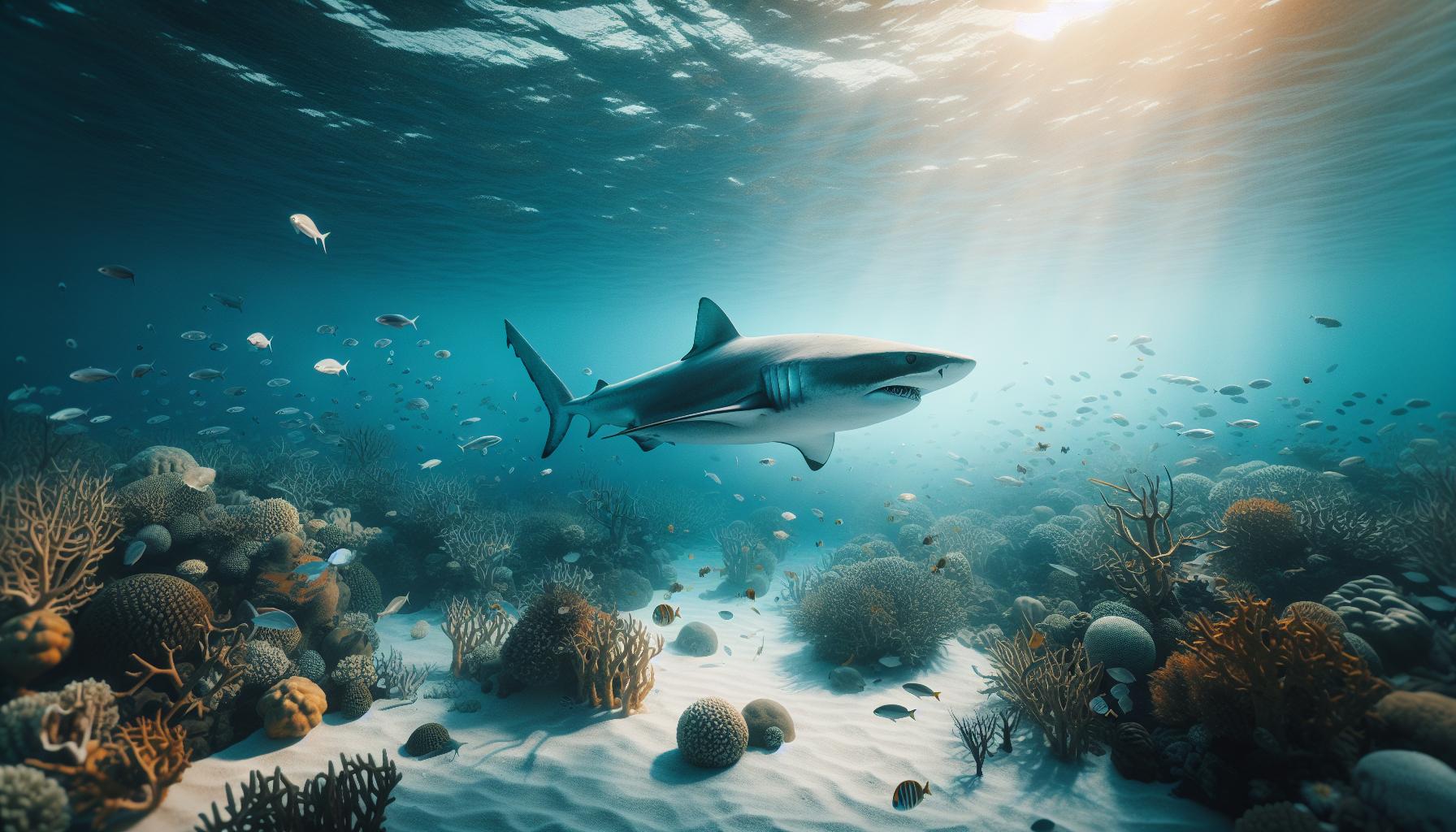
The Impact of Warmer Oceans on Shark Species
With the Earth’s average temperature on the rise, the oceans are feeling the effects as well, presenting sharks with an array of challenges that could reshape their future. Sharks, as ectothermic creatures, depend on their environment to regulate their body temperature, making them particularly vulnerable to warmer ocean waters. As average sea temperatures increase, species like the great white and tiger sharks are likely to migrate toward cooler regions, disrupting established ecosystems and altering predator-prey dynamics. This migration not only puts these iconic sharks at risk but can also lead to overpopulation of certain fish species that may experience unchecked growth due to the absence of their natural predators.
Beyond migration, warmer oceans pose a severe threat to reproductive rates among shark populations. Elevated temperatures can affect the development of shark embryos, with studies showing that warmer waters may lead to lower survival rates in newborns. This is particularly concerning for species that already face population pressures from overfishing and habitat loss. Furthermore, the geographic distribution changes driven by climate change mean that some shark species could find themselves in unfamiliar environments where they may struggle to adapt or compete for resources.
Additionally, the delicate balance of marine ecosystems is further strained by climate change-induced phenomena like ocean acidification, which occurs as increased CO2 levels lower the pH of seawater. This situation is detrimental not only to the sharks but to the myriad of marine species they rely on for food. As essential prey like fish, mollusks, and plankton face challenges due to changes in water chemistry and temperature, sharks may find themselves with diminishing food sources. This situation underscores the interconnectedness of marine life and emphasizes the need for a cohesive strategy to conserve both sharks and their ecosystems in a changing climate.
To combat these rising threats, concerted conservation efforts are crucial. Stakeholders-including government bodies, conservationists, and local communities-must collaborate to create marine protected areas and enforce sustainable fishing practices. Educating the public about the role of sharks in maintaining healthy ocean ecosystems can ignite grassroots movements advocating for policy changes. Protecting these apex predators is vital not just for their survival, but for the overall health of our oceans-an integral component of our planet’s climate system.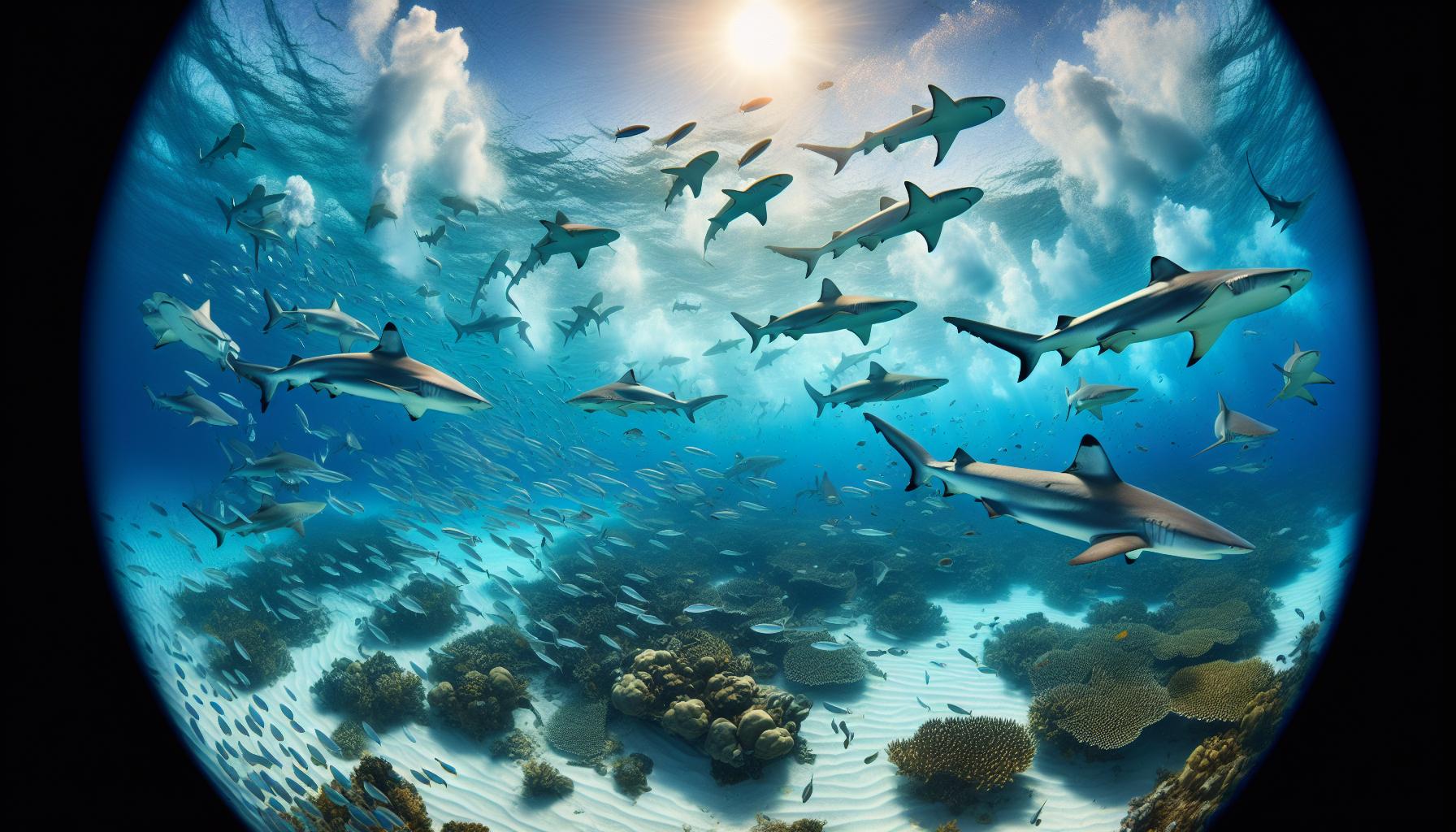
Shark Migration Patterns and Climate Influence
As ocean temperatures rise, so too does the need for sharks to adapt their migration patterns in response to a changing climate. The warmer waters are pushing many species, such as the great white shark and the whale shark, to move further north into cooler territories previously uninhabited by them. This shift not only affects the sharks but also has profound implications for local ecosystems. As apex predators, sharks play a critical role in maintaining the balance of marine life; their movement can disrupt established food webs and alter the dynamics of community interactions in both their new and former habitats.
Understanding how shifts in temperature, salinity, and ocean currents influence shark migration is crucial for developing effective conservation strategies. Sharks are highly migratory, often travelling thousands of miles to find suitable breeding and feeding grounds. However, with climate change, the availability of these vital habitats is becoming increasingly unpredictable. For instance, studies have shown that species like the bulldog shark are beginning to appear in areas where they historically were not found, resulting in competition for resources with local species. This change can lead to overfishing of certain prey species, which may not be able to cope with the suddenly altered balance of their ecosystem.
Furthermore, the establishment of marine protected areas can significantly enhance conservation efforts by providing safe havens for migrating sharks. These spaces allow for the preservation of vital breeding grounds and feeding habitats, crucial for the reproduction and sustainability of shark populations. Strategies such as creating international agreements to regulate fishing and protect migratory routes can also help mitigate the impact of climate change on shark species. As individuals, we can contribute by supporting sustainable seafood initiatives, reducing plastic pollution, and advocating for policies aimed at preserving marine ecosystems.
In summary, the nexus between climate change and shark migration patterns highlights the importance of understanding and addressing these shifts. By monitoring changes in migratory routes and collaborating on conservation efforts, we can work to protect these essential creatures and ensure the health of our oceans for future generations. By staying informed and active, each of us can play a role in fostering a balanced marine ecosystem where sharks can thrive despite the challenges posed by climate change.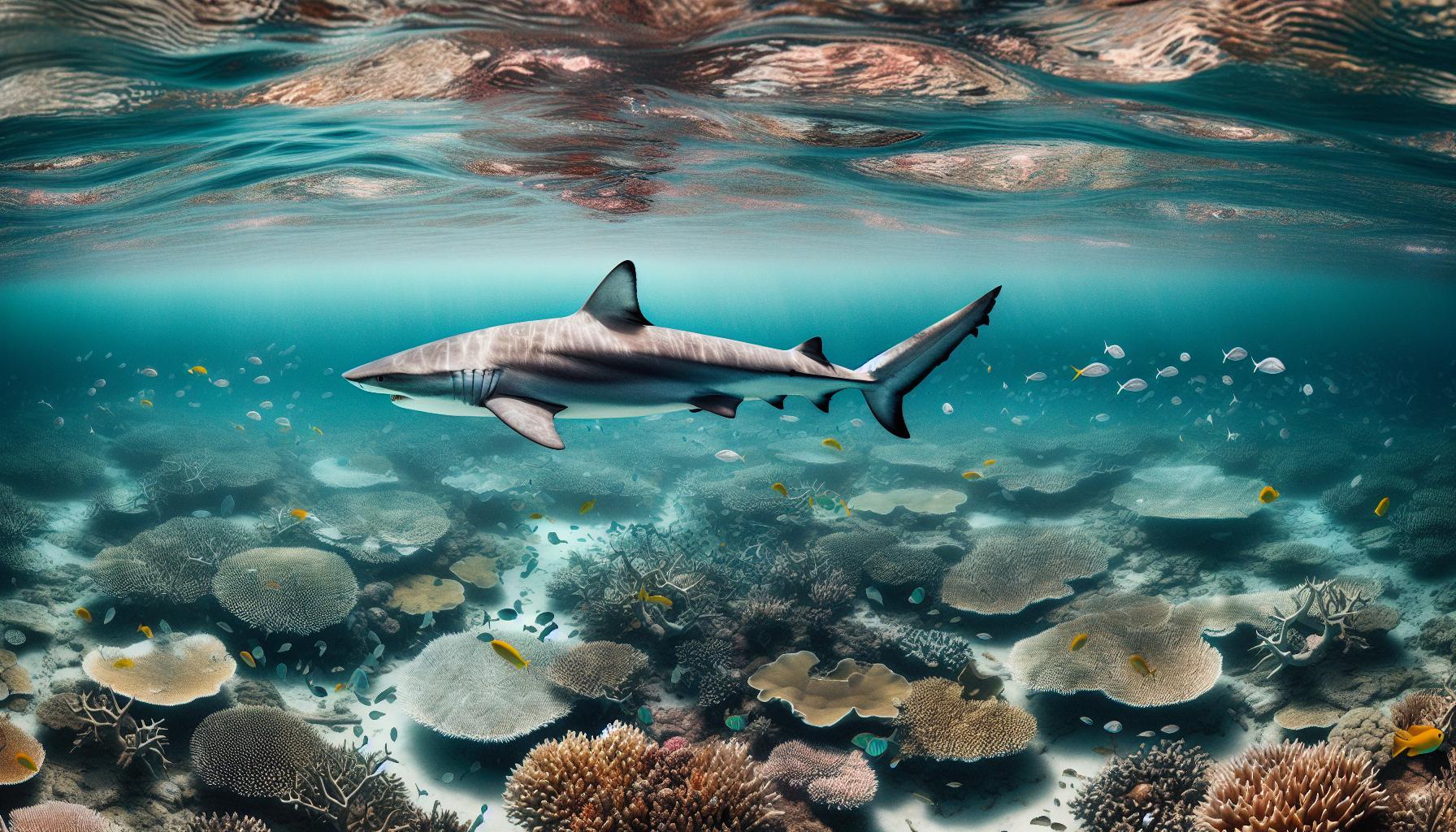
Understanding Ocean Acidification Effects on Sharks
As the ocean absorbs more carbon dioxide from the atmosphere, the resulting chemical reactions lead to ocean acidification, which poses significant threats to marine life, including sharks. About 30% of CO2 emissions are captured by the oceans, and this increase in acidity can disrupt the delicate balance necessary for many marine organisms to thrive. For sharks, this impact is multifaceted, affecting both their physiological processes and the overall health of the ecosystems they inhabit.
Physiological Impacts on Sharks
Sharks, like many fish species, rely on specific chemical balances in their environment for essential bodily functions, including respiration and reproduction. Increased acidity can affect the functioning of their gills, which are crucial for gas exchange. Research shows that under acidic conditions, sharks may have diminished capacity for oxygen uptake, leading to stress and potentially affecting their growth and survival rates. Bold adaptations may also occur; for instance, shark species exposed to higher acidity levels have shown altered behavior and reduced metabolic rates, impacting their feeding and hunting efficiency.
Effects on Prey Species and Ecosystem Balance
The ramifications of ocean acidification extend beyond sharks directly; as their prey species experience the negative effects of increasing acidity, the food web begins to unravel. Many prey fish and invertebrates, critical to sharks’ diets, depend on calcium carbonate to form their shells and skeletons. As ocean acidity rises, these organisms struggle to maintain their structural integrity, leading to decreased populations and biodiversity. The decline of prey species can create food shortages for sharks, forcing them to adapt to new hunting strategies or migrate further in search of viable food sources.
Practical Steps for Mitigating Impact
To combat the effects of ocean acidification on sharks, concerted efforts must be implemented at various levels. Individuals can contribute by reducing carbon footprints through lifestyle changes such as using public transport, minimizing energy consumption, and supporting renewable energy initiatives. Additionally, conservation-minded organizations can advocate for policies that limit carbon emissions and protect critical marine habitats.
By fostering awareness and understanding of how ocean acidification affects sharks and their ecosystems, we can pave the way for informed actions that support marine conservation efforts. Protecting these apex predators not only helps maintain the biodiversity of ocean ecosystems but is also crucial for the overall health of our planet’s oceans.
Changes in Prey Availability Due to Climate Change
As ocean temperatures rise due to climate change, the dynamics of marine ecosystems are profoundly altered, leading to significant shifts in prey availability for sharks. Warmer waters can extend the ranges of certain species, impacting the abundance and distribution of smaller fish and invertebrates that make up a large portion of a shark’s diet. For instance, species that thrive in cooler conditions, such as some types of squid and fish, are likely to migrate to deeper or cooler waters, resulting in a mismatch between where sharks typically hunt and the location of their preferred prey.
Sharks rely on a variety of prey, and changes in their availability can have cascading effects throughout the marine food web. For instance, as certain prey species migrate or face population declines due to warming waters, sharks may find themselves in competition for alternative food sources or unable to meet their nutritional needs. This scenario not only threatens shark populations but can also disrupt the balance of marine ecosystems, potentially leading to a decline in prey species that are not traditionally consumed by sharks but are vital for overall ecological health.
To adapt to these changes, sharks may alter their hunting patterns, shifting to different regions or times of day to find food. These behavioral adaptations might not be uniform across all species, as factors such as age, sex, and health can influence a shark’s ability to adapt. For example, juvenile sharks, which are more vulnerable to environmental changes, may face greater challenges in locating suitable prey compared to their adult counterparts. This variation emphasizes the need for a comprehensive understanding of shark ecology when considering conservation strategies.
Practical steps can be taken to mitigate the impact of these changes on sharks and their prey. Community initiatives focused on protecting vital habitats, such as nurseries and feeding grounds, can enhance the resilience of these ecosystems. Additionally, supporting sustainable fishing practices that limit overfishing can help maintain a stable population of prey species, ultimately benefitting shark populations. By fostering a balanced approach to marine resource management and conservation, we not only support these apex predators but also contribute to the health of our oceans, creating a sustainable future for all marine life.
The Role of Sharks in Marine Ecosystems Under Threat
Sharks play a crucial role in maintaining the health and balance of marine ecosystems, yet their existence is increasingly threatened by climate change. As apex predators, sharks regulate the populations of fish and invertebrates, helping to maintain the intricate balance within food webs. When their populations decline, often due to overfishing and habitat loss exacerbated by climate-related changes, the entire marine environment can suffer. For instance, reduced shark numbers can lead to an overabundance of smaller fish species, which may then overconsume critical resources like seagrass and coral reefs, further destabilizing these vital ecosystems.
With rising ocean temperatures, sharks face shifts in their typical habitats and breeding grounds. Species that traditionally thrive in specific thermal ranges are being pushed toward cooler waters, which can interfere with their breeding cycles and migration patterns. This shift not only limits their own range but can have a domino effect on the species they hunt and their overall ecological role. For example, studies have shown that the decline of certain shark populations can lead to increased population sizes of their prey, such as sea turtles, impacting the health of seagrass beds that rely on balanced herbivore populations for sustainment.
To combat these threats, robust conservation strategies are essential. Preservation of crucial habitats like coral reefs, mangroves, and estuarine systems can enhance the resilience of shark populations. Protective measures such as marine protected areas (MPAs) allow ecosystems to recover and can provide safe havens for sharks to spawn and feed. Community involvement is key; educational programs can empower local populations to engage in sustainable practices, ensuring that the health of marine ecosystems and their apex predators is preserved for future generations.
Individuals can also contribute to these efforts by advocating for sustainable seafood choices and participating in conservation initiatives. By supporting organizations focused on marine conservation, promoting responsible fishing practices, and participating in habitat restoration projects, everyone can play a role in safeguarding these magnificent creatures and the ecosystems they inhabit. Taking collective action today is vital for a balanced marine environment and a sustainable future where sharks thrive alongside other marine life.
Conservation Efforts to Protect Sharks from Climate Risks
Sharks are facing unprecedented threats from climate change, but hopeful conservation efforts are emerging to protect these vital marine predators. One key approach involves establishing Marine Protected Areas (MPAs), which serve as safe havens where sharks can thrive, breed, and recover from human pressures. MPAs restrict harmful activities such as overfishing and habitat destruction, allowing ecosystems to stabilize and sharks to play their essential roles in maintaining marine biodiversity. According to NOAA Fisheries, strategic management of these areas can significantly enhance the resilience of shark populations in the face of changing ocean conditions [[1]].
Community engagement also plays a crucial role in conservation efforts. Local education programs can empower fishermen and coastal residents to adopt sustainable practices that not only benefit shark populations but also ensure the health of the entire marine environment. By participating in conservation initiatives, such as citizen science projects that monitor shark populations and habitats, individuals can contribute to a larger understanding of sharks’ responses to climate change. As community members become more connected to conservation efforts, they are more likely to advocate for policies that support the protection of marine ecosystems.
A particular focus on scientific research is essential for informing conservation strategies. Ongoing studies on how climate change impacts shark migration patterns, breeding behavior, and prey availability are vital for adapting management practices. For example, research has shown that as ocean temperatures rise, sharks may shift their distributions into new territories, impacting local ecosystems [[2]]. Understanding these dynamics allows conservationists to predict future changes and implement proactive measures.
Lastly, the role of innovative technology cannot be understated. Advances in tracking and monitoring shark movements through satellite tagging provide valuable data that can inform both conservation policies and public awareness campaigns. By sharing this information through platforms like social media, organizations can galvanize public interest and support for shark conservation initiatives, creating a collective movement toward protecting these apex predators from climate risks. Engaging in these various conservation strategies not only offers hope for sharks and their ecosystems but also enhances the resilience of marine environments against the ongoing challenges posed by climate change.
Shark Behavior Changes Amidst Environmental Shifts
Sharks are not just apex predators; they are also highly adaptable creatures that display a remarkable range of behaviors in response to changing environmental conditions. As climate change alters ocean temperatures, salinity levels, and prey availability, these adjustments provoke significant shifts in shark behavior. Notably, studies have revealed that sharks are increasingly altering their migration patterns, foraging habits, and reproductive strategies to navigate the challenges of a warming world.
One of the most striking adaptations observed is the alteration of migration routes. For example, warmer ocean waters can lead to the earlier arrival of sharks in certain feeding grounds, as species such as the great white shark expand their range into previously cooler habitats. This shift not only affects the sharks themselves but also the entire marine food web. Local fish populations may struggle to adapt to the sudden influx of predators, leading to potential overfishing of certain species and disruption of existing ecological balances.
Behavioral Insights and Adaptations
As food becomes scarcer or more concentrated in specific areas, sharks may also change their foraging behaviors. Research indicates that these predators are increasingly utilizing new hunting techniques, such as cooperative hunting or exploring previously unfished areas. These behavioral modifications help them maximize feeding opportunities in rapidly changing ecosystems. Understanding these changes is crucial for scientists and conservationists, as they provide valuable insights into how sharks are managing their survival amidst climate stresses.
Sharks’ reproductive strategies are also affected by climate change. Temperature influences the sex determination of some shark species, where warmer waters can skew sex ratios towards females. This shift can have profound implications for population dynamics, making it critical for researchers to monitor reproductive changes and develop conservation strategies that safeguard breeding grounds.
Overall, the adaptability of sharks serves as a testament to their resilience, yet it underscores the urgency of addressing climate change’s impacts on marine environments. By promoting sustainable fishing practices and protecting critical habitats, communities can help ensure that sharks continue to thrive in these new conditions. Individual actions like reducing carbon footprints and supporting marine conservation initiatives can foster a healthier ocean ecosystem where these essential predators can flourish.
Case Studies: Sharks and Climate Change Adaptations
Sharks are remarkable survivors, displaying an incredible ability to adapt to changing conditions in their marine environments. One compelling example of this adaptability can be seen with the blacktip reef shark in the warm waters of the Coral Triangle. As ocean temperatures rise, these sharks have shown a shift in their spawning behavior, moving to cooler waters during critical breeding periods to ensure the survival of their young. This behavioral change not only demonstrates their resilience but also highlights the importance of monitoring breeding sites that may become increasingly threatened by climate change impacts.
Another fascinating case is the great white shark, which is expanding its range further north as Atlantic waters warm. This migration helps the species find more abundant prey like seals, but it also poses risks of overpopulation in new areas, creating competition with local species. Conservationists are closely monitoring these movements, as the influx can disturb local ecosystems, emphasizing the need for adaptive management strategies that consider the intricate balance of marine life.
Shark bay, located in Western Australia, serves as a critical habitat for juvenile bull sharks. Researchers have documented how these sharks are increasingly using this estuarine environment as a nursery due to shifting ocean conditions. As the bay experiences varying salinity and temperature, these adaptations are vital for the sharks’ development. However, rapid changes in water temperature due to climate change could ultimately compromise this safe haven, underscoring the importance of protecting such nurseries through effective conservation efforts.
To support these adaptive behaviors and ensure the survival of shark populations, it is crucial for stakeholders to engage in habitat preservation, establish marine protected areas, and promote sustainable practices. Individuals can also contribute by reducing their carbon footprints and advocating for policies that mitigate climate impacts. By fostering an informed and responsible community, we can collectively enhance the resilience of these essential predators in a rapidly changing world.
Future Projections: Sharks in a Warming World
In a world where climate change transforms the oceans at an unprecedented pace, sharks face a future marked by significant uncertainty and adaptation challenges. As one of the ocean’s top predators, the consequences of these changes ripple through marine ecosystems, impacting not only shark populations but also the health of various sea life. Research underscores a worrying trend: if current emissions continue, the distribution of some shark species could shift dramatically, potentially leading to local extinctions and altering the delicate balance of marine biodiversity.
One critical projection indicates that by 2050, the habitats suitable for many shark species could be reduced dramatically due to rising sea temperatures. In particular, species such as the hammerhead and tiger shark, which thrive in specific thermal environments, may find themselves pushed into cooler, deeper waters or toward the poles. This shift could result in increased competition for resources with local species adapted to those environments, leading to further stress on both sharks and their new neighbors. Moreover, warmer waters often exacerbate the spread of diseases and parasites, compounding these challenges.
The implications of these shifts prompt urgent calls for conservation strategies that prioritize flexible management of marine protected areas (MPAs). Stakeholders need to adopt dynamic approaches that can adjust as species migrate and habitats change. For example, creating policies that promote the establishment of new MPAs in anticipated migration routes can help safeguard critical habitats. Additionally, research initiatives aimed at tracking shark movements using advanced technology, such as satellite telemetry, can provide vital data needed to refine these conservation efforts and proactively manage shifting ecosystems.
Private individuals play an essential role in these conservation efforts, too. By engaging in sustainable seafood choices and supporting organizations focused on ocean health, every person can contribute to the protection of sharks and their environments. Reducing carbon footprints through lifestyle changes-like utilizing public transportation, conserving energy, and supporting renewable energy initiatives-becomes increasingly crucial. As we collectively face the reality of a warming world, informed action can help ensure the survival of these magnificent creatures and the health of the marine ecosystems they inhabit.
How Individuals Can Help Combat Climate Change Effects on Sharks
In a world where every individual action contributes to the larger environmental narrative, protecting sharks and their habitats from the impacts of climate change begins at home. Sharks, as critical predators in marine ecosystems, help to maintain the balance necessary for a healthy ocean. Their declining populations due to climate-related threats signal an urgent need for collective action. Fortunately, there are several practical steps individuals can take to make a difference.
One effective way to support shark conservation efforts is by choosing sustainable seafood options. Overfishing and unsustainable fishing practices contribute significantly to shark population decline. By familiarizing yourself with local seafood guides that emphasize sustainable choices, you can ensure that the seafood on your plate is caught in ways that do not harm shark populations or their habitats. Participate in initiatives like the Seafood Watch program, which provides information on sustainable seafood options based on regional fisheries.
Another impactful approach involves reducing your carbon footprint, as climate change is a major threat to marine life. Simple actions such as using public transportation, biking, or walking instead of driving can significantly decrease greenhouse gas emissions. Additionally, supporting renewable energy sources and advocating for policies that promote clean energy can help mitigate the impacts of climate change on ocean temperatures and acidity, which directly affect shark habitats and prey availability.
Engaging with Conservation Organizations
Getting involved with organizations dedicated to marine conservation can amplify your impact. Many groups actively work to protect shark habitats and advocate for policies that address climate change. Volunteering your time, donating resources, or participating in beach clean-ups can contribute to broader efforts to safeguard these vital ecosystems. Engaging in advocacy, whether through social media platforms or community events, can raise awareness about the importance of sharks and the threats they face, galvanizing more people to act.
By committing to sustainable choices and supporting shark conservation initiatives, individuals not only play a vital part in protecting these majestic creatures but also contribute to the health of the entire marine ecosystem. Collective responsibility, informed consumer habits, and active participation in conservation efforts can create a significant positive impact, helping to ensure that sharks thrive amidst the challenges posed by climate change. Together, we hold the power to influence change and foster a healthier ocean.
Frequently asked questions
Q: How does ocean acidification affect sharks?
A: Ocean acidification reduces calcium carbonate levels, impacting sharks’ food sources like shellfish and habitat structures such as coral reefs. This further threatens their survival as healthy marine ecosystems depend on these vital habitats. Understanding these effects is crucial for conservation efforts.
Q: Why are sharks considered vital for ocean health?
A: Sharks play a critical role as top predators in marine ecosystems, helping maintain the balance between species. Their presence supports healthy prey populations and the overall health of underwater habitats. Protecting sharks is essential for preserving ocean biodiversity.
Q: How do changes in water temperature impact shark behavior?
A: Changes in water temperature influence shark behavior, affecting breeding, feeding, and migratory patterns. Warmer waters may drive some species to deeper areas or different latitudes, complicating conservation efforts and disrupting existing ecosystems.
Q: What long-term effects can climate change have on shark populations?
A: Long-term climate change can lead to decreased shark populations due to habitat loss, food scarcity, and altered reproductive patterns. These shifts may render some species more vulnerable to extinction, necessitating immediate conservation action.
Q: How can individuals help protect sharks from climate change?
A: Individuals can help by reducing their carbon footprint, supporting ocean conservation initiatives, and advocating for sustainable fishing practices. Small actions collectively create significant momentum toward the protection of vulnerable shark species.
Q: What are the most threatened shark species due to climate change?
A: Species like the Blue Shark, Shortfin Mako, and White Shark are particularly threatened due to climate change-induced challenges such as ocean deoxygenation and habitat shifts. Conservation measures must prioritize these at-risk species [1].
Q: How does the decline of sharks affect carbon storage in the ocean?
A: The decline of sharks can lead to imbalances in marine ecosystems, increasing the disturbances that release stored carbon. Healthy shark populations help maintain sediment stability, crucial for maximizing carbon storage in underwater habitats [2].
Q: What role do sharks play in combating climate change?
A: Sharks indirectly combat climate change by maintaining the health of marine ecosystems, which serve as carbon sinks. A healthy balance of marine life helps to sequester carbon in ocean sediments, thereby mitigating the effects of climate change [2].
In Summary
As we’ve explored, climate change poses significant threats to shark populations, impacting their habitats, food sources, and migration patterns. It’s vital to understand these changes not just for the sake of sharks but for the ecological balance of our oceans. We encourage you to take action-consider how everyday choices contribute to climate change and explore sustainable practices.
For further insights into the incredible diversity of sharks and their ecological roles, check out our articles on the weirdest sharks [[1]] and the biggest sharks in the world [[3]]. Join our community for updates on marine conservation and learn how you can make a difference. Your voice matters-share your thoughts in the comments below, and let’s create a future where sharks thrive alongside us.