In Myanmar, where nearly 70% of the population resides in rural areas, access to financial services remains a significant challenge. Microfinance programs aim to bridge this gap, offering essential financial support to underserved communities. By empowering individuals with microloans and savings accounts, these initiatives can help alleviate poverty, foster entrepreneurship, and stimulate economic growth. Yet, questions arise: Do these programs effectively reach the rural populations they intend to serve? Understanding the impact and scope of microfinance in Myanmar is not only vital for policymakers but also for those invested in sustainable development and social equity. As we navigate this exploration, we’ll uncover the successes, challenges, and real stories from the ground that highlight the transformative potential of microfinance in rural Myanmar.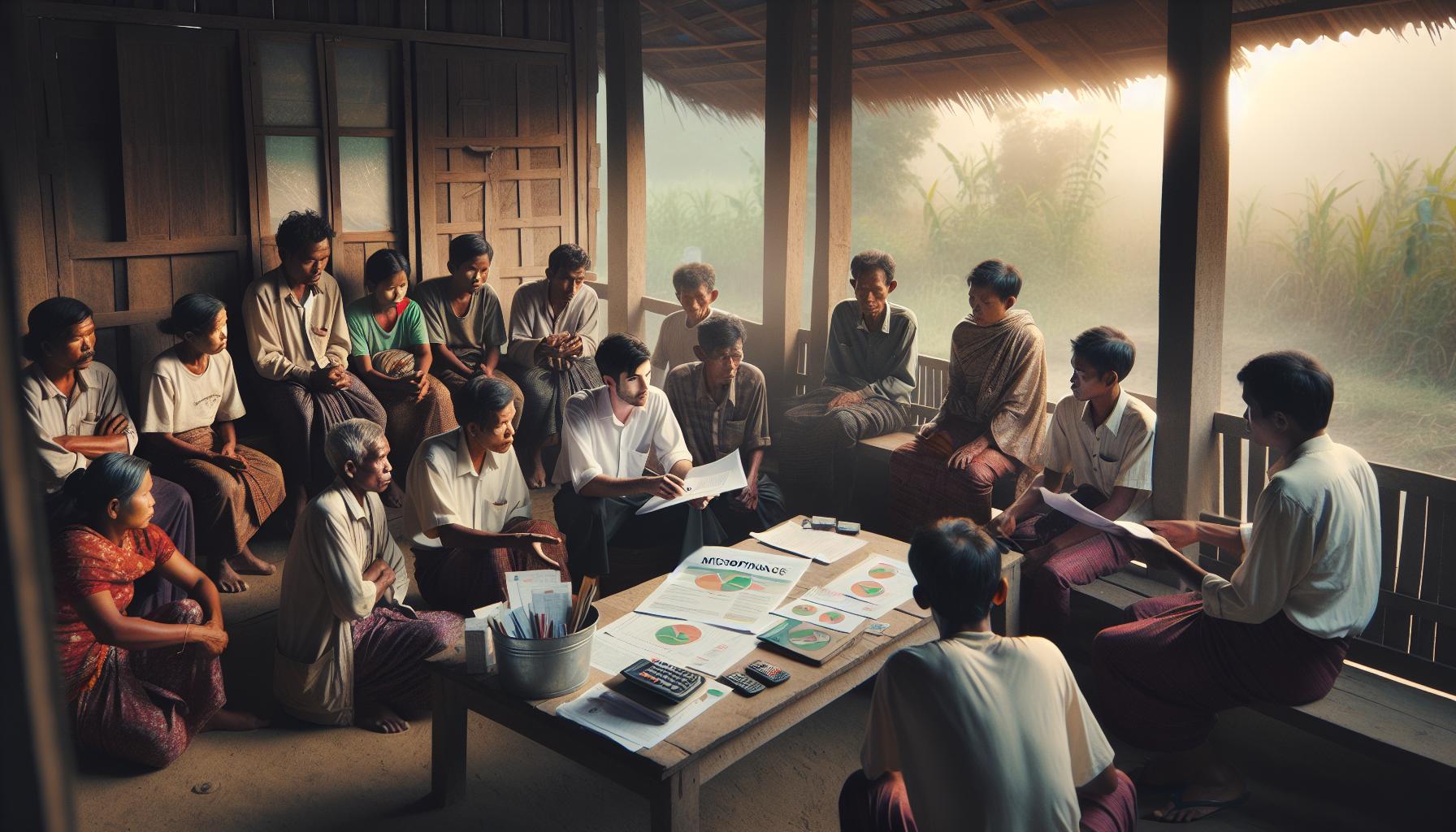
Understanding Microfinance: Definition and Importance
Microfinance has risen as a powerful tool for economic development, particularly in underserved areas. It provides small loans and financial services to individuals and businesses that lack access to traditional banking systems, enabling them to invest in income-generating activities. In Myanmar, where many rural communities struggle with poverty and limited financial resources, microfinance programs play a crucial role in fostering entrepreneurship and improving living standards. By supporting these communities, microfinance not only helps individuals achieve financial independence but also contributes to overall economic growth.
The importance of microfinance in Myanmar’s rural areas cannot be overstated. It serves as a lifeline for many, particularly women, who are often excluded from conventional banking services. For instance, institutions like LOLC Myanmar empower women by providing them with access to financial resources, thus enabling them to start or expand their businesses. The ability for a woman to secure a loan can lead to profound changes in her family and community, as it allows for improved food security, education for children, and overall health improvements. These microfinance initiatives underscore the crucial importance of access to credit in transforming the socio-economic landscape of rural Myanmar.
Moreover, the impact of microfinance extends beyond just providing loans. It often includes educational components that teach financial literacy, helping borrowers understand how to manage their funds effectively. This holistic approach ensures that borrowers are not only able to secure capital but are also equipped to use it wisely, enhancing the sustainability of their ventures. As a result, microfinance has become a vital component in the broader strategy for poverty alleviation and economic empowerment in Myanmar, illustrating how targeted financial interventions can lead to significant positive social change.
The Role of Microfinance in Myanmar’s Economy
In Myanmar, microfinance acts as a crucial pillar of the economy, particularly for those in rural areas where access to traditional banking services is often limited. Microfinance institutions (MFIs) serve as key facilitators, providing financial resources that empower individuals to build their businesses and improve their livelihoods. For example, programs operated by organizations like LOLC Myanmar, which is predominantly staffed by women and focuses on women borrowers, demonstrate how targeted financial services can address gender disparities and promote economic participation among women in rural communities.
Microfinance does not merely function as a source of capital; it is intertwined with community development. By offering financial literacy training and entrepreneurial support alongside loans, MFIs ensure that borrowers are equipped to make informed financial decisions. This holistic approach amplifies the impact of microfinance, fostering not only individual success but also stimulating local economies. Recipients of microloans often reinvest in their households by improving education for children and enhancing healthcare accessibility, which contributes to overall community resilience.
can be further illustrated through the collaborative efforts of various stakeholders, including non-profit organizations and government initiatives. These partnerships aim to innovate and expand the reach of microfinance, ensuring it is inclusive and comprehensive in its support. For instance, initiatives led by Advans focus on rural financing, emphasizing the need for tailored financial solutions that address the unique challenges faced by borrowers in these regions.
In summary, microfinance is not merely a financial tool but a transformative approach to economic empowerment in Myanmar. By bridging the financial inclusion gap, these programs catalyze significant social change, creating a ripple effect that touches upon education, health, and overall economic stability in rural communities. As demand for these services grows, the continued expansion and innovation within the microfinance sector are essential for sustaining this positive momentum.
Targeting Rural Communities: What’s at Stake?
In Myanmar, where more than 70% of the population lives in rural areas, the stakes are incredibly high when it comes to effective microfinance programs. These communities often face challenges such as limited access to traditional banking services and a lack of financial literacy, which can hinder economic growth and development. Microfinance institutions (MFIs) can play a transformative role in this context, but understanding the unique needs of rural populations is crucial to ensuring the success of these initiatives.
By targeting rural communities, MFIs can help improve livelihoods and empower individuals to realize their entrepreneurial potential. Microloans can provide the necessary capital for farmers to invest in better equipment or seeds, while small business owners can use these funds to expand their operations. For instance, a group of women in a rural village might pool resources through a microfinance program to start a food processing business, creating jobs and improving local food security. Furthermore, when financial institutions offer training in financial management and business development, borrowers are equipped with the skills to make informed decisions that can maximize their investment returns and improve their quality of life.
The Broader Impact of Financial Inclusion
The impacts of successfully targeting rural areas with microfinance extend far beyond individual businesses. When families receive financial support and guidance, they are more likely to reinvest in their children’s education and healthcare. Access to credit can lead to significant improvements in household income, which in turn boosts local economies. For example, an analysis from the Microfinance Gateway indicates that when rural communities benefit from microfinance, there’s often a noticeable increase in local demand for goods and services, stimulating economic activity and providing further opportunities for regional development.
Moreover, successful microfinance programs can lead to stronger social cohesion. As communities witness the tangible benefits of collective financial empowerment, there is often a rise in collaboration and mutual assistance among community members. This sense of solidarity not only reinforces the impact of the financial products offered but can also foster a supportive culture for future initiatives.
Challenges to Consider
While the potential of microfinance in rural Myanmar is significant, it is not without challenges. Geographic barriers, lack of infrastructure, and cultural reservations about borrowing can limit outreach. Tailoring solutions to these specific contexts is vital. Strategies may include mobile banking services to reach remote areas, or community workshops that demystify financial products and encourage participation. With these practical solutions, MFIs can effectively bridge the financial divide and foster sustainable growth within rural communities.
Overall, the stakes in targeting rural communities through microfinance are substantial. By providing access to financial resources and education, MFIs can foster economic resilience, empower individuals, and create a lasting impact that uplifts entire communities in Myanmar.
Challenges Facing Microfinance Programs in Rural Areas
Access to microfinance in rural Myanmar holds tremendous promise for alleviating poverty and fostering economic growth, yet several formidable challenges hinder its effectiveness. One significant barrier is the geographic remoteness of many rural communities. With poorly developed infrastructure, such as limited road access and unreliable communication systems, microfinance institutions (MFIs) struggle to reach potential clients. This makes it difficult for them to establish a reliable presence, offer services, or provide necessary support to borrowers. Innovative solutions like mobile banking and partnerships with local organizations can help mitigate this issue by enabling financial transactions in areas traditionally neglected by conventional banks.
Cultural attitudes towards borrowing further complicate the landscape. In many rural communities, borrowing money carries a stigma, often associated with personal failure or financial irresponsibility. This can deter individuals from seeking loans, even when they have viable business ideas that would benefit from additional capital. Educational initiatives designed to demystify microfinance and its benefits are crucial. Conducting workshops that engage community members and demonstrate success stories can help cultivate a more favorable perception of borrowing, transforming it from a perceived burden into a powerful tool for economic advancement.
Additionally, the lack of financial literacy remains a pressing concern. Many potential clients do not fully understand the products offered by MFIs, leading to misuse of loans or defaulting on repayments. This underlines the importance of integrating financial education into microfinance programs. MFIs could implement tailored training sessions that cover budgeting, saving, and effective debt management, thus empowering borrowers to make informed decisions.
Lastly, regulatory challenges can stifle the growth of microfinance. Inconsistent regulations and bureaucracy can create obstacles for MFIs trying to operate efficiently in rural areas. Advocacy for clearer and more supportive policies can help create an enabling environment where microfinance can thrive. Collaboration between MFIs, local communities, and government entities is essential to address these challenges comprehensively and enhance the reach and effectiveness of microfinance programs throughout rural Myanmar.
Success Stories: Impact of Microfinance on Rural Lives
In rural Myanmar, microfinance programs have catalyzed remarkable transformations in the lives of countless individuals and families, offering a lifeline that empowers them to rise above poverty. One compelling example is the story of Mayu, a single mother from a remote village who leveraged a microloan to start a small weaving business. With her earnings, she not only supported her family but also gained respect within her community as a successful entrepreneur. Mayu’s journey illustrates how access to financial resources can unlock the potential for self-sufficiency and economic stability.
A significant factor contributing to the success stories in rural areas is the tailored approach of many microfinance institutions (MFIs) that focus on understanding the unique needs of their clients. These institutions often provide services beyond just loans, such as financial literacy training, which equips borrowers with essential skills in budgeting and effective debt management. For instance, an MFI in Myanmar organized community workshops that taught women how to manage their earnings effectively and reinvest in their businesses. As a result, many participants reported improvements not only in their financial situations but also in their self-esteem and community status.
The ripple effects of these microfinance initiatives extend beyond individual borrowers. When families gain economic stability, they can invest in their children’s education and health, paving the way for a more prosperous future. In one rural community, a group of farmers combined their microloans to purchase better seeds and equipment, leading to a significant increase in crop yields. The surplus allowed them to send their children to school, breaking the cycle of poverty that had plagued their families for generations.
These success stories highlight the importance of sustainability and support in microfinance. By fostering community collaboration and empowering clients with knowledge, MFIs can cultivate a sense of ownership and responsibility among borrowers. To further enhance the impact of microfinance, it is crucial to maintain ongoing support networks that provide not just financial aid but also mentorship and resources, ensuring that the benefits extend well beyond the initial loan. This comprehensive approach not only transforms individual lives but also strengthens the social fabric of rural communities, making microfinance a vital tool for sustainable development in Myanmar.
Comparative Analysis: Microfinance Models in Myanmar
In Myanmar, the landscape of microfinance is diverse, offering various models that reflect the unique needs of rural communities. Understanding these models sheds light on how effectively they can reach underserved populations, ultimately determining their impact on poverty alleviation. From traditional microfinance institutions (MFIs) to innovative community-driven approaches, each model serves distinct purposes while facing unique challenges in delivery and outreach.
- Traditional Microfinance Institutions (MFIs): Major players like BRAC Myanmar Microfinance and Advans focus on providing financial services primarily to low-income individuals. The strength of these institutions lies in their structured approaches, including providing loans coupled with financial literacy training. For instance, BRAC emphasizes inclusive financial service delivery, aiming to cater to marginalized populations, which is vital for fostering financial independence in rural areas [[1]](https://bracinternational.org/brac-myanmar-microfinance-company/).
- Women-Centric Models: Companies like LOLC Myanmar Micro Finance specifically cater to women, recognizing their pivotal role in family economics and community development. With 75% of the staff being women, LOLC highlights the importance of empowering female entrepreneurs as a vehicle for broader social change. This focus creates a supportive environment for women who might otherwise hesitate to engage with traditional financial services [[3]](https://www.lolcmyanmar.com/).
- Community-Based Approaches: Some microfinance models operate on a more localized, grassroots level. These approaches often involve community savings groups that enable members to pool resources and extend loans among themselves. Such models not only enhance trust but also reduce reliance on formal lending institutions, which can sometimes be inaccessible in remote areas. They tend to promote enhanced financial literacy through peer-to-peer interactions.
- Technology-Driven Models: The advent of mobile technology has given rise to digital microfinance services in Myanmar. These platforms can potentially widen access to financial products for rural populations who are often underbanked. Digital tools facilitate easier loan applications, repayments, and even financial education, allowing MFIs to reach clients who may prefer managing their finances through mobile devices. This model offers the promise of a broader reach despite logistical challenges.
While these varying models of microfinance each present unique advantages, they also face common challenges such as limited infrastructure, low levels of financial literacy among potential clients, and the need for tailored products that resonate with local cultures and practices. Furthermore, the successful integration of these models depends heavily on collaborative efforts between NGOs, government bodies, and the private sector to create an enabling environment for sustainable microfinance practices.
The comparative effectiveness of these models lies in their adaptability and responsiveness to the specific requirements of rural communities. By focusing on inclusivity, gender empowerment, grassroots involvement, and technology, Myanmar’s microfinance landscape demonstrates a commitment to addressing the multifaceted challenges of poverty and underdevelopment in a diverse socio-economic context.
Future Prospects: Innovations in Microfinance Solutions
As Myanmar continues to evolve and embrace new technological advancements, the future of microfinance holds tremendous potential to reach even the most underserved rural communities. One area ripe for innovation is the integration of mobile technology in financial services. With mobile phone penetration rapidly increasing in Myanmar, microfinance institutions (MFIs) are starting to leverage mobile platforms to streamline processes like loan applications, approvals, and repayments. This not only enhances accessibility but also empowers clients to manage their finances more conveniently. For instance, applications such as Wave Money enable users to make transactions, pay bills, and access microloans through their mobile devices, circumventing traditional bank access barriers.
Moreover, data analytics can play a transformative role in tailoring microfinance products to meet community-specific needs. By collecting and analyzing data on borrowers’ financial behavior, MFIs can develop customized financial solutions that align with the unique circumstances of rural populations. This could involve variable interest rates based on individual creditworthiness determined by machine learning algorithms, thus fostering a more inclusive financial environment. Such innovations could ensure that microfinance continues to adapt to the evolving landscape of consumer needs, ultimately improving repayment rates and client satisfaction.
Another promising direction is the enhancement of financial literacy programs through digital learning tools. By utilizing engaging mobile applications and online platforms, MFIs can provide essential financial education to rural borrowers, equipping them with the knowledge necessary to make informed financial decisions. A program that combines interactive learning with practical application, such as budgeting tools and savings trackers, can significantly boost financial confidence among clients, leading to better outcomes in their personal and business finances.
Finally, fostering partnerships between MFIs, NGOs, and government entities can create a robust ecosystem of support for microfinance initiatives. Collaborative efforts can drive innovation forward while ensuring that programs remain sustainable and socially responsible. For example, integrating microfinance with agricultural extension services can help farmers access both financial products and expert advice, enabling them to invest wisely in their enterprises and enhance productivity. This kind of multi-faceted approach not only amplifies the impact of microfinance but also builds resilient rural economies capable of weathering challenges. By embracing these forward-thinking strategies, Myanmar’s microfinance landscape can be enriched, effectively bridging the gap between financial services and rural communities.
Measuring Success: Metrics for Microfinance Impact
To truly understand the effectiveness of microfinance programs in reaching rural communities in Myanmar, it is imperative to develop relevant metrics that gauge their impact comprehensively. Microfinance initiatives aim not only to provide financial access but also to foster economic development, empower individuals, and alleviate poverty. Thus, measuring success extends beyond just evaluating loan repayment rates; it involves a holistic assessment of social, economic, and environmental outcomes.
One essential metric is the outreach to underserved populations. This includes assessing the number of clients served, particularly focusing on marginalized groups such as women, farmers, or small entrepreneurs. For example, tracking the demographic profiles of borrowers can illustrate whether microfinance services are penetrating deeper into rural locales where access to traditional banking remains limited. Additionally, understanding the geographic distribution of services can reveal any gaps or disparities that need addressing to ensure equality in access.
Another critical area to measure is the economic impact of microfinance on recipients’ livelihoods. This can be quantified through changes in income levels, business growth, and employment creation resulting from microloans. Utilizing tools such as before-and-after surveys can provide concrete data on how microfinance participation correlates with improvements in financial conditions. Additionally, assessing clients’ ability to save, invest in education, or access healthcare can illustrate the broader societal benefits derived from microfinance programs.
Moreover, evaluating client satisfaction and financial literacy can shed light on the qualitative aspects of microfinance success. Conducting regular feedback sessions and surveys can help MFIs understand borrowers’ experiences, which in turn can inform service refinements. Educational initiatives, such as workshops on financial literacy, can be part of the metrics, gauging attendees’ understanding and application of financial concepts.
It’s also essential to incorporate sustainability metrics into the evaluation framework. Assessing the environmental impact of funded projects-such as agricultural practices supported by microloans-can offer insights into whether microfinance contributes to sustainable development in rural areas. By establishing these robust metrics, stakeholders can determine not only if microfinance programs in Myanmar are effectively reaching rural communities but also how they can be transformed to maximize their impact and utility.
Collaborative Efforts: NGOs and Government in Microfinance
In Myanmar, the convergence of non-governmental organizations (NGOs) and government initiatives in the microfinance sector plays a pivotal role in addressing financial inclusion, particularly for rural communities. NGOs often act as facilitators, bridging the gap between financial institutions and underserved populations, while the government provides the regulatory framework that helps create a sustainable microfinance ecosystem. For instance, partnerships between these entities allow for the pooling of resources and expertise, which can enhance outreach efforts significantly.
One successful example is the collaboration between local NGOs and government agencies like the Microfinance Supervisory Committee. This partnership has led to the development of tailored microfinance products designed to meet the specific needs of rural inhabitants, such as agricultural loans that consider seasonal variability and the financial literacy programs that equip borrowers with essential skills for managing their finances effectively. Furthermore, these collaborative efforts help in collecting valuable data that reflects the unique challenges faced by rural communities, thereby informing policies and practices that can enhance the effectiveness and reach of microfinance services.
To amplify the impact of microfinance initiatives, it is crucial for NGOs and government bodies to also engage in community-driven approaches. This involves working closely with local leaders and beneficiaries to identify the key financial needs and obstacles within specific regions. By leveraging local knowledge and insights, these collaborative efforts can design more relevant financial products and educational initiatives. Additionally, building a robust feedback mechanism can ensure that voices from the ground are heard, fostering transparency and trust between the providers and the clients.
Ultimately, the synergy between NGOs and government in Myanmar’s microfinance arena offers a promising pathway for achieving greater financial inclusion. With a collective vision focused on empowering rural communities, these stakeholders can address the systemic barriers that have long prevented many individuals from accessing vital financial services. As this partnership continues to evolve, it holds the potential to not only improve economic conditions in rural areas but also enhance the broader socio-economic landscape of Myanmar.
Sustainable Practices in Microfinance Initiatives
Many microfinance initiatives in Myanmar are increasingly recognizing the importance of sustainability, focusing not just on financial viability but on environmental and social impacts. Sustainable practices in microfinance are essential for creating resilient communities, particularly in rural areas where economic opportunities are often limited and vulnerable to external shocks. By integrating sustainability into their core strategies, microfinance institutions can enhance their effectiveness and foster a more inclusive financial ecosystem.
One crucial aspect of sustainable microfinance is the development of green financial products that support environmentally friendly practices. For instance, microloans can be specifically designed for farmers looking to invest in sustainable agricultural techniques, such as organic farming or agroforestry. Providing access to funds for these practices not only helps improve crop yields but also promotes biodiversity and reduces environmental degradation. Strong partnerships with local NGOs can facilitate the dissemination of knowledge about sustainable practices alongside financial support, ensuring that borrowers are equipped with the necessary skills and education to make the most of their investments.
Moreover, the adoption of digital financial solutions can significantly enhance the outreach and efficiency of microfinance programs in rural Myanmar. Mobile banking and digital wallets reduce the barriers to access for remote populations, allowing them to manage their finances more effectively. By utilizing technology, microfinance institutions can track the environmental impact of loans, gather data on borrower behavior, and improve their services based on real-time feedback. This data-driven approach not only enables better risk management but also allows institutions to promote responsible borrowing and investing practices among their clients.
Lastly, stakeholder engagement is vital for fostering sustainable microfinance practices. Engaging with local communities to understand their unique needs and challenges ensures that microfinance products are relevant and impactful. Through participatory approaches, institutions can design programs that reflect the cultural and socio-economic realities of rural populations. This collaboration not only builds trust but creates a sense of ownership and accountability among borrowers, which is essential for long-term sustainability. By aligning microfinance initiatives with the community’s values and goals, institutions can create a more resilient financial ecosystem that supports both economic growth and environmental stewardship.
Overcoming Barriers: Strategies for Effective Outreach
In rural Myanmar, where access to traditional banking services is limited, bridging the financial gap requires innovative outreach strategies. Microfinance institutions (MFIs) must address distinct barriers that prevent effective engagement with rural communities, including geographic isolation, lack of financial literacy, and cultural sensitivities. By employing targeted strategies, these organizations can enhance their outreach and create meaningful impact in underserved populations.
One effective approach is the establishment of local partnerships. Collaborating with community leaders, local NGOs, and cooperatives can facilitate trust and increase credibility among potential borrowers. For instance, when MFIs work with respected figures in the community to promote their programs, they enhance their visibility and encourage participation. These partnerships can also assist in identifying the unique needs of the community, thereby tailoring financial products that are culturally relevant and practically applicable.
Additionally, leveraging technology plays a crucial role in expanding outreach. Mobile banking services and digital platforms can overcome traditional barriers like distance and transportation challenges. For example, microfinance institutions can provide training for users on how to utilize mobile apps for accessing loans, making repayments, and managing personal finances. This not only simplifies transactions but also increases financial literacy, empowering borrowers to make informed decisions about their financial futures. Incorporating user-friendly interfaces ensures that these technologies are accessible even to those with minimal prior experience in digital finance.
A focus on educational initiatives is also essential. Conducting community workshops that cover basic financial literacy topics, such as budgeting, saving, and loan management, equips individuals with the necessary skills to navigate financial decisions confidently. Furthermore, success stories of local borrowers who have benefited from microfinance can be shared to motivate prospective clients. When people see tangible results from their neighbors’ experiences, they are more likely to engage with these programs.
Implementing these strategies allows microfinance programs in Myanmar to effectively extend their reach into rural communities, turning potential barriers into pathways for meaningful financial inclusion. By fostering local partnerships, embracing technology, and prioritizing education, MFIs can ensure that their services resonate with the communities they aim to serve, ultimately contributing to improved livelihoods and sustainable economic development.
Faq
Q: How do microfinance programs in Myanmar benefit rural communities?
A: Microfinance programs provide essential financial services like small loans and savings options to rural communities, empowering individuals to start or expand businesses. This access promotes economic growth and improves livelihoods, allowing families to invest in education and health, ultimately lifting them out of poverty.
Q: What types of microfinance services are offered to rural areas in Myanmar?
A: Services include microloans, savings accounts, and financial education tailored to rural needs. Programs often focus on agricultural financing, women’s entrepreneurship, and group lending, helping rural residents overcome financial barriers and engage in economic activities effectively.
Q: How effective are microfinance initiatives in reaching remote communities in Myanmar?
A: Many initiatives, like Advans and LOLC Myanmar, have successfully established networks to reach remote areas. However, effectiveness can vary due to challenges like infrastructure, outreach strategies, and the need for local partnerships to enhance accessibility and sustainability of services.
Q: What challenges do microfinance programs face in rural Myanmar?
A: Key challenges include limited infrastructure, high operational costs, and varying levels of financial literacy among participants. Additionally, political instability and economic conditions can impact program delivery and the ability to sustain services effectively in these regions.
Q: Are women specifically targeted by microfinance programs in Myanmar?
A: Yes, many microfinance institutions, including LOLC Myanmar, focus on empowering women by hiring a predominantly female workforce and offering tailored products. This approach enhances women’s financial independence, fostering entrepreneurship and contributing to family well-being in rural settings.
Q: How can microfinance in Myanmar help alleviate poverty in rural areas?
A: By providing capital to low-income families, microfinance enables them to invest in income-generating activities. Increased earnings contribute to better nutrition, education, and healthcare, creating a positive cycle that can significantly reduce poverty over time.
Q: What success stories demonstrate the impact of microfinance in rural Myanmar?
A: Numerous success stories highlight how families have transformed their lives through microfinance. For example, loans have helped farmers purchase better seeds and equipment, leading to increased yields, while others have started small businesses that provide sustainable income.
Q: What role do NGOs play in supporting microfinance efforts in rural Myanmar?
A: NGOs collaborate with microfinance institutions to provide training, tools, and resources necessary for effective program implementation. They often help improve financial literacy and enhance the outreach of services to underserved rural communities, fostering a more inclusive financial landscape.
To Conclude
In conclusion, the impact of microfinance programs in Myanmar on rural communities is significant, offering vital financial access to those traditionally underserved. These initiatives empower individuals to break free from poverty, fostering entrepreneurial spirit and enhancing local economies. If you’re passionate about social change, now’s the time to get involved! Consider supporting organizations that are already making strides or exploring how you can participate in microfinance efforts.
For more insights, dive into our articles on the transformative power of microloans in local economies and the challenges faced by underserved communities. Don’t miss out on valuable resources that can guide your journey in social impact-sign up for our newsletter today! Together, we can amplify the reach and effectiveness of microfinance, creating lasting change in rural Myanmar and beyond. Share your thoughts below and join us in this vital conversation!
Get our latest guides, news, and insights highlighted in your Google Search & AI Overviews.