![Does Capitalism Cause Climate Change? [Economics Debate]](https://www.impact-investing.eu/wp-content/uploads/2025/10/4377-does-capitalism-cause-climate-change-economics-debate-1024x585.jpg)
The Fault Of Climate Change Is By Capitalist Industry encompasses dedicated strategies, analytical frameworks, and capital allocation models designed to balance competitive, risk-adjusted financial returns with verified operational transparency, regulatory compliance, and sustainable economic additionality.
As global temperatures rise and extreme weather events become more frequent, the question of whether capitalism is at the root of climate change gains urgency. Capitalism, while a driving force behind innovation and economic growth, often prioritizes profit over environmental sustainability, leading to the exploitation of natural resources and increased pollution. This debate isn’t just academic; it affects how we confront climate-related challenges today. With the wealth gap influencing who bears the brunt of environmental degradation, understanding this relationship is crucial for all of us-consumers, policymakers, and business leaders alike. By examining how capitalist practices contribute to climate change, we can uncover not only the systemic issues at play but also potential pathways toward a more sustainable economic model. Join us as we explore the intricate dynamics between capitalism and climate change, fueling curiosity about how our economic choices can shape a more resilient and equitable future.![Does Capitalism Cause Climate Change? [Economics Debate]](https://www.impact-investing.eu/wp-content/uploads/2025/10/related-does-capitalism-cause-climate.jpg "Does Capitalism Cause Climate Change? [Economics Debate] 1")
The Relationship Between Capitalism and Climate Change: An Overview
While capitalism has driven remarkable economic growth and innovation, it is also closely tied to the challenges of climate change. At its core, capitalism hinges on continuous growth, often prioritizing profit over environmental sustainability. This relentless pursuit can lead to overexploitation of resources, pollution, and significant greenhouse gas emissions. According to various studies, the industrial sector-a cornerstone of capitalist economies-accounts for a substantial portion of global emissions, demonstrating the intricate relationship between economic systems and environmental health.
Understanding this connection requires examining the mechanisms of capitalism that can either exacerbate or mitigate environmental impacts. For instance, a focus on short-term profits can discourage companies from investing in sustainable practices or technologies, leading to a cycle of environmental degradation. Conversely, innovative business models aimed at sustainability can thrive in capitalist frameworks when consumers demand environmentally-friendly products. This duality presents a pivotal challenge: how to harness the dynamism of capitalism to address climate change while shifting from destructive practices to more sustainable ones.
The narrative surrounding capitalism and climate change is not solely one of blame; it also embodies a pathway to transformation. The emergence of green technologies and sustainable business practices introduces a hopeful perspective. Entrepreneurs and corporations are increasingly recognizing that embracing sustainability can lead to competitive advantages. By investing in renewable energy, developing sustainable supply chains, and prioritizing environmental responsibility, businesses are beginning to demonstrate that economic ambition and ecological stewardship can coexist.
As we navigate the complexities of this relationship, it’s essential for individuals, businesses, and policymakers to actively engage in creating a more sustainable capitalist model. This can involve supporting legislation that promotes clean energy, encouraging corporate transparency regarding environmental impacts, and advocating for practices that place long-term ecological health alongside economic growth. By fostering an economy that reflects these values, we can strive for a balance that honors both the planet and our economic aspirations.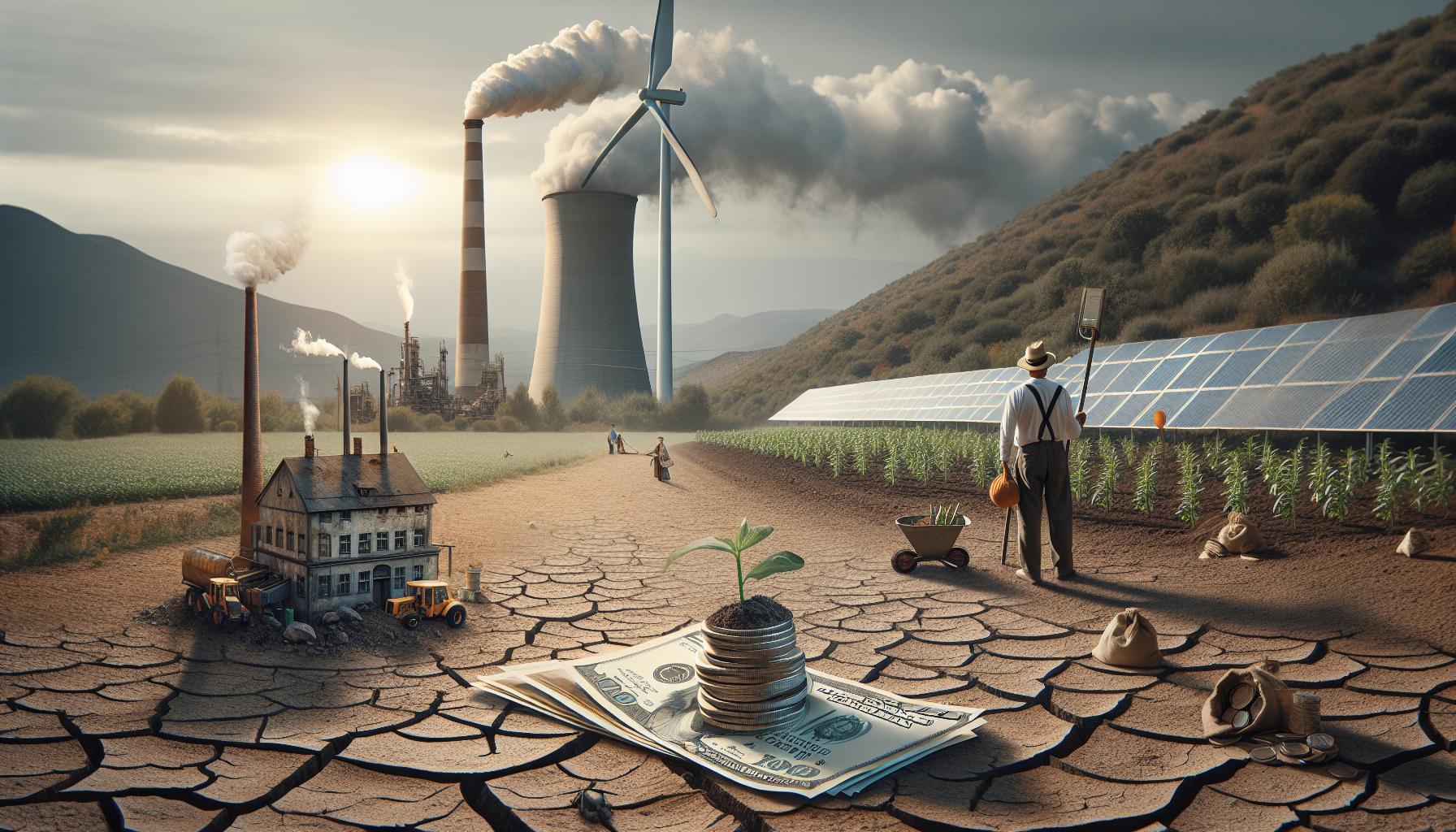
Understanding Capitalism: Principles and Impacts
Capitalism, as a dominant economic system, has propelled unprecedented levels of innovation and wealth generation. However, its intrinsic reliance on continuous growth and profit maximization often leads to environmental costs that are hard to ignore. At the heart of this system is the principle that markets should dictate production and consumption, which can sometimes result in the overexploitation of natural resources. The proliferation of consumer goods, driven by capitalist motivations, often leads to significant environmental footprints, including deforestation, pollution, and substantial greenhouse gas emissions.
One major characteristic of capitalism is its focus on short-term financial gains rather than long-term sustainability. Companies frequently prioritize immediate profits over investments in sustainable practices or technologies. For example, industries such as fossil fuels exemplify this trend; despite the growing recognition of climate change risks, many energy companies continue to extract resources unsustainably because it remains profitable in the short term. This approach, coupled with the externalization of environmental costs-where companies do not bear the full brunt of the ecological damage they cause-perpetuates a cycle that harms both the planet and future generations.
Yet, within capitalism lies a powerful potential for change. The relationship between capitalism and environmental sustainability can also be viewed through a lens of innovation and opportunity. As consumer awareness of climate issues rises, businesses that integrate sustainability into their core strategies can gain a competitive edge. Companies like Tesla have demonstrated that prioritizing renewable energy and technological innovation can be both profitable and environmentally responsible. This shift can catalyze a broader movement towards a greener economy, where sustainable practices are not just beneficial for the environment but also advantageous for business success.
Engaging with the complexities of capitalism in the context of climate change necessitates a collaborative approach among consumers, businesses, and policymakers. Encouraging corporate responsibility through proactive consumer choices can influence market dynamics. Additionally, advocating for policies that support renewable energy initiatives and sustainable practices can pave the way for a capitalist framework that actively contributes to ecological health. By prioritizing sustainability as a cornerstone of economic growth, the contradiction between capitalist practices and environmental health can begin to blur, fostering a more harmonious relationship between the economy and the planet.
How Industrial Growth Fuels Environmental Degradation
Industrial growth has been a double-edged sword for our planet, driving unprecedented advancements while simultaneously fueling significant environmental degradation. One of the most compelling statistics highlighting this impact is that since the onset of the Industrial Revolution, human activities have led to over 1.5 trillion tons of greenhouse gases being released into the atmosphere. This staggering figure underscores the correlation between industrial expansion and climate change. As industries scale up to meet consumer demands, they often exploit natural resources relentlessly, leading to pollution, habitat destruction, and climate instability.
The reliance on fossil fuels is a prime example of how industrial growth contributes to environmental challenges. Factories burn coal, oil, and gas to power operations, releasing CO2 and other pollutants that significantly alter our climate. For instance, the global cement industry alone accounts for about 8% of the world’s CO2 emissions. This is compounded by the fact that many industries externalize their environmental costs, pushing them onto society and the planet rather than factoring them into their operational expenses. As a result, communities face health crises, degraded ecosystems, and diminished natural resources, all while corporations continue to prioritize profit margins over environmental responsibility.
Moreover, industrial agriculture exemplifies how growth can lead to detrimental environmental impacts. Intensive farming practices often result in soil degradation, water depletion, and loss of biodiversity. The emphasis on monocultures-growing a single crop over a wide area-has not only reduced agricultural resilience but also led to increased use of chemical fertilizers and pesticides. These chemicals can infiltrate waterways, causing algal blooms that impact aquatic life and, ultimately, human health. Understanding these interconnected issues can empower individuals and policymakers alike to advocate for more sustainable agricultural practices and support local, eco-friendly farming initiatives.
To address the environmental toll of industrial growth, it is crucial to integrate sustainability into the economic fabric. This can begin with businesses adopting circular economy principles, where products are designed for reuse and recycling, thereby minimizing waste. Technologies like carbon capture can also play a role in reducing the emissions associated with industrial processes. Collaborative efforts between consumers, industries, and governments can pave the way for innovative solutions that balance industrial growth with ecological preservation, fostering a future where economic progress does not come at the expense of the environment.
By rethinking our approach to industrial growth through the lens of sustainability, we can create pathways that not only address environmental concerns but also promote long-term economic resilience. It’s not merely a matter of reducing our industrial footprint; it’s about redefining success in a way that values ecological integrity alongside economic gain. Through informed consumer choices and supportive policy frameworks, we can transition toward a more sustainable industrial model that prioritizes both progress and the planet.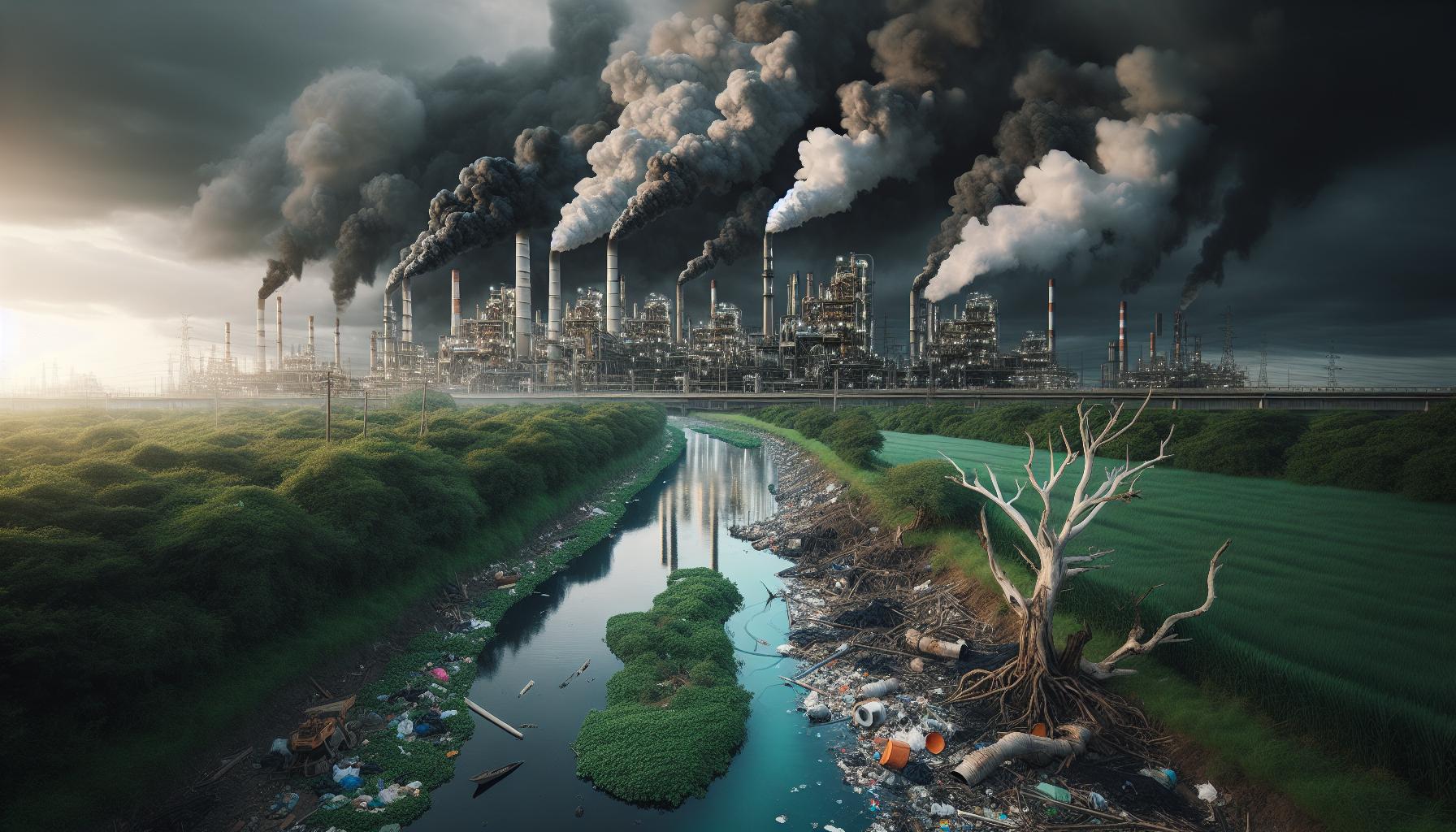
Economic Growth vs. Environmental Sustainability: A Balancing Act
The intricacy of balancing economic growth with environmental sustainability is at the heart of today’s climate debate. As developed nations experience population growth and the relentless rise of the middle class in many developing countries, the demand for goods and services continues to soar. This phenomenon not only fuels economic expansion but also heightens the strain on our planet’s finite resources. A compelling statistic reveals that while the global economy has more than quadrupled since the 1970s, earth’s natural capital has significantly diminished, resulting in ecological distress signals such as climate change, deforestation, and loss of biodiversity. Meeting this growing demand without jeopardizing ecological health requires innovative strategies and a reevaluation of traditional economic paradigms.
In seeking to strike a balance, business leaders are urged to adopt sustainable practices that reflect an evolving market driven by responsible consumer choices. For example, by prioritizing renewable energy sources and sustainable materials, companies can not only reduce their carbon footprints but also position themselves competitively in a market increasingly dominated by eco-conscious consumers. A notable case study is the automotive industry’s shift towards electric vehicles (EVs). Traditional manufacturers, recognizing environmental concerns and changing regulations, have begun to invest heavily in EV technology, demonstrating a proactive approach to reconciling economic growth with environmental accountability. Similarly, food brands that embrace organic and sustainable farming methods often see a surge in consumer loyalty, illustrating that ecological wisdom can indeed drive profitability.
Navigating the complexities of this balancing act also requires policy frameworks that incentivize sustainable practices. Governments can play a pivotal role by implementing regulations that encourage businesses to adopt greener technologies, offering tax breaks for eco-friendly innovations or funding research in sustainable energy solutions. Moreover, investing in green infrastructure-such as urban green spaces and sustainable public transport systems-can stimulate local economies while enhancing community resilience against climate impacts. By fostering these inclusive policies, it is possible to create a systemic shift where economic and environmental objectives are not mutually exclusive but rather synergistic.
Ultimately, the challenge lies in redefining what economic success looks like in the 21st century. Organizations and individuals alike must shift towards a model that values long-term sustainability over short-term gains. This involves making intentional consumer choices-such as supporting local businesses and products with sustainable certifications-and advocating for policies that prioritize both economic resilience and ecological health. In this way, the intricate dance between growth and sustainability can yield a future that is equitable and sustainable, ensuring that economic prosperity does not come at the expense of our planet’s well-being.
The Role of Consumerism in Climate Change
The growing awareness of climate change impacts has sparked a significant shift in consumer behavior, revealing the power individuals hold in shaping economic practices. Today’s consumers are increasingly informed and conscious about the environmental implications of their purchases, often opting for brands that prioritize sustainability. This trend reflects a broader understanding that consumerism is not just a driver of economic success but also a leading factor influencing climate change. As businesses cater to this demand for greener options, we see a fundamental shift in how corporations operate, with many leading firms incorporating sustainable practices into their core strategies, thereby aligning their operations with consumer values.
One primary way consumerism contributes to climate change is through the demand for fast fashion, single-use plastics, and heavily processed foods. The fast fashion industry, for instance, emits a staggering amount of greenhouse gases due to its reliance on rapid production cycles and low-cost materials often sourced from environmentally damaging processes. Conversely, a growing awareness of the environmental impact of such products has led to a rise in sustainable brands focusing on ethical production, biodegradable materials, and fair labor practices. These alternative companies not only appeal to the environmentally conscious demographic but also encourage a broader market shift toward more sustainable lifestyles.
To leverage consumerism positively in the fight against climate change, individuals can undertake several practical actions:
- Support Local Businesses: Purchasing from local vendors reduces the carbon footprint associated with transportation and promotes community resilience.
- Opt for Sustainable Products: Look for products with certifications such as Fair Trade, Organic, or Energy Star, which indicate environmentally friendly practices.
- Reduce Consumption: Adopt a minimalist approach by purchasing only what is necessary and focusing on quality over quantity. This not only saves money but also decreases waste.
- Diverse Dietary Choices: Prioritizing plant-based foods over meat and dairy can significantly lower one’s carbon footprint and reduce demand for environmentally taxing agricultural practices.
Moreover, collective consumer actions can push businesses to adopt greener practices. Initiatives like boycotting companies with poor environmental records or supporting movements for corporate accountability can create a ripple effect, urging companies to reform. Notably, the rise of social enterprises illustrates how businesses can thrive while prioritizing environmental stewardship, aligning profitability with planet-friendly practices.
As consumers advocate for change, there exists an opportunity to reshape the capitalist landscape, encouraging a transition toward a more sustainable economy. By understanding their purchasing power, individuals can stimulate innovation in sustainable products and services, directly impacting climate policy and corporate behavior. This not only emphasizes the integral role of consumerism in addressing climate change but also empowers individuals to be part of a broader solution that champions ecological responsibility and fosters sustainable consumer habits.
Capitalism’s Influence on Energy Consumption Patterns
In the intricate dance between capitalism and energy consumption, markets thrive on the principle of supply and demand, which directly influences how energy resources are exploited and consumed. One staggering fact to consider is that the global energy demand is projected to rise by nearly 50% by 2050, driven primarily by economic growth in developing nations. This insatiable demand for energy showcases capitalism’s tendency to prioritize growth and profitability, often at the expense of environmental sustainability. The quest for cheaper energy options has historically led to the proliferation of fossil fuels, contributing to climate change and raising critical questions about the long-term viability of such practices.
Energy Consumption Patterns Driven by Market Dynamics
Capitalism encourages competition and innovation, but it also creates pressures that can lead to unsustainable energy practices. For example, the cheaper and more accessible fossil fuels have dominated the energy market due to their efficiency and cost-effectiveness, resulting in increased carbon emissions. In contrast, renewable energy sources like solar or wind power, while becoming increasingly competitive, still face challenges in scaling up fast enough to keep pace with growing energy needs. This market lag underscores a significant tension: while consumers and businesses demand energy to fuel economic activities, the environmental costs of traditional energy sources can be devastating.
Shifting Towards Sustainable Practices
However, there is optimism as a shift toward more sustainable energy consumption patterns is gaining momentum in capitalist economies. Driven by consumer awareness and demand for cleaner energy, many countries are implementing policies that incentivize renewable energy investments and penalize carbon emissions. Companies like Tesla exemplify this shift, proving that environmentally friendly practices can lead to significant profitability and market success. According to a report by the International Renewable Energy Agency (IRENA), the renewable energy sector employed 12 million people worldwide in 2020, a testament to how capitalism can adapt to meet both economic and environmental needs.
Practical steps for individuals and businesses to foster an energy-conscious capitalist framework include:
- Invest in Renewable Energy: Consider supporting or investing in companies that prioritize sustainability by adopting renewable energy sources.
- Enhance Energy Efficiency: Implement energy-efficient practices and technologies in homes and offices to reduce consumption while saving costs.
- Participate in Local Initiatives: Engage in community programs promoting local renewable energy projects, fostering a collective shift toward sustainability.
- Advocate for Policy Change: Support governmental policies aimed at reducing carbon footprints and promoting sustainable energy solutions.
By aligning individual and corporate energy consumption with sustainable practices, we can begin to reshape the narrative of capitalism away from its traditional reliance on fossil fuels and embrace an equitable, ecologically responsible approach. This transformation is not merely an environmental imperative but a necessary evolution for capitalism to maintain its relevance in a world increasingly aware of its environmental limits.
Case Studies: Capitalism and Environmental Impact Worldwide
The intersection of capitalism and environmental impact is vividly illustrated through various global case studies that highlight both the detrimental effects and potential solutions of this economic system. One poignant example comes from the Amazon rainforest, where deforestation driven by agricultural expansion-often supported by capitalist enterprises-has led to a drastic loss of biodiversity and significant contributions to climate change. The logging and agricultural sectors prioritize immediate profit over long-term sustainability, which poses grave risks to this vital ecosystem and the planet at large.
In contrast, Sweden presents a more optimistic case, showcasing how a capitalist economy can thrive while actively combating climate change. The country has implemented a robust carbon tax since the 1990s, incentivizing businesses to reduce emissions while simultaneously fostering innovation in green technologies. Swedish companies have adapted by investing in renewable energy sources, proving that environmental responsibility can align with financial success. This case illustrates that policy frameworks can guide capitalist enterprises toward environmentally sustainable practices, demonstrating that capitalism does not inherently lead to environmental degradation.
Another compelling case is that of Costa Rica. Once heavily deforested, the country has transformed its economy by investing in ecotourism and sustainable agriculture, generating significant revenue while preserving its natural landscapes. This shift not only protects biodiversity but also engages local communities in conservation efforts, proving that economic growth can be harmonized with ecological stewardship. By valuing environmental health as a crucial component of economic strategy, Costa Rica exemplifies how capitalist frameworks can adapt to prioritize sustainability without sacrificing profitability.
In examining these varied case studies, it becomes evident that while capitalism poses challenges to environmental sustainability, it also offers pathways for innovative solutions. Companies and governments can work together, adopting policies and practices that encourage sustainable growth. The transition to a greener economy may require effort and commitment, but as demonstrated by Sweden and Costa Rica, it is both feasible and vital for ensuring a sustainable future on our planet. To further this movement, individuals and businesses alike must focus on integrating sustainable practices into their operations and advocate for policies that support this vital transition, proving that capitalism can be a powerful ally in the fight against climate change.
Innovative Solutions: Greening Capitalism for a Sustainable Future
The path to a sustainable future is not solely dependent on changing individual behaviors but can also be shaped by innovative solutions that integrate environmental responsibility into capitalism itself. As businesses increasingly recognize the environmental impact of their operations, a shift is occurring within industries-from fossil fuels to fashion-leading to substantial advancements in sustainability practices.
Corporate Responsibility and Sustainable Practices
Many companies are adopting sustainable sourcing and production practices to minimize their carbon footprints. For instance, the fashion industry, notorious for its environmental degradation, is seeing brands like Patagonia and Everlane championing transparency by sharing their carbon footprints with consumers. This kind of transparency fosters consumer trust and loyalty while incentivizing sustainable practices across the supply chain. Adopting sustainability certifications, like B Corp or Fair Trade, can not only enhance a company’s brand image but also open up access to a growing market of environmentally conscious consumers.
- Zero-Waste Manufacturing: Companies like Adidas are utilizing recycled materials to create products, while others, like Uncharted Power, focus on turning waste into energy.
- Sustainable Packaging: Brands such as Coca-Cola and Unilever are committing to reducing plastic waste by investing in biodegradable alternatives.
Innovative Technologies and Green Investments
Technological innovation plays a crucial role in greening capitalism. Renewable energy sources, such as solar and wind power, have seen a dramatic drop in costs, enabling more businesses to shift to clean energy. For instance, Google has committed to operating on 24/7 carbon-free energy, showcasing how large corporations can lead the way in sustainable energy consumption while simultaneously reducing costs over time. In addition to energy, advancements in smart technologies, such as IoT and AI, are transforming resource management. For example, smart grids optimize energy distribution and consumption, allowing businesses to reduce waste and align production schedules with renewable energy availability.
Consumer Power and Community Engagement
Another vital aspect of greening capitalism lies in harnessing the power of consumers. Individuals are increasingly demanding products that reflect their values, compelling companies to prioritize sustainability. Initiatives such as community-supported agriculture (CSA) directly connect consumers with local farmers, fostering a more sustainable food system. By supporting local economies and reducing the distance food travels, consumers can drive a more sustainable agricultural model. Moreover, companies that engage in corporate social responsibility (CSR) initiatives that benefit local communities can foster goodwill, employee satisfaction, and customer loyalty.
Policy Frameworks and Collaborative Efforts
To create a sustainable future, it is essential for both businesses and governments to collaborate on developing effective policies that promote green practices. Policy instruments like carbon taxes, subsidies for sustainable practices, and incentives for innovation can significantly shift the economic landscape toward sustainability. The implementation of newer regulations globally can guide corporations in their sustainability journeys, ensuring not only compliance but also encouraging proactive measures.
By navigating the intersection of capitalism and environmental responsibility, innovative solutions are not just a distant ideal but a current reality many businesses are beginning to embrace. Through commitment to sustainable practices, technological advancement, consumer engagement, and effective policy frameworks, capitalism can transform into a force for positive environmental change-proving that profitability and sustainability can coexist, ultimately leading to a healthier planet.
Debunking Myths: Is Capitalism the Sole Culprit?
The belief that capitalism is the sole cause of climate change is a misconception that merits deeper examination. While capitalism, characterized by profit-driven motives and continuous growth, plays a significant role in environmental degradation, it is vital to consider a broader spectrum of contributing factors. For instance, industrialization and urbanization, essential components of modern economies-both capitalist and non-capitalist-have historically led to increased emissions and resource depletion. The relationship between economic systems, societal choices, and environmental impacts is complex, with multiple drivers influencing climate outcomes.
One crucial point to note is that not all capitalist practices escalate environmental damage. There are many examples of businesses embracing sustainability within capitalist frameworks. Companies like Tesla and Ørsted are pioneering clean energy solutions, and their successes demonstrate that profit motives can align with ecological stewardship. Furthermore, consumer behavior in capitalist economies can also drive positive changes; for example, the rising demand for eco-friendly products incentivizes companies to adopt sustainable practices, showing that a shift in consumer values can lead to improved environmental outcomes.
Equally important is the role of public policy. Government regulation can mitigate the adverse effects of capitalism on the environment. Tools like carbon pricing, emissions regulations, and investment in renewable energy technologies can steer capitalist practices toward sustainability. Countries that have implemented strong environmental policies often see a reduction in carbon emissions, suggesting that the effectiveness of capitalist systems can be significantly enhanced through regulatory frameworks.
Thus, rather than viewing capitalism as the singular villain in the narrative of climate change, it is more constructive to acknowledge how different economic incentives, regulatory environments, and consumer behaviors interact. The path to sustainability requires a collaborative approach that reconciles profit motives with social and environmental responsibility. By identifying and amplifying positive practices within capitalism while addressing systemic failures, society can foster an economic model that not only thrives but also protects the planet.
Alternative Economic Models: Beyond Capitalism
The modern debate surrounding climate change frequently gravitates towards capitalism’s role, often oversimplifying the complexity of economic systems and their environmental consequences. However, as we strive for ecological sustainability, exploring alternative economic models can offer fresh perspectives and actionable solutions. By stepping beyond traditional capitalism, societies can adopt frameworks that prioritize ecological balance, equitable resource distribution, and community well-being.
One compelling alternative is the circular economy, which reimagines the concept of waste. In a circular model, products are designed for reuse, recycling, and refurbishment, thus minimizing waste and resource exploitation. For example, companies like Patagonia lead the way by encouraging customers to repair clothes instead of replacing them, ultimately reducing material demand and waste. This approach not only lessens environmental impact but also cultivates a culture of sustainability among consumers, aligning individual behavior with eco-friendly practices.
Another promising model is social economy, which prioritizes social goals alongside economic returns. This includes cooperatives and social enterprises that reinvest profits into community development and environmental initiatives. The Mondragon Corporation in Spain exemplifies this model, functioning as a worker cooperative that balances profitability with employee welfare and community support. Such enterprises challenge conventional profit motives by directly linking business success to social responsibility, thus creating networks that enhance local resilience against climate change.
Degrowth is a radical yet thought-provoking perspective that advocates for a controlled reduction in consumption and production to restore ecological balance. Advocates argue that pursuing infinite growth on a finite planet is inherently unsustainable. Key examples include community-supported agriculture (CSA), where consumers directly support local farms, fostering sustainable food systems while simultaneously building community ties. This model encourages conscious consumption, reducing carbon footprints associated with industrial agriculture and emphasizing local economies.
Lastly, integrating sustainable development goals (SDGs) into national and global economic policies provides a structured framework for balancing economic growth with environmental stewardship. Countries like Costa Rica have successfully embraced biodiversity initiatives that enhance economic activities such as ecotourism, proving that economic and environmental goals can coexist and feed into one another.
By examining and leveraging these alternative economic models, society can address climate change in innovative and effective ways. Each model offers insights that can reshape our understanding of success, moving beyond mere profitability to include environmental health and social equity. Engaging with these alternatives fosters a multi-dimensional approach to sustainability, empowering individuals and communities to contribute meaningfully to the fight against climate change while recognizing that collaborative efforts are essential for systemic change.
Policy Changes for Sustainable Economic Practices
Addressing the complex interplay between economic practices and climate change necessitates bold policy changes that champion sustainability. As societies grapple with the environmental consequences of existing capitalist frameworks, innovative policies can guide economic systems toward ecological stewardship while fostering inclusive growth.
One key approach involves implementing carbon pricing mechanisms, which assign a cost to carbon emissions, incentivizing businesses to reduce their carbon footprints. For instance, countries like Sweden have successfully adopted high carbon taxes, leading to a significant drop in greenhouse gas emissions without hampering economic growth. By making pollution more expensive, businesses are encouraged to invest in cleaner technologies and renewable energy sources, fostering a transition toward a low-carbon economy.
Promoting sustainable investment is another critical policy direction. Governments and financial institutions can establish incentives for green investments through credit guarantee schemes and tax breaks for environmentally responsible projects. The European Union’s Green Deal exemplifies this, as it aims to mobilize investments for sustainable infrastructure, supporting the transition to a net-zero economy while also creating jobs in the process. Furthermore, creating frameworks for impact investing can direct needed capital towards initiatives that yield both financial returns and social benefits, such as renewable energy projects, sustainable agriculture, and affordable housing.
A focus on regenerative practices within industries can significantly alter economic landscapes. Policies that support regenerative agriculture, for instance, not only yield sustainable food production but also enhance biodiversity and soil health. Governments can encourage these practices through subsidies or grants aimed at farmers adopting techniques that restore ecosystems rather than deplete them. By prioritizing regenerative methods, economies can shift from extractive to restorative systems, directly addressing climate concerns while promoting local and resilient economies.
Lastly, integrating education and public awareness campaigns into policy can empower individuals to engage with sustainable practices. Education can instill values of conservation and sustainability from an early age, ensuring that future generations prioritize ecological balance as part of their economic choices. Countries like Finland have made substantial strides in environmental education, effectively equipping citizens with the knowledge to make informed decisions that reflect environmental mindfulness in their daily lives.
Through these multi-faceted policy changes, societies can reshape economic practices to prioritize sustainability, thereby addressing climate change effectively. The path forward lies not just in rethinking capitalism, but in embedding sustainability into the very fabric of economic governance, fostering a harmonious relationship between human activities and the planet.
Empowering Individuals: Actions Toward Climate-Conscious Capitalism
Taking action as individuals within a capitalist framework can create profound ripples in the fight against climate change. Every dollar spent can reflect our values and preferences, influencing businesses to adopt more sustainable practices. For example, choosing to buy from companies that embrace eco-friendly practices signals demand for responsible products and encourages other businesses to follow suit. Consumers are becoming increasingly conscious of their purchasing choices, which drives companies to be more transparent and sustainable.
To become a catalyst for change, individuals can engage in various practical actions:
Make Informed Consumption Choices
- Support Local and Sustainable Businesses: Opt for buying locally produced goods, which often have a smaller carbon footprint due to reduced transportation emissions.
- Choose Eco-Friendly Products: Look for certifications like Fair Trade, organic, or carbon-neutral labeling to ensure your purchases contribute positively to the environment.
- Reduce Waste: Commit to buying less and reusing or recycling items. Participating in thrift shopping not only saves money but also helps reduce waste.
Advocate for Systemic Change
Joining community efforts amplifies individual voices. Participating in local environmental groups or initiatives can lead to more substantial, systemic changes.
- Engage in Policy Advocacy: Contact local representatives to support legislation that promotes renewable energy and sustainable practices.
- Educate Others: Share knowledge about climate issues within your social circles, potentially influencing friends and family to adopt more sustainable habits.
- Community Projects: Participate in or organize local tree planting, clean-ups, or educational workshops to foster a community-oriented approach to sustainability.
Invest in the Future
Recognizing the power of money in shaping corporate behavior, individuals can direct their investments towards sustainable initiatives:
- Choose Green Investments: Consider sustainable investment funds or environmentally responsible companies that prioritize climate action.
- Support Renewable Energy: If possible, invest in solar panels for your home or buy into community solar projects.
By making conscious choices and advocating for change, individuals have the power to reframe capitalism into a more climate-conscious system. Each action, whether small or large, contributes to a collective shift towards sustainability and responsible business practices. Through our everyday actions, we can turn the tide on climate change, fostering a greener economy that values the planet alongside profit.
Q&A
Q: How does capitalism contribute to climate change?
A: Capitalism drives continuous growth and profit maximization, often at the expense of environmental health. This system prioritizes resource extraction and consumption, resulting in higher carbon emissions and environmental degradation. Understanding this relationship is crucial in addressing climate change effectively.
Q: What are the main criticisms of capitalism related to environmental issues?
A: Critics argue that capitalism inherently promotes unsustainable practices by valuing short-term profits over long-term ecological balance. The focus on consumerism encourages over-consumption and waste, with little regard for environmental consequences. This critique highlights the need for more responsible economic models.
Q: Can capitalism be reformed to address climate change?
A: Yes, capitalism can adopt greener practices through sustainable business models and responsible consumption. By implementing policies that incentivize eco-friendly innovations and penalize environmentally harmful activities, capitalism can evolve to be both profitable and sustainable, fostering a healthier planet.
Q: What alternatives to capitalism exist for sustainable development?
A: Alternatives such as socialism or cooperative models emphasize collective ownership and equitable resource distribution, focusing on sustainability. These models advocate for environmental stewardship and social well-being, providing a framework that may better address the urgent challenges of climate change.
Q: How does consumer behavior impact capitalism and climate change?
A: Consumer demand drives businesses to produce goods, often neglecting environmental impacts. Shifting consumer preferences towards sustainable products can pressure companies to adopt environmentally friendly practices, showing that individual choices can influence capitalism’s role in climate change.
Q: What role do policies play in mitigating capitalism’s impact on climate change?
A: Policies are crucial in guiding capitalistic practices toward sustainability. Regulations, taxes on carbon emissions, and subsidies for renewable energy can encourage businesses to operate in an environmentally responsible manner, aligning economic growth with ecological preservation.
Q: Why is it important to discuss capitalism in the context of climate change?
A: Discussing capitalism’s influence on climate change is vital for understanding the systemic issues driving environmental degradation. Identifying the relationship helps inform policy changes and public discourse, leading to effective solutions that balance economic growth with environmental responsibility.
Q: What lessons can we learn from countries addressing climate change under capitalist models?
A: Countries that successfully implement green policies within capitalist frameworks demonstrate that sustainable practices can coexist with economic growth. Initiatives like renewable energy investment and stricter environmental regulations serve as valuable models for mitigating climate change effectively.
To Wrap It Up
As we’ve explored in “Does Capitalism Cause Climate Change? [Economics Debate],” it’s clear that the interplay between economic systems and environmental impacts is complex. While capitalism can drive innovation and growth, it also poses significant challenges for sustainability. The urgency for change has never been greater-how we choose to address these challenges today will shape our planet for future generations.
If you’re eager to dive deeper, check out our articles on sustainable business practices and the role of renewable energy in combating climate change. Are you ready to take action? Consider signing up for our newsletter for the latest insights and expert opinions, or explore our resource section for practical steps to make a difference in your community. Your voice matters-join the conversation by sharing your thoughts below, and help us foster a community dedicated to responsible economic practices.
By engaging with these critical topics, you not only expand your understanding but also contribute to a broader movement. Don’t miss this opportunity to be part of the change-your actions today can pave the way for a more sustainable tomorrow.
Strategic Insights & Operational Framework (The Fault Of Climate Change Is By Capitalist Industry)
Capital deployment directed toward the fault of climate change is by capitalist industry addresses fundamental decarbonization and systemic adaptation imperatives across the European continent. Under the European Green Deal and the codified technical screening criteria of the EU Taxonomy, investment managers evaluate operational additions through verified greenhouse gas (GHG) abatement metrics. Achieving market-rate returns while ensuring verified environmental additionality requires continuous telemetry across Scope 1, Scope 2, and Scope 3 supply chain footprints.
Institutional allocators increasingly prioritize assets exhibiting robust climate resilience profiles. This encompasses distributed renewable generation, long-duration battery energy storage systems (BESS), circular industrial feedstock utilization, and permanent technological carbon capture. By insulating asset valuations from accelerating physical climate hazards and carbon compliance costs (such as the EU Emissions Trading System and Carbon Border Adjustment Mechanism), focused allocators capture sustained competitive advantages.
- Empirical Governance: Ensuring rigorous audit trails and adherence to international disclosure frameworks (including SFDR RTS, EU Taxonomy, and GIIN IRIS+ standards).
- Risk-Adjusted Underwriting: Prioritizing assets with verified operational resilience, robust cash-flow coverage, and structural collateral protections.
- Measurable Additionality: Validating that capital deployment produces concrete, quantifiable real-world outcomes beyond conventional baseline market trends.
Comparative Analysis & Decision Matrix: The Fault Of Climate Change Is By Capitalist Industry
| Strategic Pillar | Institutional Standard | Conventional Baseline | Key Investor Advantage |
|---|---|---|---|
| Due Diligence & Verification | Independent third-party audits and continuous telemetry | Unverified self-reported corporate assertions | Mitigates greenwashing, compliance risks, and regulatory fines |
| Capital Protection | Senior secured liens, covenants, and reserve tranches | Unsecured junior or subordinated claims | Preserves principal capital during macroeconomic downturns |
| Cash Flow Predictability | Contracted inflation-indexed revenue streams (PPAs/KIIS) | Unhedged cyclical market exposure | Stabilizes net yield distributions and portfolio duration |
| Regulatory Taxonomy | Direct alignment with SFDR Article 8/9 and ECSPR rules | Unclassified generic marketing labels | Facilitates seamless institutional LP cross-border capital raising |
Frequently Asked Questions About The Fault Of Climate Change Is By Capitalist Industry
What are the primary performance drivers for the fault of climate change is by capitalist industry?
Performance is driven by disciplined asset selection, adherence to standardized regulatory frameworks, rigorous cost management, and verifiable operational additions that protect against regulatory shifts.
How do investors mitigate downside volatility in this sector?
Downside risk is managed through conservative debt-to-equity ratios, strict loan-to-value limits, diversified position sizing, and ongoing third-party compliance audits.
What documentation is essential before allocating capital?
Essential documentation includes audited financial statements, standardized disclosure summaries (such as Key Investment Information Sheets), independent asset appraisals, and verified additionality telemetry.
Get our latest guides, news, and insights highlighted in your Google Search & AI Overviews.