![Does Climate Change Cause Colder Winters? [Paradox Explained]](https://www.impact-investing.eu/wp-content/uploads/2025/10/4819-does-climate-change-cause-colder-winters-paradox-explained-1024x585.jpg)
In a world grappling with climate change, you might be surprised to learn that warming temperatures can actually lead to colder winters in some regions. This paradox is rooted in complex atmospheric dynamics that affect weather patterns globally. As we face increasingly unpredictable climates, understanding these shifts is crucial for preparing ourselves and our communities for the future. Could the very changes we attribute to warming result in harsher cold spells? This article delves into the science behind this phenomenon, examining the intricate relationship between climate change and winter weather. By exploring how changes in our climate influence winter temperatures, we’ll uncover insights that not only enlighten but also empower us to rethink our responses to climate-related challenges. So, let’s embark on this journey to decode how climate change might paradoxically bring chillier winters, and what that means for our lives and the planet.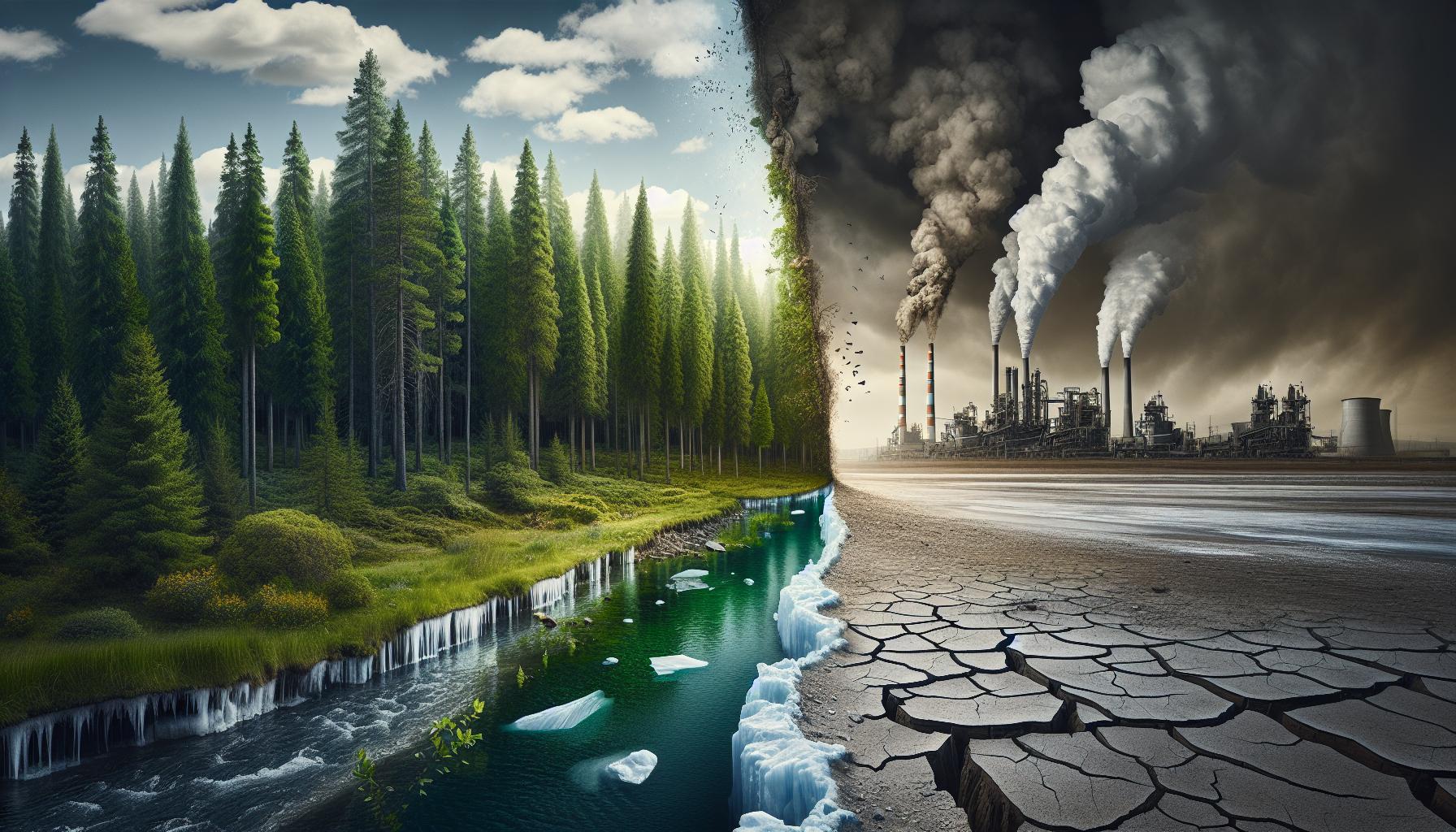
Understanding Climate Change: A Complex Relationship
Understanding climate change is crucial in unraveling why winters may feel colder even as global temperatures rise. A common misconception is that climate change uniformly results in warming; however, the relationship between climate and weather patterns is intricate and can lead to perplexing outcomes. For example, the warming of the Arctic is believed to slow down the jet stream, which can cause unusual dips in cold air that affect mid-latitude regions, sometimes resulting in extreme winter weather events in places that are generally more temperate. This variability underscores the notion that climate change does not operate in a linear fashion and can bring about both warmer overall temperatures and increased incidences of colder winters in certain areas.
The Role of Arctic Warming
Research indicates that as the Arctic warms, the temperature gradient between the equator and the poles diminishes. This alteration influences the paths of weather systems and can lead to prolonged cold spells in some regions. For instance, the connection between a warmer Arctic and colder winters has been documented, suggesting that significant winter weather events can be partially attributed to these shifts in atmospheric dynamics, leading to periods of severe cold in mid-latitudes despite a general increase in global temperatures [2].
To better appreciate the complexities of climate change, it’s essential for individuals to recognize how local weather can vary widely due to multiple influencing factors, including natural climate cycles like El Niño and La Niña. Integrating these insights allows for a more nuanced understanding of how climate change can affect local weather patterns, encouraging proactive engagement with climate science and community preparedness for extreme weather scenarios. By fostering awareness and educating ourselves about these climatic relationships, we can more easily address the challenges posed by climate change and advocate for informed strategies to mitigate its impacts.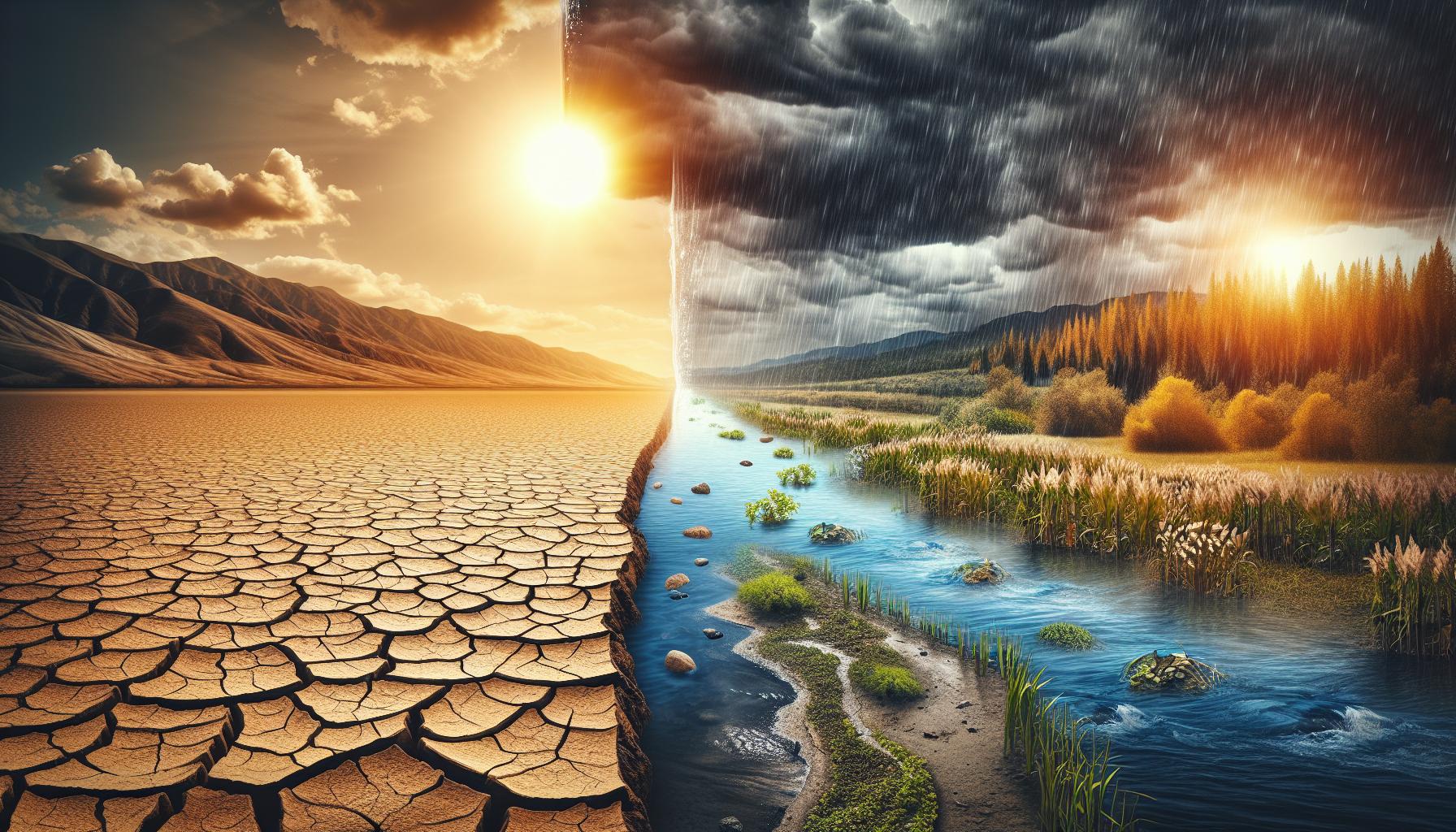
How Climate Change Influences Weather Patterns
The increasingly erratic nature of our weather highlights the profound influence climate change has on current weather patterns. As global temperatures rise, we witness not just warmer weather, but also unexpected variations that can include more intense cold spells. This complexity is primarily driven by changes in atmospheric circulation patterns, notably associated with the warming of the Arctic. Research shows that a warmer Arctic can weaken the temperature gradient between the equator and the poles, impacting the behavior of the jet stream. This shift can result in deeper dips of cold air that can plunge into typically warmer mid-latitude regions, producing extreme winter weather events even amid a backdrop of global warming.
Additionally, climate change intersects with natural climate phenomena such as El Niño and La Niña, which can complicate our understanding of seasonal weather fluctuations. For instance, La Niña events tend to bring cooler, wetter conditions to certain areas while causing warmer, dry conditions elsewhere. The interplay between human-induced climate change and these natural cycles creates a patchwork of weather outcomes that can baffle expectations.
Practical awareness of these connections enables individuals and communities to prepare for and respond more effectively to fluctuations in weather. Keeping abreast of local forecasts and historical weather patterns can aid in recognizing trends and preparing for extremes. Engaging with climate data, while advocating for sustainable practices and policy changes, can also contribute towards mitigating the impacts of climate change on our weather. By fostering community discussions around these topics, we can bridge the gap between scientific understanding and everyday experiences, empowering more informed and proactive responses to our changing climate.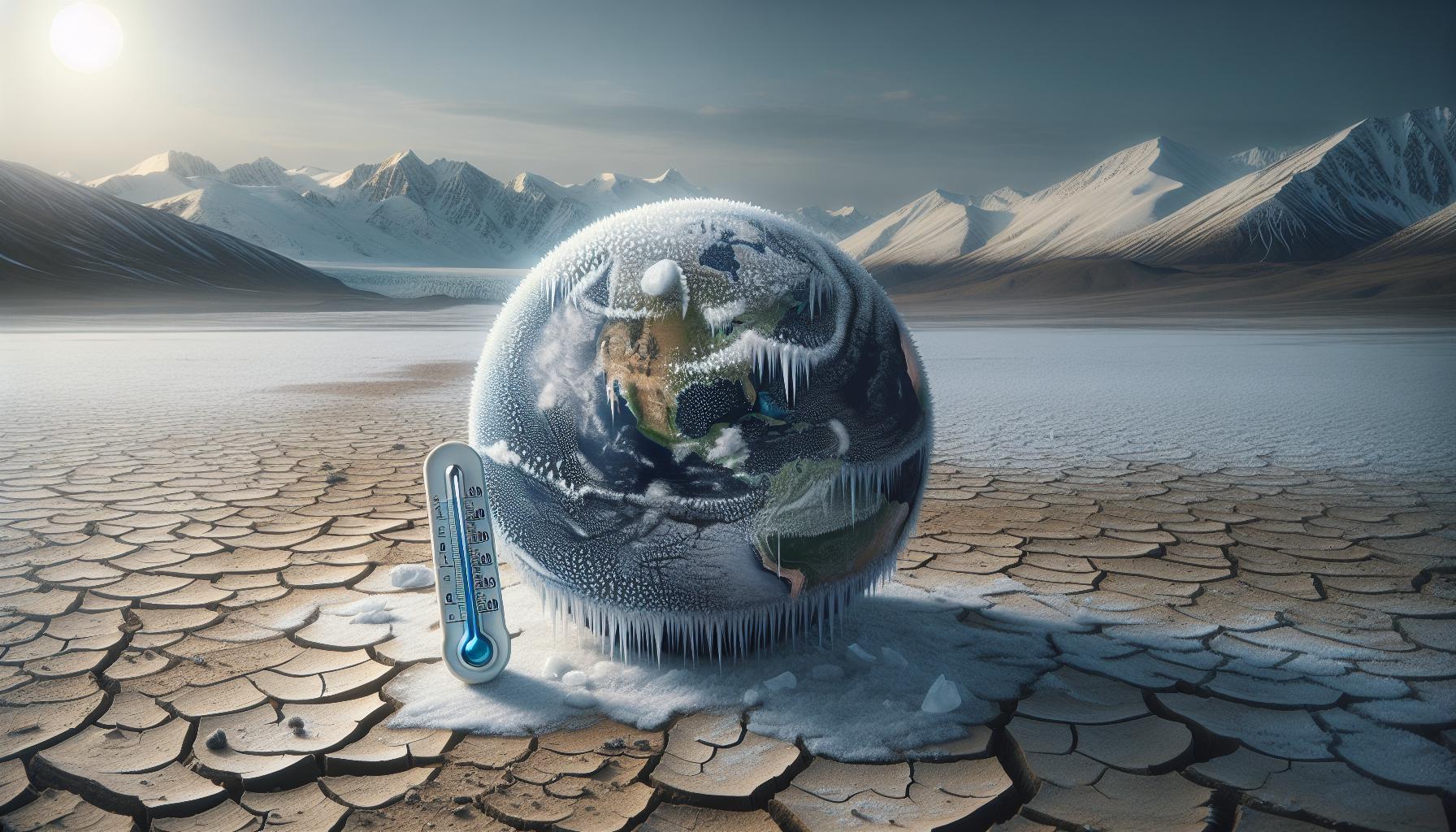
The Science Behind Colder Winters and Global Warming
The notion that climate change solely leads to warmer temperatures can be quite misleading. In fact, it can also create conditions that result in exceptionally cold winters, a phenomenon seen in various regions recently. Scientific research indicates that the warming planet alters atmospheric circulation patterns, particularly influencing the behavior of the jet stream. This alteration can cause frigid air masses from the Arctic to plunge deeper into the mid-latitudes, resulting in severe cold spells and winter storms, even when the overall trend indicates rising temperatures.
Understanding this paradox requires an exploration of how global warming interacts with the delicate balance of the Earth’s climate system. For example, studies have shown that as Arctic ice melts due to warming, it disrupts the temperature gradient between the poles and the equator. This disruption can weaken the jet stream, leading it to meander more significantly. When the jet stream takes a dip southward, it can bring cold Arctic air into regions that typically experience milder winters. Such occurrences highlight the essential connection between long-term climate change and short-term weather variability.
To illustrate the impact of this interaction, let’s consider the winter of 2013-2014 in the United States, which was marked by severe cold and substantial snowfall despite the overarching trend of global warming. Significant cold events, such as the polar vortex, are demonstrations of how a warming Arctic can lead to unusual and intensified cold outbreaks in mid-latitude areas. Thus, rather than contradicting the reality of climate change, these cold winters reinforce the complexity of the climate system and show how interconnected weather phenomena can lead to dramatic seasonal shifts.
For individuals seeking to navigate the implications of this information, staying informed about local weather patterns and understanding the broader context of climatic shifts is crucial. Awareness and education empower communities to adapt to these unpredictable conditions. Collecting and sharing data on local temperatures, participating in discussions on sustainable practices, and advocating for stronger climate action can significantly contribute to mitigating the adverse effects of climate change on future winters. By recognizing that colder winters are just one facet of a changing climate, we cultivate a more robust readiness to face the challenges ahead.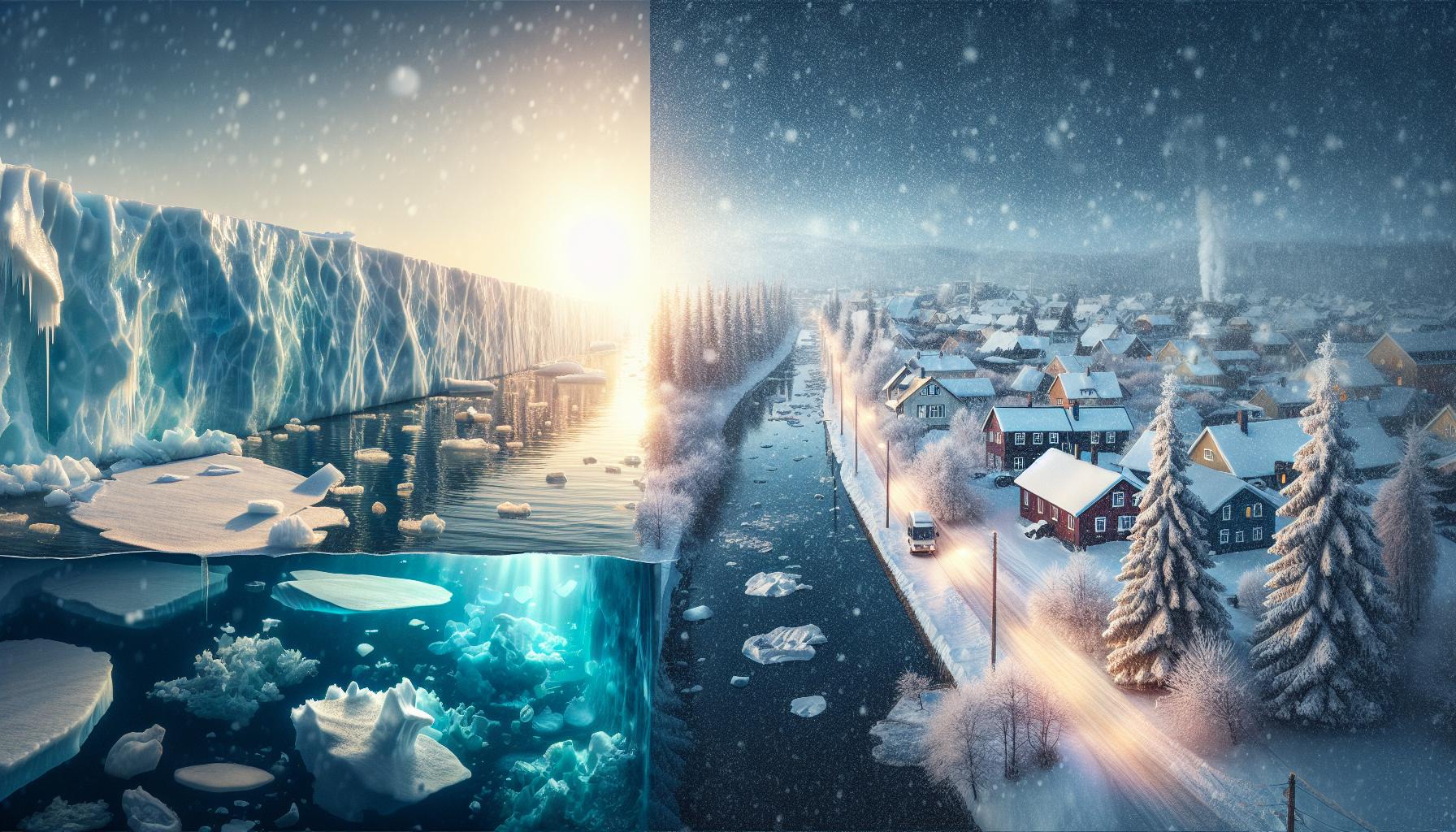
The Paradox: Warm Arctic, Cold Mid-Latitudes Explained
As the Arctic warms at an unprecedented rate, the consequences ripple beyond its icy expanses, creating a perplexing paradox for mid-latitude regions. This phenomenon can be partly attributed to the shifting dynamics of the jet stream-an atmospheric river of fast-moving air that dictates the weather patterns experienced across the globe. Remarkably, as the Arctic warms, the jet stream can become weaker and more erratic, which allows cold Arctic air to plunge unexpectedly far south, resulting in extreme winter weather conditions.
When the Arctic ice melts, it disrupts the temperature difference-the gradient-between the polar regions and the warmer equator. This imbalance alters the behavior of the jet stream. For instance, during cold snaps, the jet stream might dip drastically southward, allowing frigid air to invade regions ordinarily shielded from such extremes. One vivid illustration of this was the polar vortex event during the winter of 2013-2014, which enveloped much of the northeastern U.S. and the Midwest in severe cold and snow, exemplifying how Arctic changes directly influence winter severity far from the poles.
Understanding the Mechanisms
This relationship highlights a critical aspect of climate science: warming is not synonymous with a uniform increase in temperature. Instead, it can lead to greater variability in weather patterns. For instance, a warmer atmosphere can hold more moisture, which, combined with colder air masses, often culminates in intense winter storms. This paradox challenges the simplified notion of climate change purely resulting in warming; it embodies a more complex reality intertwined with fluctuations in winter temperatures.
For communities facing these unpredictable spikes in cold weather, practical steps can help mitigate the impact. Preparing for extreme weather includes improving insulation in homes, developing efficient heating systems, and establishing community response plans for cold weather emergencies. By embracing these strategies, individuals and communities can foster resilience against not just the next cold snap but also the broader challenges posed by a changing climate.
Historical Case Studies of Cold Winters Amidst Warming
The complex interplay between climate change and extreme weather is vividly illustrated by historical case studies that showcase unexpectedly cold winters despite a warming planet. For example, the winter of 2013-2014 stands out as a compelling instance where the North American region experienced one of its harshest cold snaps in decades. During that winter, a powerful polar vortex descended, driven by fluctuations in the jet stream that had been affected by warming Arctic temperatures. This event left many parts of the Midwest and Northeast buried under snow, bombarding them with life-threatening cold that seemingly contradicted the overall trend of rising global temperatures.
A closer look at the winter months of 2020-2021 also reveals this perplexing phenomenon. In the U.S., particularly within Texas, an unusual cold wave led to massive disruptions, including widespread power outages and severe repercussions on infrastructure. These chilling events were linked to shifts in atmospheric patterns exacerbated by climate change, illustrating how warmer temperatures can result in erratic weather behaviors. As temperatures in the Arctic rise, the difference in temperature between the polar and equatorial regions decreases, leading to a more unstable jet stream that can plunge cold air far southward.
Another notable instance occurred in February 2021 when Europe experienced extreme cold, attributed to changes in the polar vortex and jet stream dynamics. As Arctic air swept across the continent, it resulted in record low temperatures, contrasting sharply with the warming trends seen in the region over recent years. This phenomenon serves as a stark reminder that while the Earth is on a warming trajectory, the outcomes can manifest as intense winter storms and unpredictable cold spells.
To better understand and prepare for such seemingly contradictory weather events, communities can draw on these historical case studies. Key strategies include improving infrastructure resilience, investing in effective heating and insulation technologies, and fostering local awareness about changes in weather patterns. By learning from these past occurrences, individuals and communities can better equip themselves to navigate the complex realities of a changing climate and its impact on winter weather.
Common Misconceptions About Climate Change Effects
The belief that climate change uniformly leads to warmer temperatures can be misleading, particularly when examining winter weather. Many people mistakenly think that because the Earth is warming overall, we shouldn’t experience extreme cold weather events. However, this oversimplification overlooks the complexities of the climate system and can lead to confusion regarding its actual impacts. It’s crucial to recognize that climate change does not eliminate cold weather; rather, it alters the dynamics of how and when such weather occurs.
One common misconception is that climate change will result in milder winters everywhere. This is not the case. In fact, warming Arctic temperatures can destabilize the polar vortex-a large area of cold, low pressure that typically keeps cold air confined to the Arctic region. When this vortex weakens, it can allow frigid air to penetrate further south, resulting in colder temperatures over large areas, including parts of North America and Europe. This indicates that warming and extreme cold can coexist, reflecting the nuanced impacts of a shifting climate.
Another misunderstanding involves the frequency of snowy winters. Some might think that because the climate is changing, snowfall will decrease. Yet, warmer air can hold more moisture, leading to increased precipitation. As a result, regions may experience heavier snowfall during cold snaps, even as average temperatures rise. Thus, winter storms can become both more intense and more variable, leading to heightened expectations of extreme weather events.
To address these misconceptions, it’s essential for individuals and communities to engage with credible scientific sources and educational initiatives. Understanding climate science can empower people to anticipate and prepare for unpredictable weather patterns. Local governments and organizations can also play a pivotal role by promoting resilience strategies, such as investing in infrastructure that can withstand extreme weather events or enhancing systems for emergency response during harsh winters. By fostering awareness and understanding, society can adapt more effectively to the realities of climate change, embracing informed optimism about managing its impacts.
The Role of La Niña and El Niño in Winter Weather
In the intricate dance of winter weather patterns, the phenomena of La Niña and El Niño play pivotal roles that often shape our seasonal experiences in profound ways. These climate patterns, driven by temperature fluctuations in the Pacific Ocean, can have significant impacts not just on local weather, but on global climatic trends, including winter severity. Understanding how these oscillations function is essential for anyone hoping to unravel the complexities behind the cold snaps that can accompany a warming planet.
During a La Niña event, cooler ocean temperatures in the central and eastern Pacific can lead to increased heating of the atmosphere over North America, resulting in more extreme cold and snow in the northern states. This can amplify the effects of climate change by contributing to unexpectedly cold winters in some regions even as global temperatures rise. For instance, the winter of 2020 saw significant snowfall and frigid temperatures in the Midwest and Northeast, attributes that can partially be explained by La Niña conditions that year, which encouraged the polar vortex to push its cold air further south. Conversely, El Niño, characterized by warmer sea surface temperatures in the Pacific, often produces milder winters in the northern US, as it tends to suppress the polar vortex and keep cold Arctic air confined to its usual boundaries.
Both phenomena illustrate the nuanced interplay between short-term weather variability and long-term climate trends. They can serve as critical reminders of the broader implications of climate change on weather patterns. As the climate continues to warm, the intensity and frequency of La Niña and El Niño events may change, leading to more unpredictable and extreme winter weather outcomes. Understanding these patterns allows for more informed preparation and adaptability strategies, ensuring communities can better withstand the winter challenges posed by these climatic shifts.
To effectively prepare for these impacts, individuals and communities are encouraged to:
- Stay informed about seasonal forecasts that indicate the likelihood of La Niña or El Niño conditions.
- Develop emergency plans that account for sudden changes in winter weather, facilitating swift responses during cold snaps.
- Invest in infrastructure enhancements that can cope with heavy snowfall and extreme cold, reducing vulnerability to climate variability.
By understanding , we can better grasp their influence on our changing climate and take proactive steps to mitigate the potential impacts.
Impact of Urbanization on Local Climate Variability
Urbanization is transforming the way local climates operate, often leading to unexpected weather patterns and extremes, including colder winters in some areas. As cities grow, the urban heat island effect emerges-where urban regions exhibit higher temperatures than their rural surroundings due to human activities, dense infrastructure, and diminished vegetation. This phenomenon can create a stark contrast in winter temperatures between urban and rural settings, leading to milder conditions in cities while rural areas may experience harsher cold spells.
The increase in impervious surfaces like asphalt and concrete traps heat during the day, releasing it slowly at night. This process can lead to warmer nighttime temperatures, which disrupt typical cooling cycles during winter months. For example, studies have shown that urban areas can be several degrees warmer at night compared to their rural counterparts, influencing local climate variability. In challenging winter conditions, even minor temperature shifts can significantly affect snowfall accumulation and ice formation, resulting in unexpected or fluctuating winter weather patterns.
Furthermore, urbanization also impacts local precipitation patterns. Infrastructure changes can modify how water moves through an area, leading to altered drainage and increased runoff that may disrupt natural hydrological cycles. This can exacerbate winter weather conditions, leading to increased snowfall in certain regions, especially as climate change continues to enable wetter winters in some areas. The interaction of these factors illustrates how urban development can have complex and sometimes paradoxical effects on local climates.
To mitigate the impacts of urbanization on local climate variability, city planners and residents can take several proactive steps:
- Enhance Green Spaces: Increasing parks and green roofs can improve air quality, reduce heat retention, and provide habitats for wildlife.
- Implement Sustainable Practices: Utilize permeable materials for roads and sidewalks to manage stormwater and reduce runoff.
- Promote Urban Forestry: Planting trees can lower surface and air temperatures, absorbing carbon and fostering a more balanced local climate.
- Encourage Public Transportation: Reducing the number of vehicles on the road can minimize emissions and associated heat production, contributing to a cooler urban environment.
By addressing the challenges of urbanization thoughtfully, communities can not only adapt to shifts in local climate but also contribute to a more resilient and sustainable future amidst the complex realities of climate change.
Connecting Extreme Weather Events to Climate Change
Extreme weather events are becoming increasingly common, and research suggests a strong link between climate change and the intensity and frequency of these occurrences. For example, while climate change may lead to warmer average temperatures globally, it can also foster significant disruptions in weather patterns, through mechanisms like the alteration of jet streams and ocean currents. These disruptions can create paradoxical situations, including colder weather fronts in specific regions even as overall temperature trends show warming.
One of the key drivers of extreme weather is the increased concentration of greenhouse gases in the atmosphere. As temperatures rise, the atmosphere can hold more moisture, which results in more intense precipitation events during storms. This is evident in phenomena like heavy snowfall during winter storms, where warmer air brings moisture that ultimately falls as snow. This can lead to record-breaking snow events in some areas, even amid a climate trend that is warming overall.
Furthermore, the urban heat island effect exacerbates these extreme weather fluctuations, particularly in urban environments. Cities, with their concrete and asphalt surfaces, often experience more severe weather due to heat retention and altered local hydrological cycles. Increased urbanization can complicate weather responses, resulting in localized flooding from heavy rains and unpredictable shifts toward colder winter weather as atmospheric conditions change rapidly.
Real-World Examples
Many cities have recently witnessed extremes that highlight this connection. For instance, in the winter of 2021, parts of Texas experienced arctic temperatures that led to widespread power failures, despite global climate models predicting warmer winters due to climate change. This event underscores the complex interplay between climate change and weather extremes, revealing that while warming may be the larger trend, extreme fluctuations, such as unexpected cold snaps, should be seen as part of the broader climatic narrative.
To address the impacts of these extreme weather events, individuals and communities can adopt proactive measures:
- Stay Informed: Monitor local weather reports and climate predictions to prepare for extreme events.
- Enhance Infrastructure Resilience: Communities can invest in weather-resistant infrastructure to mitigate flood risks and improve drainage systems.
- Promote Climate Adaptation Strategies: Engaging in community planning that accounts for extreme weather can help buffer against its effects.
By acknowledging the complex relationship between climate change and extreme weather, we can better prepare for and mitigate the impacts, fostering both resilience and informed public engagement in climate action.
Future Predictions: Will Winters Get Colder?
As climate change continues to reshape our environment, many people are left wondering about the trajectory of winter weather patterns. The conventional wisdom suggests that as global temperatures rise, we might expect milder winters; however, the reality is much more complex. Recent studies indicate a paradoxical trend where warming in the Arctic can lead to colder winters in mid-latitudes, such as parts of North America. In fact, research shows that abnormal warm temperatures in the Arctic can trigger cold-air outbreaks, resulting in heavy snowfalls during winter months, bringing unpredictable and severe weather events even as the global average temperature increases [2].
The intricate interaction between global warming and Arctic warming creates disturbances in normal weather patterns, notably affecting jet streams and leading to extreme weather. For instance, the polar vortex can weaken as a result of climate changes, allowing cold Arctic air to plunge further south into areas that typically experience milder winters. This phenomenon has been documented in various historical instances, illustrating that while we may experience overall warming, localized regions can face severe cold spells [3].
To navigate the uncertainty that lies ahead, communities and individuals must adopt proactive strategies to prepare for possible fluctuations in winter weather. Keeping abreast of long-term climate forecasts, investing in better public infrastructure to combat flooding or unexpected snow loads, and fostering community resilience are crucial steps. Moreover, understanding that severe weather events might become more common provides a stronger rationale for preparing for not just warmer winters, but also the potential for extreme cold spells. Thus, as researchers continue to study these dynamic interactions, informed preparedness and adaptive measures will be key in addressing the multifaceted implications of climate change on our winter seasons.
How to Mitigate the Effects of Climate Change
As we face the increasing unpredictability of winter weather linked to climate change, it’s crucial to take actionable steps to mitigate its effects. Climate adaptation doesn’t rely solely on abstract policies or distant governmental interventions; individuals and communities can make significant impacts through localized, informed decisions. By promoting energy efficiency, supporting sustainable practices, and leveraging community resources, everyone can contribute to a more resilient future.
- Improve Energy Efficiency: Homes and buildings are major sources of greenhouse gas emissions. Retrofitting homes with energy-efficient appliances, using LED lighting, and improving insulation can drastically reduce energy consumption. For example, a well-insulated home can retain heat better, lowering heating costs significantly during unexpectedly cold winters.
- Adopt Renewable Energy: Transitioning to renewable energy sources such as solar, wind, and hydroelectric power reduces reliance on fossil fuels. Implementing solar panels not only cuts electricity bills but also reduces the carbon footprint. Communities can explore group purchasing for solar installations to lower upfront costs and maximize savings.
- Engage in Local Sustainability Initiatives: Supporting local farmers’ markets and sustainable agriculture reduces the carbon footprint associated with food transportation. In addition, planting trees and creating green spaces help absorb carbon dioxide and promote biodiversity, contributing to healthier ecosystems that can cope with severe weather patterns.
- Community Resilience Planning: Communities can better prepare for extreme winter weather by developing and practicing emergency response plans. This includes clearing snow on main roads, ensuring that heating centers are available, and informing residents of available resources during extreme weather events.
Lastly, maintaining awareness and education about climate change can empower individuals to act. Participating in local climate forums, workshops, and community events can foster a culture of collaboration and innovation. Sharing personal stories about the impacts of winter weather and climate change can motivate others to change behaviors, creating a ripple effect that amplifies sustainability efforts in communities.
Through these practical strategies, everyone can play a pivotal role in combating climate change and preparing for the associated challenges that winter may bring. The goal is to create a robust, adaptable society ready to face not just warmer winters, but also the harsh extremes that cold snaps can deliver.
Taking Action: What You Can Do Today
As we confront changing winter weather patterns and their link to climate change, it becomes crucial for each of us to take proactive measures that can contribute to a more stable climate. Did you know that individual actions can collectively create significant impact? From energy conservation in your home to community engagement, your choices matter and can lead to real progress in mitigating the effects of climate-related extremes.
Make Your Home Energy Efficient
One of the most impactful steps is improving your home’s energy efficiency. Simple changes, such as upgrading to energy-efficient appliances, sealing windows, and enhancing insulation, can lower your energy consumption and reduce greenhouse gas emissions. For example, using a programmable thermostat has been shown to reduce heating costs significantly, especially during harsh winter months. Consider conducting an energy audit to identify specific areas for improvement in your home.
Transition to Renewable Energy
Transitioning to renewable energy sources like solar, wind, or geothermal can drastically reduce your reliance on fossil fuels. Installing solar panels not only cuts down your electricity bills but also contributes to a greener environment. Many communities offer incentives or group purchasing options for solar installations, making it more accessible and affordable. This not only promotes sustainability but can also enhance property values.
Support Local Sustainability Initiatives
Engaging in and supporting local sustainability initiatives is a great way to help combat climate change at the community level. By visiting farmers’ markets, you can reduce the carbon footprint associated with long-distance food transportation and support local economies. Additionally, initiatives that focus on urban greening-such as tree planting or community gardens-can improve local air quality and biodiversity, making your neighborhood more resilient to extreme weather conditions.
Participate in Community Resilience Planning
Community resilience planning is essential for preparing for unpredictable winter weather. Engaging in local government discussions, volunteering for emergency response teams, or participating in disaster preparedness drills can make a difference. Communities that have clear communication strategies and resources in place are often better equipped to handle severe winter events. Getting involved not only enhances community solidarity but also empowers you to contribute to a more prepared and proactive environment.
Through these actionable steps, you can directly influence the fight against climate change and help mitigate the extreme seasonal shifts that may come with it. Each small action contributes to a larger movement towards a sustainable future, creating a more resilient society ready to face the challenges posed by climate unpredictability.
Frequently asked questions
Q: Does climate change really cause colder winters?
A: Yes, climate change can lead to colder winters due to disruptions in weather patterns. Warming in the Arctic affects polar vortex stability, allowing colder air to penetrate mid-latitudes. This creates a paradox where overall global temperatures rise, yet localized winters can become significantly colder.
Q: How does the polar vortex influence winter weather?
A: The polar vortex is a large area of low pressure over the poles. Climate change can weaken the polar vortex, allowing it to shift and push cold Arctic air southward, which can result in severe winter weather in regions not typically affected by such cold.
Q: What are some common misconceptions about cold winters and climate change?
A: A common misconception is that cold winters disprove climate change. In reality, weather and climate are not the same. Short-term cold spells can occur even in a warming climate, highlighting the complexity of global climate systems [[link to Common Misconceptions About Climate Change Effects section]].
Q: Why are some regions experiencing extreme winter weather amid global warming?
A: Regions may experience extreme winter weather due to shifting atmospheric patterns influenced by warming temperatures. The interaction of warm Arctic air and cold continental air can result in severe cold outbreaks, demonstrating how climate change complicates traditional weather expectations [[link to The Paradox section]].
Q: Can urbanization affect winter temperatures?
A: Yes, urbanization can create localized warming effects known as urban heat islands, which can alter winter temperatures in metropolitan areas. This can result in milder winters compared to surrounding rural regions, complicating the understanding of climate impacts [[link to Impact of Urbanization on Local Climate Variability section]].
Q: How do El Niño and La Niña affect winter weather patterns?
A: El Niño and La Niña are climate phenomena that significantly influence global weather patterns. El Niño typically leads to warmer winters, while La Niña can result in colder, snowier conditions, particularly in parts of North America. Their effects can vary but are crucial for seasonal temperature forecasts [[link to The Role of La Niña and El Niño in Winter Weather section]].
Q: What role do historical data play in understanding cold winters?
A: Analyzing historical data helps scientists understand the relationship between past climate patterns and current weather phenomena. Comparing cold winters amid global warming can reveal patterns that inform future climate models and improve predictions about extreme weather events [[link to Historical Case Studies of Cold Winters Amidst Warming section]].
Q: Will winters continue to get colder as climate change progresses?
A: While climate change leads to overall warming, certain regions may still experience colder winters due to the aforementioned climate dynamics. Predicting future winter temperature trends requires considering both global warming and regional climate variability factors [[link to Future Predictions: Will Winters Get Colder? section]].
In Conclusion
Curious about how climate change can lead to colder winters? The paradox lies in the complex interplay of our warming planet and shifting weather patterns. While global temperatures rise, atmospheric changes can produce more severe cold snaps in certain regions. Don’t just stop here-dive deeper into our related articles on the influence of climate change on weather extremes and the science behind unpredictable seasons.
Stay informed and take action! Subscribe to our newsletter for expert insights and practical tips on navigating climate-related challenges in your community. Remember, your engagement matters-share your thoughts in the comments and explore ways to contribute to solutions against climate change. Keep exploring to enhance your understanding and empower your journey towards sustainability!
Get our latest guides, news, and insights highlighted in your Google Search & AI Overviews.