Did you know that the rise in global temperatures over the past century is largely attributed to greenhouse gases, like carbon dioxide and methane? These gases trap heat in the Earth’s atmosphere, leading to significant climate changes that affect ecosystems, weather patterns, and even our everyday lives. Understanding the role of greenhouse gases in climate change is crucial for anyone concerned about the planet’s future. This awareness not only helps us grasp the urgency of the situation but also empowers us to take practical actions in our daily choices-be it reducing energy consumption, supporting sustainable practices, or advocating for policy changes. As you delve into this topic, you’ll uncover how each of us can contribute to tackling this pressing issue and highlight the importance of collective responsibility in shaping a sustainable future. Let’s explore the science behind greenhouse gases and their connection to climate change, encouraging curiosity and proactive steps toward a healthier planet.
Understanding Greenhouse Gases and Their Role in Climate Change
The evidence is clear: greenhouse gases (GHGs) play a critical role in driving climate change. These gases, including carbon dioxide (CO2), methane (CH4), and nitrous oxide (N2O), trap heat in the atmosphere, leading to the greenhouse effect, which warms the Earth. This natural phenomenon is essential for life; however, human activities have significantly intensified it, resulting in unnaturally high concentrations of GHGs that disrupt the planet’s climate systems.
Greenhouse gases absorb infrared radiation emitted from the Earth’s surface, preventing it from escaping into space. This process leads to a gradual increase in global temperatures, contributing to extreme weather patterns, rising sea levels, and changing ecosystems. The accumulation of GHGs in the atmosphere not only influences temperature but also affects weather patterns across the globe, causing more frequent and severe weather events. For example, areas that were once prone to mild climates can experience harsher droughts or unprecedented rainfall, impacting agriculture and water supply.
Understanding the mechanisms through which GHGs contribute to climate change empowers individuals and communities to take meaningful action. While large-scale industrial emissions are significant contributors, individual choices-such as reducing energy consumption, utilizing public transportation, and supporting renewable energy sources-can collectively make a substantial difference. By prioritizing sustainability in daily life, individuals can help manage their carbon footprint and contribute to global efforts in combating climate change.
In summary, the rise in greenhouse gas concentrations is a major driver of climate change, impacting global temperatures and weather patterns. Recognizing our role in this complex issue is vital for fostering actionable solutions that can mitigate these changes and promote a healthier planet for future generations.
The Science Behind Greenhouse Gas Emissions
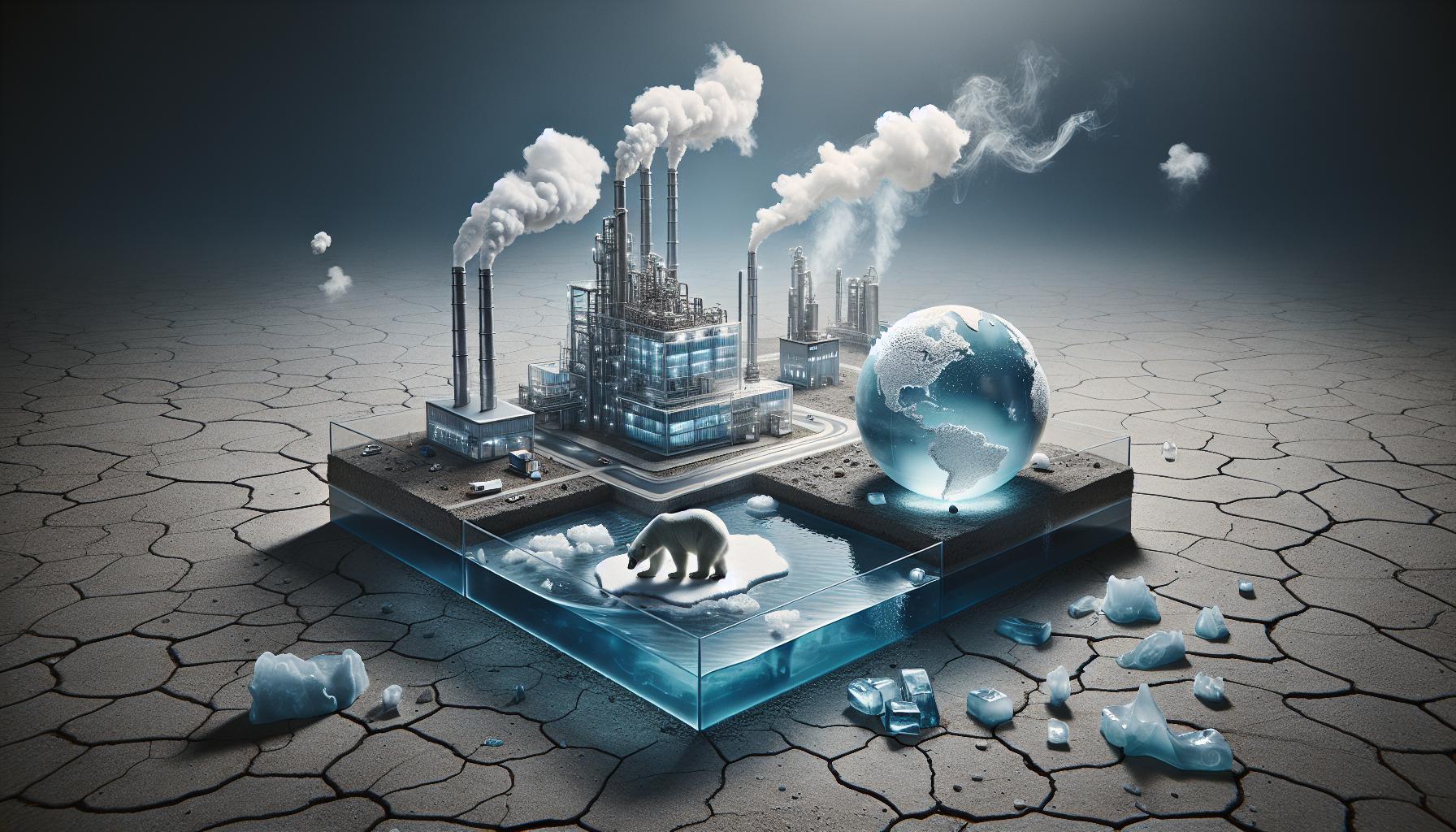
Greenhouse gases (GHGs) such as carbon dioxide (CO2), methane (CH4), and nitrous oxide (N2O) are fundamental to understanding climate change, as they trap heat in Earth’s atmosphere, creating a ‘blanket’ effect. The concentration of these gases has significantly increased since the 18th century due to human activities, transforming what was once a natural balance into a daunting reality. For instance, CO2 levels have risen by more than 40% since the Industrial Revolution, primarily from burning fossil fuels and deforestation. This unnaturally high concentration intensifies the greenhouse effect, leading to global warming and severe disruptions in climate patterns.
The role of each GHG varies markedly, impacting climate science in unique ways. Carbon dioxide, the most prevalent, remains in the atmosphere for thousands of years, making it a long-term concern. Methane, while present in smaller quantities, is over 25 times more effective than CO2 at trapping heat over a 100-year period. This potency is critical to understanding efforts to mitigate climate change. Nitrous oxide, predominantly released from agricultural practices, is also a significant contributor, being nearly 300 times more effective than CO2 over a century. Listeners can visualize the importance of reducing emissions across all GHGs, despite the differences in their concentrations and lifespan in the atmosphere.
A deeper analysis into the mechanisms of GHG emissions reveals how they interface with global systems. Human activities such as industrial production, transportation, and agriculture lead to an untenable burden of emissions that municipalities and nations must manage. Comprehensive strategies are needed to tackle these emissions, such as transitioning to renewable energy sources, enhancing energy efficiency, and promoting sustainable agricultural practices. It’s essential for communities to engage in carbon sequestration-using forests and other ecosystems to absorb CO2, which plays a crucial role in offsetting emissions.
Understanding the differences in greenhouse gases, their respective contributions to climate change, and the ways to mitigate their impacts empowers individuals and societies to take meaningful action. This knowledge not only furthers awareness of the climate crisis but also inspires proactive measures to reduce our collective carbon footprint and shift towards sustainable practices, ultimately helping to stabilize our climate for future generations.
How Greenhouse Gases Impact Global Temperatures
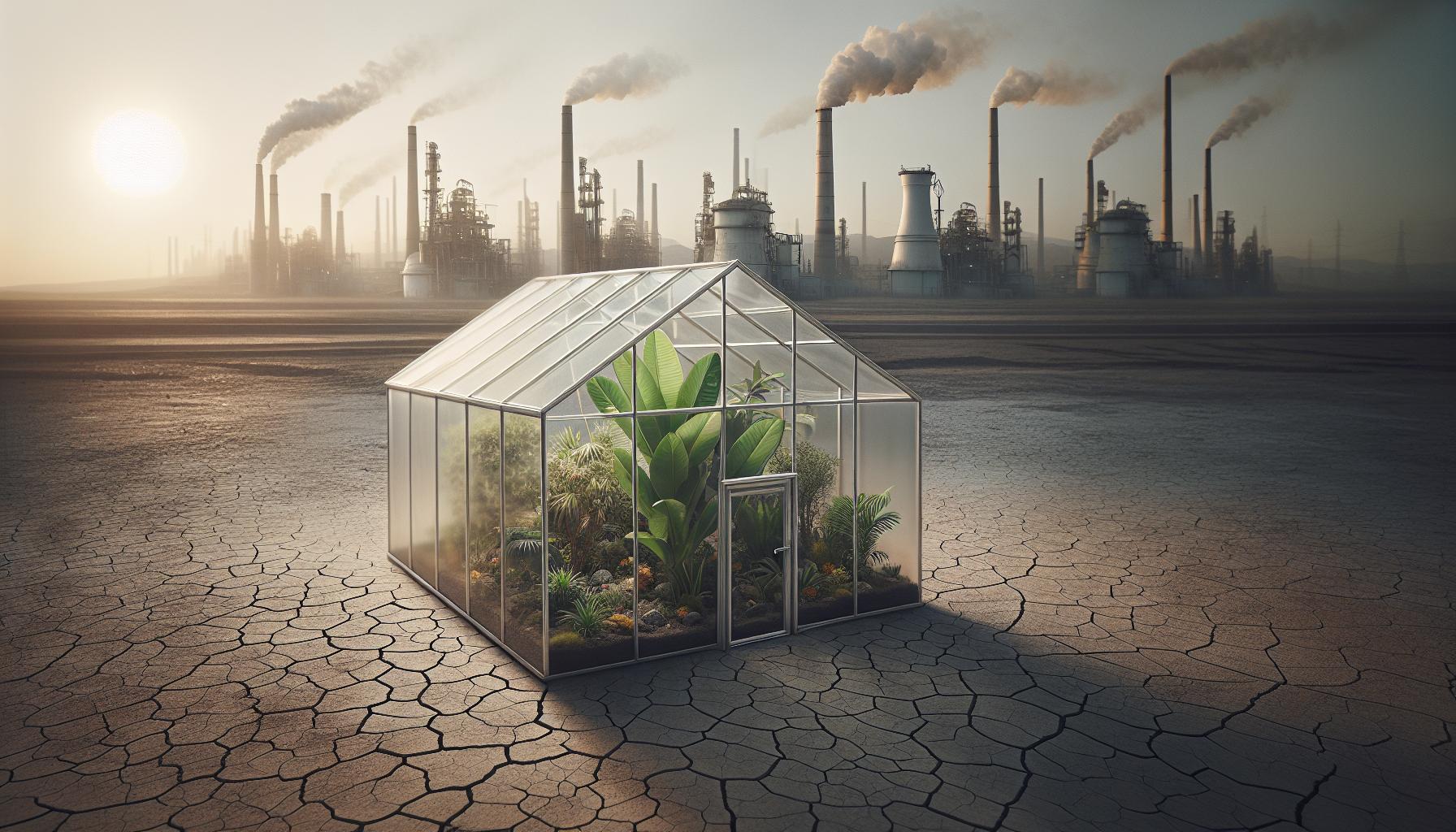
The relentless rise in global temperatures can largely be attributed to the increasing concentrations of greenhouse gases (GHGs) in our atmosphere. These gases act like a thermal blanket, trapping heat and preventing it from escaping into space. The enhanced greenhouse effect due to human activities has led to a staggering increase in average global temperatures, with significant implications for our planet’s climate systems, ecosystems, and human societies.
Understanding requires a closer look at their unique properties. For instance, carbon dioxide, which remains in the atmosphere for thousands of years, plays a crucial role due to its long-term warming potential. Its concentration has risen by more than 40% since the Industrial Revolution, primarily from burning fossil fuels, deforestation, and various industrial processes. In contrast, methane is far more potent-over 25 times more effective than CO2 at trapping heat in the short term. While methane makes up a smaller portion of total emissions, its impact on warming during its relatively short lifespan (about 12 years) is profound and immediate. Nitrous oxide, used extensively in agriculture, is nearly 300 times as effective as CO2 over a century, compounding the urgency for actionable mitigation strategies.
The connection between these emissions and temperature rise is illustrated vividly through recent climate data. For example, the last decade has seen some of the hottest years on record, underscoring the urgency of addressing GHG emissions. Climate models predict that without significant reductions in GHGs, we may exceed critical temperature thresholds-such as the 1.5°C target set by the Paris Agreement-leading to catastrophic consequences like extreme weather events, sea-level rise, and loss of biodiversity.
To combat these challenges, individuals and organizations can implement changes that collectively make a significant difference. Here are some practical steps to consider:
- Transition to renewable energy sources like solar and wind power to reduce dependency on fossil fuels.
- Enhance energy efficiency in homes and businesses through upgrades to insulation, energy-efficient appliances, and smart technology.
- Support sustainable agricultural practices that minimize fertilizer use and promote soil health to lower nitrous oxide emissions.
- Engage in local conservation efforts to protect forests and wetlands, which naturally sequester carbon dioxide.
By taking these actions, individuals and communities can play a significant role in curbing greenhouse gas emissions and mitigating their impact on global temperatures. As awareness of these issues grows, it becomes increasingly essential for everyone to understand their role in fostering a sustainable future.
Debunking Common Myths About Climate Change
The reality of climate change often gets clouded by misconceptions and myths that can obscure the urgency and seriousness of the situation. For instance, one common myth is that climate change is a natural phenomenon that has been occurring for millions of years, ignoring the fact that the current rate of warming is unprecedented and directly linked to human activities. According to the U.S. EPA, since the mid-20th century, greenhouse gases from human activities have been the most significant driver of observed climate change[2]. This evidence underscores that while climate fluctuations are natural, the rapid changes we see today are primarily caused by human-induced emissions, particularly from fossil fuels and deforestation[1].
Another prevalent misconception is that climate change is a distant issue that won’t affect us in our lifetime. In reality, the consequences are already apparent, manifesting as extreme weather patterns, rising sea levels, and disruptions in agricultural productivity. Recent climate data show that the past decade has experienced some of the hottest years on record, leading to severe impacts on both ecosystems and human societies[1]. From the intensification of hurricanes to prolonged droughts, the costs of inaction are mounting, making it imperative for us to take immediate action.
Furthermore, many people believe that individual actions are too small to make a meaningful difference. While it’s true that systemic change is essential, the cumulative impact of individual actions can be significant. For example, transitioning to renewable energy sources, enhancing energy efficiency in homes, or supporting sustainable agricultural practices are all steps that can collectively help mitigate climate change[1]. By fostering a mindset of responsibility and proactive change, individuals can contribute to broader efforts to reduce greenhouse gas emissions and protect our planet.
To effectively combat these myths, educating ourselves and others about the science of climate change and the tangible steps we can take is crucial. Increasing awareness and promoting constructive dialogue can help dismantle misinformation, empowering more people to participate in the fight against climate change and fostering a culture of sustainability and resilience. By understanding the facts and embracing our role in addressing this global challenge, we can create a more sustainable future for generations to come.
Comparing Greenhouse Gases: CO2, Methane, and Nitrous Oxide
The understanding of greenhouse gases is vital in addressing climate change, particularly when assessing the major contributors: carbon dioxide (CO2), methane (CH4), and nitrous oxide (N2O). While all these gases are pivotal in trapping heat in the atmosphere, their potency and impact on global warming vary significantly. CO2, for example, is the most abundant greenhouse gas emitted by human activities, especially through the burning of fossil fuels and deforestation. It persists in the atmosphere for centuries, making its long-term effects particularly concerning.
In contrast, methane, though present in smaller quantities than CO2, is over 25 times more effective at trapping heat over a 100-year period, according to the Environmental Protection Agency (EPA). Methane is primarily emitted during the production and transport of coal, oil, and gas, as well as by livestock and other agricultural practices. In urban settings, landfills are also major sources of methane emissions. This potent gas has a much shorter atmospheric lifespan, approximately a decade, but its immediate impact on the climate is profound, underscoring the need for swift action to reduce its release.
Nitrous oxide, another significant greenhouse gas, has a global warming potential about 298 times greater than CO2 over a century. It’s mainly released from agricultural and industrial activities, as well as during the combustion of fossil fuels and solid waste. The unique challenge with nitrous oxide lies in its linkage to agricultural fertilizers, where its emissions can be reduced through best management practices in farming.
To effectively combat climate change, it’s crucial to address the emissions of all these gases comprehensively. Here are some practical approaches individuals and communities can take to minimize their greenhouse gas emissions:
- Energy Efficiency: Improving energy efficiency in homes and transportation significantly reduces CO2 emissions. Simple actions like using energy-efficient appliances and public transportation can make a big difference.
- Dietary Choices: Reducing meat consumption can decrease methane emissions, given that livestock farming is a major source.
- Waste Management: Implementing better waste disposal methods, such as composting and recycling, can decrease methane emissions from landfills.
- Sustainable Agriculture: Utilizing agricultural practices that minimize fertilizer use and enhance soil health can lower nitrous oxide emissions.
By understanding the differences between CO2, methane, and nitrous oxide, we can adopt targeted strategies for reducing our impact on the climate and fostering a healthier planet.
The Feedback Loop: Greenhouse Gases and Climate Systems
The dynamic relationship between greenhouse gases and Earth’s climate systems creates a compelling feedback loop that intensifies the impacts of climate change. As greenhouse gas concentrations rise, they lead to an increase in global temperatures, which in turn affects natural systems that can further amplify, or mitigate, these changes. For instance, warming temperatures can reduce snow and ice cover, decreasing the Earth’s albedo effect (the reflection of solar energy back into space). This not only exacerbates warming but also creates a vicious cycle where less reflective surfaces (like oceans) absorb more heat.
Natural processes can also release more greenhouse gases, amplifying this feedback. For example, as permafrost thaws due to rising temperatures, trapped methane is released into the atmosphere. This process is concerning, given that methane is significantly more potent than CO2 in its heat-trapping capacity. A study by the United Nations highlighted that an increase in global temperatures may trigger a series of irreversible changes in ecosystems, further perpetuating greenhouse gas emissions and making climate stabilization increasingly difficult [2].
To break this cycle, targeted actions are necessary. Incorporating practices such as reforestation and soil carbon sequestration not only helps absorb CO2 from the atmosphere but also enhances ecosystem resilience. Communities can take proactive steps to adopt sustainable agricultural methods, which not only combat emissions but also promote biodiversity and strengthen local economies. These practices can act as buffers against the feedback loop effects by supporting healthy ecosystems that maintain carbon storage and reduce emissions.
In tackling the feedback effects of greenhouse gases, it’s essential for individuals to engage in broader systemic changes as well. Advocating for policy changes that prioritize renewable energy and strengthen regulations on emissions can lead to significant impacts at the macro level. By choosing renewable energy sources, supporting sustainable products, and reducing individual carbon footprints-is integral to addressing not just the symptoms of climate change but also its underlying causes. Together, we can work towards a more balanced climate system that nurtures both the planet and its inhabitants.
Climate Change Consequences: What’s at Stake?
The rising levels of greenhouse gases in our atmosphere pose unprecedented risks to our planet, underscoring the urgency of addressing climate change. More than just a gradual warming, the effects ripple through ecosystems, economies, and communities, painting a stark picture of what’s at stake. As temperatures rise, we face increased extreme weather events, altering rainfall patterns, sea level rise, and the loss of biodiversity. Each of these impacts has profound implications for food security, public health, and the displacement of millions of people.
Extreme Weather and Its Consequences
One immediate consequence of climate change is the increase in extreme weather events. Hurricanes, droughts, and floods are becoming more frequent and severe. For example, according to the National Oceanic and Atmospheric Administration (NOAA), rising temperatures lead to more water vapor in the atmosphere, which fuels powerful storms and heavy rain. This not only endangers lives but also disrupts ecosystems and agriculture, leading to potential food shortages. On a micro level, communities are already grappling with the cost of recovery and adaptation, highlighting the direct economic implications of climate inaction.
Impacts on Biodiversity and Ecosystems
The threat to biodiversity cannot be overstated. As habitats shift due to increased temperatures, many species struggle to adapt or migrate. The International Union for Conservation of Nature (IUCN) has warned that climate change is among the leading causes of species extinction. The decline in biodiversity disrupts ecosystem services such as pollination, water purification, and carbon sequestration, which are crucial for human survival. For example, as reefs bleach and die from warming ocean temperatures, entire fisheries, which support millions of livelihoods, face collapse.
Human Displacement and Societal Impacts
Displacement is another drastic outcome of climate change. Countries already facing food insecurity and overwhelmed by extreme weather may experience mass migrations, straining resources in host communities and nations. A report by the United Nations projects that by 2050, climate change could force over 140 million people to relocate within their countries. This internal displacement adds layers of complexity to existing social and economic challenges, potentially leading to conflict over scarce resources.
In light of these consequences, it is crucial for individuals, communities, and governments to collaborate on strategies to mitigate climate change. Sustainable practices like reducing waste, advocating for clean energy, and prioritizing green infrastructure can make a significant difference. As we engage in community dialogues and support policies aimed at reducing greenhouse gas emissions, we can collectively shape a more sustainable future that not only protects our environment but also fosters resilience for generations to come. Empowering action at individual and community levels is vital in turning the tide against this global challenge.
Human Activities That Increase Greenhouse Gas Emissions
The intricate dance of human activity and greenhouse gas emissions plays a pivotal role in exacerbating climate change. As our global population grows and economies expand, we find ourselves on a trajectory that has dramatically increased the concentration of greenhouse gases in the atmosphere. In fact, greenhouse gas emissions rose by 51% from 1990 to 2021, highlighting the urgent need for change in how we conduct our lifestyles and industries [1].
One of the primary culprits is the combustion of fossil fuels for energy. This encompasses everything from electricity generation to transportation. When we drive cars, fly planes, and produce electricity from coal or natural gas, carbon dioxide (CO2) is released into the atmosphere, contributing to the greenhouse effect. The U.S. Environmental Protection Agency notes that human activities added significant warming effects from greenhouse gases to the Earth’s atmosphere over the years, further intensifying climate-related issues [2]. Transitioning to renewable energy sources such as solar, wind, and hydroelectric power can significantly reduce these emissions and attenuate climate change risks.
Agricultural practices also play a leading role in greenhouse gas emissions. Activities such as livestock farming generate methane, a potent greenhouse gas that is significantly more effective at trapping heat in the atmosphere compared to CO2. Fertilizer application, often rich in nitrogen, leads to nitrous oxide emissions, which are another contributing factor to global warming. By adopting sustainable agricultural techniques, such as improved manure management and crop rotation, we can help mitigate these emissions. Local farmers have begun embracing such methods, demonstrating that both productivity and sustainability can go hand in hand.
Industrial processes are equally responsible for emissions. Manufacturing, waste management, and construction activities release a variety of greenhouse gases, including CO2 and fluorinated gases. As industries evolve, implementing energy-efficient practices, reducing waste, and utilizing cleaner technologies can significantly cut emissions. For instance, businesses can shift towards circular economy models, which emphasize resource efficiency and waste reduction, effectively minimizing their carbon footprint while boosting economic resilience.
To truly impact greenhouse gas emissions, collective action is essential. Individual behavioral changes, such as reducing energy consumption, opting for public transportation, or supporting local and sustainable products, can contribute to a larger movement towards sustainability. Consider engaging in community initiatives that support renewable energy projects or promote energy-efficient practices. Together, we have the power to address the challenges posed by greenhouse gases, fostering a healthier planet for future generations.
Mitigation Strategies to Reduce Greenhouse Gases
Implementing effective strategies to reduce greenhouse gases is essential in combating climate change and safeguarding our future. One impactful approach is transitioning to renewable energy sources, such as solar, wind, and geothermal. These alternatives not only eliminate carbon dioxide emissions associated with fossil fuels but also create significant economic opportunities. For instance, a report by the International Renewable Energy Agency estimates that transitioning to renewables could create over 24 million jobs globally by 2030. Communities adopting solar energy have seen lower electricity costs and enhanced energy security, proving that sustainable energy can be both environmentally and economically beneficial.
Enhancing Energy Efficiency
Another critical avenue for mitigation involves enhancing energy efficiency across various sectors. Simple actions, such as upgrading insulation in buildings or utilizing energy-efficient appliances, can drastically lower energy consumption. For example, the U.S. Department of Energy states that households can save up to 25% on energy costs by using Energy Star-rated products. On a larger scale, industries can conduct energy audits to identify inefficiencies and implement technologies to optimize energy use. This not only reduces greenhouse gas emissions but often leads to considerable cost savings for businesses.
Sustainable Agricultural Practices
Agriculture, a significant source of methane and nitrous oxide emissions, can also adopt practices that minimize environmental impact. Techniques like precision farming, cover cropping, and agroforestry improve soil health and carbon sequestration. For example, a study published in *Nature* highlighted that integrating cover crops into farming systems could sequester up to 1.2 billion tons of CO2 equivalent annually. Moreover, livestock management practices like rotational grazing can reduce methane emissions while enhancing pasture health, demonstrating that sustainability and productivity can coexist.
Advocating for Policy Changes
Policy advocacy plays a vital role in driving climate action. Supporting legislation that promotes carbon pricing, renewable energy subsidies, and stricter emissions regulations can create a framework that incentivizes lower greenhouse gas emissions. For instance, California’s Cap-and-Trade program has successfully lowered emissions while generating billions in revenue for climate initiatives. Collective efforts at local, national, and international levels are essential in establishing a regulatory environment that encourages sustainable practices on all fronts.
By employing these mitigation strategies, we can foster a comprehensive approach to reducing greenhouse gases. As individuals, communities, and organizations work collaboratively to integrate renewable energy, enhance efficiency, practice sustainable agriculture, and support favorable policies, we can make significant strides in the fight against climate change. Every action, from grassroots initiatives to global agreements, contributes toward creating a sustainable and resilient future.
Global Policies and Agreements on Climate Change
The body of evidence linking greenhouse gases to climate change has propelled international action, resulting in numerous policies and agreements aimed at mitigating their impacts. One prominent framework is the Paris Agreement, adopted in 2015, which unites nearly 200 countries in a commitment to limit global temperature rise to well below 2 degrees Celsius above pre-industrial levels. Countries set their own emissions reduction targets-known as Nationally Determined Contributions (NDCs)-and are encouraged to enhance these commitments every five years. This self-determined approach fosters accountability while allowing nations to tailor their strategies according to specific circumstances and capabilities.
Influential Policies and Mechanisms
At the national level, many countries have developed comprehensive climate action plans that not only implement emissions targets but also invoke policies to promote renewable energy, enhance energy efficiency, and protect forests-vital carbon sinks. For example, the European Union’s Green Deal aims to make Europe the first climate-neutral continent by 2050. This includes legislative initiatives such as the European Climate Law, which establishes legally binding targets for reducing emissions. Similarly, the U.S. re-joined the Paris Agreement under the Biden administration, emphasizing a swift transition toward clean energy innovation while aiming for a 50-52% reduction in greenhouse gas emissions by 2030 compared to 2005 levels.
Local and Community Initiatives
Beyond international agreements, local governments are increasingly taking the initiative to tackle climate change by implementing city-level sustainability plans. Cities like San Francisco and Copenhagen have set aggressive goals to become carbon-neutral by 2030 and 2025, respectively. This includes investments in public transportation, urban greening projects, and building retrofitting programs that not only lower emissions but also improve residents’ quality of life. Engaging local communities in these initiatives fosters support and participation, ensuring that climate policies resonate on a personal level and aligning environmental responsibility with community identity.
The success of global policies and agreements hinges on collaboration between nations, companies, and individuals. By integrating science-driven targets into political frameworks and embracing innovative local solutions, the world can foster a unified effort to address the roots of climate change. With every agreement and policy aimed at reducing greenhouse gas emissions, there lies an opportunity for real transformation, demonstrating that committed collective action can steer humanity towards a more sustainable and resilient future.
The Future of Earth: Can We Reverse Climate Change?
As the impacts of climate change become increasingly evident, the pressing question arises: is it possible to reverse the damage caused by greenhouse gases? While the challenge is daunting, there is a growing body of evidence suggesting that through dedicated action and innovative approaches, we can mitigate and potentially reverse some of the adverse effects of climate change. For instance, nature has an incredible ability to heal itself given the right conditions and support, which underscores the importance of restoration and regeneration efforts focused on ecosystems, such as reforestation and wetland restoration.
Nature-Based Solutions
One of the most promising avenues for reversing climate change effects lies in nature-based solutions (NbS). These strategies work with natural processes to enhance carbon sequestration, improve biodiversity, and increase ecosystem resilience. Examples include:
- Reforestation and afforestation: Planting trees not only captures carbon dioxide from the atmosphere but also supports habitat regeneration and biodiversity. The Trillion Tree Campaign aims to plant one trillion trees globally, exemplifying how collective action can drive significant change.
- Soil restoration: Healthy soils are carbon sinks that capture and store carbon. Implementing regenerative agricultural practices can restore soil health, leading to improved crop yields and reduced carbon emissions.
- Wetland conservation: Wetlands are vital to carbon storage, acting as buffers against flooding and providing critical wildlife habitats. Protecting and restoring these ecosystems can deliver multiple benefits.
Technological Innovations
In parallel with natural solutions, technological innovations are emerging as crucial components in the fight against climate change. Carbon capture and storage (CCS) technology allows for the direct removal of carbon dioxide emissions from industrial processes and the atmosphere. Developments in renewable energy technologies, such as solar and wind power, are also pivotal. As these technologies become more efficient and affordable, they pave the way for broader adoption, reducing reliance on fossil fuels.
Moreover, advancements in green hydrogen production offer a pathway to decarbonize sectors that are hard to electrify, like heavy transport and industry. By harnessing clean energy to produce hydrogen, we can create a sustainable fuel source that could significantly mitigate greenhouse gas emissions.
Community Engagement and Educational Initiatives
Public awareness and engagement are vital in reversing climate change. Local initiatives, such as community gardens or urban forestry projects, empower individuals to take part in solutions that directly enhance their environments. Furthermore, educational programs that emphasize sustainability can cultivate a culture of environmental stewardship, prompting more individuals to adopt eco-friendly practices in their daily lives.
Collaborations between local governments, community organizations, and citizens can lead to ambitious goals that resonate on a personal level, fostering a sense of ownership over local ecosystems and climate actions.
The potential to reverse climate change hinges on a multifaceted approach that includes nature-based solutions, technological innovation, and community engagement. With persistent effort, informed policies, and collective responsibility, we can shape a healthier future for our planet. Indeed, the commitment to create sustainable practices today lays the groundwork for a thriving Earth tomorrow, demonstrating that it is not only possible but increasingly necessary to act decisively and collaboratively in the face of this global challenge.
Taking Action: How Individuals Can Make a Difference
Recognizing that individual actions can collectively lead to significant change is a powerful motivator in addressing climate change. Each person’s choices contribute to the larger issue of greenhouse gas emissions, which are the leading cause of our changing climate. Simple lifestyle adjustments can greatly reduce one’s carbon footprint and inspire others to follow suit. For example, reducing meat consumption or opting for a plant-based diet can significantly lower methane emissions tied to livestock farming.
Everyday Actions That Count
Making a difference starts at home. Here are some actionable steps individuals can take to combat greenhouse gas emissions:
- Energy Efficiency: Switch to energy-efficient appliances and LED lighting. This not only reduces your energy bills but also cuts down on electricity consumption, curbing emissions associated with energy production.
- Transportation Choices: Consider walking, biking, carpooling, or using public transportation instead of driving alone. Electric or hybrid vehicles are also excellent alternatives for reducing gasoline consumption and emissions.
- Waste Reduction: Practice recycling and composting to minimize landfill waste. Landfills produce methane, a potent greenhouse gas, so reducing the amount of waste you generate can greatly impact emissions.
- Support Renewable Energy: If possible, opt for renewable energy sources from your utility provider or invest in solar panels for your home. Supporting wind, solar, and other clean energy developments is vital for transitioning away from fossil fuels.
Engagement and Advocacy
Beyond personal lifestyle changes, individuals can make a difference by engaging in community and advocacy efforts. Participating in local environmental organizations or attending town meetings focused on sustainability can amplify impact. Becoming an advocate for policies that promote reforestation, clean air, and clean water protections can help usher in larger systemic changes.
For instance, many communities engage in tree-planting initiatives, which not only beautify neighborhoods but also enhance local ecosystems and absorb carbon from the atmosphere. Your involvement can help raise awareness and motivate others in your community to act, fostering a culture of sustainability.
Taking these steps not only mitigates emissions but also enhances personal well-being and community resilience. By embracing a proactive attitude and involving others in the journey toward sustainability, each individual can help create a substantial difference in combating climate change.
FAQ
Q: How do greenhouse gases contribute to climate change?
A: Greenhouse gases trap heat in the atmosphere, leading to global warming. As these gases accumulate, they enhance the greenhouse effect, which raises average temperatures and disrupts weather patterns, contributing to climate change.
Q: What are the main greenhouse gases causing climate change?
A: The primary greenhouse gases contributing to climate change are carbon dioxide (CO2), methane (CH4), and nitrous oxide (N2O). Each has a different heat-trapping capability and persists in the atmosphere for varying lengths of time, impacting the climate.
Q: Do all greenhouse gases have the same impact on climate change?
A: No, not all greenhouse gases have the same impact. For example, while CO2 is prevalent, methane is over 25 times more effective at trapping heat over a 100-year period, making it significantly more potent regarding climate change effects.
Q: Can reducing greenhouse gas emissions reverse climate change?
A: Reducing greenhouse gas emissions can significantly mitigate climate change effects but may not completely reverse its impacts. Innovative technologies and policies aimed at lowering emissions are essential for achieving this goal while promoting sustainable practices.
Q: How do human activities increase greenhouse gas emissions?
A: Human activities such as fossil fuel combustion, deforestation, and industrial processes significantly increase greenhouse gas emissions. These actions release CO2 and other gases into the atmosphere, intensifying climate change and environmental degradation.
Q: What methods are used to measure greenhouse gas emissions?
A: Common methods to measure greenhouse gas emissions include direct atmospheric sampling, remote sensing technologies, and modeling techniques that estimate emissions based on fuel consumption data and land-use practices.
Q: What role do policies play in reducing greenhouse gas emissions?
A: Policies play a crucial role in reducing greenhouse gas emissions by setting regulatory limits, providing incentives for clean energy, and promoting efficiency. Global agreements, like the Paris Accord, aim to unify nations in combatting climate change.
Q: How can individuals help reduce greenhouse gas emissions?
A: Individuals can help by reducing energy consumption, using public transport, adopting renewable energy sources, and supporting sustainable products. Small lifestyle changes contribute to decreasing greenhouse gas emissions and mitigating climate change impacts.
Insights and Conclusions
Understanding the significant role greenhouse gases play in climate change is just the beginning of our journey towards a sustainable future. As you’ve learned, these gases not only alter our planet’s temperature but also threaten our ecosystems and communities. The urgency to act is greater than ever. Join the fight against climate change by exploring practical solutions and staying informed about the latest environmental developments.
Continue your exploration with our articles on the impact of climate change on biodiversity and effective strategies for reducing your carbon footprint. By signing up for our newsletter, you’ll receive the latest insights and actionable tips right in your inbox, empowering you to make informed decisions every day. Together, we can contribute to a healthier planet. Don’t hesitate-take your next step towards understanding and combating climate change now!
Get our latest guides, news, and insights highlighted in your Google Search & AI Overviews.