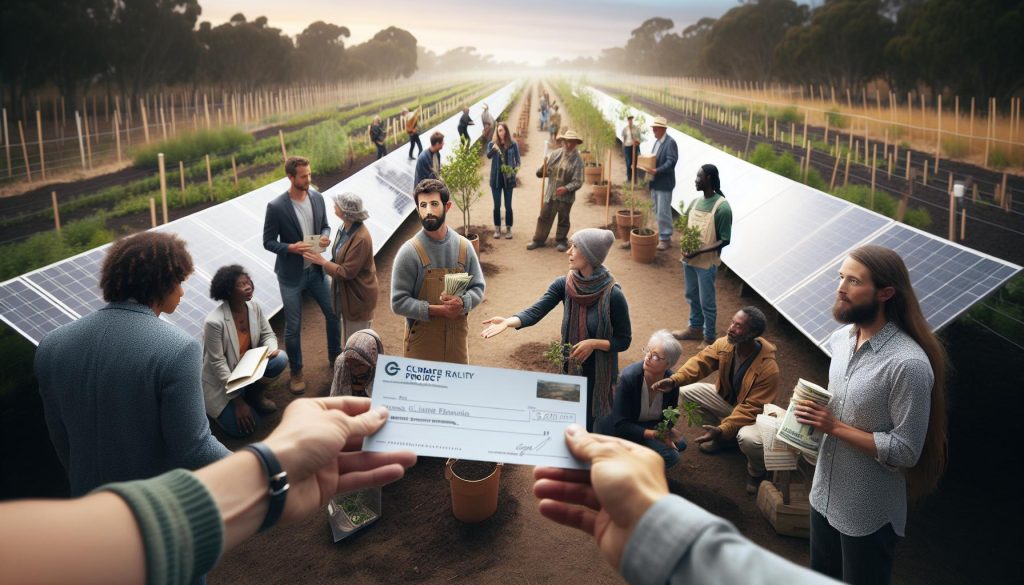
As climate change increasingly disrupts our daily lives, understanding the role of organizations like the Climate Reality Project becomes crucial. Many wonder: does this nonprofit provide funding for climate initiatives, and if so, how can these funds support community-led solutions? This article delves into the funding structures of the Climate Reality Project, highlighting how they mobilize resources to empower individuals and communities across the nation. By exploring their financial strategies and impacts, we aim to provide clarity on how your support can amplify climate action. Together, we can turn knowledge into action and foster a sustainable future. Curious about how your contributions can make a difference? Let’s uncover the vital link between funding and effective climate advocacy.
Does The Climate Reality Project Provide Funding?
The Climate Reality Project is dedicated to fostering initiatives that combat the climate crisis through advocacy, education, and grassroots organizing. While its primary focus is not on directly providing funding, the organization works to influence funding practices and promotes financing for climate solutions. They engage with major financial institutions, like the World Bank, advocating for the cessation of fossil fuel funding and urging support for just clean energy projects that are crucial for sustainable development [[2]].
Organizations and projects aspiring to receive financial backing can find valuable resources and support through The Climate Reality Project’s educational and advocacy programs. The organization emphasizes a shift in global financial practices towards investments in climate solutions rather than climate destruction. For example, they champion innovative financing mechanisms that can empower communities and projects focused on renewable energy and sustainable practices [[3]].
Essentially, while the Climate Reality Project itself does not offer direct funding, it plays a pivotal role in shaping a favorable climate funding landscape that significantly benefits organizations and communities engaged in meaningful climate action. By mobilizing public support and leveraging partnerships, they aim to increase access to financial resources essential for transitioning towards a sustainable future.
Understanding The Climate Reality Project’s Mission
The Climate Reality Project stands at the forefront of the fight against climate change, driven by a mission to educate, advocate for policy change, and empower grassroots movements worldwide. Founded by former Vice President Al Gore, the organization seeks to equip individuals and communities with the knowledge and tools necessary to confront the climate crisis head-on. With an emphasis on science-based education, it endeavors to transform understanding of climate issues, making the urgency for action clear and compelling.
By fostering a global community of activists and influencers, The Climate Reality Project cultivates awareness around the transformative potential of climate solutions. Their initiatives often emphasize practical responses to climate change, such as renewable energy deployment and energy efficiency improvements, which not only help mitigate climate risks but also create sustainable jobs. For instance, the organization actively campaigns for divestment from fossil fuels and promotes equity-centered approaches to finance that prioritize investments in marginalized communities affected by climate policies.
In addition to grassroots advocacy, The Climate Reality Project engages with financial institutions and policymakers to push for a significant shift in investment strategies. This includes rallying support for clean energy projects and Responsible Investment practices that align with scientific recommendations for climate action. By changing the narrative around funding sources, the organization seeks to end financial backing for fossil fuels while promoting a just transition to sustainable energy systems.
Overall, The Climate Reality Project’s mission is not just about combatting climate change; it encompasses a broader vision of creating a resilient, equitable world. Through education, advocacy, and collaboration, the organization empowers stakeholders at all levels-from individual citizens to major financial institutions-to join hands in pursuit of a sustainable future.
Where Does The Funding Come From?
The financial foundation of The Climate Reality Project is robust and diverse, primarily fueled by a mix of private donations and proceeds from former Vice President Al Gore’s impactful work, including his books and the well-known documentary *An Inconvenient Truth*. This dual-source approach not only enhances the organization’s financial stability but also aligns with its mission to drive significant climate action by empowering individuals and communities. By maintaining transparency in its funding sources, The Climate Reality Project builds trust and credibility within the communities it serves.
Moreover, the funding structure reflects a broader engagement strategy with various stakeholders. Supporters range from individuals passionate about climate justice to larger donors who recognize the urgency of addressing climate change. This entrenched network of funding allows the organization to not only sustain its operations but also to develop and implement innovative initiatives that encourage grassroots activism and policy advocacy.
Funding Utilization and Strategic Investment
The funding received by The Climate Reality Project is strategically allocated across a variety of impactful initiatives, such as educational programs, campaigns advocating for renewable energy, and efforts aimed at promoting equity in environmental policies. For instance, their campaigns often focus on mobilizing communities to divest from fossil fuels while supporting clean energy transitions. The organization’s commitment to responsible investment practices further emphasizes the importance of directing funds toward initiatives that prioritize sustainability and social equity, creating a ripple effect in communities disproportionately affected by climate impacts.
By effectively using its financial resources, The Climate Reality Project not only amplifies its educational outreach but also catalyzes action at multiple levels-from individuals embracing sustainable practices to policymakers enacting necessary reforms. This holistic approach ensures that financial contributions directly translate into tangible actions and progress in the fight against climate change.
Types of Initiatives Funded by The Climate Reality Project
The Climate Reality Project channels its funding into a diverse array of initiatives that drive impactful climate action worldwide. By prioritizing educational outreach and community engagement, the organization fosters a culture of sustainability and empowers individuals to make significant changes.
One of the primary types of initiatives funded includes educational programs designed to raise awareness about climate change and its impacts. These programs often incorporate workshops, webinars, and community events that inform participants about the science of climate change, its societal effects, and effective strategies for mitigation. For example, training programs for grassroots organizers equip them with the tools necessary to lead local climate campaigns, creating a ripple effect of informed activism.
Another critical area of funding supports renewable energy advocacy campaigns aimed at transitioning communities away from fossil fuels. The Climate Reality Project collaborates with local organizations to promote the adoption of solar, wind, and other clean energy alternatives. These initiatives not only contribute to reducing greenhouse gas emissions but also encourage job creation in the renewable energy sector. Success stories from these campaigns highlight tangible outcomes, such as increased energy efficiency and lowered utility bills for households that switch to renewable sources.
Equity in environmental policies also receives considerable attention through initiatives focused on social justice and inclusion. The Climate Reality Project aims to ensure that the voices of marginalized and underrepresented communities are included in climate discussions and policy-making. This includes funding for projects that advocate for equitable climate policies, support transitions to green economies, and address the disproportionate impacts of climate change on vulnerable populations.
Ultimately, the diverse funding mechanisms of The Climate Reality Project not only facilitate a wide range of initiatives, but they also weave together a comprehensive approach to tackling climate change. By combining education, advocacy, and social equity, these initiatives embody a holistic vision for a sustainable future, demonstrating how strategic funding can lead to meaningful change in communities globally.
The Impact of Funding on Climate Change Initiatives
The transformative power of funding in climate change initiatives cannot be overstated; it extends beyond mere financial support to inspire innovation, foster community resilience, and facilitate long-term sustainability. Organizations like The Climate Reality Project leverage their funding to implement tangible solutions that combat climate change while also addressing social inequities. By investing in grassroots movements and community-driven projects, they lay the groundwork for meaningful systemic change.
One notable impact of funding is seen in educational outreach programs. These programs serve as a vital resource for communities grappling with the effects of climate change. By funding workshops and training sessions, The Climate Reality Project equips individuals with the knowledge and skills needed to advocate for and implement sustainable practices within their own communities. For instance, local municipalities that adopt solar energy solutions often see a decrease in energy costs and an increase in local job opportunities in the renewable sector, showcasing a direct link between funding educational initiatives and economic benefits.
Moreover, funding for renewable energy advocacy campaigns demonstrates the ability to drive collective action. The collaborations formed through these initiatives help communities transition away from fossil fuels, significantly reducing carbon footprints. A compelling example can be seen in towns that have successfully shifted to community solar projects, resulting in lowered utility bills and enhanced energy security for residents. This not only bolsters the local economy but also cultivates a culture of environmental stewardship.
In advocating for social justice, funding plays a crucial role in amplifying the voices of marginalized communities disproportionately affected by climate change. Initiatives that address these inequities ensure that diverse perspectives are incorporated into climate policies, fostering stronger, more inclusive solutions. By funding projects that promote equitable climate practices, The Climate Reality Project highlights the importance of social consciousness within environmental advocacy, reinforcing the idea that effective climate action must be inclusive.
Ultimately, creates a ripple effect that reaches far beyond the initial investment. By strategically channeling resources into educational programs, renewable energy campaigns, and social equity efforts, organizations like The Climate Reality Project not only tackle climate challenges but also empower communities to become active participants in crafting a sustainable future. This holistic approach not only addresses the current crisis but also lays a strong foundation for resilience in the face of future environmental challenges.
How to Apply for Funding from The Climate Reality Project
Navigating the process of securing funding from The Climate Reality Project can open doors to impactful climate initiatives, but it requires a clear understanding of their application framework. Whether you’re a community organization, an educational institution, or an individual advocate, grasping how to effectively present your project can significantly increase your chances of receiving support.
To begin, it’s essential to familiarize yourself with the specific funding priorities and criteria set by The Climate Reality Project. These often focus on projects that advance climate education, renewable energy adoption, and social justice initiatives. Start by thoroughly reviewing their official website for any guidance or documentation related to funding opportunities. This will not only outline eligibility requirements but also highlight the types of projects they have funded in the past, giving you a framework to shape your proposal.
Once you’ve clarified your project’s alignment with their mission, crafting a compelling application is your next step. Here are some practical strategies to consider:
- Define your project: Clearly articulate the objectives, target audience, and intended outcomes. Utilize data to support the need for your initiative, demonstrating how it addresses local or global challenges effectively.
- Engagement and collaboration: Illustrate how your project involves community members or partners. Highlighting collaborative efforts can be a persuasive factor, as The Climate Reality Project values collective action.
- Budget transparency: Provide a detailed budget that clearly outlines how the funds will be utilized. This should include direct costs, indirect costs, and potential matching funds, if applicable.
- Monitor and evaluate: Outline how you plan to assess the impact of your project. Having a robust evaluation plan signals to funders that you are committed to accountability and learning.
After you have submitted your application, prepare for follow-up communications. Being responsive and open to feedback from funders can enhance your relationship with The Climate Reality Project and potentially lead to future opportunities. Remember, each application can serve as a learning experience. Engaging with their team, whether through outreach or seeking guidance, can provide insights that further refine your project for potential funding.
By addressing these aspects effectively, you’ll position your project as a viable candidate for funding, paving the way for meaningful contributions towards combating climate change and advocating for social equity.
Exploring Partnerships and Collaborations
Building successful partnerships can significantly enhance the effectiveness of climate initiatives and broaden the impact of funding received from organizations like The Climate Reality Project. Collaboration not only pools resources and expertise but also strengthens community ties and amplifies the reach of environmental initiatives. Engaging with a diverse range of stakeholders-from local governments to nonprofits and businesses-creates a robust ecosystem for tackling climate issues.
A strategic partnership can provide access to specific skills or knowledge that may not exist within your organization. For instance, collaborating with a local university can bring valuable research insights and innovative solutions to environmental challenges, while non-profit organizations may offer extensive networks and established community trusts. Prioritizing inclusivity in partnerships can ensure that the voices of marginalized groups are considered, fostering social equity alongside environmental progress.
To cultivate effective partnerships, it’s beneficial to start by identifying potential allies whose goals align with yours. Consider hosting brainstorming sessions or community meetings to officially present your project and gather input, thereby generating buy-in from potential partners. Be clear about your objectives and the mutual benefits of the collaboration. For example, if your initiative focuses on renewable energy education, your project could benefit from input from local energy providers, while they gain community support and involvement in sustainability efforts.
Maintaining open lines of communication and setting clear expectations at the outset are crucial for the longevity and success of partnerships. Regular updates and shared evaluations help keep everyone informed and engaged, fostering a collaborative spirit that can lead to ongoing support and funding opportunities. Furthermore, showcasing successful partnerships through case studies or community impact reports can attract additional funding and inspire other organizations to join your cause.
In summary, strategic partnerships are not just beneficial but essential for driving impactful climate action. They enhance resource mobilization, foster innovation, and ensure that climate initiatives address a broad spectrum of community needs, ultimately leading to more sustainable and equitable solutions.
Success Stories: Funded Projects and Their Outcomes
The Climate Reality Project has a track record of supporting impactful initiatives that exemplify the power of funding to drive climate action. One notable success story is the initiative launched in collaboration with local communities in Brazil aimed at reforestation and sustainable agriculture. By providing targeted financial resources, this project not only promoted biodiversity but also enhanced the livelihoods of local farmers. Participants learned to adopt agroforestry practices, combining crop production with tree planting, resulting in improved soil health and increased crop yields. Within just a few years, the area saw a 30% increase in biodiversity and a significant rise in incomes for the farmers involved.
Similarly, a project funded in East Africa focused on improving renewable energy access in rural areas through solar installations. By subsidizing the cost of solar panels, the initiative reduced dependence on fossil fuels and provided reliable electricity to over 500 households, positively impacting education and health services. Schools could now utilize solar-powered lighting for after-hours study sessions, and clinics were able to store vaccines safely. The organization behind this initiative reported that household incomes increased by up to 20% as families saved on energy costs and were able to pursue new opportunities empowered by access to electricity.
Furthermore, The Climate Reality Project actively supports advocacy efforts aimed at influencing policy change. For instance, funding provided to grassroots organizations has resulted in greater participation of marginalized communities in climate policy discussions, ensuring that these voices are heard. This not only amplifies community concerns and aspirations but also leads to more robust and inclusive climate policies.
Key Takeaways from Funded Projects
- Empowerment through Education: Many projects incorporate educational components that teach communities sustainable practices.
- Community Engagement: Successful initiatives often involve stakeholders from the ground up, ensuring that local needs are met.
- Policy Impact: Funding support can extend beyond direct projects to influence vital policy changes that benefit climate resilience.
These examples illustrate how strategic funding from The Climate Reality Project not only addresses immediate environmental challenges but also fosters community resilience and sustainable development. By investing in such initiatives, we can collectively build a more sustainable future.
Comparative Analysis of Climate Funding Sources
Several funding sources contribute to climate change initiatives, each with distinct goals, mechanisms, and impacts. A comparative analysis reveals the nuances between these sources, providing valuable insights for stakeholders looking to drive effective climate actions.
One prominent source is governmental funding, which often comes from national, state, or local budgets allocated for environmental and climate initiatives. These funds are critical as they can offer substantial investment in large-scale projects such as renewable energy infrastructure or public transportation systems. For instance, the U.S. government has allocated billions towards clean energy projects through various acts, significantly impacting energy transition efforts. However, government funding can be inconsistent based on political climate, making long-term planning challenging.
In contrast, non-profit organizations, such as The Climate Reality Project, focus on grassroots and community-based initiatives. Their funding typically derives from donations, grants, and fundraising efforts. This funding model allows for agility in responding to immediate community needs and fosters projects that directly involve local stakeholders. For example, The Climate Reality Project has effectively funded various initiatives that empower marginalized communities and enhance local climate resilience through education and advocacy. This approach not only addresses environmental challenges but also promotes social equity by ensuring that affected communities have a voice in climate policy discussions.
Furthermore, private sector investments play a pivotal role in driving innovation and technology in the climate space. Corporations increasingly recognize the importance of sustainable practices, leading to investments in clean technology and renewable energy startups. For example, major tech companies are funneling resources into carbon capture technologies and sustainable supply chain initiatives, seeking to offset their carbon footprints. However, private funding often focuses on profit-generating solutions, which may not always align with the broader social equity goals of climate justice.
Lastly, international funding mechanisms, such as the Green Climate Fund, aim to support developing countries in their transition to sustainable practices. These funds provide essential financial support for projects that might otherwise lack funding due to economic constraints. Their global perspective encourages cross-border collaboration and the sharing of best practices, although accessing these funds can be complex and bureaucratic.
In summary, understanding the diverse landscape of climate funding sources enables stakeholders to strategically navigate the options available to them. Each source has its strengths and weaknesses; hence a multi-faceted approach that combines government, non-profit, private, and international funding is essential for creating a resilient and impactful climate action framework. By leveraging these various sources, initiatives can secure the necessary resources to tackle climate change effectively while addressing social dimensions of sustainability.
Public Perception of The Climate Reality Project’s Funding
Public interest in the funding practices of organizations like The Climate Reality Project reflects a broader desire for transparency and accountability in addressing climate change. Many individuals and groups are keenly aware that effective climate initiatives require sufficient financial backing, and they want to understand where that funding originates and how it’s used. This organization, founded by Al Gore, primarily relies on a mix of private donations, proceeds from Gore’s books, and revenue generated from his documentary *An Inconvenient Truth* to fuel its efforts and campaigns, including lobbying activities that total around $20,000 in 2025 alone[2](https://www.opensecrets.org/federal-lobbying/clients/summary?id=D000073615).
Supporters often view The Climate Reality Project positively, appreciating its commitment to grassroots actions aimed at empowering communities. Many perceive its funding model as a strength, positioning the organization to prioritize initiatives that resonate with local stakeholders and promote social equity. By aligning its resources with the voices of those directly affected by climate change, it fosters a sense of community involvement-a crucial element often missing in larger, bureaucratic initiatives. For instance, projects that enhance climate resilience in marginalized communities are well-received by the public, as they not only address environmental issues but also support social justice[1](https://www.influencewatch.org/non-profit/climate-reality-project/).
However, some criticisms arise concerning the reliance on private donations, as there are concerns that such funding sources may foster dependencies or biases in the organization’s priorities. Skeptics often question whether funding dynamics could steer organizations away from climate justice concerns towards more lucrative but less impactful initiatives. To counteract this potential skepticism, The Climate Reality Project actively showcases its funded initiatives and their outcomes, presenting compelling narratives that highlight both environmental and community benefits. This strategy fosters a greater public understanding of the real-world impacts of its funding decisions, making a case for continued support and engagement.
In conclusion, the is closely tied to its transparency, community impact, and alignment with social equity. By continuing to communicate effectively about where its money comes from and how it makes a difference, the organization can strengthen public trust and inspire further collective action against climate change.
Challenges and Limitations of Funding in Climate Action
The journey to secure sustainable funding for climate action initiatives is fraught with challenges, particularly for organizations like The Climate Reality Project. One significant hurdle is the dependency on private donations, which can create fluctuations in funding stability. When financial backing primarily comes from individual donors, corporate sponsors, or high-profile events, the unpredictable nature of these sources can lead to funding shortfalls during economic downturns or shifts in donor interests. This variability can hinder the organization’s ability to commit to long-term projects that require consistent funding, which is often essential for substantial climate action and community impact.
Furthermore, the prioritization of certain initiatives can become influenced by the interests of major donors. This situation raises questions about the organization’s commitment to impartial climate justice. For instance, if funding heavily leans toward more visually impactful projects-such as renewable energy installations-these can overshadow necessary programs focused on grassroots education or support for marginalized communities disproportionately affected by climate change. The reliance on private philanthropy can inadvertently sideline critical initiatives that require funding but offer less immediate or tangible returns on investment.
To navigate these challenges, The Climate Reality Project must continually communicate the importance of all its initiatives, not just the most popular or donor-friendly ones. This entails leveraging storytelling and data to illustrate the full scope of impact, from large-scale projects to grassroots efforts. Building diverse funding streams-such as government grants, collaborative partnerships, and innovative financing models like social impact bonds-can also enhance financial resilience and reduce dependence on any single source.
Ultimately, addressing these challenges requires a transparent approach to funding and a commitment to fostering relationships based on shared values and goals. As The Climate Reality Project demonstrates the effectiveness and benefits of its various funded initiatives, it can inspire a broader base of support, ensuring a more diverse and stable funding landscape for future climate action efforts.
Future Directions for Funding in Climate Initiatives
Transitioning toward sustainable funding for climate initiatives is not just an ideal; it’s an urgent necessity. As we confront the escalating impacts of climate change, the need for innovative financial solutions becomes increasingly critical. These solutions must not only address immediate funding needs but also ensure long-term sustainability in the face of fluctuating economic conditions. Moving forward, organizations like The Climate Reality Project can enhance their funding strategies by embracing a multi-faceted approach that encompasses diverse revenue streams and collaborative partnerships.
Innovative Funding Strategies
One promising direction involves exploring blended finance, which combines public and private funding sources to create a more resilient financial structure. This method allows organizations to leverage initial public investment to attract private sector funding, ultimately reducing the risk for investors and providing a stable income stream for impactful initiatives. Additionally, crowdfunding platforms have emerged as effective tools for raising small donations from a large pool of supporters, democratizing the funding process and engaging communities directly in climate action.
Focus on Partnerships
Collaboration with corporations, non-profits, and governmental entities can also amplify funding efforts. By forming strategic alliances, organizations can share resources, knowledge, and financial burdens. For example, partnering with local governments can unlock grants that specifically support community-based climate projects. Similarly, tapping into corporate social responsibility funds can enhance economic stability and visibility for various climate initiatives, fostering mutual benefit between businesses and communities.
Measuring and Communicating Impact
Further, a critical aspect of securing ongoing support lies in effectively measuring and communicating the impact of funded initiatives. Developing robust metrics and transparent reporting can facilitate trust and engagement from donors. Presenting success stories not only showcases the effectiveness of funded projects but also helps potential donors envision their contribution’s impact, leading to stronger financial backing over time. Engaging storytelling, supplemented with data and personal narratives, can inspire a wider audience and encourage broader participation.
In summary, as The Climate Reality Project and similar organizations navigate the complex landscape of climate funding, embracing innovative financial models, forging meaningful partnerships, and communicating their impact will be essential for securing the necessary resources to combat climate change effectively. By aligning financial strategies with their mission, these organizations can build a sustainable foundation for lasting climate action.
Frequently Asked Questions
Q: What types of projects does The Climate Reality Project fund?
A: The Climate Reality Project funds various initiatives aimed at combatting climate change and promoting sustainable practices. This includes educational programs, community-based projects, and innovative technologies that reduce carbon emissions and advocate for policy changes. For more details, refer to the section on the types of initiatives funded.
Q: How can organizations qualify for funding from The Climate Reality Project?
A: Organizations need to demonstrate a clear alignment with The Climate Reality Project’s mission and impact objectives. Applications typically require a detailed project proposal outlining goals, potential outcomes, and measures for success. You can find guidance in the “How to Apply for Funding” section of the article.
Q: Where does The Climate Reality Project get its funding?
A: The funding for The Climate Reality Project comes from various sources, including donations, grants, and partnerships with like-minded organizations. Understanding these sources can be further explored in the article’s section on funding origins.
Q: Are there specific deadlines for applying for funding from The Climate Reality Project?
A: Application deadlines can vary by project and initiative. It is important to check the official website or the relevant section of the article for the most current information on deadlines related to funding opportunities.
Q: Can individuals apply for funding through The Climate Reality Project?
A: Generally, The Climate Reality Project focuses on funding organizations and community projects rather than individual applications. However, individuals can participate in their initiatives and benefit from funded projects. Refer to the “How to Apply for Funding” section for more insights.
Q: What is the impact of funding from The Climate Reality Project?
A: The funds provided by The Climate Reality Project have led to significant advancements in climate action, contributing to emissions reductions, community resilience, and sustainability efforts. To understand more about specific impacts, see the section on success stories within the article.
Q: How does The Climate Reality Project support collaboration in climate initiatives?
A: The Climate Reality Project fosters collaboration by partnering with organizations and communities to amplify their efforts. This approach enhances the effectiveness of funded initiatives and promotes shared learning. Details on partnerships can be found in the “Exploring Partnerships and Collaborations” section.
Q: What challenges does The Climate Reality Project face in funding climate initiatives?
A: The Climate Reality Project navigates various challenges, including competition for limited funding resources, changing political landscapes, and ensuring the sustainability of funded projects. A deeper exploration of these challenges is discussed in the relevant section of the article.
Encourage engagement by exploring these pertinent topics further!
Key Takeaways
In conclusion, understanding whether the Climate Reality Project offers funding is crucial for individuals and organizations seeking to make a significant impact in climate advocacy. This initiative empowers you to take action against climate change, but it’s essential to explore how you’re equipped to harness these resources effectively. Don’t miss the opportunity to dive deeper into topics like sustainable funding strategies and tips for successful grant applications-check out our articles on Maximizing Climate Action Funding and Tips for Effective Climate Advocacy.
We encourage you to share your thoughts in the comments below and subscribe to our newsletter for the latest insights and resources in climate action. Remember, taking informed steps now can amplify your impact-join our community dedicated to addressing global climate challenges and stay informed about funding and support options. Let’s work together toward a sustainable future!
Get our latest guides, news, and insights highlighted in your Google Search & AI Overviews.