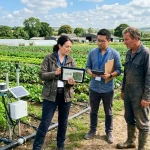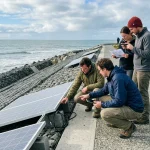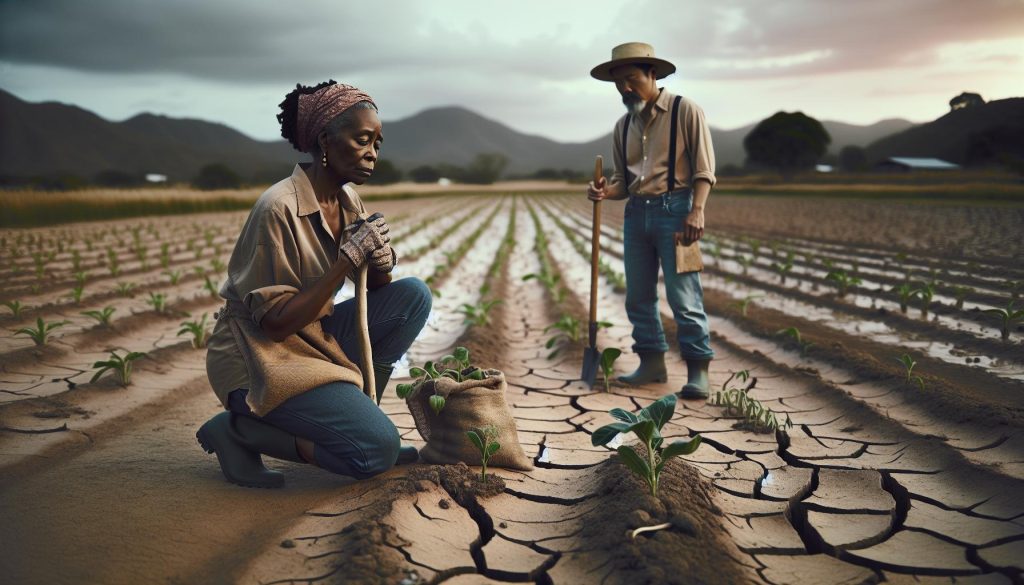
Did you know that climate change is projected to significantly impact global agriculture, threatening food security for millions? As average temperatures rise and weather patterns become increasingly unpredictable, crops that once thrived in certain conditions may falter, leading to challenges for farmers and consumers alike. Understanding how agriculture is affected by climate change is crucial-not just for farmers looking to adapt their practices, but also for you as a consumer concerned about food availability and prices. This article delves into the intricate relationship between agriculture and climate change, exploring the challenges faced by farmers, the innovative strategies they are employing to adapt, and the potential solutions that can help secure our food systems. Join us in uncovering the profound implications of climate change on agriculture and discover ways we can collectively work towards a sustainable food future.
Impact of Climate Change on Crop Yields
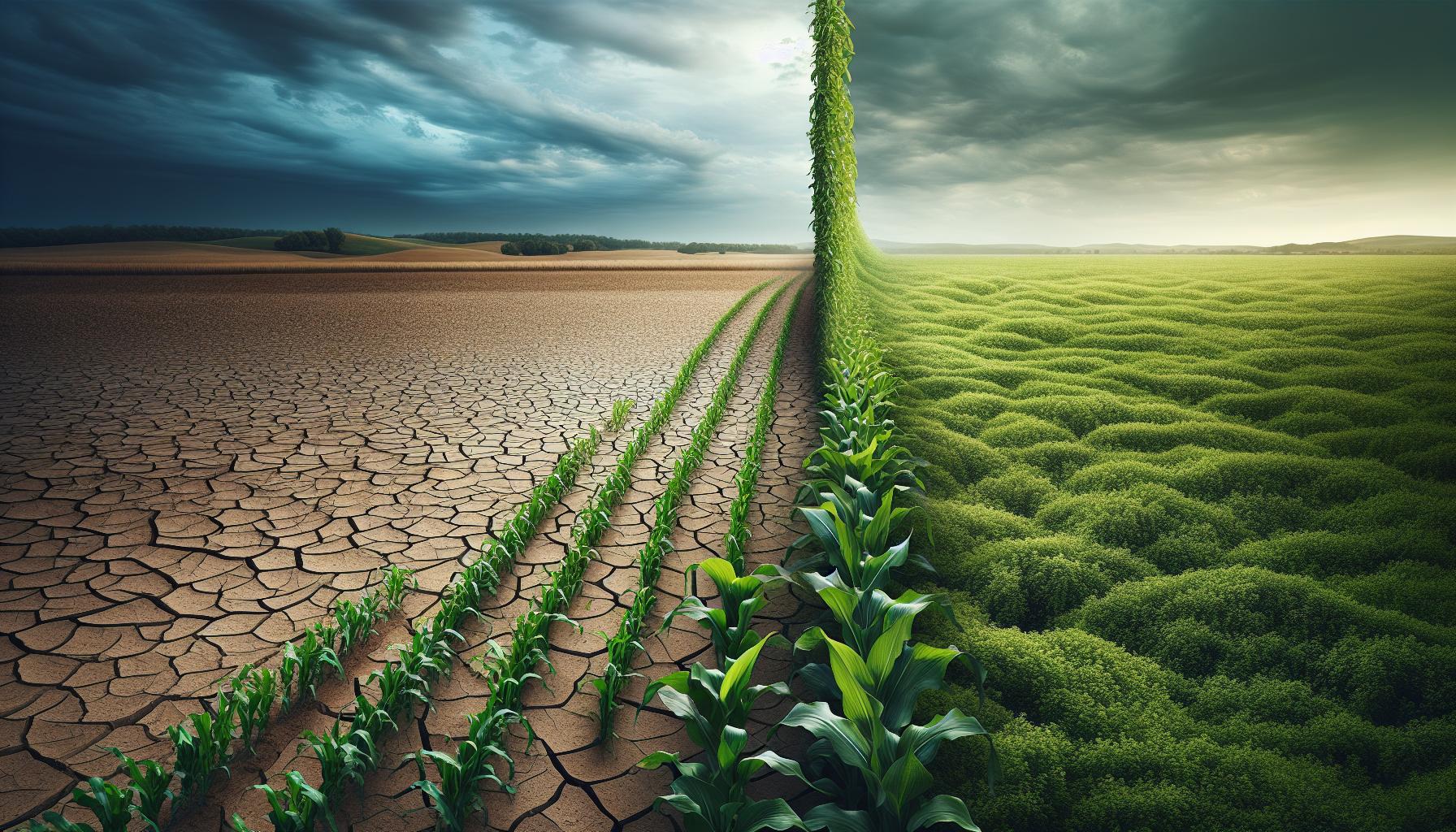
Climate change is poised to redefine agricultural landscapes around the globe, affecting the very essence of crop yields. Studies indicate that rising temperatures and shifting precipitation patterns can lead to reduced agricultural productivity, particularly in regions already vulnerable to food insecurity. A pertinent example can be seen in major crops like wheat, rice, and maize, where even a slight increase in temperature can diminish yields significantly; estimates suggest a decrease of around 10% for each additional degree Celsius of warming.
To understand the multifaceted impact of climate change on agricultural output, it’s crucial to recognize how extreme weather events-intensifying storms, prolonged droughts, and excessive heat-disrupt traditional farming calendars and practices. Farmers face the challenges of unpredictable planting and harvesting times, making it harder to plan for optimal production. Moreover, increased instances of flooding and drought compromise soil quality and availability of irrigation, further limiting the ability of crops to thrive.
In response to these challenges, leveraging data-driven strategies becomes essential. Farmers can incorporate climate-resilient crop varieties that are better suited to withstand adverse weather conditions. For instance, drought-resistant seeds and improved irrigation techniques can enhance resilience against the erratic climate. These innovative approaches not only safeguard crop output but also play a vital role in ensuring sustainable agricultural practices for the future.
It is equally important to consider the socio-economic implications of fluctuating crop yields. A decline in production directly affects farmers’ livelihoods, agricultural markets, and food prices, which can spiral into broader economic challenges. For instance, rural economies that rely heavily on agriculture may face significant downturns, potentially leading to increased migration from these areas. Addressing these economic repercussions through supportive government policies and community initiatives will be essential to foster resilience in the agricultural sector as it navigates the complexities introduced by climate change.
How Extreme Weather Events Disrupt Farming
Extreme weather events are not anomalies; they are increasingly becoming the norm, fundamentally altering the landscape of farming and agriculture. Each year, farmers encounter challenges, ranging from devastating floods to prolonged droughts, each capable of wreaking havoc on crop production. For instance, climate change projections indicate severe weather phenomena may cause output fluctuations that threaten food security on a global scale. Research suggests that extreme weather events have a direct impact not only on yields but also on the timing of farming activities, making it difficult for farmers to adhere to traditional planting and harvesting schedules.
To truly understand the disruption caused by extreme weather, it’s essential to consider the physical limitations imposed on farming practices. Heavy rainfall and flooding can lead to waterlogged fields, damaging root systems and delaying planting. Conversely, drought conditions can cause significant water shortages, hindering irrigation efforts and stressing crops during critical growth periods. These disruptions can lead to a cascade of economic and nutritional repercussions. Farmers often find themselves trapped in a cycle of yield loss, as they struggle to recover financially from the subsequent market declines triggered by crop failures.
Coping Mechanisms and Adaptation Strategies
Farmers are beginning to adopt a blend of traditional knowledge and modern practices to mitigate these challenges. Climate-smart agriculture techniques, such as diversified crop rotations and improved water management practices, can help build resilience against extreme weather. These strategies not only safeguard against immediate disruptions but also enhance the long-term sustainability of agricultural lands.
Adaptive measures include investing in technology that provides timely weather data and forecasts, empowering farmers to make informed decisions about their planting and harvesting strategies. Community-led initiatives, such as cooperative water management systems, are also being developed to improve resilience against droughts and floods, fostering a collective response to shared challenges. Overall, while extreme weather events pose significant disruptions to farming, they also spark innovation and solidarity among agricultural communities, paving the way for a more resilient future.
The Role of Soil Health in Mitigating Climate Effects

Healthy soil is often termed the backbone of productive agriculture, with its importance magnified in the context of climate change. As the climate becomes more unpredictable, the condition of the soil plays a critical role in how resilient farming systems can be. A robust soil ecosystem enhances water retention, mitigates erosion, and supports plant health, all essential factors as weather patterns shift and extreme events become more commonplace.
One of the key benefits of maintaining soil health is its ability to improve water management. Healthy soils, rich in organic matter, have the capacity to absorb and store rainfall effectively, reducing runoff and minimizing the risk of flooding during heavy storms. For instance, studies have shown that fields with high organic matter can retain up to 30% more water than degraded soils. This water storage capacity is crucial during drought periods, allowing crops to access moisture when it is most needed. Moreover, practices such as cover cropping and reduced tillage not only help maintain soil structure but also enhance soil microbial activity, which can further improve water infiltration and retention.
In addition to water management, healthy soils contribute to carbon sequestration, a significant process in combating climate change. Soils that are rich in organic materials can store large amounts of carbon dioxide from the atmosphere, thus mitigating greenhouse gas emissions. This dual benefit provides an effective solution to both agricultural challenges and environmental concerns. For example, fields managed with practices aimed at improving soil organic matter have been shown to sequester up to 1.1 billion tons of CO2 annually in the United States alone.
However, achieving healthy soils requires actionable strategies that farmers can implement. These include adopting conventional practices such as crop rotation, which enriches soil fertility and disrupts pest cycles, along with integrating agroforestry techniques that enhance biodiversity. Farmers are also encouraged to employ soil testing to understand nutrient levels and amend soils appropriately, ensuring they can adapt to changing climatic conditions. By investing in soil health, farmers not only build resilience against extreme weather but also secure their livelihoods and contribute positively to the environment.
In summary, soil health is a vital component in addressing the challenges posed by climate change in agriculture. By focusing on holistic soil management practices, farmers can enhance their resilience to extreme weather, improve crop yields, and contribute to global efforts in reducing carbon emissions. Cultivating healthy soils is not just an agricultural practice; it is an imperative for sustainable food security in an unpredictable future.
Adaptation Strategies for Sustainable Agriculture
Implementing effective adaptation strategies in agriculture is no longer a choice but a necessity, given the escalating impacts of climate change on farming systems worldwide. With shifts in weather patterns, including increased temperatures, altered precipitation rates, and more frequent extreme weather events, farmers are racing against time to safeguard their livelihoods and ensure food security. Research indicates that adapting agricultural practices can mitigate these challenges, making resilience not just a buzzword but a pivotal approach to modern farming.
One primary adaptation strategy involves diversifying crops and implementing agroecological practices. By rotating crops and intercropping, farmers can reduce their vulnerability to pest outbreaks and climatic shocks. For instance, farmers in East Africa have successfully doubled their yields by integrating nitrogen-fixing legumes with staple crops like maize, simultaneously enhancing soil fertility and increasing resilience against droughts. Additionally, using drought-resistant crop varieties is vital. These crops require less water and can withstand excessive heat, making them ideal choices in arid regions.
Soil management practices also play a crucial role in adaptation. As highlighted earlier, maintaining soil health through organic amendments, cover cropping, and reduced tillage can improve water retention during dry spells and mitigate erosion during heavy rains. For example, a study showed that fields utilizing cover crops had 40% less soil erosion compared to conventionally tilled fields. Training and resources to help farmers adopt these practices can make a significant difference in their resilience to climate impacts.
Water management strategies are equally important in adaptation. Farmers can implement rainwater harvesting and develop irrigation systems that make optimal use of available water resources. Techniques like drip irrigation minimize water waste and provide crops with consistent moisture, crucial for maintaining yields in increasingly erratic weather patterns. Furthermore, community-led initiatives for managing local water resources can enhance collective resilience, ensuring that all farmers have access to necessary water during critical growth periods.
Building Knowledge and Capacity
Empowering farmers through education and support systems is essential. Innovative platforms that share climate forecasts, market trends, and best practices enable farmers to make informed decisions tailored to their specific regional contexts. For instance, mobile applications providing real-time weather updates have proven invaluable for smallholder farmers in Southeast Asia, allowing them to plan planting and harvesting activities more effectively.
Ultimately, fostering an adaptive agricultural sector requires collaboration among farmers, governments, NGOs, and research institutions. By working together, they can create holistic strategies that address not only the environmental challenges posed by climate change but also the socio-economic factors affecting farmers’ livelihoods. Sustainable practices, informed by local knowledge and supported by robust policies, will pave the way for resilient agricultural systems capable of withstanding the pressures of a changing climate.
Economic Consequences of Climate Change on Farmers
The impact of climate change on agriculture is becoming an ever-pressing concern, particularly when it comes to the economic consequences faced by farmers. A staggering statistic highlights the urgency: a report from the Food and Agriculture Organization (FAO) predicts that global agricultural productivity could drop by 10-25% by 2050 due to climate-related factors, significantly affecting farmers’ incomes and food security. This alarming forecast underscores the disparities farmers experience, particularly smallholders who may lack resources to adapt to changing conditions.
Increased frequency and intensity of extreme weather events, such as droughts and floods, can devastate crops and lead to substantial financial losses. For example, the 2019 drought in Australia resulted in losses exceeding USD 1.9 billion across the agricultural sector, highlighting how vulnerable farmers are to climate extremes. With rising temperatures and shifting precipitation patterns, farmers may encounter not only direct crop damage but also indirect effects such as reduced soil fertility and water availability, compounding their economic challenges.
Adaptation strategies can be costly, limiting the ability of many farmers to invest in necessary technologies or practices. For instance, transitioning to more resilient crop varieties, implementing advanced irrigation systems, or investing in sustainable soil management practices can involve significant upfront costs. However, the long-term benefits of such investments, like improved yields and stability, can outweigh these initial expenses. Financial support, including government subsidies and access to credit, is essential to enable farmers to adopt these beneficial practices.
To build resilience against economic shocks related to climate change, farmers can also explore diversification of their crops and income sources. By adopting a mixed farming approach or incorporating agro-tourism and related activities, farmers can create additional revenue streams. Educating farmers about financial management and providing them with access to insurance products can further mitigate risks, allowing them to manage uncertainties more effectively.
Ultimately, the path forward necessitates a collective effort. Collaboration among governments, agricultural organizations, and communities is vital to create policies and support systems that enhance economic resilience. By leveraging technology, sharing knowledge, and fostering innovation, farmers can better navigate the challenges posed by climate change and secure their livelihoods in an increasingly uncertain world.
Innovative Farming Techniques to Combat Climate Change
As the reality of climate change looms ever larger over agriculture, innovative farming techniques are emerging as critical solutions to help farmers navigate the shifting landscape. One standout approach is precision agriculture, which utilizes technology such as sensors, GPS, and drones to gather data on crop health, soil conditions, and weather patterns. This information allows farmers to optimize water use, reduce fertilizer application, and increase yields while minimizing environmental impact. For example, a study revealed that farmers implementing precision agriculture practices could increase their crop yields by up to 20% while significantly reducing inputs.
Another effective strategy is agroforestry, which integrates trees and shrubs into crop production systems. This practice not only enhances biodiversity but also improves soil health and water retention, making farms more resilient to extreme weather events. Farmers practicing agroforestry have reported improved soil fertility and increased resistance to droughts, showcasing a sustainable synergy between crops and trees. Additionally, this method offers farmers new income streams through the sale of timber or fruits from the trees planted on their land.
Integrating cover cropping into farming systems is another innovative approach that helps combat climate change. By planting cover crops during the off-season, farmers can enhance soil structure, prevent erosion, and increase carbon sequestration in the soil. Cover crops also suppress weeds and reduce the need for chemical herbicides, which can be economically beneficial. This method has become popular among environmentally conscious farmers, with many reporting improvements in soil health and higher productivity in subsequent growing seasons.
About Technological Integration
The application of smart irrigation systems further exemplifies how technology can mitigate the effects of climate change. These systems utilize sensors to measure soil moisture levels and weather forecasts to optimize water application. By ensuring that crops receive just the right amount of water when they need it most, farmers can drastically reduce water usage without compromising yield. Reports indicate that farms employing smart irrigation can save about 30-50% of water compared to traditional irrigation techniques.
The adoption of these innovative techniques is not merely a theoretical exercise; they represent a holistic response to the real and immediate challenges posed by climate change. By investing in and implementing these methodologies, farmers can not only safeguard their livelihoods but also contribute positively to the environment, fostering a sustainable agricultural system that is resilient in the face of climate uncertainty.
Government Policies Influencing Agricultural Resilience
In the face of climate change, government policies play a critical role in shaping the resilience of agricultural systems. Effective policies can help farmers adapt to shifting climatic conditions, safeguard their livelihoods, and ensure food security for communities worldwide. For instance, financial incentives such as subsidies for adopting sustainable practices, like cover cropping or agroforestry, can encourage farmers to invest in methods that enhance soil health and water retention. These practices not only contribute to environmental sustainability but also improve long-term crop yields, which is essential as climate change continues to disrupt traditional farming.
Additionally, governments can facilitate research and innovation by funding agricultural research institutions. This funding is vital for developing climate-resilient crop varieties and efficient farming techniques that can withstand extreme weather events, such as droughts or floods. Public-private partnerships can also play a significant role in sharing knowledge and resources, leading to the deployment of new technologies in farming practices. For example, countries that have invested in precision agriculture have seen significant improvements in resource management, which has allowed farmers to adapt to climatic shifts while maintaining productivity.
Furthermore, policies aimed at improving water resource management are crucial. Governments can implement regulations that promote efficient water use in irrigation, such as smart irrigation systems that monitor soil moisture levels. By prioritizing the conservation of water resources, especially in arid regions, policies can help mitigate the impact of climate change on agriculture. Stakeholders at all levels, from local governments to international organizations, can contribute to sustainable water management strategies that address both agricultural needs and environmental sustainability.
In summary, the influence of government policies on agricultural resilience cannot be overstated. By promoting sustainable practices, investing in research, and ensuring efficient resource management, these policies equip farmers to face the challenges posed by climate change head-on. This holistic approach not only protects farmers’ livelihoods but also supports broader goals of food security and ecological balance, paving the way for a more resilient agricultural future.
The Importance of Water Resources in Agriculture
In an era where climate change threatens food security, water resources have emerged as a cornerstone of agricultural sustainability. Globally, agriculture accounts for about 70% of freshwater withdrawals, emphasizing the crucial role water plays in crop production. As temperatures rise and weather patterns shift due to climate change, the availability and management of water resources become increasingly vital for farmers striving to maintain productivity and resilience.
The fierce consequences of climate change on hydrological cycles mean that regions dependent on predictable rainfall are facing unprecedented challenges. Droughts are becoming more severe and prolonged in many areas, deeply impacting crop yields and pushing farmers to the brink. For instance, data shows that drought conditions have been linked to reductions in key crops such as wheat and corn, leading to heightened global food prices. In contrast, regions experiencing increased rainfall may face flooding, causing soil erosion and crop destruction, highlighting the need for adaptive water management strategies.
Farmers can adopt several practical measures to enhance water use efficiency and build resilience against climate-related disruptions. Technologies such as drip irrigation systems and rainwater harvesting can vastly improve water retention and minimize waste. These methods not only allow for optimized water usage but can also contribute to healthier soils, subsequently increasing the potential yield. Moreover, implementing soil moisture monitoring systems enables farmers to make informed decisions on irrigation, ensuring that water is used only when absolutely necessary.
Investing in sustainable water management practices not only assists in coping with immediate climate impacts but also fosters a long-term view of agricultural viability. For example, farmers in California have adopted watershed management practices to collect run-off water and recharge aquifers, providing a buffer against drought. Such initiatives can serve as blueprints for other regions facing similar challenges, demonstrating that effective water resource management is not merely a response to climate change but a proactive stance toward safeguarding the future of agriculture. In doing so, farmers not only protect their livelihoods but also contribute to broader ecological health and community resilience in a changing climate.
How Climate Change Affects Pest and Disease Dynamics
The changing climate is altering the very dynamics of agricultural ecosystems, particularly in how pests and diseases affect crops. As temperatures rise and environmental conditions shift, both native and invasive species find favorable conditions to thrive, significantly impacting food production. For example, data indicates that warm weather accelerates the life cycles of certain pests, allowing them to reproduce more rapidly and in greater numbers. Consequently, farmers may witness an increase in pest populations that previously did not pose a threat in their region.
One of the stark effects of climate change is the migration of pests into new areas, often leading to infestations where local farmers are unprepared. The infamous fall armyworm, a pest that devastates crops like corn and sorghum, is an example of this phenomenon. Originally confined to the Americas, it has expanded its reach into Africa and Asia, wreaking havoc on food security in many regions. This shift can drastically alter local agricultural practices, as farmers are forced to adapt to new threats that may require different pest management strategies, which can be both costly and time-consuming.
Moreover, climate-related stress on crops can exacerbate vulnerabilities to diseases. Higher temperatures and humidity create ideal conditions for pathogens to flourish, increasing the incidence and severity of plant diseases. For example, fungal infections, which thrive in warm, moist environments, can lead to significant crop losses. To combat these challenges, farmers are increasingly turning to integrated pest management (IPM) strategies, which involve a combination of biological control, cultural practices, and resistant crop varieties to enhance resilience against pests and diseases.
Adaptation is not solely about managing pests; it also involves developing sustainable practices that strengthen plant health. Here are some practical steps farmers can take:
- Crop Rotation: Diversity in planting can disrupt the life cycles of pests, reducing their populations and minimizing disease spread.
- Resistant Varieties: Cultivating crops bred for resistance against prevalent pests and diseases can mitigate losses significantly.
- Monitoring and Forecasting: Regularly monitoring pest populations and employing forecasting tools can help predict outbreaks, allowing for timely interventions.
- Soil Health Management: Healthy soils can lead to stronger plants, which are better equipped to resist pests and diseases.
As farmers navigate the evolving landscape of agricultural challenges, these proactive measures ensure that they remain one step ahead in the battle against pests and diseases influenced by climate change. Engaging with local agricultural extension services can further provide tailored advice and support for implementing these strategies effectively, fostering a resilient agricultural future.
The Connection Between Agriculture and Carbon Sequestration
Agriculture plays a dual role in the fight against climate change: it is both a victim of rising temperatures and a potential ally in carbon sequestration. Practices that enhance soil health not only improve crop productivity but also help in trapping atmospheric carbon, making agriculture a pivotal sector in climate action. For instance, healthy soils rich in organic matter can sequester significant amounts of carbon, effectively acting as a sink for greenhouse gases. It is estimated that around 30% of the world’s carbon content can be found in soil, yet unsustainable agricultural practices threaten this vital resource.
One effective method for promoting carbon sequestration in farming is through the adoption of conservation tillage. This technique minimizes soil disturbance, which maintains soil structure, enhances its organic carbon content, and reduces erosion. It has been shown that no-till and reduced tillage systems can increase carbon stocks by about 0.2 to 0.6 tons of carbon per hectare annually, depending on the region and management practices. Other practices such as cover cropping, which involves planting non-cash crops in between main crop cycles, can also contribute to carbon capture by adding organic matter back into the soil.
Additionally, agroforestry combines farming with tree planting, creating a system that captures carbon and enhances biodiversity. By integrating trees into agricultural landscapes, farmers can improve the resilience of their soils, control erosion, and provide habitats for wildlife. For example, research has indicated that agroforestry can sequester between 5 to 10 tons of carbon per hectare per year, proving that these systems not only support sustainable farming but also effectively combat climate change.
It’s crucial for farmers to understand that adopting such practices does not just contribute to climate mitigation; it also offers them long-term economic benefits. Healthier soils lead to improved yields, reduced dependency on chemical fertilizers, and enhanced resilience against climate-related disruptions. By investing time in improving soil health through carbon sequestration practices, farmers can create a sustainable agricultural environment that not only feeds communities but also contributes positively to the planet’s climate goals.
Engaging in educational programs and local networks can provide farmers with the necessary resources and support to implement these strategies effectively. By fostering collaboration within agricultural communities, farmers can exchange knowledge, share success stories, and stimulate broader participation in sustainable practices that enhance carbon sequestration while securing a viable future for their crops.
The Future of Food Security in a Changing Climate
Rising temperatures and changing precipitation patterns are threatening the foundations of global food security, prompting urgent action and innovative responses to ensure that future generations have access to sufficient and nutritious food. As climate change progresses, crop yields are projected to decline in many regions, particularly in developing countries where adaptive capacity is limited. The Food and Agriculture Organization (FAO) estimates that agricultural productivity could fall by as much as 30% by 2050 if substantial adaptation measures are not implemented.
To address these challenges, it is essential for farmers and stakeholders to adopt a multifaceted approach focused on sustainability, innovation, and resilience. Diverse cropping systems can enhance food security by spreading risks associated with climate impacts. By integrating various crops that have distinct growing requirements and resilience to extreme weather, farmers can better buffer against the loss of specific harvests. Additionally, vertical farming and hydroponics present a promising future in urban areas, allowing for local food production regardless of climate conditions. These methods can mitigate transportation emissions and ensure that fresh produce is accessible year-round, even in challenging climates.
Education and community engagement are pivotal for fostering a culture of resilience among farmers. Providing access to resources, training programs, and local networks enables farmers to share best practices and innovations that can help them adapt to changing conditions. For example, crop rotation and integrating cover crops enhance soil health and increase resilience to droughts and floods. Governments and organizations should invest in agricultural research that focuses on developing climate-resistant crop varieties, incorporating traditional knowledge with modern science.
Moreover, addressing the economic implications of climate change on food systems requires a comprehensive understanding of how financial decisions influence agricultural practices. The rise of sustainable investment funds focused on environmentally friendly practices supports farmers in transitioning to methods that are not only productive but also environmentally conscious. By connecting farmers with these financial resources, the path toward sustainable agriculture becomes more accessible, helping to secure food production in the face of climate uncertainty.
The future of food security ultimately hinges on a collaborative effort that prioritizes sustainable practices and innovative solutions, while also addressing socio-economic factors that exacerbate vulnerabilities. This comprehensive strategy can help to ensure that food systems not only survive the impacts of climate change but thrive, setting a solid foundation for a resilient and secure global food future.
Case Studies: Successful Adaptation in Agriculture
Farmers worldwide are increasingly turning challenges posed by climate change into opportunities for innovation and resilience, and numerous success stories illustrate this proactive approach. For instance, in Bangladesh, a country vulnerable to flooding, local farmers have adopted a system of integrated farming that combines rice production with fish farming. This method not only maximizes land use but also enhances food security. The fish help control pests in the rice paddies, while their waste provides nutrients for the rice. Through this approach, farmers have reported higher overall productivity, demonstrating how adaptive strategies can lead to sustainable outcomes even in the face of climate-induced challenges.
In Kenya, a project called the “Moisture Retention Technology” (MRT) empowers smallholder farmers to implement water harvesting techniques. By making use of trenches and bunds, which capture and retain rainwater, farmers have significantly improved crop yields during dry spells. This simple yet effective method has transformed arid landscapes into more productive farm areas. Farmers using MRT have reported yield increases of up to 50% for crops such as maize and beans. The success of this technology underscores the importance of enhancing water management practices to combat the effects of climate change and secure agricultural outputs.
Community and Education: A Winning Combination
Successful adaptation often hinges on community engagement and knowledge sharing. In the Punjab region of India, farmers have organized into cooperatives to share resources and best practices for sustainable agriculture. They have introduced a crop rotation system that not only diversifies income sources but also improves soil health. By rotating crops that require different nutrients and water levels, they minimize soil depletion and enhance resilience against pests and diseases. Collaborative workshops facilitated by agricultural extension experts have equipped these farmers with the skills needed to optimize their adaptive strategies, paving the way for more resilient farming systems.
Moreover, in the United States, innovative approaches such as regenerative agriculture are making significant strides. Farmers employing these practices focus on soil health, biodiversity, and ecosystem function, often using cover crops and reduced tillage to improve resilience to climate impacts. Notably, research indicates that regenerative practices can sequester carbon significantly, creating a dual benefit of enhancing soil fertility and contributing to climate change mitigation. As these farmers share their success stories, more are encouraged to adopt similar practices, demonstrating the potential for wider adoption of such methods across the agricultural sector.
In conclusion, these case studies highlight the importance of resilience, community involvement, and innovative practices in the face of climate change. By learning from successful adaptations, farmers can not only ensure their livelihoods but also strengthen global food security and environmental sustainability.
FAQ
Q: How does climate change impact soil quality in agriculture?
A: Climate change affects soil quality through increased erosion, loss of organic matter, and altered nutrient availability. These changes can lead to reduced crop productivity. Farmers can improve soil health by implementing crop rotation, cover cropping, and reduced tillage practices, fostering resilience against climate variability.
Q: What crops are most affected by climate change?
A: Crops such as wheat, maize, and rice are particularly vulnerable to climate change. Changes in temperature, precipitation patterns, and increased frequency of extreme weather can drastically affect yields. Diversifying crops and choosing climate-resilient varieties can help mitigate these impacts.
Q: How can farmers adapt to climate change?
A: Farmers can adapt to climate change by integrating sustainable practices, such as agroforestry, conservation tillage, and efficient water management. These strategies enhance soil health, conserve resources, and improve resilience to climate impacts, ultimately leading to more sustainable production systems.
Q: What is the role of technology in combatting climate change effects on agriculture?
A: Technology plays a crucial role in combatting climate change by facilitating precision agriculture, which optimizes resource use and improves crop management. Innovations such as GPS-guided tools, soil moisture sensors, and climate modeling software can help farmers adapt to changing conditions effectively.
Q: How does climate change influence agricultural pest populations?
A: Climate change alters the habitats and lifecycle timings of pests, potentially leading to increased infestations. Warmer temperatures may allow pests to thrive and expand into new areas. Integrated pest management (IPM) strategies can help farmers mitigate these risks through monitoring and biological control methods.
Q: What economic impacts does climate change have on farmers?
A: Climate change can lead to increased costs due to crop failures, heightened insurance premiums, and the necessity for new agricultural technologies. Farmers may face decreased income when facing extreme weather events. Diversifying income sources and investing in climate-resilient practices can help mitigate these economic challenges.
Q: Why is water management critical for agriculture under climate change?
A: Water management is critical as changing precipitation patterns and increased temperatures lead to water scarcity. Efficient irrigation techniques and rainwater harvesting can enhance water availability, ensuring crops receive the necessary moisture for growth, thus safeguarding food production.
Q: How does climate change affect food security globally?
A: Climate change threatens food security by disrupting agricultural production and increasing the variability of food supply. Predictive analytics and strategic planning can help nations prepare for potential shortfalls, ensuring a stable food supply through adaptive agricultural practices and policies.
The Conclusion
As we’ve explored, climate change significantly impacts agriculture, affecting everything from crop yields to pest management and water availability. To help mitigate these challenges, it’s crucial to stay informed and proactive. Consider reading more about the financial implications of farm bankruptcies and the impact of natural disasters on agriculture, which can provide further insight into the evolving landscape of the agricultural sector [[2]](https://www.agriculture.com/farm-bankruptcies-on-the-rise-again-in-2025-11719574), [[1]](https://www.agriculture.com/hurricane-helene-causes-billions-in-ag-damage-8721997).
We invite you to share your thoughts in the comments below-how do you see climate change affecting your local agriculture? Your input can foster a community dialogue that leads to actionable solutions. And don’t forget to sign up for our newsletter to receive updates and tips on sustainable farming practices that can help you adapt to climate challenges. Together, we can cultivate a resilient agricultural future-let’s get started today!
Get our latest guides, news, and insights highlighted in your Google Search & AI Overviews.