As climate change continues to reshape our world, it is crucial to understand how these shifts are affecting the biosphere-the global sum of all ecosystems. Did you know that the World Meteorological Organization recently confirmed 2024 as one of the hottest years on record? This stark reality underscores the urgency of addressing climate-related issues that transcend mere weather patterns. Rising temperatures, extreme weather events, and changes in ocean ecosystems are not just environmental concerns; they threaten food security, health, and biodiversity, directly impacting our lives. This article explores how these climatic changes are intricately connected to ecological dynamics, emphasizing the importance of taking informed action. By understanding these impacts, we can better prepare for the challenges ahead and work towards sustainable solutions for our planet’s future. Join us as we delve deeper into how our changing climate is reshaping the biosphere and what steps we can take to mitigate these effects.
Understanding the Biosphere: Definition and Importance
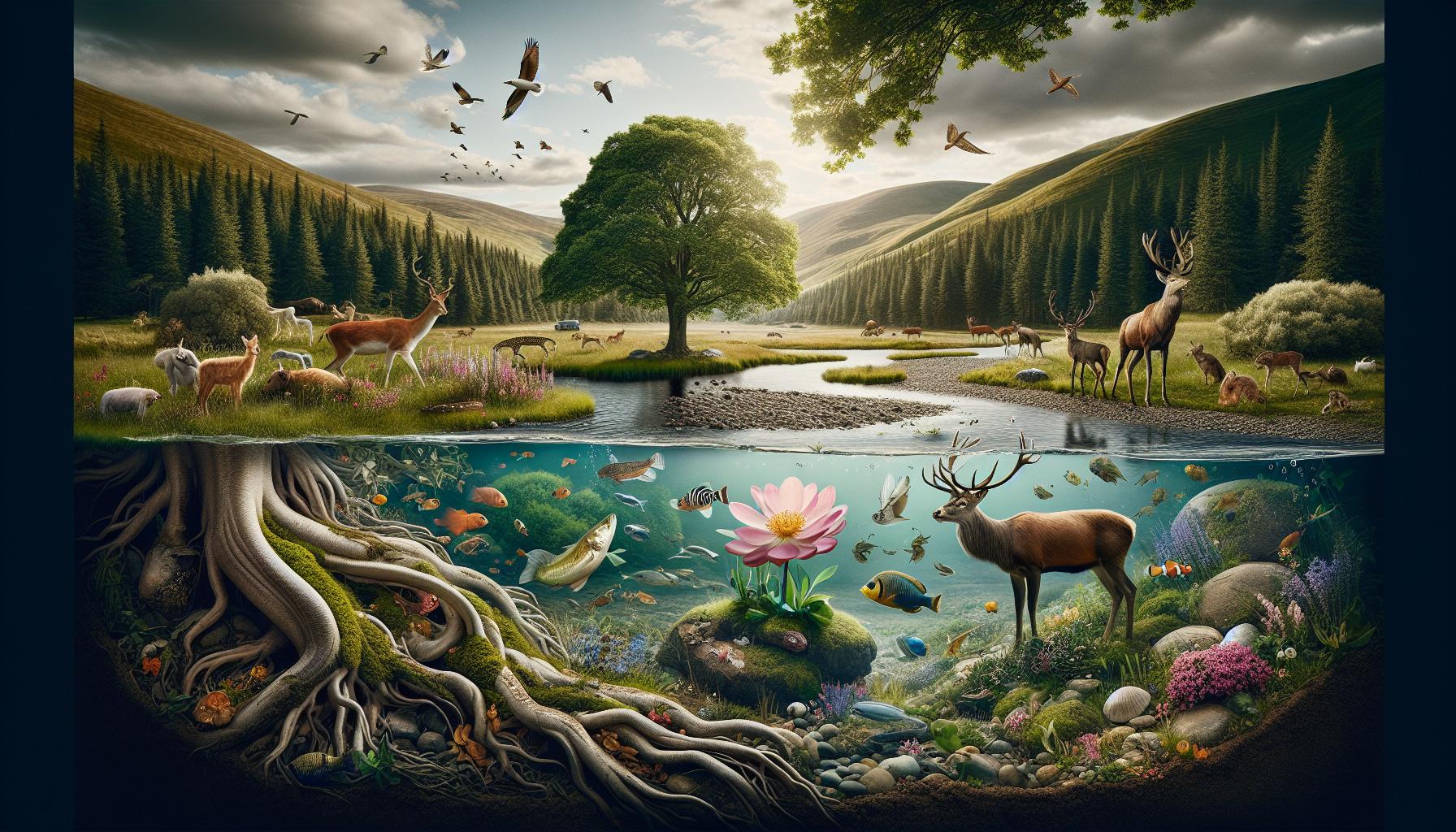
The biosphere, a delicate and complex layer of life encompassing all living organisms and their interactions with the environment, plays a vital role in maintaining the planet’s health. With the rise of climate change, understanding the biosphere’s definition and importance has never been more crucial. It represents the sum of all ecosystems, including terrestrial, marine, and atmospheric components. This intricate interplay supports essential life-sustaining processes, such as nutrient cycling, which propagates vital nutrients like carbon and nitrogen through ecosystems, enabling plant growth and sustaining animal habitats.
The interconnectedness of the biosphere means that every change, no matter how small, can trigger significant consequences. For instance, the increase in greenhouse gas emissions alters temperature patterns and precipitation levels, disrupting these delicate balances. The carbon cycle, a critical component of the biosphere, exemplifies how human activities can have far-reaching effects. Elevated carbon emissions lead to accelerated climate change, impacting plant photosynthesis rates and, as a result, food security and habitat availability for countless species. Understanding these dynamics empowers us to make informed decisions to mitigate negative impacts on our ecosystems.
Moreover, the biosphere is not an isolated entity; it mirrors a broader ecological framework. For example, deforestation for agriculture not only reduces biodiversity but also contributes to climate change by directly affecting carbon storage capacity. Community engagement plays a pivotal role in conservation efforts, as local actions can significantly contribute to global outcomes. Implementing sustainable practices, such as promoting biodiversity-friendly farming methods, can enhance ecosystem resilience against climate change.
Ultimately, recognizing the biosphere’s importance fosters a sense of responsibility toward our environment. By taking actionable steps, like supporting conservation efforts and reducing our carbon footprint, we can mitigate adverse effects on ecosystems, ensuring that future generations inherit a vibrant, thriving planet.
The Impact of Climate Change on Ecosystems
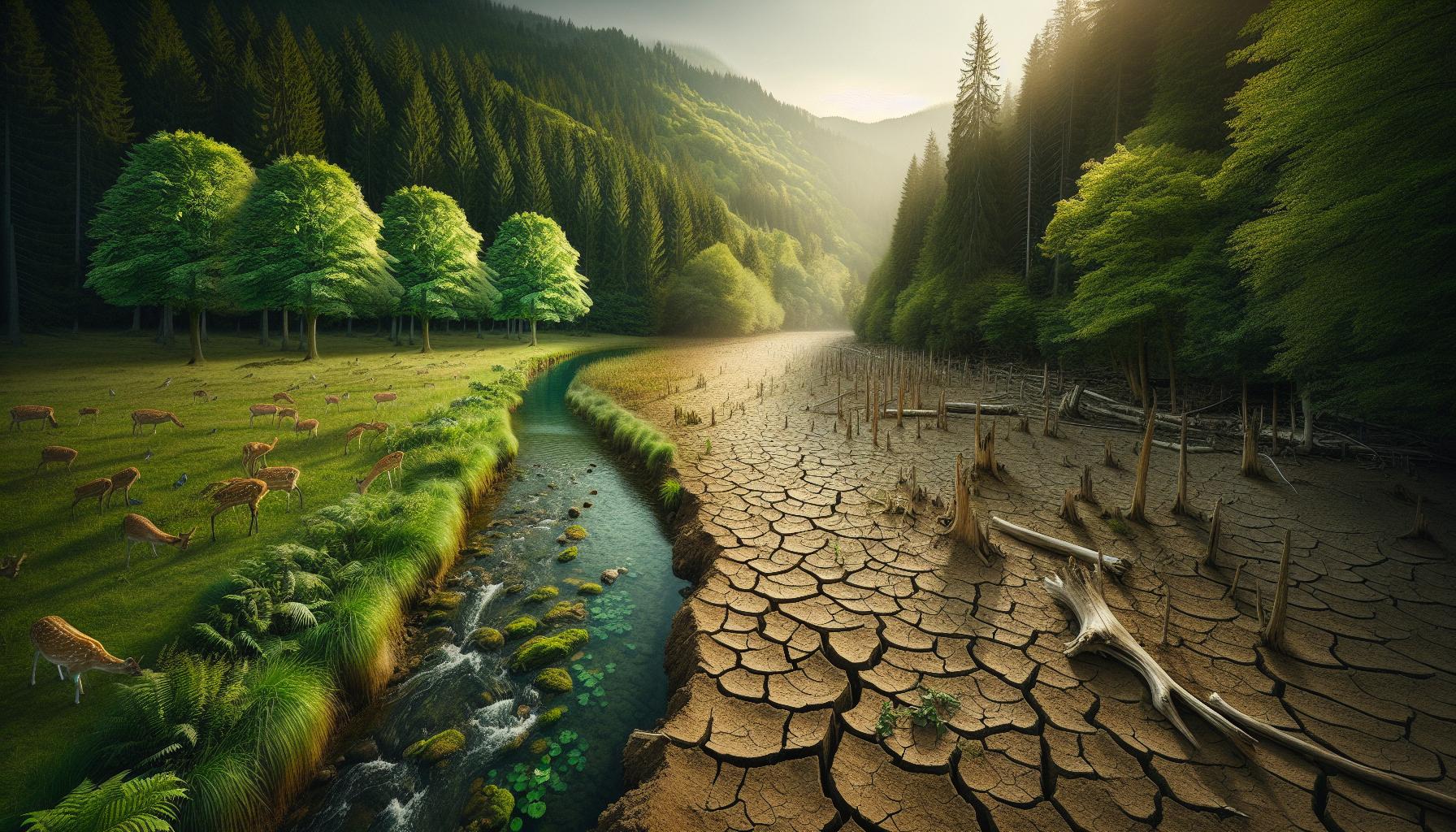
Climate change is not just an abstract issue; it profoundly impacts ecosystems across the globe, reshaping how flora and fauna interact within their environments. As the planet warms, the delicate balance that sustains ecosystems is disrupted, leading to far-reaching consequences. For instance, rising temperatures can modify the distribution of both plant and animal species, pushing them toward cooler areas, such as higher altitudes or latitudes. Such shifts can cause previously stable ecosystems to become destabilized, resulting in loss of biodiversity and the potential extinction of vulnerable species.
Examples of Ecosystem Changes
One tangible example of climate change affecting ecosystems is the transformation observed in coral reefs. As ocean temperatures rise and acidification increases due to higher carbon emissions, coral bleaching events have become more frequent. These events not only endanger coral species but also threaten the myriad marine organisms that depend on coral reefs for habitat and food. According to research, over 70% of the world’s coral reefs may vanish by 2050 if current trends continue. This highlights the critical intersection of climate change and marine ecosystem health, emphasizing the urgency for protective measures.
Practical Steps for Mitigation
To combat the negative effects of climate change on ecosystems, there are actionable steps that individuals and communities can adopt:
- Support Sustainable Practices: Engage in and promote sustainable agricultural practices that enhance biodiversity and soil health, such as crop rotation and organic farming.
- Conserve Water: Implement water conservation techniques in daily life to help maintain local ecosystems, which are often impacted by water scarcity.
- Reduce Carbon Footprint: Use public transportation, cycle, or walk when possible, and opt for energy-efficient appliances to lower carbon emissions.
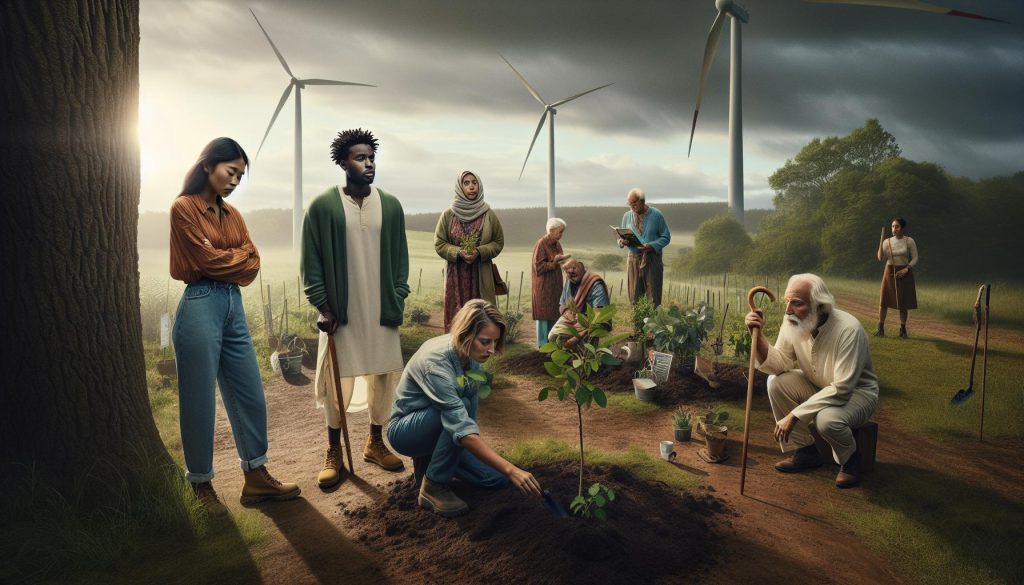
- Participate in Reforestation: Join local efforts to plant trees and restore natural habitats, which can help sequester carbon and provide vital habitats for wildlife.
- Advocate for Policy Changes: Support and advocate for local, national, and global policies aimed at reducing greenhouse gas emissions and protecting ecosystems.
The implications of climate change are vast and encompass not just environmental degradation but also the disruption of vital ecosystem services that humanity relies on, such as clean water, food security, and disease regulation. Recognizing the interconnectedness of climate change and ecosystem health is crucial for fostering community awareness and proactive engagement in conservation efforts. By taking collective action, we can create resilient ecosystems capable of withstanding the challenges posed by a changing climate.
Key Changes in Climate Affecting Biodiversity
Rising global temperatures due to climate change are substantially altering the landscapes of our planet and consequently affecting biodiversity in remarkable ways. One of the most immediate impacts of these temperature increases is the shifting of habitats, which is causing both flora and fauna to migrate. Many species are unable to adapt quickly enough, leading to disrupted ecosystems and the potential for extinction. For instance, as habitats warm, cold-water marine species must move to deeper or cooler waters, while land animals like the snowshoe hare are relocating to higher elevations where temperatures are more suitable. This mismatch in migration patterns and habitat availability exacerbates competition for resources, threatening the stability of entire ecosystems.
Changes in precipitation patterns due to climate fluctuations are another critical factor impacting biodiversity. Regions that once experienced consistent seasonal rains may face prolonged droughts or unexpected floods, drastically altering the native vegetation and the wildlife that depends on it. For example, in areas like the Sahel in Africa, reduced rainfall has led to desertification, pushing out species unable to cope with the drier conditions. Conversely, increased rainfall can lead to flooding, disrupting the life cycles of aquatic species and inundating important terrestrial habitats. The delicate balance maintained by these ecosystems is in jeopardy, pushing species to adapt or face decline.
Ocean Acidification and Marine Biodiversity
A particularly pressing concern is ocean acidification, a direct consequence of rising carbon emissions, which is altering marine ecosystems dramatically. When carbon dioxide is absorbed by seawater, it lowers the pH, making it more acidic. This change impacts the ability of marine organisms such as corals and shellfish to build their shells and skeletons, leading to the deterioration of coral reefs, which serve as vital habitats for numerous marine species. This process not only threatens the corals themselves but also endangers the myriad species that rely on these structures for shelter and food. As marine biodiversity declines, the human communities that depend on these resources for their livelihoods face severe repercussions.
Intricacies of Species Distribution
The phenomenon of shifting species distribution highlights the interconnectedness of biodiversity and climate. For example, cephalopods like squids and octopuses are expanding their range into cooler waters as they respond to temperature changes, but this can lead to predation pressures on existing marine species. The introduction of these newcomers can upset local ecosystems, culminating in reduced diversity as native species struggle to compete. As species migrate, the potential introduction of invasive species further complicates the landscape, leading to unexpected ecological consequences that could alter the very fabric of our ecosystems.
In addressing these climate-induced changes, proactive measures are crucial. Communities can support biodiversity conservation by promoting protected areas, restoring degraded habitats, and implementing sustainable land-use practices. Efforts to enhance ecological resilience, such as the reforestation of native species and the development of corridors for species migration, are vital steps individuals and communities can undertake to combat the current biodiversity crisis linked to climate change. By fostering a deeper understanding of these shifts, we can build a society that values and actively preserves the intricate web of life on our planet.
How Rising Temperatures Alter Habitats
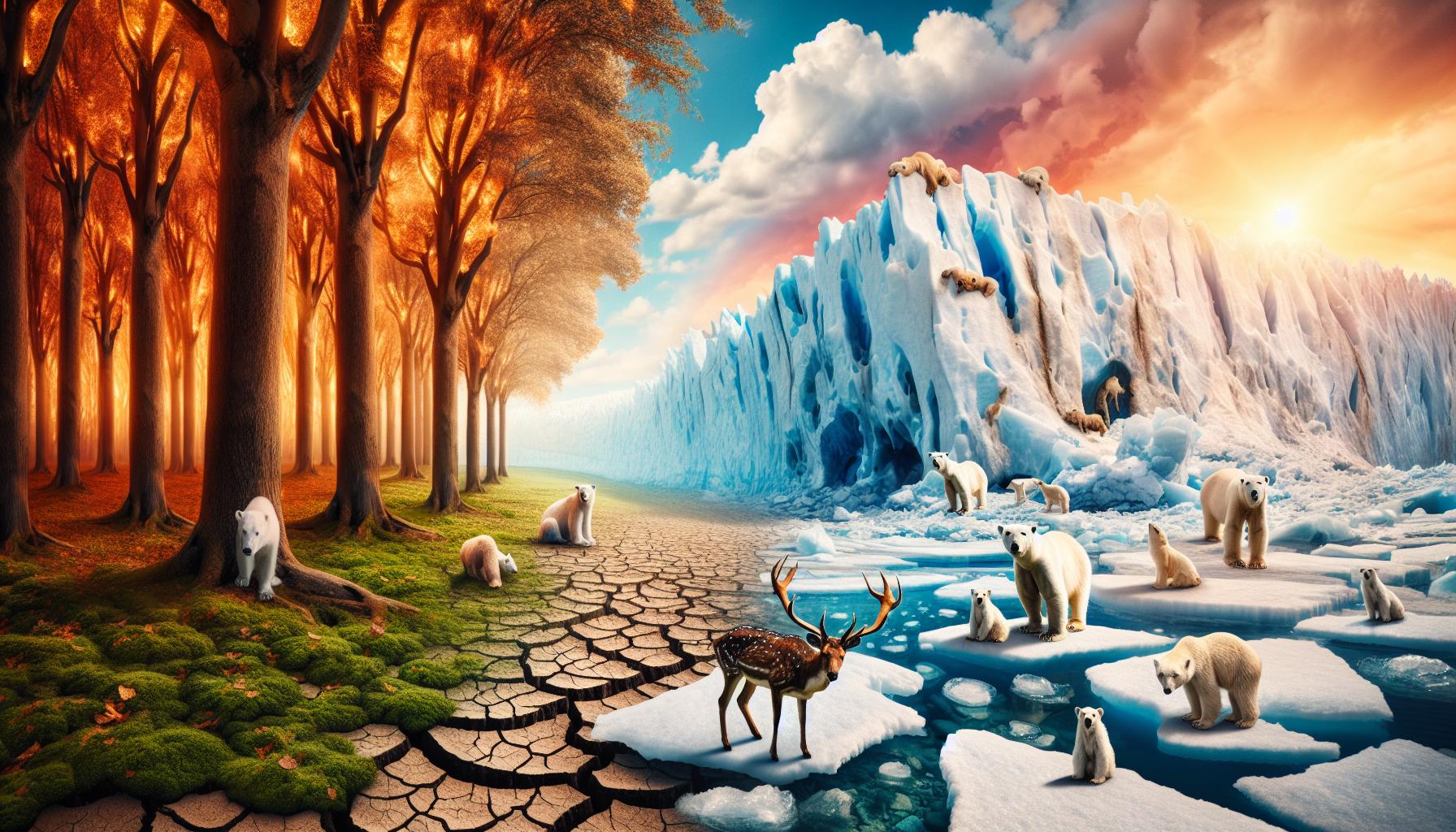
Rising temperatures are reshaping habitats across the globe, fundamentally altering where species can thrive. As average global temperatures climb, the delicate balance of ecosystems is thrown into disarray, forcing flora and fauna to migrate, adapt, or face extinction. One striking example comes from the Arctic, where warming temperatures are melting sea ice, a critical habitat for species such as polar bears and seals. As these animals lose their natural hunting grounds, their survival is jeopardized, prompting a ripple effect throughout the ecosystem.
The impacts are not confined to polar regions; temperate and tropical habitats are likewise feeling the heat. For instance, increased temperatures and altered precipitation patterns can lead to intense droughts, shifting landscapes in ways that favor drought-resistant plants over traditional vegetation. This transformation not only affects the plant species themselves but also the myriad animals that depend on them for food and shelter. As a result, native species may decline while invasive species take hold, further destabilizing these ecosystems.
Practical Steps to Mitigate Habitat Disruption
To combat the negative effects of rising temperatures on habitats, individuals and communities can undertake several proactive measures:
- Support Local Conservation Projects: Getting involved with or donating to local wildlife conservation groups can bolster efforts to restore native habitats.
- Practice Sustainable Land Use: Opt for sustainable agricultural techniques that preserve the integrity of local ecosystems, such as crop rotation and agroforestry.
- Advocate for Forest Protection: Forests are essential carbon sinks that mitigate the effects of climate change. Supporting reforestation efforts can help protect and restore critical habitats.
- Reduce Carbon Footprint: Actions like using public transportation, reducing waste, and opting for renewable energy sources can help lessen overall greenhouse gas emissions, indirectly supporting habitat conservation.
By empathizing with the struggles of nature and consciously working to protect and restore habitats, we can create a positive impact not only for the wildlife that inhabit these areas but for the well-being of our planet as a whole. Fostering a connection with local ecosystems can inspire communities to actively engage in responsible stewardship, ensuring that biodiversity remains a vibrant part of our world for generations to come.
The Role of Carbon Emissions in Ecosystem Disruption
In the intricate dance of life on Earth, carbon emissions have become a formidable disruptor, drastically altering the rhythms of ecosystems around the globe. Recent studies reveal that the increasing concentration of carbon dioxide (CO2) in the atmosphere not only raises temperatures but also contributes to habitat degradation, species loss, and the impending collapse of various ecosystems. For instance, elevated CO2 levels can lead to the phenomenon known as “carbon fertilization,” where some plant species may initially thrive; however, this is often at the expense of others, particularly those that can’t cope with the accelerated growth of invasive species that benefit from these changing conditions.
To illustrate, consider the impact on forests, one of the planet’s most vital ecosystems. As trees absorb more CO2, their growth may seem beneficial. Yet, the increased competition among tree species can cause a decline in biodiversity, ultimately making these forests more susceptible to pests, diseases, and fires, all of which are exacerbated by climate change. Invasive species proliferate in this environment, often outcompeting native plants and altering the ecosystem’s structure, potentially leading to diminished ecosystem services such as carbon sequestration and water filtration.
Practical Actions to Reduce Carbon Emissions
Addressing carbon emissions is essential for mitigating their impact on ecosystems. Here are some actionable steps individuals and communities can take:
- Transition to Renewable Energy: Opting for solar, wind, or hydro power can significantly reduce reliance on fossil fuels, thus lowering carbon emissions.
- Enhance Energy Efficiency: Implementing energy-saving practices, such as using energy-efficient appliances and improving home insulation, can drastically cut personal carbon footprints.
- Promote Sustainable Transportation: Using public transport, cycling, or walking instead of driving can help decrease overall emissions. Carpooling offers another effective solution.
- Engage in Reforestation Efforts: Supporting initiatives that focus on planting trees not only absorbs existing CO2 but also restores vital habitats for countless species.
These collective actions help mitigate the detrimental effects of carbon emissions, fostering an environment where ecosystems can thrive and adapt. By understanding , we empower ourselves and others to make more informed choices, ultimately contributing to a healthier planet that not only supports biodiversity but also sustains human life and well-being.
Ocean Acidification: Effects on Marine Life
As atmospheric carbon dioxide levels continue to rise, a significant and often overlooked consequence is the phenomenon known as ocean acidification. The oceans absorb approximately one-third of the CO2 emitted into the atmosphere, leading to chemical reactions that lower the pH of seawater. This alteration has far-reaching impacts on marine ecosystems, particularly for species that rely on calcium carbonate to build their shells and skeletons, such as corals and shellfish. The reactivity of calcium carbonate diminishes in more acidic waters, making it increasingly difficult for these organisms to survive and thrive.
The repercussions of ocean acidification extend well beyond individual species; they threaten entire ecosystems and the communities that depend on them. Coral reefs, often referred to as the “rainforests of the sea,” are immensely diverse and critical for marine life. Acidic conditions disrupt coral growth and resilience, leading to weakened structures and increased vulnerability to bleaching events and disease. Similarly, shellfish populations, including oysters and clams, face significant challenges as their ability to develop sturdy shells diminishes. For example, the Pacific Northwest’s oyster farms have been severely impacted due to higher CO2 levels, resulting in substantial economic losses for local fisheries.
Community and Economic Implications
The effects of ocean acidification are not limited to ecological concerns; they resonate deeply within local economies reliant on fishing and tourism. As marine life becomes less stable, communities that depend on these resources for their livelihoods face economic uncertainty. Collaborative efforts involving scientists, policymakers, and local stakeholders are essential to develop adaptive strategies that can mitigate these impacts. Individuals can also play a role by supporting sustainable seafood practices and advocating for policies aimed at reducing carbon emissions.
Empowering Action
- Educate Yourself and Others: Understanding the science behind ocean acidification can empower communities to take action.
- Support Local Conservation Efforts: Engage with or support organizations that work on marine conservation and restoration projects.
- Reduce Your Carbon Footprint: Every small action helps, such as minimizing car travel, reducing energy consumption, and advocating for renewable energy sources.
By fostering awareness and actively participating in solutions, we can help protect the oceans and the myriad of life they harbor, ensuring a healthier biosphere for future generations.
Shifts in Species Distribution Due to Climate Change
As climate change continues to reshape our planet, one of the most profound impacts is the shift in species distribution across ecosystems. For instance, studies have shown that many plant and animal species are migrating toward cooler areas, such as higher elevations and latitudes, seeking refuge from increasing temperatures. This phenomenon is not just a minor ecological adjustment but a significant transformation of biodiversity patterns, which can have cascading effects on ecosystems, human livelihoods, and global food security.
Many marine species, such as fish and marine mammals, are also responding to shifting temperatures and ocean conditions by altering their migratory routes and spawning behaviors. For example, commercially important fish like cod have moved northward in search of cooler waters along the coasts of the North Atlantic. This shift not only affects the species themselves but also the fishing communities dependent on them, potentially leading to conflicts over fishing rights and necessitating changes in management practices to ensure sustainable fisheries.
The Ecosystem Ripple Effect
When species shift their geographic ranges, the delicate balance within ecosystems is disrupted. Interactions between species-such as predation, competition, and symbiosis-may become misaligned. A prime example is the loss of pollinators, such as bees and butterflies, in certain areas as climate zones change. This loss can result in decreased plant reproduction and, ultimately, reduced food sources for other species, including humans. In agricultural landscapes, farmers may find it increasingly challenging to maintain crop yields if key pollinators disappear from their regions.
Furthermore, the introduction of invasive species becomes a pressing concern. As native species move in response to climate change, they may encounter non-native species that have the potential to outcompete them in their new habitats. This competition can exacerbate the decline of native populations, leading to loss of biodiversity and altering ecosystem functions.
Strategies for Mitigation
To adapt to these changes, various strategies can be employed at both community and policy levels:
- Support Conservation Initiatives: Engage with local conservation organizations that focus on habitat preservation and restoration, helping to create corridors for species movement.
- Embrace Sustainable Practices: Farmers and landowners should consider climate-resilient farming practices that promote biodiversity and support ecosystem stability.
- Educate and Advocate: Raise awareness about the impacts of species shift due to climate change, pushing for policies that prioritize biodiversity protection and climate resilience.
By understanding the shifts in species distribution and implementing effective strategies, we can support a more resilient biosphere that benefits both nature and humanity. By fostering a culture of awareness and responsibility, communities can better prepare for the ongoing ecological changes wrought by climate change, ensuring that both wildlife and human interests can thrive together.
Impacts of Climate Change on Pollinators
The startling decline of pollinator populations is one of the more alarming consequences of climate change. Pollinators, including bees, butterflies, and other insects, play crucial roles in the functioning of ecosystems by facilitating the reproduction of many flowering plants. In fact, it’s estimated that one out of every three bites of food we consume depends on pollination. Consequently, disruptions to these vital species can have dire implications not only for biodiversity but also for food security and agricultural economies.
As climate change alters temperature and precipitation patterns, the habitats suitable for these pollinators are changing as well. For instance, warmer winters may lead to earlier flowering of plants, while pollinators like bees may not emerge from hibernation in time to pollinate them. This mismatch can result in decreased fruit and seed production, impacting ecosystems and agricultural output. A study revealed that regions experiencing significant temperature changes have also witnessed declines in local bee populations, highlighting the intricate balance between climate conditions and pollinator lifecycle events.
Strategies to Support Pollinator Populations
To combat the adverse , several actionable strategies can be employed:
- Enhance Habitats: Creating pollinator-friendly habitats by planting native flowers that bloom at various times throughout the growing season is essential. These plants provide food sources throughout the year, supporting diverse pollinator communities.
- Reducing Pesticide Use: Encouraging organic farming practices and the judicious use of chemical treatments can help protect pollinator health. Farmers should explore Integrated Pest Management (IPM) techniques that minimize harmful impacts on beneficial insect populations.
- Advocacy and Education: Supporting local initiatives and educating communities about the importance of pollinators can foster a greater appreciation for these species. Engaging in public campaigns that promote bee habitats or sponsoring local garden clubs to plant pollinator gardens can generate positive community action.
Conclusion and Community Role
Addressing the challenges faced by pollinators due to climate change involves collective efforts from individuals, communities, and policymakers. By creating supportive environments and adopting sustainable practices, we can bolster these essential species, ensuring that they continue to play their critical roles in our ecosystems and food systems. Protecting pollinators is not just about preserving nature-it’s about sustaining humanity’s very foundation. Through informed actions and community collaboration, we can help secure a thriving biosphere for generations to come.
The Threat of Invasive Species in a Changing Climate
As climate change accelerates, the consequences on biodiversity extend beyond just temperature shifts and altered habitats; one of the most insidious threats is the proliferation of invasive species. These non-native organisms often gain a competitive edge in a warming world, rapidly outpacing native species that have long adapted to their local environments. The invasive European green crab, for instance, thrives in warmer waters and has decimated shellfish populations along the North American coasts, highlighting the complex interplay between climate change and biological invasions.
Invasive species impact ecosystems significantly, reducing native biodiversity and altering ecological relationships. They often thrive in disturbed habitats-an unfortunate consequence of climate change that results in extreme weather events and shifting climates. This adaptability allows invasives like the kudzu vine and the zebra mussel to outcompete local flora and fauna for resources, destabilizing ecosystems and threatening the resilience of local habitats.
To combat this challenge, proactive strategies are necessary. One effective approach is public and community awareness campaigns aimed at educating citizens about the risks associated with introducing non-native species into gardens and landscapes. For example, promoting the use of native plant species can help maintain the balance of local ecosystems. Similarly, monitoring and managing the spread of known invasive species through coordinated efforts among federal, state, and local agencies can help mitigate their impacts. Engaging local stakeholders in restoration projects and adopting best practices for land and water management can further enhance ecosystem resilience.
Moreover, climate adaptation plans should include specific actions to address the threats posed by invasive species. Regular assessments of vulnerability to invasives in light of changing climate conditions can inform resource allocation and management strategies. By fostering responsible stewardship and engaging communities in active monitoring and management efforts, we can work towards safeguarding biodiversity even in the face of climate change.
Adaptation Strategies for Wildlife and Ecosystems
As nature wrestles with the profound impacts of climate change, innovative adaptation strategies are essential for wildlife and ecosystems to survive and thrive in a rapidly changing world. The urgency is palpable; for example, research shows that species extinctions could accelerate, with up to one million species at risk due to habitat loss, climate shifts, and invasive species. Yet, with collaborative efforts and informed strategies, we can fortify ecosystems against these threats.
One promising approach involves the restoration of habitats and the creation of wildlife corridors. These corridors not only connect fragmented habitats, allowing species to migrate safely as their environments change, but also enhance genetic diversity. Efforts like the Nature Conservancy’s initiatives in the United States to restore wetlands are proving vital, as wetlands act as natural buffers against flooding while providing critical habitats for countless species.
Community Engagement and Education
Community involvement plays a crucial role in adaptation strategies. Local knowledge is a powerful tool in managing ecosystems; thus, empowering communities through education can yield significant benefits. For instance, initiatives that teach sustainable farming practices help protect adjacent wildlife habitats. Training locals to recognize and manage invasive species can also significantly decrease their impact on native flora and fauna.
Innovative Technologies and Research
Research and technology are at the forefront of developing adaptive strategies. Monitoring systems using satellite imagery and drones provide valuable data on ecosystem changes and species movements. For example, programs like eBird rely on community-collected data about bird populations and migrations, shedding light on how climate factors influence these animals. Such advancements not only enhance scientific understanding but also engage the public by integrating them into conservation efforts.
As we look ahead, building resilience into ecosystems requires a blend of bottom-up community actions and top-down policy initiatives. This means crafting adaptable management policies that assess and respond to ecological changes dynamically. By focusing on collaboration, integrating technology, and harnessing community involvement, we can create a proactive stance towards protecting our planet’s biodiversity amid the challenges posed by climate change.
Community Responses to Climate Change Effects
As climate change continues to disrupt ecosystems across the globe, community responses are emerging as fundamental components in the fight against environmental degradation. Local populations possess invaluable knowledge that can significantly enhance biodiversity preservation and ecosystem resilience. For instance, when communities engage in sustainable land management practices, they not only safeguard their own livelihoods but also preserve essential habitats for various species.
One successful strategy utilized by communities is the establishment of local conservation groups. These groups often launch initiatives that focus on habitat restoration and species protection. A notable example is the work done by the Community Forests International in Malaysia, where local residents actively participate in reforestation projects. This not only helps sequester carbon but also revitalizes local flora and fauna, showcasing the dual benefit of environmental and community health.
Educating community members about the impacts of climate change is equally vital. Through workshops and collaborative projects, individuals develop critical skills such as recognizing invasive species and understanding eco-friendly farming techniques. For instance, programs in sub-Saharan Africa have equipped farmers with the knowledge to implement drought-resistant crops, effectively reducing vulnerability to climate extremes. This approach not only contributes to food security but also promotes biodiversity by minimizing the reliance on herbicides and pesticides.
Moreover, utilizing technology to enhance community engagement can yield remarkable results. Platforms like iNaturalist encourage community members to document and share their observations of local wildlife, fostering a sense of stewardship towards their environment. By harnessing community data, researchers and policymakers gain valuable insights into local biodiversity trends, enabling more targeted conservation actions.
Ultimately, the fight against climate change effects on the biosphere hinges on grassroots involvement and innovative community responses. By merging traditional knowledge with modern practices, communities can serve as powerful agents of change, ensuring that ecosystems can adapt and thrive even in the face of unprecedented environmental challenges.
Future Projections: Climate Change and the Biosphere
As we look ahead, the projections for the biosphere under the influence of climate change are both alarming and illuminating. Scientists estimate that if current trends continue, we could see global temperatures rise by 1.5 to 2 degrees Celsius within the next few decades, leading to profound shifts in ecosystems worldwide. Important biomes such as forests, wetlands, and coral reefs are at risk, which could result in significant biodiversity loss and ecosystem service disruptions. When forests and wetlands are compromised, not only do we lose unique species, but also essential services like carbon sequestration and water filtration.
In response to these projections, it becomes increasingly essential to implement adaptive management strategies that bolster the resilience of ecosystems. Here are some practical steps that communities and governments can take:
- Establish Protected Areas: Expanding protected areas and creating wildlife corridors can help ensure species have safe havens and migration routes as they adjust to changing climates.
- Restoration Efforts: Initiatives to restore degraded ecosystems can revitalize habitats. Projects like reforestation and wetland restoration not only enhance biodiversity but also contribute to carbon capture.
- Carbon Management Practices: Implementing sustainable land-use practices, such as agroforestry, can mitigate carbon emissions while maintaining agricultural productivity.
- Community Engagement: Empowering local communities through education and participation in conservation can produce sustainable practices tailored to specific regional ecosystems.
The future of the biosphere will also depend on international collaboration. Climate change knows no boundaries; it affects ecosystems and economies globally. As countries draft and implement policies aimed at reducing greenhouse gas emissions, the sharing of knowledge, resources, and technologies will be vital. Innovative solutions, such as the development of climate-resilient crops and sustainable fishing practices, are examples of how collaboration can yield benefits for both the environment and human well-being.
Ultimately, while the challenges posed by climate change are monumental, proactive strategies can create pathways towards a more resilient biosphere. By focusing on restoration, community education, and international cooperation, we can foster a spirit of stewardship, instilling hope and actively participating in the fight against environmental decline. The future is not predetermined; our collective actions today can positively shape the resilience and health of our planet for generations to come.
Frequently Asked Questions
Q: How does climate change affect plant growth in the biosphere?
A: Climate change impacts plant growth by altering temperature and precipitation patterns. Warmer temperatures can speed up growth for some species but may stress others due to increased droughts or floods. Plants may also face competition from invasive species thriving in changing conditions. For more details, refer to the section on “The Impact of Climate Change on Ecosystems.”
Q: What are the effects of climate change on freshwater ecosystems?
A: Climate change affects freshwater ecosystems by altering water temperature and flow patterns, which can disrupt fish populations and aquatic plants. Increased nutrient runoff and pollution may lead to harmful algal blooms, further threatening biodiversity. Explore more in “The Impact of Climate Change on Ecosystems.”
Q: How are migratory patterns of animals changing due to climate change?
A: Climate change is shifting migratory patterns by affecting breeding times and food availability. Animals may migrate earlier or later than usual to adapt to altered environmental cues, which risks mismatches with food sources. More on this can be found in “Shifts in Species Distribution Due to Climate Change.”
Q: What role does climate change play in soil health and degradation?
A: Climate change adversely affects soil health by increasing erosion rates and altering nutrient cycling due to extreme weather events. Healthy soil is crucial for plant growth and carbon storage; thus, its degradation compromises ecosystem stability. Visit the “Community Responses to Climate Change Effects” section for strategies to combat soil degradation.
Q: How does climate change impact the relationship between predators and their prey?
A: Climate change disrupts predator-prey relationships by shifting the timing of breeding and food availability. As habitats change, predators may find it difficult to locate prey, leading to declines in both populations. For further insights, see “The Threat of Invasive Species in a Changing Climate.”
Q: In what ways can humans mitigate climate change effects on the biosphere?
A: Humans can mitigate climate change effects by implementing sustainable practices like reforestation, conserving energy, and reducing carbon emissions. Community involvement in ecological restoration projects can strengthen resilience in local ecosystems. For practical steps, check the “Adaptation Strategies for Wildlife and Ecosystems” section.
Q: Why is biodiversity important in the context of climate change?
A: Biodiversity enhances ecosystem resilience, allowing communities to adapt to climate changes and recover from disturbances. Maintaining a diverse gene pool is crucial for species survival and ecosystem services. Read more about this in “Key Changes in Climate Affecting Biodiversity.”
Q: What actions can communities take to support the biosphere in a changing climate?
A: Communities can support the biosphere by engaging in conservation efforts, advocating for sustainable policies, and educating members about climate impacts. Enhancing local green spaces also strengthens ecosystem health. Explore “Community Responses to Climate Change Effects” for more initiatives.
In Conclusion
As we explore the profound impacts of climate change on our biosphere, it’s crucial to recognize that the time for action is now. Our delicate ecosystems are shifting, and understanding these changes not only addresses vital environmental concerns but also empowers us to make informed decisions for a sustainable future. Discover how rising temperatures are influencing biodiversity and learn more about mitigation strategies in our related articles on climate resilience and biodiversity conservation.
Join our community by signing up for our newsletter to stay informed on the latest insights and actionable steps. Don’t hesitate to leave a comment or share your thoughts on how climate change has influenced your surroundings-your experiences matter! Together, we can foster a better understanding of these urgent issues and motivate others to participate in the conversation surrounding our planet’s future. Exploring additional resources can help you deepen your knowledge and take meaningful steps toward contributing positively to our environment.
Get our latest guides, news, and insights highlighted in your Google Search & AI Overviews.