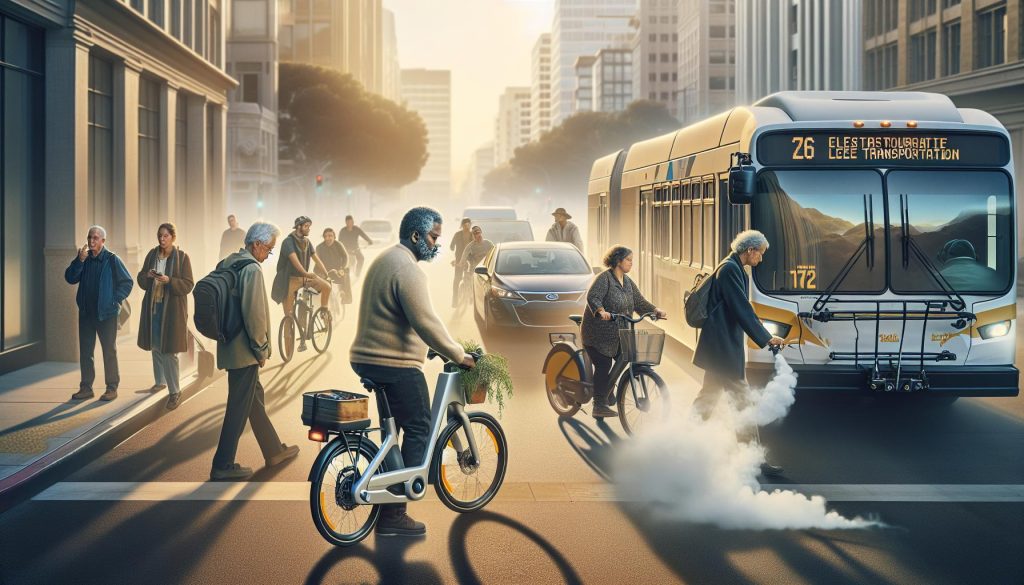
Transportation is responsible for a staggering 14% of global greenhouse gas emissions, making it a key player in the fight against climate change. As we navigate our daily lives, from commuting to running errands, it’s crucial to recognize how our choices impact the environment. Public transportation, biking, and walking not only reduce carbon footprints but also promote healthier lifestyles and vibrant communities. By understanding the profound relationship between transportation and climate change, you can make informed decisions that not only benefit the planet but also enhance your own quality of life. This article will explore practical strategies to reduce your carbon footprint through transportation choices, helping you to contribute positively to the climate while enjoying the journey.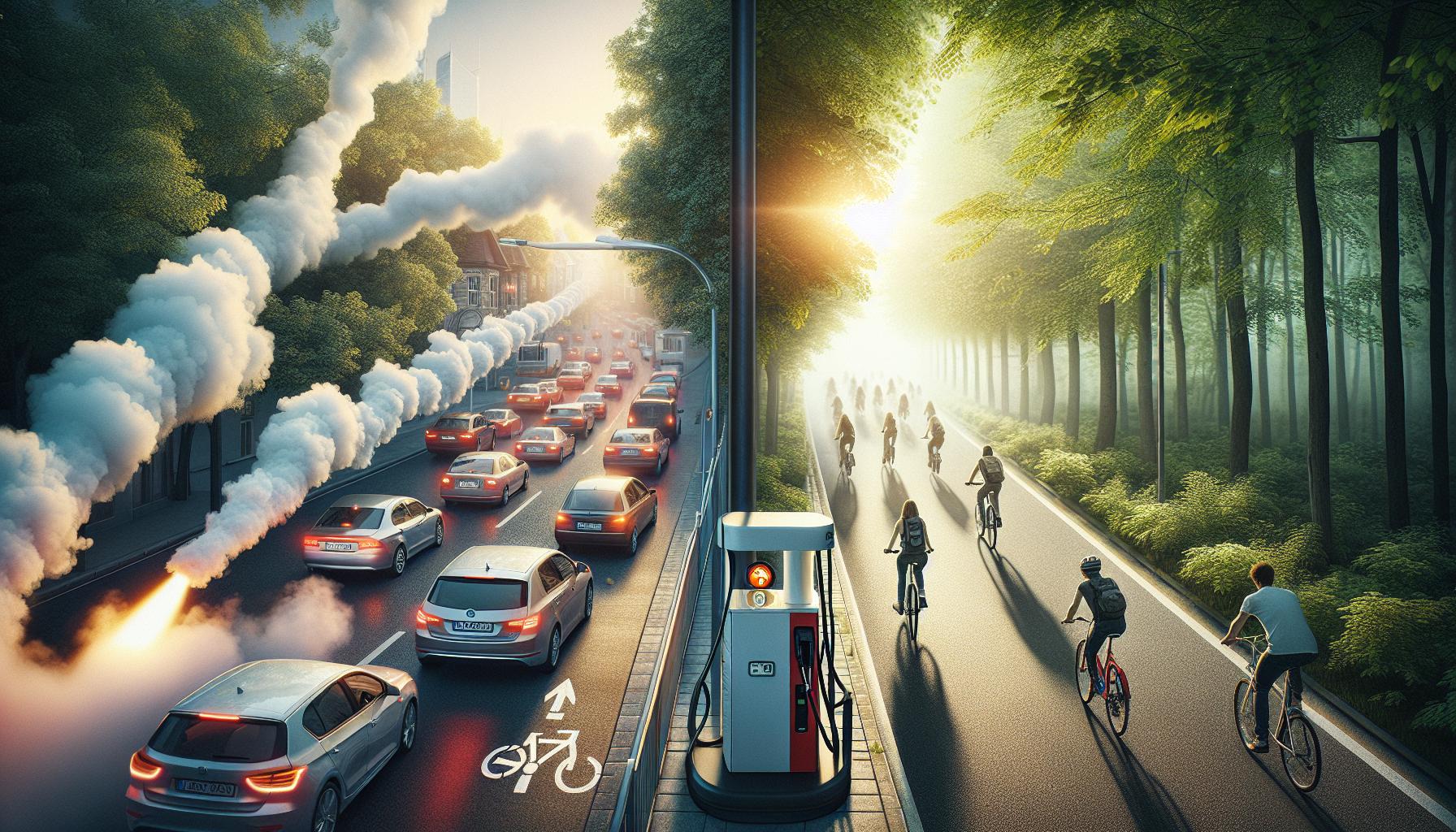
The Environmental Impact of Transportation Choices
The choices we make in transportation dramatically affect our environment, a reality that increasingly resonates as climate change accelerates. In the United States, transportation is a leading source of greenhouse gas emissions, accounting for over 29% of total emissions in 2020. This fact underscores the significance of how we travel-from private vehicles and public transportation to cycling and walking. Each mode of transport contributes differently to our carbon footprint, influencing air quality, urban congestion, and overall ecological health.
Private vehicles, while providing convenience, are often the most carbon-intensive option. The average passenger vehicle emits about 404 grams of CO2 per mile. In contrast, public transportation systems can significantly reduce individual emissions, with buses, subways, and trains transporting multiple passengers at once. Studies have shown that public transit can reduce per-passenger greenhouse gas emissions by up to 45% compared to driving alone. Moreover, cities with robust public transport options tend to experience lower levels of air pollution, making the case for investing in these systems even more compelling.
Another critical aspect is the impact of urban planning on transportation choices. Cities designed with dense, walkable neighborhoods promote lower reliance on personal vehicles, thereby reducing emissions associated with commutes. Effective urban planning can integrate cycling and pedestrian pathways, making green transportation options more accessible. For instance, cities like Copenhagen and Amsterdam have become global leaders in cycling infrastructure, boasting reduced emissions and healthier residents due to increased physical activity.
To shift toward more sustainable frameworks, individuals can adopt various strategies to reduce their transportation impact. Carpooling, using public transit, opting for electric or hybrid vehicles, and making a conscious effort to combine trips can all significantly lower emissions. Additionally, communities can advocate for policies that support infrastructure development for sustainable practices, such as expanding bike lanes and improving public transport accessibility. These individual choices and broader community initiatives together foster a culture of environmentally responsible travel.
How Different Modes of Transport Contribute to Climate Change
The transportation choices we make can have profound implications for our planet, and understanding these impacts is essential as we navigate toward a sustainable future. Private vehicles, while offering unmatched convenience and freedom, are significant contributors to greenhouse gas emissions. On average, a single passenger vehicle emits approximately 404 grams of CO2 per mile. When you consider the number of vehicles on the road and how frequently they are used, the cumulative effect is staggering. This reliance on personal vehicles exacerbates urban pollution and contributes to climate change.
On the other end of the spectrum, public transportation offers a more environmentally friendly alternative. Efficient bus, subway, and rail systems can dramatically reduce emissions per passenger. Research shows that these modes of transport can decrease individual greenhouse gas emissions by up to 45% compared to solo driving. For instance, cities with integrated public transport networks often experience lower pollution levels and improved air quality, which highlights the importance of investing in such systems. Encouraging public transportation usage not only enhances the efficiency of our urban landscapes but also supports healthier living environments.
Cycling and walking remain the greenest options, producing zero emissions while promoting physical health. Urban areas that prioritize cycling infrastructure, like Copenhagen, have seen significant reductions in car dependency and greenhouse gas emissions. These cities exemplify how thoughtful urban design that includes bike lanes and pedestrian pathways can foster a sustainable and healthy lifestyle. To further encourage these practices, local governments can implement policies that incentivize active transportation and ensure safe environments for cyclists and pedestrians.
To make a meaningful impact on climate change through transportation choices, individuals can take proactive steps such as carpooling, choosing public transport, adopting electric or hybrid vehicles, and consolidating trips to minimize driving. Communities can bolster these efforts by advocating for improved public transport and better cycling infrastructure. By embracing a culture of sustainable travel through both personal and collective actions, we can play a crucial role in mitigating climate change.
Understanding Transportation Emissions: Facts and Figures
Every year, the transportation sector contributes approximately 29% of total greenhouse gas emissions in the United States, making it a key player in the ongoing fight against climate change. This staggering figure underscores the profound impact that our choices in mobility can have on the environment. The diverging emissions profiles of various transportation modes highlight the urgency of understanding these differences and making informed decisions.
Key Emission Figures
- Passenger Vehicles: Traditional gasoline-powered cars are among the worst offenders. On average, a single passenger vehicle emits about 404 grams of CO2 per mile, which rapidly accumulates in areas with heavy traffic or high vehicle reliance.
- Public Transportation: Conversely, public transit options significantly reduce per-person emissions. Studies indicate that buses can emit 45% less CO2 per passenger than the average single-occupancy vehicle, while rail systems yield even lower emissions per mile traveled.
- Cycling and Walking: The greenest travel options, cycling and walking, produce zero emissions. Cities that actively promote these modes through infrastructure investments, like bike lanes and pedestrian-friendly pathways, often report improved air quality and reduced congestion.
The Broader Impact
The implications of these facts extend beyond mere statistics. Improved air quality stemming from reduced transportation emissions can lead to better health outcomes for urban populations. A study in Los Angeles found that increased public transit use could lead to over 600 fewer hospital admissions related to air pollution each year.
Strategies for Change
To mitigate transportation emissions effectively, individuals and communities can adopt several strategies:
- Carpooling: Sharing rides can significantly lower the number of vehicles on the road, directly reducing emissions.
- Public Transport: Utilizing buses and trains not only lessens individual carbon footprints but also supports the sustainability of transit networks.
- Incentives: Local governments can enforce policies to provide incentives for those utilizing public transport, cycling, or adopting electric vehicles.
Ultimately, being informed about transportation emissions empowers individuals and communities to make choices that contribute positively to the environment. Transitioning to more sustainable transport options is not just a personal decision but a societal imperative that can yield both environmental and health benefits.
The Role of Public Transportation in Reducing Carbon Footprint
Public transportation is an underappreciated hero in the fight against climate change, playing a crucial role in reducing overall carbon emissions. By shifting from solo vehicle use to public transit systems-such as buses and trains-individuals can significantly lower their personal carbon footprints. For instance, a recent study revealed that taking public transportation can reduce an individual’s carbon emissions by up to 45% compared to driving a traditional gas-powered vehicle. This profound impact is crucial in cities where congestion and air pollution are prevalent issues.
Moreover, public transit systems not only decrease personal emissions but also promote a more efficient use of resources. Buses can carry dozens of passengers with only a fraction of the carbon output per person compared to cars. For example, the average bus emits roughly 0.41 pounds of CO2 per mile, while a single passenger vehicle averages about 1.01 pounds per mile. When cities invest in public transportation infrastructure, they can achieve significant reductions in both traffic congestion and air pollution. This is evident in cities like New York, where extensive subway and bus networks help transport millions daily, thereby alleviating the need for countless individual car trips.
To further bolster the positive environmental impacts of public transportation, cities can adopt strategies that promote its use. Here are some actionable steps that cities and individuals can take:
- Enhanced Accessibility: Improving station accessibility makes it easier for more people to use public transit.
- Incentives: Introduce fare discounts or subsidies for frequent users to encourage consistent use.
- Eco-friendly Innovations: Invest in electric or hybrid buses to further reduce emissions from public transport itself.
- Integrated Networks: Create seamless connections between different modes of transport, such as bus, train, and cycling paths.
Encouraging a shift towards public transportation not only addresses climate concerns but also fosters healthier urban environments. As people take to the buses and trains, urban areas can experience less traffic congestion, reduced air pollution, and, consequently, improved public health outcomes. It’s a multi-faceted solution that tackles climate change while enriching community life, making it imperative for cities to prioritize and invest in sustainable transport options.
Innovations in Sustainable Transportation Technologies
In a world increasingly aware of climate change, are at the forefront of efforts to reduce greenhouse gas emissions and promote a healthier planet. One standout development is the electrification of public transport. Cities around the globe are transitioning to electric buses and trams, which can cut emissions significantly. For instance, electric buses can reduce CO2 emissions by up to 70% compared to their diesel counterparts, as evidenced by cities like Shenzhen, China, which has fully electrified its fleet of over 16,000 buses.
Another promising area is the integration of smart technology in transportation systems. Intelligent transportation systems (ITS) utilize data analytics to optimize traffic flow, reduce idling times, and enhance the efficiency of transport networks. For example, real-time tracking and smart traffic signals can adapt to congestion levels, leading to smoother journey times and reduced emissions. Additionally, app-based ridesharing platforms facilitate carpooling, allowing multiple passengers to share a vehicle, leading to fewer cars on the road and decreased overall emissions.
Advancements in Alternative Fuels
Innovations in alternative fuels are also gaining traction, with hydrogen and biofuels emerging as viable options. Hydrogen fuel cell vehicles emit only water vapor, representing a zero-emission solution. Companies like Toyota and Hyundai are leading the charge in developing hydrogen fuel technology for public transport. However, widespread infrastructure for hydrogen refueling is still in its infancy, which presents both a challenge and an opportunity for growth. Meanwhile, biofuels made from organic materials are being used to power conventional vehicles, reducing reliance on fossil fuels and lowering carbon footprints.
Smart Urban Planning
Urban planning plays a crucial role in transportation sustainability. Cities integrating mixed-use developments encourage walking and cycling, minimizing the need for car travel. Innovations such as bike-sharing programs and pedestrian-friendly zones not only reduce emissions but also promote healthier lifestyles. For instance, Amsterdam’s extensive cycling infrastructure has resulted in nearly 40% of residents commuting by bike, fostering a culture of sustainable transport and significantly lowering urban emissions.
The path to a more sustainable transportation future entails embracing these innovative technologies and methodologies, which ultimately contribute to mitigating climate change. By fostering a collaborative approach between governments, private sectors, and communities, the shift to greener transportation can create a sustainable legacy for future generations.
The Influence of Urban Planning on Transportation Emissions
Urban planning significantly shapes transportation emissions, serving as a critical lever in the fight against climate change. Thoughtfully designed urban environments can reduce reliance on personal vehicles, promoting walking, cycling, and public transit. A staggering fact to consider: cities with comprehensive plans for mixed-use development can decrease vehicle emissions by upwards of 30%. The integration of residential, commercial, and recreational spaces encourages people to choose sustainable transport modes, reducing the overall distance traveled and whole-life vehicle emissions.
Creating Walkable Communities
Designing walkable neighborhoods with accessible public transport options is essential. Pedestrian-friendly pathways, ample green spaces, and necessary amenities within walking distance not only encourage people to leave their cars at home but also enhance community well-being. Cities like Copenhagen exemplify this philosophy, where effective urban design has led to over 62% of residents commuting via cycling or walking. Incorporating pedestrian zones and bike lanes can effectively minimize air pollution from auto-centric urban layouts, promoting a healthier population.
Public Transit Integration
Robust public transportation systems must complement urban planning strategies. City planners can aid in establishing transit-oriented developments (TODs), which are areas designed to maximize access to public transportation. For instance, cities that have invested in modern light rail and bus systems-like Portland, Oregon-have witnessed significant reductions in per capita emissions. By linking high-density housing to transit hubs, TODs create environments where car ownership becomes less necessary, further cutting down on emissions from personal vehicles.
Innovative Approaches to Transportation Management
Moreover, smart urban planning can incorporate technology to manage transportation more efficiently. For example, utilizing real-time data analytics helps cities understand traffic patterns and adjust traffic signals to maximize flow and reduce congestion-a common cause of unnecessary emissions. Implementing congestion pricing in densely populated areas can discourage over-reliance on vehicles while generating revenue for public transport improvements. Cities like London have effectively reduced traffic by 30% since initiating their congestion charge, illustrating a practical approach to emission reduction through urban planning interventions.
In conclusion, is vast and multifaceted. By fostering walkable environments, integrating public transport systems, and employing technology-driven solutions, urban planners can play a pivotal role in addressing climate change. Through collaborative efforts and innovative designs, cities can shift towards sustainable mobility patterns, securing a cleaner and more resilient future for all residents.
Behavioral Changes: Shifting Mindsets for Greener Travel
Changing our travel habits can have a profound impact on the climate, with our individual choices collectively shaping the future of transportation. In fact, studies show that if just one in ten commuters shifted from driving alone to using public transportation, it could reduce greenhouse gas emissions by approximately 4.2 million metric tons annually. This illustrates not only the environmental need but also the significant potential for behavioral changes in our transportation choices.
To foster a shift towards greener travel, it’s essential to prioritize education and awareness. Providing information about the environmental impacts of various transportation modes can empower individuals to make more sustainable choices. For instance, programs that promote carpooling, public transit, or biking can be enhanced by highlighting the financial benefits-like savings on gas, parking, and vehicle maintenance. In cities like Los Angeles, community initiatives that incentivize public transit use have been shown to increase ridership and lower emissions, supporting the argument that practical support encourages better choices.
Creating Supportive Environments
Instituting real change also requires creating supportive environments that facilitate greener travel choices. Urban planners and policymakers can enhance bike lanes, improve sidewalks, and ensure that public transport options are safe, accessible, and convenient. Cities near major universities have seen success by implementing bike-share programs and campus shuttles that not only reduce car use but promote a culture of sustainability. Moreover, flexible work arrangements, such as remote work or staggered hours, can decrease rush-hour traffic while encouraging employees to explore alternative modes of transport.
Engaging with the Community
Community engagement is crucial in shifting mindsets towards greener travel. Programs that involve local residents in discussions about transportation can inspire collective action and foster a shared responsibility for environmental stewardship. For instance, community-led transport forums can highlight local needs, promote public transit improvements, and encourage residents to develop a sense of ownership over their transportation choices. Engaging citizens not only provides valuable insights into effective solutions but also helps cultivate a culture of environmental awareness.
By fostering informed decision-making, enriching community connections, and creating structural changes to support sustainable transportation options, we can shift mindsets and behaviors towards greener travel. These changes, while rooted in awareness and community engagement, can yield significant benefits, not just for the environment but also for the overall quality of urban life. Adopting these practices can help us collectively combat climate change and pave the way for a healthier planet.
Transportation Policies That Mitigate Climate Change
Implementing effective transportation policies can significantly lower greenhouse gas emissions and tackle climate change more aggressively. Research indicates that transportation accounts for about 29% of total greenhouse gas emissions in the United States, making strategic policy interventions essential for sustainable urban environments. Governments at all levels can introduce a variety of measures aimed at promoting public transit, increasing the number of electric vehicles (EVs), and facilitating non-motorized transport options like walking and cycling.
One compelling approach is to enhance public transportation infrastructure and services. By investing in reliable and efficient transit systems, cities can encourage more people to opt for public transport over personal vehicles. Examples of successful policies include subsidizing metro fares, expanding bus services, and improving connectivity between different modes of transport. Cities like New York and San Francisco have seen ridership increase and congestion decrease following such investments. Moreover, implementing congestion pricing in busy urban areas, such as London, has also proven effective. This policy charges drivers a fee to enter high-traffic zones during peak hours, effectively reducing congestion and incentivizing public transportation use.
In addition, incentives for electric vehicle adoption play a crucial role in reducing transportation emissions. Policies can include offering tax rebates for EV purchases, investing in widespread charging infrastructure, and increasing the availability of low-emission vehicle options in public fleets. For instance, California has enacted a series of initiatives aimed at doubling the number of electric vehicles on the road by 2025, with significant investments in charging networks to support this goal.
Urban planning also needs to integrate transportation policies effectively. Zoning regulations that promote mixed-use developments can lead to shorter travel distances and consequently reduced reliance on cars. These areas can encourage walking, biking, and taking public transit by creating vibrant, accessible environments where residents can live, work, and play. Policies that prioritize safe pedestrian pathways and bike lanes can effectively shift transportation behavior in cities.
To further encourage sustainable habits, governments can consider implementing educational campaigns that raise awareness of the benefits of public transport and other eco-friendly travel modes. These campaigns can highlight the economic savings, health benefits, and environmental impacts associated with reduced car use, thus fostering a cultural shift toward sustainability.
Ultimately, comprehensive transportation policies that integrate public transit enhancement, EV incentives, mixed-use urban planning, and community engagement can profoundly influence climate change mitigation efforts. By making intentional choices at the policy level, cities can create a more sustainable future that benefits both the environment and urban populations.
The Economic Costs of Transportation-Induced Climate Change
The impact of transportation on climate change is not just an environmental concern; it carries significant economic implications that can affect individuals, businesses, and governments alike. According to research, transportation accounts for approximately 29% of total greenhouse gas emissions in the United States. This staggering statistic underscores that our travel choices play a crucial role in influencing both environmental sustainability and economic health. The economic costs linked to transportation-induced climate change manifest in various forms, from rising healthcare costs due to pollution-related diseases to the financial burden of climate adaptation measures.
One tangible cost associated with transportation emissions is the economic strain on public health systems. Increased air pollution from vehicles contributes to respiratory and cardiovascular diseases, leading to higher healthcare expenditures. For instance, a study conducted by the American Lung Association estimated that air pollution from transportation costs the U.S. economy around $60 billion annually in healthcare spending. Mitigating these emissions through investments in clean public transport and promoting electric vehicles can thus not only reduce health issues but also save significant public health dollars.
Additionally, the impact of climate change on infrastructure presents another serious economic risk. Rising temperatures and extreme weather events can damage transportation networks, leading to increased maintenance costs and service disruptions. For example, flooding can erode roads and bridges, necessitating costly repairs. According to the National Oceanic and Atmospheric Administration (NOAA), every dollar spent on resilient infrastructure can save up to six dollars in future recovery costs. Therefore, proactively addressing transportation emissions can play a critical role in safeguarding our infrastructure investments.
Adopting sustainable transportation options can also yield economic benefits for businesses and communities. By implementing policies that encourage public transit, active transportation, and carpooling, cities can reduce traffic congestion, leading to increased productivity and decreased transportation costs for businesses. Employers may also benefit economically by supporting flexible work arrangements that limit commuting and associated expenses. Furthermore, there are substantial savings for individuals who rely less on personal vehicles, including savings on fuel, maintenance, and insurance.
In conclusion, emphasize the necessity of transitioning to more sustainable transportation methods. By recognizing and addressing these costs, cities and communities can create powerful incentives for change that promote not only environmental health but also economic resilience and vitality.
Case Studies: Successful Sustainable Transportation Initiatives
Cities around the world are increasingly recognizing the urgent need to address transportation’s role in climate change, and many have implemented innovative initiatives that not only reduce carbon emissions but also enhance urban mobility and public health. For instance, the city of Copenhagen stands out as a leader in sustainable transportation, with a comprehensive cycling infrastructure that has made biking a viable option for over 62% of its residents commuting daily. By investing over $1 billion in bike lanes, Copenhagen has successfully reduced car usage and, consequently, vehicular emissions. This initiative not only lowers greenhouse gas emissions but also significantly improves air quality and public health outcomes.
Case Study: Bogota’s TransMilenio Bus Rapid Transit System
Another exemplary initiative is Bogotá’s TransMilenio, a Bus Rapid Transit (BRT) system that serves millions of residents across the Colombian capital. Implemented in 2000, TransMilenio features dedicated bus lanes that provide efficient, high-capacity transit, reducing reliance on personal vehicles. With the ability to transport over 2 million passengers daily, this system has contributed to a significant reduction in greenhouse gas emissions – estimated at 300,000 tons annually. The success of TransMilenio demonstrates how well-designed public transportation can alleviate congestion while minimizing climate impact.
Innovative Electric Vehicle (EV) Policies in California
In the United States, California has emerged as a trailblazer in promoting electric vehicles through policies that include substantial incentives for EV purchases and the expansion of charging infrastructure. Governor Gavin Newsom’s executive order to ban the sale of new gasoline-powered vehicles by 2035 is aimed at transitioning to a zero-emission vehicle future. This move is expected to reduce the state’s greenhouse gas emissions significantly and pave the way for cleaner air. The advancements in EV technology combined with the state’s commitment to renewable energy sources reflect how targeted policies can shift transportation towards sustainability.
Implementing Sustainable Urban Mobility Plans in Paris
Paris has responded to climate challenges with its Sustainable Urban Mobility Plan, which aims to promote walking, cycling, and public transportation while reducing car dependency. The city’s recent measures, including the expansion of pedestrian areas and the introduction of car-free days, demonstrate a commitment to environmentally friendly urban transformation. By prioritizing sustainable travel options, Paris not only aims to reduce carbon emissions but also to revitalize urban spaces and improve the quality of life for its citizens.
Overall, these case studies illustrate that prioritizing sustainable transportation initiatives leads to profound environmental benefits and enhanced public well-being. As more cities adopt similar practices, the global community can move closer to achieving climate goals while fostering healthier, more connected urban environments.
Future Trends in Transportation and Climate Solutions
As cities transform in response to climate change, transportation innovations are at the forefront of creating sustainable solutions. An increasing number of urban areas are adopting advanced strategies to redefine mobility, prioritizing environmental consciousness alongside economic viability. For instance, the integration of smart transportation systems is emerging as a pivotal trend. By leveraging data analytics and real-time monitoring, cities can optimize traffic flow, reduce congestion, and lower emissions. Smart traffic lights, dynamic public transport schedules, and mobile apps that provide commuters with real-time updates are just a few examples of how technology can create a more efficient transportation network.
Electric and Shared Mobility Revolution
Another significant trend is the electric vehicle (EV) revolution, which is being complemented by the rise of shared mobility services. According to projections from various studies, the global EV market is expected to grow significantly, driven by both consumer demand and supportive policies. In cities like Amsterdam and Los Angeles, extensive charging infrastructure and incentives for EV adoption are making electric cars a practical choice aligning with climate goals. Furthermore, the growth of ride-sharing platforms and micro-mobility options like e-scooters and bikes can decrease the number of individual car trips, effectively reducing overall emissions.
Investment in Public Transportation and Infrastructure
Investment in public transportation remains critical, especially as urban populations continue to swell. Cities are increasingly recognizing that expanding and modernizing public transport options can significantly mitigate climate impact. For example, cities like Seattle and London are enhancing their subway systems to encourage commuters to opt for public transport over driving. By integrating eco-friendly designs, such as energy-efficient buses and electric trams, these systems not only lower emissions but also reduce traffic congestion, contributing to improved air quality.
To support these trends, cities must also engage citizens in behavioral changes that prioritize sustainability. This entails encouraging the use of public transport, biking, and walking through awareness campaigns and community initiatives. As people adopt greener travel habits, the collective impact can contribute significantly to emissions reductions and climate resilience.
Ultimately, the future of transportation is set to embrace a multifaceted approach that encompasses innovative technologies, sustainable practices, and strong communal engagement. By aligning these strategies, cities can not only address pressing climate challenges but also enhance the overall quality of urban life, fostering vibrant, connected communities ready to thrive in the face of environmental uncertainty.
Q&A
Q: How does transportation impact greenhouse gas emissions?
A: Transportation significantly contributes to greenhouse gas emissions, accounting for nearly 30% of total emissions in many countries. Reducing reliance on fossil fuel-powered vehicles, promoting public transit, and adopting electric and alternative fuel technologies can help mitigate this impact. For more information, see our section on Understanding Transportation Emissions.
Q: What role do electric vehicles play in climate change mitigation?
A: Electric vehicles (EVs) help reduce climate change effects by lowering greenhouse gas emissions from transportation. When charged with renewable energy, EVs can greatly decrease carbon footprints. Transitioning from gas-powered vehicles to EVs supports emission reduction goals outlined in our Innovations in Sustainable Transportation Technologies section.
Q: How can public transportation reduce carbon footprints?
A: Public transportation can reduce individual carbon footprints significantly by lowering the number of personal vehicles on the road. It typically generates fewer emissions per passenger mile. Encouraging the use of buses, subways, and trains is vital for sustainable urban planning, as discussed in our Role of Public Transportation section.
Q: What are the environmental benefits of cycling and walking?
A: Cycling and walking produce no emissions and promote sustainable urban environments. They reduce traffic congestion and improve air quality. Integrating safe cycling lanes and pedestrian paths in urban planning can enhance these benefits as mentioned in our Influence of Urban Planning on Transportation Emissions section.
Q: Why is urban planning important for reducing transportation emissions?
A: Urban planning influences transportation emissions by determining how easily residents can access public transit, walking routes, and cycling infrastructure. Effective planning can minimize vehicle dependency, thereby lowering emissions. Explore more in our section on the Influence of Urban Planning on Transportation Emissions.
Q: What are some successful sustainable transportation initiatives?
A: Successful sustainable transportation initiatives, such as bike-sharing programs and electric bus fleets, demonstrate achievable carbon reductions. Cities like Copenhagen and Amsterdam have effectively implemented these programs. Learn more about these case studies in our section on Successful Sustainable Transportation Initiatives.
Q: How can individuals contribute to reducing transportation-related climate change?
A: Individuals can reduce transportation-related climate change by using public transit, carpooling, biking, and walking whenever possible. Small shifts in daily commuting choices can collectively lead to significant emission reductions. For more strategies, see our Behavioral Changes section.
Q: What transportation policies are effective in combating climate change?
A: Effective transportation policies include incentivizing public transport use, investing in cycling infrastructure, and promoting zero-emission vehicles. These policies can significantly mitigate climate change impacts. For more detailed discussions, refer to our section on Transportation Policies That Mitigate Climate Change.
To Conclude
Understanding the impact of transportation on climate change is crucial for creating a sustainable future. By embracing greener travel options and making informed choices, you can significantly contribute to reducing carbon emissions. This knowledge isn’t just empowering-it’s a call to action.
If you want to dive deeper, explore our insights on sustainable travel solutions or discover practical tips for reducing your carbon footprint through everyday transportation choices. Don’t forget to sign up for our newsletter to stay updated on the latest in sustainable living and environmental best practices.
Your participation matters! Share your thoughts in the comments below, and let’s keep the conversation going. Together, we can drive change and make a lasting impact on our planet’s future. Remember, every small step counts towards a healthier Earth.