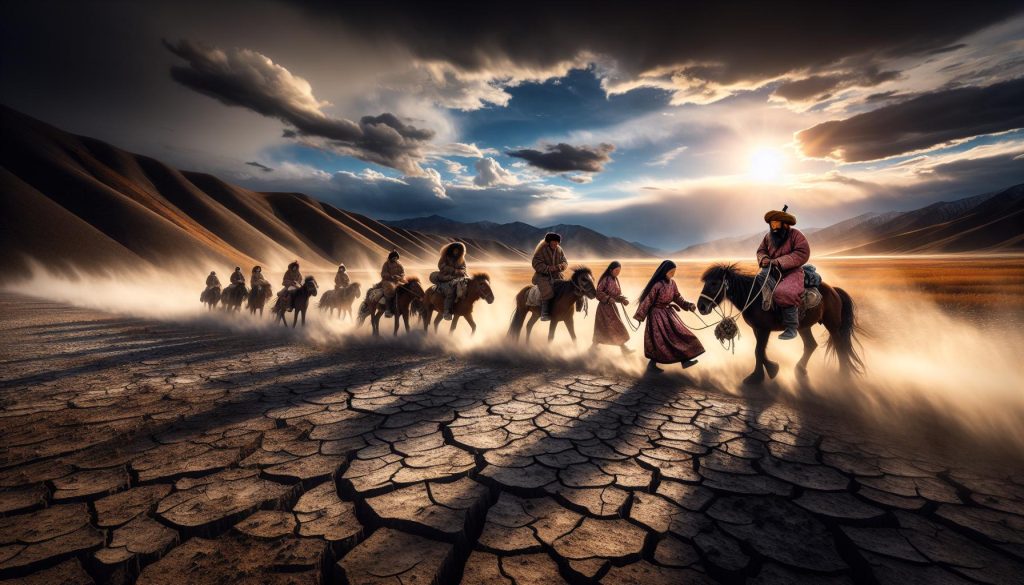
Climate change is not just a modern dilemma; it has shaped human history in profound ways, including the rise of the Mongols in the 13th century. A surprising fact is that significant climate shifts forced these formidable horsemen to migrate southward in search of more arable land and resources. Understanding this historical phenomenon reveals how environmental factors influenced the behaviors and decisions of entire communities, a lesson that resonates today as we confront the reality of our changing climate. This exploration not only sheds light on the past but also prompts us to consider how climate challenges could reshape societies in the future. As we delve into the story of the Mongols, we uncover the delicate balance between human resilience and environmental pressures, inspiring a deeper appreciation for sustainable practices in our own time. Join us as we investigate this compelling intersection of climate and history, and consider what it means for our world today.
The Role of Climate Change in Mongolian Migration
The dynamics of climate change in Mongolia have fundamentally altered the migratory patterns of its population, contributing to what is often referred to as ‘climate migration.’ The nation’s vast landscapes, primarily inhabited by nomadic herders, are increasingly threatened by phenomena such as dzuds-severe winter storms exacerbated by climate change-which decimate livestock and threaten livelihoods. As herders face the loss of their animals, many are compelled to abandon their traditional way of life and migrate towards urban centers like Ulaanbaatar in search of better opportunities.
The increasing frequency of drought and irregular precipitation patterns have significantly diminished agricultural productivity, making it challenging for communities reliant on both livestock and crop production. This decline is not just an economic crisis; it impacts food security, leading to higher prices for essential goods, further straining the already vulnerable populations. As rural families struggle to adapt to these changing environmental conditions, the urgency to migrate grows, highlighting a vicious cycle where climate change prompts migration, which in turn can create densely populated urban centers that strain local resources.
Adaptation strategies have been slow to materialize, but some communities are beginning to implement resilience measures. These include diversifying income sources and enhancing livestock management practices to withstand climatic shocks better. However, many find themselves caught in a web of socio-economic pressures that push them toward migration rather than adaptation. The fallout from these environmental shifts positions migration as not just a survival tactic, but for many, the only viable option as their ancestral ways of life become unsustainable.
This historical narrative suggests parallels with modern climate refugees, offering insights into how we understand and address contemporary migrations caused by environmental change. As the world grapples with climate-related challenges, lessons from Mongolia’s experience underline the importance of proactive policies that support sustainable practices and empower communities, ultimately fostering resilience against climate-induced migration.
Understanding the Mongol Empire and Its Expansion

The legacy of the Mongol Empire highlights how formidable environmental changes can dramatically redirect the trajectories of societies, compelling them to explore new territories. During the rise of the Mongol Empire in the 13th century, a series of climatic shifts, particularly in Central Asia, altered the availability of resources critical for nomadic herding-one of the Empire’s core livelihoods. As the hunting grounds and pasturelands diminished due to changing weather patterns, the Mongols were faced with a stark reality: adapt or perish.
The harsh Mongolian steppes relied heavily on reliable precipitation patterns. However, evidence suggests that prolonged periods of drought could have pushed nomadic tribes further south as they sought more hospitable lands with better grazing conditions. Climate models indicate fluctuations in temperature and precipitation during this era, likely contributing to stress on livestock herding, which was the backbone of Mongol society. A compelling example of this impacts can be seen in how arid conditions may have driven significant demographic shifts towards the more fertile regions of northern China and Persia, allowing the Mongols to expand their territory while simultaneously searching for better living conditions.
Understanding the reasons behind this migration sheds light on the broader implications of climate change, lessons that resonate today. It demonstrates the need for adaptive strategies that strengthen resilience against environmental challenges. By recognizing the patterns of past migrations, modern societies can develop proactive approaches, emphasizing sustainable land management and diversification of livelihoods to withstand climatic adversities. For instance, contemporary Mongolia is currently facing similar challenges, as modern herders deal with the consequences of changing climate patterns that impact their ways of life, mirroring the experiences of their ancestors.
Furthermore, the Mongol experience calls attention to the interconnectedness of climate variability, migration, and cultural exchange. As the Mongols moved southward into new territories, they not only adapted to new environments but also engaged in trade and formed cultural alliances that enriched their society. Today, as communities grapple with climate-induced migrations, we must encourage policies that foster integration and mutual support rather than conflict, highlighting the potential for cooperation in the face of shared challenges.
The Environmental Factors Behind Climate Change
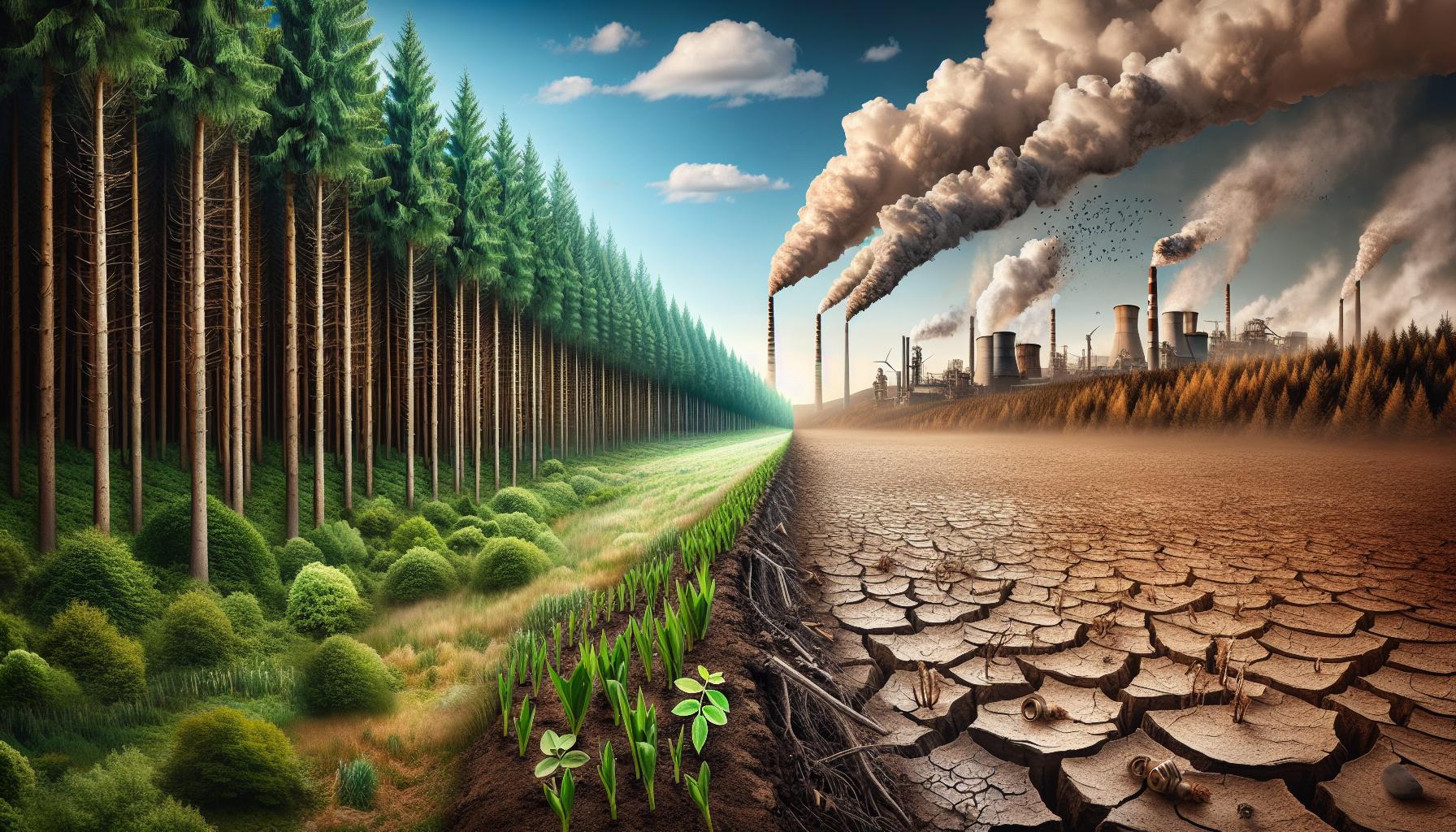
The intricate relationship between environmental factors and climate change dramatically shaped the Mongols’ migratory patterns, particularly as they faced challenges in sustaining their nomadic lifestyle. During the rise of the Mongol Empire, shifting climatic conditions, especially prolonged droughts, increasingly pressured their pastoral livelihoods. As precipitation patterns became erratic, the once-reliable pastures began to dwindle, compelling herders to seek more fertile lands further afield. Historical climate models suggest that these fluctuations in temperature and moisture led to acute water shortages and ultimately diminished the resources necessary for livestock survival, which was central to Mongolian culture and economy.
To comprehend the profound impact of these environmental shifts, it’s essential to explore the specific climatic events that may have triggered the Mongols’ southward migration. The region’s harsh weather, characterized by extreme temperature variations, was exacerbated by climatic phenomena such as the “dzud”-a term used to describe severe winters that could devastate livestock populations. This phenomenon, coupled with dryer conditions, created a vicious cycle where herders were left with insufficient grazing land and resources to feed their animals, endangering their very existence. This forced many nomadic tribes not only to leave their traditional territories but also adapt to entirely new ecosystems and agricultural practices.
The situation called for resilience and innovation. Evidence from historical records indicates that as nomadic tribes migrated southward, they encountered more hospitable environments that offered greener pastures. This migration wasn’t just about survival; it often led to greater cultural exchanges and economic opportunities as they connected with neighboring societies. Ultimately, the environmental pressures they faced exemplified how climatic challenges drove adaptation and expansion, demonstrating that climate change can force entire civilizations to rethink their existence fundamentally.
In light of these historical examples, contemporary societies can draw parallels with today’s climate challenges. As modern communities face similar disruptions from climate change, there is a significant need for strategic planning that emphasizes sustainable resource management. By fostering adaptability and resilience, inspired by the Mongol experience, societies can navigate the complex dynamics of environmental change while mitigating the social consequences of forced migration.
Impact of Drought on Mongolian Livestock
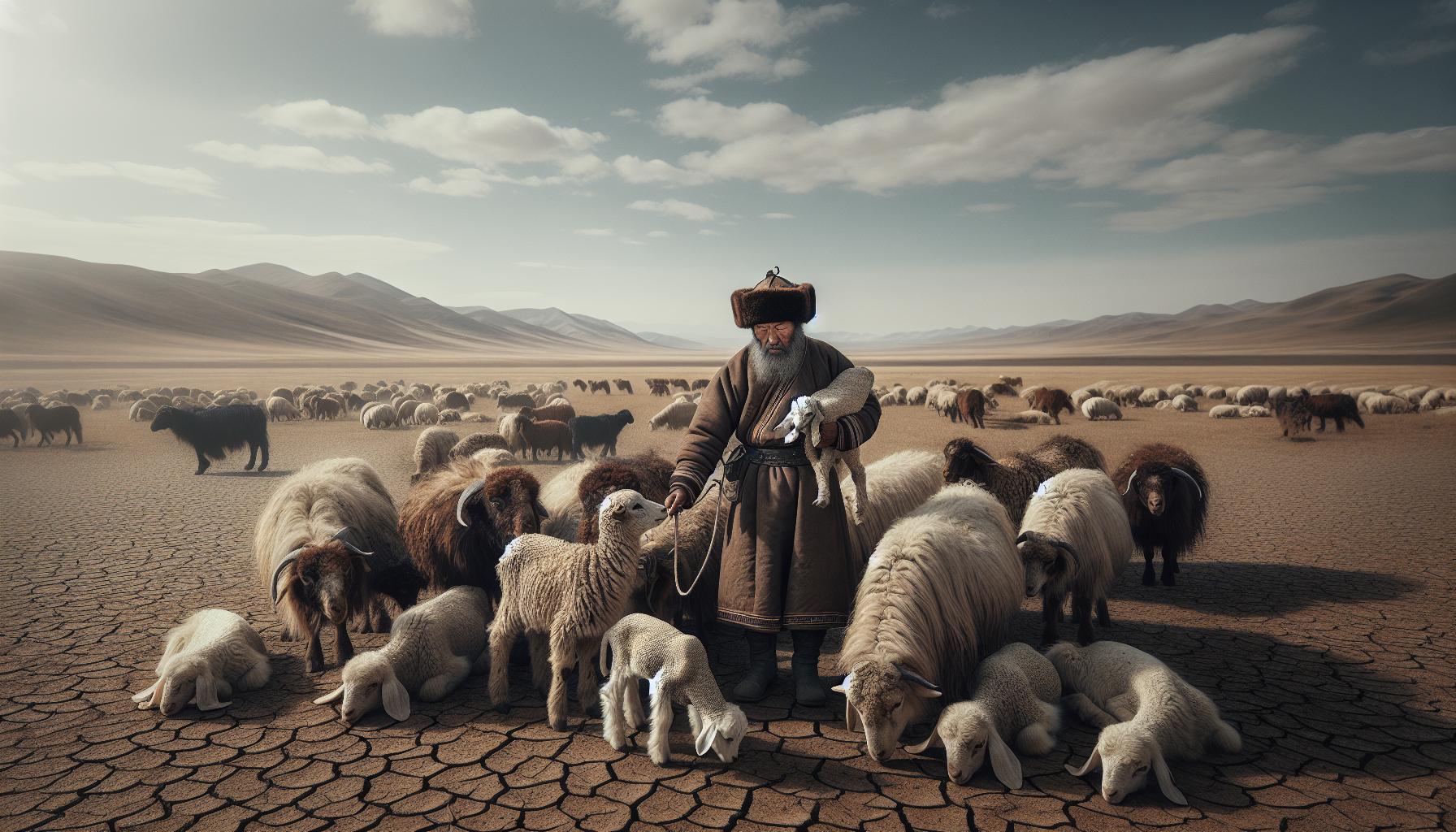
Prolonged droughts have historically been a significant challenge for Mongolian herders, drastically affecting their livestock and, consequently, their livelihoods. When drought strikes, the once-abundant grasslands that sustain herds of sheep, goats, and other animals become parched and barren. This reduction in available forage can lead to malnutrition and higher mortality rates among livestock, threatening the very foundation of the nomadic lifestyle that relies on animal husbandry. As herders face reduced herd sizes, they find themselves compelled to migrate in search of better grazing lands, a pattern that echoes through history due to climatic fluctuation.
Short-term drought impacts can manifest as immediate pressure on water resources. With limited rainfall, water sources dwindle, complicating access for herds. Herders must travel greater distances to find water, which increases the stress on both animals and their caretakers. This situation exacerbates the problem, as animals expend more energy walking long distances, further diminishing their physical condition. As the climatic conditions continue to shift, reliance on effective water management becomes crucial for sustaining herds during dry spells.
Adapting to these environmental changes requires innovative strategies. Herders can adopt practices such as rotational grazing, allowing certain pastures time to recover from usage, thereby enhancing the availability of forage during drought periods. Additionally, investing in water conservation techniques-like building water retention areas or using mobile water units-can mitigate some impacts of prolonged dry spells. Moreover, fostering a community approach where knowledge and resources are shared can help optimize herd management and improve resilience against the harsh realities of climate change.
Engaging with local authorities and organizations can further empower herders. Programs focused on sustainable land management, education about climate resilience, and improved market access for herder products can create a more robust support network. Such initiatives not only bolster the livelihoods of herders but also contribute to the health of the overall ecosystem, helping to stabilize herding communities amidst growing climate challenges. By understanding and addressing the ways drought impacts livestock, Mongolian herders can better navigate these changing conditions, fostering an environment of resilience and adaptability in the face of ongoing climate uncertainties.
How Climate Change Diminished Agricultural Productivity
Climate change has played a crucial role in diminishing agricultural productivity in Mongolia, significantly impacting traditional practices and lifestyles. The increased frequency of extreme weather events, such as untimely frosts, severe droughts, and harsh winters, directly correlates with declining crop yields and agricultural viability. For instance, average temperatures in Mongolia have risen by over 1.5 degrees Celsius in the past century, altering growing seasons and disrupting the delicate balance needed for successful agricultural practices. Such shifts can lead to crop failures, leaving farmers without adequate food sources or income.
In this context, sustainable agricultural strategies become vital to adapt to climate-induced challenges. Farmers can employ techniques such as crop diversification, which not only mitigates the risk associated with monoculture but also enhances soil health and biodiversity. Additionally, the adoption of climate-resilient crops can further safeguard against unexpected weather patterns. By choosing varieties that can withstand drought or flood conditions, farmers can better secure their livelihoods amidst climate volatility.
Addressing the underlying soil health is another actionable step toward restoring agricultural productivity. Implementing practices such as no-till farming and cover cropping can improve soil structure and moisture retention. These methods not only combat erosion but also enhance the soil’s ability to store nutrients and moisture, ultimately benefiting crop growth.
Empowering local communities through education and technology is essential for fostering resilience. Providing resources that facilitate access to market information, along with training on sustainable farming techniques, can significantly enhance productivity and profitability. Building cooperative networks among farmers to share tools, resources, and knowledge fosters community resilience and enables collective adaptation to climate challenges.
In conclusion, while climate change poses substantial threats to agricultural productivity in Mongolia, proactive and innovative strategies can help mitigate these impacts. By embracing diversification, improving soil health, and strengthening community collaboration, farmers can navigate the complexities of a changing climate and work toward a more sustainable agricultural future.
The Socioeconomic Consequences of Forced Migration
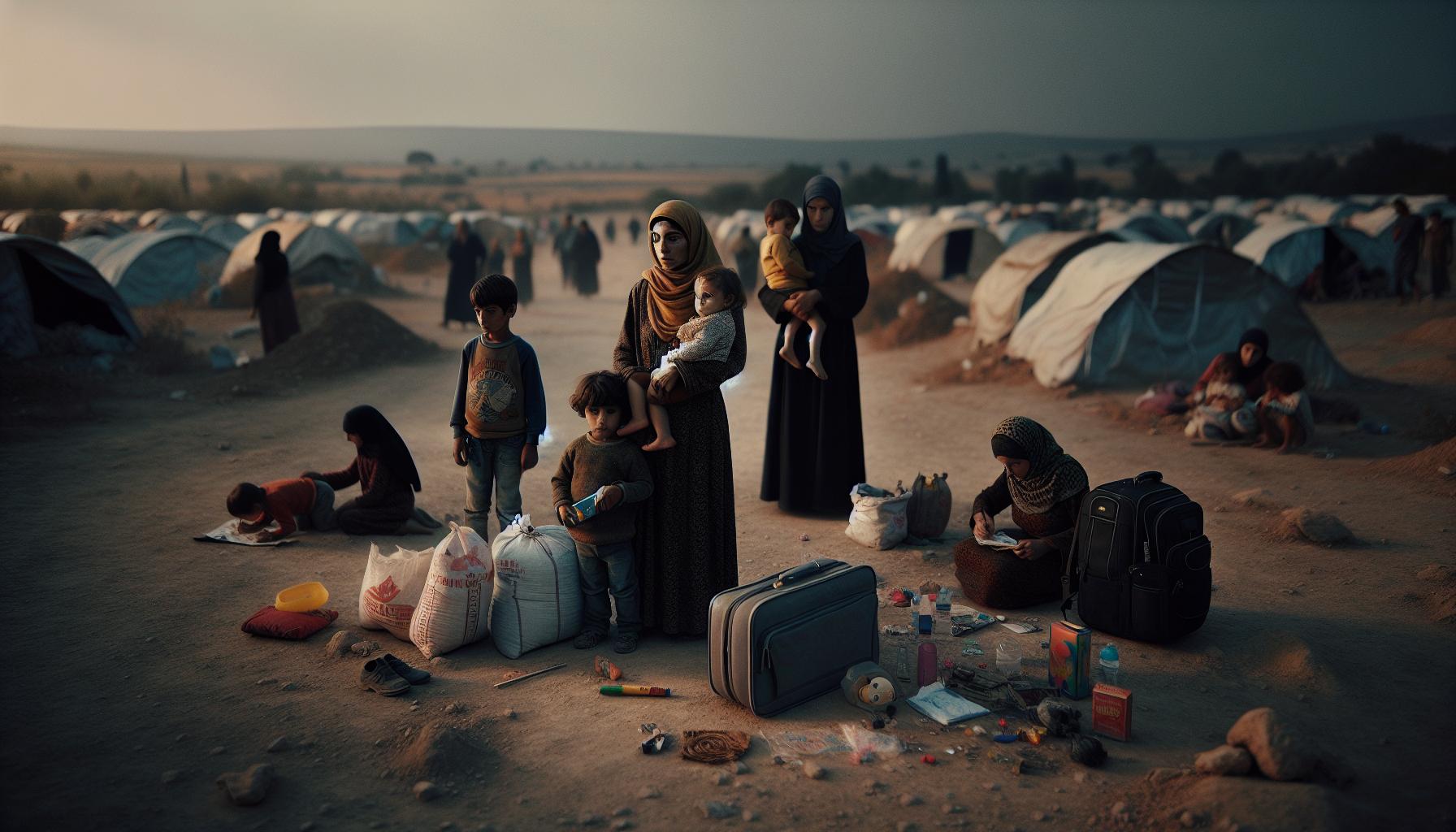
As climate change increasingly alters the environmental landscape of Mongolia, the repercussions extend far beyond droughts and reduced agricultural yields, manifesting profoundly in the socioeconomic fabric of society. The forced migration of Mongolian herders in search of viable pastures and resources not only reflects personal hardship but also instigates broader economic challenges and cultural shifts. When climatic conditions deteriorate-exemplified by escalating temperatures and an increase in extreme weather-communities are compelled to move, abandoning their traditional nomadic lifestyles and economic foundations. This transition can create a ripple effect that disrupts community cohesion and cultural identities.
Forced migration often leads to the overpopulation of urban areas, where individuals seek better opportunities but find limited resources. In Mongolia’s capital, Ulaanbaatar, for instance, rapid urbanization has exacerbated housing shortages and infrastructure strain. Many migrants lack the skills required for employment in urban economies, which can lead to higher unemployment rates and increased reliance on the informal job market. Consequently, the traditional skills honed through pastoralism may not translate effectively in urban settings, contributing to a cycle of poverty and disenfranchisement.
Furthermore, this migration can lead to changes in social dynamics. As communities disperse, the strong communal networks that have supported herders for generations may erode, leading to isolation and a loss of social capital. The blending of diverse groups in urban centers may foster cultural exchanges, but it can also incite tensions as traditional values clash with new urban lifestyles. In this environment, individuals may struggle to find their place, leading to a sense of alienation and a decline in mental well-being.
To address these socioeconomic challenges, proactive strategies can be implemented. Building comprehensive support systems for migrants, like skill training programs tailored to urban job markets and access to mental health services, can help ease the transition. Community organizations can play a crucial role in providing resources and fostering connections among migrants to rebuild social networks. Additionally, policies aimed at sustainable urban planning can ensure that the infrastructural needs of a growing population are met while preserving the cultural heritage of migrating communities.
The lessons learned from the migration forced by climate change in Mongolia highlight the urgent need for adaptive strategies that not only cater to immediate survival but also nurture long-term resilience. By investing in community-centric programs and fostering integration, societies can confront the socioeconomic ramifications of climate-induced migration, transforming challenges into opportunities for innovation and growth.
Mongol Adaptation Strategies to Environmental Changes
As the harsh realities of climate change began to alter the landscape of Mongolia, the Mongols had to innovate and adapt to survive. Moving southward was not merely a choice but a necessity driven by deteriorating climatic conditions that threatened their traditional nomadic lifestyle. Identifying responsive strategies to cope with these environmental changes has been crucial. Understanding how these adaptations were made offers valuable insights for contemporary societies facing similar climate-induced challenges.
Mongolian herders have historically relied on a profound knowledge of their environment, which they harnessed to develop adaptive practices. One of the primary strategies involved shifting grazing patterns based on seasonal and climatic changes. For example, as certain areas became unusable due to drought or extreme cold, herders would move livestock to more fertile pastures. This practice not only preserved their animals but also maintained soil health and reduced overgrazing in specific areas. Adopting this rotational grazing system allowed herders to manage their land more sustainably, ensuring that vital pastures were preserved for future use.
Additionally, community-based resource management has played a pivotal role in how Mongols navigate climate challenges. Collective action, such as sharing pastureland and the rotational use of water and grazing resources, has strengthened social ties among herding groups. These communal strategies foster resilience, as they enable herders to pool their resources and knowledge, creating a safety net during times of crisis. Furthermore, locals are increasingly engaging with governmental and non-governmental organizations to develop programs aimed at rebuilding ecosystems and improving infrastructure, such as water access and shelter for livestock.
For those migrating south, adapting to urban settings has also required learning new skills that fit the changing economic landscape. Many former herders have taken on jobs in trade, construction, and services, leveraging their adaptability. Educational initiatives targeting skill development and vocational training have become essential for these individuals, providing pathways for employment and integration into urban life. By supporting such transitions with targeted programs, communities can help former herders navigate the complexities of urban environments while maintaining their cultural identities.
In summary, Mongolian herders have showcased remarkable resilience and adaptability in the face of climate change. Their experiences emphasize the importance of communal support, sustainable land management, and skill development in responding to environmental crises. By studying these historical adaptations, contemporary societies can draw parallels and create actionable strategies to mitigate the effects of climate-induced migration, fostering resilience in the process.
Case Studies: Historical Climate Events and Their Effects
The enduring relationship between climate events and the movement of populations is vividly illustrated in Mongolian history, where shifting environmental landscapes have often forced the nomadic communities to adapt or relocate. One of the most significant events impacting Mongolian migration patterns occurred in the late 20th century when a series of severe winters, known as “dzud,” coupled with recurrent droughts, devastated livestock populations. These climatic extremes illuminated the vulnerability of pastoral systems heavily reliant on stable weather patterns.
Drought, particularly during the critical growing seasons, greatly diminished forage availability for herders’ livestock. Without sufficient pasture, many herders faced the dire choice of moving southward to seek more hospitable conditions. For example, studies show that between 1999 and 2002, drought conditions led to significant decreases in livestock numbers, ultimately sparking a wave of internal migration toward urban centers such as Ulaanbaatar. By seeking new opportunities, herders attempted to integrate into market economies, though this transition was fraught with challenges, including loss of traditional knowledge and cultural identity.
Moreover, the historical patterns of migration due to environmental stress are not merely past occurrences; they offer crucial lessons for modern-day responses to climate change. As Mongolia grapples with the realities of contemporary climate challenges, these historical case studies underline the importance of proactive measures. For instance, investment in sustainable land management practices can cushion against the impacts of drought, while creating adaptive strategies for farm and grazing systems allows communities to maintain their livelihoods without perpetually uprooting their lives.
Ultimately, examining these historical climate events emphasizes not only the enduring resilience of the Mongolian people but also the critical need for integrated approaches that combine agricultural innovation, community support, and policy frameworks. By learning from these past experiences, contemporary societies facing similar climate-induced challenges can develop sustainable responses that honor both environmental and cultural landscapes, reinforcing the interconnectedness of climate, migration, and social structures.
Comparing Mongol Migrations to Modern Climate Refugees
Amidst the rising tide of climate disruption, the history of Mongolian migrations offers valuable lessons that resonate with the contemporary plight of climate refugees worldwide. Just as 20th-century Mongolian herders were forced to abandon their traditional nomadic lifestyle due to severe weather events-like droughts and harsh winters-the modern surge of climate-induced displacement reflects an urgent need for adaptive strategies in the face of environmental upheaval. Both historical and recent cases reveal the critical intersection between ecological changes and human mobility, highlighting how livelihoods, cultural identities, and social structures are at stake.
The Mongolian experience is characterized by a lifestyle intricately linked to the land, much like today’s climate refugees who depend on agriculture and natural resources. For example, severe droughts in Mongolia not only diminished livestock populations but also eroded traditional knowledge about sustainable practices among herders who migrated to urban areas seeking better opportunities. This mirrors current trends where communities in vulnerable regions, from South Asia to the Sahel, are compelled to leave their homes due to rising seas, erratic weather patterns, and agricultural failures. Today’s climate refugees often face similar challenges of cultural dislocation and loss of identity as they adapt to new environments, highlighting the necessity for supportive policies and community networks.
In addressing the needs of both historical and contemporary displaced populations, it becomes essential to adopt proactive, multi-faceted approaches. Lessons from the Mongolian migrations show that investing in sustainable land management and resilient agricultural practices can cushion communities against climate shocks. This strategy can be applied today through initiatives such as providing resources for climate-resilient crops, enhancing water management systems, and promoting community-led adaptation projects. By fostering resilience within communities, society can mitigate the impacts of climate change while honoring cultural practices and providing pathways for sustainable development.
Through a comparative lens, it is clear that while the contexts may differ, the undercurrents of environmental triggers leading to migration share a common narrative. Understanding the historical context of Mongolian migrations enriches our perspective on modern climate displacement, urging a collective response that emphasizes resilience, adaptation, and the preservation of cultural heritage in the face of ongoing climate challenges. By learning from these intertwined stories of migration, contemporary societies can formulate holistic solutions that acknowledge both ecological sustainability and the dignity of displaced populations.
Lessons from the Mongol Experience for Today’s Climate Challenges
The Mongol Empire’s expansion is a compelling case study in how environmental changes can mobilize entire populations, providing critical insights into today’s climate challenges. As climate change increasingly destabilizes regions worldwide, understanding the lessons from the Mongol experience can inform both historical and current responses to forced migration. The Mongols faced significant climatic shifts that diminished their agricultural productivity and forced them southward in search of more stable ecological conditions.
- Adaptive Mobility: The Mongols exemplified the flexibility required to adapt to changing environments. Their ability to migrate and adjust their lifestyle was crucial for survival during periods of climatic hardship. Similar adaptive strategies can be employed today, where communities facing climate stresses must maintain resilience through mobility, whether it be relocating temporarily or permanently.
- Resource Management: The sustainable use of land and water resources was vital for the Mongols as they expanded. Effective resource management practices, such as rotational grazing and water conservation, are essential in today’s contexts where climate-induced stress affects agriculture. Communities can learn from Mongolian practices to implement land stewardship initiatives that promote sustainability.
- Community Cohesion: The Mongol society thrived on strong community ties, which provided social support during migrations. In the modern context, fostering strong networks among displaced populations can mitigate the impacts of dislocation. Community-led resilience strategies-like local food systems and educational programs-can empower affected populations to rebuild their lives and maintain connections to their heritage.
- Cultural Preservation: Just as the Mongols adapted while maintaining aspects of their nomadic culture, today’s climate-displaced individuals must also strive to preserve their cultural identity amidst upheaval. Initiatives that prioritize cultural education and celebrate heritage can help displaced populations retain their identities in new environments.
In facing the dual challenges of migration and climate change, leveraging these lessons from the Mongol experience can guide practical, collaborative approaches. By emphasizing adaptability, resource management, community cohesion, and cultural preservation, societies can better prepare for the complexities of climate-induced displacement, ensuring dignity and support for all affected populations. These strategies not only address immediate challenges but also play a pivotal role in laying the groundwork for a sustainable and inclusive future.
The Interconnection Between Climate Change and Social Conflict
The historical movement of the Mongols southward in response to climate change serves as a pertinent example of how environmental factors can escalate social conflict. As climatic shifts altered the landscape and reduced agricultural viability, competition for diminishing resources intensified among communities. This development not only prompted the Mongols to migrate but also laid the groundwork for violence and instability in the regions they entered. Regions facing prolonged drought, for instance, not only strained the livelihoods of pastoralist communities but also cultivated animosities between tribes and clans vying for the same scarce resources.
Moreover, climate-induced migration has been linked to broader societal upheaval. As the Mongols left their traditional lands, they encountered established populations that were not equipped to integrate the influx of new groups, which often led to conflicts over land ownership, access to water, and grazing rights. The ensuing struggle for resource control often manifested in violent confrontations, illustrating that migration driven by environmental causes can give rise to social strife-an issue that remains critical in today’s context as climate refugees increasingly seek refuge in areas already burdened by economic and social tensions.
Addressing this interconnection between climate change and social conflict requires proactive strategies to foster cooperation between displaced populations and host communities. Emphasizing dialogue and resource sharing can mitigate conflict risks. For instance, community-based initiatives that promote equitable access to resources and encourage mutual understanding can play a crucial role in easing tensions. Establishing conflict resolution frameworks that involve local leaders and stakeholders can help build trust, ensuring that the integration process benefits all parties involved.
In recognizing the parallels between historical events and present-day scenarios, today’s societies can learn from the Mongol experience. By preparing for and managing the challenges presented by climate-induced migration, measures can be enacted to avoid the pitfalls of the past, fostering resilience and stability in the face of ongoing environmental change.
Future Implications: Climate Change and Regional Stability
The increasing severity and frequency of climate change events pose significant risks to regional stability around the world, reminiscent of the climate-induced migrations experienced by the Mongols centuries ago. These historical events provide profound lessons on the potential social turmoil arising from environmental shifts. As the earth warms, scores of people might be forced to relocate, creating new challenges for both migrants and host communities who must address the resulting demographic and resource distribution changes.
Understanding the Implications
In regions susceptible to climate change, such as drought-prone areas or those facing extreme weather changes, the impacts on agriculture, water availability, and natural resources will invariably lead to competition among populations. The Mongol exodus southward highlights a crucial aspect: when environmental conditions deteriorate, vulnerable communities may not only lose their livelihoods but also be driven to encroach upon the territories of others. This escalation can catalyze tensions and foster conflicts over essential resources, as increased migration pressures local systems that may already be strained.
Strategies for Mitigation
To mitigate these looming regional instabilities, collaborative and proactive strategies are paramount. These can include:
- Establishing Resource Management Plans: Local governments and organizations could devise plans that prioritize sustainable usage of land and water resources, ensuring that both migrants and established populations can coexist.
- Promoting Economic Adaptability: Investing in climate-resilient agricultural practices can fortify local economies, making them less susceptible to the adverse effects of climate change.
- Facilitating Dialogue and Integration Programs: Host communities must foster open channels of communication with incoming populations to build mutual understanding and prevent conflicts over resource allocation.
Real-world case studies, such as the success of cooperative land management initiatives in parts of the Sahel region of Africa, strengthen the argument for constructive engagement. By drawing on collective governance practices, displaced populations can be integrated into local communities, benefiting from shared knowledge and resources while helping to reduce tensions.
Learning from History
Historical migrations, such as those of the Mongols, illustrate the profound linkage between climate change and regional stability. Today’s societies stand at a crossroads; by understanding the impacts of past climate-induced migrations and embracing forward-thinking strategies, we can avoid repeating history’s mistakes. Collaboration, empathy, and innovation will be crucial as we confront the challenges posed by climate change, ultimately fostering stability within regions that are becoming increasingly susceptible to uncertainty and conflict.
Frequently Asked Questions
Q: What role did drought play in the Mongol migration south?
A: Drought significantly impacted the Mongol migration by reducing available grazing land for livestock, which was central to the nomadic lifestyle. This forced pastoral communities to seek more fertile land to sustain their herds and themselves, contributing to the southward movement toward regions that could support agriculture and livestock.
Q: How did climate change affect Mongolian agriculture during the Mongol Empire?
A: Climate change led to reduced agricultural productivity due to erratic weather patterns and prolonged droughts, which diminished crop yields. As a result, communities faced food scarcity, prompting some groups to migrate southward where agricultural conditions were more favorable and sustainable, leading to conflict and competition for resources.
Q: What environmental factors contributed to the Mongols’ migration?
A: The Mongols faced significant environmental challenges, including temperature fluctuations, decreased rainfall, and extreme weather events. These factors disrupted traditional nomadic lifestyles, making it essential to migrate to more hospitable areas, primarily in the south, where resources were more accessible.
Q: Were there social consequences to the Mongolians migrating south due to climate change?
A: Yes, the migration south due to climate change led to social upheaval, including increased conflict over resources, displacement of communities, and the merging of different nomadic tribes. This socio-political turmoil contributed to the formation of alliances and rivalries that influenced the expansion of the Mongol Empire.
Q: How can studying the Mongol migrations inform modern climate refugee issues?
A: Studying the Mongol migrations provides valuable insights into how climate change can drive forced migration, highlighting the need for adaptive strategies and international cooperation. Understanding historical responses can aid modern societies in forming policies that address the challenges faced by current climate refugees.
Q: What lessons did the Mongols learn from their environmental challenges?
A: The Mongols adapted by developing flexible strategies like seasonal migrations and diversified their resource base. Their ability to adjust to environmental changes allowed them to maintain their nomadic lifestyle and expand their empire, offering valuable lessons in resilience and adaptation for contemporary societies.
Q: How did climate change interconnect with social conflict among the Mongols?
A: Climate change exacerbated resource scarcity, leading to competition and conflict among different tribes and groups. This social tension often culminated in warfare or alliances, driving the political landscape of the region and influencing the Mongol Empire’s expansion and conquests.
Q: What is the significance of climate patterns in the history of the Mongol Empire?
A: Climate patterns were crucial in shaping the historical trajectory of the Mongol Empire, impacting everything from agricultural practices to migration routes. Understanding these patterns allows for a deeper appreciation of how environmental factors can influence human behavior, societal structures, and historical events.
Key Takeaways
In conclusion, the interplay between climate change and the Mongol migration southward highlights the profound impact that environmental shifts can have on human societies. By understanding how these shifts influenced historical events, we can better appreciate the urgency of addressing contemporary climate challenges. If you’re curious about the implications of climate change today, explore our articles on the modern effects of environmental changes and strategies for sustainable living.
We’re committed to providing valuable insights, and we invite you to continue this journey with us. Sign up for our newsletter to stay informed about new content on environmental history, or check out our detailed guide on climate adaptation strategies for communities. Your thoughts matter-join the conversation by leaving a comment below, and share your perspectives on how climate shapes our world. Every action counts in this ongoing dialogue; let’s learn and grow together!
Get our latest guides, news, and insights highlighted in your Google Search & AI Overviews.