How Did The Industrial Revolution Affect Climate Change encompasses dedicated strategies, analytical frameworks, and capital allocation models designed to balance competitive, risk-adjusted financial returns with verified operational transparency, regulatory compliance, and sustainable economic additionality.
The Industrial Revolution marked a pivotal shift in human history, sparking advancements that fueled unprecedented economic growth and urbanization. However, this progress came at a significant environmental cost, laying the groundwork for global climate change as we know it today. Factories spewed pollutants into the air, while coal-powered engines contributed to rising carbon emissions, altering our planet’s climate systems.
Understanding the link between this transformative era and our current environmental challenges is crucial for addressing today’s climate emergency. As we navigate the impacts of climate change, reflecting on how industrial activities have shaped our environment encourages us to take responsible action toward sustainability. This exploration not only unveils the history behind our modern challenges but also empowers us with insights to make informed choices in fostering a healthier planet. Join us as we delve into the complex interplay between the Industrial Revolution and climate change, and discover how we can collectively turn this history into a catalyst for positive change.
The Historical Context of the Industrial Revolution and Climate Change
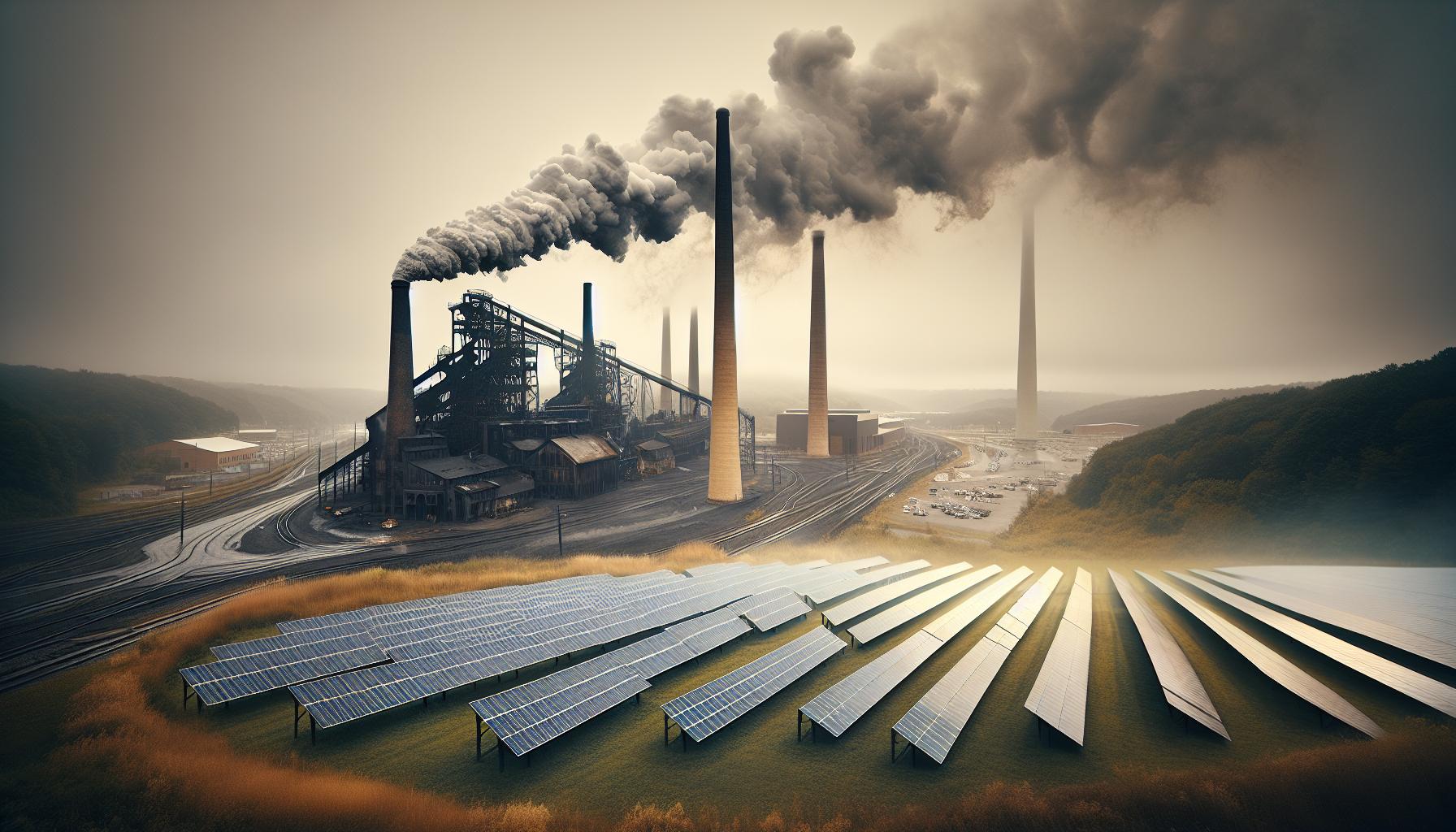
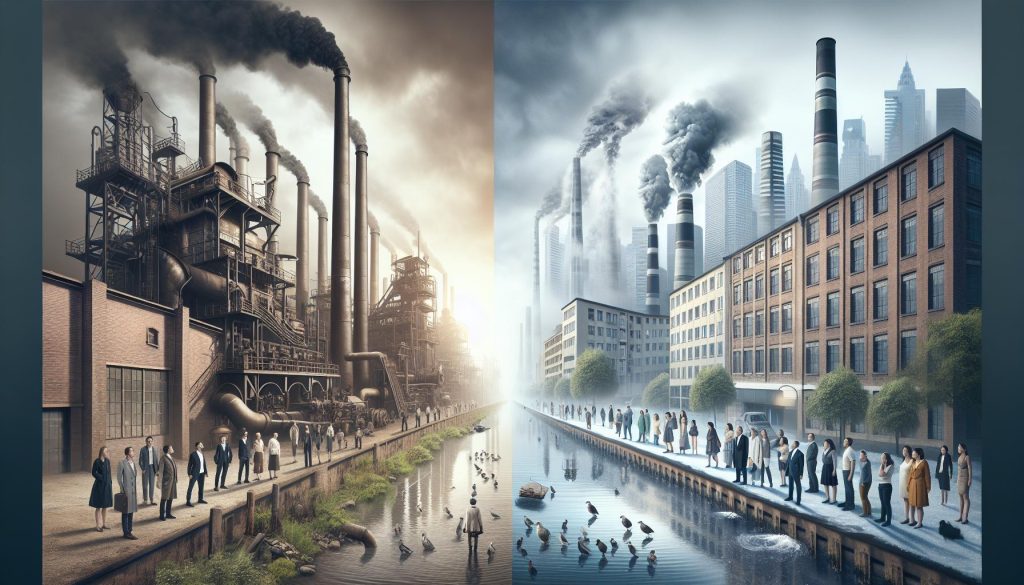
The Industrial Revolution marked a pivotal shift in human history, fundamentally transforming societies and ecosystems worldwide. Beginning in the late 18th century, it not only accelerated technological advancements but also greatly increased the extraction and combustion of fossil fuels. This expansion was driven by innovations like steam engines and mechanized textile production, which fueled factories and urban growth, leading to a surge in the demand for energy. As a result, carbon dioxide emissions skyrocketed, with approximately 2.3 trillion tonnes of CO2 released into the atmosphere since the onset of the Industrial Revolution [2].
The consequences of this transformation were profound. The use of coal and later oil and natural gas not only propelled economic development in Europe and North America but also contributed to an unprecedented rise in global temperatures. Data indicates that average surface temperatures have warmed by about 1.1°C since the mid-19th century, demonstrating a clear connection between industrial activities and climate change [1]. This warming has triggered a cascade of environmental impacts, including extreme weather events, sea-level rise, and diminished biodiversity, highlighting the urgent need to reassess our energy consumption and adopt sustainable practices.
In addition to carbon emissions, the land use changes accompanying industrialization cannot be overlooked. Expanded agriculture, urbanization, and deforestation transformed landscapes, leading to habitat loss and increased greenhouse gas emissions. The drive for resources to sustain industrial growth often exploited vulnerable regions, exacerbating social inequalities and environmental degradation. As we reflect on this historical context, it becomes increasingly clear that understanding the legacy of the Industrial Revolution is crucial for addressing contemporary climate challenges and crafting solutions that prioritize sustainability and equity for future generations.
Key Innovations Fueling Industrial Transformation

The advancements that marked the Industrial Revolution were not merely technological marvels; they were catalysts for profound environmental change. Among the innovations that ignited this transformation, few stood out as significantly impactful as the steam engine, mechanized looms, and the widespread use of coal. The steam engine, developed by James Watt in the late 18th century, revolutionized transportation and manufacturing. It enabled factories to operate with greater efficiency and scale, allowing for the mass production of goods. This shift not only increased the demand for raw materials but also heightened fossil fuel consumption, leading to surges in carbon emissions.
Another critical innovation was the mechanization of textile production. The introduction of machines like the spinning jenny and the power loom dramatically scaled up textile manufacturing, a sector that was at the heart of industrialization. This not only met the surging demand for clothing but also had environmental repercussions. The expansion of cotton cultivation-primarily driven by industrial demand-led to increased deforestation and water use, exacerbating land degradation and contributing to carbon emissions.
Furthermore, the innovation of the internal combustion engine in the 19th century paved the way for modern transportation. This engine, which utilized gasoline derived from oil, accelerated the growth of automobiles and airplanes, fundamentally changing societal movement patterns. While it enhanced mobility and economic growth, it also intensified dependence on fossil fuels, further elevating global CO2 levels. Today, transportation remains one of the largest contributors to greenhouse gas emissions, showcasing the long-term effects of those early industrial innovations.
The legacy of these innovations extends beyond their immediate economic benefits; they highlight a stark reality about the intricate relationship between technological advancement and environmental sustainability. As we look towards a future of ongoing industrial evolution, integrating eco-friendly innovations-such as renewable energy technologies and sustainable manufacturing practices-becomes critical. By learning from the past and embracing practices that reduce negative environmental impacts, we can drive progress while safeguarding our planet for future generations.
In conclusion, while the innovations of the Industrial Revolution propelled human society into a new era of productivity and growth, they also laid the groundwork for significant environmental challenges that we continue to face today. Balancing technological progress with ecological responsibility is essential as we move forward.
Carbon Emissions: A Direct Result of Industrial Growth
The Industrial Revolution, often heralded as a period of unprecedented technological and economic advancement, unavoidably forged a path to alarming levels of carbon emissions. As machines began to dominate production processes, the reliance on fossil fuels like coal, oil, and gas saw a dramatic increase. A striking fact is that, by the mid-19th century, coal was powering over half of the United Kingdom’s manufacturing output, fundamentally altering the landscape of energy consumption. This shift was not merely a change in how goods were produced; it marked the inception of industrial carbon footprints that today have culminated in our current climate crisis.
One key aspect that propelled carbon emissions during industrial growth was the expansion of factory systems. Factories became the epicenter of productivity, where steam engines and other machinery were operated continuously, emitting significant quantities of carbon dioxide. For instance, the combustion of coal in these industrial settings released vast amounts of carbon into the atmosphere. In the United Kingdom alone, coal production surged from 5 million tons in 1800 to over 250 million tons by 1913, demonstrating a clear correlation between industrial output and greenhouse gas emissions. The rapid industrialization not only increased emissions but also set a precedent for energy consumption patterns that persist today.
Moreover, the mechanization of agriculture-part of the broader industrial revolution-added to this concern. As farm machinery became more efficient, agricultural yields increased, but so did the carbon emissions associated with tilling, fertilizing, and harvesting crops on a large scale. The shift toward monoculture and intensive farming further exacerbated carbon releases, as landuse changes displaced forests and other carbon sinks. The fertilizer runoff and altered soil quality became additional environmental burdens that contributed indirectly to climate change.
With these historical insights, it becomes clear that addressing today’s climate challenges requires a holistic understanding of the legacy of industrial growth. Each choice we make-from the energy sources we rely on to the materials we consume-has an environmental impact. Transitioning to renewable energy, adopting more sustainable manufacturing processes, and enhancing energy efficiency are critical steps we can take to mitigate the longstanding effects of industrialization. Learning from the past, we have the potential to reshape our future towards a more sustainable path, ensuring that the innovations of tomorrow do not repeat the mistakes of yesterday.
Deforestation and Land Use Changes During Industrialization
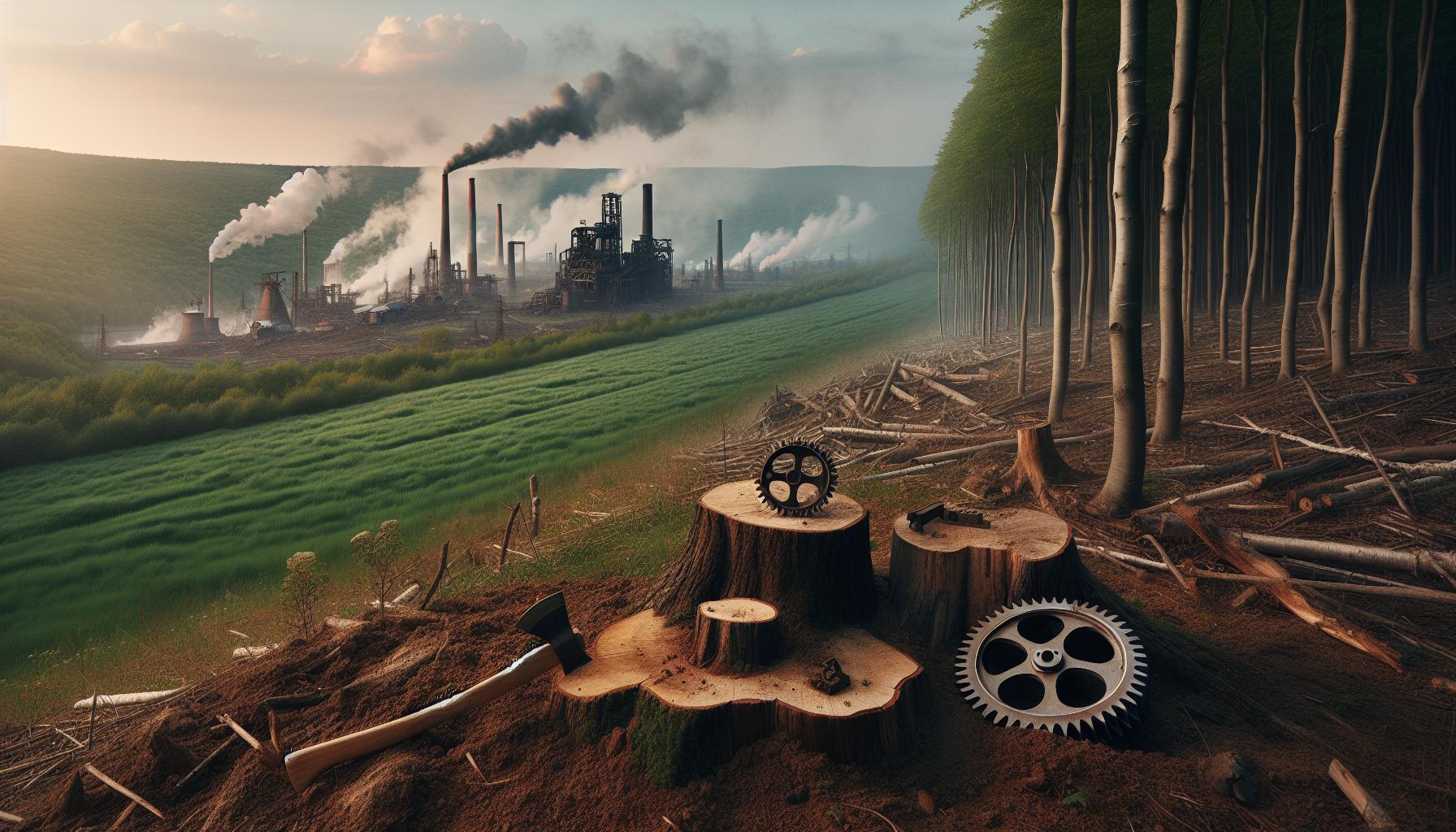
As the wheels of industrialization began to turn, a significant transformation unfolded across landscapes worldwide-forests thinned, and natural habitats shrank dramatically. This sweeping change, fueled by the relentless demand for resources to support burgeoning industries and urban populations, set the stage for deforestation and land use changes that would contribute substantially to climate change. For example, by the late 19th century, deforestation in Europe and North America escalated as timber was harvested to satisfy the construction needs of rapidly growing cities and factories.
The connection between industrial growth and land use changes is profound. Industrial activities-including the establishment of factories, transportation infrastructure, and agricultural intensification-demanded vast swathes of land. This led to the conversion of forests into farmland and urban areas, fundamentally altering ecosystems. The Amazon rainforest, known as the “lungs of the Earth,” has seen significant deforestation driven largely by agricultural expansion, where crops and cattle ranching replace native flora. The loss of these vital carbon sinks not only releases stored carbon dioxide but also diminishes the planet’s capacity to absorb future emissions.
The Impact of Agricultural Practices
Agricultural practices adopted during the Industrial Revolution, such as monoculture, further exacerbated land use changes. While allowing for increased food production, monoculture stripped landscapes of biodiversity and disrupted natural habitats. The transition from diverse ecosystems to single-crop farming led to soil degradation and increased dependency on chemical fertilizers, which contributed to nutrient runoff and water pollution. The consequences of these practices are evident today in the form of nutrient depletion and loss of soil health, underscoring the need for more sustainable agricultural methods that prioritize ecological balance.
Lessons for the Future
To mitigate the harsh legacy of industrialization on land use and climate change, there are several actionable steps we can take today. Adopting reforestation initiatives and promoting sustainable land management practices are critical. These strategies not only help restore vital ecosystems but also improve carbon sequestration capabilities. Furthermore, integrating agroforestry-combining agriculture with tree planting-can create more resilient farming systems that enhance biodiversity while providing economic benefits. By learning from the challenges of the past, we can forge a more sustainable and responsible approach to land use that honors the environment and addresses the ongoing impacts of climate change.
Impact of Fossil Fuels on the Environment
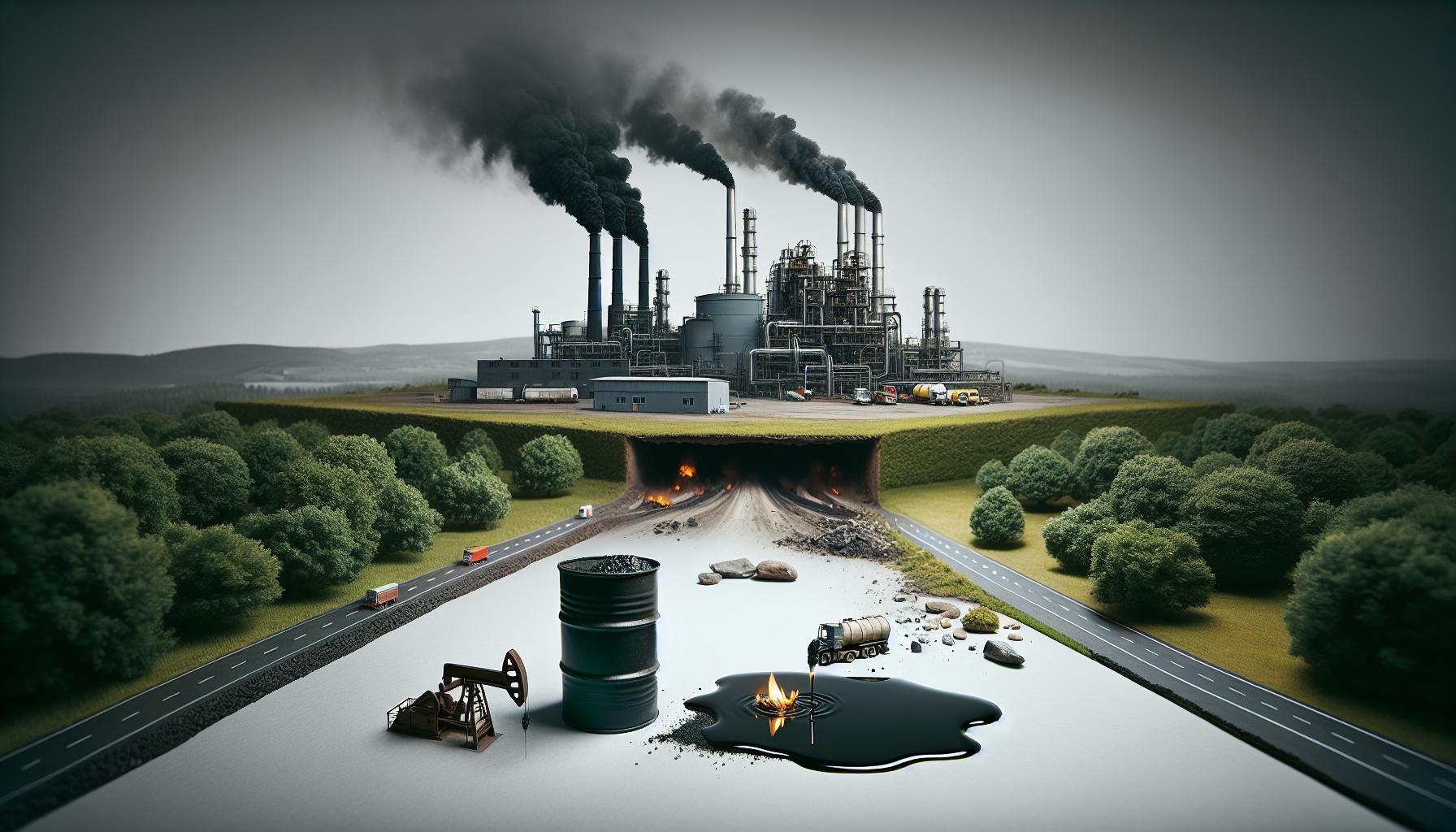
The widespread adoption of fossil fuels during the Industrial Revolution marked a transformative moment in human history, setting the stage for unprecedented economic growth while simultaneously laying the groundwork for severe environmental consequences. As factories sprang up and transportation systems expanded, coal, oil, and natural gas became the primary energy sources, fundamentally altering how societies functioned. This reliance on fossil fuels not only accelerated industrial processes but also led to the emission of vast amounts of greenhouse gases, a major contributor to climate change.
The combustion of fossil fuels releases carbon dioxide (CO2), a potent greenhouse gas that traps heat in the atmosphere. According to the Global Carbon Project, fossil fuel combustion accounts for approximately 75% of the total greenhouse gas emissions globally. The consequences of rising CO2 levels are stark, as they contribute to global warming, increased frequency of extreme weather events, and shifts in agricultural productivity. For instance, the Intergovernmental Panel on Climate Change (IPCC) states that global temperatures have already risen by about 1.1°C since pre-industrial times, leading to melting glaciers and rising sea levels that threaten coastal communities worldwide.
Real-World Impact and Outlook
The environmental impacts extend beyond climate change; fossil fuel extraction and usage also contribute to air and water pollution, harming both ecosystems and human health. Communities near oil drilling sites often experience increased respiratory issues due to airborne pollutants, while runoff from coal mines contaminates local waterways, affecting aquatic life and drinking supplies. Sustainable practices, such as transitioning to renewable energy sources-like solar and wind-offer a pathway to mitigate these detrimental impacts. Countries such as Denmark have made significant strides toward renewable energy, with more than 47% of their energy generated from wind turbines, showcasing a successful model for reducing dependence on fossil fuels.
Actionable Steps Forward
Transitioning to a more sustainable future requires proactive measures from individuals, corporations, and governments. Here are some actionable steps that can contribute to reducing reliance on fossil fuels and minimizing their environmental impact:
- Invest in Renewable Energy: Individuals and businesses can choose renewable energy providers or install solar panels to reduce energy dependence on fossil fuels.
- Enhance Energy Efficiency: Using energy-efficient appliances and retrofitting buildings can significantly lower energy consumption.
- Advocate for Policy Changes: Supporting local and national policies that promote sustainability, such as carbon pricing, can drive systemic change.
- Adopt Sustainable Transportation: Utilizing public transportation, carpooling, biking, or switching to electric vehicles can reduce fossil fuel emissions associated with travel.
By acknowledging the deep-rooted and actively seeking alternatives, we can collectively move toward a more sustainable and resilient future.
Global Trade and Its Role in Climate Change
The expansion of global trade during the Industrial Revolution significantly contributed to climate change by amplifying the demand for resources and increasing greenhouse gas emissions. As industrialization took hold, the need for raw materials intensified, leading to the exploitation of natural environments around the world. This rapid commodification of resources meant that countries began sourcing materials from distant locations, all of which required considerable energy for transportation. This reliance on fossil fuels not only facilitated trade but also unleashed vast quantities of carbon emissions that continue to impact our planet today.
Trade routes developed and evolved, enabling not just the transfer of goods but also the global exchange of industrial innovations. The increasing velocity of trade-prompted by advancements in steam power and transportation technologies-allowed goods to flow more freely than ever. For example, the introduction of railroads and steamships made it possible to transport coal and other fossil fuels long distances, feeding the industrial engines that were powering economic growth. However, this profound interconnectedness came at the cost of significantly increased carbon dioxide emissions. According to some estimates, transportation alone accounts for about 14% of global greenhouse gas emissions-a figure that has continued to rise as international trade has expanded.
Environmental Consequences of Trade
The negative environmental impacts of this expanded trading system extend beyond just emissions. The quest for new markets and resources led to substantial deforestation and land degradation, particularly in tropical regions. Forests, which play a crucial role in carbon sequestration, were cleared to make way for agriculture and plantation economies that catered to international demand for sugar, rubber, and palm oil. Such activities fueled biodiversity loss and disrupted local ecosystems, further exacerbating climate change.
Moreover, the social ramifications of global trade systems cannot be ignored. Many developing nations became economically dependent on single-resource exports, exposing them to market volatility and climate-related vulnerabilities. This dependency often resulted in environmental degradation as countries prioritized short-term economic gains over sustainable practices. A clear example can be found in Brazil’s expanding beef industry, which has significantly contributed to Amazon deforestation, thereby weakening a critical buffer against global climate change.
Pathways to Sustainable Trade
Addressing the climate impacts of global trade requires a conscious shift toward sustainable trade practices that can reduce emissions while promoting economic resilience. Here are some steps that can help create a more sustainable trading ecosystem:
- Promote Fair Trade Practices: Supporting fair trade ensures that producers in developing countries are compensated fairly, encouraging sustainable farming and production methods.
- Encourage Local Sourcing: By purchasing products locally, consumers can significantly reduce transportation emissions and support local economies.
- Implement Carbon Offsetting Strategies: Businesses can invest in carbon offset programs that aim to balance emissions produced through trade activities with equivalent reductions elsewhere.
- Foster Circular Economy Initiatives: Industries can shift towards models that emphasize recycling and reusing materials, reducing the need for new raw material extraction.
By collectively advocating for responsible practices and policies in global trade, we can begin to reverse some of the harmful impacts that this complex system has inflicted on our environment, paving the way for a more sustainable and equitable future.
Urbanization: The Population Shift and Its Effects
The rise of urbanization during the Industrial Revolution marked a pivotal shift in human civilization, with profound implications for both society and the environment. As people flocked to cities in search of better job opportunities and living conditions, urban centers swelled rapidly. By 1900, over 40% of the world’s population lived in urban areas, a stark contrast to previous decades when rural life predominated. This mass migration not only transformed demographics but also significantly contributed to global climate change through increased resource consumption and waste production.
As cities expanded, the demand for energy surged, largely met by burning fossil fuels such as coal, oil, and gas. This dependence on fossil energy sources led to skyrocketing carbon emissions. For instance, historical data indicate that coal consumption in the United Kingdom alone increased from 2 million tons in 1800 to over 200 million tons by 1900, fundamentally altering the atmospheric carbon balance. Urban areas became hotbeds of pollution, with smog enveloping many cities, leading to both health crises and environmental degradation. The phenomenon of urban heat islands further exacerbated local climates, as densely packed buildings and infrastructure absorbed and retained heat more effectively than natural landscapes.
Sustainable Urbanization: Steps Toward Change
Recognizing the environmental impact of rapid urbanization, cities around the world are now exploring sustainable practices that balance growth with ecological stewardship. Here are several strategies being implemented:
- Green Infrastructure: Cities are incorporating parks, green roofs, and urban forests to combat heat and improve air quality. For example, New York City’s MillionTreesNYC initiative aimed to plant one million trees to enhance urban green spaces.
- Public Transportation Improvements: Expanding public transit options can significantly reduce the number of cars on the road, thereby lowering emissions. Cities like Copenhagen have invested heavily in cycling infrastructure, promoting biking as a sustainable alternative.
- Energy Efficiency Programs: Urban areas are adopting building codes that prioritize energy efficiency, utilizing renewable energy sources like solar and wind. The retrofitting of older buildings plays a crucial role in decreasing energy consumption.
- Community Engagement: Empowering residents through education and participatory planning ensures that local voices are heard in sustainability initiatives, fostering a sense of ownership over urban environments.
By prioritizing sustainable urban planning, cities can mitigate their impact on climate change while enhancing residents’ quality of life. The lessons learned from the industrial era can guide current efforts towards a more resilient and environmentally-conscious urban future, illustrating that proactive engagement and strategic planning can bring about meaningful change. As urbanization continues to unfold, the integration of these solutions is essential not only for the health of our planet but also for the sustainability of urban living itself.
Mining Activities and Their Ecological Consequences
Mining during the Industrial Revolution was not merely a means to extract valuable resources; it marked a pivotal moment in human development with consequences that extended far beyond economic growth. The demand for minerals and fossil fuels skyrocketed as industries sought to power machinery and expand production capabilities. For instance, between 1750 and 1900, coal mining in Great Britain transformed from a local endeavor to a national undertaking, with annual output soaring from around 5 million tons to over 270 million tons. This massive scale of extraction contributed to notable ecological damage, which continues to echo in today’s environmental challenges.
The consequences of mining activities are multifaceted, affecting both the local and global environments. Land degradation caused by mining operations leads to loss of biodiversity as habitats are destroyed. Acid mine drainage, a byproduct of mining, introduces harmful pollutants into nearby waterways, significantly degrading water quality and affecting aquatic life. In regions where mining is prevalent, soil erosion often increases, making the land less arable and jeopardizing agricultural practices that local communities depend on. For example, in the Appalachian regions of the United States, mountaintop removal mining has not only obliterated ecosystems but also created long-term challenges for water systems and local wildlife.
Pathways to Sustainable Mining Practices
Despite the historical damage caused by mining, there is a growing movement towards sustainable practices that minimize environmental impacts. Companies and governments are beginning to adopt strategies that prioritize ecological integrity alongside economic benefits. Here are some initiatives being explored:
- Rehabilitation of Mining Sites: After extraction, mining companies are increasingly held accountable for restoring mined lands. This includes replanting native vegetation and improving soil conditions, which can help rejuvenate ecosystems.
- Innovative Technologies: Advances in technology have facilitated more responsible extraction methods. For example, methods such as precision mining enable operators to reduce waste and energy consumption significantly while maximizing resource recovery.
- Community Engagement: Involving local communities in decision-making processes gives them a voice regarding the impact of mining activities on their environment. This participatory approach fosters partnerships for better management of natural resources.
- Regulatory Frameworks: Strengthening regulations around mining practices can mitigate environmental harm. Governments can implement stricter standards for waste management and emissions, compelling companies to adopt greener technologies.
The legacy of mining from the Industrial Revolution serves as both a warning and a guide. By learning from past mistakes and incorporating sustainable development principles, mining can evolve into a sector that supports economic output while safeguarding the environment. As global demand for minerals rises, embracing responsible practices is not just beneficial; it is vital for ensuring a sustainable future.
Industrial Agriculture: Advancements and Environmental Costs
The transformation of agriculture during the Industrial Revolution represents a significant chapter not only in agricultural history but also in the rise of global climate change. Innovations such as the mechanization of farming, the development of synthetic fertilizers, and the introduction of monoculture crops dramatically increased agricultural productivity. For example, the seed drill, invented by Jethro Tull in the early 18th century, allowed for more efficient planting of seeds, which led to better crop yields. However, these advancements came at a substantial environmental cost.
One immediate consequence of industrial agriculture is the heavy reliance on fossil fuels. Tractors and other machinery, powered by oil, have replaced traditional labor-intensive farming methods. This shift not only increased the carbon footprint of agricultural practices but also connected the agricultural sector to broader patterns of fossil fuel consumption, which are a major driver of climate change. A striking statistic reveals that agriculture accounts for approximately 10% of global greenhouse gas emissions, a figure largely influenced by the fossil fuels needed for production processes, including the operation of machinery, transportation of goods, and the manufacturing of fertilizers and pesticides.
Environmental Costs of Industrial Agriculture
The impact of industrial agriculture extends beyond greenhouse gas emissions. Some of the most pressing environmental issues include soil degradation, water scarcity, and the loss of biodiversity. Intensive farming practices often lead to soil erosion and nutrient depletion, diminishing the land’s long-term fertility. Furthermore, the use of chemical fertilizers and pesticides not only affects soil health but also contaminates local waterways, leading to harmful algal blooms that devastate aquatic ecosystems.
Additionally, industrial agriculture promotes monoculture, where vast swaths of land are devoted to a single crop. While this practice may maximize short-term yields, it significantly reduces crop diversity, making ecosystems more susceptible to pests and diseases. The decline in biodiversity has potential long-term consequences, disrupting food webs and reducing the resilience of agricultural systems to climate impacts.
Steps Towards Sustainable Agricultural Practices
To mitigate the environmental costs associated with industrial agriculture, a shift towards sustainable practices is essential. Farmers and agricultural policymakers can implement several strategies such as:
- Crop Rotation: This practice helps maintain soil health, reduces pest and disease cycles, and improves biodiversity.
- Organic Farming: Reducing or eliminating chemical inputs protects water quality and fosters healthier ecosystems.
- Agroforestry: Integrating trees into agricultural landscapes can improve carbon sequestration, enhance biodiversity, and provide additional income sources for farmers.
- Precision Agriculture: Utilizing technology such as drones and soil sensors can optimize resource use, reducing waste and environmental impact.
Adopting these measures can play a pivotal role in creating a resilient agricultural system that not only meets the demands of a growing population but also protects the planet for future generations. As consumers, we can support sustainable practices by choosing products that are grown responsibly, thus prompting industries to prioritize environmentally-friendly approaches. By acknowledging the profound link between industrial agriculture and climate change, we can inspire meaningful change and foster a more sustainable future.
The Legacy of the Industrial Revolution: Lessons for Today
The Industrial Revolution, which marked a significant turning point in human history, also laid the groundwork for climate change as we know it today. One of the most notable lessons from this era is the critical relationship between technological advancement and environmental impact. Initially, the revolution drove immense productivity and economic growth, but it also introduced a reliance on fossil fuels and unsustainable agricultural practices that have left an indelible mark on the planet. Recognizing this connection can empower us to make informed choices that help mitigate the consequences of these historical trends.
Understanding the importance of innovation within the Industrial Revolution can inspire contemporary solutions. For instance, technological advancements like steam engines and machinery revolutionized industries but simultaneously increased pollution and carbon footprints. Today, we have a unique opportunity to leverage technology for sustainable initiatives. Transitioning from fossil fuels to renewable energy sources not only addresses the pollution legacy of the past but also promotes cleaner air and a healthier environment. The rise of electric vehicles, solar energy, and wind power exemplifies how innovation can transform energy consumption patterns while benefiting the climate.
A closer examination of industrial practices can provide actionable insights for modern economies striving for sustainability. The focus on mass production and monoculture in agriculture led to biodiversity loss and soil degradation. Now, practices such as regenerative agriculture, which emphasizes soil health, biodiversity, and organic farming, are emerging as viable alternatives. By adopting these practices, farmers can enhance carbon sequestration and reduce overall greenhouse gas emissions while simultaneously improving crop resilience and productivity.
Moreover, the social dimensions of the Industrial Revolution remind us of the critical need for inclusive development. As urbanization grew, so did the disparity in resource distribution. Today, as we seek to combat climate change, it is essential to ensure that the transition to sustainable practices is equitable and accessible to all communities. Strategies that promote environmental justice, such as supporting local farmers and investing in green technologies in marginalized areas, can help create a more sustainable and fair society.
In conclusion, the legacy of the Industrial Revolution serves as a dual reminder: it highlights the immense capabilities of human ingenuity while emphasizing the need for responsible stewardship of our planet. By learning from the past, harnessing technology for good, and advocating for social equity, we can forge a path towards a sustainable future where economic development and environmental conservation go hand in hand, ensuring that lessons learned are not repeated but rather transformed into positive action.
Future Outlook: Addressing Climate Change Post-Industrialization
As the world grapples with the legacy of the Industrial Revolution, a pivotal question emerges: how can we address the climate change crisis it helped instigate? Currently, carbon dioxide levels in the atmosphere have soared to over 417 parts per million, a staggering increase from pre-industrial levels of about 278 ppm. This historical context compels us not just to reflect but to take decisive action towards crafting a sustainable future.
Innovative technologies are radically transforming our approach to alleviating the environmental woes that arose during industrialization. Transitioning from fossil fuels to renewable energy sources is paramount. The rise of electric vehicles, solar panels, and wind farms exemplifies this shift. For instance, numerous countries have committed to phasing out coal, redirecting investments towards cleaner energy infrastructure. A report by the International Energy Agency noted that renewables could account for over 80% of global electricity by 2030 if governments prioritize green initiatives-a critical step towards reducing greenhouse gas emissions.
Meanwhile, sustainable agricultural practices are gaining traction as effective strategies to mitigate climate impacts. Techniques such as regenerative farming emphasize biodiversity, soil health, and carbon sequestration. These methods not only enhance productivity but also significantly lower the carbon footprint of agriculture. For example, a study found that adopting regenerative practices could potentially sequester more than 1.1 billion metric tons of carbon dioxide annually in the U.S. alone, highlighting the dual benefits of food security and environmental preservation.
Equally important is the need for social equity in climate strategies. As urbanization continues, marginalized communities often bear the brunt of environmental degradation and climate impacts. Thus, advancing environmental justice must accompany technological and agricultural innovations. Programs designed to support local, marginalized farmers in accessing green technologies can help ensure that the shift to sustainability leaves no one behind. By fostering inclusive development, we can build resilient communities that thrive alongside a healthy planet.
In summary, addressing climate change in the post-industrial era necessitates a multi-faceted approach that includes leveraging technology, promoting sustainable practices, and ensuring equitable access to resources. By learning from the past and embracing innovative solutions, we can pave the way for a sustainable and just future, ultimately transforming industrial legacies into a legacy of restoration and resilience.
Faq
Q: How did the Industrial Revolution lead to increased greenhouse gas emissions?
A: The Industrial Revolution intensified the use of fossil fuels like coal and oil, leading to significant carbon emissions. This marked a shift to industrial practices that fundamentally changed energy consumption patterns, contributing to the climate crisis we face today.
Q: What role did technological advancements play in environmental change during the Industrial Revolution?
A: Technological advancements, such as the steam engine and mechanized agriculture, increased production efficiency but also escalated resource extraction and fossil fuel use, resulting in environmental degradation and higher greenhouse gas emissions.
Q: How did industrialization affect global deforestation rates?
A: Industrialization spurred unprecedented deforestation for timber, agriculture, and urban expansion, greatly reducing carbon sinks that naturally absorb CO2. This change in land use significantly contributed to climate change by increasing atmospheric carbon levels.
Q: In what ways did urbanization during the Industrial Revolution impact climate change?
A: Urbanization concentrated populations in cities, increasing demand for energy, transportation, and housing. This urban expansion led to higher fossil fuel consumption and greater pollution, exacerbating climate change effects on a global scale.
Q: What was the impact of industrial agriculture on climate change?
A: Industrial agriculture relied heavily on fossil fuels, fertilizers, and pesticides, leading to soil degradation and increased greenhouse gas emissions. These practices have lasting impacts on climate by altering ecosystems and increasing carbon outputs.
Q: How has the Industrial Revolution set the stage for modern climate issues?
A: The Industrial Revolution established patterns of resource exploitation, industrial production, and fossil fuel dependency that continue to drive modern climate issues. Understanding this legacy is crucial for addressing today’s environmental challenges.
Q: Why is it important to learn from the Industrial Revolution in addressing climate change?
A: Learning from the Industrial Revolution allows us to recognize harmful practices that led to climate change. This understanding can inspire sustainable practices and innovations that minimize environmental impact while promoting economic growth.
Q: How did colonialism interplay with the Industrial Revolution and climate change?
A: Colonialism during the Industrial Revolution resulted in the extraction of resources from colonized nations, driving industrial growth in Europe and the U.S. This exploitation not only contributed to climate change but also left many countries vulnerable to its impacts today.
To Wrap It Up
The Industrial Revolution marked a critical turning point, propelling both economic growth and climate change. With evidence showing that average global temperatures have increased approximately 1.1°C since then, it’s essential to grasp how our historical reliance on fossil fuels directly impacts our future [[1]](https://www.imperial.ac.uk/grantham/publications/climate-change-faqs/how-do-we-know-climate-change-is-happening). Understanding this connection is the first step in combating climate change today.
As we reflect on this pivotal era, take action by exploring our resources on sustainable practices and renewable energy solutions. Check out our articles on carbon footprint reduction techniques and the role of innovations like carbon capture technology. Don’t miss out on our newsletter-sign up to stay informed about the latest in climate science and activism. Your choices matter now more than ever; join us in shaping a sustainable future by spreading the word and engaging in the conversation below. Together, we can help turn the tide on climate change!
Strategic Insights & Operational Framework (How Did The Industrial Revolution Affect Climate Change)
Capital deployment directed toward how did the industrial revolution affect climate change addresses fundamental decarbonization and systemic adaptation imperatives across the European continent. Under the European Green Deal and the codified technical screening criteria of the EU Taxonomy, investment managers evaluate operational additions through verified greenhouse gas (GHG) abatement metrics. Achieving market-rate returns while ensuring verified environmental additionality requires continuous telemetry across Scope 1, Scope 2, and Scope 3 supply chain footprints.
Institutional allocators increasingly prioritize assets exhibiting robust climate resilience profiles. This encompasses distributed renewable generation, long-duration battery energy storage systems (BESS), circular industrial feedstock utilization, and permanent technological carbon capture. By insulating asset valuations from accelerating physical climate hazards and carbon compliance costs (such as the EU Emissions Trading System and Carbon Border Adjustment Mechanism), focused allocators capture sustained competitive advantages.
- Empirical Governance: Ensuring rigorous audit trails and adherence to international disclosure frameworks (including SFDR RTS, EU Taxonomy, and GIIN IRIS+ standards).
- Risk-Adjusted Underwriting: Prioritizing assets with verified operational resilience, robust cash-flow coverage, and structural collateral protections.
- Measurable Additionality: Validating that capital deployment produces concrete, quantifiable real-world outcomes beyond conventional baseline market trends.
Comparative Analysis & Decision Matrix: How Did The Industrial Revolution Affect Climate Change
| Strategic Pillar | Institutional Standard | Conventional Baseline | Key Investor Advantage |
|---|---|---|---|
| Due Diligence & Verification | Independent third-party audits and continuous telemetry | Unverified self-reported corporate assertions | Mitigates greenwashing, compliance risks, and regulatory fines |
| Capital Protection | Senior secured liens, covenants, and reserve tranches | Unsecured junior or subordinated claims | Preserves principal capital during macroeconomic downturns |
| Cash Flow Predictability | Contracted inflation-indexed revenue streams (PPAs/KIIS) | Unhedged cyclical market exposure | Stabilizes net yield distributions and portfolio duration |
| Regulatory Taxonomy | Direct alignment with SFDR Article 8/9 and ECSPR rules | Unclassified generic marketing labels | Facilitates seamless institutional LP cross-border capital raising |
Frequently Asked Questions About How Did The Industrial Revolution Affect Climate Change
What are the primary performance drivers for how did the industrial revolution affect climate change?
Performance is driven by disciplined asset selection, adherence to standardized regulatory frameworks, rigorous cost management, and verifiable operational additions that protect against regulatory shifts.
How do investors mitigate downside volatility in this sector?
Downside risk is managed through conservative debt-to-equity ratios, strict loan-to-value limits, diversified position sizing, and ongoing third-party compliance audits.
What documentation is essential before allocating capital?
Essential documentation includes audited financial statements, standardized disclosure summaries (such as Key Investment Information Sheets), independent asset appraisals, and verified additionality telemetry.
Get our latest guides, news, and insights highlighted in your Google Search & AI Overviews.