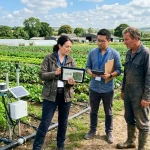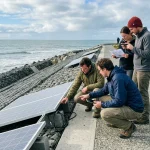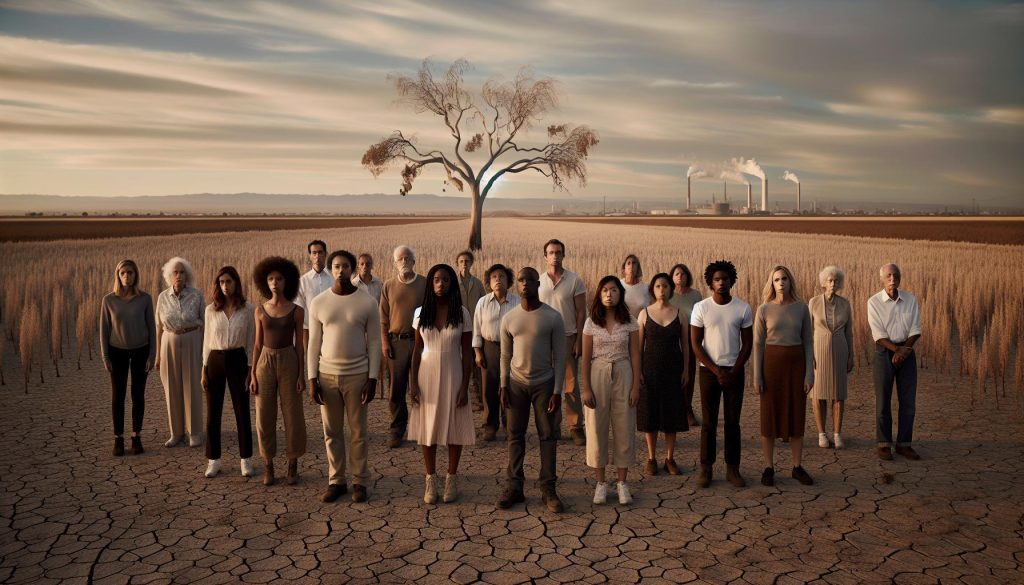
As we navigate an ever-changing world, an estimated 1 billion people are likely to be displaced by climate change by 2050, making it crucial to understand how these environmental shifts influence population growth. Climate change not only alters living conditions but also affects food security, health, and migration patterns, putting immense pressure on communities around the globe. For instance, regions like Kiribati are already witnessing declining agricultural output, leading to a reliance on unhealthy imported foods and rising instances of noncommunicable diseases {{2}}. As these challenges intensify, the implications for population dynamics become increasingly significant, raising urgent questions we must explore. What does this mean for our future? How can we responsibly address these interconnected issues to support communities facing these realities? Join us as we delve into the complex relationship between climate change and population growth, uncovering essential insights that can guide informed action and foster resilience worldwide.
How Climate Change Influences Birth Rates Globally
As climate change continues to accelerate, its effects on global birth rates are becoming increasingly apparent. Regions experiencing extreme weather conditions, such as heatwaves, droughts, and natural disasters, often see a decline in fertility rates. This decline can largely be attributed to increased economic instability and strained healthcare systems, which make it more challenging for families to consider having children. For example, in areas where agricultural output is severely impacted by climate change, families may postpone childbirth due to concerns over food security and resource availability.
Moreover, climate-change-induced migration significantly alters demographic patterns. Individuals and families moving away from heavily affected areas often delay starting or expanding their families until they reach more stable environments. For instance, migrating from rural to urban settings in search of better living conditions can lead to lower birth rates initially as new arrivals adjust to urban lifestyles, which typically include delayed family planning due to higher living costs and employment uncertainties.
The psychological impact of climate anxiety also plays a critical role in shaping reproductive choices. Many potential parents worldwide are feeling overwhelmed by the implications of a changing climate, which leads them to reconsider their desire to have children. Ultimately, the interplay between economic factors, migration, and mental health underscores the complex relationship between climate change and birth rates, necessitating a multifaceted approach to understanding population dynamics in the context of environmental challenges.
In moving forward, it is essential to engage communities in discussions about climate change’s implications on family planning and birth rates. With education and support, individuals can make informed choices that reflect their circumstances while also considering long-term sustainability for future generations.
The Role of Migration in Population Dynamics
As climate change escalates, the movement of people from vulnerable areas to more stable regions becomes increasingly pronounced, profoundly impacting population dynamics worldwide. Climate-related factors, such as rising sea levels, extreme weather events, and dwindling natural resources, leave populations with no choice but to migrate. For instance, the Intergovernmental Panel on Climate Change (IPCC) forecasts that by 2050, up to 200 million people could be displaced due to climate change effects, particularly in regions like sub-Saharan Africa and South Asia. This mass migration not only displaces individuals, but also changes the demographic makeup of both the areas people leave and those they move to, influencing birth rates and overall population growth.
The Dynamics of Migration
The role of migration in shaping population dynamics is multi-faceted. When families migrate, they often face immediate challenges that can significantly alter their reproductive choices. In urban settings, newcomers may experience higher costs of living, leading to delayed family planning decisions. Economic pressures and the challenges of establishing stability in a new environment often result in a reduction in birth rates during the adjustment period. For example, migrants leaving rural agricultural areas for cities may prioritize job security and housing stability over expanding their families, which can, in turn, lead to a temporary dip in the local birth rates of urban areas.
Furthermore, migration has a ripple effect that impacts both the source and destination communities. As younger populations move away from rural regions, those left behind may experience an aging demographic, potentially leading to economic decline and reduced birth rates. Conversely, receiving cities may experience a demographic boon, with an influx of labor and diversity, but if these migrants cannot settle successfully, this too can lead to lower birth rates and social challenges, such as overcrowding and inadequate healthcare.
Human Stories and Practical Strategies
To harness the potential of migration as a tool for positive demographic change, communities must implement inclusive policies that address the needs of both migrants and long-term residents. Here are some practical strategies that can support this transition:
- Community Education Programs: Implement programs to educate migrants about family planning, healthcare access, and economic opportunities in their new environments.
- Supportive Housing Policies: Develop affordable housing initiatives that allow families to settle without the burden of excessive financial pressure.
- Job Creation Initiatives: Foster local economies that create jobs not only for newcomers but also for residents, ensuring a vibrant community that can support population growth.
By understanding the intricate relationship between migration and population dynamics, societies can create responsive frameworks that promote both resilience in the face of climate challenges and robust population growth strategies. Embracing migration as a potential source of vitality rather than a challenge allows communities to adapt to climate change proactively, ensuring that both migrants and established residents can thrive.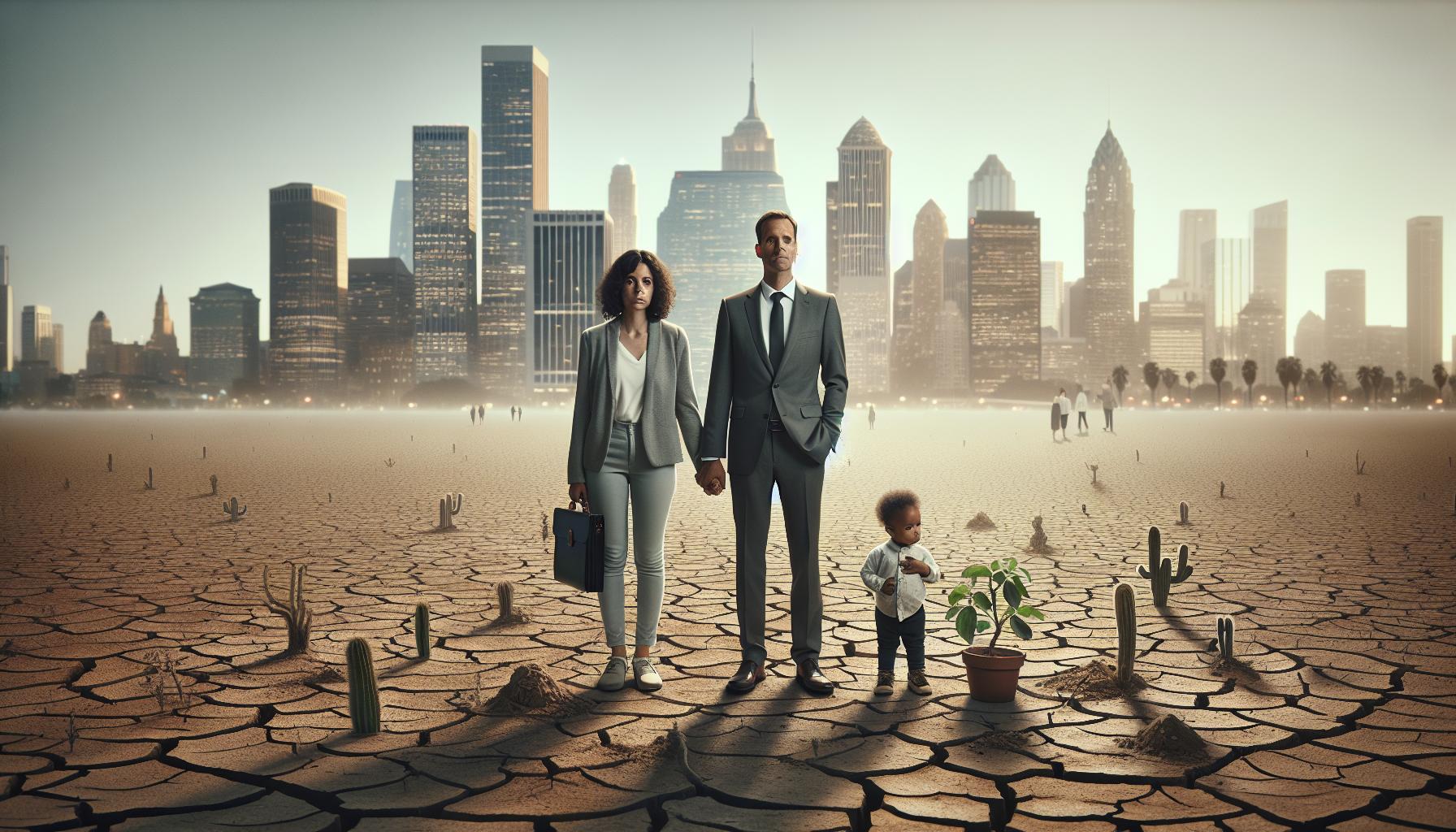
Economic Impacts of Climate Change on Population Growth
The consequences of climate change extend well beyond environmental degradation; they significantly impact economic conditions that directly influence population growth. As natural resources become scarcer and extreme weather events increase, entire economies face upheaval, leading to shifts in population dynamics. For instance, regions reliant on agriculture are particularly vulnerable, as rising temperatures and unpredictable weather patterns affect crop yields. A drop in agricultural productivity not only threatens food security but also compels families to reconsider their reproductive decisions, often leading to reduced birth rates during economic downturns.
Economic instability forces families to prioritize financial security over expanding their households. In areas where climate change has deteriorated job prospects, such as in coastal towns facing rising sea levels or in drought-affected areas, young couples may choose to delay having children or opt for smaller families altogether. For example, a study from the World Bank suggests that economic stress from climate impacts could lead to a significant decrease in birth rates by as much as 10% in certain regions by 2050. As people migrate to cities in search of better opportunities, they confront high living costs and the pressures of urban life, further complicating family planning decisions.
Mitigating Economic Impacts
To address these challenges, there are several strategies communities and governments can adopt to stabilize population growth amid economic uncertainty fueled by climate change:
- Investment in Sustainable Practices: Encouraging agricultural innovations and sustainable practices can enhance food security, safeguarding jobs and stabilizing local economies.
- Job Training Programs: Implementing job training initiatives focused on green technology and climate-resilient industries can prepare workers for the future, mitigating job loss due to climate impacts.
- Financial Support for Families: Expanding access to financial resources and affordable childcare can empower families to maintain their desired family sizes without the constraints of economic pressures.
The economic impacts of climate change are not just numbers on a report; they are threats to the very fabric of societies. By fostering economic resilience and adopting proactive measures, communities can not only stabilize their population growth but also support sustainable development in the face of climate challenges. These steps not only provide tangible benefits in today’s context but also build a framework for a more sustainable future where both families and economies can thrive together.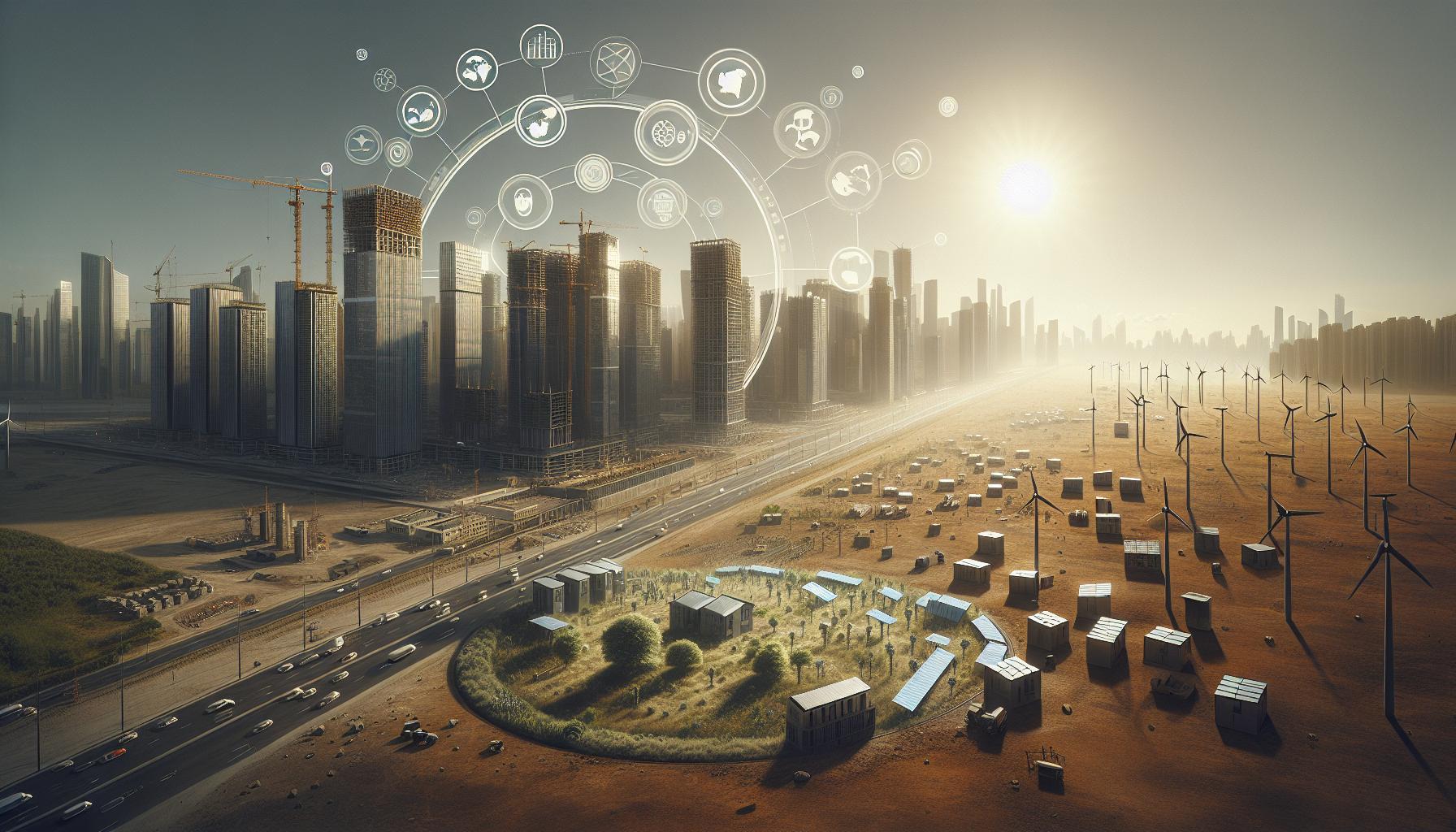
Climate Change and Urbanization Trends
As environmental changes intensify, urbanization is accelerating at an unprecedented rate, with projections suggesting that, by 2050, nearly two-thirds of the world’s population will reside in urban areas. This shift not only alters demographic patterns but is also reshaped by the very pressures of climate change. Urbanization often emerges as a response to the diminishing viability of rural livelihoods affected by climate-related disasters, such as droughts, floods, and rising sea levels. For instance, communities that once relied on agriculture may find themselves migrating to cities in search of stability and opportunity, leading to increased urban densities and housing demands.
The influx of people into urban centers presents both challenges and opportunities. On one hand, cities can offer improved access to services, education, and employment. However, the rapid pace of this migration can strain existing infrastructure and resources, producing overcrowded living conditions and inadequate public services. For example, cities like Lagos and Dhaka are experiencing significant population growth, driven by climate displacement. Local governments must grapple with the urgent need for sustainable urban planning adaptations that accommodate newcomers while mitigating the impacts of climate change.
To effectively address the intersection of urbanization and climate change, cities can adopt several proactive strategies. Integrated urban planning that emphasizes sustainability includes developing green spaces, enhancing public transportation, and utilizing building materials and designs that reduce carbon footprints. Additionally, embedding climate resilience measures into urban infrastructure can help cities withstand environmental shocks. Initiatives such as rainwater harvesting, improved drainage systems, and energy-efficient public buildings can create more livable environments.
Furthermore, community engagement is essential in fostering resilience against climate changes. Cities can facilitate programs that empower residents to partake in decision-making processes regarding local climate strategies. This involvement not only builds trust but also ensures that solutions are tailored to the community’s specific needs, thereby enhancing social cohesion among diverse urban populations.
As urban centers continue to evolve, their ability to adapt to climate challenges will significantly impact population growth patterns. By investing in sustainable solutions and involving communities in resilience-building efforts, cities can transform potential crises into opportunities for innovation and improved quality of life for all residents.
Intersections of Climate Change and Public Health
As climate change accelerates, its impacts on public health become increasingly evident, creating a complex interplay that directly affects population dynamics. Extreme weather events, shifting disease patterns, and compromised water and food supply systems pose serious risks to health, thereby influencing fertility rates, mortality, and migration patterns. For example, heatwaves and flooding can lead to increased hospitalizations due to heat-related illnesses and waterborne diseases, which disproportionately affect vulnerable populations, including children and the elderly.
Health Risks and Outcomes
Rising global temperatures contribute to the proliferation of vector-borne diseases such as malaria and dengue fever. According to the World Health Organization, climate change could increase the incidence of these diseases, particularly in regions previously unaffected. This escalation can lead to an increased burden on health systems, causing healthcare access issues that further endanger population health. In turn, these health challenges can lower birth rates in affected areas, as families may choose to delay or limit childbirth due to concerns over health infrastructure and child survival rates.
Water and Food Security
Climate change also affects the availability of clean water and nutritious food, critical factors for maintaining a healthy population. Droughts and floods disrupt food production, leading to food shortages that can drive malnutrition. When food security is threatened, families may reduce their number of children, consciously opting for smaller families to ensure adequate resources for each child’s upbringing. Ensuring food security therefore becomes a vital component of public health strategies, intertwining climate action with health and population stability.
Policy Innovations and Community Resilience
To tackle these intertwined challenges, forward-thinking policies that address both climate change and public health are essential. Initiatives could include investing in climate-resilient healthcare infrastructure, enhancing disease surveillance systems, and implementing community education programs related to climate impacts on health. Active community engagement is crucial: local populations can help shape adaptive strategies that cater to their unique circumstances and cultures.
In conclusion, recognizing the intersections between climate change and public health is vital for forming comprehensive strategies that support population growth and health resilience. By addressing these issues collaboratively, societies can work towards not just surviving but thriving amidst the challenges posed by a changing climate.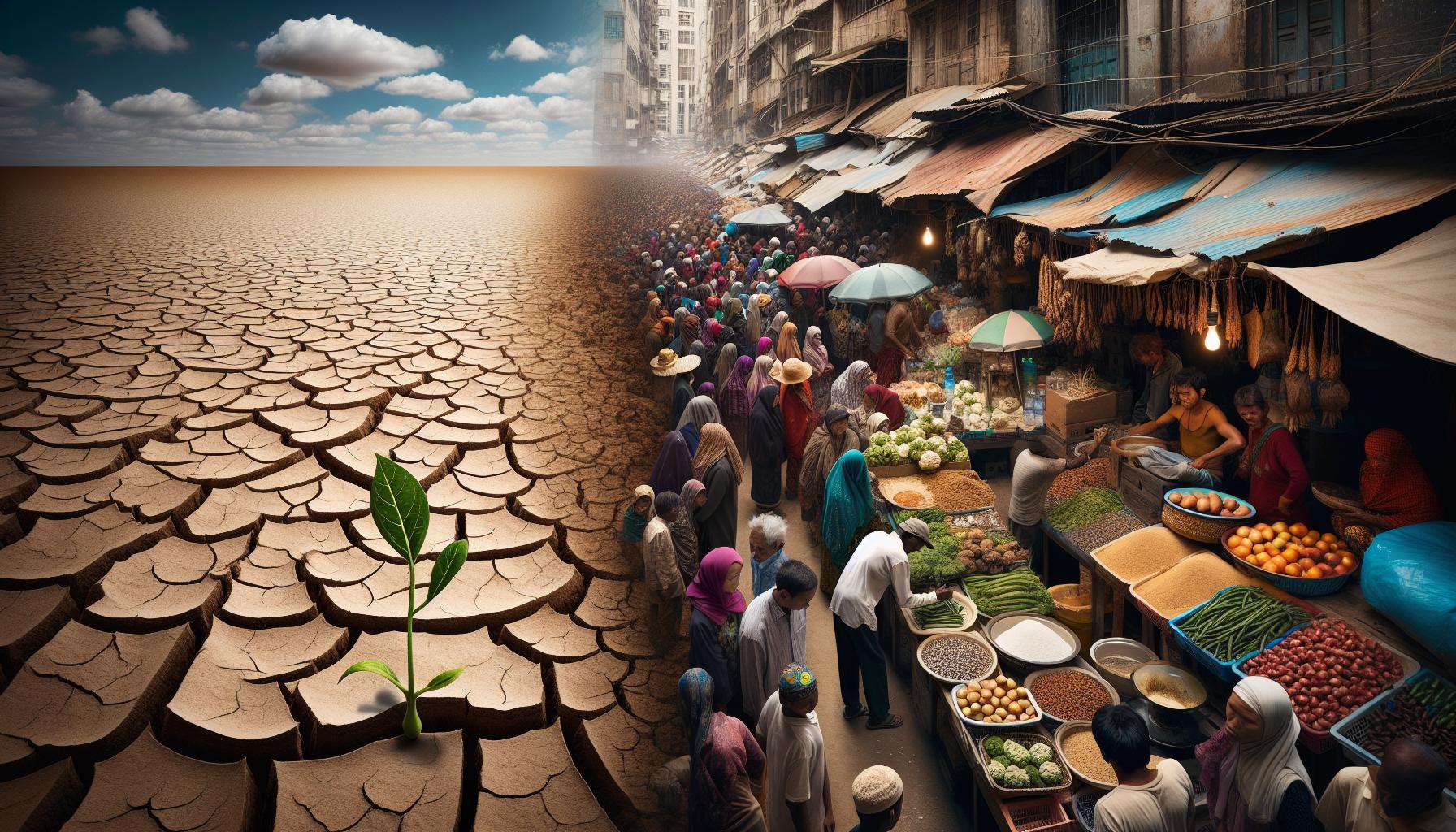
Challenges to Food Security and Population Growth
The impacts of climate change on food security are profound and multifaceted, creating a pressing challenge for population growth across the globe. As climate patterns shift, agricultural productivity faces significant risks, threatening the very foundation of food systems that countless communities depend on. For instance, prolonged droughts and extreme weather events have increasingly become the norm, disrupting local farming cycles and leading to reduced crop yields. Such instability in food supply not only puts immediate nutrition at risk but also influences family planning decisions, prompting many to reconsider their fertility choices.
Research indicates that regions vulnerable to food insecurity tend to experience lower birth rates. Families facing uncertain access to food often opt for smaller family sizes to ensure that each child can receive adequate resources. This phenomenon highlights a crucial intersection between climate change and demographic shifts. When households lack confidence in their ability to provide stable nutrition, postponing childbirth or limiting the number of children becomes a rational strategy for many. This response can significantly affect population growth rates in already vulnerable areas, creating a cycle that can further hinder economic development and stability.
Moreover, the economic impacts of climate change extend beyond agriculture; they ripple through local economies, leading to job losses and increased prices for staples. Investments in resilient agricultural practices and sustainable food production methods can serve as a remedy. Transitioning to climate-smart agriculture, which includes strategies like crop rotation, improved irrigation techniques, and the use of drought-resistant seeds, can help safeguard food security in the face of changing climatic conditions. These adaptive measures not only enhance food access but also empower communities to maintain larger family units despite external pressures.
As stakeholders work to address these challenges, it becomes increasingly important to engage local communities in sustainable practices and policymaking. Local knowledge and involvement are invaluable for developing effective responses to food security threats posed by climate change. By fostering community resilience through education and support, societies can better navigate the complexities of population dynamics while ensuring a more stable food future.
Effects of Climate Change on Age Demographics
As climate change accelerates, its influence on population age demographics is becoming increasingly evident, reshaping the global landscape in multifaceted ways. Rising temperatures, extreme weather events, and shifting ecological patterns are not only altering where people live but also how populations age over time. For instance, younger populations may migrate away from regions hardest hit by climate change in search of better opportunities, while aging populations in more stable areas face increasing health risks related to climate-induced stresses.
Impacts on Younger Populations
Youth populations in vulnerable regions might experience a significant shift as climate change intensifies. Migration becomes a common response; for example, thousands of young individuals from coastal communities affected by rising sea levels are relocating to urban centers. This movement can lead to decreased population numbers in regions experiencing climate extremes, fundamentally changing the age structure as younger generations leave, creating a demographic imbalance. Such shifts not only impact social structures but also strain urban infrastructure as receiving areas grapple with the influx of new residents.
Challenges for the Aging Population
Conversely, older adults in stable regions face distinct challenges. Increased temperatures and extreme weather events can exacerbate health conditions, limiting their mobility and access to essential services. For example, heatwaves can pose severe risks for older individuals, leading to increased mortality rates. This demographic pressure places additional burdens on healthcare systems, demanding urgent adaptations to meet the needs of an aging society increasingly vulnerable to climate effects.
To address these disparities, communities can benefit from implementing age-inclusive climate adaptation strategies. These can include establishing cooling centers during heat events, enhancing public transportation for older adults, and creating community programs that encourage intergenerational support. By focusing on resilience-building efforts that engage all age groups, societies can better navigate the complex interplay between climate change and aging populations, ultimately fostering environments where all demographics can thrive amid global changes.
In sum, the interplay between climate change and age demographics is crucial for forming effective policies and community programs. Creating strategies tailored to the unique needs of both younger and older populations can mitigate potential adverse impacts, leading to a more sustainable future for all.
The Relationship Between Education and Climate Adaptation
Education is a powerful tool for building resilience against climate change, directly influencing how communities adapt and grow in the face of environmental challenges. Research indicates that when individuals better understand climate change and its impacts, they are more likely to engage in proactive measures to protect themselves and their communities. For example, enhanced education can lead to a deeper awareness of sustainability practices, such as proper waste management, water conservation, and energy-saving techniques, which collectively can mitigate the adverse effects of climate change.
The Role of Education in Community Resilience
Education fosters critical skills and knowledge essential for effective climate adaptation. Schools integrating environmental education into their curricula empower students to become informed decision-makers and active participants in climate action. Communities that prioritize education often experience lower disaster risk due to better preparedness and response strategies among residents. For instance, in regions prone to flooding, educational initiatives can teach families about safe evacuation routes and emergency kits, ultimately saving lives.
Moreover, education plays a crucial role in fostering innovation and sustainable practices. Universities and research institutions contribute to understanding climate-related issues through studies and pilot projects that explore renewable energy, sustainable agriculture, and efficient resource management. For example, innovative agricultural practices developed by academic researchers can help communities adapt to changing ecosystems, ensuring food security even as climates shift.
Equipping Future Generations
To equip future generations for the challenges posed by climate change, educational systems worldwide are adopting interdisciplinary approaches that combine science, technology, engineering, and mathematics (STEM) with social sciences. By encouraging critical thinking and problem-solving, students learn to tackle complex issues related to climate change, preparing them for careers in green technology, environmental policy, and community planning.
Practical Steps for Enhancing Climate Education
Communities can take actionable steps to strengthen by:
- Incorporating climate change topics into school curricula at all levels.
- Supporting community workshops that educate residents on sustainability practices.
- Establishing partnerships with local universities to share knowledge and resources.
- Promoting participation in environmental stewardship programs that connect students with local ecosystems.
By prioritizing educational initiatives, communities can create a knowledgeable citizenry that is more resilient to climate change, better equipped to manage its impacts, and active in fostering Sustainable Development Goals (SDGs) that promote both environmental preservation and positive population growth. This creates a virtuous cycle where education and climate adaptation reinforce each other, leading to healthier, more sustainable populations.
Policy Responses to Climate-Driven Population Changes
As the reality of climate change unfolds, it increasingly influences not just environmental conditions but also demographic patterns across the globe. Policymakers are recognizing the urgency of addressing these climate-driven population changes to effectively manage challenges such as migration, urbanization, and shifts in public health dynamics. Tailoring responses to these changes is essential for ensuring sustainable population growth and mitigating adverse impacts on vulnerable communities.
One essential policy response is the integration of climate change considerations into national and regional planning frameworks. For instance, governments can develop comprehensive migration policies that not only address the needs of climate refugees but also provide support for communities that host these newcomers. Such policies could include access to essential services like healthcare, education, and employment opportunities, ultimately fostering social cohesion and resilience among diverse populations. Additionally, countries can invest in sustainable urban planning to address the influx of people into cities, focusing on the creation of green spaces, affordable housing, and accessible public transportation to accommodate growing urban populations while reducing environmental footprints.
Furthermore, policies aimed at economic resilience can mitigate the impacts of climate change on population growth. Initiatives that support adaptation in agriculture and food production are crucial, as climate change alters suitable growing conditions, threatening food security. Governments can implement financial incentives for farmers to adopt climate-smart practices, like crop diversification and sustainable land management, which not only boost food production but also enhance livelihoods and keep communities stable.
Public health is another critical area requiring policy attention in the wake of climate change. By proactively addressing health issues related to environmental changes, such as increased heatwaves and vector-borne diseases, health systems can better prepare for and respond to emerging risks. Comprehensive health policies that include environmental health monitoring and awareness campaigns can empower communities to protect themselves against health threats, ensuring that population growth is accompanied by well-being, not detriment.
In conclusion, a multi-faceted approach to policy development-one that intertwines migration, urbanization, economic stability, and public health-will equip society to navigate the complexities posed by climate change. Empowering communities with the tools to adapt and thrive in a changing environment will foster resilience and sustainability, ultimately supporting a balanced approach to population growth in the face of global warming.
Innovative Solutions for Sustainable Population Growth
Climate change presents not only challenges but also substantial opportunities for developing innovative solutions that promote sustainable population growth. As adverse environmental changes increasingly influence demographic trends, adopting forward-thinking strategies can help communities thrive in this new reality. For example, technology can play an essential role in enhancing agricultural productivity and resilience, which is particularly crucial in areas facing food insecurity due to climate impacts.
Technological Innovations in Agriculture
Advancements in agricultural technology, such as precision farming and vertical gardening, can significantly boost food production while minimizing environmental impact. Precision farming uses data analytics, IoT devices, and GPS technology to enable farmers to optimize crop yields by applying resources such as water and fertilizers more efficiently. For instance, farmers using precision agriculture techniques can reduce water usage by up to 50% while increasing crop yields by 20%. This not only addresses food security but also allows farmers to support larger populations sustainably.
Sustainable Urban Development
In urbanized areas, innovative design and planning can create spaces that accommodate growing populations without exacerbating environmental issues. Integrating green infrastructure-like green roofs, urban forests, and permeable pavements-into cityscapes can improve air quality, reduce urban heat islands, and manage stormwater runoff effectively. Cities like Singapore are leading the way with strategies that combine urban growth with ecological balance, ensuring that expanding populations have ample access to green spaces that enhance their quality of life.
Education and Community Engagement
Addressing climate change’s demographic challenges also requires a focus on education and community engagement. Implementing educational programs that promote sustainability and climate resilience can empower communities to adapt to environmental changes. For instance, local workshops teaching sustainable practices-like rainwater harvesting and composting-can instill a sense of stewardship among residents and reduce resource strain. Engaging youth in these initiatives fosters a culture of sustainability that can positively influence future generations.
Policy Frameworks Encouraging Innovation
Finally, government incentives can spur innovation by supporting startups focused on sustainable technologies. Policies that offer grants for research and development in green technologies can accelerate solutions to climate-related population challenges. By promoting collaboration between public entities and private innovators, countries can cultivate an ecosystem where impactful solutions-such as renewable energy systems or waste reduction technologies-thrive.
In summary, leveraging technology, sustainable urban practices, education, and supportive policies creates a holistic approach to achieving sustainable population growth amid climate change. By fostering resilience and innovative solutions, communities can not only adapt to the shifts influenced by climate change but also thrive in an increasingly complex world.
Community Resilience in the Face of Climate Change
As climate change continues to reshape our world, the resilience of communities becomes increasingly crucial for sustaining population growth and ensuring social stability. Strong, adaptive communities can not only survive environmental stresses but also find innovative ways to thrive despite them. For example, cooperative community gardening initiatives not only address food insecurity but also foster social ties, create local jobs, and provide educational opportunities about sustainable practices. Engaging in these collaborative efforts can empower individuals and help reinforce community bonds, ultimately making populations more resilient to climate impacts.
Strengthening Social Networks
One of the most effective ways to build community resilience is by strengthening social networks. When communities work together, they can pool resources, share knowledge, and support each other during times of crisis. Programs that encourage volunteerism and local leadership-such as neighborhood watch groups or disaster response teams-can enhance the community’s capacity to respond to climate-related challenges. Additionally, social cohesion helps to ensure that vulnerable populations-like the elderly or low-income families-receive the support they need during extreme weather events.
Education and Capacity Building
Another critical component of resilience is education, specifically in cultivating an understanding of climate issues and sustainability practices. Educational workshops can empower community members with the skills needed to adapt to changing conditions. For instance, workshops that teach residents how to create rain gardens can reduce flooding and improve water quality while providing vital green spaces. When communities are educated about climate change and empowered to implement solutions, they become more adaptable and proactive, which is essential for ongoing population growth.
Investment in Infrastructure
Moreover, investing in resilient infrastructure is vital for sustaining communities in the face of climate change. This may include retrofitting buildings to withstand extreme weather, enhancing public transportation to reduce emissions, and investing in renewable energy sources. For example, cities like Rotterdam have introduced water management strategies, such as floating neighborhoods, to cope with rising sea levels. Such innovations not only mitigate climate risks but also create new job opportunities and enhance overall quality of life for residents.
As communities adapt to the challenges posed by climate change, focusing on building resilience offers a path toward sustainable population growth. By nurturing social ties, investing in education, and upgrading infrastructure, communities can equip themselves with the tools needed to not only survive but thrive in an evolving climate landscape.
Q&A
Q: How does climate change affect fertility rates?
A: Climate change impacts fertility rates by creating economic and health stressors, leading to family planning adjustments. In regions severely affected by climate-related events, couples may choose to delay childbirth due to uncertainty about their future, which can result in lower birth rates. For more on demographics influenced by climate, see our section on age demographics.
Q: What role does climate change play in migration patterns?
A: Climate change significantly affects migration patterns by causing displacement due to extreme weather, sea-level rise, and resource scarcity. Communities at risk may migrate to find safer, more habitable areas, which alters population dynamics in both origin and destination locations. Explore our discussion on migration in population dynamics for deeper insights.
Q: How does climate change impact the economy and population growth?
A: Climate change disrupts economies through damage to infrastructure, reduced agriculture yields, and increased health care costs. These economic stresses can lead to slower population growth as families face challenges providing for children, thus influencing overall demographic trends. Our analysis on economic impacts covers these dynamics in detail.
Q: Why is food security a concern for population growth in the context of climate change?
A: Food security is critical for population growth as climate change affects agricultural productivity. Scarcity of food resources can lead to malnutrition, declining health, and ultimately lower birth rates as families struggle to provide adequate nutrition. Our challenges to food security section explores these issues further.
Q: How does urbanization link to climate change and population growth?
A: Urbanization is accelerated by climate change as people move to cities for better opportunities and resources amid deteriorating rural conditions. This shift can lead to increased population density in urban areas, posing challenges related to infrastructure, housing, and services. For more information, check our section on urbanization trends.
Q: In what ways does climate change affect public health and population growth?
A: Climate change can lead to increased health risks, such as heat-related illnesses and outbreaks of infectious diseases, which may decrease population growth rates. Vulnerable populations may experience higher mortality rates, impacting fertility and family size. Our analysis on public health intersections reveals more about these connections.
Q: How do education and climate adaptation intersect, affecting population growth?
A: Education plays a crucial role in climate adaptation, as access to education equips communities with the knowledge to implement sustainable practices. Families with higher education levels tend to have fewer children, creating opportunities for better adaptation to climate stresses. For insights on education’s role, refer to our section on climate adaptation.
Q: What policies are effective in addressing population changes driven by climate?
A: Effective policies include integrating climate action with population planning, promoting sustainable practices, and securing resources for vulnerable populations. Governments can implement strategies that support adaptation and resilience, addressing both climate impact and demographic shifts. Explore our policy responses section for comprehensive strategies.
The Way Forward
Understanding the link between climate change and population growth is crucial as these challenges shape our future. The rising temperatures and extreme conditions highlighted by the World Meteorological Organization signal an urgent need for action to ensure sustainable development and resilience in communities worldwide [1]. As you reflect on this critical topic, consider exploring our articles on climate adaptation strategies and the impact of population dynamics on resource management.
Stay informed and take action-sign up for our newsletter for the latest insights on climate change and its socio-economic effects. Together, we can address these global challenges and promote responsible practices that make a difference. Share your thoughts in the comments and join the conversation, because every voice matters in the fight against climate change. Your next step could create a more sustainable future for all!
Get our latest guides, news, and insights highlighted in your Google Search & AI Overviews.