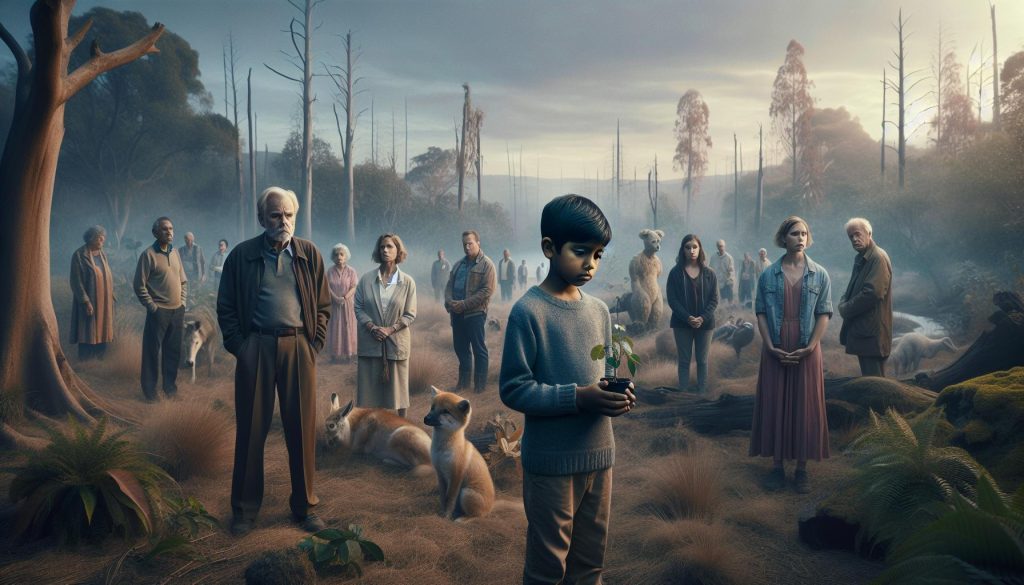
Did you know that climate change is a leading cause of biodiversity loss, threatening ecosystems that provide essential services to humanity? As temperatures rise and habitats shift, many species struggle to survive, pushing some to the brink of extinction. This crisis not only jeopardizes the rich tapestry of life on Earth but also impacts our food security, clean water availability, and overall well-being. Understanding how global climate change affects biodiversity loss is crucial for us all, as it intertwines with our health, economies, and future. As we explore this pressing issue, we will uncover the interconnections between climate change and biodiversity, and consider actionable steps we can take to mitigate these impacts. Join us on this journey to discover not only the challenges but also the potential solutions that emphasize the significance of preserving our planet’s biological wealth.
The Impact of Climate Change on Ecosystems
Climate change is reshaping ecosystems across the globe at an unprecedented rate, posing severe threats not only to the flora and fauna but also to the very fabric of life on Earth. As temperatures rise and weather patterns shift, the interconnected relationships that sustain ecosystems are being disrupted. The World Meteorological Organization reports that 2024 may be the first year to exceed a global mean near-surface temperature more than 1.5°C above the pre-industrial average, marking a significant threshold that could push many ecosystems beyond their capacity to adapt [[2]].
To understand the impact of altered weather patterns, consider the role of seasonal cues in triggering breeding, migration, and flowering cycles. Changes in climate can lead to mismatches; for instance, if insects hatch earlier due to warmer temperatures, but birds that feed on them have not adjusted their migration patterns, food availability can become a critical issue, leading to declines in bird populations. This ripple effect can further destabilize entire food webs, highlighting the fragile balance ecosystems maintain.
Additionally, rising temperatures are directly linked to species extinction. As habitats become inhospitable, many species find themselves unable to adapt quickly enough. The International Union for Conservation of Nature has reported that more than 1 million species are at risk of extinction, primarily due to climate-related changes in habitats. In the tropics, for instance, increased temperatures can push species toward extinction thresholds where survival becomes untenable, particularly for those with specialized habitat needs.
Ocean acidification, driven by increased CO2 levels, adds another layer of stress to marine ecosystems. Coral reefs, often referred to as the “rainforests of the sea,” are particularly vulnerable. As oceans absorb more CO2, the resulting acidification disrupts calcium carbonate production, essential for coral health. This not only affects coral but also countless marine species that depend on these ecosystems for shelter and food. The loss of coral reefs can lead to dramatic declines in marine biodiversity, impacting fisheries and local economies reliant on healthy marine ecosystems.
As we observe these ongoing changes in ecosystems, it becomes crucial to recognize the importance of strategic conservation efforts and public awareness. By implementing evidence-based strategies and fostering a deeper understanding of these environmental challenges, we can mitigate the adverse effects of climate change on biodiversity and work collectively toward restoring balance in our ecosystems. By protecting biodiversity today, we safeguard the unfamiliar and essential ecosystems of tomorrow.
How Altered Weather Patterns Disrupt Habitats
As climate change continues to escalate, one of its most profound effects is the alteration of weather patterns, which significantly disrupts natural habitats. This disruption can manifest as more frequent and severe weather events, changes in precipitation patterns, and shifts in temperature ranges. For example, regions that once experienced reliable seasonal rains may now face prolonged droughts or intense flooding. Such drastic changes not only threaten the survival of individual species but also dismantle the intricate relationships within ecosystems that depend on predictable climate cues.
The Rhythm of Life Disrupted
Weather patterns play a critical role in the natural rhythms of life. Many species depend on specific temperature ranges and seasonal changes to trigger behaviors such as migration, breeding, and flowering. When these patterns break down, species can find themselves out of sync with their environments. For instance, migratory birds rely on temperature cues to time their journeys south for the winter. If warmer springs cause insects to hatch earlier, but birds arrive late, they may be unable to find enough food, leading to population declines. This not only impacts the birds but also affects other species within the food web, as their natural relationships are thrown into disarray.
Shifts in Habitat Suitability
Altered weather patterns also lead to shifts in habitat suitability. As certain areas become inhospitable due to rising temperatures or changing soil moisture levels, species may be forced to migrate to more favorable environments. This can create overcrowding in viable habitats, increasing competition for resources such as food and shelter. For example, the once-abundant habitat for amphibians in temperate forests is shifting northward, leaving many species vulnerable to extinction if they cannot keep pace with the changing climate. Urban areas and agricultural lands often act as barriers to movement, further complicating the survival of these species.
Resilient Ecosystem Strategies
Despite these challenges, some ecosystems exhibit remarkable resilience. Employing strategies such as habitat restoration, conservation corridors, and promoting biodiversity can enhance the capacity of ecosystems to adapt to changing conditions. Conservation corridors, for instance, can facilitate the movement of species toward suitable habitats as they shift due to climate change. Additionally, communities can engage in reforestation efforts and sustainable land management to help mitigate the impacts of altered weather patterns. These proactive strategies not only support biodiversity but also contribute to the overall health of our planet, fostering ecosystems capable of withstanding future climatic challenges.
In conclusion, understanding is crucial for informing conservation efforts and policy decisions. By recognizing the interconnectedness of species and their environments, we can take meaningful action to protect and restore biodiversity, ensuring that future generations inherit a thriving planet.
The Connection Between Temperature Rise and Species Extinction
Rising global temperatures are not just a statistic; they represent a real and pressing danger to biodiversity. As average temperatures climb, species are subjected to increasingly stressful conditions. A staggering proportion, nearly one million species, are currently at risk of extinction due to climate change, with temperature rise being a key driving force of this threat. For many organisms, even slight increases in temperature can push them beyond their physiological limits, disrupting growth, reproduction, and survival.
The impact of higher temperatures is particularly acute for specialized species that thrive in narrow ecological niches. For instance, the Golden Toad, which once inhabited a specific area in Central America, vanished as its climate conditions became unsuitable. In marine environments, corals experience catastrophic bleaching at just 1-2 degrees above normal temperatures, leading to the loss of entire ecosystems that rely on these vital habitats. In this context, maintaining stable temperature ranges is not merely about comfort for these species; it is about survival.
However, the connection between temperature and extinction isn’t only about the immediate effects. As temperatures rise, ecosystems undergo transformations that can lead to habitat loss, food scarcity, and increased disease prevalence. For example, with the warming of freshwater bodies, fish populations face challenges as oxygen levels and food sources dwindle. Terrestrial species may struggle to find suitable habitats on land as forests shift or decline due to extended heatwaves and droughts.
Mitigating these risks requires proactive strategies. Protecting biodiversity can be bolstered through the establishment of wildlife corridors that allow species to move to new habitats as their current ones become inhospitable. Additionally, implementing policies aimed at reducing greenhouse gas emissions can help combat the long-term impacts of temperature increases. Community engagement and responsible practices in agriculture and resource management also play pivotal roles in fostering resilient ecosystems that can adapt to changing climates. Together, these actions not only address immediate concerns but also help maintain the delicate balance of life on our planet, ensuring that future generations can experience the richness of our natural world.
Effects of Ocean Acidification on Marine Biodiversity
The oceans, which absorb approximately 30% of the carbon dioxide (CO2) emitted into the atmosphere, are undergoing significant changes due to climate change, and these shifts are resulting in ocean acidification. This alteration in ocean chemistry poses severe risks to marine biodiversity, affecting species across the food web. In fact, ocean acidity has increased by about 30% since the beginning of the industrial era, which is anticipated to have drastic implications for underwater ecosystems.
Coral reefs are one of the most vulnerable ecosystems impacted by this phenomenon. As acidity rises, the process of calcification-the formation of calcium carbonate-becomes more difficult for corals and other shellfish, such as oysters and mussels. Strong corals, which serve as the foundation of diverse marine ecosystems, struggle to maintain their structure and health, leading to coral bleaching and the collapse of entire reef systems. With approximately 25% of all marine species relying on coral reefs at some stage of their life cycle, the loss of these habitats echoes throughout the oceanic food web.
Implications for Marine Species
The impact of ocean acidification extends beyond corals; it affects various marine organisms. Fish populations, too, are feeling the repercussions. Research indicates that elevated CO2 levels can impair the sensory systems of fish, affecting their ability to detect predators and find food. This has direct implications on fish survival rates and reproductive success, contributing to declining fish populations. Furthermore, species that rely on sensitive ecological balances-such as those found in estuarine and nearshore environments-are at an increased risk, as they may not be able to adapt quickly enough to the changing conditions.
Adapting to Change
To mitigate these impacts, focused conservation efforts are essential. Strategies include establishing marine protected areas (MPAs) that can help maintain resilient ecosystems, promoting sustainable fishing practices, and restoring damaged habitats. Engaging local communities in these efforts can empower them to monitor and protect their marine resources effectively.
In addition to protective measures, there is a growing emphasis on reducing CO2 emissions globally. Transitioning to renewable energy sources and implementing policies that minimize carbon footprints are consequential steps we can take. Individual actions, such as supporting sustainable seafood choices and advocating for policy changes, contribute to larger movements aimed at preserving marine biodiversity in the face of climate change.
Ultimately, understanding the effects of ocean acidification is vital. By raising awareness and fostering actionable change, we can support the intricate web of life beneath the waves, ensuring a healthier, more resilient ocean for future generations.
How Climate Change Influences Migration Patterns of Species
Shifts in climate are forcing many species to alter their migratory behaviors, an aspect crucial for their survival. Studies reveal that as temperatures rise and weather patterns change, both animals and plants are moving to new areas that meet their environmental needs. For instance, birds are migrating earlier in the spring and later in the autumn, which disrupts their timing with food sources like insects that may not have adapted as quickly. These changes pose significant risks, as mismatches in timing can lead to reproductive failures and declining populations.
Temperature and Habitat Shifts
One of the most pronounced effects of climate change is the alteration of ecosystems, prompting species to migrate to find suitable habitats. An excellent example can be observed in North America, where species such as the American pika are moving to higher elevations as their original habitats become too warm. Additionally, marine species, like some fish populations, are shifting their ranges toward cooler waters, often leading them to cross over into new regions where they may face competition from local species. This not only affects the species themselves but can disrupt entire ecosystems, as new predators or competitors are introduced.
Impacts on Ecosystems
The disruption of established migratory patterns leads to a cascade of ecological consequences. With species moving into new territories, there is potential for increased competition and predation, potentially altering the dynamics of those ecosystems. For example, if migrating herbivores like caribou shift their migration routes due to changing food availability, it could impact plant communities that rely on grazing to maintain their health and diversity. Furthermore, these changes can affect the human communities that depend on these animal migrations for cultural practices, tourism, and local economies.
Strategies for Adaptation
To support affected species and mitigate the disruptions caused by climate-induced migration, proactive measures are essential. Creating wildlife corridors can facilitate safe passage for species transitioning to new areas, allowing them to adapt more seamlessly to changing environments. Furthermore, public engagement and education about the importance of these migrations can foster community support for conservation initiatives. Policymakers must also prioritize habitat protection and restoration, ensuring that migratory routes remain viable for future generations.
By recognizing and addressing the impacts of climate change on migration patterns, we can better prepare for the transformations in our ecosystems and work towards preserving the biodiversity that is essential for a healthy planet.
Biodiversity Hotspots: Areas Most Affected by Climate Change
In the face of climate change, certain regions stand out as biodiversity hotspots, areas where the rich tapestry of life is most at risk due to shifting climates, habitat loss, and increased human activity. These ecosystems, which are often home to unique and vulnerable species, are experiencing profound changes that threaten their existence. For instance, tropical rainforests, coral reefs, and mountainous regions such as the Himalayas are witnessing rapid alterations in species composition as local climates transform.
Climate change exacerbates existing pressures on biodiversity hotspots through intensified storms, prolonged droughts, and gradual shifts in temperature and precipitation patterns. These changes lead to fragmented habitats, hindering the ability of species to migrate and adapt. For example, coral reefs are not only bleached by rising sea temperatures but also suffer from ocean acidification, disrupting the intricate relationships between marine species. Terrestrial ecosystems, such as Africa’s savannas, confront similar challenges, where shifting rainfall patterns affect the availability of food and water for both wildlife and human communities alike.
Strategies for Conservation in Biodiversity Hotspots
Addressing the threats to biodiversity hotspots requires a multifaceted approach. Key strategies include:
- Protected Areas: Establishing protected areas can shield these vital ecosystems from further degradation. Effective management of these zones ensures that flora and fauna can thrive without added stress from human activity.
- Restoration Projects: Implementing ecological restoration initiatives can help recover degraded habitats, promoting resilience against climate change. For example, reforestation efforts not only sequester carbon but also restore habitats for various species.
- Sustainable Practices: Encouraging sustainable agricultural and fishing practices can minimize the pressure on biodiversity. Engaging local communities in conservation efforts ensures practices are rooted in the realities of life within these hotspots.
- Research and Monitoring: Continuous research and on-the-ground monitoring are crucial to understanding the effects of climate change on specific species and habitats, allowing for timely, informed decisions in conservation efforts.
Case studies illustrating successful interventions can serve as models for action. For instance, the establishment of marine protected areas in the Caribbean has shown promise in restoring fish populations, while community-led conservation in Madagascar has been essential in preserving unique wildlife against habitat loss. Recognizing the intrinsic value of biodiversity-not just for its ecological function but also for human well-being-is central to fostering a collective commitment to protect these threatened regions. By championing awareness and engaging in meaningful conservation efforts, we can ensure a more sustainable coexistence with the Earth’s diverse life forms for generations to come.
Case Studies: Successful Adaptation Strategies in Wildlife
As climate change intensifies, wildlife adaptability becomes paramount. Real-world examples of successful adaptation strategies illuminate pathways to resilience against shifting climatic conditions. One noteworthy case is the Malayan tiger in Malaysia, which has thrived through the establishment of wildlife corridors. These pathways connect fragmented habitats, allowing the tigers to roam between protected areas, enhancing genetic diversity and minimizing inbreeding. This approach not only supports the tiger population but also protects other species native to these ecosystems, showcasing how collaborative conservation can yield multiple benefits.
Innovative Solutions in Marine Environments
In marine ecosystems, the creation of Marine Protected Areas (MPAs) has led to significant recovery of fish stocks and coral health. The Caribbean, for instance, has implemented MPAs that limit fishing and destructive activities. These zones have seen fish populations rebound, contributing to healthier coral reefs, which act as crucial buffers against ocean acidification and climate change. Studies indicate that MPAs can lead to up to a 400% increase in fish biomass within just a few years, demonstrating how proactive measures can reverse some adverse effects of climate change.
Engaging Local Communities
Community-led initiatives also play a pivotal role in adapting to climate-related challenges. In Madagascar, local reserves established by the community for the critically endangered lemur species have resulted in both habitat protection and enhanced livelihoods. By involving local populations in monitoring and conservation practices, these initiatives ensure the sustainability of their environments while respecting cultural values. This approach not only helps in preserving biodiversity but also empowers communities financially and socially through ecotourism and educational programs.
Through these compelling examples, we see that adaptive strategies can effectively counter the impacts of climate change on biodiversity. By fostering collaboration between governments, communities, and conservation organizations, these initiatives can inspire further action across the globe. As we forge ahead, the collective effort to adapt and protect our invaluable ecosystems remains a beacon of hope in the face of global climate challenges.
The Role of Conservation Efforts in Mitigating Biodiversity Loss
Biodiversity is on a precarious edge as climate change reshapes our planet, threatening the very ecosystems that sustain life. However, conservation efforts are stepping in as a vital lifeline. By implementing strategic initiatives aimed at preserving habitats, protecting species, and restoring ecological balance, these efforts not only mitigate biodiversity loss but also enhance the resilience of ecosystems facing rapid change.
A pivotal strategy in conservation is the establishment of protected areas, including national parks and wildlife reserves. These spaces serve as sanctuaries for many species, allowing them to thrive away from the pressures of habitat destruction and climate-related changes. For example, the Yellowstone to Yukon Conservation Initiative (Y2Y) in North America is a trans-boundary effort that connects protected areas, allowing wildlife to migrate safely in response to altering climatic conditions. Such expansive conservation corridors help maintain genetic diversity and overall ecosystem health.
Community involvement in conservation has also proven effective in tackling biodiversity loss. Initiatives in countries like Kenya have empowered local populations to engage in wildlife protection actively. The Community-Based Natural Resource Management approach encourages communities to manage their natural resources sustainably, which benefits both wildlife conservation and local livelihoods. These local stewardship roles enhance the social fabric and economic wellbeing of the communities while ensuring that ecosystems remain balanced and vibrant.
Furthermore, global partnerships, such as the Convention on Biological Diversity, aim to foster international cooperation in safeguarding biodiversity. By uniting nations in shared responsibilities and resources, these partnerships can lead to more comprehensive strategies, making the fight against biodiversity loss more effective on a global scale. Investing in conservation can yield significant returns, not just ecologically but also financially. Initiatives that promote ecotourism often enhance local economies while raising awareness about the importance of biodiversity conservation.
Through these dynamic and targeted conservation efforts, we can not only respond to the threats posed by climate change but also cultivate a healthier planet. Each step we take towards conservation-whether through local initiatives or global collaborations-marks progress in the race to preserve our biodiversity and ensure a sustainable future for generations to come.
Human Activities Compounding Climate Change Effects on Biodiversity
Human activities are critically exacerbating the effects of climate change on biodiversity, leading to accelerated species loss and ecosystem degradation. The alarming rate at which we are losing biodiversity-estimated to be up to one million species at risk of extinction-is a direct result of human-induced factors such as deforestation, pollution, urbanization, and unsustainable agricultural practices. For instance, land-use changes driven by agriculture not only strip the land of its natural habitat but also introduce chemicals that can poison local wildlife and disrupt entire ecosystems.
The intricate connections between human activity and climate change manifest through various pathways. Deforestation, driven primarily by agricultural expansion and urban development, contributes to climate change by releasing carbon stored in trees, while diminishing the natural habitats essential for countless species. This creates a vicious cycle; as biodiversity declines, ecosystems become less resilient, reducing their ability to sequester carbon and adapt to climate changes. Furthermore, increased greenhouse gas emissions from industrial activities and transportation lead to rising temperatures, which directly influence the patterns of species distribution and survival.
Real-World Examples
Several regions of the world serve as poignant examples of how human activity compounds climate change effects. In the Amazon rainforest, extensive logging and cleared land for agriculture have not only elevated CO2 levels but also threatened the incredibly diverse range of species adapted to this unique environment. Reports suggest that the ongoing destruction of this critical habitat could lead to irreversible biodiversity loss and alter global weather patterns.
Another striking instance can be seen in coral reefs, where marine pollution-including plastic waste and agricultural runoff-has resulted in ocean acidification. This phenomenon diminishes the alkalinity of ocean waters, adversely affecting coral formations that are vital ecosystems for countless aquatic species. As corals struggle to survive in increasingly hostile conditions, the myriad organisms that rely on these reefs for sustenance and shelter are similarly at risk.
Strategies for Mitigation
To address these compounded threats, various strategies can be employed:
- Sustainable practices: Transitioning to sustainable agricultural practices can drastically reduce deforestation and pollution. Techniques such as agroforestry-integrating trees and shrubs into cropland-can enhance biodiversity while helping alleviate carbon emissions.
- Restoration projects: Investing in ecological restoration can regenerate degraded ecosystems, promoting biodiversity recovery and improving their function as carbon sinks.
- Community engagement: Local communities play a pivotal role in managing natural resources sustainably. Empowering them with knowledge and resources fosters better stewardship of biodiversity.
- Policy change: Advocating for strong environmental policies that regulate land use and protect critical habitats can help curb biodiversity loss and combat climate change simultaneously.
By recognizing and addressing the ways in which human activities amplify climate change impacts on biodiversity, we can take actionable steps toward safeguarding our planet’s rich ecological heritage. These efforts not only enhance our ecosystems but also foster resilience in the face of ongoing environmental challenges, securing a more sustainable future for generations to come.
Future Projections: Biodiversity Under Threat by Global Warming
As global temperatures continue to rise, the implications for biodiversity are becoming increasingly dire and difficult to ignore. If current trends persist, scientists predict that up to one million species could face extinction by the end of this century, a reality stemming from the compounded effects of climate change, habitat loss, and human interference. With the global mean near-surface temperature in 2024 reaching a concerning 1.55 ± 0.13 °C above pre-industrial levels, the urgency for action has never been clearer[1].
Changes in climate are disrupting ecosystems in profound ways. Altered weather patterns, such as increased frequency of droughts, floods, and extreme heat events, can lead to habitat destruction and fragmentation. For example, in regions like the South-West Pacific, the alarming rise in sea-surface temperatures is endangering marine life, affecting not just the corals but also the myriad species that depend on coral reefs for survival[2]. Furthermore, the disruption of seasonal cycles affects breeding and migration patterns, forcing species to rely on shifting resources which may no longer be available.
To combat these threats, it is crucial to understand that solutions are within our reach. Strategies such as protecting key biodiversity hotspots and establishing wildlife corridors can help mitigate the impacts of climate change. By creating safe passage for species to migrate and adapt to changing conditions, we can preserve essential genetic diversity and ecosystem resilience. Community-driven conservation efforts are vital; empowering local populations to engage in stewardship of their natural resources is not only effective but also fosters a deeper connection to the environment. Policymakers must prioritize green initiatives that incentivize sustainable practices in agriculture and industry, significantly lessening localized impacts on climate and the ecosystems that we depend upon.
Public awareness plays an essential role in these efforts. Educating communities about the impacts of climate change on biodiversity fosters a culture of conservation. Simple actions, such as reducing plastic waste and supporting local conservation projects, can create ripple effects that contribute to larger systemic changes. Future projections may be daunting, but a proactive approach, grounded in science and collective action, illuminates a path forward where biodiversity can thrive even in the face of global warming.
The Importance of Public Awareness in Biodiversity Conservation
The rapid decline in biodiversity is not just an environmental crisis; it is a human crisis that demands urgent attention and action. Did you know that public awareness plays a critical role in reversing this trend? By raising consciousness about the intricate connections between our actions and the health of ecosystems, individuals can drive significant change. When communities are informed about how climate change affects local biodiversity, they are much more likely to engage in sustainable practices that protect the environment and its inhabitants.
One effective way to increase public awareness is through education and community involvement. Implementing local workshops and school programs that teach the importance of biodiversity and its direct link to climate stability can empower people to make informed decisions. For example, community gardens not only provide fresh produce but also serve as biodiversity hotspots, supporting local pollinators and wildlife. By encouraging participation in such initiatives, communities can cultivate a sense of responsibility and connection to their local ecosystems.
Practical Actions for Change
Moreover, individuals can take concrete actions to support biodiversity conservation:
- Reduce, Reuse, Recycle: Minimizing waste helps protect habitats and reduces the pollution that harms wildlife.
- Support Sustainable Practices: Choosing to buy from sustainable sources can promote eco-friendly farming and fishing practices, directly impacting species survival.
- Engage in Citizen Science: Participating in local biodiversity monitoring projects can help gather valuable data to inform conservation efforts.
- Advocate for Policy Changes: Engaging with local government and advocating for strong environmental policies can lead to systemic change.
It is crucial to harness social media and digital platforms to amplify the message. Campaigns that highlight success stories-such as restoration projects or innovative conservation strategies-can inspire others to take action and establish a broader movement towards biodiversity conservation. When people witness the positive impacts of their efforts, it fuels further engagement and commitment.
A collective understanding of the importance of biodiversity is foundational to effective conservation strategies. Education catalyzes action, and when individuals recognize their potential to influence change, they become active participants in the fight against climate change. For a sustainable future, fostering public awareness is not just beneficial; it is essential.
FAQ
Q: How does climate change directly impact species extinction?
A: Climate change accelerates species extinction by altering habitats and food availability. Rising temperatures and changing weather patterns can push species beyond their adaptive capacity, leading to population declines. Conserving biodiversity is crucial as species extinction can disrupt ecosystems and reduce resilience to climate impacts.
Q: What role do humans play in the relationship between climate change and biodiversity loss?
A: Human activities, such as deforestation, pollution, and urbanization, exacerbate climate change and accelerate biodiversity loss. These actions disrupt habitats and contribute to carbon emissions, diminishing ecosystems’ ability to adapt to climate variations. Promoting sustainable practices can help mitigate these effects and preserve biodiversity.
Q: How does global warming affect aquatic ecosystems?
A: Global warming leads to rising ocean temperatures and acidification, severely impacting aquatic ecosystems. These changes disrupt marine food webs, threaten coral reefs, and lead to species loss. Protecting these environments through conservation efforts is essential to mitigate the adverse effects of climate change on marine biodiversity.
Q: What adaptation strategies are effective for preserving biodiversity in a changing climate?
A: Effective adaptation strategies include habitat protection, restoration of degraded areas, and creating wildlife corridors to facilitate species movement. Implementing nature-based solutions, such as conserving wetlands and forests, can enhance ecosystem resilience against climate change impacts and support biodiversity protection.
Q: How do changes in migration patterns affect biodiversity?
A: Climate change alters migration patterns of various species, often forcing them to seek new habitats for food and reproduction. This can lead to mismatches in ecosystem interactions, decreased reproductive success, and increased competition for resources, ultimately threatening biodiversity. Enabling wildlife corridors can help support these migration changes.
Q: What are biodiversity hotspots, and why are they important in the context of climate change?
A: Biodiversity hotspots are regions with high levels of endemic species that are under significant threat from human activities and climate change. Protecting these areas is crucial for conserving biodiversity, as they often provide critical habitats that can withstand climate impacts. Increased conservation efforts can help preserve these vital ecosystems.
Q: How does climate change influence the spread of invasive species?
A: Climate change can facilitate the spread of invasive species by creating favorable conditions for their establishment in new areas due to temperature and precipitation changes. Invasive species often outcompete native species, leading to biodiversity loss. Monitoring and managing invasive populations is essential to protect local ecosystems.
Q: Why is public awareness crucial for addressing biodiversity loss related to climate change?
A: Public awareness is vital for fostering collective action to combat biodiversity loss and climate change. Educating communities on the importance of biodiversity, sustainable practices, and conservation efforts can inspire responsible behavior and support for policies aimed at protecting ecosystems and wildlife. Advocacy and community engagement amplify the impact of preservation initiatives.
In Retrospect
As we’ve explored, the interplay between global climate change and biodiversity loss is complex yet critical. The survival of diverse ecosystems not only supports wildlife but also provides essential services to humanity, from clean air and water to food security. With rising temperatures and shifting habitats, the urgency to act is greater than ever. By supporting conservation efforts and advocating for sustainable practices, we can help mitigate these impacts.
For further insights, dive into our article on how biodiversity combats climate change and discover strategies for protecting our natural resources. If you’re inspired to take action, consider signing up for our newsletter for updates on ongoing conservation initiatives and ways you can contribute. Your voice matters-share your thoughts in the comments below or connect with us on social media. Together, we can safeguard our planet’s future and create a world where biodiversity thrives.
Get our latest guides, news, and insights highlighted in your Google Search & AI Overviews.