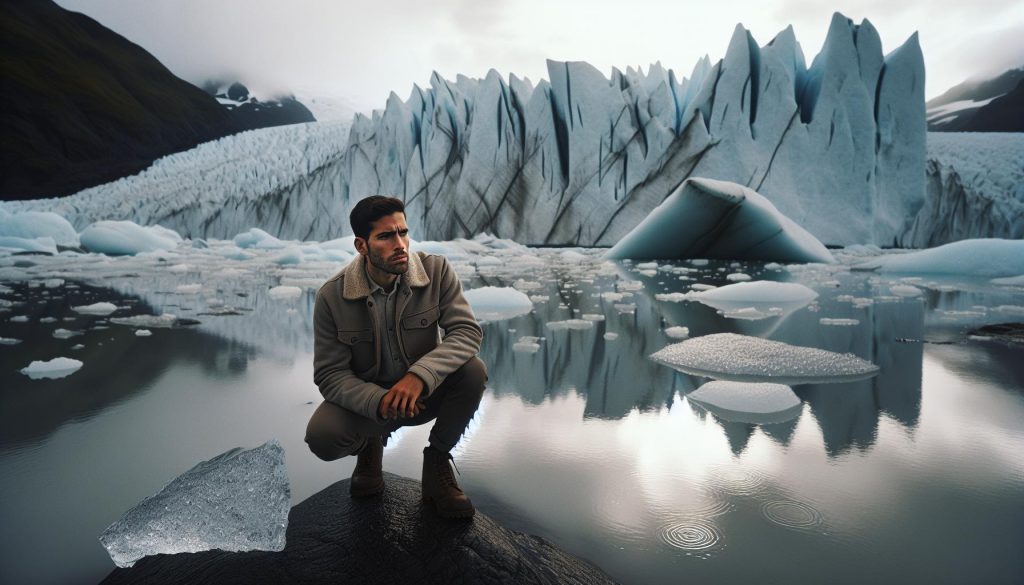
Did you know that glaciers worldwide have lost more than 27 meters of ice since 1970, dramatically reshaping our landscapes and ecosystems? The melting of these massive ice structures is a direct response to global climate change, threatening not only the natural world but also the livelihoods of people who depend on freshwater resources. As global temperatures continue to rise, understanding how climate change affects glaciers is crucial for grasping the broader implications for sea levels, weather patterns, and biodiversity. This article will explore the intricate relationship between climate change and glacier melting, informing you about the trends, causes, and potential solutions to this pressing issue. Join us as we uncover the critical role these frozen giants play in our environment and our future.
How Climate Change Accelerates Glacial Melting
Glaciers, often referred to as the Earth’s frozen reservoirs, are experiencing unprecedented melting due to the compounding effects of global climate change. As global temperatures rise-on average by about 1.2 degrees Celsius since the late 19th century-the delicate balance that sustains glacier mass is disrupted. Warmer air not only leads to increased melting at the surface but also alters precipitation patterns, which can reduce the snow accumulation that glaciers rely on for replenishment. This process creates a feedback loop: as glaciers shrink, they expose darker surfaces such as rock and soil that absorb more heat, further accelerating melt rates.
One of the clearest indicators of this phenomenon is the dramatic decline in glacier volume and extent observed globally. Research has shown that many glaciers are retreating, particularly in polar and mountainous regions such as the Himalayas and the Andes. For instance, the glaciers in the Himalayas, which feed many major rivers in Asia, are retreating at an alarming rate, threatening water supply for millions. Studies indicate that since 1970, some of these glaciers have lost up to 70% of their mass due to a combination of warming temperatures and altered precipitation patterns.
This rapid melting of glaciers also has dire implications for sea level rise and coastal communities. Every cubic meter of glacier melt contributes to rising sea levels, which increases the risk of coastal flooding and erosion. In fact, scientists estimate that glaciers account for about one-third of the total ice loss contributing to sea level rise. This reality highlights the urgent need for global climate strategies aimed at curtailing greenhouse gas emissions, with a focus on protecting these vital ice reserves.
To combat the acceleration of glacial melting, innovative solutions and policy measures are necessary. Initiatives such as reforestation can help regulate local climates and mitigate temperature increases, while advancements in renewable energy aim to reduce reliance on fossil fuels. Education and public engagement are also crucial-by raising awareness about the impacts of climate change, communities can mobilize support for sustainable practices that protect not only glaciers but the broader ecosystem they help sustain.
The Science Behind Glaciers and Climate Dynamics
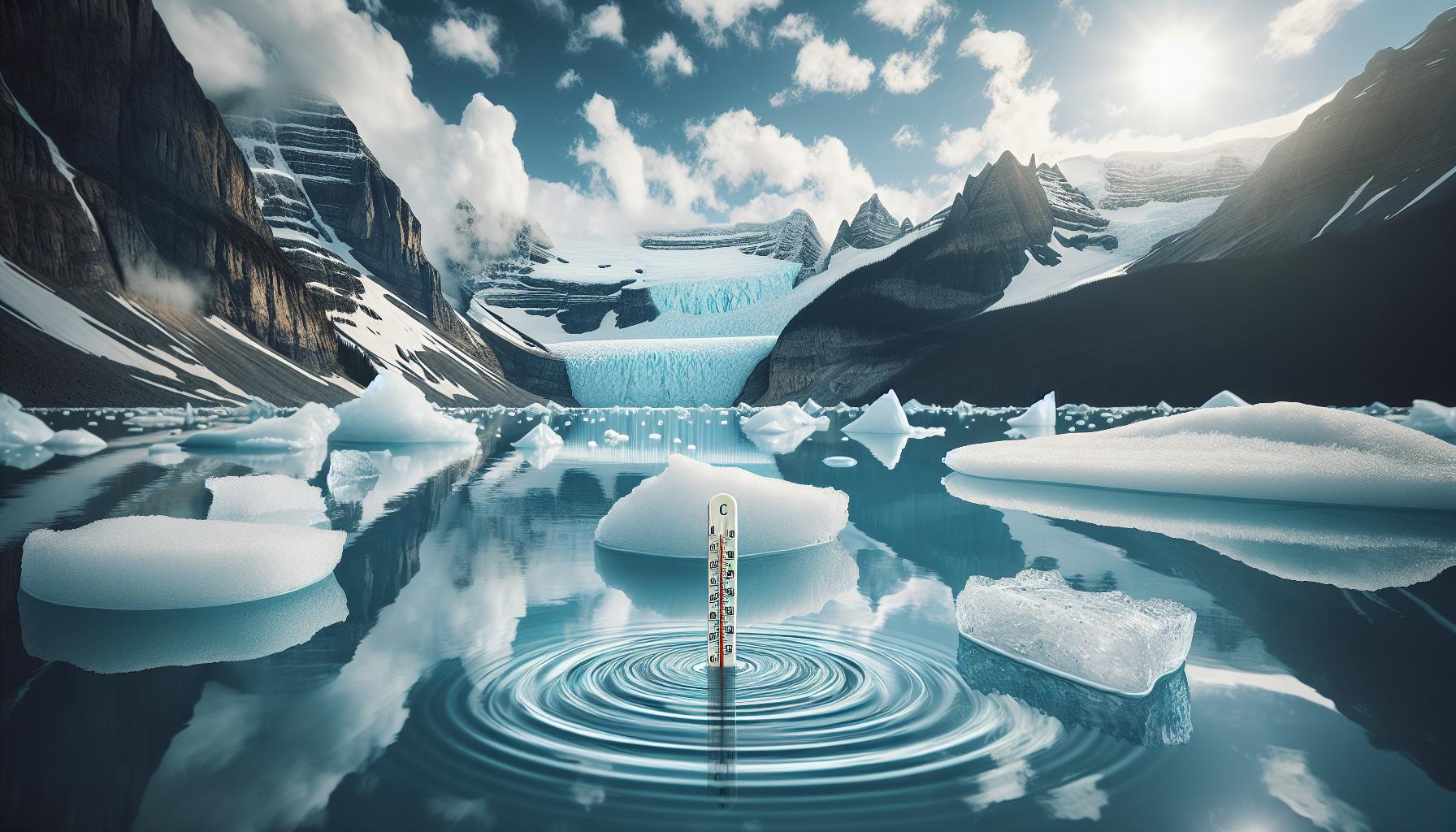
Glaciers, often called the Earth’s frozen reservoirs, play a crucial role in our planet’s climate system, acting as both indicators and regulators of climate change. The intricate mechanisms that govern glaciers are influenced significantly by climate dynamics, making their study essential for understanding not just the past but also predicting the future impacts of global warming. For instance, every 1°C increase in temperature can lead to significant changes in glacier behavior, enhancing melting rates and altering their restorative cycles.
One of the primary scientific aspects involves the balance between accumulation and ablation. Glaciers gain mass through snowfall (accumulation) and lose it through meltwater and sublimation (ablation). Climate change disrupts this balance: warmer temperatures lead to increased ablation rates while simultaneously affecting snowfall patterns, which are crucial for glacier replenishment. As temperatures rise, not only does the solid precipitation diminish – impacting regions reliant on glaciers for water supply – but increased melting exposes darker land beneath, which absorbs more heat and accelerates further melting in a vicious cycle.
Moreover, the connection between glacier health and global sea levels cannot be overstated. As glaciers melt, they contribute significantly to rising sea levels, which is a pressing concern for coastal economies and ecosystems. Research shows that glaciers in Greenland and Antarctica are losing ice at alarming rates, and the melting of these large ice masses poses risks not only to local communities but also to global weather patterns due to their influence on ocean currents and atmospheric systems.
Implementing solutions requires a multifaceted approach. Communities can engage in local conservation efforts, promote renewable energy usage to reduce carbon footprints, and support policies aimed at mitigating climate change. By fostering awareness and education around these topics, stakeholders at all levels can contribute to a more sustainable future, ensuring that glaciers – and the vital resources they provide – are preserved for generations to come.
Key Indicators of Glacier Retreat Globally
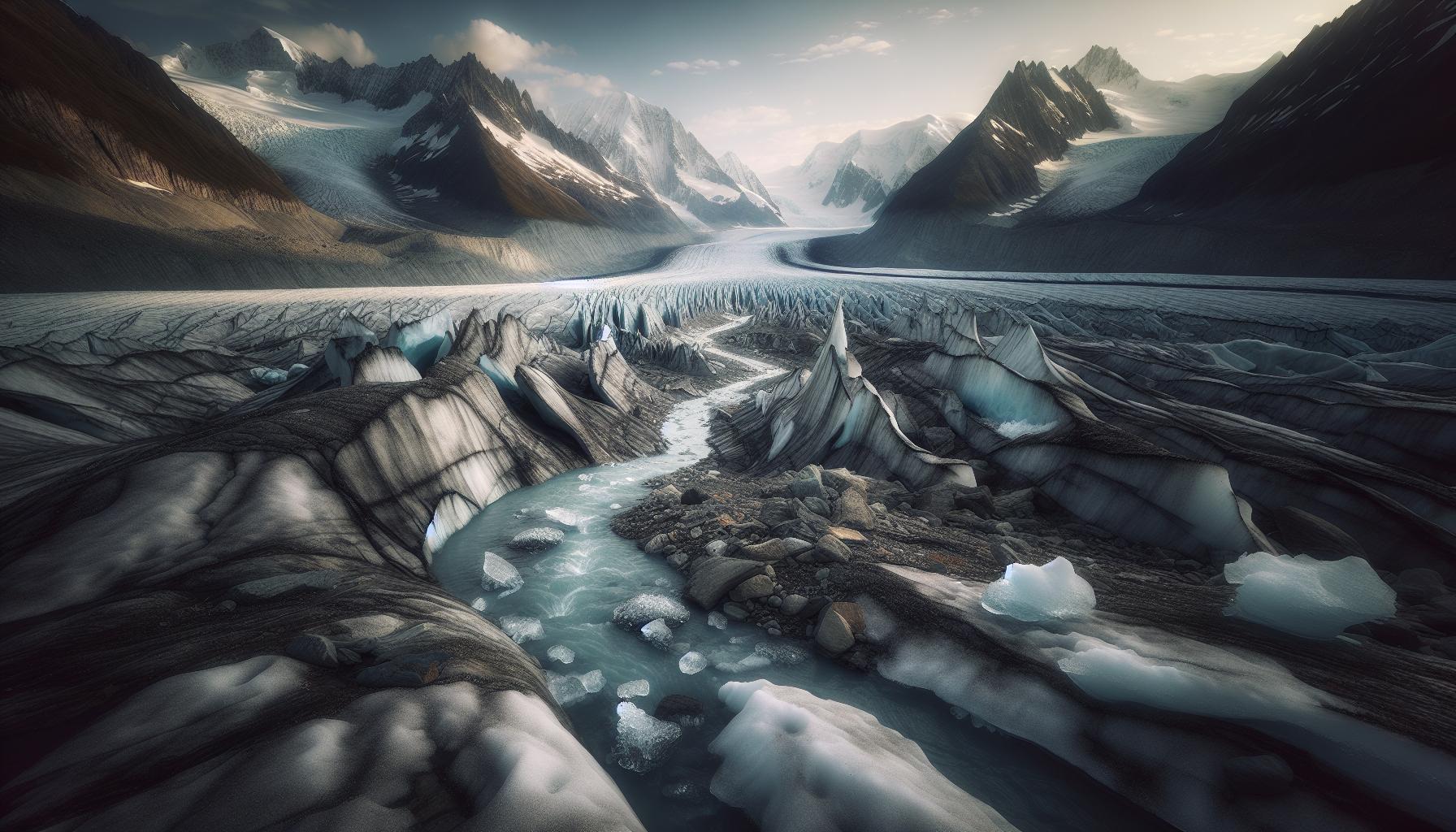
As the climate crisis intensifies, the alarming rate of glacier retreat serves as one of the most visible signs of our changing planet. According to recent studies, glaciers around the world are losing mass at a remarkable pace, with an estimated 370 billion tons of ice lost annually. This loss is not merely a statistic; it reflects profound changes in our environment, affecting everything from sea levels to local ecosystems and water supplies.
One of the key indicators of glacier retreat is the observable change in glacier mass balance, which is the difference between accumulation (snowfall) and ablation (melting and sublimation). Satellite data and aerial surveys have documented this phenomenon, revealing that the majority of the world’s glaciers are experiencing negative mass balances. For example, in the Himalayas, glaciers are receding at rates exceeding 30 meters per year, which threatens the water supply for more than a billion people dependent on glacial meltwater.
Local temperature increases serve as another critical indicator. Many mountainous regions have reported temperature increases more than double the global average, exacerbating glacial melting. For instance, in the Arctic, temperatures have risen by over 2°C since the late 19th century, leading to unprecedented ice loss in Greenland and the Arctic Circle. This situation is compounded by the phenomenon known as albedo effect, where melting glaciers expose darker surfaces that absorb more sunlight, thereby accelerating further melting.
Furthermore, environmental monitoring using tools such as ground-penetrating radar and laser altimetry has shown a drop in glacier thickness in regions like the Swiss Alps and the Andes, where glaciers that once thrived are now retreating rapidly. Such data not only underscores the urgency of addressing climate change but also illustrates the interconnectedness of global warming and glacier dynamics. As glaciers continue to retreat, their impact extends far beyond aesthetic and environmental concerns-each square kilometer of glacial loss contributes to rising sea levels that threaten coastal communities and biodiversity worldwide.
In summary, the indicators of glacier retreat offer a stark reminder of the consequences of climate change. By understanding these metrics, we empower ourselves to take informed actions, advocate for climate solutions, and prepare for the impending repercussions faced by ecosystems and communities dependent on these vital water sources. Engaging in both local and global initiatives aimed at reducing carbon footprints can be an effective personal step toward addressing glacier retreat and its far-reaching impacts.
Impact on Sea Level Rise and Coastal Communities
The retreat of glaciers is a pressing concern that directly influences sea level rise, which poses significant risks to coastal communities around the world. As glaciers melting into the oceans contribute to rising sea levels, even incremental increases can lead to catastrophic consequences. For example, current estimates suggest that global sea levels are rising at an average rate of 3.3 millimeters per year, a number heightened by the extensive loss of glacier masses. This seemingly small increase can result in severe flooding, erosion, and habitat loss in low-lying coastal areas.
Consequences for Coastal Communities
The impact of rising sea levels on coastal communities is multifaceted. Residents face increased flooding during high tides and extreme weather events, leading to property damage and displacement. Cities such as Miami and New Orleans are grappling with this reality, investing billions in infrastructure improvements to combat encroaching waters. For instance:
- Infrastructure Adaptations: Communities are adopting measures like sea walls, levees, and stormwater management systems designed to protect against floodwaters.
- Relocation Initiatives: Some areas, like parts of Alaska and Louisiana, are witnessing planned relocations of entire communities to higher ground due to their uninhabitability.
Moreover, the economic implications are substantial. Coastal industries tied to fishing and tourism face existential threats as habitats are altered and ecosystems are disrupted. This is evident in places like the Florida Keys, where the coral reefs are suffering due to rising temperatures and acidification, which directly affects tourism revenue and biodiversity.
Innovative Approaches to Mitigate Risks
To combat these challenges, innovative solutions are emerging. For instance, “living shorelines” that integrate wetlands, beaches, and tidal marshes are being deployed to provide natural barriers against sea level rise while promoting biodiversity. There is also a growing emphasis on utilizing artificial intelligence and data analytics in urban planning to anticipate and respond to changing conditions more effectively. Programs encourage community engagement in resilience planning, ensuring that local knowledge is integral to the development of tailored solutions.
In summary, as glaciers continue to melt, contributing to rising sea levels, coastal communities must adapt through innovative infrastructure, environmental stewardship, and proactive policies. By fostering collaboration between governments, scientists, and residents, we can create resilient communities that not only strive to adapt to the changing environment but also work to mitigate the impacts of climate change for generations to come.
Ecosystem Disruptions Linked to Melting Glaciers
As glaciers retreat in response to rising global temperatures, they unleash not only vast amounts of freshwater into the oceans but also provoke significant disruptions in surrounding ecosystems. These ecosystems, often finely balanced, are sensitive to changes in water flow, temperature, and nutrient availability that result from melting glaciers. Such disruptions can trigger a domino effect, leading to biodiversity loss and altering local and regional climates.
The rapid melting of glaciers contributes to increased sediment and nutrient flows into rivers and lakes, changing the water’s chemical makeup. For aquatic life, especially species adapted to cold, stable conditions, such changes can be devastating. For example, fish populations like salmon, which rely on cold, clear streams for spawning, may decline dramatically as water temperatures rise and sediment collapse their habitats. Additionally, the influx of freshwater can disrupt the natural salinity balance in coastal areas, affecting marine ecosystems, including mangroves and coral reefs, that thrive in specific salt concentrations.
Furthermore, the retreat of glaciers impacts terrestrial ecosystems by altering the hydrological cycle. Many regions depend on glacial meltwater as a critical freshwater source during dry seasons. The loss of glaciers can lead to water shortages, affecting agriculture and drinking water supplies for nearby communities. As farmers in regions like the Andes and Himalayas face declining glacier melt, they may experience crop failures and increased competition for dwindling resources, which can exacerbate food insecurity and drive migration.
To mitigate these disruptions, communities and governments are beginning to implement innovative solutions. For instance, the establishment of protected areas and conservation strategies aims to preserve critical habitats and biodiversity. Additionally, ecological restoration initiatives can help restore affected ecosystems by reintroducing native species and improving habitat connectivity. Engaging local communities in conservation efforts fosters a sense of stewardship and enhances traditional knowledge, making ecosystems more resilient to the ongoing impacts of climate change.
Understanding and addressing the disruptions linked to melting glaciers is essential for climate resilience. By adopting sustainable water management practices and investing in ecosystem recovery and conservation, we can help ensure that both human and natural systems adapt to the rapidly changing environment. Encouraging public awareness and education around these issues can empower individuals and communities to take responsible action, fostering a collective effort toward a sustainable future.
Regional Variations in Glacier Melt Rates
As glaciers across the globe respond to the increasing temperatures driven by climate change, their rates of melting vary significantly depending on regional factors such as geography, climate, and local environmental policies. Understanding these regional variations is crucial not only for predicting future sea level rise but also for formulating appropriate responses to mitigate the impacts on communities and ecosystems.
In the Polar Regions, for instance, the Arctic glaciers are melting at an alarming rate, as evidenced by the Greenland Ice Sheet’s accelerated ice loss. Recent studies suggest that Greenland’s glaciers are contributing to rising sea levels faster than previously anticipated. The average annual ice loss from Greenland between 2015 and 2019 was estimated at around 280 gigatons, which highlights a troubling trend as warmer ocean waters erode the ice from below. The implications for coastal communities are dire, as such melting contributes to rising sea levels that threaten habitats and human settlements.
In contrast, glaciers in the Andes exhibit a different melting pattern. These glaciers are essential for water supply in regions like Bolivia and Peru, providing critical resources during dry seasons. However, due to climate change, these glaciers are retreating rapidly, with some studies suggesting a loss of 30% of volume within the last few decades. This not only threatens water availability for drinking and irrigation but also poses challenges for agriculture, as farmers face unpredictable water sources amid diminishing glacier-fed rivers. Managing the meltwater effectively through infrastructure improvements, such as building reservoirs or implementing water conservation techniques, can empower communities to withstand these changes.
### Efforts Towards Mitigation
Communities worldwide are beginning to recognize the need for innovative solutions to adapt to these regional variations in glacier melt. Here are a few strategies that are showing promise:
- Water Management Systems: Implementing modern irrigation systems can help optimize water use in agricultural sectors that rely on glacial melt.
- Restoration Projects: Initiatives aimed at restoring native vegetation can help stabilize ecosystems affected by changing water flows due to glacier retreat.
- Policy and Education: Increasing awareness about climate change and its effects on glaciers can galvanize political action and support for sustainable practices.
By tailoring responses to the specific challenges posed by glacier melt in various regions, communities can better prepare for and adapt to the realities of a warming climate. Understanding these localized effects is crucial in fostering resilience and ensuring the sustainability of vital water resources that depend on glacial systems.
Socioeconomic Consequences of Melting Glaciers
The rapid melting of glaciers, a direct consequence of climate change, poses significant socioeconomic challenges that extend far beyond the immediate environmental impacts. As glaciers retreat, communities that depend on these ice masses for vital resources face a multitude of challenges, from water scarcity to economic instability. For instance, nearly two billion people worldwide rely on glacial meltwater for drinking, irrigation, and hydropower. In regions like the Andes, where glaciers are diminishing rapidly, entire agricultural systems are threatened, leading to food insecurity and increased poverty among local populations.
The loss of glacial ice alters water availability, impacting agricultural practices and water management. As glaciers shrink, they initially contribute to increased river flows, but this is a temporary boon. Over time, reduced meltwater leads to decreased water supply during critical dry seasons. This fluctuation can make it difficult for farmers to plan their planting and harvesting cycles effectively, necessitating urgent innovations in water management. For example, introducing smart irrigation systems and constructing reservoirs can help to store and distribute water more efficiently, allowing communities to adapt to changing conditions.
Economic Implications
The economic fallout extends to tourism and recreation industries heavily reliant on glacial landscapes. Regions that once thrived due to winter sports or scenic hiking trails are witnessing declining visitor numbers as glaciers recede, impacting local businesses and employment opportunities. According to the International Panel on Climate Change (IPCC), regions that depend on winter tourism could see losses upwards of 50% by mid-century if current trends continue. To mitigate these impacts, the establishment of sustainable tourism practices that promote awareness and conservation can help to diversify local economies.
Public Policy and Community Action
Addressing the requires collaborative efforts at local, national, and global levels. Policymakers must prioritize climate adaptation strategies, integrating climate resilience into planning and development processes. Community awareness and engagement in climate action can also foster resilience, empowering individuals to advocate for sound environmental practices that protect their resources. This can be achieved through educational programs that emphasize the importance of glaciers in local ecosystems, encouraging responsible stewardship of shared resources.
In summary, the are far-reaching, affecting water availability, agricultural stability, and local economies dependent on tourism. By implementing innovative water management solutions and fostering community resilience, we can navigate the challenges presented by a changing climate, ensuring that both people and the planet thrive.
Innovative Solutions for Glacial Preservation
Innovative approaches to glacial preservation are essential in confronting the challenges posed by climate change. As glaciers retreat at alarming rates, science and technology offer promising avenues to mitigate the impacts of this loss. For example, researchers are developing techniques to enhance glacial albedo-essentially, the reflectivity of ice surfaces. One intriguing method involves spreading reflective particles on glacier surfaces to increase sunlight reflection, thus reducing melting rates. Initial studies suggest that these methods can significantly slow down glacier retreat, offering communities more time to adapt to changing water availability.
Another promising strategy is the creation of sustainable water management systems tailored to regions dependent on glacial meltwater. These systems can include a combination of underground reservoirs and advanced irrigation technologies, allowing for better storage and distribution of water during both wet and dry periods. For instance, in the Andes, local farmers are employing smart irrigation techniques that adjust water flow based on soil moisture levels, ensuring efficient water use even as glaciers shrink.
Community-Based Initiatives
Community engagement is crucial for the success of these innovative solutions. Programs that educate local populations about the importance of glaciers can foster stewardship and encourage sustainable practices. In this regard, collaborative projects between scientists and local communities have shown great potential. One such initiative involved training local farmers to use water-conserving agricultural methods, which not only improved yields but also raised awareness about glacier dependency.
Moreover, promoting conservation through eco-tourism can create economic incentives for preserving glacial environments. By encouraging visitors to engage in responsible tourism practices, regions can diversify their economies while fostering a culture of conservation. For example, regions in Patagonia have implemented eco-friendly tourism practices that benefit both the environment and local communities, enhancing awareness around glacial issues while generating revenue.
Ultimately, must involve a multi-faceted approach that combines science, community engagement, and sustainable practices. By leveraging technology and fostering local stewardship, we can create pathways to safeguard these vital ecosystems and ensure a balanced relationship between humanity and the natural world.
Public Awareness: The Role of Education in Climate Action
An alarming fact: glaciers worldwide have lost the equivalent of 27.3 meters of water since 1970, which is comparable to shearing off an average of 30 meters of ice from the surface of every glacier. This rapid decline in glacial mass is a direct consequence of climate change, yet many people remain unaware of the critical role glaciers play in our ecosystems and water supplies. Bridging this knowledge gap is essential to inspiring collective action toward climate change mitigation.
Education is a powerful tool in fostering awareness about glacial melting and its broader implications. By integrating climate education into school curricula, communities can better understand the connection between local water resources and global meteorological changes. Workshops, webinars, and community discussions led by climate scientists can demystify the processes behind glacial retreat, illustrating how rising temperatures and shifting weather patterns are shrinking these vital ice reserves. Engaging narratives and real-world examples, such as the effect of glacial runoff on agriculture and drinking water, can personalize the topic and emphasize its immediate relevance to local communities.
Practical Strategies for Raising Awareness
To effectively amplify public awareness, consider implementing these strategies:
- Create Partnerships: Collaborating with local organizations and environmental groups can enhance outreach efforts. Educational campaigns tailored to local contexts can resonate more with residents.
- Utilize Digital Platforms: Leverage social media and online learning platforms to disseminate information quickly and widely. Infographics, short videos, and interactive maps showing glacier changes can engage audiences dynamically.
- Showcase Success Stories: Highlighting successful community initiatives that address glacier melting and water conservation can inspire other regions to take similar actions.
Combining these efforts with community-based initiatives provides a practical foundation for actionable change. When locals understand the stakes-how their livelihoods are intertwined with healthy glaciers-they are more likely to participate in conservation efforts. By fostering a culture of environmental stewardship through education, we can empower communities to advocate for policies and practices that protect glacial ecosystems, ultimately creating a more sustainable future. The journey toward climate action begins with informed communities equipped to make impactful decisions.
Future Predictions: What Models Say About Glacier Loss
Umensurably vast and dynamically transformative, glaciers are not just striking natural wonders; they are critical indicators of climate change. As global temperatures continue to rise, models predicting glacier loss reveal a sobering future. According to projections, if we remain on our current greenhouse gas emissions trajectory, many of the world’s glaciers could lose up to 70% of their mass by the end of the 21st century. This alarming statistic underscores how heavily we depend on glacier-fed water sources, as melting glaciers contribute to sea level rise and water supply challenges.
Currently, climate models are increasingly sophisticated, incorporating various variables such as temperature increases, precipitation patterns, and ocean currents to simulate potential scenarios. The Intergovernmental Panel on Climate Change (IPCC) projects that under the most extreme warming scenarios, glacier volume could decrease by as much as 90% in regions like the Himalayas, which are crucial for the water supply of over a billion people. Furthermore, such dramatic loss not only threatens freshwater availability but also disrupts ecosystems and alters regional weather patterns.
The implications of these models extend beyond environmental degradation. With the loss of glaciers, regions that rely on glacial melt for agriculture will face unprecedented challenges, impacting food security and local economies. Real-world examples, such as the receding glaciers in Patagonia and the Swiss Alps, highlight a worrying trend. Local communities are already experiencing altered river flows, resulting in both flooding and drought, illustrating an immediate need to change our environmental policies and practices.
To tackle glacier loss, we must embrace innovative solutions, including enhancing carbon capture technologies, implementing sustainable land use practices, and investing in renewable energy. Practical individual actions, such as reducing energy consumption and advocating for climate-friendly policies, play an essential role in mitigating these impacts. The insights from current climate models serve not only as warnings but also as a call to action; the choices we make today will dictate the future health of glaciers and the myriad communities that depend on them.
Personal Actions: How You Can Contribute to Solutions
Taking proactive steps to mitigate climate change impacts, particularly regarding glacial melting, starts with individual actions that can collectively make a significant difference. With glaciers retreating at alarming rates due to rising global temperatures, each of us plays a critical role in addressing this urgent issue. From modifying daily habits to supporting broader systemic changes, your actions matter.
To contribute effectively, consider these practical strategies:
- Reduce Your Carbon Footprint: Minimize energy consumption by using energy-efficient appliances and switching to LED lighting. Consider utilizing public transportation, carpooling, walking, or cycling whenever possible to cut down on greenhouse gas emissions.
- Support Renewable Energy: Advocate for policies and initiatives that promote clean energy sources like solar, wind, and hydroelectric power. If possible, invest in renewable energy systems for your home, such as solar panels.
- Make Sustainable Food Choices: The food industry significantly contributes to emissions, so opt for locally sourced, seasonal, and organic products. Reducing meat consumption and food waste can also have a substantial positive impact.
- Educate and Advocate: Engage in conversations about climate change and glacier preservation within your community. Support organizations focused on climate action, and partake in local initiatives aimed at preserving natural resources.
- Conserve Water: Simple measures like fixing leaks, shortening showers, and using water-saving fixtures can help preserve our water supply-crucial since many regions rely on glacial melt for freshwater.
The path to glacial preservation doesn’t solely depend on government or corporate actions; it’s about individuals making conscious choices and inspiring others to do the same. Real-life impacts can be witnessed through community-driven clean-up days, tree-planting efforts, or local climate awareness events. Integrating these actions into your routine fosters a sense of involvement and empowerment, turning concerns over climate change into a collective movement toward sustainability.
Understanding that your financial decisions-like where to bank or what products to purchase-can also influence environmental outcomes is vital. Supporting businesses committed to sustainability can amplify your individual efforts. In every product choice or policy support, remember that you’re actively contributing to the fight against climate change and its dire effects on glaciers. By working together and making informed decisions, we can protect these vital ecosystems for generations to come.
FAQ
Q: How does climate change specifically lead to glacier melting?
A: Climate change causes an increase in global temperatures, which accelerates glacier melting. Warmer air leads to more evaporation and reduced snow accumulation that replenishes glaciers, effectively reducing their mass and causing retreat. Understanding this process is crucial for addressing broader climate impacts.
Q: What are the long-term effects of melting glaciers on freshwater supplies?
A: Melting glaciers can initially increase freshwater availability, but over time, they reduce water supplies for millions who rely on glacial meltwater for drinking and agriculture. As glaciers vanish, the reliability of this water source decreases, impacting communities worldwide.
Q: How does glacier melt affect ocean currents?
A: Glacier melt contributes freshwater to oceans, potentially disrupting established ocean currents. Changes in salinity can alter circulation patterns, affecting global climate systems and regional weather patterns. This interconnection illustrates the broader implications of glacier loss.
Q: Are there observable changes in wildlife due to glacier melt?
A: Yes, melting glaciers disrupt habitats for various species, particularly those dependent on cold environments, such as polar bears and certain fish species. As their environment changes, these species face challenges in finding food and adapting, impacting biodiversity.
Q: How might glaciers react to future climate change scenarios?
A: Future climate scenarios predict increased glacial melting, with some studies suggesting that if temperatures rise by 2°C, many glaciers could be lost by the end of the century. Models help us understand these potential outcomes and emphasize the urgency in addressing climate change.
Q: What role do glaciers play in regulating the Earth’s climate?
A: Glaciers act as natural buffers, reflecting sunlight and regulating sea levels. Their melt contributes to ocean levels and potentially affects local and global climates by modifying energy exchanges. Protecting glaciers is thus critical for climate stability.
Q: How can individuals help mitigate the effects of glacier melting?
A: Individuals can reduce their carbon footprint by using public transport, conserving energy, and supporting sustainable practices. Engaging in advocacy for climate action also contributes to broader efforts that may help slow glacier melting and climate change.
Q: What can be done to preserve glaciers against climate change?
A: Innovative solutions to preserve glaciers include reducing greenhouse gas emissions, enhancing land management practices, and investing in renewable energy. Global cooperation and investment in these strategies are essential to mitigate the acceleration of glacier retreat.
For further insights, explore sections on “Impact on Sea Level Rise” and “Innovative Solutions for Glacial Preservation” in our article to understand the interconnectedness of glacier health and climate action.
To Conclude
Understanding how global climate change affects glacier melting is just the tip of the iceberg. As glaciers retreat, they contribute to rising sea levels and disrupt ecosystems, impacting communities around the globe. It’s crucial for us to take action now-whether it’s reducing carbon footprints or advocating for sustainable practices. Dive deeper into our resources on climate action strategies or explore how renewable energy can play a vital role in mitigating these changes.
Don’t stop here; join our newsletter for the latest insights on environmental issues, and check out our in-depth articles on sustainable living and its impact on our planet. Your engagement can create a ripple effect, inspiring others to act. What concerns do you still have about climate change and glacier melting? Let us know in the comments, and together, we can foster a community committed to making a difference. Explore further, stay informed, and be part of the solution.
Get our latest guides, news, and insights highlighted in your Google Search & AI Overviews.